
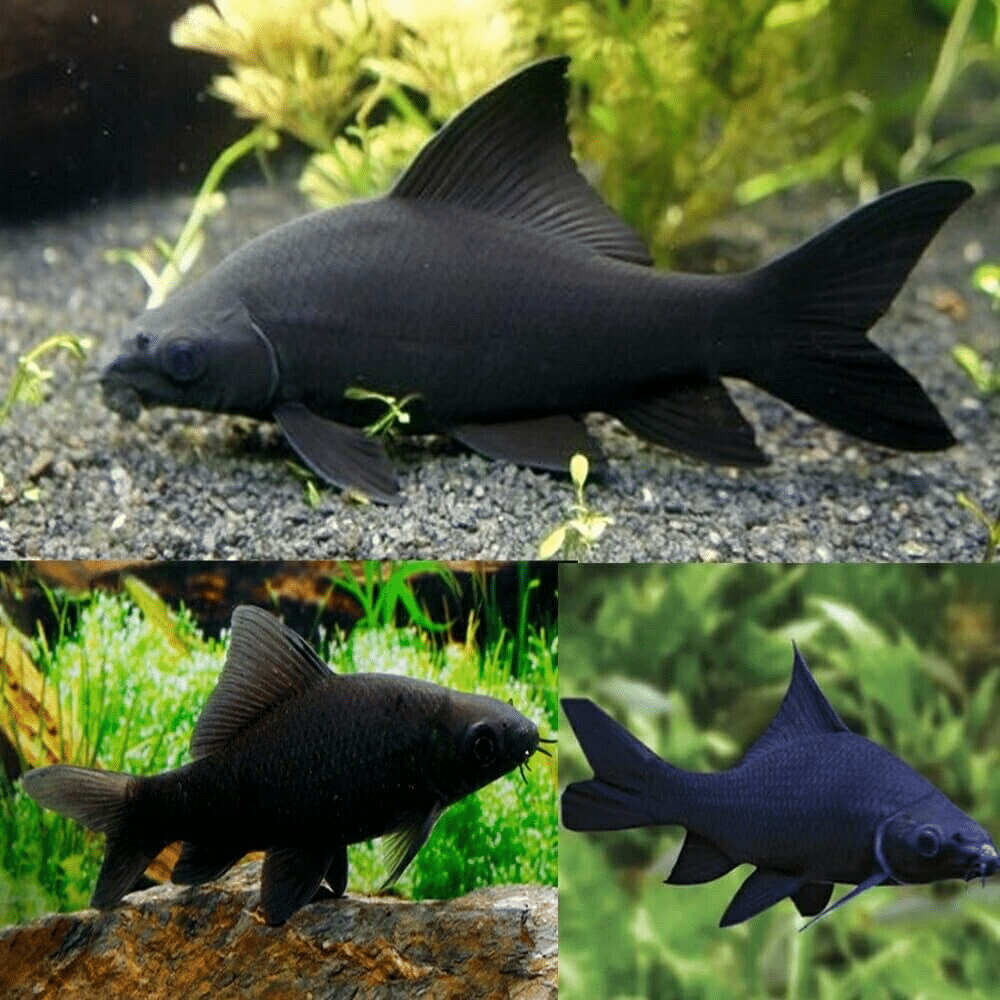
Black Shark Labeo Chrysophekadio, Gorgeous Red Finned Ruby Shark for Aquarists, Perfect for Enhancing Your Aquarium Setup with Vibrant Colors and Graceful Movements

Original price was: £7.99.£6.78Current price is: £6.78.
Welcome the stunning Black Shark Labeo Chrysophekadio into your aquarium tank! With its sleek black body and vibrant golden fins, this tropical fish is perfect for enthusiasts. Ideal for spacious setups, it thrives in well-decorated environments, adding elegance and activity to your aquatic display.
Out of stock


Species Introduction
The Black Shark Labeo Chrysophekadio, often referred to simply as the Black Shark, is a striking freshwater fish that is a member of the Cyprinidae family. Known for its robust body and sleek, dark coloration, this species is a popular choice among aquarium enthusiasts who appreciate its unique appearance and lively behavior. Originating from the rivers and streams of Southeast Asia, particularly in regions like Thailand and Cambodia, the Black Shark thrives in warm, freshwater environments. In its natural habitat, it prefers areas with ample vegetation and structures that provide hiding spots, which mimic the conditions you should aim to recreate in your aquarium setup. This species can grow to a significant size, making it an impressive addition to larger community tanks. However, it’s essential to understand its specific care requirements to ensure a healthy and vibrant life for your aquatic companion.
Care Requirements Dashboard
✓ Care Level: Moderate
Tank Size: Minimum 100 gallons
Water Temperature: 75°F – 80°F
pH Level: 6.5 – 7.5
Water Hardness: 5 – 15 dGH
The care requirements for the Black Shark are essential for maintaining its health and vibrancy. This species thrives in a spacious aquarium, with a minimum tank size of 100 gallons recommended to provide ample swimming space. The water temperature should be maintained between 75°F and 80°F, with a pH level ranging from 6.5 to 7.5 to mimic its natural habitat. Additionally, the water hardness should be kept between 5 to 15 dGH to ensure optimal health. Regular water changes and monitoring of these parameters are crucial for preventing stress and promoting a healthy environment for your fish friend.
Natural Behavior & Temperament
The Black Shark is known for its active swimming patterns and curious nature. In the wild, these fish are often seen darting through the water, exploring their surroundings with enthusiasm. They are generally peaceful but can exhibit territorial behavior, especially as they mature. This species thrives in groups, so it’s advisable to keep them in schools of at least three to five individuals to promote social interaction and reduce stress. However, caution should be exercised when selecting tank mates, as their size and active nature can intimidate smaller fish. Observing their social dynamics can be fascinating, as they establish hierarchies within their groups. Providing plenty of hiding spots and open swimming areas will help accommodate their natural behaviors, ensuring a harmonious aquarium environment.
Tank Setup Guide
Creating an ideal environment for your Black Shark involves careful consideration of tank setup. Begin by selecting a spacious aquarium, ideally 100 gallons or more, to allow for ample swimming space. The substrate should consist of smooth gravel or sand to prevent injury to their delicate bodies. Incorporating driftwood decorations and rocks can provide hiding spots and create a natural aesthetic that mimics their native habitat. Additionally, live plants can enhance the tank’s beauty while offering shelter and foraging opportunities. Ensure that the tank has a strong filtration system to maintain water quality, as these fish produce a significant amount of waste. Proper water circulation is essential, so consider adding a water pump to create gentle currents, which will replicate their natural environment and keep them active and healthy.
Water Quality Management
Maintaining optimal water quality is crucial for the health of your Black Shark. Regular testing of the water parameters, including pH, temperature, and hardness, is essential to ensure they remain within the recommended ranges. A pH level between 6.5 and 7.5 is ideal, and the water temperature should be kept between 75°F and 80°F. Weekly water changes of 20-30% will help remove accumulated toxins and maintain clarity. Additionally, using a high-quality water conditioner can neutralize harmful chemicals and promote a safe environment for your fish. Monitoring ammonia, nitrite, and nitrate levels is also vital, as spikes in these parameters can lead to stress and health issues. Investing in a reliable water testing kit will empower you to keep your aquarium in pristine condition, ensuring your Black Shark thrives.
Feeding & Nutrition
✓ Diet: Omnivorous
Feeding Frequency: 2-3 times per day
Food Types: High-quality pellets, flakes, and live or frozen foods
The Black Shark is an omnivorous species that requires a balanced diet to thrive. A varied diet consisting of high-quality pellets, flakes, and occasional live or frozen foods will provide the necessary nutrients for optimal health. Feeding should occur 2-3 times per day, with only what they can consume within a few minutes to prevent overfeeding and water quality issues. Incorporating vegetable matter, such as blanched zucchini or spinach, can also be beneficial for their digestive health. Observing their feeding behavior will help you determine the right portions and frequency, ensuring they receive the nutrition they need to grow and flourish in your aquarium.
Compatibility Guide
When considering tank mates for your Black Shark, it’s essential to choose species that can coexist peacefully. While they are generally sociable with their own kind, they may exhibit territorial behavior towards smaller or more timid fish. Ideal tank mates include larger, robust species such as cichlids, barbs, and other semi-aggressive fish that can handle their active nature. However, avoid keeping them with small or slow-moving fish, as they may become targets for bullying. It’s also advisable to introduce new tank mates gradually, allowing the Black Shark to acclimate to the changes in their environment. Monitoring interactions closely during the initial introduction phase will help ensure a harmonious community tank.
Health & Wellness
⚠ Common Issues: Ich, fin rot, stress
Prevention: Regular water changes, good tank mates
Maintaining the health and wellness of your Black Shark is paramount for its longevity. Common health issues include ich, fin rot, and stress-related conditions. Regular water changes and maintaining stable water parameters are crucial for preventing these issues. Additionally, providing a low-stress environment with appropriate tank mates will contribute to their overall well-being. Observing your fish for signs of illness, such as changes in behavior or appearance, is essential for early detection and treatment. If you notice any abnormalities, promptly consult with an aquarium professional for guidance on appropriate treatment options. Regular health checks and a proactive approach to care will help ensure your Black Shark remains a vibrant and active member of your aquatic community.
Breeding Information
Breeding the Black Shark can be a rewarding experience for dedicated aquarists. However, it’s important to note that breeding in captivity can be challenging. These fish are known to be egg scatterers, meaning they release eggs in the water column rather than building a nest. To encourage breeding behavior, provide a separate breeding tank with soft, slightly acidic water and plenty of hiding spots. The breeding pair should be well-fed and conditioned prior to spawning. Once the female lays her eggs, the male will fertilize them, and it’s essential to remove the parents after spawning to prevent them from eating the eggs. The eggs will typically hatch within 3-5 days, and the fry should be fed infusoria or finely crushed flakes until they are large enough to consume regular food. Monitoring water quality and providing a safe environment for the fry is crucial for their successful growth.
Acclimation Process
Introducing your Black Shark to its new home requires a careful acclimation process to minimize stress and ensure a smooth transition. Begin by floating the sealed bag containing the fish in the aquarium for about 15-20 minutes to equalize the temperature. After that, gradually introduce small amounts of aquarium water into the bag every 5-10 minutes, allowing the fish to acclimate to the new water parameters. This process should take about an hour. Once acclimated, gently release the fish into the aquarium using a net to avoid adding any transport water that may contain harmful substances. Monitoring the fish closely for signs of stress or aggression during the first few days is essential, as this will help you address any issues promptly. Providing a calm and stable environment will facilitate a successful acclimation and help your Black Shark thrive in its new home.
Long-term Care
Caring for your Black Shark over the long term requires commitment and attention to detail. As they grow, these fish can reach impressive sizes, so it’s crucial to ensure that their living conditions remain suitable. Regular water testing and maintenance, including water changes and filter cleaning, will help keep the environment stable. Monitoring their growth and adjusting the tank setup as needed will ensure they have enough space to swim and thrive. Additionally, keeping a consistent feeding schedule and providing a varied diet will support their health and vitality. As your Black Shark matures, you may need to reassess tank mates and make adjustments to prevent territorial disputes. By staying informed and proactive in your care routine, you can enjoy a long and fulfilling relationship with your aquatic companion.
Natural Habitat Recreation
Recreating the natural habitat of the Black Shark in your aquarium will enhance its well-being and bring out its natural behaviors. Focus on creating a biotope that mimics the rivers and streams of Southeast Asia, where these fish are commonly found. Incorporate smooth stones, driftwood, and live plants to create a visually appealing and functional environment. The use of natural materials will not only provide hiding spots but also contribute to the overall aesthetics of your aquarium. Aim for a varied structure with both open swimming areas and shaded spots to cater to their swimming habits and territorial instincts. Additionally, maintaining a gentle water flow will replicate the currents of their natural habitat, encouraging active swimming and exploration. By investing time in creating a suitable environment, you will promote the health and happiness of your Black Shark.
Seasonal Care Adjustments
As seasons change, it’s essential to adjust your care routine for the Black Shark to accommodate variations in temperature and light. During warmer months, ensure that the water temperature remains stable and does not exceed the upper limit of 80°F. Consider using a fan or air conditioning to maintain a comfortable environment if necessary. In contrast, during cooler months, you may need to use a heater to keep the water temperature within the ideal range. Additionally, adjusting the lighting duration can mimic natural day/night cycles, which can positively impact their behavior and health. Monitoring water parameters regularly and making necessary adjustments will help you provide a stable environment throughout the year. By being proactive and attentive to seasonal changes, you can ensure the continued health and happiness of your Black Shark.
Expert Tips
✓ Monitor aggression levels
✓ Use a high-quality filter
✓ Provide a varied diet
To ensure the best care for your Black Shark, consider implementing these expert tips. First, monitor aggression levels, especially as they mature, to prevent territorial disputes among tank mates. Regularly observe their interactions and be prepared to separate individuals if necessary. Second, invest in a high-quality filter to maintain excellent water quality, as these fish produce considerable waste. A powerful filtration system will help keep the water clean and clear, promoting a healthy environment. Lastly, provide a varied diet to prevent nutritional deficiencies and encourage vibrant coloration. Incorporating a mix of high-quality dry foods and occasional live or frozen offerings will support their overall health and vitality. By following these expert tips, you can create a thriving environment for your Black Shark.
Troubleshooting
When caring for your Black Shark, you may encounter some common issues that require troubleshooting. One frequent concern is stress, which can manifest as hiding or erratic swimming behavior. To address this, ensure that the tank is adequately sized and that there are enough hiding spots to provide security. Another common issue is water quality, which can lead to health problems. Regular testing and maintenance of water parameters are essential to prevent spikes in ammonia or nitrites. If you notice signs of illness, such as loss of appetite or abnormal swimming patterns, isolate the affected fish and consult with an aquarium professional for appropriate treatment options. Keeping a close eye on your aquatic friends and being proactive in addressing issues will help you maintain a healthy and thriving aquarium.
Scientific Background
The Black Shark, scientifically known as Labeo Chrysophekadio, is a fascinating species that belongs to the Cyprinidae family. While specific family information is not available, this family is known for its diverse range of freshwater fish, many of which are popular in the aquarium trade. The Black Shark is particularly notable for its unique appearance and active behavior, making it a favorite among aquarists. Understanding the taxonomy and natural history of this species can enhance your appreciation for its place in the aquatic ecosystem. Conservation efforts are vital to protect the habitats of these fish, as pollution and habitat destruction pose significant threats to their populations in the wild. By providing a safe and nurturing environment in your aquarium, you contribute to the preservation of this remarkable species.
Advanced Care Techniques
For experienced aquarists looking to provide the best care for their Black Shark, advanced techniques can enhance their living conditions and overall health. Consider implementing a well-planned aquascaping strategy that incorporates natural elements, such as rocks and driftwood, to create a dynamic environment that encourages exploration. Additionally, utilizing a high-quality filtration system with a UV sterilizer can help maintain pristine water conditions while reducing the risk of disease. Regularly monitoring water parameters and adjusting them as needed will ensure a stable environment that supports the well-being of your fish. Furthermore, consider keeping a journal to track their growth, behavior, and health over time, which can provide valuable insights into their needs and preferences. By employing these advanced care techniques, you can create an optimal habitat for your Black Shark, ensuring a long and healthy life for your aquatic companion.
Frequently Asked Questions
Q: What tank size is required for Black Shark Labeo Chrysophekadio?
A minimum tank size of 200 litres is recommended for Black Shark Labeo Chrysophekadio. These fish can grow quite large, reaching up to 35 cm in length, necessitating ample swimming space. A larger tank not only provides room for their active behaviour but also helps in maintaining stable water parameters, which is crucial for their health. Additionally, a larger volume of water dilutes toxins more effectively, reducing the impact of waste. Proper filtration and aeration are also essential to keep the water clean and well-oxygenated. If you are considering multiple individuals, ensure to increase the tank size accordingly to avoid territorial disputes.
✓ Expert Tip
Consider adding hiding spots and visual barriers using decorations or plants to reduce stress and aggression among tank mates.
Q: What water parameters do Black Shark Labeo Chrysophekadio require?
Black Shark Labeo Chrysophekadio thrive in water with a temperature range of 24-28°C, a pH level of 6.5-8.0, and a hardness of 5-20 dGH. Regular testing of these parameters is crucial, as fluctuations can lead to stress and health issues. It is advisable to use a reliable water conditioner to remove harmful chemicals from tap water and to perform regular water changes of 20-30% weekly to maintain optimal conditions. Additionally, ensure that the tank is well-filtered, as these fish produce considerable waste. Monitoring ammonia and nitrite levels should be a part of your routine to ensure a healthy environment.
✓ Expert Tip
Invest in a quality test kit for accurate water parameter readings, which will help you maintain a stable environment for your aquatic companions.
Q: How often should I feed Black Shark Labeo Chrysophekadio?
Feeding Black Shark Labeo Chrysophekadio should be done once or twice daily, providing an amount they can consume within 2-3 minutes. A varied diet is essential for their health; consider high-quality pellets, flakes, and occasional treats like frozen or live foods such as brine shrimp and bloodworms. This variety not only ensures balanced nutrition but also stimulates their natural foraging behaviour. Overfeeding can lead to water quality issues, so always monitor their intake and adjust accordingly. If you notice leftover food, reduce the quantity in subsequent feedings.
✓ Expert Tip
Consider using a feeding ring to keep food from floating away, ensuring your fish get the nutrition they need without polluting the water.
Q: What are the best tank mates for Black Shark Labeo Chrysophekadio?
Black Shark Labeo Chrysophekadio are semi-aggressive and can be territorial, especially as they mature. Therefore, it is best to house them with larger, robust fish that can hold their own, such as Cichlids or larger Tetras. Avoid small or timid species, as they may become targets for bullying. It is also advisable to maintain a ratio of one Black Shark per tank, or at least provide ample space and hiding spots for each individual to minimise aggression. Regularly observe their interactions to ensure a harmonious community.
✓ Expert Tip
Adding plants and decorations can provide hiding places that reduce stress and aggression levels, creating a more balanced environment.
Q: How do I properly acclimatise Black Shark Labeo Chrysophekadio to my aquarium?
Acclimatisation is crucial for the health of Black Shark Labeo Chrysophekadio. Upon receiving your fish, float the sealed bag in your aquarium for about 15-20 minutes to equalise the temperature. After that, gradually introduce aquarium water into the bag, approximately 10% every 5-10 minutes, over the course of one hour. This process helps the fish adjust to the water parameters. Once acclimatised, gently release the fish into the aquarium without adding bag water, which may contain harmful substances. This careful approach minimises stress and promotes a healthier transition.
✓ Expert Tip
Keep the aquarium lights dim during acclimatisation to reduce stress and allow the fish to explore their new home more comfortably.
Q: What are the signs of healthy Black Shark Labeo Chrysophekadio?
Healthy Black Shark Labeo Chrysophekadio should exhibit vibrant colouration, clear eyes, and active swimming behaviour. They should not be hiding excessively or displaying signs of distress, such as rapid gill movement or erratic swimming patterns. Additionally, their fins should be intact and not frayed, and there should be no visible signs of lesions or abnormal growths. Regular observation is key to spotting any changes in behaviour or appearance, which could indicate underlying health issues. Maintaining optimal water conditions and a balanced diet greatly contributes to their overall health.
✓ Expert Tip
Perform regular health checks and maintain a clean environment to prevent diseases, ensuring your fish friends remain vibrant and healthy.
Q: How do I successfully breed Black Shark Labeo Chrysophekadio?
Breeding Black Shark Labeo Chrysophekadio can be a challenge, as they require specific conditions. To encourage breeding, maintain a separate breeding tank with slightly warmer water (around 28°C) and provide plenty of flat surfaces for egg deposition. The females can lay hundreds of eggs, which will be fertilised by the males. Remove the adults after spawning, as they may eat the eggs. Ensure the breeding tank is well-aerated and perform regular water changes to maintain quality. The eggs typically hatch within 4-5 days, and the fry can be fed infusoria or finely crushed flakes until they grow larger.
✓ Expert Tip
Monitor the fry closely for growth and health, ensuring they are not outcompeted for food, which can hinder their development.
Q: What temperature should I maintain for Black Shark Labeo Chrysophekadio?
Maintaining a stable temperature range of 24-28°C is optimal for Black Shark Labeo Chrysophekadio. Sudden fluctuations can cause stress and compromise their immune system, making them susceptible to diseases. Using a reliable aquarium heater with a thermostat will help maintain this temperature. Regularly check the water temperature with a thermometer to ensure consistency. Additionally, avoid placing the aquarium in direct sunlight or near heating vents, as these can create temperature spikes or drops.
✓ Expert Tip
Consider using a backup heater in case of failure, ensuring your fish friends are always comfortable and healthy.
Q: How long do Black Shark Labeo Chrysophekadio typically live in captivity?
In captivity, Black Shark Labeo Chrysophekadio can live for 10 to 15 years, given optimal care. Providing a stable environment with appropriate water parameters, a balanced diet, and regular maintenance significantly contributes to their longevity. Regular health checks and prompt attention to any signs of illness are also vital for enhancing their lifespan. By creating a suitable habitat and ensuring their well-being, you will enjoy the presence of these fascinating fish friends for many years.
✓ Expert Tip
Keeping a detailed log of water parameters and health observations can help you track their needs and spot potential issues early.
Q: What type of substrate is most suitable for Black Shark Labeo Chrysophekadio?
Black Shark Labeo Chrysophekadio prefer a substrate that allows them to exhibit their natural behaviour, which includes foraging and scavenging. A sandy or fine gravel substrate is ideal, as it mimics their natural habitat and is gentle on their bodies. Avoid sharp or coarse substrates that could injure their delicate skin and fins. Additionally, incorporating smooth stones and driftwood can create a more natural environment while providing hiding spots, helping to alleviate stress in your fish friends.
✓ Expert Tip
Regularly vacuum the substrate during water changes to remove waste and maintain a clean environment for your fish.
Q: What behavioural patterns should I expect from Black Shark Labeo Chrysophekadio?
Black Shark Labeo Chrysophekadio are known for their active and inquisitive nature. They are often seen swimming throughout the tank, exploring their environment. However, they can display territorial behaviour, especially as they mature, so it is essential to provide ample space and hiding spots to minimise aggression. During feeding time, they tend to become quite enthusiastic and may exhibit competitive behaviour with tank mates. Observing their interactions can help you understand their social dynamics and ensure a harmonious community.
✓ Expert Tip
Engaging with your fish during feeding or maintenance can help build trust and reduce stress levels.
Q: How can I prevent common diseases in Black Shark Labeo Chrysophekadio?
Preventing diseases in Black Shark Labeo Chrysophekadio involves maintaining optimal water quality and regular tank maintenance. Ensure that water parameters are stable and perform regular water changes to reduce harmful toxins. Quarantine new fish before introducing them to your established tank to prevent the spread of diseases. Additionally, providing a balanced diet rich in vitamins and minerals can enhance their immune system. Regularly observe your fish for any signs of illness, such as changes in behaviour or appearance, allowing for prompt action if needed.
✓ Expert Tip
Keep a first aid kit for fish on hand, including medications and treatments for common ailments.
Q: What lighting conditions do Black Shark Labeo Chrysophekadio prefer?
Black Shark Labeo Chrysophekadio prefer moderate lighting that mimics their natural habitat. Intense lighting can cause stress, so it is best to provide a combination of natural and artificial light. Using a timer to maintain a consistent light cycle of 10-12 hours per day can help regulate their circadian rhythm. Additionally, incorporating floating plants or decorations can diffuse strong light, creating shaded areas for your fish friends to retreat to when needed. Regularly check the light intensity to ensure it is suitable for both your fish and any live plants you may have.
✓ Expert Tip
Adjust lighting based on the time of year, as seasonal changes can affect the behaviour of your aquatic companions.
Q: How do I recognise stress in Black Shark Labeo Chrysophekadio?
Recognising stress in Black Shark Labeo Chrysophekadio can be crucial for their well-being. Signs of stress may include erratic swimming patterns, hiding excessively, or staying at the water surface. Additionally, changes in colouration, such as fading or darkening, and fin clamping can indicate discomfort. If you observe these behaviours, assess water quality, tank mates, and overall environment. Ensuring a stress-free habitat with adequate hiding spots and stable conditions can help alleviate their anxiety.
✓ Expert Tip
Regular monitoring and adjustments to their environment can significantly improve their comfort and reduce stress levels.
Q: What natural habitat conditions should I replicate for Black Shark Labeo Chrysophekadio?
To replicate the natural habitat of Black Shark Labeo Chrysophekadio, consider incorporating a combination of sandy substrate, driftwood, and rocks into your aquarium. They are typically found in rivers and streams with moderate water flow, so ensuring good filtration and water movement is beneficial. Additionally, maintaining a slightly acidic to neutral pH and stable temperature will help mimic their native conditions. Adding plants can provide hiding spots and reduce stress while enhancing the aesthetic of the aquarium.
✓ Expert Tip
Research their natural habitat further to understand their behaviours and preferences, ensuring a more enriching environment for your fish friends.
1 review for Black Shark Labeo Chrysophekadio, Gorgeous Red Finned Ruby Shark for Aquarists, Perfect for Enhancing Your Aquarium Setup with Vibrant Colors and Graceful Movements
Add a review
Related products



Lily Harrison (verified owner) –
I recently added the Black Shark Labeo Chrysophekadio to my 100-gallon tropical fish aquarium, and I couldn’t be more thrilled! After about two months of observing their behavior, I’ve seen how they thrive in my setup. What I love most is their playful nature—these fish are active swimmers and really add life to the tank. They’re stunning with their sleek, dark bodies and slight iridescence, which catches the light beautifully.
Compared to other fish I’ve kept, the Black Shark is unique for its personality. It tends to be a bit territorial, which I’ve managed by providing plenty of hiding spots and open swimming areas. I’ve also noticed they appreciate a varied diet; I feed mine high-quality flakes and occasional fresh veggies, and they devour it all!
The only minor downside is that they do require a bit more space than some tropical fish, so I wouldn’t recommend them for smaller tanks. But if you have a larger aquarium setup, these fish are perfect for adding character and energy. Overall, I’m delighted with my purchase and would highly recommend the Black Shark to anyone looking to enhance their aquarium experience!