
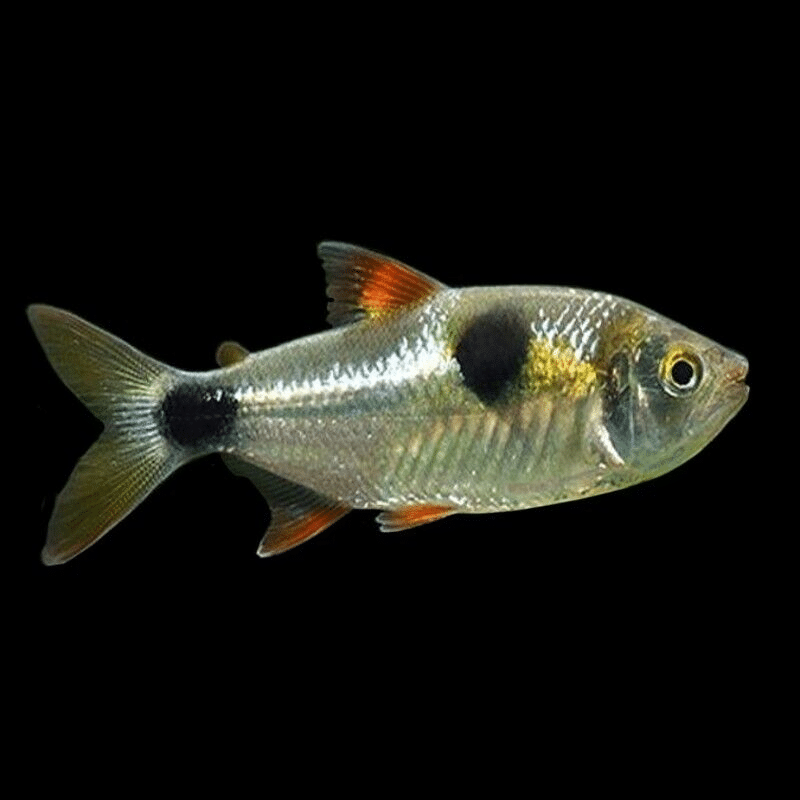
Bucktooth Tetra – Exodon Paradoxus – South American Tetra

Original price was: £19.49.£16.45Current price is: £16.45.
Welcome these beautiful Bucktooth Tetras, also known as Exodon Paradoxus, into your aquarium. These vibrant South American fish are perfect for community tanks, showcasing their stunning colors and graceful movements. Create a thriving habitat with proper care and enjoy their lively schooling behavior.
In stock


Species Introduction
The Bucktooth Tetra, scientifically known as Exodon Paradoxus, is a captivating species that hails from the freshwater rivers and streams of South America. This species is particularly found in the Amazon River basin, where it thrives in a variety of aquatic environments. With its distinctive appearance, characterized by elongated bodies and prominent teeth, the Bucktooth Tetra is an intriguing addition to any aquarium. These fish are known for their schooling behavior, making them a delightful sight as they swim together in harmony. Their vibrant colors and active nature contribute to their popularity among aquarists, especially those interested in creating a lively community tank.
Care Requirements Dashboard
Essential Care Guide for Your Bucktooth Tetra – Exodon Paradoxus – South American Tetra
Natural Behavior & Temperament
The Bucktooth Tetra is a highly social and active species that exhibits fascinating swimming patterns. They are known to be schooling fish, which means they thrive in groups of at least six or more individuals. This schooling behavior not only enhances their confidence but also reduces stress, allowing them to exhibit their natural behaviors. In the wild, these fish are often found darting through dense vegetation and rocky substrates, which provides them with both shelter and foraging opportunities. In an aquarium setting, they are best kept in a community tank with other peaceful species, as their active nature can sometimes be intimidating to more timid fish. Their temperament is generally peaceful, but they can display territorial behavior among themselves, especially during feeding times. Observing their interactions can be quite rewarding, as they engage in playful chases and establish a social hierarchy within the group.
Tank Setup Guide
Creating an ideal environment for your Bucktooth Tetra involves replicating their natural habitat as closely as possible. Start with a spacious tank of at least 20 gallons, as these fish require ample swimming space. The substrate should be fine gravel or sand to mimic the riverbed, and it is beneficial to include plenty of live plants, driftwood, and rocks to create hiding spots and territories. Plants such as Java Fern, Anubias, and Amazon Sword are excellent choices, as they not only provide cover but also contribute to water quality by absorbing nitrates. Ensure that the tank is well-lit but also has shaded areas, as Bucktooth Tetras enjoy both bright and dim environments. Additionally, incorporating a gentle water flow will help simulate their natural habitat, as they are accustomed to flowing waters. Regular maintenance, including water changes and substrate cleaning, is essential to maintain a healthy environment for these beautiful fish.
Water Quality Management
Maintaining optimal water quality is crucial for the health and well-being of your Bucktooth Tetra. These fish are sensitive to changes in their environment, so it is important to monitor water parameters regularly. The ideal pH level for Bucktooth Tetras ranges from 6.0 to 7.5, with a temperature range of 22-28°C (72-82°F). The water hardness should be kept between 5 and 15 dGH. Regular water testing using reliable kits will help you keep track of these parameters. Additionally, performing weekly water changes of 20-30% will help maintain water clarity and reduce the buildup of harmful toxins. It is also advisable to use a high-quality filter that provides both mechanical and biological filtration to keep the water clean and well-oxygenated. Be cautious of ammonia and nitrite levels, as these should always be at 0 ppm to ensure a safe environment for your fish friends.
Feeding & Nutrition
Feeding your Bucktooth Tetra a balanced diet is essential for their health and vibrancy. In nature, these fish are omnivorous, feeding on a variety of insects, small crustaceans, and plant matter. In captivity, a high-quality flake or pellet food designed for tropical fish will provide the necessary nutrients. Additionally, supplementing their diet with frozen or live foods such as brine shrimp, daphnia, and bloodworms will enhance their color and vitality. It is recommended to feed them small portions 2-3 times a day, ensuring that all food is consumed within a few minutes to prevent water quality issues. Be mindful of overfeeding, as this can lead to health problems and deteriorate water conditions. A varied diet not only keeps your fish healthy but also stimulates their natural foraging behavior, making feeding time an engaging experience for both you and your aquatic companions.
Compatibility Guide
When considering tank mates for your Bucktooth Tetra, it is essential to choose species that share similar water requirements and temperaments. These fish are best suited for community tanks with other peaceful species. Ideal tank mates include other small tetras, such as Neon Tetras and Black Phantom Tetras, as well as peaceful barbs, rasboras, and livebearers. Avoid keeping them with aggressive or territorial fish, as this can lead to stress and potential harm. It’s also important to ensure that tank mates are of similar size to prevent any predatory behavior. A well-planned community tank will not only enhance the visual appeal of your aquarium but also create a harmonious environment where all fish can thrive together. Regular observation of interactions among tank mates will help you identify any compatibility issues early on.
Tank Mate Compatibility Guide
Great Tank Mates
- Other peaceful community fish
- Corydoras catfish
- Small tetras
- Peaceful dwarf shrimp
Avoid These Tank Mates
- Aggressive cichlids
- Large predatory fish
- Fin nippers
Compatibility Note: Always research specific species requirements and observe fish behavior when introducing new tank mates. Individual fish personalities can vary!
Health & Wellness
Maintaining the health and wellness of your Bucktooth Tetra involves regular monitoring for any signs of illness or distress. Common health issues that may affect these fish include ich, fin rot, and swim bladder disorders. To prevent these conditions, it is crucial to maintain excellent water quality, provide a balanced diet, and avoid overcrowding in the tank. Signs of illness may include changes in behavior, such as lethargy, loss of appetite, or unusual swimming patterns. If you notice any of these symptoms, it is important to isolate the affected fish and consult with an aquatic veterinarian if necessary. Additionally, routine health checks, including inspecting fins and scales for any abnormalities, can help catch potential issues early. Preventative measures, such as quarantining new arrivals and maintaining a stable environment, are key to ensuring the long-term health of your aquatic companions.
Breeding Information
Breeding Bucktooth Tetras can be a rewarding experience for aquarists willing to provide the right conditions. To encourage spawning, it is essential to create a separate breeding tank with soft, slightly acidic water and plenty of fine-leaved plants for the eggs to adhere to. The breeding tank should be dimly lit to mimic their natural spawning conditions. Introduce a group of fish, ensuring a ratio of one male to several females, as males are more colorful and active during courtship. Once spawning occurs, the adults should be removed after the eggs are laid, as they may consume them. The eggs will hatch within 24-48 hours, and the fry will be free-swimming after about a week. During this time, it is crucial to provide infusoria or finely crushed flakes as food until they are large enough to accept larger foods. Breeding can be a delicate process, but with patience and care, you can successfully raise a new generation of these beautiful fish.
Acclimation Process
Introducing your Bucktooth Tetra to a new aquarium requires a careful acclimation process to minimize stress and ensure a smooth transition. Begin by floating the sealed bag containing the fish in the aquarium for about 15-20 minutes to equalize the temperature. After this, gradually introduce small amounts of aquarium water into the bag over the next 30 minutes. This step helps the fish adjust to the water parameters of their new environment. Once acclimated, gently release the fish into the tank using a net to avoid adding any transport water that may contain contaminants. It is advisable to perform this process during the evening or when the tank lights are dimmed to reduce stress. Monitoring the fish closely for the first few days after introduction will help you ensure they are settling in well and adapting to their new home.
Long-term Care
The long-term care of your Bucktooth Tetra involves providing a stable and enriching environment throughout their lifespan, which can range from 5 to 8 years with proper care. Regular maintenance, including water changes, substrate cleaning, and equipment checks, is essential to keep the tank environment healthy. As your fish grow, be mindful of their space requirements and consider upgrading to a larger tank if necessary. Additionally, keeping a close eye on their diet and health will help prevent common issues associated with aging fish. Engaging with your Bucktooth Tetra through feeding and observation will enhance their quality of life, allowing you to appreciate their beauty and behaviors fully. Creating a well-balanced community tank with compatible species will also contribute to their overall happiness and well-being.
Natural Habitat Recreation
To recreate the natural habitat of the Bucktooth Tetra in your aquarium, focus on mimicking the conditions found in their native Amazon River basin. This includes using a sandy or fine gravel substrate, as well as incorporating plenty of live plants and natural decorations such as driftwood and rocks. These elements not only provide shelter and foraging opportunities but also contribute to the overall aesthetic of the aquarium. Maintaining a slightly acidic pH and warm water temperature will help replicate their natural environment. Additionally, consider using a gentle filtration system to simulate the flowing waters of their habitat. Regularly changing the water and monitoring parameters will ensure a stable environment that supports the health and happiness of your fish friends.
Seasonal Care Adjustments
As seasons change, it is important to make necessary adjustments to the care of your Bucktooth Tetra to ensure their continued health and well-being. During warmer months, monitor the water temperature closely, as higher temperatures can lead to stress and health issues. Ensure that the tank is not exposed to direct sunlight, which can cause overheating. Conversely, in cooler months, consider using a heater to maintain a stable temperature within the ideal range. Additionally, adjusting the lighting duration can help simulate natural seasonal changes, promoting healthy growth and behavior. Regularly observe your fish for any signs of stress or discomfort, and be prepared to make adjustments to their environment as needed. By being proactive in your care routine, you can ensure that your Bucktooth Tetra thrive throughout the year.
Expert Tips
For those looking to provide the best care for their Bucktooth Tetra, consider implementing some expert tips to enhance their living conditions. First and foremost, maintaining a stable environment is crucial; sudden changes in water parameters can be detrimental to their health. Regularly test the water and perform routine maintenance to keep conditions optimal. Additionally, providing a varied diet will not only keep your fish healthy but also stimulate their natural behaviors. Incorporating live foods into their diet can enhance their coloration and vitality. Lastly, consider creating a well-planted tank with plenty of hiding spots to reduce stress and encourage natural behaviors. Engaging with your fish through observation and interaction will deepen your appreciation for these beautiful creatures and contribute to their overall happiness.
Troubleshooting
If you encounter any issues while caring for your Bucktooth Tetra, it is important to address them promptly to prevent further complications. Common problems include stress-related behaviors, such as hiding or erratic swimming patterns, which can often be attributed to poor water quality or unsuitable tank mates. Regularly test water parameters and ensure that your fish friends are in a compatible environment. If you notice signs of illness, such as white spots or frayed fins, consider isolating the affected fish and consulting with an aquatic veterinarian for appropriate treatment options. Additionally, maintaining a consistent feeding schedule and avoiding overfeeding can help prevent health issues related to diet. By being proactive and observant, you can troubleshoot potential problems and ensure a healthy environment for your Bucktooth Tetra.
Scientific Background
The Bucktooth Tetra belongs to the family Characidae, which encompasses a diverse group of freshwater fish commonly found in South America. Their scientific classification places them within the order Characiformes, which includes many popular aquarium species. Research into the behavior and ecology of the Bucktooth Tetra has revealed insights into their natural habitat preferences and social structures. Conservation efforts are vital for preserving their native environments, as habitat destruction and pollution pose significant threats to their populations. Understanding their ecological role in the Amazon River basin can help aquarists appreciate the importance of responsible fishkeeping practices and the need for conservation initiatives. By providing a home for these beautiful creatures, we contribute to the awareness and preservation of their species.
Advanced Care Techniques
For experienced aquarists looking to elevate their care for Bucktooth Tetras, consider implementing advanced techniques to optimize their environment. Utilizing a high-quality filtration system with both mechanical and biological filtration can significantly improve water quality. Additionally, incorporating live plants not only enhances aesthetics but also contributes to the overall health of the tank by providing oxygen and absorbing excess nutrients. Employing a regular schedule for water changes and testing will help maintain stable parameters, while monitoring fish behavior can provide insights into their well-being. Engaging in regular observation and interaction with your fish friends can deepen your understanding of their needs and preferences, leading to a more fulfilling aquarium experience. By applying these advanced care techniques, you can ensure that your Bucktooth Tetra thrive and flourish in their aquatic home.
Frequently Asked Questions
Q: What tank size is required for Bucktooth Tetras?
Bucktooth Tetras are active swimmers and require ample space to thrive. A minimum tank size of 75 litres is recommended for a small school of these fish, as they prefer to be in groups of at least six. This size allows for swimming space and reduces territorial behaviour. Additionally, larger tanks help maintain stable water parameters, which is crucial for their health. Ensure that the tank is well-filtered and has plenty of hiding spots and plants to mimic their natural habitat. Regular maintenance, including water changes, is essential to keep the environment clean and stress-free for your aquatic companions.
✓ Expert Tip
Consider using a tank divider if you are introducing new fish to prevent aggression during acclimatisation.
Q: What water parameters do Bucktooth Tetras require?
Bucktooth Tetras thrive in soft, slightly acidic water, with a pH range of 6.0 to 7.5. The ideal temperature should be maintained between 24°C and 28°C, with a water hardness of 2 to 15 dGH. Regular testing of water parameters is crucial to ensure a healthy environment. Use a high-quality water conditioner to remove harmful chemicals and chlorine from tap water before introducing it to the tank. Frequent water changes of around 20% weekly help maintain optimal conditions and reduce toxins. Stability in these parameters is essential for the well-being of your fish friends.
✓ Expert Tip
Invest in a reliable water testing kit to monitor parameters regularly and ensure a stable environment.
Q: How often should I feed Bucktooth Tetras?
Bucktooth Tetras are active feeders that benefit from a varied diet. It is advisable to feed them small amounts two to three times a day. A balanced diet can include high-quality flake food, small pellets, and frozen or live foods like brine shrimp or daphnia. Care should be taken to avoid overfeeding, as uneaten food can pollute the aquarium. Monitor their feeding habits and adjust portions accordingly. This feeding routine not only supports their health but also enhances their colouration and overall vitality.
✓ Expert Tip
Consider using feeding rings to prevent food from floating away and ensure your fish can easily access it.
Q: What are the best tank mates for Bucktooth Tetras?
Bucktooth Tetras are generally peaceful but can display territorial behaviour if kept in smaller groups. Suitable tank mates include other tetras, rasboras, and peaceful community fish such as guppies or platies. Avoid aggressive species or large predatory fish, as they may stress the tetras. It’s essential to introduce new fish gradually and monitor their interactions to ensure compatibility. Providing plenty of hiding spots and open swimming areas will also help reduce stress and promote a harmonious environment.
✓ Expert Tip
Consider the size and temperament of potential tank mates before introducing them to ensure a balanced community.
Q: How do I properly acclimatise Bucktooth Tetras to my aquarium?
Acclimatisation is essential to reduce stress and ensure the health of your Bucktooth Tetras. Begin by floating the sealed bag in the aquarium for about 15 minutes to equalise the temperature. After that, gradually introduce water from your tank into the bag over the next 30 minutes. This can be done by opening the bag and adding small amounts of tank water every 5 minutes. Finally, gently net the tetras into the aquarium, avoiding adding bag water to your tank. This gradual process helps them adjust to the new environment and reduces the risk of shock.
✓ Expert Tip
Keep the lights dim during acclimatisation to reduce stress and help them settle into their new home.
Q: What are the signs of a healthy Bucktooth Tetra?
Healthy Bucktooth Tetras exhibit vibrant colouration, clear eyes, and active swimming behaviour. They should display a keen interest in their surroundings and readily engage in feeding. Additionally, observe for smooth, unblemished skin and fins, as any signs of fraying or discoloration may indicate health issues. Regular monitoring of their behaviour and appearance can help detect any changes that may signify stress or illness, allowing for prompt intervention if necessary. Maintaining optimal water quality and a balanced diet are crucial for their overall health.
✓ Expert Tip
Keep a close eye on their behaviour; lethargy or hiding may indicate stress or illness.
Q: How do I successfully breed Bucktooth Tetras?
Breeding Bucktooth Tetras can be a rewarding endeavour, though it requires the right conditions. Begin by conditioning a breeding pair with high-quality live foods. Set up a separate breeding tank with soft, slightly acidic water and fine-leaved plants where the eggs can be laid. The temperature should be maintained around 26°C. Once spawning occurs, remove the parents to prevent them from eating the eggs. Eggs typically hatch within 24 to 36 hours. Ensure that the fry are fed with infusoria or finely crushed flakes until they are large enough to eat regular food. Regular water changes will help maintain a healthy environment for the fry.
✓ Expert Tip
Breeding can be enhanced by simulating seasonal changes, such as slight temperature fluctuations.
Q: What temperature should I maintain for Bucktooth Tetras?
The ideal temperature range for Bucktooth Tetras is between 24°C and 28°C. Maintaining a stable temperature within this range is crucial for their health. Sudden fluctuations can lead to stress and increase susceptibility to diseases. It is advisable to use a reliable aquarium heater and thermometer to monitor the temperature accurately. Additionally, ensure that the heater is rated for the size of your tank. Regularly check the temperature, especially during seasonal changes, to provide a consistent environment for your aquatic companions.
✓ Expert Tip
Position the heater towards the back of the tank to distribute heat evenly.
Q: How long do Bucktooth Tetras typically live in captivity?
In captivity, Bucktooth Tetras can live up to 5 to 7 years when provided with optimal care. Factors such as water quality, diet, and tank mates play a significant role in their lifespan. Regular maintenance, including water changes and monitoring of water parameters, is essential to prevent stress and disease. A balanced diet rich in nutrients will also contribute to their longevity. By creating a stable and healthy environment, aquarium keepers can enjoy the vibrant presence of these beautiful fish for many years.
✓ Expert Tip
Keep a consistent routine for feeding and maintenance to help your fish thrive.
Q: What type of substrate is most suitable for Bucktooth Tetras?
For Bucktooth Tetras, a fine substrate such as sand or smooth gravel is ideal. This substrate type mimics their natural habitat and allows for easy movement without injuring their delicate bodies. Darker substrates can enhance their colouration and create a more visually appealing environment. Additionally, incorporating live plants and decorations will provide hiding spots and reduce stress. Regular cleaning of the substrate is essential to prevent waste accumulation and maintain water quality. A vacuum can be used during water changes to keep the bottom clean.
✓ Expert Tip
Consider layering your substrate with larger pebbles beneath to support plant roots while maintaining a smooth surface.
Q: What behavioural patterns should I expect from Bucktooth Tetras?
Bucktooth Tetras are known for their lively and social behaviour. They exhibit a schooling tendency, often swimming together in groups, which is essential for their overall health and well-being. You may observe them displaying playful interactions, darting around the tank, and exploring their environment. They can also exhibit some territorial behaviour, particularly when breeding or if kept in smaller groups. Providing ample swimming space and hiding spots can help mitigate any aggression. Regular observation of their behaviour can help identify any signs of stress or illness.
✓ Expert Tip
Incorporate a variety of plants and decorations to enrich their environment and reduce stress.
Q: How can I prevent common diseases in Bucktooth Tetras?
Preventing diseases in Bucktooth Tetras involves maintaining optimal water quality and providing a stress-free environment. Regular water changes and monitoring parameters are crucial. Quarantine new fish before introducing them to the main tank to prevent the spread of diseases. A balanced diet rich in nutrients will bolster their immune system, making them more resilient to illnesses. Observe your tetras regularly for any signs of stress or illness, such as lethargy, loss of appetite, or abnormal swimming patterns. Prompt action at the first sign of trouble can prevent more serious health issues.
✓ Expert Tip
Implement a regular health check routine to catch any potential issues early.
Q: What natural habitat conditions should I replicate for Bucktooth Tetras?
In their natural habitat, Bucktooth Tetras are found in slow-moving waters with plenty of vegetation and submerged structures. To replicate these conditions, provide a well-planted aquarium with areas for hiding and swimming. Incorporate driftwood, rocks, and dense plant growth to create a comfortable environment. Soft, slightly acidic water is also essential. By mimicking their natural habitat, you create a stress-free environment that promotes their health and encourages natural behaviours. Additionally, consider using leaf litter or Indian almond leaves to provide natural tannins that can benefit their wellbeing.
✓ Expert Tip
Using natural decorations can help create a more authentic environment for your aquatic companions.
1 review for Bucktooth Tetra – Exodon Paradoxus – South American Tetra
Add a review
Related products



Emily Carter (verified owner) –
As a passionate fish parent, I recently added Bucktooth Tetras (Exodon Paradoxus) to my 75-gallon aquarium, and I couldn’t be happier! After observing them for about two months, their vibrant personalities and unique behaviors have truly captivated me. Unlike my previous Neon Tetras, these little guys are more active and seem to enjoy schooling together, creating a stunning display of movement and color in my tank.
Their sleek, elongated bodies dart around, highlighting their playful nature, and it’s incredible to see them interact with the other species in my freshwater setup. I appreciate how healthy and lively they arrived; the quality of the fish was evident right from the start.
One minor concern is that they can be a bit nippy with smaller tank mates, so I recommend keeping them with fish that can hold their own. Overall, if you’re looking to add dynamic energy and unique charm to your aquarium, I highly recommend the Bucktooth Tetra. They’re perfect for intermediate hobbyists looking to mix things up! Plus, their care requirements are manageable, making them a delightful addition to any community tank!