

Royal Blue Discus – Symphysodon Aequifasciatus
Original price was: £54.99.£46.45Current price is: £46.45.
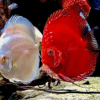
Welcome these beautiful Discus Fish Royal Blue, a stunning South American Cichlid known for its vibrant royal blue hue and elegant swimming. Ideal for tropical aquariums, they thrive in well-planted environments. Perfect for aquarists seeking peaceful companions for their community tank.
In stock
Species Introduction
The Discus Fish, scientifically known as Symphysodon aequifasciatus, is a captivating member of the Cichlidae family, renowned for its vibrant colors and elegant shape. Originating from the Amazon River basin in South America, these fish thrive in the warm, slow-moving waters of tropical freshwater environments. Discus fish are often referred to as the ‘king of the aquarium’ due to their stunning appearance and unique swimming patterns. They can grow up to 20cm in length and are often found in groups in their natural habitat, which provides them with a sense of security and social interaction. Their natural environment is characterized by dense vegetation, where they can hide from predators and find food among the aquatic plants. The Royal Blue Discus, in particular, showcases a striking blue hue that makes it a popular choice among aquarists looking to add a splash of color to their tanks.
Essential Care Guide for Your Discus Fish Royal Blue – Symphysodon Aequifasciatus – South American Cichlid
| Optimal Living Conditions | |
|---|---|
| Water Temperature | 24-27°C (75-81°F) |
| pH Level | 6.5-7.5 |
| Water Hardness | 4-12 dKH |
| Minimum Tank Size | 80L (20 gal) |
| Salinity | Freshwater |
| Care Level | Beginner Friendly |
✓ Care Level: Moderate
Tank Size: Minimum 200 liters
Water Temperature: 28-30°C
pH Level: 6.0-7.5
Hardness: 1-10 dGH
When caring for Discus fish, it is essential to provide them with a spacious aquarium that mimics their natural habitat. A minimum tank size of 200 liters is recommended to accommodate their social behavior and swimming patterns. Maintaining a stable water temperature between 28-30°C is crucial for their health, as they are tropical fish that thrive in warmer waters. The pH level should be kept between 6.0 and 7.5, with a hardness of 1-10 dGH to ensure optimal living conditions. Regular water changes and high-quality filtration are necessary to maintain water quality, as Discus fish are sensitive to fluctuations in their environment.
Natural Behavior & Temperament
Discus fish are known for their calm and peaceful demeanor, making them suitable for community tanks with compatible species. They exhibit fascinating social behavior, often forming strong bonds with their tank mates. In a well-maintained aquarium, you will observe these beautiful creatures swimming gracefully, displaying their vibrant colors and unique patterns. They tend to prefer the middle and upper levels of the tank, where they feel secure among plants and decorations. It is important to provide them with hiding spots and open swimming areas, as this will enhance their natural behavior and reduce stress. Discus fish are also known to communicate through body language, and they can be quite expressive when it comes to their social interactions.
Tank Setup Guide
Setting up a suitable environment for your Discus fish is crucial for their well-being. Begin with a spacious aquarium of at least 200 liters, ensuring it has a secure lid to prevent jumping. Use a fine substrate like sand or small gravel to mimic their natural habitat, and incorporate plenty of live plants such as Amazon swords and Java ferns. These plants not only provide hiding spots but also help maintain water quality by absorbing excess nutrients. Additionally, consider adding driftwood and rocks to create a more natural environment. When arranging decorations, leave open swimming areas for the fish to move freely. Proper filtration is essential, as Discus fish are sensitive to water quality; a high-quality canister filter is recommended for maintaining clean water. Ensure that the lighting is soft and not too bright, as excessive light can stress these fish.
Water Quality Management
⚠ Important Water Parameter Notice
pH: 6.0-7.5, Temperature: 28-30°C, Hardness: 1-10 dGH
Maintaining optimal water quality is vital for the health of your Discus fish. Regular testing of water parameters is essential to ensure that pH levels remain stable between 6.0 and 7.5, with a temperature range of 28-30°C. The hardness should be kept within 1-10 dGH to mimic their natural environment. Frequent water changes of 20-30% weekly are recommended to keep nitrate levels low and maintain overall water quality. A high-quality filtration system is crucial, as it helps remove toxins and provides adequate aeration. Additionally, consider using a water conditioner to remove harmful chemicals and chloramines from tap water before adding it to the tank. Monitoring ammonia and nitrite levels is also important, as elevated levels can be detrimental to the health of your fish.
Feeding & Nutrition
Discus fish are omnivorous and require a varied diet to thrive. In the wild, they feed on a combination of small invertebrates, plant matter, and detritus. In captivity, it is essential to provide them with high-quality fish food that meets their nutritional needs. A balanced diet should include high-protein pellets, frozen or live foods such as bloodworms, brine shrimp, and daphnia. It is advisable to feed them small amounts 2-3 times a day, ensuring that all food is consumed within a few minutes to prevent water quality issues. Additionally, incorporating spirulina and vegetable-based foods can help enhance their coloration and overall health. Remember to adjust the feeding schedule based on the age and size of your fish, as younger fish may require more frequent feedings to support their growth.
Compatibility Guide
✓ Compatible Tank Mates: Tetras, Corydoras, Angelfish
⚠ Avoid: Aggressive species like Cichlids
When selecting tank mates for your Discus fish, it is crucial to choose peaceful species that can coexist harmoniously. Suitable companions include small schooling fish such as Tetras and peaceful bottom dwellers like Corydoras. Angelfish can also be compatible, but caution should be exercised as they can sometimes display territorial behavior. It is important to avoid aggressive species, particularly other Cichlids, as they can stress your Discus and lead to health issues. Ensure that your aquarium is spacious enough to accommodate all species comfortably, and monitor their interactions closely to ensure a peaceful community.
Health & Wellness
Maintaining the health of your Discus fish requires vigilance and proactive care. Common health issues include ich, fin rot, and bacterial infections, often resulting from poor water quality or stress. Regular monitoring of water parameters is essential to prevent these issues. Signs of illness may include lethargy, loss of appetite, or abnormal swimming behavior. In case of illness, it is crucial to isolate affected fish and treat them promptly with appropriate medications. Additionally, providing a stress-free environment with adequate hiding spots and stable water conditions can significantly reduce the risk of health problems. Regularly observe your fish for any changes in behavior or appearance, as early detection is key to successful treatment.
Breeding Information
Breeding Discus fish can be a rewarding experience for dedicated aquarists. These fish are known to form monogamous pairs, and successful breeding requires specific conditions. To encourage breeding, maintain a separate breeding tank with optimal water parameters: a temperature of 28-30°C, pH around 6.0-6.5, and soft water. Provide flat surfaces for the female to lay eggs, such as smooth stones or spawning cones. After spawning, both parents will protect and care for the fry. The fry will require infusoria or finely crushed flakes for the first few weeks of life, gradually transitioning to larger foods as they grow. Breeding Discus can be challenging, but with the right conditions and care, it can be a fulfilling endeavor.
Acclimation Process
Acclimating your new Discus fish to their aquarium is a critical step that ensures their health and well-being. Upon arrival, float the sealed bag containing your fish in the aquarium for about 15-20 minutes to equalize the temperature. After this, gradually introduce aquarium water into the bag, allowing the fish to adjust to the new water parameters. This process should take about an hour, during which you should slowly add small amounts of tank water to the bag every 10-15 minutes. Once acclimated, gently release the fish into the aquarium without adding the bag water, as it may contain harmful substances. Monitor your fish closely for signs of stress or illness in the following days, ensuring they adapt well to their new environment.
Long-term Care
Caring for Discus fish requires a long-term commitment to their health and happiness. These fish can live up to 10-15 years in captivity with proper care. Regular maintenance of water quality, feeding, and tank conditions is essential to ensure their longevity. As they grow, monitor their size and adjust tank space accordingly, as overcrowding can lead to stress and health issues. Providing a varied diet and maintaining a stable environment will contribute to their overall well-being. Additionally, keeping a close eye on their behavior and health will help you identify any potential issues early on, allowing for timely intervention and care.
Natural Habitat Recreation
To create a biotope that resembles the natural habitat of Discus fish, focus on replicating the conditions found in the Amazon River basin. This includes using dark substrate, driftwood, and a variety of live plants to provide cover and foraging opportunities. The use of soft, dim lighting will help mimic the shaded areas of their natural environment. Incorporating leaf litter and natural materials can enhance the aesthetic appeal and create a more authentic setting. Additionally, maintaining stable water parameters that reflect their natural habitat will contribute to their health and comfort. By recreating their natural environment, you will not only enhance their beauty but also promote their well-being.
Seasonal Care Adjustments
As seasons change, it is important to adjust your care routine for Discus fish to ensure their continued health. During warmer months, monitor water temperature closely, as higher temperatures can lead to stress and health issues. Ensure that the tank is well-aerated, as warmer water holds less oxygen. In contrast, during cooler months, maintain a stable temperature by using heaters and insulating the tank if necessary. Additionally, adjust feeding practices based on the fish’s activity levels; they may require less food during cooler months when their metabolism slows. Regularly check for signs of stress or illness, and be prepared to make adjustments to water quality and tank conditions as needed.
Expert Tips
For those looking to provide the best care for their Discus fish, consider the following expert tips: maintain a consistent feeding schedule, as these fish thrive on routine. Invest in a high-quality water testing kit to monitor parameters regularly, and perform partial water changes weekly to maintain optimal conditions. Avoid overfeeding, as this can lead to water quality issues and health problems. Additionally, consider keeping a small group of Discus to promote social behavior and reduce stress. Lastly, be patient and observant; understanding the nuances of your fish’s behavior will help you provide the best care possible.
Troubleshooting
Despite your best efforts, you may encounter challenges while caring for Discus fish. Common problems include stress from aggressive tank mates, poor water quality, and dietary issues. If you notice signs of stress, such as hiding or abnormal swimming, assess the tank environment and make necessary adjustments. Ensure that all tank mates are compatible and that water parameters are within the recommended range. If dietary issues arise, consider diversifying their food options and ensuring they are receiving a balanced diet. Regular observation and proactive care will help you address any issues before they escalate.
Scientific Background
The Discus fish, Symphysodon aequifasciatus, is a fascinating species with a rich scientific background. They belong to the Cichlidae family, which includes many popular aquarium fish. Discus are known for their unique body shape and vibrant coloration, which can vary significantly among individuals. Their taxonomy has been a subject of interest among ichthyologists, leading to various studies on their behavior, breeding, and conservation. Understanding the scientific background of Discus fish can enhance your appreciation for these aquatic companions and inform your care practices.
Advanced Care Techniques
For experienced aquarists looking to take their care of Discus fish to the next level, consider implementing advanced techniques such as breeding programs, specialized diets, and biotope aquascaping. Breeding Discus requires a deep understanding of their reproductive behaviors and environmental needs, while specialized diets can enhance color and health. Creating a biotope that closely resembles their natural habitat will not only improve their quality of life but also provide a stunning visual display in your aquarium. Continuous learning and adaptation of care techniques will ensure the long-term health and happiness of your Discus fish.
Water Quality Parameters
Optimal Range
24-27°C
6.5-7.5
0 ppm
Caution Zone
22-24°C or 27-29°C
6.0-6.5 or 7.5-8.0
0.25-0.5 ppm
Danger Zone
<22°C or >29°C
<6.0 or >8.0
>0.5 ppm
Monitoring Tip: Test water parameters weekly and perform regular water changes to maintain optimal conditions for your aquatic friends!
Frequently Asked Questions
Q: What tank size is required for Discus Fish?
Discus Fish require a minimum tank size of 200 litres to thrive. This size ensures they have enough space to swim freely, which is vital for their health and wellbeing. A larger tank also helps maintain stable water parameters, which is crucial for these sensitive fish. In addition to the volume, a tall tank is preferred as Discus are natural vertical swimmers. Providing ample swimming space and hiding spots will greatly reduce stress levels and promote natural behaviours. Remember to cycle your tank fully before introducing these beautiful creatures to ensure a healthy environment.
✓ Expert Tip
Consider using a larger aquarium if you intend to keep a group of Discus, as they are social fish that thrive in pairs or small schools.
Q: What water parameters do Discus Fish require?
Discus Fish thrive in soft, acidic water. The ideal parameters include a pH range of 6.0 to 7.5, a temperature between 26°C to 30°C, and a hardness of 1 to 10 dGH. Regular monitoring of these parameters is essential, as fluctuations can lead to stress, illness, or even death. It is advisable to use a high-quality water conditioner and perform regular water changes to maintain optimal conditions. Additionally, consider using a heater with a thermostat to keep the temperature stable, as these fish are quite sensitive to changes.
✓ Expert Tip
Utilising a reverse osmosis (RO) system can help achieve the desired water parameters, especially in hard water areas.
Q: How often should I feed Discus Fish?
Discus Fish should be fed 2-3 times a day, with small amounts of high-quality food each time. This feeding frequency mimics their natural eating habits and helps maintain their health and vibrant colours. A varied diet is essential, including high-quality pellets, frozen or live foods such as brine shrimp or bloodworms, and even vegetable matter. Overfeeding can lead to water quality issues and health problems, so it is crucial to monitor their food intake and adjust accordingly. Always remove any uneaten food promptly to prevent fouling the water.
✓ Expert Tip
Consider using a high-quality flake or pellet food specifically formulated for cichlids, as these will provide balanced nutrition tailored to their needs.
Q: What are the best tank mates for Discus Fish?
Discus Fish are generally peaceful and prefer to be kept with similarly gentle species. Suitable tank mates include Tetras, Corydoras, and other South American cichlids that share similar water requirements. Avoid aggressive or overly boisterous fish, as they can stress your Discus. It is also advisable to keep them in groups of at least five, as they are social creatures. When introducing new tank mates, ensure they are healthy and quarantine them first to prevent potential diseases from spreading.
✓ Expert Tip
Always observe the behaviour of new tank mates closely after introduction to ensure compatibility and minimise stress.
Q: How do I properly acclimatise Discus Fish to my aquarium?
Acclimatising Discus Fish is crucial to ensure their health and reduce stress. Begin by floating the sealed bag containing the fish in your aquarium for about 15-20 minutes to equalise the temperature. After this, gradually mix small amounts of your aquarium water into the bag every 5-10 minutes for about an hour. This process helps the fish adjust to the different water chemistry. Once this is complete, gently release the fish into the aquarium using a net, avoiding adding bag water to your tank. This method will significantly reduce the risk of shock and disease.
✓ Expert Tip
Always ensure your aquarium is fully cycled and stable before introducing new Discus to provide them with the best start.
Q: What are the signs of healthy Discus Fish?
Healthy Discus Fish exhibit vibrant colours and clear eyes, and they swim actively without signs of distress. Their fins should be fully extended, and they should demonstrate a natural curiosity about their environment. Additionally, a healthy appetite is a positive sign; they should readily accept food. Watch for any signs of abnormal behaviour, such as hiding excessively or aggression, which can indicate stress or illness. Regular observation and maintaining optimal water conditions are key to their health.
✓ Expert Tip
Keep a journal of your fish’s behaviour and feeding habits to help identify any changes that may indicate health issues.
Q: How do I successfully breed Discus Fish?
Breeding Discus Fish can be rewarding, though it requires careful preparation. First, ensure you have a breeding pair, which often forms naturally. Provide a separate breeding tank with clean, soft, slightly acidic water and a flat surface, such as a breeding cone, for them to lay eggs. Maintain a stable temperature of around 28°C and ensure excellent water quality. After spawning, both parents will care for the eggs and fry. It is essential to provide them with high-quality food, such as finely crushed flakes or specially formulated fry food, to support their growth.
✓ Expert Tip
Consider using a separate rearing tank for the fry once they are free-swimming to ensure they receive adequate nutrition.
Q: What temperature should I maintain for Discus Fish?
Discus Fish thrive in warm waters, with an ideal temperature range of 26°C to 30°C. Maintaining this temperature is crucial, as fluctuations can lead to stress or illness. Use a reliable aquarium heater with a thermometer to monitor the temperature accurately. It is advisable to keep the temperature stable, especially during the winter months or if your home experiences temperature changes. Regularly check for any malfunctions in your heating equipment to avoid sudden drops in temperature.
✓ Expert Tip
Consider using a heater with a built-in thermostat for added accuracy and to prevent overheating.
Q: How long do Discus Fish typically live in captivity?
In captivity, Discus Fish can live for 10 years or more with proper care. Their lifespan is influenced by several factors, including water quality, diet, and overall tank conditions. Maintaining a stable environment and providing a balanced diet are crucial in promoting longevity. Regular water changes and monitoring for diseases can also help extend their life. Discus are sensitive to poor water quality, so ensuring a well-maintained aquarium is vital for their health and wellbeing.
✓ Expert Tip
Invest in a good quality filtration system to help maintain optimal water conditions for your fish friends.
Q: What type of substrate is most suitable for Discus Fish?
Discus Fish prefer a soft substrate, such as fine sand or smooth gravel. This type of substrate is gentle on their delicate bodies and allows them to forage naturally. Avoid sharp or rough materials that could injure their skin. Additionally, having a natural substrate promotes beneficial bacteria growth, which is essential for maintaining water quality. You may also consider adding live plants to your aquarium, as they contribute to a more natural environment while providing hiding spots and reducing stress levels.
✓ Expert Tip
Consider layering your substrate with nutrient-rich soil beneath the sand or gravel to support plant growth.
Q: What behavioural patterns should I expect from Discus Fish?
Discus Fish are social and often display interesting behaviours. They tend to form strong pairs and may spend time swimming together. When comfortable, they exhibit a curious nature, exploring their surroundings and interacting with tank mates. However, they can also display shyness and may hide if they feel stressed or threatened. Observing their behaviour can provide insights into their wellbeing; any significant changes may indicate stress or health issues. Regular interaction and maintaining a calm environment will encourage natural behaviours.
✓ Expert Tip
Provide plenty of hiding spots and plants to help your Discus feel secure and reduce stress.
Q: How can I prevent common diseases in Discus Fish?
Preventing diseases in Discus Fish primarily revolves around maintaining excellent water quality and a stable environment. Regular water changes, proper filtration, and avoiding overfeeding are key practices. Quarantine new fish before introducing them to your aquarium to prevent disease transmission. Additionally, providing a varied diet rich in nutrients helps strengthen their immune system. Monitor your fish closely for any signs of illness, such as changes in behaviour, colour, or appetite, as early detection is crucial for effective treatment.
✓ Expert Tip
Consider having a first-aid kit on hand with necessary medications to address common fish diseases swiftly.
Q: What lighting conditions do Discus Fish prefer?
Discus Fish prefer subdued lighting, which mimics their natural habitat in the Amazon River. Bright lights can cause stress, leading to hiding behaviours. Using LED lights with a dimming option or covering the tank with floating plants can provide the right balance. Aim for a 10-12 hour light cycle to replicate day and night, promoting a natural rhythm. Adjusting the intensity of the light can help create a comfortable environment for your fish, enhancing their colours and overall wellbeing.
✓ Expert Tip
Consider using floating plants or décor to diffuse the light and create shaded areas within the aquarium.
Q: How do I recognise stress in Discus Fish?
Recognising stress in Discus Fish can be pivotal for their health. Signs of stress may include hiding, lack of appetite, rapid gill movement, or erratic swimming patterns. Additionally, they may display faded colours or clamped fins. Environmental factors, such as sudden changes in water quality or temperature, can cause stress. If you observe these behaviours, it is crucial to assess the tank conditions and make necessary adjustments. Providing a calm and stable environment is essential for their wellbeing.
✓ Expert Tip
Regularly check your water parameters and perform maintenance to prevent stress-related issues.
Q: What natural habitat conditions should I replicate for Discus Fish?
Discus Fish are native to the Amazon River basin, where they inhabit slow-moving waters with dense vegetation. To replicate their natural habitat, aim for a tank setup that includes plenty of hiding spots, such as plants and driftwood, alongside a soft substrate. Maintaining slightly acidic, warm water with good filtration is essential. Mimicking the lower light levels and providing a calm environment will help your fish feel secure and thrive. Regular water changes will also help maintain the quality of their habitat.
✓ Expert Tip
Incorporate live plants to not only enhance the aesthetics but also to improve water quality and provide natural cover.
1 review for Royal Blue Discus – Symphysodon Aequifasciatus
Add a review
Related products




Emily Carter (verified owner) –
I recently purchased the Royal Blue Discus, and I couldn’t be happier! As a passionate aquarium hobbyist, I know the importance of choosing quality freshwater fish, and this beauty truly exceeded my expectations. After about two months of care, the vibrant colors and patterns have only intensified, adding such depth and life to my tank. They are quite social and have formed a lovely bond with my other tropical fish, which has been heartwarming to watch.
What I love most about this discus fish is not just its stunning appearance but also its hardiness. Unlike some other discus varieties I’ve tried in the past that seemed more delicate, this one adapted beautifully to my tank conditions. I did notice it prefers slightly warmer water, so keeping that in mind has been key to its health and happiness.
For anyone looking to enhance their aquarium with a spectacular centerpiece, I highly recommend this Royal Blue Discus! Just a small tip: make sure to maintain a clean environment for optimal health. Overall, I’m thrilled with my purchase and will definitely look to add more in the future!