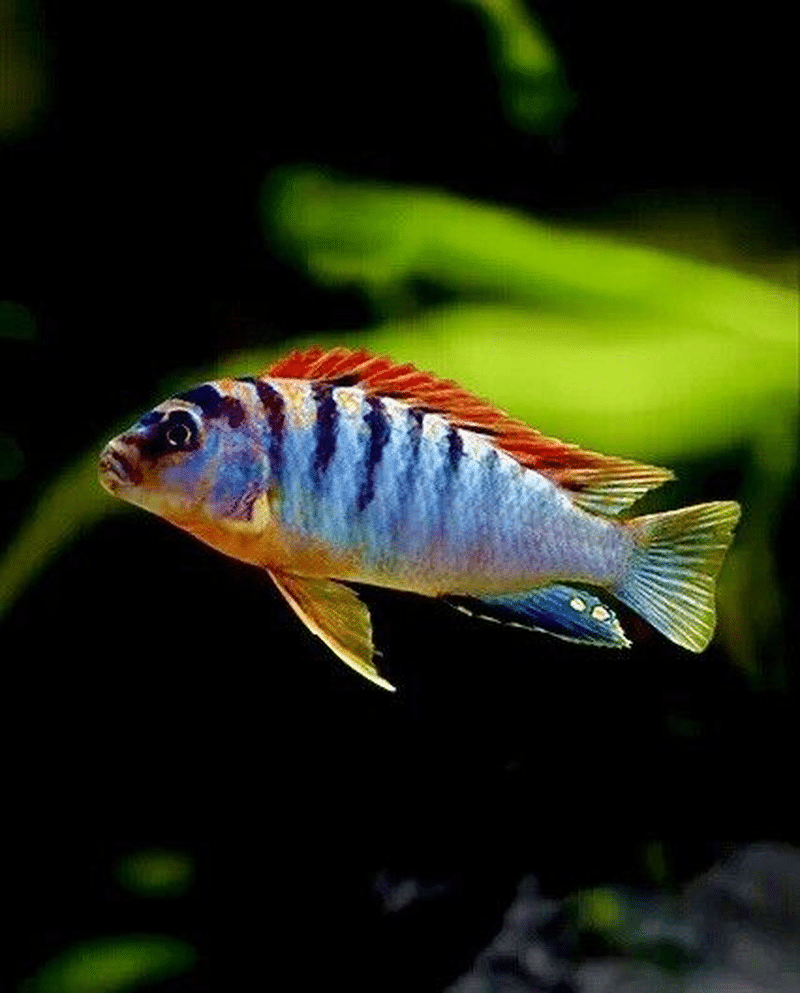
Firefish Cichlid – Aulonocara sp.

Original price was: £9.49.£7.74Current price is: £7.74.
Welcome the stunning Firefish Cichlid Lake Malawi Aulonocara into your aquarium. With vibrant colors and a peaceful temperament, these beautiful inhabitants make ideal community members. Perfect for aquarists seeking easy-care fish that thrive in harmonious environments.
In stock

Species Introduction
The Firefish Cichlid, scientifically recognized as part of the Aulonocara genus, is a stunning freshwater fish native to the vibrant waters of Lake Malawi in East Africa. These cichlids are celebrated for their remarkable coloration, which can change based on mood and environmental conditions, making them a captivating addition to any aquarium. Their natural habitat consists of rocky substrates and sandy bottoms, where they thrive among various aquatic plants and structures. As a species, Firefish Cichlids exhibit a peaceful temperament, making them suitable for community tanks, provided they are paired with compatible tank mates. With proper care, these fish can grow to a maximum length of approximately 15 cm, displaying a range of colors that include vibrant blues, yellows, and reds. Their beauty and dynamic behavior make them a favorite among both novice and experienced aquarists.
Care Requirements Dashboard
Essential Care Guide for Your Firefish Cichlid Lake Malawi Aulonocara
| Optimal Living Conditions | |
|---|---|
| Water Temperature | 24-27°C (75-81°F) |
| pH Level | 6.5-7.5 |
| Water Hardness | 4-12 dKH |
| Minimum Tank Size | 80L (20 gal) |
| Salinity | Freshwater |
| Care Level | Beginner Friendly |
Natural Behavior & Temperament
Firefish Cichlids are known for their active swimming patterns and social behavior. In their natural environment, they often inhabit rocky crevices and sandy areas, where they can dart in and out of hiding spots. This behavior is not only instinctual but also a means of avoiding predators. In an aquarium setting, providing ample hiding spots with rocks, caves, and plants will help mimic their natural habitat and reduce stress. These fish are generally peaceful and can coexist with other non-aggressive species, although males can be territorial during breeding. Observing their interactions can be quite rewarding, as they engage in playful displays and establish social hierarchies within the tank. Their vibrant colors and active nature make them a delight to watch, enhancing the overall ambiance of your aquarium.
Tank Setup Guide
Creating the ideal environment for your Firefish Cichlid involves careful consideration of tank setup. A minimum tank size of 75 liters is recommended to provide ample swimming space and territory for these fish. The substrate should consist of fine sand, which allows them to sift through it naturally, mimicking their behavior in the wild. Incorporating rocks and caves will create hiding spots, essential for their comfort and security. Additionally, live aquarium plants can enhance the aesthetic appeal while providing natural cover. The placement of decorations should allow for open swimming areas, as Firefish Cichlids are active swimmers. It’s crucial to avoid sharp edges on decorations, as these can harm the delicate fins of your fish friends. Regular maintenance, including water changes and cleaning, will help maintain a healthy environment, ensuring your Firefish thrive.
Water Quality Management
Maintaining optimal water quality is vital for the health and well-being of your Firefish Cichlid. The ideal pH level for these fish ranges from 7.5 to 8.5, with a temperature between 24-28°C. Regular testing of water parameters is essential to ensure a stable environment. Hardness should be maintained between 10-20 dGH, which mimics their natural habitat in Lake Malawi. Utilizing a high-quality filtration system will help maintain clear and clean water, while also providing adequate oxygenation. Regular water changes, approximately 20-30% weekly, will assist in removing toxins and replenishing essential minerals. Monitoring ammonia, nitrite, and nitrate levels is crucial, as elevated levels can lead to stress and health issues. By prioritizing water quality management, you will create a thriving environment for your Firefish Cichlid.
Feeding & Nutrition
Important feeding note
Firefish Cichlids are omnivorous and thrive on a varied diet. High-quality cichlid pellets should form the basis of their nutrition, supplemented with frozen or live foods such as brine shrimp, bloodworms, and daphnia. It’s essential to feed them small amounts multiple times a day, allowing them to consume what they can within a few minutes. Overfeeding can lead to water quality issues and health problems, so it’s crucial to monitor their intake. Additionally, incorporating vegetable matter, such as spirulina flakes or blanched zucchini, can enhance their diet, promoting vibrant colors and overall health. A balanced diet is key to ensuring your Firefish Cichlids grow and thrive, showcasing their beautiful colors.
Compatibility Guide
When considering tank mates for your Firefish Cichlid, it is essential to choose species that share similar temperaments and environmental needs. Peaceful community fish such as tetras, rasboras, and other non-aggressive cichlids can coexist harmoniously with Firefish. However, caution should be exercised when introducing other cichlid species, as territorial disputes may arise, particularly during breeding. Avoid pairing Firefish with overly aggressive fish or those known for fin nipping, as this can lead to stress and injury. Providing ample hiding spots and territories will help mitigate aggression and promote a peaceful community environment. Observing the dynamics of your tank will be crucial, allowing you to make adjustments as necessary to ensure the well-being of all your aquatic companions.
Health & Wellness
Maintaining the health and wellness of your Firefish Cichlid involves regular monitoring and preventive care. Common health issues include ich, fin rot, and swim bladder disease. Signs of stress or illness may manifest as changes in behavior, such as lethargy, loss of appetite, or abnormal swimming patterns. To prevent these issues, ensure that water quality is consistently monitored and maintained. Quarantining new fish before introducing them to the main tank can help prevent the spread of disease. Additionally, providing a balanced diet and minimizing stress through appropriate tank conditions will contribute to the overall health of your fish friends. In the event of illness, prompt identification and treatment are essential, as early intervention can significantly improve recovery chances.
Breeding Information
Breeding Firefish Cichlids can be a rewarding experience, especially for those interested in cichlid breeding. These fish are mouthbrooders, meaning the female will carry the fertilized eggs in her mouth until they hatch. To encourage breeding, provide a separate breeding tank with suitable hiding spots and a sandy substrate. The ideal water conditions should mimic those of their natural habitat, with slightly higher temperatures and stable pH levels. Once the female lays her eggs, she will protect them diligently, and after about three weeks, the fry will emerge. During this time, it is crucial to provide appropriate food for the fry, such as infusoria or finely crushed flakes. Monitoring the breeding process and ensuring the health of both the parents and fry is essential for successful breeding.
Acclimation Process
Acclimating your Firefish Cichlid to a new tank is a critical step in ensuring their successful transition. Begin by floating the sealed bag containing the fish in the tank for about 15-20 minutes, allowing the temperature to equalize. After this, gradually introduce tank water into the bag over the next hour, which helps the fish adjust to the new water parameters. Once acclimated, gently release the fish into the tank using a net to prevent them from ingesting excess water from the bag. Avoid adding the bag water to your tank, as it may contain harmful substances. Monitoring the fish closely for signs of stress or illness during the first few days in their new environment is essential, as this will help ensure a smooth transition.
Long-term Care
The long-term care of your Firefish Cichlid involves understanding their lifecycle and growth expectations. These fish can live for several years with proper care, often reaching a maximum length of about 15 cm. Regular monitoring of their health, water quality, and dietary needs will contribute to their longevity. As they mature, their colors may become even more vibrant, and their behavior may evolve, requiring adjustments in tank setup and care. Regular water changes, maintenance of tank parameters, and a balanced diet will ensure that your Firefish Cichlid remains healthy and active throughout its life. By providing a stable environment and attentive care, you can enjoy the beauty and companionship of these remarkable fish for years to come.
Natural Habitat Recreation
Recreating the natural habitat of Firefish Cichlids in your aquarium is essential for their well-being and comfort. In the wild, these fish inhabit the rocky and sandy regions of Lake Malawi, where they find shelter and food. To mimic this environment, use a sandy substrate and incorporate rocks, caves, and driftwood to create hiding spots. Live plants can also enhance the aesthetic appeal and provide natural cover. The arrangement of decorations should allow for open swimming areas while providing sufficient hiding spots to reduce stress. Lighting should be moderate, as excessive brightness can cause discomfort. By carefully designing your tank to reflect their natural habitat, you will not only enhance the beauty of your aquarium but also promote the health and happiness of your Firefish Cichlid.
Seasonal Care Adjustments
Seasonal changes can impact the care requirements of your Firefish Cichlid, necessitating adjustments to their environment and care routine. During warmer months, it is crucial to monitor water temperature closely, as higher temperatures can lead to stress and health issues. Ensure that the aquarium is not exposed to direct sunlight, which can cause overheating. Conversely, during colder months, maintaining a stable temperature is essential, and heaters may be required to keep the water within the optimal range. Additionally, lighting duration may need to be adjusted to mimic natural day and night cycles, promoting healthy behavior and growth. Regular monitoring and adjustments will help ensure that your Firefish Cichlid remains comfortable and healthy throughout the year.
Expert Tips
For those looking to provide the best care for their Firefish Cichlid, several expert tips can enhance their experience. Firstly, consider establishing a routine for feeding and maintenance, as consistency is key to promoting health and stability in your aquarium. Regularly test water parameters to ensure they remain within the optimal range, and be proactive in addressing any fluctuations. Additionally, providing a varied diet will not only keep your fish friends happy but also enhance their coloration and vitality. Observing their behavior can provide valuable insights into their health, allowing for timely interventions if issues arise. Engaging with online communities or forums dedicated to cichlid care can also provide support and additional resources for enhancing your knowledge and skills as an aquarist.
Troubleshooting
In the event of common problems arising with your Firefish Cichlid, being prepared with troubleshooting strategies can make a significant difference. If you notice signs of stress or illness, such as rapid gill movement, loss of appetite, or abnormal swimming patterns, it is crucial to assess water quality immediately. High levels of ammonia or nitrite can be detrimental, so regular testing is essential. If aggression is observed among tank mates, consider rearranging the tank layout to disrupt established territories. Additionally, ensuring that hiding spots are plentiful can help reduce stress among fish. In cases of illness, prompt identification and treatment are vital, and consulting with a veterinarian specializing in fish can provide guidance on appropriate interventions.
Scientific Background
The scientific classification of the Firefish Cichlid places it within the Aulonocara genus, which encompasses several species known for their vibrant coloration and unique behaviors. Research into the ecology and behavior of these fish has revealed insights into their social structures and breeding habits. Conservation efforts are essential for preserving their natural habitats, as environmental changes and overfishing pose significant threats. Understanding the scientific background of your Firefish Cichlid can deepen your appreciation for these remarkable creatures and inform your care practices. Engaging with ongoing research and conservation initiatives can also contribute to the well-being of cichlids in both captivity and the wild.
Advanced Care Techniques
For experienced aquarists looking to elevate their care for Firefish Cichlids, advanced techniques can enhance their overall health and well-being. Implementing a breeding program can provide valuable insights into the reproductive behaviors of these fish, allowing for selective breeding to enhance desirable traits. Additionally, engaging in regular water quality monitoring and implementing advanced filtration systems can significantly improve the health of your aquarium ecosystem. Exploring the use of probiotics in fish food can also promote gut health and enhance the immune system of your Firefish Cichlid. By continuously seeking knowledge and refining your techniques, you can provide an exceptional living environment for your aquatic companions.
Frequently Asked Questions
Q: What tank size is required for the Firefish Cichlid?
The Firefish Cichlid, or Aulonocara, thrives in a tank that accommodates their active nature. A minimum of 100 litres is recommended for a small group, as these fish are territorial and require space to establish their own territories. Larger tanks enhance their comfort and reduce stress, allowing for better health and behaviour. Additionally, a well-planted aquarium with hiding spots and open swimming areas will further promote their well-being. Proper tank size is crucial for maintaining stable water parameters, which are essential for their overall health.
✓ Expert Tip
Consider using a larger tank if you wish to keep multiple males, as this can help decrease aggression.
Q: What water parameters do Firefish Cichlids require?
Firefish Cichlids prefer water that mimics their natural habitat in Lake Malawi. Optimal parameters include a pH between 7.8 and 8.6, a temperature range of 24°C to 28°C, and a hardness of 10-20 dGH. Regular testing of these parameters is essential, as fluctuations can lead to stress and health issues. Stability is key; therefore, utilise a good quality filtration system and perform regular water changes of about 20% weekly to maintain these conditions. Conditioning the water with appropriate additives can also help achieve the desired parameters.
✓ Expert Tip
Consider using a substrate that helps buffer pH levels, such as crushed coral.
Q: How often should I feed Firefish Cichlids?
Feeding Firefish Cichlids should occur 2-3 times daily, providing them with small amounts of high-quality flakes or pellets designed for cichlids. Supplementing their diet with frozen or live foods, such as brine shrimp or daphnia, can enhance their colouration and overall health. Be mindful not to overfeed; only offer what they can consume in a few minutes to prevent water quality issues. Regular feeding schedules help ensure they receive balanced nutrition and promote healthy growth.
✓ Expert Tip
Rotate their diet occasionally with different food types to ensure they receive a well-rounded nutrition profile.
Q: What are the best tank mates for Firefish Cichlids?
Firefish Cichlids are generally peaceful but can be territorial, particularly males. Suitable tank mates include similarly sized cichlids from Lake Malawi, such as other Aulonocara species or peaceful Mbuna. Avoid aggressive species that may stress them. Ensure that there is sufficient space and hiding spots to reduce territorial disputes. A well-planned community tank with compatible species can create a harmonious environment, allowing all fish to flourish.
✓ Expert Tip
Introduce new tank mates gradually to minimise stress and aggression.
Q: How do I properly acclimatise Firefish Cichlids to my aquarium?
Acclimatising Firefish Cichlids is crucial to reduce stress and ensure a smooth transition to their new environment. Start by floating the sealed bag in your aquarium for about 15-20 minutes to equalise the temperature. After this, gradually introduce small amounts of aquarium water into the bag over the course of an hour. This process helps them adjust to the water parameters. Finally, gently transfer the fish into the tank using a net, avoiding adding bag water to your aquarium to prevent contamination.
✓ Expert Tip
Minimise stress by keeping the aquarium environment dimly lit during the acclimatisation process.
Q: What are the signs of healthy Firefish Cichlids?
Healthy Firefish Cichlids exhibit vibrant colours, active swimming behaviour, and a good appetite. Their fins should be fully extended without any signs of fraying or damage. Observe for any unusual behaviour, such as lethargy or hiding excessively, which may indicate stress or illness. Regular health checks are essential to catch any issues early. Monitoring their feeding habits and interactions with tank mates will provide further insights into their overall health.
✓ Expert Tip
Maintain a consistent routine to help monitor their health effectively.
Q: How do I successfully breed Firefish Cichlids?
Breeding Firefish Cichlids can be a rewarding endeavour. To encourage breeding, maintain optimal water conditions and provide plenty of hiding places, such as caves or flat stones. Males will display vibrant colours and perform courtship dances to attract females. Once spawning occurs, the female will lay eggs, typically on flat surfaces. After fertilisation, remove the male to prevent him from eating the eggs. The eggs will hatch in about three to five days, and the fry can be fed with fine powdered food or infusoria until they grow large enough for larger foods.
✓ Expert Tip
Ensure the breeding tank is separate to reduce stress on the parents.
Q: What temperature should I maintain for Firefish Cichlids?
Firefish Cichlids thrive in a temperature range of 24°C to 28°C. Maintaining a stable temperature is essential for their health and activity levels. Use a reliable aquarium heater to ensure the temperature remains consistent, and regularly monitor it with a thermometer. Sudden changes in temperature can lead to stress and health issues, so gradual adjustments are recommended if changes are necessary. Creating a suitable thermal gradient can also help replicate their natural environment.
✓ Expert Tip
Invest in a quality heater with a thermostat for optimal temperature regulation.
Q: How long do Firefish Cichlids typically live in captivity?
In captivity, Firefish Cichlids can live up to 10 years or more with proper care. Their longevity is influenced by factors such as water quality, diet, and overall tank conditions. Regular maintenance, including water changes and monitoring of water parameters, contributes significantly to their health and lifespan. Providing a stress-free environment with appropriate tank mates and enrichment will also enhance their quality of life.
✓ Expert Tip
Maintain a regular feeding and maintenance schedule to support their health and longevity.
Q: What type of substrate is most suitable for Firefish Cichlids?
For Firefish Cichlids, a substrate that mimics their natural habitat is ideal. A sandy substrate is often preferred, as it allows them to dig and forage, behaviours that are natural and enriching for them. Sand also helps maintain stable water conditions, which is beneficial for their health. Ensure that any substrate used is smooth to prevent injuries to their delicate fins. Avoid sharp or rough substrates that could cause harm.
✓ Expert Tip
Layering substrate with larger gravel at the bottom can help with filtration and stability.
Q: What behavioural patterns should I expect from Firefish Cichlids?
Firefish Cichlids are known for their vibrant personalities and active swimming behaviour. They are generally peaceful but can display territoriality, particularly males during breeding or when establishing dominance. Expect them to engage in displays of colour and movement to communicate with each other. They enjoy exploring their environment and will often use hiding spots, so providing caves and plants is beneficial. Observing their interactions can provide insights into their social dynamics and overall health.
✓ Expert Tip
Monitor their behaviour regularly to spot any signs of stress or aggression early.
Q: How can I prevent common diseases in Firefish Cichlids?
Preventing diseases in Firefish Cichlids revolves around maintaining optimal water quality and a stress-free environment. Regular water changes and monitoring water parameters are essential. Quarantine new fish before introducing them to your main tank to avoid disease transmission. Ensure that the tank is not overcrowded and that all tank mates are compatible to reduce stress. Providing a varied diet and adequate hiding spots can also promote a strong immune system, helping them resist common illnesses.
✓ Expert Tip
Consider using natural remedies and supplements to boost their immune system.
Q: What lighting conditions do Firefish Cichlids prefer?
Firefish Cichlids thrive in moderate lighting that mimics their natural habitat. A well-lit aquarium encourages the growth of plants and enhances the vibrant colours of the fish. However, too much bright light can cause stress and make them feel exposed. Providing shaded areas using plants or decorations allows them to retreat when needed. Using a timer for consistent lighting schedules will help maintain a stable environment, promoting healthy behaviour and activity.
✓ Expert Tip
Adjust lighting intensity gradually if changing fixtures to prevent shock.
Q: How do I recognise stress in Firefish Cichlids?
Recognising stress in Firefish Cichlids is crucial for maintaining their health. Signs include hiding excessively, reduced activity, and changes in eating habits. Additionally, their colours may appear dull, and they may display erratic swimming patterns. Monitoring interactions with tank mates is essential; aggression or constant chasing can indicate stress. If you observe these signs, evaluate their environment, water quality, and tank mates to identify potential stressors and make necessary adjustments.
✓ Expert Tip
Create a calm environment with plenty of hiding spots to help alleviate stress.
Q: What natural habitat conditions should I replicate for Firefish Cichlids?
To replicate the natural habitat of Firefish Cichlids, focus on creating a rocky environment with plenty of hiding spots and open swimming areas. Use a sandy substrate, rocks, and caves to mimic the structure of Lake Malawi. Maintaining stable water conditions, including pH, temperature, and hardness, is essential. Additionally, incorporating plants that are suitable for cichlid tanks can provide further enrichment and security for these beautiful fish. Regular water changes help maintain the quality of their habitat.
✓ Expert Tip
Research the specific needs of the plants you choose to ensure compatibility with your cichlids.
1 review for Firefish Cichlid – Aulonocara sp.
Add a review
Related products




Laura Mitchell (verified owner) –
I recently added the Firefish Cichlid (Aulonocara) to my aquarium, and I couldn’t be happier with this decision! As a caring fish parent, the health and happiness of my fish are my top priorities. After about two weeks, I’ve noticed this little guy really brings my tank to life with its stunning colors and playful nature. He glides gracefully around the aquarium plants, which has created a beautiful, lively environment. I’ve tried other cichlids in the past, but this one stands out due to its vibrant hues and active personality.
I did have some initial concerns about compatibility with my other fish, but after careful observation and providing plenty of hiding spots in the form of plants and rocks, everything has settled beautifully. If you’re considering a vibrant, lively addition to your community tank, I highly recommend the Firefish Cichlid. Just ensure you have a spacious setup with plenty of aquatic plants for them to explore. Shipping was quick, and he arrived healthy and energetic. I would definitely buy again!