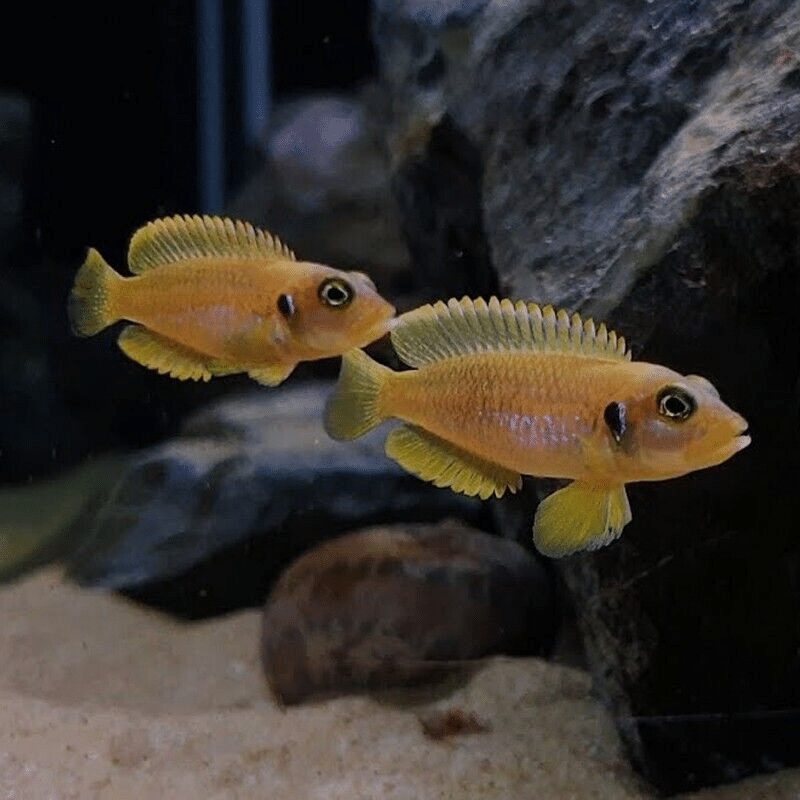
Gold Ocellated Shell-Dweller – Lamprologus Ocellatus «Gold» – Tanganyika Lake
Original price was: £17.49.£14.52Current price is: £14.52.
Welcome the Gold Ocellated Shell-Dweller, a stunning Lamprologus Ocellatus «Gold» from Lake Tanganyika. This beautiful freshwater fish features vibrant golden hues and a peaceful temperament, making it a perfect addition to any aquarium or cichlid community. Ideal for aquarists seeking elegance.
In stock


Species Introduction
The Gold Ocellated Shell-Dweller, scientifically known as Lamprologus Ocellatus «Gold», is a captivating member of the Lake Tanganyika Cichlids family. This stunning fish originates from the rocky shores of Lake Tanganyika, which is renowned for its unique biodiversity and vibrant aquatic life. The Gold Ocellated Shell-Dweller is particularly admired for its striking golden coloration, which can vary in intensity depending on the individual and environmental conditions. These fish are small in size, typically reaching a maximum length of around 6 cm (2.4 inches), making them ideal for smaller aquarium setups. Their natural habitat consists of sandy substrates interspersed with shells, where they find refuge and breeding sites. As a shell-dwelling species, they exhibit fascinating behaviors, often using shells as their homes and territories, creating a visually appealing dynamic in community tanks.
Key Features – Gold Ocellated Shell-Dweller
| Specification | Details |
|---|---|
| Benefits | Enhances your aquarium ecosystem |
| Quality | Premium aquarium-grade materials |
| Ease of Use | Simple setup and maintenance |
Care Requirements Dashboard
✓ Care Level: Moderate
Tank Size: Minimum 75 liters (20 gallons)
Water Temperature: 24-28°C (75-82°F)
pH Level: 7.8-9.0
Water Hardness: 10-20 dGH
To create a thriving environment for your Gold Ocellated Shell-Dweller, it is crucial to maintain stable water parameters. A minimum tank size of 75 liters (20 gallons) is recommended to provide adequate swimming space and territory for these fish. The water temperature should be kept between 24-28°C (75-82°F), with a pH level ranging from 7.8 to 9.0, reflecting their natural habitat conditions. Additionally, it is essential to monitor water hardness, aiming for a range of 10-20 dGH to support their health and well-being.
Natural Behavior & Temperament
The Gold Ocellated Shell-Dweller exhibits a range of fascinating behaviors that make them a joy to observe. Known for their territorial nature, these fish are often seen establishing small domains around their chosen shells, which they fiercely defend against intruders. They are generally peaceful towards other fish, particularly those of similar size, but can display aggression towards larger or more boisterous tank mates. Their social structure is intriguing; they thrive in small groups, where a dominant male can often be seen displaying his vibrant colors to attract females. This species is also known for its unique swimming patterns, often darting in and out of their shells, which adds a dynamic element to the aquarium. When kept in a well-planned community tank with compatible species, the Gold Ocellated Shell-Dweller can contribute to a harmonious aquatic environment.
Tank Setup Guide
Creating an ideal habitat for your Gold Ocellated Shell-Dweller requires careful consideration of the tank setup. Start with a sandy substrate, as this mimics their natural environment and allows them to dig and explore. Incorporating a variety of shells, such as those from freshwater snails or clams, is essential, as these serve as both hiding spots and breeding sites. The arrangement of shells should provide ample space for each fish to establish its territory. Additionally, adding some smooth rocks or driftwood can enhance the aesthetic appeal of the tank while providing further hiding spots. It is important to maintain good water circulation and filtration to keep the environment clean and healthy. Live plants can also be introduced, but they should be hardy species that can withstand the activity of the shell-dwellers. A well-planned aquascape not only enhances the beauty of the aquarium but also supports the natural behaviors of these captivating fish.
Water Quality Management
Maintaining optimal water quality is paramount for the health and longevity of your Gold Ocellated Shell-Dweller. Regular water changes, approximately 20-30% weekly, are recommended to keep nitrate levels low and ensure a stable environment. It is vital to monitor key water parameters, including pH, temperature, and hardness, using reliable test kits. The pH should be maintained between 7.8 and 9.0, as fluctuations can stress the fish and lead to health issues. The temperature should remain stable within the range of 24-28°C (75-82°F), and the hardness should be kept between 10-20 dGH. Additionally, ensure that the tank is equipped with a quality filtration system to provide adequate water movement and oxygenation. Regularly checking for ammonia and nitrite levels is crucial, as these compounds can be harmful to fish. By prioritizing water quality management, you can create a thriving environment for your aquatic companions.
Feeding & Nutrition
The Gold Ocellated Shell-Dweller is an omnivorous species that thrives on a varied diet. In captivity, it is essential to provide a balanced mix of high-quality cichlid pellets, flakes, and frozen or live foods such as brine shrimp and daphnia. A feeding schedule of 2-3 small meals per day is recommended, ensuring that the food is consumed within a few minutes to prevent water quality issues. It is important to avoid overfeeding, as this can lead to health complications. Additionally, incorporating vegetable matter, such as spirulina flakes or blanched vegetables, can enhance their diet and promote overall health. Regularly monitoring the fish’s body condition will help you adjust their diet as needed, ensuring they remain healthy and vibrant. By providing a nutritious diet, you can support their growth and enhance their natural coloration.
Compatibility Guide
When selecting tank mates for your Gold Ocellated Shell-Dweller, it is crucial to choose peaceful species that will not outcompete them for food or territory. Ideal companions include other small cichlids from Lake Tanganyika, such as Chalinochromis brichardi and Neolamprologus multifasciatus. These species share similar water requirements and temperaments, creating a harmonious community. It is advisable to avoid larger or more aggressive fish, as they may stress the Gold Ocellated Shell-Dweller and disrupt their natural behaviors. Additionally, consider the swimming levels of potential tank mates; species that occupy different areas of the tank can coexist more peacefully. Providing ample hiding spots and territories will help reduce aggression and promote a stable community environment. By carefully selecting compatible species, you can create a thriving aquarium ecosystem.
Health & Wellness
Monitoring the health and wellness of your Gold Ocellated Shell-Dweller is essential for their longevity. Common health issues include ich, fin rot, and stress-related conditions. Signs of illness may include changes in behavior, such as lethargy or hiding, as well as visible symptoms like white spots on the body or frayed fins. To prevent these issues, it is crucial to maintain stable water parameters and avoid overcrowding in the tank. Regularly observing your fish for any signs of distress will enable you to address potential problems early. Quarantine new fish before introducing them to the main tank to reduce the risk of disease transmission. Additionally, providing a stress-free environment with plenty of hiding spots can enhance their overall well-being. By prioritizing health and wellness, you can ensure that your Gold Ocellated Shell-Dweller thrives in its aquatic home.
Breeding Information
Breeding Gold Ocellated Shell-Dwellers can be a rewarding experience for aquarists. These fish are mouthbrooders, meaning that the female will incubate the eggs in her mouth until they hatch. To encourage breeding, it is essential to provide a suitable environment with plenty of shells for the female to lay her eggs. A separate breeding tank can be beneficial, as it allows for better control of water parameters and reduces stress from other fish. The ideal breeding conditions include a slightly elevated temperature of around 26-28°C (79-82°F) and stable water parameters. Once the female lays her eggs, she will guard them fiercely, and the male will display courtship behaviors to attract her attention. After approximately 3-4 weeks, the fry will emerge, and it is crucial to provide them with finely crushed flakes or specialized fry food. By understanding their breeding behavior, you can successfully raise the next generation of these beautiful fish.
Acclimation Process
Introducing your Gold Ocellated Shell-Dweller to its new environment requires a careful acclimation process to minimize stress and ensure a smooth transition. Begin by floating the sealed bag containing the fish in the aquarium for about 15-20 minutes to equalize the temperature. After this, gradually add small amounts of tank water to the bag every 5 minutes for about 30 minutes. This process helps the fish adjust to the water chemistry of the new tank. Once acclimated, gently release the fish into the aquarium, avoiding any sudden movements that could startle them. It is advisable to turn off the aquarium lights during the acclimation process to reduce stress. By following these steps, you can help your Gold Ocellated Shell-Dweller adapt to its new home successfully.
Long-term Care
Caring for your Gold Ocellated Shell-Dweller involves a commitment to providing a stable and enriching environment throughout their lifespan. These fish can live for several years with proper care, so it is essential to establish a routine for tank maintenance. Regular water changes, monitoring water parameters, and maintaining a clean tank are crucial for their health. Additionally, observing their behavior and interactions with other fish will help you identify any potential issues early. As they grow, you may need to adjust the number of hiding spots and territories available in the tank to accommodate their changing needs. By prioritizing long-term care, you can enjoy the beauty and personality of your Gold Ocellated Shell-Dweller for years to come.
Natural Habitat Recreation
Recreating the natural habitat of the Gold Ocellated Shell-Dweller in your aquarium is vital for their well-being. This species thrives in environments that mimic the rocky and sandy substrates of Lake Tanganyika. To achieve this, use a fine sand substrate that allows them to dig and explore. Incorporate a variety of shells, as these serve as both hiding places and breeding sites. Arranging the shells in clusters will create territories for each fish, promoting natural behaviors and reducing stress. Additionally, adding smooth rocks and driftwood can enhance the aesthetic appeal while providing further hiding spots. Live plants can be included, but they should be hardy and able to withstand the activity of the shell-dwellers. By focusing on natural habitat recreation, you can create a thriving environment that supports the health and happiness of your Gold Ocellated Shell-Dweller.
Seasonal Care Adjustments
As seasons change, it is important to adjust your care routine for your Gold Ocellated Shell-Dweller to ensure their continued health and well-being. During warmer months, monitor the water temperature closely, as higher temperatures can stress fish. Ensure that the tank is well-aerated and consider using fans or chillers if necessary to maintain optimal conditions. In contrast, during colder months, you may need to adjust the heater settings to maintain a stable temperature within the recommended range. Additionally, lighting schedules may need to be adjusted to simulate natural day and night cycles, promoting healthy behaviors. Regularly checking for any signs of stress or illness during seasonal transitions will help you address potential issues early. By being proactive in your seasonal care adjustments, you can ensure that your Gold Ocellated Shell-Dweller remains healthy and vibrant throughout the year.
Expert Tips
For those looking to provide the best care for their Gold Ocellated Shell-Dweller, consider these expert tips. First, ensure that the tank is not overcrowded, as these fish thrive in smaller groups and need space to establish territories. Providing a variety of shells and hiding spots will help reduce aggression and stress among tank mates. Additionally, regularly rotating the tank decorations can stimulate their curiosity and encourage natural behaviors. When feeding, consider using a mix of high-quality pellets and live foods to enhance their diet and promote vibrant coloration. Lastly, maintaining a consistent maintenance schedule will help keep the tank environment stable and healthy. By following these expert tips, you can create a thriving habitat for your Gold Ocellated Shell-Dweller and enjoy their beauty for years to come.
Troubleshooting
Even with the best care, issues can arise in an aquarium setting. Common problems with Gold Ocellated Shell-Dwellers include stress from aggressive tank mates, poor water quality, and dietary deficiencies. If you notice signs of stress, such as hiding or erratic swimming, assess the tank environment and consider rearranging decorations to provide more hiding spots. Regular water testing is essential to ensure that parameters remain stable; if issues are detected, perform a partial water change and check the filtration system. If dietary deficiencies are suspected, adjust their feeding regimen to include a variety of foods. By being proactive and observant, you can address potential problems before they escalate, ensuring the health and happiness of your Gold Ocellated Shell-Dweller.
Scientific Background
The Gold Ocellated Shell-Dweller belongs to the family of Lamprologus, which encompasses various shell-dwelling cichlids native to Lake Tanganyika. This lake is one of the oldest and deepest freshwater lakes in the world, hosting a unique ecosystem with a high degree of endemism. The evolutionary adaptations of these fish, including their shell-dwelling behavior, have allowed them to thrive in this specific environment. Ongoing research into the behavioral ecology and conservation status of Lake Tanganyika cichlids highlights the importance of preserving their natural habitats. Understanding the scientific background of your Gold Ocellated Shell-Dweller can deepen your appreciation for these remarkable fish and inform your care practices.
Advanced Care Techniques
For experienced aquarists looking to elevate their care for Gold Ocellated Shell-Dwellers, consider implementing advanced care techniques. One technique is to create a biotope aquarium that closely resembles their natural habitat, incorporating specific substrate types, decorations, and plant species. Additionally, utilizing a breeding setup can enhance the chances of successful reproduction, allowing for better control of water parameters and reducing stress during the breeding process. Experimenting with different food types and supplements can also promote optimal health and coloration. Lastly, engaging in regular research and staying updated on the latest findings in cichlid care can provide valuable insights and enhance your overall aquaristic experience. By applying these advanced care techniques, you can ensure that your Gold Ocellated Shell-Dweller thrives in a well-maintained and enriched environment.
Frequently Asked Questions
Q: What tank size is required for the Gold Ocellated Shell-Dweller?
The Gold Ocellated Shell-Dweller, or Lamprologus Ocellatus «Gold», thrives best in a tank of at least 75 litres. This size allows them ample space to establish territories and engage in natural behaviours. A larger tank is preferred if you plan on keeping multiple individuals, as these fish can be territorial. Ensure that the tank has plenty of hiding spots and shells, as these are essential for their breeding and refuge. Shells should be placed at the bottom, providing them with a safe haven and space to spawn. Remember, a well-planned environment contributes significantly to their overall health and wellbeing.
✓ Expert Tip
Consider using a sandy substrate to mimic their natural habitat, as this encourages natural digging behaviour.
Q: What water parameters do Gold Ocellated Shell-Dwellers require?
Gold Ocellated Shell-Dwellers prefer slightly alkaline water with a pH between 7.5 and 9.0. The water hardness should be maintained between 10-20 dGH, reflecting their natural habitat in Lake Tanganyika. Temperature should ideally be kept between 24°C and 28°C. Regular testing of these parameters is crucial, as stability is key for their health. Fluctuations can stress the fish and lead to health issues. A high-quality filtration system is recommended to maintain water quality, and regular water changes of 20-30% weekly will help keep the environment stable.
✓ Expert Tip
Utilise a reverse osmosis system if your tap water parameters do not meet the required levels.
Q: How often should I feed my Gold Ocellated Shell-Dwellers?
Feeding should be done 2-3 times a week, with small amounts of high-quality pellets or flakes specifically designed for African cichlids. Supplement their diet with occasional treats such as frozen or live brine shrimp and daphnia to enhance their nutrition and encourage natural foraging behaviours. Overfeeding can lead to water quality issues and obesity, so it’s essential to monitor their intake carefully. Always remove uneaten food after a few minutes to maintain a clean environment. This balanced diet will support their health and vibrant colours.
✓ Expert Tip
Incorporate a varied diet to prevent nutritional deficiencies and promote vibrant colours.
Q: What are the best tank mates for Gold Ocellated Shell-Dwellers?
When selecting tank mates for Gold Ocellated Shell-Dwellers, it is important to choose species that are compatible and non-aggressive. Ideal companions include other small cichlids from Lake Tanganyika, such as Neolamprologus species or shell-dwelling fish like Lamprologus multifasciatus. Avoid larger or overly aggressive species, as they may harass or outcompete the Shell-Dwellers for resources. Ensure that the tank is spacious enough to allow all fish to establish territories, which will minimise stress and aggression. A well-thought-out community setup can create a harmonious aquarium environment.
✓ Expert Tip
Introduce any new tank mates slowly to allow for gradual acclimatisation.
Q: How do I properly acclimatise my Gold Ocellated Shell-Dwellers?
Acclimatisation is essential to help your Gold Ocellated Shell-Dwellers adjust to their new environment. Begin by floating the sealed bag in your aquarium for 15-20 minutes to equalise the temperature. After that, gradually add small amounts of aquarium water into the bag every 5-10 minutes. Continue this process for approximately an hour, allowing the fish to adapt to both temperature and water chemistry. Once acclimatised, gently transfer the fish into the aquarium using a net to avoid adding store water. This careful approach reduces stress and enhances the chances of successful integration into your tank.
✓ Expert Tip
Always monitor your fish closely for signs of stress or illness after introducing them to their new home.
Q: What are the signs of healthy Gold Ocellated Shell-Dwellers?
Healthy Gold Ocellated Shell-Dwellers exhibit bright, vibrant colours and active behaviour. They should swim freely and confidently, displaying natural explorative tendencies within their environment. Observe for clear eyes and intact fins, which indicate good health. Additionally, healthy specimens will readily accept food and exhibit a proper feeding response. If your fish display lethargy, faded colours, or signs of distress, such as clamped fins or erratic swimming patterns, these may be indicators of stress or illness. Regular monitoring is key to ensuring their well-being.
✓ Expert Tip
Maintain good water quality to support their health and vitality.
Q: How do I successfully breed Gold Ocellated Shell-Dwellers?
Breeding Gold Ocellated Shell-Dwellers can be an exciting endeavour. To encourage breeding, provide a spacious tank with multiple shells for the female to lay her eggs. A temperature of around 26°C and stable water parameters are vital for successful breeding. The female will typically lay her eggs in a shell, and the male will guard the territory. After hatching, the fry will remain close to the shells for protection whilst they grow. It is essential to maintain excellent water quality during this period, as any fluctuations can affect fry survival rates. A separate fry tank can be beneficial for raising the young.
✓ Expert Tip
Observe the parents closely as they will exhibit protective behaviour towards their fry.
Q: What temperature should I maintain for Gold Ocellated Shell-Dwellers?
The ideal temperature range for Gold Ocellated Shell-Dwellers is between 24°C and 28°C. Maintaining a stable temperature within this range is crucial for their health and overall well-being. Sudden temperature fluctuations can lead to stress and compromise their immune system. Utilising a reliable aquarium heater and thermometer will help ensure consistency. During warmer months, monitor the temperature closely, as overheating can occur. In cooler months, a heater will provide the necessary warmth. Regular checks will help ensure a comfortable environment for your aquatic companions.
✓ Expert Tip
Consider using a programmable heater to maintain consistent temperatures.
Q: How long do Gold Ocellated Shell-Dwellers typically live in captivity?
In a well-maintained aquarium environment, Gold Ocellated Shell-Dwellers can live for up to 5-7 years. Factors such as water quality, diet, and overall care significantly influence their lifespan. To ensure optimal conditions, regular water changes and monitoring of water parameters are essential. A varied diet rich in nutrients will also support their health and longevity. Additionally, providing a suitable environment with adequate hiding spots and shells will reduce stress and contribute to their overall wellbeing. Proper care will allow these beautiful fish to thrive for many years.
✓ Expert Tip
Regularly check for signs of stress or illness to address issues promptly.
Q: What type of substrate is most suitable for Gold Ocellated Shell-Dwellers?
A fine, sandy substrate is the most suitable for Gold Ocellated Shell-Dwellers. This mimics their natural habitat in Lake Tanganyika, allowing them to exhibit natural digging behaviours. Avoid sharp or coarse substrates as these can injure their delicate bodies. The sandy substrate also helps to maintain water quality by providing a base for beneficial bacteria, which aids in the breakdown of waste. Additionally, it allows the Shell-Dwellers to create burrows and hide within the substrate, providing them with security. A well-chosen substrate contributes significantly to their comfort and overall health.
✓ Expert Tip
Consider using a substrate that is specifically designed for cichlids, as it often includes beneficial minerals.
Q: What behavioural patterns should I expect from Gold Ocellated Shell-Dwellers?
Gold Ocellated Shell-Dwellers exhibit fascinating behaviours typical of shell-dwelling cichlids. They are territorial, often claiming a shell as their own, and will defend it from intruders. You can expect to see them digging and rearranging substrate around their shells, which is part of their natural behaviour. They are generally social and may form small groups, but aggression can arise during breeding or if space is limited. Observing their interactions and territorial displays can be quite entertaining, as they engage in both playful and assertive behaviours. Providing ample shells and hiding spots will foster a more harmonious environment.
✓ Expert Tip
Regularly observe their behaviour to catch any signs of stress or aggression early.
Q: How can I prevent common diseases in Gold Ocellated Shell-Dwellers?
Preventing diseases in Gold Ocellated Shell-Dwellers involves maintaining optimal water quality and a stress-free environment. Regular water changes and monitoring of parameters are essential. Quarantine new fish before introducing them to prevent the spread of pathogens. A varied diet rich in nutrients supports their immune system, making them less susceptible to illness. Additionally, observe your fish closely for any changes in behaviour or appearance, as early detection of health issues is crucial. Implementing a good filtration system and ensuring proper tank maintenance will help create a healthy habitat.
✓ Expert Tip
Consider adding aquarium salt to the water, as it can help reduce stress and promote gill health.
Q: What lighting conditions do Gold Ocellated Shell-Dwellers prefer?
Gold Ocellated Shell-Dwellers thrive in moderate lighting conditions. Bright lights can be stressful for them, so providing a combination of shaded areas and soft lighting is ideal. Using plants or decorations to create shaded spots can help them feel secure. LED lights with adjustable brightness are a good choice, allowing you to tailor the lighting to their needs. Additionally, a natural day/night cycle should be maintained, with around 10-12 hours of light per day. This cycle will help mimic their natural habitat, promoting optimal health and behaviour.
✓ Expert Tip
Consider using a timer to ensure consistent lighting schedules.
Q: How do I recognise stress in Gold Ocellated Shell-Dwellers?
Recognising stress in Gold Ocellated Shell-Dwellers is essential for their well-being. Signs of stress may include erratic swimming patterns, hiding excessively, clamped fins, or loss of colour vibrancy. Additionally, if they display aggressive behaviours towards tank mates or show reluctance to feed, these could indicate stress. Environmental factors such as poor water quality, inappropriate tank mates, or inadequate hiding spots can contribute to their stress levels. Regular observation and maintaining optimal living conditions are crucial in ensuring your aquatic companions remain healthy and happy.
✓ Expert Tip
Address any issues promptly to prevent long-term stress or health problems.
Q: What natural habitat conditions should I replicate for Gold Ocellated Shell-Dwellers?
To create a suitable habitat for Gold Ocellated Shell-Dwellers, replicate the rocky, sandy substrate of Lake Tanganyika. They thrive in areas with plenty of shells for hiding and breeding. Provide ample hiding spots and territories to reduce aggression and stress. The water should be slightly alkaline and well-filtered, mimicking their natural conditions. Maintaining stable temperatures and moderate lighting will also help. Additionally, incorporating some live plants can enhance their environment, providing natural cover while promoting a healthy ecosystem. Replicating these elements will contribute to a thriving community.
✓ Expert Tip
Research the natural habitat of these fish for further inspiration when designing their aquarium.
1 review for Gold Ocellated Shell-Dweller – Lamprologus Ocellatus «Gold» – Tanganyika Lake
Add a review
Related products


Emily Carter (verified owner) –
I recently added the Gold Ocellated Shell-Dweller to my aquarium, and I couldn’t be happier! These beautiful little freshwater fish have added so much character to my setup. I’ve had them for about six weeks now, and they’re thriving in their new home. They spend their days darting in and out of the shells I provided, exploring and establishing their territories. The vibrant gold hues are just stunning under the tank lights!
What sets these tropical fish apart from other cichlids I’ve kept is their social nature. They interact with each other constantly, which is delightful to watch. I compared them with other shell-dwellers, and honestly, their personality and colors make them far superior.
I do recommend providing plenty of hiding spots, as they can be a bit shy at first. A sandy substrate also helps them feel more at home. If you’re a caring fish parent looking to enhance your aquarium aesthetics and bring in some lively activity, I wholeheartedly recommend the Gold Ocellated Shell-Dweller. They’re perfect for a community tank and bring a smile to my face every day!