-
×
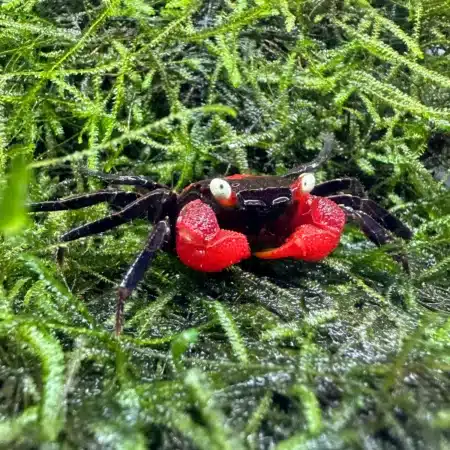
 Assorted Colour Vampire Crab Geosesarma Sp 2-3Cm
1 × £8.71
Assorted Colour Vampire Crab Geosesarma Sp 2-3Cm
1 × £8.71 -
×
Subtotal: £37.74
 Assorted Colour Vampire Crab Geosesarma Sp 2-3Cm
1 × £8.71
Assorted Colour Vampire Crab Geosesarma Sp 2-3Cm
1 × £8.71 
Subtotal: £37.74
Original price was: £35.49.£30.00Current price is: £30.00.
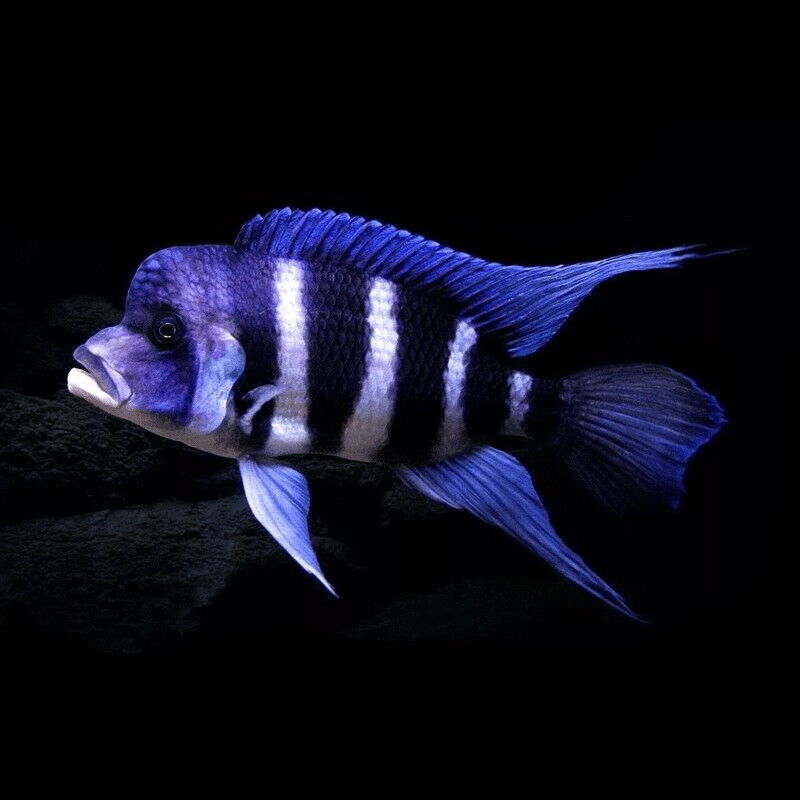
Welcome the stunning Humphead Cichlid, or Cyphotilapia Frontosa, to your aquarium. This beautiful Lake Tanganyika Cichlid features a unique forehead hump and graceful swimming. Ideal for peaceful community tanks, they thrive with proper care and aquarium plants. Create a vibrant underwater world today!
In stock
The Humphead Cichlid, scientifically known as Cyphotilapia Frontosa, is a stunning freshwater fish native to the deep waters of Lake Tanganyika, one of the oldest and most biodiverse lakes in the world. This remarkable species is renowned for its distinctive hump on its forehead, which becomes more pronounced with age, particularly in males. The Humphead Cichlid is a member of the Cichlidae family, which includes many popular aquarium fish. These fish can grow to impressive lengths, often reaching up to 12 inches, making them a centerpiece in any aquarium setup.
Their natural habitat consists of rocky substrates and caves, where they seek shelter and establish territories. The vibrant colors of the Humphead Cichlid, ranging from deep blues to striking yellows, make them a favorite among aquarists looking to create a visually stunning aquatic environment.
| Optimal Living Conditions | |
|---|---|
| Water Temperature | 24-26°C (75-79°F) |
| pH Level | 8.1-8.4 |
| Water Hardness | 8-12 dKH |
| Minimum Tank Size | 200L (50 gal) |
| Salinity | 1.020-1.025 SG |
| Care Level | Intermediate |
Caring for Humphead Cichlids requires a commitment to maintaining optimal water conditions and providing a suitable environment. Here’s a quick overview of their care requirements:
✓ Care Level: Moderate
✓ Minimum Tank Size: 75 gallons
✓ Water Temperature: 75-82°F
✓ pH Level: 7.8-9.0
✓ Hardness: 10-20 dGH
Humphead Cichlids are known for their calm and peaceful demeanor, especially when kept in appropriate tank conditions. They exhibit interesting behaviors such as swimming in a slow, deliberate manner and establishing territories within their environment. Males can be territorial, particularly during breeding season, and may display aggressive behaviors towards other males. However, when housed with compatible tank mates, they can coexist harmoniously. Their social structure often involves forming small groups, where they engage in social interactions and establish hierarchies. Observing their interactions can be quite fascinating, as they communicate through body language and subtle movements. Providing ample hiding spots and caves in the aquarium will help reduce stress and allow these fish to express their natural behaviors.
Setting up a suitable tank for Humphead Cichlids is crucial for their health and well-being. A minimum tank size of 75 gallons is recommended to provide enough swimming space and territory for these fish. The substrate should consist of fine gravel or sand, mimicking their natural environment. Incorporating rocks and caves will not only enhance the aesthetic appeal but also provide hiding spots and breeding grounds. Plants can be added to the tank, but it is advisable to choose hardy species that can withstand potential digging and rearranging by the fish. Lighting should be moderate, as Humphead Cichlids prefer slightly dimmer conditions that replicate their natural habitat. Regular maintenance, including water changes and substrate cleaning, is necessary to maintain water quality and ensure a healthy environment.
Maintaining optimal water quality is essential for the health of Humphead Cichlids. The ideal pH range for these fish is between 7.8 and 9.0, with a hardness level of 10 to 20 dGH. Regular testing of water parameters is crucial to ensure stability. Temperature should be kept between 75°F and 82°F, with fluctuations minimized to reduce stress. Utilizing a high-quality filtration system is recommended to maintain clear and clean water. Additionally, performing regular water changes of 20-30% every two weeks will help remove waste and replenish essential minerals. Monitoring ammonia, nitrite, and nitrate levels is also critical, as elevated levels can lead to health issues. By prioritizing water quality management, aquarists can create a thriving environment for their Humphead Cichlids.
Humphead Cichlids are omnivorous and thrive on a varied diet that supports their growth and health. A balanced diet should include high-quality cichlid pellets, frozen or live foods such as brine shrimp, bloodworms, and daphnia. It is essential to provide a mix of protein and vegetable-based foods to ensure they receive all necessary nutrients. Feeding should occur once or twice a day, with the amount adjusted based on their size and activity level. Overfeeding should be avoided, as it can lead to water quality issues and health problems. Observing their feeding behavior can provide insights into their health; a healthy Humphead Cichlid will display enthusiasm during feeding time. Additionally, incorporating occasional vegetable matter, such as spirulina flakes or blanched vegetables, can enhance their diet and improve coloration.
When considering tank mates for Humphead Cichlids, it is vital to choose species that share similar water parameter requirements and temperaments. Peaceful cichlids, such as Chalinochromis brichardi, are excellent companions, as they can coexist harmoniously without aggressive behavior. Other suitable tank mates include larger tetras, catfish, and certain species of barbs. It is crucial to avoid housing them with overly aggressive species or small fish that may be seen as prey. The size and temperament of potential tank mates should be carefully evaluated to ensure a balanced community. When introducing new fish, it is advisable to monitor interactions closely to prevent territorial disputes and stress among the inhabitants.
Maintaining the health and wellness of Humphead Cichlids involves regular monitoring for signs of illness and stress. Common health issues include ich, fin rot, and swim bladder disorders. Early detection is critical for successful treatment. Regular water changes and maintaining optimal water parameters can prevent many health issues. Additionally, providing a varied diet rich in nutrients will enhance their immune system and overall vitality. Observing their behavior and appearance can provide insights into their health; signs of distress may include lethargy, loss of appetite, or abnormal swimming patterns. If health issues arise, prompt action should be taken, including quarantining affected individuals and consulting with a knowledgeable aquarist or veterinarian.
Breeding Humphead Cichlids can be a rewarding experience for aquarists. These fish are mouthbrooders, meaning the female will carry the fertilized eggs in her mouth until they hatch. To encourage breeding, it is essential to provide a suitable environment with plenty of hiding spots and caves. The breeding pair will typically engage in courtship behaviors, including displaying and swimming in close proximity. Once the female lays her eggs, the male will fertilize them, and she will collect the eggs in her mouth for protection. After approximately three weeks, the fry will emerge, and the female will continue to care for them until they are ready to swim freely. It is essential to provide appropriate food for the fry, such as finely crushed flakes or infusoria, to ensure their healthy growth.
Acclimating Humphead Cichlids to their new environment is a critical step in ensuring their health and well-being. Upon bringing them home, it is essential to float the sealed bag containing the fish in the aquarium for about 15-20 minutes. This allows the water temperature in the bag to equalize with that of the aquarium. After this, gradually introduce small amounts of aquarium water into the bag over the course of an hour, allowing the fish to adjust to the new water parameters. Once acclimated, gently release the fish into the tank, avoiding any sudden movements that could stress them. Monitoring their behavior after introduction is crucial to ensure they adapt well to their new home.
Long-term care for Humphead Cichlids requires ongoing commitment to their environment and health. These fish can live for over a decade with proper care, making them a long-term aquatic companion. Regular maintenance, including water changes and substrate cleaning, should be part of the routine. Monitoring their growth and adjusting tank size as they mature is essential, as they require ample space to thrive. Additionally, keeping a close eye on their diet and health will ensure they remain vibrant and active. Creating a stress-free environment with appropriate tank mates and hiding spots will enhance their quality of life. As they grow, observing their behavior and interactions will provide insights into their well-being.
Recreating the natural habitat of Humphead Cichlids in an aquarium setting is essential for their well-being. Lake Tanganyika is characterized by rocky substrates, caves, and varying depths, which can be mimicked in the aquarium. Using natural rocks and driftwood to create caves and hiding spots will provide a sense of security for these fish. The substrate should consist of fine gravel or sand, allowing for natural digging behaviors. Incorporating plants that can withstand the conditions and potential rearranging by the fish will enhance the aesthetic appeal while providing cover. Lighting should be moderate, replicating the dappled sunlight found in their natural habitat. By focusing on natural habitat recreation, aquarists can create a thriving environment for their Humphead Cichlids.
Seasonal changes can impact the care requirements of Humphead Cichlids. During warmer months, it is essential to monitor water temperature closely, as higher temperatures can stress these fish. Utilizing fans or chillers can help maintain optimal conditions. In colder months, ensuring the aquarium heater is functioning correctly is vital to prevent temperature fluctuations. Additionally, adjusting the lighting duration to mimic natural daylight cycles can promote healthy behaviors and breeding readiness. Regularly checking water parameters throughout the seasons will help maintain stability and ensure a healthy environment for these beautiful fish.
For those looking to provide the best care for Humphead Cichlids, here are some expert tips to consider. First, invest in a high-quality filtration system to ensure optimal water quality, as these fish thrive in clean environments. Regularly test water parameters and make adjustments as needed to maintain stability. Additionally, consider keeping a larger group of Humphead Cichlids to promote natural social behaviors, as they can become more confident and active in groups. Lastly, be patient and observe their behaviors; understanding their social dynamics will help in creating a harmonious community tank.
Common issues that may arise when caring for Humphead Cichlids include aggression, stress, and health problems. If aggression is observed, it may be necessary to rearrange the tank to disrupt established territories or provide additional hiding spots. Stress can often be mitigated by ensuring that water quality is optimal and that the fish have ample space to swim. If health issues arise, such as signs of illness or abnormal behavior, it is crucial to isolate affected individuals and assess water parameters. Consulting with experienced aquarists or veterinarians can provide valuable insights into treatment options. By being proactive and attentive, many common issues can be effectively managed.
The Humphead Cichlid, or Cyphotilapia Frontosa, belongs to the Cichlidae family, which is known for its diverse range of species found in freshwater environments. Lake Tanganyika, where these fish originate, is home to numerous unique cichlid species, each adapted to specific niches within the ecosystem. Research into the behavior and ecology of Humphead Cichlids continues to provide insights into their social structures and reproductive strategies. Conservation efforts are essential to protect their natural habitat, as environmental changes can threaten their populations. Understanding the scientific background of these fish enhances the appreciation for their beauty and the importance of preserving their natural environments.
For experienced aquarists looking to take their care of Humphead Cichlids to the next level, consider implementing advanced techniques such as breeding programs or biotope aquariums. Breeding programs can enhance the genetic diversity of captive populations, while biotope aquariums recreate the natural conditions of Lake Tanganyika, providing a more authentic environment for these fish. Additionally, exploring the use of live foods and specialized diets can promote vibrant colors and enhance overall health. Engaging with the cichlid community through forums and clubs can also provide valuable resources and support for advanced care techniques. By continually expanding knowledge and skills, aquarists can ensure the long-term health and happiness of their Humphead Cichlids.
The Humphead Cichlid, or Cyphotilapia Frontosa, requires a spacious aquarium of at least 200 litres (53 gallons) to thrive. These magnificent fish can grow up to 30 centimetres (12 inches) in length, and they need ample swimming space. A larger tank is beneficial, as it allows for a more stable environment and reduces territorial disputes, especially in a community setting. It is wise to incorporate hiding spots and caves, as these provide security and mimic their natural habitat in Lake Tanganyika. When establishing the tank, consider the layout to ensure there are sufficient open swimming areas as well as secluded spots for these fish to retreat to when feeling stressed.
✓ Expert Tip
Consider using a larger aquarium if you plan to keep multiple Frontosas, as they are territorial and require space to establish their hierarchy.
For optimal health, Humphead Cichlids thrive in water with a pH between 7.8 and 9.0, mimicking their alkaline habitat in Lake Tanganyika. The hardness should be around 10-20 dGH, and the temperature should ideally be maintained between 24-28°C (75-82°F). Regular monitoring of these parameters is crucial, as fluctuations can lead to stress and health issues. Employing a quality filtration system is essential to maintain water quality, as these fish are sensitive to poor conditions. Regular water changes of 15-20% weekly will help maintain stability and ensure a healthy environment.
✓ Expert Tip
Utilise a high-quality test kit to regularly check pH, hardness, and ammonia levels to keep your aquatic companions thriving.
Humphead Cichlids should be fed once or twice daily, with a focus on providing high-quality pellets, flakes, and occasional treats such as frozen or live foods like brine shrimp or bloodworms. A balanced diet is vital for their health and colouration. It is crucial not to overfeed, as uneaten food can deteriorate water quality. Feed only what they can consume within 5-10 minutes, and adjust portions based on their appetite and activity level. Incorporating a variety of foods will help ensure they receive necessary nutrients.
✓ Expert Tip
Consider using a feeding ring to prevent food from floating around the tank, ensuring your fish can easily locate their meals.
Humphead Cichlids are generally best kept with other robust and similarly sized fish from the African Rift Lake region. Suitable tank mates include other Lake Tanganyika cichlids like the Mbuna or other peaceful species such as larger tetras and catfish. Avoid smaller or overly aggressive species, as they may become targets for bullying. It is essential to ensure that the tank is spacious enough to accommodate all fish and to provide ample hiding spots to reduce stress and territorial disputes.
✓ Expert Tip
Introduce new tank mates gradually and monitor their interactions closely to ensure a harmonious environment.
Acclimatising Humphead Cichlids is crucial for their well-being. Start by floating the sealed bag in your aquarium for about 15-20 minutes to equalise the temperature. After that, open the bag and gradually introduce small amounts of aquarium water into the bag over the next hour. This process helps them adjust to the water chemistry. Once acclimatised, gently place them into the tank using a net to avoid adding any transport water. This method reduces the risk of introducing contaminants into your aquarium.
✓ Expert Tip
Always acclimatise fish in low light conditions to minimise stress during the transition.
Healthy Humphead Cichlids exhibit vibrant colouration, clear eyes, and a robust appetite. They should swim actively and display natural behaviours, such as exploring their environment and interacting with tank mates. Look for signs of stress or illness, such as lethargy, hiding excessively, or changes in eating habits. Regularly monitoring their behaviour and physical condition will help you identify any potential health issues early, allowing for prompt intervention.
✓ Expert Tip
Keep a journal of your fish’s behaviour and health to spot trends or changes over time.
Breeding Humphead Cichlids can be a rewarding experience. To encourage breeding, maintain a stable environment with optimal water parameters and provide plenty of hiding spots. Introduce a male and female pair, ensuring they are of breeding size (typically over 15 cm or 6 inches). The female will lay eggs on a flat surface, which the male will then fertilise. After spawning, it’s vital to separate the parents to prevent them from eating the eggs. The eggs typically hatch within 3-5 days, and the fry can be fed infusoria before transitioning to finely crushed flakes.
✓ Expert Tip
Consider setting up a breeding tank to increase the survival rate of fry and reduce stress on the parents.
Humphead Cichlids thrive in a temperature range of 24-28°C (75-82°F). Consistency is key; therefore, using a reliable aquarium heater and thermometer will help maintain stable temperatures. Sudden fluctuations can lead to stress and susceptibility to disease. It’s advisable to regularly monitor the temperature, especially during seasonal changes or if you notice any unusual behaviour in your fish. Maintaining the appropriate temperature not only supports their health but also encourages natural behaviours.
✓ Expert Tip
Utilise a heater with a built-in thermostat for optimal temperature regulation.
With proper care, Humphead Cichlids can live for 10-15 years in captivity, making them a long-term commitment for aquarium keepers. Providing a stable environment, balanced diet, and regular health checks can greatly influence their lifespan. It is essential to monitor their water quality and maintain optimal tank conditions to prevent diseases and stress, which can shorten their life expectancy. Regular interaction and observation will also help you catch any potential health issues early.
✓ Expert Tip
Consider documenting your fish’s growth and health to better understand their needs over time.
For Humphead Cichlids, a sandy substrate is recommended as it mimics their natural environment in Lake Tanganyika. Fine, smooth sand allows these fish to dig and forage, which is a natural behaviour. Additionally, sand does not harm their delicate fins, unlike rough substrates. Avoid using sharp gravel that can injure them. A depth of 2-5 cm is ideal, allowing for easy digging and creating a more natural habitat. Incorporating rocks and caves into the setup will also provide hiding spots and reduce stress.
✓ Expert Tip
Rinse the substrate thoroughly before adding it to the tank to remove any dust or contaminants.
Humphead Cichlids are known for their unique and intriguing behaviours. They are generally peaceful but can display territoriality, especially during breeding seasons. You may observe them establishing territories by claiming specific areas of the tank and defending them against intruders. They enjoy digging and rearranging substrate, which is a natural behaviour. Regular interaction with their environment is typical, and they may display curiosity towards their keepers. Providing ample hiding spots and open swimming areas can help mitigate any aggression.
✓ Expert Tip
Observe their behaviour closely; signs of stress can include hiding excessively or aggressive posturing.
Preventing diseases in Humphead Cichlids begins with maintaining optimal water quality and stable tank conditions. Regular water changes, proper filtration, and monitoring water parameters are crucial. Quarantine new fish before introducing them to the aquarium to prevent the spread of pathogens. Additionally, provide a varied diet to boost their immune system and minimise stress through proper tank setup. Observing your fish for any signs of illness, such as changes in appetite or behaviour, allows for early intervention.
✓ Expert Tip
Consider adding aquarium salt (in moderation) to help prevent some diseases and improve gill function.
Humphead Cichlids thrive under moderate lighting conditions that mimic their natural habitat. A combination of LED and fluorescent lights can create a pleasant environment without being overly harsh. It’s advisable to provide a light cycle of 10-12 hours daily to simulate day and night. Additionally, incorporating shaded areas using decorations or plants can help them feel secure. Avoid excessive brightness, as it may cause stress and lead to hiding behaviours.
✓ Expert Tip
Consider a dimmable lighting system to adjust brightness according to the time of day.
Recognising stress in Humphead Cichlids is essential for their well-being. Signs of stress may include excessive hiding, erratic swimming patterns, or a loss of appetite. Additionally, observe for colour fading or clamped fins, which can indicate discomfort. Stress can be caused by various factors, including poor water quality, inappropriate tank mates, or sudden changes in their environment. Regular observation and maintaining a stable, clean environment can significantly reduce stress levels.
✓ Expert Tip
If you spot signs of stress, evaluate your tank conditions and consider adjusting your setup or tank mates.
To create a suitable environment for Humphead Cichlids, replicate the rocky and sandy substrate found in Lake Tanganyika. Incorporate smooth rocks and caves to provide shelter and mimic their natural habitat. Maintain stable water parameters, including a slightly alkaline pH and moderate hardness, while ensuring good water circulation. Additionally, provide a varied diet to encourage natural foraging behaviours. Creating a naturalistic setup will not only enhance their well-being but also highlight their beautiful colours.
✓ Expert Tip
Consider using natural decorations, such as driftwood and live plants, to enhance the aesthetic of the aquarium.


Emily Carter (verified owner) –
I recently added the Humphead Cichlid (Cyphotilapia Frontosa) to my aquarium, and I couldn’t be happier! These stunning freshwater fish have brought a whole new level of vibrancy to my tank. After a month of watching them thrive, I can confidently say they are a fantastic choice for anyone looking to enhance their aquarium with tropical fish. Their colors are mesmerizing, and they exhibit such unique behaviors that keep me captivated every day.
I have a 75-gallon tank, which seems perfect for them to swim and explore. They’ve adapted well, and their health is evident. It’s truly rewarding to see how they interact with each other and their environment. Compared to other cichlids I’ve kept, the Frontosa has a more peaceful demeanor, which makes them ideal for a community setup.
One minor consideration is that they do prefer hiding spots due to their shy nature, so ensuring plenty of caves and rocks is essential. I highly recommend these fish to anyone who has experience with cichlids and wants to create a beautiful, harmonious aquatic environment. They really deserve the best care, and I’m thrilled to provide it for them!