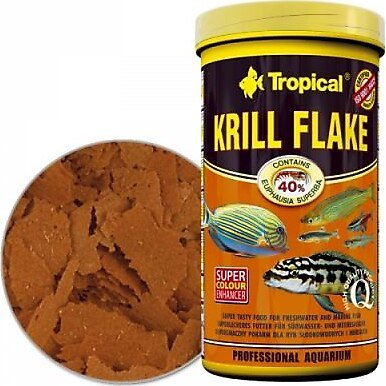
Krill Flakes – High-Krill Colour & Health Flakes, The Best Choice for Aquarium Nutrition, Ensuring Happy Community Members with Stunning Color and Vitality., High-Protein Fish Food for Thriving Aquariums

Price range: £5.80 through £16.02
Enhance your aquarium with our High-Krill Colour & Health Flakes, perfect for tropical and marine fish. These nutritious flakes promote vibrant colors and vitality in your beautiful inhabitants, ensuring a thriving community. Ideal for aquarists seeking top-notch fish food for health and beauty.


Nutritional Overview
Nutritional Analysis – Krill Flakes
| Nutrient | Content | Benefit |
|---|---|---|
| Protein | High Quality | Growth & muscle development |
| Vitamins | Enriched Formula | Immune system support |
| Color Enhancers | Natural Carotenoids | Vibrant coloration |
| Probiotics | Digestive Support | Healthy gut flora |
Krill Flakes are a premium fish food option designed to provide essential nutrients to both tropical and marine fish species. These high-krill flakes are rich in protein and omega fatty acids, which are crucial for maintaining the health and vitality of your aquatic companions. The primary ingredient, krill, is a small crustacean that is naturally high in astaxanthin, a carotenoid that enhances the coloration of fish, making them appear vibrant and healthy. This makes Krill Flakes an ideal choice for aquarists looking to promote not only the health of their fish but also their stunning colors. The flakes are easy to digest, ensuring that your fish can absorb the nutrients efficiently without the risk of overfeeding, which is a common concern with many other types of fish food.
Feeding Specifications
When it comes to feeding your fish, understanding the right portion sizes and frequency is crucial for their health. For most tropical and marine fish, it is recommended to feed them 2-3 times a day, providing only as much food as they can consume within 2-3 minutes. This helps to prevent overfeeding and maintain water quality in your aquarium. Krill Flakes can be offered as the primary diet or as a supplement to other fish foods, ensuring a balanced diet. For smaller fish species, you may want to crush the flakes into smaller pieces to make them easier to eat. It’s also important to observe your fish during feeding times to ensure they are actively eating and not showing signs of stress or aggression towards one another. Regular monitoring will help you adjust feeding practices as necessary, ensuring that all members of your aquatic community are thriving.
Suitable Fish Species
Krill Flakes are suitable for a wide variety of fish species, making them a versatile choice for any aquarium setup. Tropical fish such as Tetras, Guppies, and Cichlids thrive on this nutritious food, benefiting from its high protein content and color-enhancing properties. Marine fish, including Clownfish, Damselfish, and Wrasses, also find Krill Flakes appealing and nutritious, promoting their overall health and vibrant appearance. Additionally, these flakes can be beneficial for both juvenile and adult fish, supporting growth and development at all life stages. When introducing Krill Flakes into your feeding regimen, it’s essential to consider the specific dietary needs of your fish friends, ensuring that they receive a balanced diet that meets their nutritional requirements.
Nutritional Benefits
The nutritional profile of Krill Flakes is designed to enhance the health and vitality of your fish. Rich in protein, these flakes support muscle development and overall growth, making them an excellent choice for both juvenile and adult fish. The omega fatty acids found in krill are essential for maintaining healthy skin and fins, which can help prevent common ailments and promote longevity in your aquatic companions. Furthermore, the presence of astaxanthin not only enhances coloration but also boosts immune response, helping fish to fend off diseases and stress. By incorporating Krill Flakes into your fish care routine, you are providing your aquatic friends with a high-quality diet that supports their health, vitality, and stunning appearance.
Feeding Instructions
To ensure your fish receive the best possible nutrition from Krill Flakes, follow these feeding instructions. Begin by sprinkling a small amount of flakes into the aquarium, allowing the fish to consume them within a few minutes. Observe their feeding behavior; if they are eagerly eating, you can gradually increase the portion size. However, if you notice uneaten flakes accumulating on the substrate, reduce the amount you feed to avoid water quality issues. It’s advisable to feed your fish at the same time each day, as this helps establish a routine and reduces stress. Additionally, consider varying their diet with other high-quality fish foods to provide a well-rounded nutritional profile. This practice not only keeps your fish happy but also encourages natural foraging behavior.
Storage Guidelines
Proper storage of Krill Flakes is essential to maintain their freshness and nutritional value. Store the flakes in a cool, dry place away from direct sunlight. It is recommended to keep them in their original packaging, as it is designed to protect the food from moisture and air. If you have transferred the flakes to another container, ensure it is airtight to prevent oxidation and spoilage. Always check the expiration date on the packaging before use, and avoid feeding your fish expired food. By adhering to these storage guidelines, you can ensure that your fish receive the highest quality nutrition, promoting their health and well-being.
Ingredient Analysis
Krill Flakes are crafted from high-quality ingredients, with krill being the primary component. This small crustacean is not only a rich source of protein but also contains essential fatty acids that are vital for fish health. The flakes may also include additional ingredients such as spirulina and other algae, which provide further nutritional benefits and enhance the color of your fish. Each ingredient is carefully selected to ensure that your aquatic friends receive a balanced diet that supports their overall health and vitality. When choosing fish food, it’s important to look for products that prioritize quality ingredients, as this directly impacts the health and well-being of your fish.
Health Benefits
Feeding your fish Krill Flakes can lead to numerous health benefits. The high protein content supports muscle development and overall growth, essential for juvenile fish as they mature. The omega fatty acids found in krill contribute to healthy skin and fins, reducing the likelihood of diseases and infections. Additionally, the astaxanthin present in krill enhances coloration, making your fish appear vibrant and lively. Regularly incorporating Krill Flakes into your fish’s diet can also boost their immune system, helping them resist stress and environmental changes. By prioritizing the health of your fish friends, you are ensuring a thriving aquatic community.
Supplement Integration
Krill Flakes can be easily integrated into your fish’s diet alongside other high-quality fish foods. Combining different types of fish food can provide a more balanced nutritional profile, catering to the diverse dietary needs of your aquatic companions. For example, you might use Krill Flakes as a staple diet while supplementing with spirulina flakes or pellet food to ensure a variety of nutrients. This approach not only enhances the health of your fish but also encourages natural foraging behaviors, as they explore different food types. Always monitor your fish’s response to dietary changes and adjust accordingly to maintain optimal health.
Water Quality Impact
The quality of the food you provide to your fish can significantly impact the overall water quality in your aquarium. Krill Flakes are designed to be easily digestible, which helps reduce waste and maintain water clarity. Unlike some other fish foods that may lead to excessive uneaten food and waste, Krill Flakes promote efficient feeding and digestion. However, it is still essential to monitor your water parameters regularly and perform routine maintenance to ensure a healthy environment for your fish. Keeping the aquarium clean and well-maintained will enhance the effectiveness of the Krill Flakes, allowing your fish to thrive.
Special Dietary Needs
Certain fish species may have special dietary needs that require additional consideration. For instance, breeding fish may benefit from a higher protein diet to support the development of eggs and fry. In such cases, Krill Flakes can be an excellent choice due to their high protein content. Additionally, fish recovering from illness may require a nutrient-rich diet to help them regain strength. Always consult with a knowledgeable aquarist or veterinarian if you are unsure about the dietary needs of your fish friends, and adjust their feeding regimen accordingly to support their health and recovery.
Feeding Techniques
Employing effective feeding techniques can enhance the overall experience for both you and your fish. When introducing Krill Flakes, consider using a feeding ring or a feeding dish to minimize waste and ensure that all fish have access to the food. This method can also help prevent aggressive feeding behaviors, as it allows fish to feed at their own pace. Additionally, you can create a feeding schedule that aligns with your fish’s natural behaviors, such as feeding during dawn and dusk when they are most active. By being mindful of your fish’s feeding habits and preferences, you can create a more harmonious aquarium environment.
Quality Assurance
Quality assurance is a crucial aspect of selecting fish food. Krill Flakes are produced under strict quality control measures to ensure that they meet the highest standards of nutrition and safety. Look for products that have been tested for contaminants and have certifications from reputable organizations. This not only guarantees the quality of the food but also provides peace of mind that you are providing the best possible nutrition for your aquatic companions. By prioritizing quality in your fish food choices, you are investing in the health and well-being of your fish friends.
Comparison Guide
When selecting fish food, it can be helpful to compare different products to find the best fit for your aquarium. Krill Flakes stand out due to their high protein content, digestibility, and color-enhancing properties. While other fish foods may offer similar benefits, they often lack the nutritional richness that krill provides. Additionally, consider factors such as ingredient quality, feeding recommendations, and the specific dietary needs of your fish. By conducting thorough research and comparisons, you can make informed decisions that support the health and vitality of your aquatic community.
Expert Recommendations
Consulting with experienced aquarists can provide valuable insights into the best feeding practices for your fish. Experts often recommend incorporating a variety of high-quality fish foods, including Krill Flakes, to ensure a balanced diet. Additionally, they may suggest monitoring your fish’s health and behavior closely to identify any dietary deficiencies or issues. By seeking advice from knowledgeable sources, you can enhance your understanding of fish care and ensure that your aquatic friends receive the best possible nutrition.
Nutritional Science
The science behind fish nutrition is continually evolving, with ongoing research aimed at understanding the dietary needs of various fish species. Krill Flakes are formulated based on the latest scientific findings, ensuring that they meet the nutritional requirements of both tropical and marine fish. This commitment to research and development is essential for providing high-quality fish food that supports the health and vitality of your aquatic companions. By staying informed about advancements in fish nutrition, you can make educated choices that benefit your fish and enhance their quality of life.
Positive Information
Care level: Easy
Important Notice
Ensure to monitor your fish’s feeding behavior to prevent overfeeding.
Water Parameter Notice
Maintain optimal water conditions to support fish health.
Optimal Feeding Schedule
8:00 AM
Main portion of daily nutrition
6:00 PM
Smaller portion to maintain energy
Feeding Tips
- Feed only what fish can consume in 2-3 minutes
- Remove uneaten food to maintain water quality
- Adjust quantity based on fish activity and temperature
- Fast fish one day per week for digestive health
Frequently Asked Questions
Q: How much krill flakes should I feed my fish?
When feeding your aquatic companions krill flakes, it is essential to offer the right quantity to avoid overfeeding. A general guideline is to provide an amount that they can consume within 2-3 minutes. Start with a small pinch and observe their feeding behaviour; you can always add more if they finish quickly. Remember, it’s better to underfeed slightly than to overfeed, as excess food can deteriorate water quality. Adjust the amount based on the number and size of your fish. Regular monitoring of their condition will ensure that you maintain optimal health.
✓ Expert Tip
Consider varying their diet by occasionally mixing in other types of food to ensure a balanced nutrition.
Q: Which fish species can consume krill flakes?
Krill flakes are a versatile food option suitable for many species of freshwater and marine fish. Species such as cichlids, tetras, and bettas enjoy the high-protein content and natural flavour of krill. Additionally, carnivorous and omnivorous fish thrive on this nutritious diet. However, it is advisable to check specific dietary requirements for your fish friends as some herbivorous species may not benefit from krill flakes. Always ensure that the food you provide aligns with their natural dietary preferences to promote optimal health.
✓ Expert Tip
Consider providing a variety of foods to cater to the diverse dietary needs of your aquarium inhabitants.
Q: How should I properly store krill flakes?
To maintain the freshness and nutritional quality of krill flakes, store them in a cool, dry place away from direct sunlight. Ideally, keep them in an airtight container to prevent moisture and pests from compromising their quality. It is also advisable to avoid transferring flakes back into the original packaging after use, as this can introduce contaminants. Always check the expiry date and use them within the recommended period to ensure your fish friends receive the best nutrition possible.
✓ Expert Tip
For added freshness, consider refrigerating the flakes if you live in a particularly humid climate.
Q: Will krill flakes affect my water quality?
Feeding your fish krill flakes does come with some responsibility regarding water quality. Overfeeding can lead to uneaten food decomposing in the tank, which can elevate ammonia and nitrite levels, ultimately harming your fish. To mitigate this, ensure you feed only the amount that can be consumed within a few minutes. Regularly test your water parameters and perform partial water changes as necessary to maintain a healthy environment. Keeping an eye on your fish’s feeding habits will also help in managing this aspect effectively.
✓ Expert Tip
Consider employing a siphon to remove any leftover food promptly after feeding.
Q: Can krill flakes enhance fish colouration?
Yes, krill flakes are known for their ability to enhance the colouration of fish. The natural carotenoids found in krill are beneficial for promoting vibrant colours, especially in species like bettas and goldfish. Incorporating krill flakes into your fish’s diet can lead to a noticeable improvement in their colour over time, making them appear more radiant and lively. However, it is important to ensure a balanced diet alongside krill flakes to support overall health and well-being.
✓ Expert Tip
Regularly monitor your fish’s health and adjust their diet accordingly to maintain optimal colour and vitality.
Q: Is krill flakes suitable for breeding fish?
Krill flakes can be an excellent addition to the diet of breeding fish due to their high protein content, which supports the nutritional needs of both the parents and their offspring. During breeding, fish require increased protein for energy and reproductive success. However, it’s essential to complement krill flakes with other foods, such as live or frozen options, to ensure a well-rounded diet. Monitor the health of the breeding pair and their fry closely to adjust feeding strategies as needed.
✓ Expert Tip
Consider using smaller, more frequent feedings to stimulate breeding behaviour.
Q: How do I transition my fish to krill flakes?
Transitioning your fish to krill flakes should be a gradual process to avoid digestive issues. Start by mixing a small quantity of krill flakes with their current food, gradually increasing the proportion over several days. Observe their feeding behaviour; if they take to the new food without issue, continue increasing the ratio until they are fully on krill flakes. If any fish show signs of distress or refusal to eat, revert to their original food and try again later. Patience is key during this transition.
✓ Expert Tip
Always monitor their health and behaviour throughout the transition period.
Q: What ingredients are contained in krill flakes?
Krill flakes are primarily composed of high-quality krill meal, which is rich in protein, omega-3 fatty acids, and essential amino acids. Additionally, they may contain vitamins and minerals that support overall health, including carotenoids, which enhance colouration. Some formulations may include added spirulina or other natural ingredients to further boost nutritional value. Always check the ingredient list to ensure that the product meets your fish’s dietary needs and preferences.
✓ Expert Tip
Selecting high-quality krill flakes can significantly impact your fish’s health and vitality.
Q: How do I adjust feeding amounts for different fish sizes?
Adjusting feeding amounts for different fish sizes is crucial to ensure all your aquatic companions receive adequate nutrition. For smaller fish, a pinch of flakes is usually sufficient, whilst larger fish may require a more generous serving. Observe their feeding habits; smaller fish tend to eat less at a time compared to larger species. If you have a mixed tank, consider using a floating feeding ring to allow smaller fish access while preventing larger fish from monopolising the food.
✓ Expert Tip
Monitor the interactions during feeding times to ensure all fish are getting their share.
Q: What feeding techniques work best with krill flakes?
To maximise the benefits of krill flakes, consider using feeding techniques that encourage natural foraging behaviour. Sprinkle the flakes gently on the water surface, allowing them to float and be noticed by your fish. This mimics their natural feeding habits, making it more engaging. For shy or smaller fish, try using a feeding ring to keep the flakes contained, allowing them to feed without competition. Regularly observe how your fish respond to different techniques to find what works best for your specific tank.
✓ Expert Tip
Experimenting with feeding times can also help determine when your fish are most active and receptive to feeding.
Q: How does krill flakes support fish health and growth?
Krill flakes are rich in essential nutrients that support overall fish health and growth. The high protein content is vital for muscle development and energy, while omega-3 fatty acids promote healthy brain function and cardiovascular health. Additionally, the presence of carotenoids enhances colouration, making fish appear vibrant and lively. Regular inclusion of krill flakes in their diet can lead to improved vitality and a robust immune system, ultimately contributing to longevity in your aquatic companions.
✓ Expert Tip
Consider rotating their diet with other high-quality foods to ensure a balanced nutritional intake.
| Size | 100ml/20g, 500ml/100g |
|---|
2 reviews for Krill Flakes – High-Krill Colour & Health Flakes, The Best Choice for Aquarium Nutrition, Ensuring Happy Community Members with Stunning Color and Vitality., High-Protein Fish Food for Thriving Aquariums
Add a review
Related products



Emily Carter (verified owner) –
I’ve been an aquarium enthusiast for over five years, and recently switched to these Krill Flakes for my tropical fish. I noticed a remarkable difference within just a week! My fish, especially my betta and tetras, are more vibrant and active than ever before. The high-krill content is evident, and you can see their colors pop after each feeding.
Compared to previous fish foods I’ve tried, this one not only enhances color but also supports their overall health. I love that they are easy to digest, which is crucial for keeping my fish happy and well-nourished. One minor downside is that the flakes can create a bit of floating debris, so I recommend using a fine net to clean up the leftovers. Overall, I wholeheartedly recommend these flakes to anyone looking to improve their fish’s diet. Whether you’re a beginner or a seasoned aquarist, your fish will thank you for it. Plus, the shipping was prompt, and the packaging was solid. I will definitely be purchasing again!
Emily Carter (verified owner) –
As a passionate fish parent, I’m always on the lookout for the best nutrition for my tropical fish, and I can confidently say that these Krill Flakes have exceeded my expectations! After just two weeks of use, I’ve noticed a remarkable change in my fish’s colors and overall vitality. The high-krill formula not only enhances their vibrant hues but also provides essential nutrients that keep them active and healthy. My clownfish and tetras are more lively than ever, and they eagerly dart to the surface when it’s feeding time!
Compared to the generic flakes I used before, these are far superior in quality. They don’t cloud the water, which I appreciate, and they contain a balanced mix of proteins that my fish seem to love. I did notice a bit of residue at the bottom of the tank, but it’s minimal and easy to clean up. If you’re a fellow aquarist looking to keep your community tank vibrant and happy, I highly recommend these krill flakes. They truly make a difference in the health and happiness of your fish!