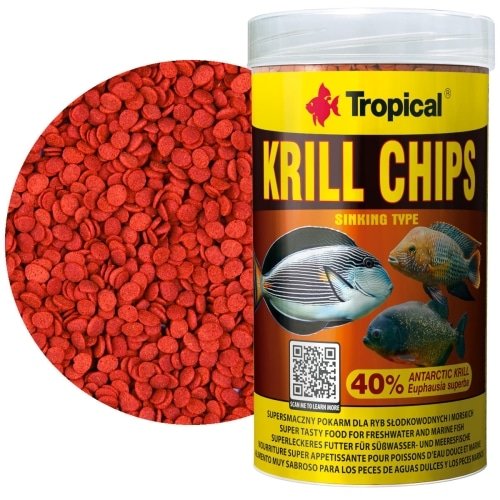
Krill Granules – High-Krill Colour & Health Sinking Feed, Enriching Your Fish’s Diet with Natural Ingredients for Maximum Growth Potential and Well-being, Ultimate Nutrition for Thriving Fish
Price range: £17.50 through £157.24
Welcome these beautiful aquatic companions with our Krill Granules, a high-quality sinking feed that enhances fish nutrition and promotes vibrant colors. This nutrient-rich formula supports their health and well-being, ensuring your community members thrive in their environments.

Nutritional Overview
Essential Care Guide for Your Krill Granules
| Optimal Living Conditions | |
|---|---|
| Water Temperature | 24-27°C (75-81°F) |
| pH Level | 6.5-7.5 |
| Water Hardness | 4-12 dKH |
| Minimum Tank Size | 80L (20 gal) |
| Salinity | Freshwater |
| Care Level | Beginner Friendly |
Krill granules are a premium fish food option designed to enhance the health and vibrancy of your aquatic companions. These granules are rich in natural ingredients, primarily composed of high-quality krill, which is known for its exceptional nutritional profile. Krill is a small crustacean found in the ocean, and it serves as a vital food source for many marine species. The inclusion of krill in your fish’s diet not only supports their growth potential but also contributes to their overall well-being. With a balanced blend of proteins, essential fatty acids, and vitamins, krill granules provide a comprehensive nutritional package that promotes healthy fish growth, optimal coloration, and robust immune function. This makes them an ideal choice for both freshwater and marine fish, ensuring that every bite contributes to the health and vitality of your aquatic friends.
Positive Information
Krill granules are formulated to meet the dietary needs of a wide variety of fish species, making them a versatile addition to your fish feeding regimen.
Feeding Specifications
When it comes to feeding your fish, understanding the right portion sizes and frequency is crucial for their health. Krill granules should be fed in moderation, typically once or twice a day, depending on the species and size of the fish. For smaller fish, a pinch of granules is sufficient, while larger species may require a more substantial amount. It’s essential to observe your fish during feeding times to ensure they consume the food within a few minutes, as uneaten food can lead to water quality issues. Additionally, varying the diet with other high-quality fish foods can provide a balanced nutritional profile, further enhancing the health benefits of krill granules. By incorporating these feeding practices, you can support your fish’s growth and vitality, ensuring they thrive in their aquatic environment.
Important Feeding Note
Overfeeding can lead to health problems and water quality degradation. Always monitor feeding amounts.
Suitable Fish Species
Krill granules are suitable for a wide variety of fish species, making them an excellent choice for community tanks. Species such as Tetras, Guppies, and Cichlids thrive on this nutrient-rich diet. The high protein content supports the growth of young fish, while the color-enhancing properties benefit species like Betta and Goldfish, bringing out their vibrant hues. Additionally, krill granules are beneficial for both freshwater and saltwater species, ensuring that your entire aquatic community can enjoy the health benefits of this exceptional food. By providing a diverse diet that includes krill granules, you can promote not only the health of individual fish but also the overall harmony of your aquarium ecosystem.
Community Fish Food
Krill granules are designed to be a staple in community fish diets, supporting a variety of species.
Nutritional Benefits
The nutritional benefits of krill granules extend beyond mere sustenance. The high levels of omega-3 and omega-6 fatty acids found in krill are essential for maintaining healthy skin and scales, enhancing the overall appearance of your fish. Moreover, the antioxidants present in krill support the immune system, helping fish resist diseases and infections. This is particularly important in community tanks where stress levels can be higher due to the presence of multiple species. Additionally, the natural color-enhancing properties of krill granules can lead to more vibrant and visually appealing fish, making your aquarium a stunning focal point in your home. By prioritizing the nutritional needs of your fish with krill granules, you are investing in their long-term health and happiness.
Health Benefits
Regular feeding of krill granules can improve immune function, enhance coloration, and promote overall vitality.
Feeding Instructions
To ensure optimal feeding practices, it is important to follow specific guidelines when introducing krill granules into your fish’s diet. Begin by offering a small amount of granules to gauge your fish’s interest and appetite. Observe their feeding behavior and adjust the portion size accordingly. It is recommended to feed your fish at the same time each day to establish a routine. This not only helps in maintaining their feeding schedule but also contributes to their overall stress reduction. Additionally, consider soaking the granules in tank water for a few minutes before feeding to soften them, making them easier for smaller fish to consume. By adhering to these feeding instructions, you can create a healthy feeding environment that supports the well-being of your aquatic companions.
Feeding Techniques
Consider varying the diet with other foods to provide a balanced nutrition.
Storage Guidelines
Proper storage of krill granules is essential to maintain their freshness and nutritional quality. It is recommended to keep the granules in a cool, dry place, away from direct sunlight. An airtight container is ideal for preventing moisture and air exposure, which can degrade the quality of the food over time. Additionally, check the expiration date on the packaging and ensure that you use the granules within the recommended timeframe. Storing krill granules in the refrigerator can further extend their shelf life, especially in warmer climates. By following these storage guidelines, you can ensure that your fish receive the best possible nutrition from their food, supporting their health and vitality.
Storage Notice
Keep krill granules in a cool, dry place to maintain freshness.
Ingredient Analysis
The primary ingredient in krill granules is, of course, krill, which is harvested sustainably to ensure minimal environmental impact. Krill is rich in protein, making it an excellent source of nutrition for growing fish. In addition to krill, these granules may contain a blend of vitamins and minerals to further enhance their nutritional profile. Ingredients such as spirulina and other algae may be included to provide additional health benefits, including improved digestion and enhanced coloration. It is important to choose high-quality krill granules that list their ingredients clearly, ensuring that your fish receive the best possible nutrition. By understanding the ingredient composition, you can make informed choices about the food you provide for your aquatic companions.
Quality Assurance
Choose krill granules from reputable brands to ensure high-quality ingredients.
Water Quality Impact
Feeding krill granules can have a positive impact on water quality when managed properly. Unlike some other fish foods that can lead to excessive waste and nutrient overload in the aquarium, krill granules are designed to be easily digestible, reducing the amount of uneaten food that contributes to water pollution. However, it is still crucial to monitor feeding amounts and ensure that your fish consume the food within a reasonable timeframe. Regular water testing and maintenance, including partial water changes, will help maintain optimal water conditions for your fish. By being mindful of the impact of feeding on water quality, you can create a healthy and thriving environment for your aquatic companions.
Water Quality Notice
Monitor feeding amounts to prevent water quality issues.
Special Dietary Needs
Some fish may have specific dietary needs, especially during breeding or recovery periods. Krill granules can be an excellent choice for breeding fish, as the high protein content supports the energy requirements of spawning. Additionally, fish recovering from illness may benefit from the nutritional boost provided by krill, helping them regain strength and vitality. It is essential to observe your fish and adjust their diet accordingly, ensuring that you meet their unique needs. By providing specialized nutrition during these critical times, you can support their health and well-being, fostering a thriving aquatic environment.
Specialized Nutrition
Consider krill granules for breeding and recovery diets.
Expert Recommendations
Aquarium experts recommend incorporating krill granules into your fish’s diet for optimal health and growth. It is advisable to combine krill granules with other high-quality fish foods to provide a well-rounded diet. Additionally, consider rotating different types of food to prevent dietary monotony and ensure your fish receive a broad spectrum of nutrients. Regularly assess your fish’s health and appearance, and adjust their diet as needed to support their specific requirements. By following expert recommendations and prioritizing your fish’s nutritional needs, you can create a thriving aquatic environment that promotes their overall well-being.
Expert Tips
Rotate foods to provide a balanced diet and prevent dietary monotony.
Nutritional Science
The science behind krill granules is rooted in their exceptional nutritional profile. Research has shown that the fatty acids found in krill are essential for fish health, contributing to improved growth rates and enhanced immune responses. Additionally, the antioxidants present in krill can help combat oxidative stress, promoting longevity and vitality in fish. As our understanding of fish nutrition continues to evolve, krill granules stand out as a scientifically-backed option for fish keepers seeking to provide the best possible diet for their aquatic companions. By staying informed about the latest developments in fish nutrition, you can make educated choices that benefit the health and happiness of your fish.
Nutritional Research
Stay informed about the latest developments in fish nutrition for optimal care.
Water Quality Parameters
Optimal Range
24-27°C
6.5-7.5
0 ppm
Caution Zone
22-24°C or 27-29°C
6.0-6.5 or 7.5-8.0
0.25-0.5 ppm
Danger Zone
<22°C or >29°C
<6.0 or >8.0
>0.5 ppm
Monitoring Tip: Test water parameters weekly and perform regular water changes to maintain optimal conditions for your aquatic friends!
Frequently Asked Questions
Q: How much Krill Granules should I feed my fish?
Feeding quantities depend on the size and species of your fish. Generally, you should provide an amount that your fish can consume within 2-3 minutes. Overfeeding can lead to water quality issues, so it’s important to monitor their intake. For smaller fish, a pinch of granules is usually sufficient, while larger species may require several granules. Adjust the portion based on their activity level and growth stage, ensuring they maintain a healthy diet without excess waste in the tank.
✓ Expert Tip
Observe your fish’s behaviour post-feeding to gauge if adjustments are necessary. Active fish may require slightly more, whilst less active fish may need less.
Q: How frequently should I feed my fish Krill Granules?
Feeding frequency largely depends on the species of fish and their lifecycle stage. Most adult fish benefit from being fed once or twice daily. For juvenile fish, consider three times a day due to their higher growth needs. Always ensure that the feeding schedule aligns with the natural behaviour of your fish friends, as some may prefer foraging at specific times. Regular feeding schedules help maintain a healthy routine and promote well-being.
✓ Expert Tip
Consider varying the feeding times slightly each day to mimic natural conditions, which can encourage more natural foraging behaviour.
Q: Which fish species can consume Krill Granules?
Krill Granules are suitable for a variety of freshwater and marine species, including many popular aquarium fish like Tetras, Cichlids, and Angelfish. These granules are particularly beneficial for carnivorous and omnivorous fish due to their high protein content and essential fatty acids. Always check if the specific nutritional requirements of your fish align with the ingredients in the granules, ensuring they receive a balanced diet for optimal health.
✓ Expert Tip
Consult with your local aquatic specialist to determine the best feeding practices tailored to your fish friends.
Q: How should I properly store Krill Granules?
To maintain the freshness and nutritional quality of Krill Granules, store them in a cool, dry place, away from direct sunlight. Once opened, it is advisable to transfer the granules to an airtight container to prevent moisture and contamination. This practice will help extend the shelf life of the product. Always check the packaging for specific storage recommendations and expiry dates to ensure your fish friends receive the best possible nutrition.
✓ Expert Tip
Consider labelling the container with the date of opening to keep track of freshness.
Q: Will Krill Granules affect my water quality?
Feeding Krill Granules in appropriate amounts should not significantly affect your aquarium’s water quality. However, overfeeding can lead to excess waste and uneaten food, which may result in elevated ammonia and nitrate levels. Regular monitoring of water parameters is crucial. Implementing a good filtration system and conducting routine water changes will help maintain a healthy environment for your aquatic companions. It is advisable to remove any uneaten food promptly to prevent degradation.
✓ Expert Tip
Consider using a waste vacuum or siphon to maintain substrate cleanliness and overall water quality in your aquarium.
Q: Is Krill Granules suitable for breeding fish?
Yes, Krill Granules can be an excellent dietary option for breeding fish. The high protein content supports the energy needs of breeding pairs and promotes healthy fry development. Providing a varied diet, including these granules, can enhance the overall health and vitality of breeding fish. It is advisable to offer smaller amounts to fry as they begin to eat solid food, ensuring they receive adequate nutrition for growth.
✓ Expert Tip
Supplementing with live or frozen foods can further enhance the diet of breeding fish and their fry.
Q: How do I transition my fish to Krill Granules?
When introducing Krill Granules to your fish’s diet, it is best to do so gradually. Start by mixing a small quantity of the granules with their current food, allowing them to acclimatise to the new texture and flavour. Over a week, incrementally increase the proportion of Krill Granules while decreasing the original food. This method helps to avoid digestive stress and ensures that your fish friends adapt comfortably to their new diet.
✓ Expert Tip
Observe your fish during the transition to ensure they are accepting the new food and adjust as necessary.
Q: What ingredients are contained in Krill Granules?
Krill Granules are primarily made from high-quality krill, providing essential amino acids, proteins, and fatty acids crucial for fish health. Additional ingredients may include spirulina, vitamins, and minerals to enhance nutritional value. Always review the packaging for a detailed ingredient list to ensure it meets the dietary requirements of your specific fish species, as some may have allergies or dietary restrictions.
✓ Expert Tip
Research the dietary preferences of your fish to maximise the benefits of the ingredients in the granules.
Q: How does Krill Granules support fish health and growth?
Krill Granules are rich in protein and essential fatty acids, which are vital for growth and overall health. The high-quality nutrition provided by these granules supports muscle development, enhances colouration, and boosts immune responses. Additionally, the natural ingredients promote digestive health, ensuring that your fish friends absorb nutrients effectively. A balanced diet is essential for maintaining vibrant, active fish.
✓ Expert Tip
Incorporate variety in their diet to ensure comprehensive nutrition and prevent selective feeding.
| Size | 250ml/135g, 5L/2.7kg |
|---|
2 reviews for Krill Granules – High-Krill Colour & Health Sinking Feed, Enriching Your Fish’s Diet with Natural Ingredients for Maximum Growth Potential and Well-being, Ultimate Nutrition for Thriving Fish
Add a review
Related products



Emily Richards (verified owner) –
As a caring fish parent, I’ve always prioritized the health and happiness of my aquatic family. After using the Krill Granules – High-Krill Colour & Health Sinking Feed for about two months, I can confidently say it has made a noticeable difference in my tank! My fish, especially my vibrant Betta and energetic Tetras, have shown more vivid colors and increased activity levels since I introduced this food into their diet. The granules sink perfectly, allowing even the shy fish to partake without stress.
Compared to the previous flake food I was using, these granules are much easier for my fish to consume, and I appreciate that there’s no mess left behind. The nutritional boost from the high krill content is evident; my fish seem healthier and more lively than ever!
While the granules might be a bit larger than what some smaller fish can handle, they quickly soften in water, making it manageable. I would highly recommend Krill Granules to any fish owner looking to enhance their pets’ diet. Plus, the packaging was excellent—arrived quickly and intact! Overall, I’m thrilled with this product and will definitely repurchase!
Emily Carter (verified owner) –
After using the Krill Granules for about a month, I can confidently say this is an exceptional dry food option for my aquarium. My fish—especially my bettas and guppies—absolutely love it! The high-krill formula not only enhances their brilliant colors but also contributes significantly to their overall health. I’ve noticed a remarkable increase in their energy levels and activity since I switched from my previous brand, which didn’t seem to have the same nutritional value.
I appreciate that these granules sink nicely, allowing my bottom feeders to enjoy them without any waste. My only minor concern was the packaging; it could be resealed better to maintain freshness longer. However, the benefits far outweigh this small issue. If you’re passionate about fish nutrition and dedicated to your fish’s well-being, I highly recommend this product. You’ll see amazing results in your fish’s vibrancy and health. Perfect for hobbyists who want to enrich their fish’s diets with natural ingredients. I will definitely be purchasing this again!