
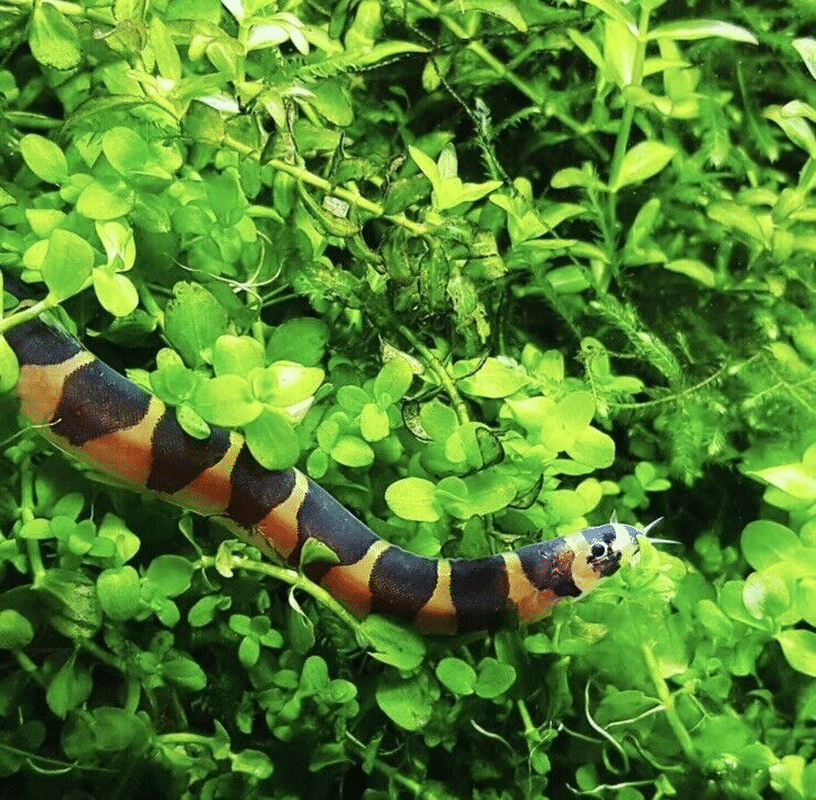
Kuhli Loach (2 inches) – Pangio Kuhlii – Striped Loach

Original price was: £2.49.£1.94Current price is: £1.94.
Welcome the beautiful Kuhli Loach, a stunning striped tropical fish that thrives in freshwater environments. Known for its graceful movements and peaceful nature, this elegant bottom dweller is perfect for community tanks. Provide a loving home to these vibrant fish and enhance your aquarium’s beauty.
In stock
Species Introduction
The Kuhli Loach (Pangio kuhlii) is a fascinating freshwater fish known for its unique, eel-like appearance and playful behavior. Originating from the tropical waters of Southeast Asia, particularly in regions like Indonesia and Thailand, these loaches thrive in slow-moving streams and rivers, often found among the leaf litter and substrate. They are a popular choice among aquarium enthusiasts due to their peaceful nature and ability to help control algae growth in the tank. With a maximum length of about 4 inches, the Kuhli Loach is a bottom dweller that enjoys a well-planted aquarium with plenty of hiding spots, making it a delightful addition to any community tank.
Care Requirements Dashboard
Essential Care Guide for Your Kuhli Loach
| Optimal Living Conditions | |
|---|---|
| Water Temperature | 24-27°C (75-81°F) |
| pH Level | 6.5-7.5 |
| Water Hardness | 4-12 dKH |
| Minimum Tank Size | 80L (20 gal) |
| Salinity | Freshwater |
| Care Level | Beginner Friendly |
✓ Care Level: Easy
Tank Size: Minimum 20 gallons
Water Parameters: pH 6.0-7.5, Temperature 75-82°F, Hardness 5-15 dGH
Kuhli Loaches are relatively easy to care for, making them suitable for both beginners and experienced aquarists. They prefer a tank size of at least 20 gallons, as they enjoy having space to swim and explore. The water parameters should be kept stable, with a pH level between 6.0 and 7.5, and a temperature range of 75 to 82 degrees Fahrenheit. These fish thrive in soft to moderately hard water, ideally between 5 to 15 degrees of general hardness (dGH). Regular water changes and good filtration are essential to maintain a healthy environment for your Kuhli Loaches.
Natural Behavior & Temperament
Kuhli Loaches are known for their playful and curious nature. They are social creatures that thrive in groups, so it’s recommended to welcome at least 3-5 individuals together to ensure they feel secure and exhibit their natural behaviors. In the aquarium, you will often see them burrowing into the substrate, searching for food, or darting around playfully. Their nocturnal habits mean they are most active during the night, making them a delightful spectacle for night owls. They are generally peaceful and can coexist with a variety of community members, provided those companions are not aggressive or overly large.
Tank Setup Guide
✓ Ideal Environment: Well-planted with hiding spots
Substrate: Soft sand or fine gravel
Decorations: Rocks, driftwood, live plants
To create a suitable habitat for your Kuhli Loaches, focus on a well-planted aquarium with plenty of hiding spots. Soft sand or fine gravel is ideal for the substrate, as it allows them to burrow comfortably. Incorporating decorations such as rocks, driftwood, and live plants not only enhances the aesthetic appeal of the tank but also provides essential hiding spots for these shy fish. Ensure that the tank is not overly bright, as they prefer dim lighting, which can be achieved through the use of floating plants or strategically placed decorations.
Water Quality Management
⚠ Important Water Parameter Notice
Maintain stable water conditions to avoid stress.
Maintaining optimal water quality is crucial for the health and well-being of your Kuhli Loaches. Regular water testing is recommended to ensure that pH, temperature, and hardness levels remain within the ideal ranges. Sudden changes in water parameters can lead to stress and health issues, so it’s essential to acclimate them slowly to any new conditions. Performing regular water changes of 10-15% weekly will help keep the water clean and reduce the buildup of harmful toxins. Additionally, a good filtration system is necessary to maintain clarity and quality, but be sure to avoid strong currents that could disturb their natural behavior.
Feeding & Nutrition
✓ Diet: Omnivorous, prefers sinking foods
Feeding Schedule: 1-2 times daily
Food Types: Sinking pellets, flakes, live or frozen foods
Kuhli Loaches are omnivorous and require a varied diet to thrive. They prefer sinking foods, so high-quality sinking pellets or flakes should form the foundation of their diet. Supplementing their diet with live or frozen foods such as bloodworms, brine shrimp, and daphnia will provide essential nutrients and stimulate their natural foraging behavior. Feeding should be done once or twice daily, ensuring that they consume the food within a few minutes to prevent water quality issues. Observing their feeding habits will also help you gauge their health and ensure they are receiving adequate nutrition.
Compatibility Guide
✓ Community Dynamics: Peaceful and social
Compatible Tank Mates: Tetras, Rasboras, Gouramis, other peaceful bottom dwellers
Kuhli Loaches are known for their peaceful demeanor, making them excellent community fish. They can coexist with a variety of community members, including small tetras, rasboras, and gouramis, as long as those companions are not aggressive or large enough to pose a threat. It’s essential to avoid keeping them with overly boisterous or territorial species, as this can lead to stress and aggression. Ideally, they should be welcomed in groups of three or more to promote social behavior, which enhances their overall well-being and reduces stress levels.
Health & Wellness
⚠ Common Issues: Ich, fin rot, stress-related diseases
Monitoring the health of your Kuhli Loaches is vital for their longevity and happiness. Common health issues include ich, fin rot, and stress-related diseases, which can arise from poor water quality or aggressive tank mates. Regularly check for signs of illness, such as changes in behavior, appetite, or physical appearance. Keeping the tank clean, maintaining stable water parameters, and providing a stress-free environment are essential preventive measures. If you notice any signs of illness, prompt treatment with appropriate medications and improved care can help restore their health.
Breeding Information
✓ Spawning: Requires a separate breeding tank
Fry Care: Feed infusoria or finely crushed flakes
Breeding Kuhli Loaches in captivity can be challenging, as they are not commonly bred in home aquariums. To encourage spawning, it is advisable to set up a separate breeding tank with soft, acidic water and plenty of hiding spots, such as spawning mops or fine-leaved plants. After spawning, the adults should be removed to prevent them from eating the eggs. The eggs typically hatch within a few days, and the fry can be fed infusoria or finely crushed flakes until they are large enough to consume regular food. Providing a stable environment and maintaining water quality is crucial for the successful growth of the fry.
Acclimation Process
✓ Acclimation: Slow and gradual
When introducing your new Kuhli Loaches to their aquarium, it’s essential to acclimate them slowly to minimize stress. Begin by floating the sealed bag containing the fish in the aquarium for about 15-20 minutes to equalize the temperature. Then, gradually mix small amounts of tank water into the bag over the next hour. After this period, gently release the fish into the tank, avoiding adding any water from the bag. This careful acclimation process helps the Kuhli Loaches adjust to their new environment, reducing the risk of shock and promoting a smooth transition.
Long-term Care
✓ Lifespan: 10-15 years with proper care
With proper care, Kuhli Loaches can live for 10 to 15 years, making them a long-term commitment for any aquarist. To ensure their longevity, maintain consistent water quality, provide a balanced diet, and monitor their health regularly. Regular tank maintenance, including water changes and substrate cleaning, will help create a stable environment. Additionally, keeping their social needs in mind by providing companionship with other peaceful fish will contribute to their overall happiness and health. By following these guidelines, you can enjoy the company of these delightful aquatic companions for many years.
Natural Habitat Recreation
✓ Biotope Setup: Mimic Southeast Asian waters
To recreate the natural habitat of the Kuhli Loach, consider setting up a biotope aquarium that mimics the slow-moving waters of Southeast Asia. Use soft, dark substrates like sand or fine gravel, and include plenty of hiding spots with driftwood, rocks, and live plants. Incorporating floating plants can help diffuse light and create a shaded environment, which these fish prefer. Additionally, maintaining slightly acidic water with a temperature range of 75-82°F will closely resemble their natural habitat, promoting their health and well-being. This thoughtful setup not only benefits the Kuhli Loaches but also enhances the visual appeal of your aquarium.
Seasonal Care Adjustments
⚠ Seasonal Temperature Changes: Monitor closely
As the seasons change, it’s essential to monitor the temperature and water parameters closely to ensure the well-being of your Kuhli Loaches. In the summer, temperatures may rise, so consider using fans or chillers to maintain the ideal range. During winter, ensure that the aquarium heater is functioning correctly to prevent temperature drops. Additionally, changes in lighting duration can affect plant growth and the overall ecosystem of the tank. Adjusting the light cycle gradually can promote healthy plant growth while ensuring the Kuhli Loaches have a comfortable environment throughout the year.
Expert Tips
✓ Professional Advice: Observe behavior regularly
One of the best practices for caring for Kuhli Loaches is to observe their behavior regularly. This will help you identify any changes that may indicate stress or health issues. Providing a varied diet and ensuring they have plenty of hiding spots will encourage natural behaviors, making them more active and visible. Additionally, consider adding a gentle current in the tank to mimic their natural habitat, as this can stimulate their foraging instincts. Regularly check for signs of algae growth, as these fish will help control it, but too much algae can indicate an imbalance in the tank’s ecosystem.
Troubleshooting
⚠ Common Problems: Stress, aggression from tank mates
If you encounter issues with your Kuhli Loaches, such as unusual behavior or signs of illness, it is essential to assess the tank environment and the compatibility of tank mates. Stress can arise from aggressive fish or unsuitable water conditions, so ensure that all tank mates are compatible and that the water parameters are stable. If aggression is observed, consider rearranging the tank layout to disrupt established territories or adding more hiding spots. If health issues arise, prompt treatment and improved care can often resolve the problem, allowing your Kuhli Loaches to thrive once again.
Scientific Background
The Kuhli Loach belongs to the family Cobitidae, which includes various species of loaches known for their elongated bodies and unique swimming patterns. They are classified under the genus Pangio, which consists of several species that share similar characteristics. While the scientific name for the Kuhli Loach is Pangio kuhlii, detailed taxonomic data is often limited. Conservation efforts for these fish focus on habitat preservation, as their natural environments face threats from pollution and habitat destruction. Understanding their natural history and ecological role is vital for ensuring their continued presence in the aquarium trade.
Advanced Care Techniques
✓ Expert-Level Husbandry: Regular water testing
For those looking to provide the best care for their Kuhli Loaches, regular water testing is crucial. Invest in a reliable water testing kit to monitor pH, ammonia, nitrite, and nitrate levels. Keeping a close eye on these parameters will help you maintain a healthy environment for your aquatic companions. Additionally, consider implementing a planted tank setup that mimics their natural habitat, which can enhance their well-being and promote natural behaviors. Regularly changing the tank layout can also stimulate their curiosity and activity levels, making for a more engaging aquarium experience.
Frequently Asked Questions
Q: What tank size is required for Kuhli Loaches?
Kuhli Loaches thrive best in a tank size of at least 60 litres (approximately 15 gallons). This provides ample swimming space and allows for a group of at least five individuals, which is crucial for their social behaviour. Larger tanks will offer better stability in water parameters, which is vital for their health. Ensure the tank is well-planted with plenty of hiding spots, such as caves and driftwood, as these fish enjoy exploring and resting in secure areas. Avoid tanks that are too small, as this can lead to stress and aggression among the loaches.
✓ Expert Tip
Consider a sandy substrate to mimic their natural habitat, as Kuhli Loaches love to burrow.
Q: What water parameters do Kuhli Loaches require?
Kuhli Loaches prefer slightly acidic to neutral water conditions, ideally with a pH range of 6.0 to 7.5. The water temperature should be maintained between 24°C to 28°C (75°F to 82°F). Regular water changes of about 10-20% per week help maintain water quality and stability. Ammonia and nitrite levels should always be at 0, while nitrates should be kept below 20 ppm for optimal health. Invest in a quality water testing kit to monitor these parameters regularly and adjust as necessary to keep your aquatic companions thriving.
✓ Expert Tip
Use a sponge filter to ensure gentle water flow, which is ideal for Kuhli Loaches.
Q: How often should I feed Kuhli Loaches?
Kuhli Loaches are nocturnal scavengers, so it is best to feed them in the evening when they are most active. A varied diet is essential for their health, including high-quality sinking pellets, frozen or live foods such as bloodworms, and occasional vegetable matter. Feed them small amounts once a day, ensuring that all food is consumed within a few minutes to prevent water quality issues. Overfeeding can lead to health problems, so it is crucial to monitor their intake and adjust accordingly.
✓ Expert Tip
Consider feeding them a mix of foods to ensure a balanced diet and to keep them active.
Q: What are the best tank mates for Kuhli Loaches?
Kuhli Loaches are generally peaceful and can coexist with a variety of tank mates. Ideal companions include small to medium-sized fish like Tetras, Rasboras, and other peaceful community fish. Avoid aggressive or large species that may view them as food. It is also advisable to keep them in groups of at least five, as they are social creatures and thrive in the company of their own kind. This group dynamic helps reduce stress and encourages natural behaviours.
✓ Expert Tip
Ensure your tank has plenty of hiding spots to reduce stress among all tank mates.
Q: How do I properly acclimatise Kuhli Loaches to my aquarium?
Acclimatisation is essential to help Kuhli Loaches adjust to their new environment. Begin by floating the sealed bag in your aquarium for around 15-20 minutes to equalise the temperature. Next, gradually introduce aquarium water into the bag over the next hour, allowing them to adjust to the water chemistry. Once acclimatised, gently net the loaches into the tank without adding the bag water, which may contain harmful substances. This process helps reduce stress and ensures a smoother transition to their new home.
✓ Expert Tip
Always monitor your fish for signs of stress after acclimatisation.
Q: What are the signs of healthy Kuhli Loaches?
Healthy Kuhli Loaches exhibit vibrant coloration, active swimming behaviour, and a curious nature. Their bodies should appear smooth and free from lesions or discolorations. They should also display normal feeding habits, eagerly seeking out food during feeding times. Additionally, healthy loaches will interact socially with their tank mates and explore their environment. If you notice lethargy, loss of colour, or abnormal swimming patterns, these may be signs of stress or illness, requiring immediate attention.
✓ Expert Tip
Regularly monitor water parameters to ensure a healthy environment.
Q: How do I successfully breed Kuhli Loaches?
Breeding Kuhli Loaches in captivity can be challenging but rewarding. To encourage breeding, provide a separate breeding tank with fine-leaved plants or spawning mops where they can lay eggs. Maintain slightly cooler water temperatures (around 22°C or 72°F) and ensure excellent water quality. Once the eggs are laid, remove the adults to prevent them from eating the eggs. The eggs typically hatch within a few days, and the fry will require infusoria or finely crushed flakes until they grow larger. Patience and careful monitoring are key to successful breeding.
✓ Expert Tip
Breeding often occurs during water changes, so consider mimicking rainfall conditions.
Q: What temperature should I maintain for Kuhli Loaches?
Kuhli Loaches thrive in a water temperature range of 24°C to 28°C (75°F to 82°F). Maintaining a stable temperature is crucial for their health, as significant fluctuations can lead to stress and illness. Use a reliable aquarium heater to ensure the temperature remains consistent, and monitor it regularly with a thermometer. It is also advisable to avoid placing the aquarium near drafts or direct sunlight, as these can cause temperature spikes. Keeping the environment stable will help your aquatic companions feel secure and flourish.
✓ Expert Tip
Consider using a heater with a built-in thermostat for optimal temperature control.
Q: How long do Kuhli Loaches typically live in captivity?
In captivity, Kuhli Loaches can live for approximately 10 years, provided they are kept in optimal conditions. Their lifespan can be maximised through proper care, including maintaining good water quality, a varied diet, and stable environmental conditions. Regular monitoring for signs of illness and stress, along with prompt treatment, will also contribute to their longevity. By providing a suitable habitat and attentive care, you can enjoy the companionship of these fascinating fish friends for many years.
✓ Expert Tip
Establish a routine for tank maintenance to ensure a healthy environment.
Q: What type of substrate is most suitable for Kuhli Loaches?
Kuhli Loaches prefer a soft, sandy substrate that allows them to burrow and explore. Sand is ideal as it mimics their natural habitat, where they often sift through sediment for food. Avoid sharp or coarse substrates, as these can injure their delicate bodies. Additionally, incorporating smooth pebbles or fine gravel can provide variety in their environment while ensuring safety. A well-planted tank with plenty of hiding spots will also enhance their comfort and encourage natural behaviours.
✓ Expert Tip
Rinse the substrate thoroughly before adding it to the tank to remove any dust or impurities.
Q: What behavioural patterns should I expect from Kuhli Loaches?
Kuhli Loaches are known for their inquisitive and playful nature. They are primarily nocturnal, becoming most active during the evening when they forage for food. During the day, they tend to hide amongst plants or substrate, which is a normal behaviour that helps reduce stress. They exhibit social behaviours when kept in groups, often seen swimming together or engaging in playful interactions. Providing a well-structured environment with plenty of hiding spots will encourage these natural behaviours and enhance their overall wellbeing.
✓ Expert Tip
Observe their behaviour regularly to ensure they are comfortable and healthy.
Q: How can I prevent common diseases in Kuhli Loaches?
Preventing diseases in Kuhli Loaches involves maintaining optimal water quality, providing a balanced diet, and ensuring a stress-free environment. Regular water changes and monitoring parameters will help keep the tank conditions stable. Quarantine any new fish before introducing them to the main tank to prevent the spread of disease. Additionally, be vigilant for signs of stress or illness, such as changes in behaviour or appearance. Prompt treatment of any issues can prevent more severe health problems from developing.
✓ Expert Tip
Consider adding aquarium salt to the water to promote overall health, but use sparingly.
Q: What lighting conditions do Kuhli Loaches prefer?
Kuhli Loaches prefer low to moderate lighting, which mimics their natural habitat. Bright lights can cause stress, as they are naturally found in shaded areas of streams and rivers. Using a soft light or placing floating plants can help diffuse the brightness and create a more suitable environment. It is also beneficial to provide a dark area in the tank where they can retreat when feeling threatened. A well-planned lighting schedule of around 10-12 hours a day will help maintain a natural day/night cycle.
✓ Expert Tip
Use a timer for your lights to ensure consistent lighting patterns.
Q: How do I recognise stress in Kuhli Loaches?
Signs of stress in Kuhli Loaches may include increased hiding, erratic swimming patterns, and loss of appetite. If they are frequently darting around the tank or staying hidden for long periods, this may indicate discomfort in their environment. Additionally, changes in coloration or physical appearance, such as frayed fins, can signal stress or illness. It is essential to assess water parameters, tank mates, and overall tank conditions if you observe any signs of stress to ensure a healthy environment for your aquatic companions.
✓ Expert Tip
Provide ample hiding spots and plants to help reduce stress levels.
Q: What natural habitat conditions should I replicate for Kuhli Loaches?
To replicate the natural habitat of Kuhli Loaches, focus on creating a soft, sandy substrate with plenty of hiding spots, such as caves, driftwood, and plants. They thrive in slow-moving waters with plenty of organic matter and leaf litter, so incorporating leaf litter can provide a familiar environment. Maintain stable water parameters with a slightly acidic pH and a temperature range of 24°C to 28°C. Additionally, ensure good water quality through regular changes and filtration to mimic their natural stream conditions.
✓ Expert Tip
Use natural decor to create a biotope that encourages natural behaviours.
Related aquarium favourites
- Browse more loach and algae eater fish.
- Another peaceful bottom-area fish is the Pygmy Cory.
- For community tank algae control, see Otocinclus Dwarf Sucker Catfish.


Emily Carter (verified owner) –
I recently purchased the Kuhli Loach tropical fish, and I couldn’t be happier! These little striped loaches are such charming creatures and have brought so much life to my aquarium. After just two weeks, I have noticed how they diligently scavenge for leftover food and keep my substrate clean. They are incredibly peaceful and get along wonderfully with my other freshwater fish.
What sets these Kuhli Loaches apart from others I’ve kept is their playful nature; I love watching them wiggle around and explore all the hiding spots in my tank. They really do thrive in an environment with plenty of plants and decorations, so I recommend setting up a cozy habitat for them! The quality of the fish I received was top-notch, and they arrived healthy and vibrant, reflecting their well-cared-for background.
If you’re into community aquariums, these loaches are perfect! They are not only great for keeping the tank clean but also add a unique aesthetic. My only minor concern is that they can be a bit shy during the day, but that’s just part of their charm. Overall, I highly recommend the Kuhli Loach for anyone looking to enhance their aquarium—worth every penny!