
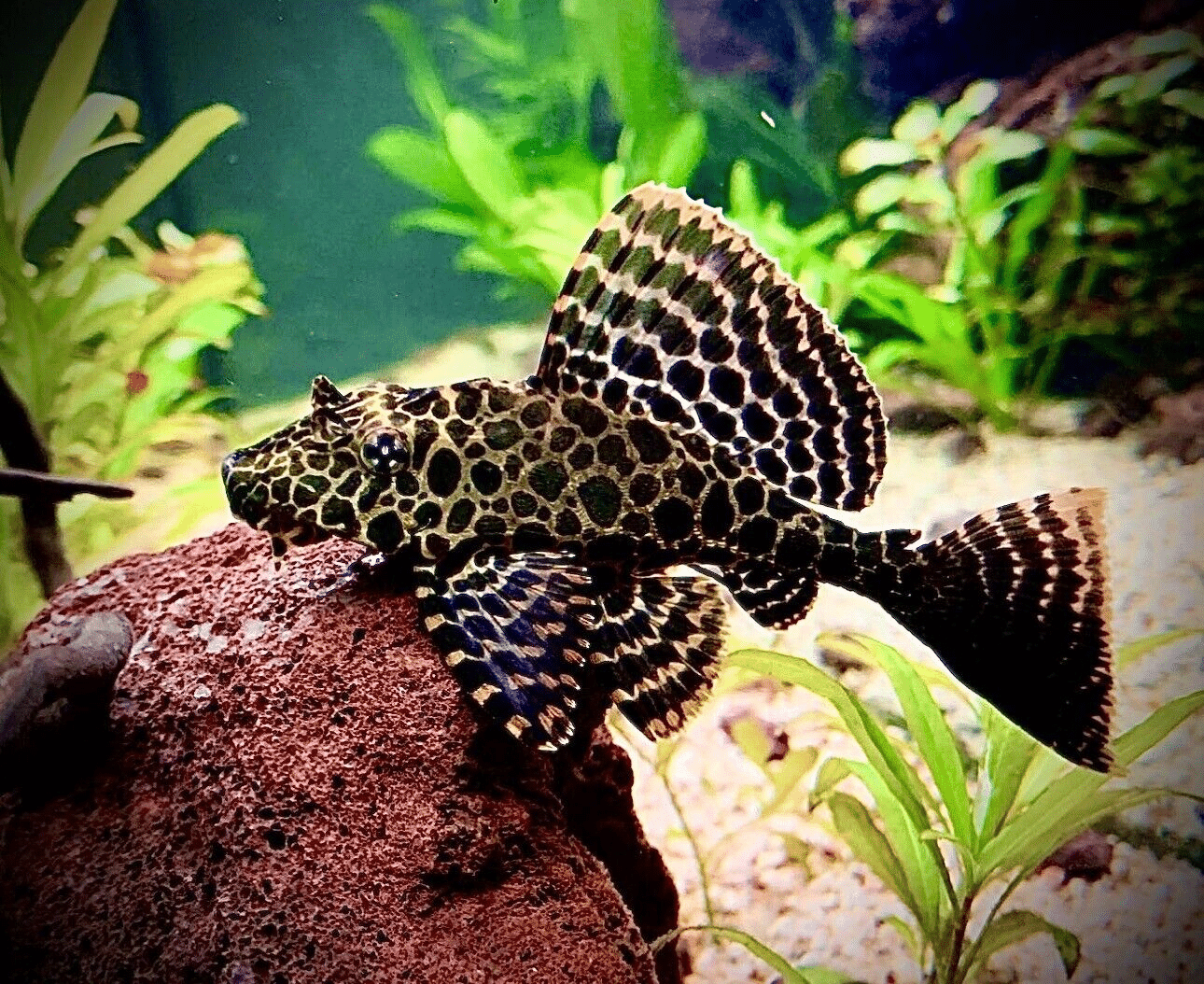
Pterygoplichthys sp. – Leopard Pleco


Original price was: £10.49.£8.71Current price is: £8.71.
Welcome these beautiful Leopard Pleco Pterygoplichth, one of the best tropical fish for community tanks. Their striking leopard patterns enhance any aquarium, and as peaceful companions, they thrive while keeping algae at bay. Ideal for aquarists seeking graceful, elegant inhabitants.
In stock
Species Introduction
The Leopard Pleco, scientifically known as Hypostomus plecostomus, is a captivating tropical catfish that originates from the freshwater rivers and streams of South America, specifically in regions such as the Amazon Basin. This species is renowned for its distinctive spotted pattern, which resembles the coat of a leopard, making it a visually striking addition to any aquarium. As a member of the Loricariidae family, the Leopard Pleco plays a vital role in its natural habitat by contributing to the ecological balance through its natural behaviors. These fish thrive in environments rich with aquatic plants and hiding spots, which provide them with both comfort and security. The Leopard Pleco’s maximum length can reach up to 45 cm, making it an impressive specimen in larger aquariums. Their peaceful nature and adaptability to various water conditions make them an excellent choice for both novice and experienced aquarists alike.
Essential Care Guide
Natural Behavior & Temperament
The Leopard Pleco exhibits a calm and peaceful demeanor, making it an ideal candidate for community tanks. These fish are primarily nocturnal, often becoming more active during the night when they venture out to graze on algae and detritus. During the day, they prefer to hide among rocks, driftwood, and plants, which not only provides them with security but also mimics their natural habitat. Their social nature allows them to coexist harmoniously with a variety of tank mates, including other peaceful species. However, they can display territorial behavior when it comes to their hiding spots, especially in smaller tanks. It is essential to provide ample hiding places to reduce stress and promote a healthy environment. Understanding their natural behaviors will help aquarists create a suitable habitat that encourages the Leopard Pleco’s well-being and longevity.
Tank Setup Guide
Creating an ideal environment for your Leopard Pleco involves replicating the conditions of their natural habitat. A spacious aquarium of at least 200 liters is recommended to accommodate their size and swimming needs. The substrate should be soft and sandy to protect their delicate bodies as they forage along the bottom. Incorporating plenty of hiding spots using driftwood, caves, and dense plants will provide them with security and encourage natural behaviors. Live plants not only enhance the aesthetic appeal of the aquarium but also contribute to water quality by absorbing excess nutrients. Ensure that the tank has a good filtration system to maintain water clarity and quality, as Leopard Plecos are sensitive to poor water conditions. Additionally, consider adding gentle water movement to mimic the currents of their natural habitat, promoting a healthy and dynamic ecosystem.
Water Quality Management
Maintaining optimal water quality is crucial for the health and longevity of your Leopard Pleco. The ideal pH range for these fish is between 6.5 and 7.5, with a temperature range of 24-28°C. Regular water changes of 20-30% weekly will help to keep nitrate levels low and maintain stable water parameters. It is essential to monitor water hardness, aiming for a range of 5-20 dGH, as this affects their overall health and well-being. Using a reliable water testing kit will allow you to keep track of these parameters effectively. Additionally, ensure that the aquarium is equipped with a high-quality filtration system to provide clean and well-oxygenated water. Proper water quality management not only supports the health of your Leopard Pleco but also contributes to the overall balance of your aquarium ecosystem.
Feeding & Nutrition
Leopard Plecos are primarily herbivorous, thriving on a diet rich in plant matter. They are excellent algae eaters, helping to keep your aquarium clean by grazing on algae growth. A well-balanced diet should include high-quality sinking pellets, algae wafers, and fresh vegetables such as zucchini, cucumber, and spinach. Feeding should occur once or twice daily, with only as much food as they can consume within a few minutes to prevent overfeeding and water quality issues. Supplementing their diet with occasional protein sources, such as blanched peas or high-quality fish flakes, can enhance their health and vitality. It’s essential to observe their eating habits and adjust the feeding schedule accordingly to ensure they receive the necessary nutrients for optimal growth and well-being.
Compatibility Guide
When selecting tank mates for your Leopard Pleco, it’s crucial to consider the temperament and size of potential companions. They are generally peaceful fish that thrive in community tanks with other non-aggressive species. Suitable tank mates include various types of tetras, rasboras, and peaceful cichlids. However, avoid keeping them with overly aggressive species or those that may nip at their fins. Additionally, larger fish that may view the Leopard Pleco as a potential meal should be avoided. Creating a harmonious community involves ensuring that all species have similar water parameter requirements and compatible temperaments. By carefully selecting tank mates, you can foster a balanced ecosystem that benefits all aquatic friends.
Health & Wellness
Monitoring the health of your Leopard Pleco is essential for ensuring a long and happy life. Common health issues include ich, fin rot, and poor water quality-related stress. Regularly inspect your fish for signs of illness, such as changes in behavior, appetite, or physical appearance. Maintaining stable water conditions, providing a balanced diet, and minimizing stress through appropriate tank mates and hiding spots can help prevent many health issues. If you notice any signs of illness, it’s crucial to act quickly by isolating the affected fish and treating them accordingly. Regular health checks and proactive care will help you maintain a thriving Leopard Pleco.
Breeding Information
Breeding Leopard Plecos in captivity can be a rewarding experience, though it requires specific conditions to encourage spawning. These fish typically reach sexual maturity at around 12 months of age. To initiate breeding, it is recommended to provide a breeding cave or flat surface where the female can lay her eggs. The breeding process often occurs during the rainy season, so mimicking this environment by slightly lowering the water temperature and increasing water flow can help trigger spawning behavior. After the female lays her eggs, the male will fertilize them and guard the cave until they hatch, usually within 4-7 days. Once the fry are free-swimming, they should be fed a diet of finely crushed flakes or specialized fry food. Providing optimal care for the fry during their early stages is crucial for their survival and growth.
Acclimation Process
Introducing your Leopard Pleco to a new aquarium requires careful acclimation to minimize stress and ensure a smooth transition. Begin by floating the sealed bag containing the fish in the aquarium for about 15-20 minutes to equalize the temperature. After this, gradually mix small amounts of aquarium water into the bag every 5 minutes for about an hour. This process helps the fish adjust to the new water parameters. Once acclimated, gently release the Leopard Pleco into the tank using a net to avoid adding any transport water. Avoid placing them directly into the tank, as this can introduce harmful substances. Proper acclimation is crucial for the health and well-being of your new aquatic friend.
Long-term Care
Leopard Plecos can live for over 10 years with proper care, making them a long-term commitment for any aquarist. As they grow, it’s essential to monitor their size and ensure they have adequate space to thrive. Regular maintenance of the aquarium, including water changes and substrate cleaning, will help maintain a healthy environment. Additionally, keep an eye on their diet and adjust feeding practices as they age. Providing a varied diet, along with suitable tank mates and hiding spots, will contribute to their overall happiness and longevity. Understanding their growth patterns and adapting care practices accordingly will ensure a fulfilling experience for both the fish and the aquarist.
Natural Habitat Recreation
Recreating the natural habitat of the Leopard Pleco in your aquarium can enhance their well-being and promote natural behaviors. Focus on creating a biotope that mimics the slow-moving rivers and streams of South America. Incorporate natural materials such as driftwood, rocks, and live plants to provide hiding spots and grazing areas. The use of a sandy substrate will allow them to forage comfortably. Additionally, consider adding floating plants to create shaded areas, which can help replicate their natural environment. By carefully designing the aquarium layout, you can create a thriving ecosystem that supports the Leopard Pleco’s needs while also providing a visually appealing display.
Seasonal Care Adjustments
Seasonal changes can impact the care requirements of your Leopard Pleco. During warmer months, ensure that the aquarium temperature remains stable, as fluctuations can stress the fish. Consider using a heater with a thermostat to maintain consistent temperatures. In colder months, monitor the water temperature closely and adjust the heater as necessary. Additionally, lighting may need to be adjusted to simulate seasonal changes, which can affect plant growth and overall tank aesthetics. Regularly check water parameters to ensure they remain within the ideal range throughout the year. By being proactive in your care routine, you can help your Leopard Pleco thrive in any season.
Expert Tips
To provide the best care for your Leopard Pleco, consider these expert tips: First, always prioritize water quality by regularly testing and adjusting parameters as needed. Second, provide a varied diet to ensure they receive all necessary nutrients; consider incorporating fresh vegetables alongside commercial foods. Third, observe their behavior to identify any signs of stress or illness early on. Fourth, create a diverse environment with plenty of hiding spots and grazing areas to encourage natural behaviors. Finally, engage with fellow aquarists to share experiences and gain insights into advanced care techniques. By following these tips, you can foster a thriving and healthy environment for your Leopard Pleco.
Troubleshooting
If you encounter issues with your Leopard Pleco, it’s essential to troubleshoot promptly. Common problems include poor water quality, which can lead to stress and illness. Regularly test water parameters and perform necessary changes to maintain stability. If your fish displays signs of illness, such as lethargy, loss of appetite, or visible lesions, isolate them immediately and consult a veterinarian or fish health expert for guidance. Additionally, if you notice aggression from tank mates, consider rearranging the tank layout or adding more hiding spots to alleviate territorial disputes. By addressing problems quickly, you can help ensure the health and happiness of your Leopard Pleco.
Scientific Background
The Leopard Pleco belongs to the family Loricariidae, a diverse group of catfish known for their unique body shapes and adaptations for bottom feeding. Taxonomically, they are classified under the genus Hypostomus, which includes several species of armored catfish. Research on Leopard Plecos focuses on their ecological roles in freshwater environments, particularly their contributions to algae control and substrate cleaning. Conservation efforts are vital for maintaining their populations in the wild, as habitat destruction and pollution pose significant threats. Understanding the scientific background of the Leopard Pleco not only enriches your appreciation for these fish but also emphasizes the importance of responsible aquarium practices.
Advanced Care Techniques
For experienced aquarists looking to enhance their care for Leopard Plecos, consider implementing advanced techniques such as creating a breeding setup or experimenting with biotope aquascaping. Breeding requires specific conditions, including optimal water parameters and the right environment for spawning. Additionally, fine-tuning your feeding regimen to include a variety of high-quality foods can promote healthier growth and coloration. Regularly engaging with the aquarium community to share knowledge and experiences can also provide valuable insights into advanced care techniques. By continuously learning and adapting your care practices, you can ensure a thriving environment for your Leopard Pleco and contribute to their overall well-being.
Water Quality Parameters
Optimal Range
24-27°C
6.5-7.5
0 ppm
Caution Zone
22-24°C or 27-29°C
6.0-6.5 or 7.5-8.0
0.25-0.5 ppm
Danger Zone
<22°C or >29°C
<6.0 or >8.0
>0.5 ppm
Monitoring Tip: Test water parameters weekly and perform regular water changes to maintain optimal conditions for your aquatic friends!
Frequently Asked Questions
Q: What tank size is required for the Leopard Pleco?
The Leopard Pleco, or Pterygoplichthys, thrives best in a tank that is at least 75 litres (20 gallons) in size. This size allows ample space for swimming and hiding, which is essential for their well-being. Larger tanks are preferable, especially if you intend to keep more than one Pleco or other fish. Additionally, providing a well-structured environment with caves, driftwood, and plants helps replicate their natural habitat, promoting a healthier and more stress-free lifestyle.
✓ Expert Tip
Consider using a larger tank if you plan to keep multiple species or if your Leopard Pleco grows larger than average, as they can reach up to 30 cm (12 inches) in length.
Q: What water parameters do Leopard Plecos require?
Leopard Plecos prefer slightly acidic to neutral water conditions, with a pH range of 6.5 to 7.5. The ideal temperature should be maintained between 24°C to 28°C (75°F to 82°F). It is crucial to ensure that the water is well-filtered and maintained, with regular water changes of 20-30% weekly to keep ammonia and nitrate levels low. Consistent monitoring of water parameters can help prevent stress and disease, ensuring a vibrant and healthy Pleco.
✓ Expert Tip
Invest in a good quality water testing kit to regularly check pH, ammonia, nitrite, and nitrate levels for optimal health.
Q: How often should I feed my Leopard Pleco?
Leopard Plecos are primarily herbivorous and should be fed a varied diet. A good feeding schedule includes once daily with a mix of high-quality sinking pellets, algae wafers, and fresh vegetables like zucchini or cucumber. It is advisable to provide food that sinks, as they prefer foraging along the substrate. Ensure that any uneaten food is removed after a few hours to maintain water quality.
✓ Expert Tip
Introduce new foods gradually to avoid digestive issues and observe their reactions to ensure they are enjoying their meals.
Q: What are the best tank mates for Leopard Plecos?
Leopard Plecos are generally peaceful and can coexist with a variety of fish. Ideal tank mates include larger tetras, peaceful cichlids, and other community fish. Avoid housing them with overly aggressive species or those that may nip at their fins. Maintaining a balanced community is key; therefore, ensure that all fish are of similar size to prevent bullying and stress.
✓ Expert Tip
Consider adding plenty of hiding spots and territories to reduce stress and establish a natural hierarchy among tank mates.
Q: How do I properly acclimatise my Leopard Pleco to my aquarium?
Acclimatisation is crucial for the health of your Leopard Pleco. Begin by floating the sealed bag in the aquarium for about 15-20 minutes to equalise the temperature. Next, gradually introduce small amounts of aquarium water into the bag every 10 minutes for approximately one hour. This process helps them adjust to the new water chemistry. After acclimatisation, gently release the Pleco into the tank without adding the bag water to avoid contaminating your aquarium.
✓ Expert Tip
Always monitor your new Pleco for signs of stress or illness after introduction, such as lethargy or unusual swimming behaviour.
Q: What are the signs of a healthy Leopard Pleco?
A healthy Leopard Pleco will exhibit active swimming behaviour, a robust appetite, and vibrant coloration. Their body should be free from lesions or discoloration, and their fins should be intact without any signs of fraying or tearing. Regular inspection of their gills for proper colour and movement is also essential. Any sudden changes in behaviour, such as hiding excessively or refusing to eat, could indicate underlying health issues.
✓ Expert Tip
Maintain a stress-free environment to promote optimal health, including stable water conditions and minimal disturbances.
Q: How do I successfully breed Leopard Plecos?
Breeding Leopard Plecos requires a well-maintained environment with appropriate conditions. A separate breeding tank with a temperature of around 26°C (79°F) and slightly acidic water is ideal. Provide plenty of hiding spots with caves for the female to lay eggs. Once the eggs are laid, the male will guard them. Upon hatching, fry require finely crushed food or liquid fry food. Maintain excellent water quality and frequent water changes to support their growth.
✓ Expert Tip
Consider keeping a larger breeding group to increase the chances of successful breeding and genetic diversity.
Q: What temperature should I maintain for my Leopard Pleco?
Leopard Plecos thrive within a temperature range of 24°C to 28°C (75°F to 82°F). Maintaining this temperature is crucial for their overall health and well-being. Sudden fluctuations can lead to stress and susceptibility to diseases. Using a reliable aquarium heater with a thermometer will help ensure stable conditions. Regular monitoring is essential, particularly during seasonal changes or if your home experiences temperature variations.
✓ Expert Tip
A heater with an adjustable thermostat can help maintain consistent temperatures, which is vital for the health of your Leopard Pleco.
Q: How long do Leopard Plecos typically live in captivity?
In captivity, Leopard Plecos can live for approximately 10 to 15 years with proper care. Their lifespan can be influenced by factors such as water quality, diet, and overall tank conditions. Regular maintenance, including water changes and monitoring of parameters, plays a significant role in their longevity. Providing a balanced diet and a stress-free environment will also contribute to a longer, healthier life.
✓ Expert Tip
Documenting your Pleco’s health and behaviour can help you identify any changes or issues early, promoting better care.
Q: What type of substrate is most suitable for Leopard Plecos?
Leopard Plecos prefer a soft substrate such as sand or fine gravel. This type of substrate mimics their natural habitat and allows them to forage comfortably. Avoid sharp or rough substrates that could injure their delicate bodies. Sand also helps maintain water quality by preventing waste accumulation. Regularly vacuuming the substrate during water changes will help keep it clean and reduce harmful bacteria.
✓ Expert Tip
Consider adding smooth rocks or driftwood to provide additional foraging opportunities and to enhance the aesthetic of the aquarium.
Q: What behavioural patterns should I expect from Leopard Plecos?
Leopard Plecos are primarily nocturnal, often becoming active during the night. They enjoy foraging along the substrate and may spend time hiding in caves or under decorations during the day. Their behaviour can vary based on tank conditions and tank mates. While they are generally peaceful, they may display territorial behaviour if space is limited or when competing for resources.
✓ Expert Tip
Providing multiple hiding spots and territories can help reduce stress and promote natural behaviours.
Q: How can I prevent common diseases in Leopard Plecos?
Preventative measures are vital for maintaining the health of Leopard Plecos. Ensure stable water parameters, perform regular water changes, and avoid overfeeding to reduce waste. Quarantine any new fish before introducing them into the main tank to prevent disease transmission. Regularly monitor for signs of stress or illness, and maintain a clean tank environment to promote overall health.
✓ Expert Tip
Consider adding aquarium salt in moderation to help prevent certain diseases, but ensure it is suitable for all tank mates.
Q: What lighting conditions do Leopard Plecos prefer?
Leopard Plecos thrive in low to moderate lighting conditions, mimicking their natural habitat. Bright lights can cause stress and encourage algae growth, which may not be beneficial for their health. It is advisable to use a timer to provide a consistent day/night cycle, ensuring they have periods of darkness to feel secure. Live plants can also help diffuse light and create a more comfortable environment.
✓ Expert Tip
Consider using dimmable LED lights to easily adjust the intensity to suit your Pleco’s needs.
Q: How do I recognise stress in my Leopard Pleco?
Stress in Leopard Plecos can manifest through various behaviours. Common signs include excessive hiding, lethargy, loss of appetite, or unusual swimming patterns. If they display rapid gill movements or clamped fins, these can also indicate stress or health issues. Regular observation of your Pleco’s behaviour will help you identify any changes promptly, allowing for timely interventions.
✓ Expert Tip
Create a calming environment by minimising disturbances and ensuring stable water parameters to help reduce stress.
Q: What natural habitat conditions should I replicate for Leopard Plecos?
To provide the best environment for your Leopard Pleco, replicate their natural habitat found in slow-moving rivers and streams. This includes using soft, sandy substrates, plenty of hiding spots such as caves and driftwood, and maintaining a gentle water flow. Adding live plants can also enhance their habitat, providing shelter and improving water quality. Regular water changes and monitoring of parameters will further ensure optimal living conditions.
✓ Expert Tip
Ensure that the tank is well-cycled before introducing your Pleco to provide a stable environment and avoid unnecessary stress.
2 reviews for Pterygoplichthys sp. – Leopard Pleco
Add a review
Related products





Emma Thompson (verified owner) –
I recently welcomed a Leopard Pleco into my aquarium, and I couldn’t be happier! After about two weeks, I’ve seen my tank transform thanks to this beautiful catfish. Not only does it have a stunning pattern, but it also does wonders for my aquatic environment. It diligently grazes on algae, keeping everything clean and healthy for my other tropical fish.
I’ve previously kept other species of plecos, but the Leopard Pleco’s personality is truly unique. It loves to explore, hiding among rocks and driftwood, which keeps the tank dynamic and engaging.
I recommend this pleco for any tropical fish enthusiast, especially those with a moderately planted tank. Just keep in mind they appreciate a place to hide and can grow quite large, so planning their space is crucial!
Shipping was prompt, and it arrived in excellent condition, which made the whole experience even better. Overall, I would definitely buy another Leopard Pleco – they are fantastic additions to any aquarium!
Emily Carter (verified owner) –
I recently added the Leopard Pleco to my freshwater tank, and I couldn’t be happier with my choice! These tropical fish not only enhance the beauty of my aquarium with their striking patterns, but they also play a vital role in maintaining a balanced ecosystem. After just a week, I noticed a significant decrease in algae buildup, thanks to their diligent grazing habits.
What I love most is their gentle nature; they coexist peacefully with my other fish. I’ve had some experience with other catfish before, but the Leopard Pleco truly stands out for its unique combination of aesthetic appeal and practical benefits. They are incredibly hardy and seem to adapt well to varying water conditions, which is a relief for any aquarist!
One minor thing to consider is that they do appreciate hiding spots, so I recommend adding some driftwood or caves for them to feel secure. Overall, I highly recommend Leopard Plecos for both novice and experienced aquarium enthusiasts. They’re a fantastic addition to any tank, ensuring it stays clean while bringing a bit of elegance along with them!