
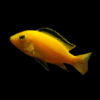
Nkali Cichlid – Labidochromis sp. “Nkali”
Original price was: £17.49.£14.52Current price is: £14.52.
Welcome these beautiful Nkali Cichlids, stunning Labidochromis Sp. Nkali from Lake Malawi. Their vibrant colors and gentle nature make them ideal peaceful companions for your community aquarium. Perfect for beginners seeking beautiful fish for aquariums, these cichlids thrive in well-maintained tanks.
In stock


Species Introduction
The Nkali Cichlid, scientifically referred to as Labidochromis sp. Nkali, is a vibrant freshwater fish native to the stunning waters of Lake Malawi, one of the most biodiverse aquatic ecosystems in the world. This species is renowned for its striking coloration, which ranges from brilliant yellows to deep blues, making it a captivating addition to any community aquarium. Nkali Cichlids thrive in rocky environments, where they establish territories among the crevices and caves formed by the lake’s unique geological features. As a member of the Labidochromis genus, they exhibit fascinating behaviors that reflect their natural habitat, including their tendency to form small groups and establish hierarchies within their social structures. This species is not only visually appealing but also offers an engaging glimpse into the complex social dynamics of cichlid behavior, making them a favorite among aquarists seeking to create a lively and colorful aquatic community.
Care Requirements Dashboard
✓ Care Level: Easy
| Parameter | Requirement |
|---|---|
| Tank Size | Minimum 30 gallons |
| Water Temperature | 76°F to 82°F (24°C to 28°C) |
| pH Level | 7.8 to 8.6 |
| Hardness | 10 to 20 dGH |
These parameters are crucial for maintaining the health and vitality of your Nkali Cichlid. Ensuring that your aquarium mimics the natural conditions of Lake Malawi will not only promote vibrant colors but also enhance the overall well-being of these aquatic companions. Regular water testing and maintenance are essential to keep the environment stable and conducive for your fish friends.
Natural Behavior & Temperament
Nkali Cichlids are known for their dynamic and engaging behavior. In their natural habitat, they are territorial and often establish dominance hierarchies among their peers. This behavior is reflected in the aquarium, where they may exhibit playful interactions, chase one another, and establish territories within the tank. They are generally peaceful, especially when kept in appropriate community settings with compatible tank mates. However, it is essential to monitor their interactions, as they can become aggressive if they feel their territory is threatened. These cichlids are also known for their unique swimming patterns, often darting in and out of rocks and plants, which provides both exercise and enrichment. Observing their behavior can be a rewarding experience, as they display a range of social interactions that highlight their intelligence and adaptability.
Tank Setup Guide
Creating an ideal environment for your Nkali Cichlid involves replicating their natural habitat as closely as possible. Start with a spacious tank, ideally a minimum of 30 gallons, to provide ample swimming space and territories. Incorporate a sandy substrate to mimic the lakebed of Lake Malawi, allowing for natural digging behavior. Adding various rocks and caves will create hiding spots and territories, which are essential for their comfort and security. Live plants can also be included, but ensure they are hardy species that can withstand the cichlid’s digging habits. The arrangement of rocks and plants should allow for open swimming areas while providing enough cover for the fish to retreat when needed. Proper water flow is also crucial; while Nkali Cichlids prefer a moderate current, ensure that there are calm areas where they can rest. Lighting should be moderate to highlight their vibrant colors without causing stress.
Water Quality Management
Maintaining optimal water quality is paramount for the health of your Nkali Cichlid. Regular testing of water parameters, including pH, temperature, and hardness, is essential. The ideal pH range for Nkali Cichlids is between 7.8 and 8.6, with a water temperature maintained between 76°F and 82°F (24°C to 28°C). Hardness should be kept between 10 to 20 dGH to replicate their natural environment. Regular water changes of 20-30% weekly will help maintain water quality and remove toxins. Additionally, an efficient filtration system is necessary to keep the water clean and well-oxygenated. Consider using a sponge filter or a canister filter that provides both mechanical and biological filtration. Monitoring ammonia and nitrite levels is crucial, as these can be harmful to your fish friends. Keeping a close eye on these parameters will help ensure a thriving community aquarium.
Feeding & Nutrition
Feeding your Nkali Cichlid a balanced diet is essential for their growth, health, and vibrant coloration. These fish are omnivorous and thrive on a varied diet that includes high-quality cichlid pellets, flakes, and frozen or live foods such as brine shrimp and bloodworms. A feeding schedule of 2-3 times per day is recommended, offering only as much food as they can consume within a few minutes to prevent overfeeding and maintain water quality. It is important to observe their feeding behavior, as Nkali Cichlids can be competitive eaters. Supplementing their diet with vegetable matter, such as spirulina or blanched zucchini, can enhance their nutritional intake and promote overall health. Additionally, ensure that any food provided is appropriately sized for their mouths, as larger pieces can lead to choking or digestive issues.
Compatibility Guide
✓ Peaceful Community Fish
| Compatible Tank Mates | Incompatible Tank Mates |
|---|---|
| Other Lake Malawi Cichlids | Aggressive Cichlids |
| Tetras | Small Fish |
| Catfish | Fin Nippers |
When selecting tank mates for your Nkali Cichlid, it is crucial to choose species that can coexist peacefully. Other Lake Malawi cichlids can be excellent companions, provided they are of similar size and temperament. Tetras and certain catfish species can also thrive in a community aquarium with Nkali Cichlids, offering a colorful and dynamic environment. However, avoid housing them with aggressive cichlids or small fish that may become targets for bullying. Monitoring interactions among tank mates will help ensure a harmonious community aquarium.
Health & Wellness
Maintaining the health and wellness of your Nkali Cichlid involves regular observation and proactive care. Common health issues in cichlids include ich, fin rot, and swim bladder disease. Signs of illness may include changes in behavior, such as lethargy, loss of appetite, or abnormal swimming patterns. To prevent these issues, ensure that water quality is consistently monitored and maintained, and provide a balanced diet rich in nutrients. Quarantine new fish before introducing them to the main tank to prevent the spread of disease. If health issues arise, prompt treatment is essential; consult with a knowledgeable aquarist or veterinarian for appropriate remedies. Regularly cleaning the tank and maintaining a stable environment will contribute to the overall health of your Nkali Cichlid, allowing them to thrive in your community aquarium.
Breeding Information
Breeding Nkali Cichlids can be a rewarding experience for aquarists interested in expanding their aquatic family. These fish are mouthbrooders, meaning the female will incubate the fertilized eggs in her mouth until they hatch. To encourage breeding, provide a breeding pair with a separate tank that mimics their natural environment, including plenty of hiding spots and flat surfaces for egg laying. The ideal temperature for breeding is slightly elevated, around 80°F (27°C). Once the female lays her eggs, she will gather them in her mouth for protection. After approximately three weeks, the fry will be released, and it is essential to provide them with finely crushed food or specialized fry food until they are large enough to consume regular pellets. Monitoring the breeding process and providing appropriate care for both the parents and fry will ensure a successful breeding experience.
Acclimation Process
Proper acclimation is crucial for the successful introduction of Nkali Cichlids into your aquarium. Begin by floating the sealed bag containing the fish in the tank for about 15-20 minutes to equalize the temperature. After this, gradually introduce small amounts of tank water into the bag over the course of an hour. This process helps the fish adjust to the water parameters of their new environment. Once acclimated, gently release the Nkali Cichlid into the tank, avoiding any sudden movements that may cause stress. It is advisable to turn off the aquarium lights during this process to minimize stress. Monitoring the fish closely for the first few days will help ensure they adapt well to their new home.
Long-term Care
Long-term care for your Nkali Cichlid involves consistent attention to their environment, diet, and health. These fish can live for several years when provided with optimal conditions, so it is essential to stay committed to their care. Regular water changes, consistent feeding schedules, and monitoring of water parameters will contribute to their longevity. As they grow, be prepared to upgrade their tank size if necessary, as Nkali Cichlids can reach a maximum length of around 4 inches. Observing their behavior and interactions with tank mates will also provide insights into their well-being. Creating a stable environment with minimal stress will help your Nkali Cichlid thrive and display their natural beauty.
Natural Habitat Recreation
Recreating the natural habitat of Nkali Cichlids is essential for their comfort and health. In the wild, these fish inhabit rocky areas of Lake Malawi, where they find shelter and breeding sites among the rocks. To replicate this environment in your aquarium, use a combination of rocks and caves to create hiding spots and territories. A sandy substrate will mimic the lakebed, allowing for natural digging behavior. Incorporating hardy plants can enhance the aesthetic appeal while providing additional cover. Ensure that the layout allows for open swimming spaces, as Nkali Cichlids enjoy exploring their surroundings. By closely mimicking their natural habitat, you will promote natural behaviors and enhance the overall well-being of your fish friends.
Seasonal Care Adjustments
Seasonal changes can impact the care of your Nkali Cichlid, particularly regarding water temperature and lighting. During warmer months, ensure that the tank temperature remains stable, as fluctuations can stress the fish. Use heaters with thermostats to maintain the ideal temperature range. In winter, monitor the water temperature closely, as colder temperatures can lead to health issues. Adjust the lighting duration to mimic natural daylight cycles, promoting a healthy environment for your fish. Regularly check water parameters throughout the year to ensure consistency and make necessary adjustments as needed. Being proactive in seasonal care will help your Nkali Cichlid thrive year-round.
Expert Tips
To ensure the best care for your Nkali Cichlid, consider these expert tips. First, invest in a high-quality filtration system to maintain optimal water quality. Regularly test water parameters and perform water changes to keep the environment stable. Next, observe their behavior closely; understanding their social dynamics can help prevent aggression and stress. Additionally, provide a varied diet to promote health and coloration. Lastly, engage in regular maintenance of the tank setup, ensuring that decorations and substrate remain clean and suitable for your fish friends. By following these tips, you will create a thriving environment for your Nkali Cichlid.
Troubleshooting
If you encounter issues with your Nkali Cichlid, it is essential to address them promptly. Common problems include stress from aggressive tank mates, poor water quality, and dietary deficiencies. If your fish exhibit signs of stress, such as hiding or erratic swimming, assess the tank environment and compatibility of tank mates. Regular water testing can help identify any imbalances that may be affecting their health. If dietary deficiencies are suspected, consider adjusting their feeding regimen to include a wider variety of foods. Seeking advice from experienced aquarists or professionals can also provide valuable insights into resolving any issues.
Scientific Background
The Nkali Cichlid belongs to the Labidochromis genus, which is part of the Cichlidae family, known for its extensive diversity and adaptability. Lake Malawi is home to over 1,000 species of cichlids, making it one of the most important ecosystems for freshwater biodiversity. Research into the behaviors and habitats of these fish has provided valuable insights into their social structures and environmental needs. Conservation efforts are crucial to protect these species and their habitats from threats such as pollution and habitat destruction. Understanding the scientific background of Nkali Cichlids enhances our appreciation for these beautiful creatures and the ecosystems they inhabit.
Advanced Care Techniques
For experienced aquarists, implementing advanced care techniques can further enhance the well-being of Nkali Cichlids. Consider creating a biotope aquarium that closely resembles their natural habitat, incorporating specific rock formations and plant species found in Lake Malawi. Additionally, utilizing a breeding setup with optimal conditions can facilitate successful spawning and fry rearing. Engaging in selective breeding can also enhance desired traits, such as coloration and size. Regularly participating in aquarist communities can provide valuable information and resources to improve your care techniques and share experiences with fellow enthusiasts.
Frequently Asked Questions
Q: What tank size is required for Nkali Cichlid?
Nkali Cichlids thrive in a spacious environment, ideally requiring a minimum tank size of 75 litres (approximately 20 gallons). This size allows them enough room to swim freely, establish territories, and exhibit their natural behaviours. A larger tank is always beneficial, particularly if you plan to keep multiple cichlids or other compatible species. Remember, cichlids can be territorial, so providing ample hiding spots and caves can help reduce aggression. Maintaining a good filtration system is also crucial, as these fish prefer clean, well-oxygenated water. Regular water changes and monitoring of water parameters will contribute significantly to their well-being.
✓ Expert Tip
Consider creating a larger tank setup with different zones to allow for territorial behaviour while keeping the Nkali Cichlids comfortable.
Q: What are the optimal water parameters for Nkali Cichlid?
Nkali Cichlids prefer specific water conditions that mimic their natural habitat in Lake Malawi. The ideal temperature range is between 24°C to 28°C (75°F to 82°F), with a pH level between 7.8 and 8.6, which is slightly alkaline. Additionally, a water hardness level of 10 to 20 dGH is suitable for these fish. Regular testing of water parameters is essential to ensure stability, as fluctuations can lead to stress and health issues. Employing a reliable filtration system will help maintain water quality, and conducting partial water changes of 10-20% weekly will further enhance their living conditions.
✓ Expert Tip
Consider using a substrate that buffers the water to maintain the preferred pH and hardness levels.
Q: How often should I feed Nkali Cichlid?
Feeding Nkali Cichlids should be done twice a day, offering them high-quality pellets or flakes designed for cichlids. A varied diet is crucial; consider supplementing with frozen or live foods such as brine shrimp and daphnia to enrich their diet. Feed only what they can consume within 3-5 minutes to prevent overfeeding, which can lead to water quality issues. Observing their feeding habits will help you gauge their appetite and adjust quantities accordingly. It is also beneficial to establish a consistent feeding schedule, as this can help reduce stress among your aquatic companions.
✓ Expert Tip
Rotate their diet regularly to ensure they receive a balanced nutritional profile and to encourage healthy growth and colouration.
Q: What tank mates are suitable for Nkali Cichlid?
When selecting tank mates for Nkali Cichlids, it is vital to choose peaceful species that can coexist without aggression. Suitable companions include other cichlid species from Lake Malawi, such as the Pseudotropheus or the Cynotilapia, as they share similar water requirements and temperaments. Additionally, bottom-dwelling fish like catfish can help maintain cleanliness by scavenging excess food. Avoid keeping Nkali Cichlids with overly aggressive or fin-nipping species, as this can lead to stress or injury. Ensure that your tank has plenty of hiding spots and territories to reduce potential conflicts.
✓ Expert Tip
Always introduce new fish gradually and monitor for signs of aggression or stress during the acclimatisation period.
Q: How do I properly acclimatise Nkali Cichlid to my aquarium?
Acclimatising Nkali Cichlids is vital to ensure their health and reduce stress. Begin by floating the sealed bag in the aquarium for approximately 15-20 minutes to equalise the temperature. After this, gradually introduce small amounts of aquarium water into the bag every 5-10 minutes, allowing the fish to adjust to the water chemistry. Continue this process for about an hour before gently releasing the cichlids into the tank using a net to prevent them from ingesting excess bag water. It is essential to avoid sudden changes in water parameters during this process, as it could be detrimental to their health.
✓ Expert Tip
Monitor the fish closely for any signs of stress or illness after acclimatisation, as this period is crucial for their adjustment.
Q: What signs indicate a healthy Nkali Cichlid?
Healthy Nkali Cichlids exhibit vibrant colours, clear eyes, and active swimming behaviour. Their fins should be fully extended and free of tears or fraying. Regular feeding habits and social interactions with tank mates are also positive indicators. Pay attention to their body condition; they should not appear overly thin or bloated. If you observe any changes in colour, behaviour, or appetite, it may signal underlying health issues. Regular monitoring and maintaining optimal water quality are essential in ensuring the long-term health of your cichlids.
✓ Expert Tip
Keep a close eye on their behaviour during feeding times, as a lack of interest can be an early sign of stress or illness.
Q: How do I successfully breed Nkali Cichlid?
Breeding Nkali Cichlids can be a rewarding experience, as these fish are mouth brooders. To encourage breeding, maintain optimal water conditions and provide nesting sites such as caves or flat stones. Introduce a male and female in a breeding tank, ensuring that the female is well-fed and healthy. When ready, the female will lay eggs on a flat surface, which the male will fertilise. After spawning, the female will collect the eggs in her mouth to incubate them for about three weeks. Once the fry are free-swimming, ensure they have suitable food, such as infusoria or finely crushed flakes.
✓ Expert Tip
Isolate the breeding pair in a separate tank to reduce stress and ensure a successful breeding process.
Q: What is the lifespan of Nkali Cichlid in captivity?
In a well-maintained aquarium with proper care, Nkali Cichlids can live for approximately 8 to 10 years. Factors such as water quality, diet, and tank environment significantly influence their lifespan. Regular monitoring of water parameters and maintaining a clean habitat are crucial for their longevity. Additionally, providing a varied diet enriched with nutrients will contribute to their overall health and vitality. It is essential to observe their behaviour and health regularly to identify any signs of stress or illness, as early intervention can make a significant difference in their quality of life.
✓ Expert Tip
Keep records of water changes and feeding schedules to help track their health over the years.
Q: What type of substrate is most suitable for Nkali Cichlid?
For Nkali Cichlids, a sandy substrate is often the best choice. This mimics their natural habitat in Lake Malawi, where they inhabit sandy bottoms. Sand allows them to exhibit natural behaviours, such as digging and foraging, without risking damage to their delicate fins. Additionally, the sandy substrate helps maintain water quality by preventing detritus accumulation. It is essential to ensure the sand is free of sharp edges and is smooth to prevent injury. Regularly stir the substrate during cleaning routines to prevent anaerobic pockets and maintain optimal conditions for your aquatic companions.
✓ Expert Tip
Consider using a combination of sand and small rocks to create a more natural and visually appealing environment.
Q: What behavioural patterns should I expect from Nkali Cichlid?
Nkali Cichlids are known for their active and inquisitive nature. They display territorial behaviour, particularly males, who may establish and defend specific areas within the tank. Expect them to engage in social interactions with other cichlids, often asserting dominance through displays such as fin flaring and chasing. They enjoy exploring their environment, so providing various hiding spots and structures is beneficial. Observing their interactions can be quite rewarding, as they exhibit fascinating behaviours. However, be mindful of aggression during breeding or territorial disputes, and ensure ample space and hiding places are available to mitigate conflicts.
✓ Expert Tip
Monitor their behaviour during feeding times, as this can give insight into their social dynamics and health status.
Q: How can I prevent common diseases in Nkali Cichlid?
Preventing diseases in Nkali Cichlids involves maintaining a stable and clean aquarium environment. Regular water changes, ideally 10-20% weekly, are vital for keeping water parameters stable and reducing harmful toxins. Observe your fish regularly for any signs of stress or illness, such as changes in behaviour, appetite, or appearance. Quarantine new arrivals before introducing them to the main tank to prevent disease transmission. Additionally, ensure that the tank is not overcrowded, as this can lead to stress and increased susceptibility to disease. Providing a varied diet rich in nutrients will also support their immune systems.
✓ Expert Tip
Consider adding aquarium salt during treatment periods, but ensure it is suitable for cichlids, as they can be sensitive to salinity changes.
Q: What natural habitat conditions should I replicate for Nkali Cichlid?
To replicate the natural habitat of Nkali Cichlids, aim for a sandy substrate with plenty of hiding spots, such as rocks and caves. The water should be slightly alkaline, mimicking Lake Malawi’s conditions, with a temperature range of 24°C to 28°C. Incorporating natural decorations such as driftwood and live plants can enhance their environment and provide additional hiding places. Ensure that the tank is well-lit to encourage their vibrant colours to shine, but avoid direct sunlight to prevent algae growth. Regular maintenance, including water changes and substrate cleaning, will help maintain optimal habitat conditions.
✓ Expert Tip
Consider using a reverse osmosis (RO) system to achieve the desired water parameters, especially if your tap water is unsuitable.
2 reviews for Nkali Cichlid – Labidochromis sp. “Nkali”
Add a review
Related products




Emma Turner (verified owner) –
I recently added the Nkali Cichlid to my 55-gallon Lake Malawi aquarium, and I couldn’t be happier! This vibrant fish species has brought my tank to life with its stunning blue and yellow coloration. After just a few weeks, I’ve noticed such a fascinating personality; it’s always exploring and interacting with its environment. The Nkali is a relatively peaceful cichlid, which makes it a great addition, especially if you have other similar-sized fish. Compared to other cichlids I’ve kept, this one is less aggressive but still has a strong presence.
I recommend feeding them a varied diet of high-quality pellets and live food, which has worked wonders for the health and vibrancy of my Nkali. Just keep an eye on the water parameters as they thrive in a slightly alkaline environment. If you’re looking to enhance your aquarium experience, I highly recommend this fish! It’s perfect for both beginner and experienced hobbyists. Just the right combination of beauty and charm. I’ll definitely be buying another soon!
Emily Carter (verified owner) –
I’ve been keeping fish for over five years, and I can honestly say that the Nkali Cichlids are some of the most stunning and vibrant fish I’ve ever added to my aquarium. After bringing home a pair about two months ago, I was immediately struck by their brilliant colors and playful personalities. Not only are they beautiful, but they also thrive in my peaceful community aquarium, happily coexisting with my other Lake Malawi fish.
Their care requirements are straightforward, which is a huge plus for someone like me who loves spending time enjoying my aquarium rather than constantly worrying about maintenance. The easy care tips included with my purchase were incredibly helpful, making sure I had everything set up for success. Compared to other cichlid species I’ve kept, the Nkalis are much more social and less territorial, which makes for a harmonious environment.
If you’re looking to brighten up your tank and enjoy a lively, colorful display, I wholeheartedly recommend the Nkali Cichlid. They’re perfect for both beginner and seasoned aquarists, and I can’t wait to see how they continue to grow and thrive! Just make sure to provide plenty of hiding spots to keep everyone happy!