-
×

-
×
Subtotal: £8.72


Subtotal: £8.72

Original price was: £2.49.£1.94Current price is: £1.94.
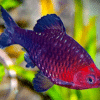
Welcome these beautiful Odessa Barbs into your aquarium! Their vibrant red, orange, and blue hues bring life to your tank. Ideal for community setups, these peaceful companions thrive with proper care, making them perfect for aquarists seeking colorful, easy-care tropical fish.
In stock
The Odessa Barb, scientifically known as Puntius titteya, is a captivating freshwater fish that originates from the lush rivers and streams of Southeast Asia. This species belongs to the Cyprinidae family and is renowned for its vibrant colors and lively demeanor. Typically reaching a maximum length of about 5 cm, these beautiful creatures are perfect for community tanks and provide a delightful visual display with their active swimming patterns.
Odessa Barbs are often found in densely planted areas of their natural habitat, where they thrive in schools, exhibiting social behavior that is both fascinating and engaging for aquarists. Their striking appearance, characterized by a shimmering golden body with black horizontal stripes, makes them a favorite among tropical fish enthusiasts. As you welcome these aquatic companions into your aquarium, you will discover their charming personalities and the joy they bring to your underwater environment.
| Optimal Living Conditions | |
|---|---|
| Water Temperature | 24-27°C (75-81°F) |
| pH Level | 6.5-7.5 |
| Water Hardness | 4-12 dKH |
| Minimum Tank Size | 80L (20 gal) |
| Salinity | Freshwater |
| Care Level | Beginner Friendly |
✓ Care Level: Easy
Tank Size: Minimum 20 gallons
Water Parameters: pH 6.5-7.5, Temperature 22-28°C, Hardness 5-15 dGH
Odessa Barbs are considered a beginner-friendly fish, making them an excellent choice for novice aquarists. They thrive in groups of at least six, which helps to promote their natural schooling behavior. A minimum tank size of 20 gallons is recommended to provide ample swimming space and to maintain stable water conditions. The ideal water parameters for Odessa Barbs include a pH range of 6.5 to 7.5, with a temperature between 22 to 28 degrees Celsius. The hardness should be maintained between 5 to 15 dGH to ensure optimal health and vitality. Regular water changes and proper filtration are essential to keep these fish happy and healthy.
Odessa Barbs are known for their active and playful nature, often darting around the tank in a lively manner. They exhibit a social temperament, preferring to be in the company of their own kind or other peaceful fish. In a community tank, they can display some territorial behavior, especially during breeding, but this is generally mild and manageable. These fish are also known to be quite curious, often exploring their environment and interacting with other fish. Their schooling behavior not only helps reduce stress but also enhances the overall aesthetic of the aquarium as they swim gracefully together. Observing their interactions can provide a wealth of entertainment and joy to any aquarist.
When setting up a tank for Odessa Barbs, it is essential to recreate an environment that mimics their natural habitat. Begin with a substrate that consists of fine gravel or sand, which allows for easy digging and foraging. Incorporate plenty of aquatic plants, such as Java Fern, Anubias, and Vallisneria, to provide hiding spots and create a lush environment. Additionally, including driftwood and rocks can enhance the aesthetic appeal while offering territories for the fish to explore. Ensure that the tank has adequate filtration to maintain water quality, as Odessa Barbs thrive in clean, well-oxygenated water. A gentle water flow is ideal, as it mimics the natural currents found in their native streams.
✓ Good Water Quality is Essential
pH: 6.5 – 7.5
Temperature: 22 – 28°C
Hardness: 5 – 15 dGH
Maintaining optimal water quality is crucial for the health and longevity of Odessa Barbs. Regular water testing should be conducted to monitor pH, temperature, and hardness levels. A stable pH range of 6.5 to 7.5 is ideal, as fluctuations can lead to stress and health issues. The water temperature should be kept between 22 to 28 degrees Celsius, which aligns with their natural habitat. Additionally, the hardness should be maintained between 5 to 15 dGH to ensure that the fish thrive. Regular water changes of 10-20% weekly will help to keep the water clean and remove any accumulated toxins.
✓ Omnivorous Diet
Feeding Schedule: 2-3 times daily
Food Types: Flakes, pellets, live/frozen food
Odessa Barbs are omnivorous fish, which means they require a varied diet to thrive. A balanced diet should include high-quality flake or pellet food as a staple, supplemented with live or frozen foods such as brine shrimp, daphnia, and bloodworms. Feeding should occur 2-3 times daily, with only as much food as the fish can consume in a few minutes to prevent overfeeding and maintain water quality. Providing a diverse diet will not only enhance their coloration but also promote overall health and vitality.
✓ Community Tank Friendly
Compatible Tank Mates: Tetras, Rasboras, Corydoras
Avoid: Aggressive species, larger fish
Odessa Barbs are generally peaceful and can coexist harmoniously with other community tank fish. Ideal tank mates include smaller, non-aggressive species such as Tetras, Rasboras, and Corydoras. It is important to avoid pairing them with larger or aggressive fish, as this can lead to stress and potential harm. When selecting tank mates, consider the swimming patterns and social behaviors of each species to ensure a balanced and harmonious community.
✓ Signs of a Healthy Fish
Active swimming, bright coloration, clear eyes
Common Issues: Fin rot, ich, stress
Monitoring the health of your Odessa Barbs is vital for their well-being. Healthy fish exhibit active swimming behavior, bright coloration, and clear eyes. Common health issues include fin rot, ich, and stress due to poor water quality or aggressive tank mates. Regular observation and maintenance of water parameters can help prevent these issues. If any signs of illness are detected, prompt action should be taken to isolate affected fish and treat them accordingly to ensure the health of the entire tank.
✓ Breeding in a Separate Tank Recommended
Spawning Conditions: Soft, acidic water
Fry Care: Infusoria, finely crushed flakes
Breeding Odessa Barbs can be a rewarding experience for aquarists. It is recommended to set up a separate breeding tank with soft, acidic water to encourage spawning. The female will lay eggs on plant leaves, and once fertilized, the parents should be removed to prevent them from eating the eggs. The fry will hatch in about 24-48 hours and can be fed infusoria or finely crushed flakes until they are large enough to consume regular food. Providing a stable environment and proper nutrition is crucial for the successful growth of the fry.
✓ Proper Acclimation is Key
Method: Drip acclimation recommended
When introducing Odessa Barbs to your aquarium, it is essential to acclimate them properly to reduce stress and ensure a smooth transition. The drip acclimation method is highly recommended, as it allows for a gradual adjustment to the new water conditions. Begin by floating the sealed bag in the tank for about 15-20 minutes to equalize the temperature. Then, slowly add small amounts of tank water to the bag every 5-10 minutes until the bag is full. Finally, gently release the fish into the tank, avoiding adding the bag water to the aquarium. This careful acclimation process will help your Odessa Barbs adjust well to their new home.
✓ Lifespan: Up to 5 years
Growth Expectations: Regular monitoring needed
Odessa Barbs have a lifespan of up to 5 years when provided with proper care and optimal living conditions. Regular monitoring of their growth and health is essential to ensure they thrive in your aquarium. Keeping a consistent feeding schedule, maintaining water quality, and ensuring a peaceful community environment will contribute to their longevity. As they grow, you may need to adjust their diet and tank conditions to accommodate their changing needs.
✓ Mimic Natural Environment
Plants: Java Fern, Anubias, Vallisneria
Decor: Driftwood, rocks, caves
Creating a natural habitat for your Odessa Barbs not only enhances their well-being but also adds to the beauty of your aquarium. Incorporate a variety of aquatic plants such as Java Fern, Anubias, and Vallisneria to provide cover and foraging opportunities. Using driftwood and rocks can create hiding spots and territories, mimicking the dense vegetation and structures found in their native rivers. This biotope setup will encourage natural behaviors and contribute to the overall health of your fish friends.
As seasons change, so do the conditions in your aquarium. During warmer months, ensure that the water temperature does not exceed 28 degrees Celsius, as higher temperatures can lead to stress and health issues. Consider using a fan or air conditioning to maintain a stable environment. In colder months, monitor the temperature closely and use a heater if necessary to keep it within the optimal range. Additionally, adjusting the lighting duration can help simulate seasonal changes and promote natural behaviors in your Odessa Barbs.
✓ Enhance Their Environment
Consider adding floating plants for shade
Regularly rearranging decorations can stimulate curiosity
To create a more engaging environment for your Odessa Barbs, consider adding floating plants to provide shade and create a sense of security. Regularly rearranging decorations can also stimulate their curiosity and encourage exploration. This not only enhances their mental well-being but also adds variety to your aquarium’s aesthetic. Additionally, consider introducing new tank mates periodically to keep the social dynamics interesting.
✓ Common Issues and Solutions
Issue: Fin rot
Solution: Improve water quality, consider medication
If you notice any signs of health issues in your Odessa Barbs, such as fin rot or abnormal swimming patterns, it is crucial to act quickly. Improving water quality by performing water changes and ensuring proper filtration can often resolve minor issues. If symptoms persist, consider using appropriate medications to treat the affected fish. Regular monitoring and prompt action can help maintain the overall health of your aquarium.
The Odessa Barb, or Puntius titteya, is a fascinating species within the Cyprinidae family. This fish is not only popular in the aquarium trade but also plays a role in its natural ecosystem as a forager and prey species. Research on the Odessa Barb has highlighted its adaptability to varying water conditions, making it an excellent candidate for community tanks. Conservation efforts are essential to ensure that this species remains abundant in its natural habitat, as habitat destruction and pollution pose significant threats. Understanding the scientific background of the Odessa Barb can enhance the care provided to these beautiful fish and contribute to their preservation.
✓ Techniques for Experienced Aquarists
Consider breeding in a separate tank for optimal results
Implement a varied diet for enhanced coloration
For experienced aquarists, implementing advanced care techniques can significantly enhance the health and vitality of Odessa Barbs. Breeding these fish in a separate tank can yield better results, as it allows for controlled conditions and reduces the risk of egg predation. Additionally, providing a varied diet that includes high-quality pellets, live foods, and vegetables can enhance their coloration and overall health. Regularly engaging with your fish friends through observation and interaction will also deepen your understanding of their needs and behaviors.
Monitoring Tip: Test water parameters weekly and perform regular water changes to maintain optimal conditions for your aquatic friends!
Odessa Barbs thrive in a tank of at least 75 litres to provide sufficient swimming space and maintain water quality. A larger tank is preferable, as it allows for a stable environment and reduces stress among the fish. These vibrant fish are social creatures and should be kept in groups of at least six to promote natural behaviour and reduce aggression. When establishing the tank, ensure there are plenty of hiding spots and open swimming areas to cater to their active nature.
✓ Expert Tip
Consider adding plants and decorations that mimic their natural habitat for a more comfortable environment.
Odessa Barbs flourish in water with a temperature range of 22-26°C, a pH level between 6.0 and 7.5, and a hardness of 5-15 dGH. Regular testing of these parameters is essential to ensure a healthy environment. Stability is key; fluctuations can stress the fish and lead to health issues. Using a reliable water conditioner and performing weekly water changes of about 20-30% can help maintain these parameters. It is advisable to monitor the levels closely, particularly after introducing new fish or making changes to the tank setup.
✓ Expert Tip
Utilising a good quality filter can aid in maintaining stable water conditions.
Odessa Barbs should be fed once or twice daily, offering only what they can consume within a few minutes. A varied diet that includes high-quality flake food, pellets, and occasional treats like bloodworms or brine shrimp will help ensure their nutritional needs are met. It is crucial to avoid overfeeding, as uneaten food can pollute the water and lead to health issues. Observing their feeding behaviour will give insight into when they are satiated.
✓ Expert Tip
Incorporating some live or frozen foods can enhance their colour and vitality.
Odessa Barbs are generally peaceful fish and can coexist well with various community species. Ideal tank mates include tetras, rasboras, and other barbs. It is advisable to avoid housing them with overly aggressive or fin-nipping species, as this can lead to stress and injury. Ensuring that all fish are of similar size can also help maintain harmony within the tank. Always observe interactions closely when introducing new fish to ensure compatibility.
✓ Expert Tip
Introducing new fish in groups rather than individually can reduce territorial disputes.
Acclimatisation is crucial for reducing stress in Odessa Barbs. Start by floating the sealed bag in your aquarium for about 15-20 minutes to equalise the temperature. Gradually introduce small amounts of aquarium water into the bag every 5 minutes for approximately an hour. This method allows the fish to adjust to the water parameters. After this period, gently transfer the fish into the tank using a net to prevent adding bag water, which may contain contaminants.
✓ Expert Tip
Avoid stressing the fish further by keeping noise and disturbances to a minimum during this process.
Healthy Odessa Barbs exhibit vibrant colouration, active swimming behaviour, and a healthy appetite. Their fins should be intact and free from tears or fraying, and they should display natural schooling behaviour with their companions. Look out for signs of distress or illness, such as lethargy, clamped fins, or abnormal swimming patterns. Regular monitoring and providing optimal care can help maintain their health and wellbeing.
✓ Expert Tip
Maintaining a stress-free environment is key to their overall health.
Breeding Odessa Barbs can be achieved by mimicking their natural environment. Set up a separate breeding tank with a sponge filter and fine-leaved plants for the female to lay eggs. Ensure the water temperature is slightly elevated to around 26-28°C, and provide a varied diet to stimulate breeding behaviour. Once spawning occurs, remove the adults as they may eat their eggs. The eggs typically hatch within 24-36 hours, and the fry can be fed infusoria until large enough for finely crushed flakes.
✓ Expert Tip
Breeding can be encouraged by maintaining a clean and stable environment, as well as ensuring the fish are well-fed.
Odessa Barbs prefer a water temperature of 22-26°C, with 24°C being ideal for optimal health and activity levels. It is important to avoid sudden temperature changes, which can stress the fish. Use a reliable aquarium heater and thermometer to monitor and maintain the temperature consistently. Regular checks will ensure that the fish thrive in a comfortable environment, promoting their natural behaviour and overall wellbeing.
✓ Expert Tip
Consider placing the heater near the filter output for even heat distribution.
With proper care, Odessa Barbs can live for approximately 5 to 7 years in captivity. Providing a stable environment, maintaining good water quality, and ensuring a varied diet contribute significantly to their longevity. Regular monitoring for signs of illness and prompt action if issues arise will also help in prolonging their lifespan. An adequately sized tank with appropriate tank mates can further enhance their quality of life.
✓ Expert Tip
Keeping a close eye on their behaviour and health can help catch potential problems early.
Odessa Barbs prefer a substrate that mimics their natural habitat, such as fine gravel or sand. This substrate allows them to forage naturally while also being gentle on their delicate bodies. Avoid sharp or rough materials that could injure the fish. A well-maintained substrate is also crucial for promoting beneficial bacteria, which aids in maintaining water quality. Regular cleaning of the substrate will help prevent the build-up of waste and maintain a healthy environment.
✓ Expert Tip
Consider planting live plants in the substrate for added benefits and a more natural look.
Odessa Barbs are active and social fish, often found swimming in schools. They exhibit playful behaviour, darting around the tank and foraging for food. Their lively nature makes them a delightful addition to a community aquarium. It is not uncommon for them to establish a hierarchy within their group, which is usually non-aggressive. Observing their interactions can be quite entertaining, as they often engage in playful chases and display vibrant colours when excited.
✓ Expert Tip
Providing plenty of swimming space and hiding spots can help reduce stress and promote natural behaviour.
Preventing diseases in Odessa Barbs begins with maintaining optimal water quality and stable tank conditions. Regular water changes, proper filtration, and monitoring water parameters are essential. Quarantining new fish before introducing them to the main tank can prevent the spread of diseases. Providing a balanced diet and avoiding overfeeding will also contribute to their overall health. Observing any changes in behaviour or appearance can help identify issues early, allowing for prompt treatment.
✓ Expert Tip
Keeping the tank clean and maintaining a stress-free environment is key to their health.
Odessa Barbs thrive under moderate lighting conditions. Bright light can cause stress, so it is advisable to use subdued lighting or provide shaded areas within the tank. Planting live plants can help diffuse bright light and create a more natural environment. A light cycle of around 10-12 hours a day is generally suitable, mimicking their natural habitat. Regularly monitoring their behaviour in response to lighting can help ensure they are comfortable and stress-free.
✓ Expert Tip
Using a timer for the lighting can help maintain a consistent light cycle.
Signs of stress in Odessa Barbs include excessive hiding, erratic swimming patterns, and loss of appetite. They may also display clamped fins or fade in colour. If you notice these behaviours, it is essential to assess the tank conditions, including water quality, temperature, and tank mates. Stress can often be alleviated by ensuring a proper environment and reducing disturbances. Regular monitoring and providing a stable habitat will help keep your fish friends comfortable and healthy.
✓ Expert Tip
Creating a calm environment with minimal noise and movement can significantly reduce stress levels.
In their natural habitat, Odessa Barbs inhabit slow-moving rivers and streams with dense vegetation and sandy substrates. To replicate these conditions, provide a well-planted tank with plenty of hiding spots, open swimming areas, and a sandy or fine gravel substrate. Maintaining slightly acidic to neutral pH and moderate water flow will further enhance their comfort. Incorporating driftwood and rocks can also help create a more natural environment, encouraging their natural behaviours.
✓ Expert Tip
Using natural decorations can enhance the aesthetic of the tank while providing essential shelter for your fish friends.