-
×
 Purple Vampire Crab - Geosesarma Dennerle - Decapod Crustacean
1 × £7.74
Purple Vampire Crab - Geosesarma Dennerle - Decapod Crustacean
1 × £7.74 -
×
Subtotal: £13.55
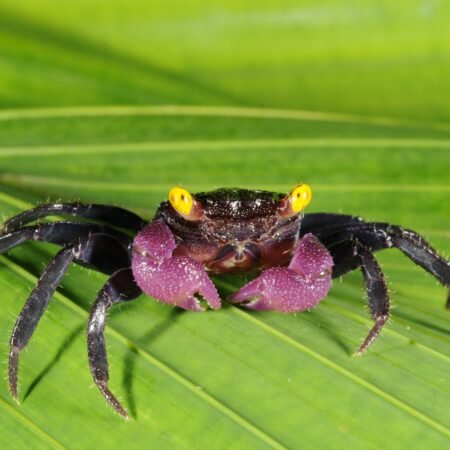 Purple Vampire Crab - Geosesarma Dennerle - Decapod Crustacean
1 × £7.74
Purple Vampire Crab - Geosesarma Dennerle - Decapod Crustacean
1 × £7.74 
Subtotal: £13.55
Original price was: £50.49.£42.58Current price is: £42.58.
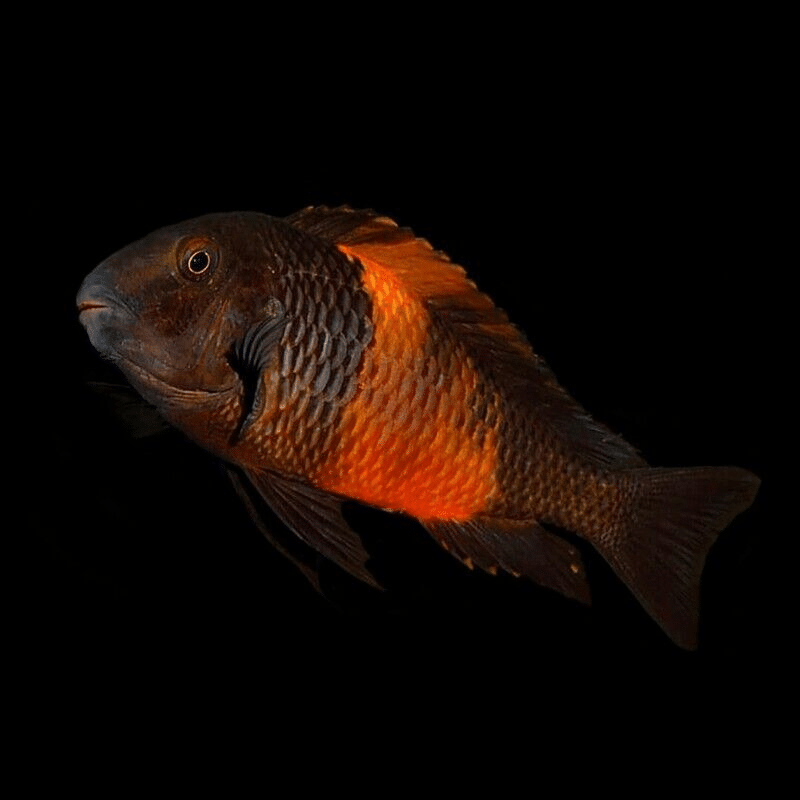
Welcome these beautiful Orange I Bemba Blunthead Cichlids to your freshwater aquarium. Known for their vibrant orange hues and elegant movements, these Lake Tanganyika fish are perfect companions, thriving in community tanks. Ideal for aquarists seeking stunning, peaceful inhabitants.
In stock
The Orange I Bemba Blunthead Cichlid, scientifically known as Tropheus Moorii, is a captivating freshwater fish native to the rocky shores of Lake Tanganyika in East Africa. This species is renowned for its vibrant orange coloration, which can vary in intensity depending on the individual and its environment. The Orange I Bemba is a part of the cichlid family, characterized by its unique blunt head shape and striking patterns. These fish thrive in well-structured environments that mimic their natural habitat, which consists of rocky substrates and plenty of hiding spots. As a species, they are known for their territorial behavior, making them a fascinating addition to any cichlid tank. Understanding their natural habitat is crucial for providing optimal care and ensuring their well-being in a home aquarium.
| Optimal Living Conditions | |
|---|---|
| Water Temperature | 24-26°C (75-79°F) |
| pH Level | 8.1-8.4 |
| Water Hardness | 8-12 dKH |
| Minimum Tank Size | 200L (50 gal) |
| Salinity | 1.020-1.025 SG |
| Care Level | Intermediate |
✓ Care Level: Moderate
Tank Size: Minimum 50 gallons
Water Parameters: pH 8.0-9.0, Temperature 75-82°F, Hardness 10-20 dGH
Providing a suitable environment for the Orange I Bemba Blunthead Cichlid is essential for their health and happiness. A minimum tank size of 50 gallons is recommended to accommodate their territorial nature and swimming needs. The water parameters should be carefully monitored, maintaining a pH level between 8.0 and 9.0, with a temperature range of 75 to 82 degrees Fahrenheit. Additionally, a hardness level of 10 to 20 dGH will help replicate the conditions of Lake Tanganyika. Regular water changes and proper filtration will ensure a clean and stable environment, which is vital for the growth and vitality of these beautiful freshwater fish.
The Orange I Bemba Blunthead Cichlid exhibits a range of fascinating behaviors that make them captivating to observe. These fish are known for their territorial instincts, often establishing dominance over specific areas of the tank. They are generally peaceful towards their own species, but can display aggression towards other fish, especially during breeding or when they feel their territory is threatened. In a well-planned cichlid tank, they can coexist with other Lake Tanganyika cichlids that share similar temperaments. Their social behavior includes forming small groups or harems, which is essential for their emotional well-being. Observing their interactions can provide insights into their social structure and hierarchy, making them a rewarding species for aquarium enthusiasts.
Creating an ideal environment for the Orange I Bemba Blunthead Cichlid involves careful consideration of tank setup. A rocky aquascape is vital, as these fish thrive in habitats that resemble their natural environment. Use smooth, flat rocks to create caves and hiding spots, allowing them to establish territories and feel secure. A sandy substrate is recommended, as it mimics the lakebed of Lake Tanganyika and is gentle on their delicate fins. Additionally, incorporating hardy aquatic plants can enhance the aesthetic appeal of the tank while providing shelter. Ensure that the tank is well-aerated and has a reliable filtration system to maintain water quality. Proper lighting should also be considered, as it can affect the behavior and coloration of these vibrant cichlids.
Important Water Parameter Notice
pH: 8.0-9.0, Temperature: 75-82°F, Hardness: 10-20 dGH
Maintaining optimal water quality is crucial for the health of the Orange I Bemba Blunthead Cichlid. Regular testing of water parameters is essential to ensure that the pH remains between 8.0 and 9.0, as this closely mimics their natural habitat. The temperature should be kept within the range of 75 to 82 degrees Fahrenheit to promote healthy metabolic functions. Additionally, hardness levels between 10 and 20 dGH are ideal for their well-being. Regular water changes, typically 20-30% weekly, will help maintain these parameters and remove harmful toxins. A reliable filtration system is necessary to keep the water clean and well-oxygenated, promoting a healthy environment for these beautiful freshwater fish.
Feeding the Orange I Bemba Blunthead Cichlid requires a balanced diet to ensure their growth and health. These fish are primarily herbivorous, thriving on a diet rich in plant matter. High-quality cichlid pellets, spirulina flakes, and blanched vegetables such as zucchini or spinach are excellent food choices. A varied diet will not only enhance their coloration but also promote overall vitality. It is recommended to feed them small amounts 2-3 times a day, allowing them to consume what they can within a few minutes. Overfeeding should be avoided, as it can lead to water quality issues and health problems. Providing a well-rounded diet will support their immune system and encourage healthy growth.
When considering tank mates for the Orange I Bemba Blunthead Cichlid, it is essential to choose species that share similar water requirements and temperaments. Ideal companions include other Lake Tanganyika cichlids, such as Neolamprologus species, which can coexist peacefully if provided with ample space and hiding spots. Avoid keeping them with overly aggressive or large fish that may intimidate or harm them. Additionally, it is advisable to introduce new fish gradually to minimize stress and aggression. Monitoring interactions closely during the initial introduction phase is crucial to ensure a harmonious community tank. A well-planned selection of tank mates will enhance the overall aquarium experience.
Maintaining the health and wellness of the Orange I Bemba Blunthead Cichlid involves regular monitoring and preventive care. Common health issues include ich, fin rot, and bloat, which can arise from poor water quality or stress. Regular water changes and maintaining stable parameters are crucial for preventing these conditions. Observing their behavior and physical appearance can help identify early signs of illness. If any abnormalities are noticed, such as changes in appetite or unusual swimming patterns, it is essential to take prompt action. Quarantining new fish before introducing them to the main tank can also help prevent the spread of diseases. A proactive approach to health management will ensure these beautiful fish thrive in your care.
Breeding the Orange I Bemba Blunthead Cichlid can be a rewarding experience for dedicated aquarists. These fish are mouthbrooders, meaning the female will carry the fertilized eggs in her mouth until they hatch. To encourage breeding, it is essential to provide a suitable environment with plenty of hiding spots and stable water conditions. The male will display courtship behaviors, such as color changes and fin displays, to attract the female. Once spawning occurs, the female will collect the eggs in her mouth for incubation, which typically lasts around three weeks. After hatching, the fry will remain in the mother’s mouth for protection until they are ready to swim freely. Providing high-quality fry food and maintaining optimal water conditions during this period is crucial for their survival and growth.
Introducing the Orange I Bemba Blunthead Cichlid to a new tank requires a careful acclimation process to minimize stress. Begin by floating the sealed bag containing the fish in the aquarium for approximately 15-20 minutes to equalize the temperature. After this, gradually introduce small amounts of tank water into the bag every 5 minutes for about an hour. This process helps the fish adjust to the new water parameters. Once acclimated, gently release the fish into the tank, avoiding the introduction of bag water. Monitoring the fish closely during the first few days in their new environment is essential to ensure they adapt well and exhibit normal behavior.
Caring for the Orange I Bemba Blunthead Cichlid over the long term involves understanding their lifecycle and growth expectations. These fish can live for over a decade with proper care, making them a long-term commitment for any aquarist. Regular monitoring of their health, water quality, and dietary needs is essential for their longevity. As they grow, it is important to ensure that their tank size is adequate to accommodate their increasing size and territorial behavior. Providing a stable environment with consistent water parameters will contribute to their overall well-being and happiness. Engaging with these beautiful fish daily will enhance your bond and appreciation for their unique characteristics.
Recreating the natural habitat of the Orange I Bemba Blunthead Cichlid in your aquarium is essential for their comfort and health. Mimicking the rocky substrates and clear waters of Lake Tanganyika will provide a sense of security for these fish. Incorporating natural elements such as rocks, caves, and driftwood can create a stimulating environment that encourages natural behaviors. Additionally, using a sandy substrate will allow them to forage and exhibit natural digging behaviors. Proper lighting that simulates natural daylight can enhance their coloration and promote healthy plant growth. By carefully designing their habitat, you can create a thriving ecosystem that supports the well-being of these stunning freshwater fish.
As the seasons change, it is important to make necessary adjustments to the care of the Orange I Bemba Blunthead Cichlid. During warmer months, ensure that the tank temperature remains stable, as fluctuations can stress the fish. Using a reliable heater and thermometer will help maintain the ideal temperature range of 75 to 82 degrees Fahrenheit. In colder months, monitor the water parameters closely, as lower temperatures can affect their metabolism and immune system. Additionally, adjusting the lighting duration can simulate seasonal changes, promoting natural behaviors and breeding cycles. By being attentive to seasonal variations, you can provide optimal care for these beautiful aquatic companions throughout the year.
For those looking to provide the best care for the Orange I Bemba Blunthead Cichlid, consider implementing some expert tips. Regularly monitor water parameters and perform routine maintenance to ensure a stable environment. Incorporating a variety of foods can enhance their coloration and health, so consider rotating between high-quality pellets, flakes, and fresh vegetables. Observing their social dynamics can provide insights into their behavior, allowing you to make informed decisions about tank mates and territorial disputes. Additionally, engaging with your fish through feeding and observation can strengthen the bond between you and your aquatic companions. By applying these expert tips, you can create a thriving environment that supports the well-being of your cichlids.
Despite the best care, issues may arise with the Orange I Bemba Blunthead Cichlid. Common problems include stress from aggressive tank mates, poor water quality, or inadequate diet. If you notice signs of stress, such as hiding or changes in appetite, assess the tank environment and consider adjusting tank mates or improving water conditions. If health issues arise, such as ich or fin rot, immediate action is necessary. Quarantine affected fish and treat them with appropriate medications while maintaining optimal water quality. Keeping a close eye on their behavior and health will allow you to address any concerns promptly, ensuring the longevity and happiness of your beautiful cichlids.
The scientific classification of the Orange I Bemba Blunthead Cichlid, Tropheus Moorii, places it within the cichlid family, which is known for its diverse species and complex behaviors. Research into this species has revealed insights into their social structures, breeding habits, and environmental needs. Conservation efforts are also crucial, as the natural habitats of Lake Tanganyika face threats from pollution and habitat destruction. Understanding the scientific background of these fish can enhance appreciation for their beauty and the importance of preserving their natural ecosystems. By supporting sustainable practices and responsible aquarium keeping, aquarists can contribute to the conservation of these remarkable creatures.
For experienced aquarists looking to elevate their care for the Orange I Bemba Blunthead Cichlid, consider implementing advanced techniques. Establishing a breeding program can provide insights into their reproductive behaviors and contribute to the preservation of the species. Additionally, experimenting with different food types and supplements can enhance their coloration and health. Engaging with local aquarist communities can provide valuable resources and support for advanced care techniques. Regularly attending workshops or seminars can also enhance your knowledge of cichlid care and husbandry. By embracing advanced techniques, you can ensure the well-being of your cichlids and contribute to the broader aquarium community.
Monitoring Tip: Test water parameters weekly and perform regular water changes to maintain optimal conditions for your aquatic friends!
The Orange I Bemba Blunthead Cichlid requires a minimum tank size of 100 litres (approximately 26 gallons) to thrive. This size allows for adequate swimming space and territory establishment, which is crucial for their behaviour. These fish can be territorial, especially during breeding, so providing sufficient space is essential to reduce aggression. A larger tank of around 200 litres is ideal for maintaining a small group, as it helps distribute territorial disputes and promotes a more harmonious environment. Additionally, ensure that the tank is well-aquascaped with rocks and caves to mimic their natural habitat in Lake Tanganyika.
✓ Expert Tip
Consider using a larger tank for a group of these cichlids to enhance their social interactions and reduce stress.
Maintaining the right water parameters is crucial for the health of the Orange I Bemba Blunthead Cichlid. They thrive in alkaline water with a pH range of 7.8 to 9.0. The water hardness should ideally be between 10-20 dGH, mimicking their natural habitat in Lake Tanganyika. The temperature should be kept between 24°C to 28°C (75°F to 82°F). Regular testing of your aquarium water is recommended to ensure these parameters are stable, as fluctuations can stress your fish and lead to health issues. Implementing a high-quality filtration system will aid in maintaining clear and clean water.
✓ Expert Tip
Utilise a water conditioner to remove harmful chemicals and set the right pH before introducing your fish.
Feeding Orange I Bemba Blunthead Cichlids should be done two to three times a day in small amounts that they can consume within a few minutes. A varied diet including high-quality pellets, spirulina flakes, and occasional live or frozen foods such as brine shrimp and daphnia is recommended to ensure balanced nutrition. Overfeeding can lead to poor water quality and health issues, so it is essential to monitor their intake. Additionally, consider fasting them once a week to aid in digestion and prevent obesity.
✓ Expert Tip
Observe your fish during feeding to adjust quantities based on their behaviour and appetite.
When selecting tank mates for Orange I Bemba Blunthead Cichlids, it’s essential to choose species that share similar water parameter requirements and can withstand their somewhat aggressive behaviour. Suitable tank mates include other Tanganyikan cichlids such as Neolamprologus or Julidochromis species. Avoid smaller fish or overly peaceful species, as they may become targets for bullying. Additionally, ensure that your aquarium is spacious enough to provide territories for each fish, which can help mitigate aggression and stress.
✓ Expert Tip
Introduce new fish gradually and monitor interactions closely to prevent territorial disputes.
Acclimatising your Orange I Bemba Blunthead Cichlids is crucial to ensure their health and reduce stress. Begin by floating the sealed bag in your aquarium for about 15-20 minutes to equalise the temperature. After this, gradually introduce small amounts of aquarium water into the bag over the next 30-45 minutes. This process helps the fish adapt to any differences in water parameters. Once acclimatised, gently net the fish into the aquarium, avoiding adding bag water, which may contain harmful substances. Monitor their behaviour closely for the first few days.
✓ Expert Tip
Consider using a drip acclimatisation method for more sensitive fish or significant parameter differences.
Healthy Orange I Bemba Blunthead Cichlids exhibit vibrant colours, clear eyes, and active swimming patterns. They should display a keen interest in their surroundings, readily responding to feeding times and environmental changes. Observe their fins and body for any signs of damage or irritation, such as fraying fins or unusual spots. Regularly check for signs of stress, which include hiding excessively or erratic swimming behaviour. Maintaining good water quality and a stable environment is critical in supporting their overall health.
✓ Expert Tip
Keep a close eye on your fish daily to catch any potential health issues early.
Breeding Orange I Bemba Blunthead Cichlids can be a rewarding experience. To encourage breeding, provide a separate breeding tank with ample hiding spots and flat surfaces for egg laying. The female typically lays eggs on rocks, and the male will fertilise them. After spawning, the female should be separated to prevent aggression. Maintain stable water conditions and slightly increase the temperature to stimulate breeding behaviour. Once the fry are free-swimming, provide them with finely crushed food or specialised fry food to promote healthy growth.
✓ Expert Tip
Avoid overcrowding the breeding tank to ensure fry have enough space to grow and thrive.
The ideal temperature range for Orange I Bemba Blunthead Cichlids is between 24°C to 28°C (75°F to 82°F). Maintaining this temperature is vital for their metabolism, breeding, and overall well-being. Fluctuations outside this range can lead to stress and health complications. A reliable aquarium heater is recommended to ensure stable temperatures, especially during colder months. Regularly monitor the temperature with an accurate thermometer to prevent any sudden drops or spikes.
✓ Expert Tip
Set the heater slightly below the desired temperature to avoid overheating during warmer seasons.
In captivity, Orange I Bemba Blunthead Cichlids can live up to 10-15 years with proper care. Their longevity is influenced by factors such as water quality, diet, and tank conditions. Providing a stable environment with regular maintenance will greatly enhance their lifespan. Regular health checks and prompt attention to any signs of illness can also contribute to a longer, healthier life. Engaging them in a well-structured environment will ensure they remain active and stress-free.
✓ Expert Tip
Keep a consistent feeding and maintenance schedule to support their health and longevity.
A sandy substrate is the most suitable choice for Orange I Bemba Blunthead Cichlids, as it mimics their natural habitat in Lake Tanganyika. A fine, smooth sand allows them to dig and forage naturally, promoting their instinctive behaviours. Avoid sharp substrates that could injure their delicate fins and bodies. Additionally, incorporating rocks and caves into the aquascape provides hiding spots and territories, which are essential for their comfort and behaviour in the aquarium.
✓ Expert Tip
Consider layering sand over a base of larger gravel to provide stability and prevent movement.
Orange I Bemba Blunthead Cichlids are known for their active and curious nature. They often display territorial behaviour, especially during breeding periods, where males may establish dominance over specific areas. These fish enjoy exploring their environment, swimming among rocks and caves, and establishing territories. It’s common to see them interacting with each other, displaying courtship behaviours or engaging in territorial disputes. Providing them with sufficient space and hiding spots will help reduce aggression and allow for natural behaviour to flourish.
✓ Expert Tip
Observe their interactions to better understand their social hierarchy and minimise stress.
Preventing diseases in Orange I Bemba Blunthead Cichlids largely revolves around maintaining optimal water quality and a stable environment. Regular water changes, ideally 10-20% weekly, help keep parameters stable and reduce harmful toxins. Quarantining new fish before introducing them to the main tank is essential to avoid introducing diseases. Additionally, providing a balanced diet rich in nutrients supports their immune system. Monitor for any signs of illness, such as changes in behaviour or appearance, and act swiftly if issues arise.
✓ Expert Tip
Implement a disease prevention plan that includes regular health checks and vaccinations if necessary.
Orange I Bemba Blunthead Cichlids thrive in moderate lighting conditions that mimic their natural habitat. A combination of ambient and spot lighting is ideal, as it allows them to feel secure whilst still enjoying the light. Overly bright lighting can stress these fish, so consider using floating plants or decorations to provide shaded areas. A light cycle of around 10-12 hours is recommended to promote a natural day-night rhythm, which helps regulate their behaviour and breeding cycles.
✓ Expert Tip
Adjust the intensity of the lighting gradually to help your fish adapt without stress.
Recognising stress in Orange I Bemba Blunthead Cichlids is crucial for their health. Signs of stress may include excessive hiding, erratic swimming, or loss of appetite. You might also observe fin clamping or changes in colouration, which indicate discomfort. If the fish are constantly darting around or displaying aggressive behaviour towards tank mates, this could signal stress levels are high. Maintaining stable water conditions and providing adequate hiding spots can help reduce stress and promote a more comfortable environment.
✓ Expert Tip
Regularly check your aquarium’s water parameters to identify and rectify any issues promptly.
To create a suitable environment for Orange I Bemba Blunthead Cichlids, replicate their natural habitat found in Lake Tanganyika. This includes providing a substrate of fine sand, along with plenty of rocks and caves for hiding and territory establishment. The water should be alkaline, with a pH of 7.8–9.0 and a temperature range of 24°C to 28°C (75°F to 82°F). Additionally, maintaining good water quality and a moderate lighting setup is essential. Incorporating live plants can also be beneficial, although ensure they are hardy species that can withstand potential digging.
✓ Expert Tip
Conduct regular water changes to maintain optimal conditions that closely resemble their natural habitat.






Emily Carter (verified owner) –
I have been keeping fish for over five years, and I recently added the Orange I Bemba Blunthead Cichlid to my 120-gallon Tanganyika setup, and I couldn’t be happier! These lively little guys have such vibrant colors, and their personalities truly shine. After about two months, I’ve noticed they’ve adapted beautifully to my aquarium environment, thriving among the rocks and plants.
One thing to note is that they can be a bit territorial, especially during feeding time, but this is normal behavior for cichlids. I recommend maintaining a good balance of territories with some caves and hiding spots to keep them happy. The quality of the fish I received was outstanding—arrived promptly and in perfect health.
Compared to other cichlids I’ve owned, the Orange I Bemba has been much easier to care for and has shown remarkable resilience. If you’re considering adding freshwater fish to your collection, especially if you have a Tanganyika tank, I highly recommend these charming cichlids. They’ve definitely brought more life and color to my aquarium, and I always look forward to watching them interact!
Overall, I would definitely buy again. Happy fishkeeping!
Emily Carter (verified owner) –
I recently added the Orange I Bemba Blunthead Cichlids to my Lake Tanganyika aquarium, and I couldn’t be more thrilled! These Tropheus Moorii are not only breathtaking with their vibrant orange hues, but they also have such unique personalities. Within just a week, I noticed how well they adapted to their new environment, schooling together and showing off their beautiful colors.
I’ve had cichlids before, but the Bembas really stand out. They are much more active than some of the other breeds I’ve kept, and they seem to thrive on their specialized cichlid food, which I also purchased from this site. One thing to keep in mind is that they can be a bit territorial, so providing plenty of hiding spots has been essential to their welfare.
If you’re looking for vibrant companions that bring life to your cichlid tank, I highly recommend these fish. They are perfect for both seasoned aquarists and those new to the hobby. Overall, I’m really pleased with my purchase—shipped quickly, arrived healthy, and they’ve fit right into my aquarium family! Would definitely buy again!