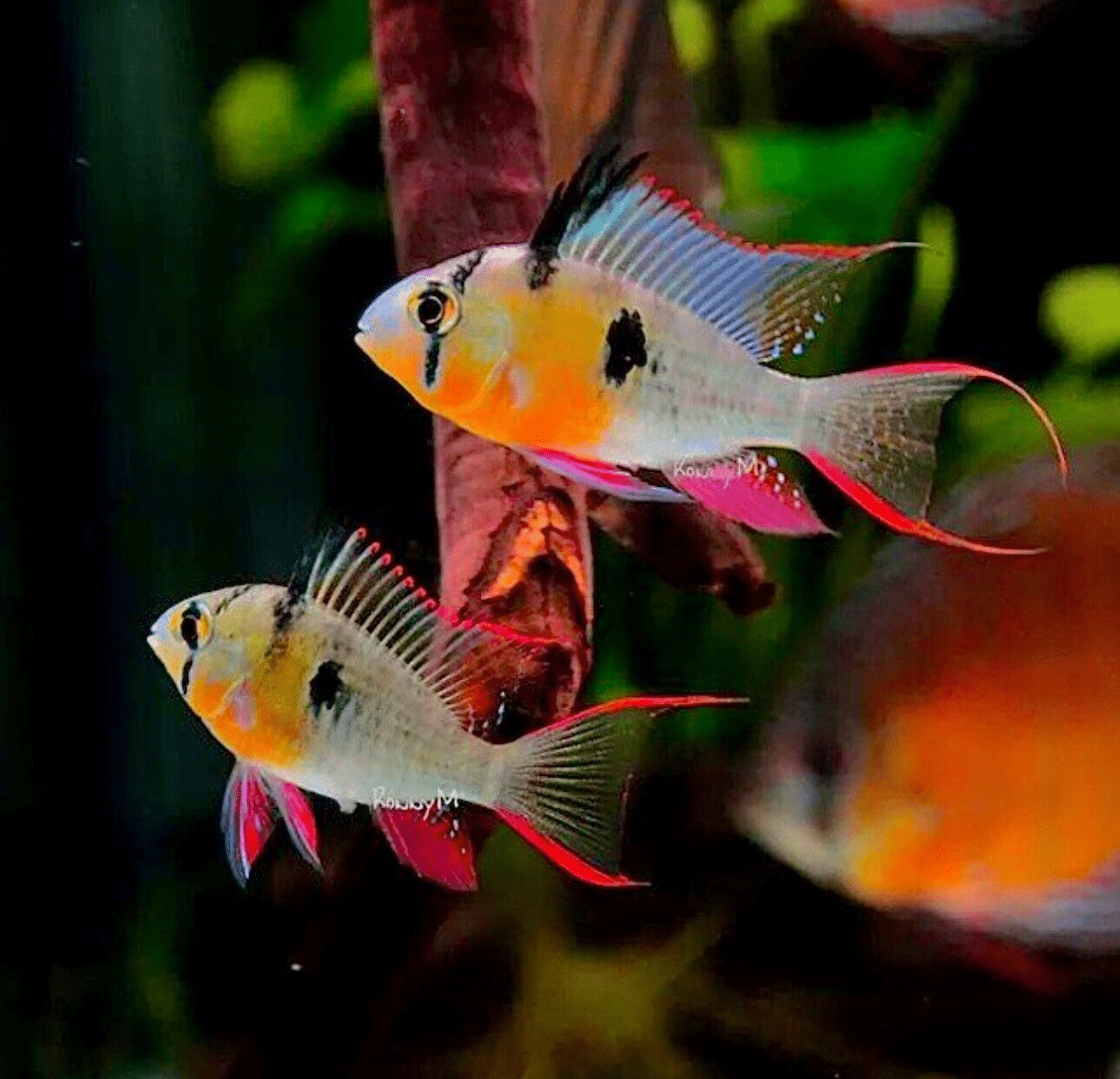
PAIR Papiliochromis Altispinosa Butterfly Bolivia Dwarf Cichlid (Pre Order) (2 FISH MAIL & FEMAILE)


Original price was: £45.99.£38.71Current price is: £38.71.
Welcome these stunning Papiliochromis Altispinosa Butterfly Bolivia Dwarf Cichlids into your aquarium. With their vibrant colors and elegant movements, they make beautiful inhabitants. This listing includes one male and one female, perfect for peaceful community tanks. Ideal for aquarists seeking easy-care tropical fish.
In stock


Species Introduction
The Papiliochromis Altispinosa, commonly known as the Bolivia Dwarf Cichlid, is a captivating freshwater fish that hails from the vibrant waters of Bolivia. This species is renowned for its striking colors and peaceful demeanor, making it an ideal addition to community tanks. In their natural habitat, these beautiful fish inhabit slow-moving streams and rivers, where they thrive among dense vegetation and rocky substrates.
As you welcome these beautiful creatures into your aquarium, it’s essential to recreate their natural habitat as closely as possible to ensure their well-being and happiness. This species is a part of the cichlid family, which is known for its diverse range of colors and behaviors, making them a favorite among aquarium enthusiasts.
Essential Care Guide for Your PAIR Papiliochromis Altispinosa Butterfly Bolivia Dwarf Cichlid
| Optimal Living Conditions | |
|---|---|
| Water Temperature | 24-27°C (75-81°F) |
| pH Level | 6.5-7.5 |
| Water Hardness | 4-12 dKH |
| Minimum Tank Size | 80L (20 gal) |
| Salinity | Freshwater |
| Care Level | Beginner Friendly |
These dwarf cichlids are relatively easy to care for, making them suitable for aquarists of all skill levels. They thrive in a well-maintained aquarium environment, which includes stable water parameters and a balanced diet. A minimum tank size of 20 gallons is recommended to provide ample swimming space and territories for each fish. The preferred pH range for these cichlids is between 6.0 and 7.5, with a temperature range of 74 to 82 degrees Fahrenheit. Maintaining a hardness level of 5 to 15 dGH will also help in keeping these fish healthy and vibrant. Regular water changes and monitoring of water quality are crucial to their overall health, as they are sensitive to fluctuations in their environment.
Natural Behavior & Temperament
The Bolivia Dwarf Cichlid is known for its gentle and peaceful nature, making it an excellent choice for community tanks. These fish exhibit a range of natural behaviors that are fascinating to observe. They are generally social creatures that thrive in the company of their own kind as well as other peaceful fish species. In the aquarium, they often establish territories, especially during breeding periods, but they are not overly aggressive, which allows for a harmonious community setting. Their swimming patterns are graceful and fluid, often seen darting in and out of plants and decorations in the tank. This behavior not only provides exercise but also helps to reduce stress levels in these fish.
Tank Setup Guide
Creating an ideal environment for your Papiliochromis Altispinosa involves replicating their natural habitat as closely as possible. The tank should be a minimum of 20 gallons to provide sufficient space for swimming and territorial behavior. A substrate of fine gravel or sand is recommended, as it mimics the riverbeds these fish are accustomed to. Incorporating plenty of hiding spots is essential; consider using driftwood, rocks, and live plants to create a natural setting. Plants such as Anubias, Java Fern, and Amazon Sword are excellent choices, as they not only provide cover but also contribute to water quality by absorbing excess nutrients.
Water Quality Management
✓ Good Water Quality is Essential
pH: 6.0 – 7.5
Temperature: 74°F – 82°F
Hardness: 5 – 15 dGH
Maintaining optimal water quality is paramount for the health of your Bolivia Dwarf Cichlids. Regular testing of pH, temperature, and hardness levels will help ensure a stable environment. A pH level between 6.0 and 7.5 is ideal for these fish, and fluctuations should be minimized to prevent stress. The temperature should be kept within the range of 74°F to 82°F, with a stable heater to maintain consistency. Water hardness should be monitored, aiming for a range of 5 to 15 dGH. Performing regular water changes—approximately 25% weekly—will help remove toxins and replenish essential minerals.
Feeding & Nutrition
✓ Balanced Diet for Optimal Health
Diet: High-quality flakes, pellets, and frozen foods
Feeding Schedule: 2-3 times daily
Feeding your Bolivia Dwarf Cichlids a balanced diet is crucial for their growth, coloration, and overall health. These fish thrive on a varied diet that includes high-quality flakes, pellets, and occasional frozen or live foods such as brine shrimp and bloodworms. It is recommended to feed them 2-3 times daily, offering only what they can consume within a few minutes to prevent overfeeding and water quality issues. A well-rounded diet will not only enhance their vibrant colors but also boost their immune system, making them less susceptible to diseases.
Compatibility Guide
✓ Peaceful Community Fish
Compatible Tank Mates: Tetras, Rasboras, Corydoras
Incompatible Tank Mates: Aggressive cichlids, large fish
The Bolivia Dwarf Cichlid is known for its peaceful temperament, making it an excellent choice for community tanks. When selecting tank mates, consider smaller, peaceful species that thrive in similar water conditions. Suitable companions include tetras, rasboras, and Corydoras catfish, which share similar environmental needs and will not pose a threat to your cichlids. It is essential to avoid aggressive fish or larger species that may intimidate or harm your Dwarf Cichlids.
Health & Wellness
✓ Signs of a Healthy Fish
Common Issues: Ich, fin rot, stress
Prevention: Regular water changes, stable parameters
Maintaining the health and wellness of your Bolivia Dwarf Cichlids is essential for their longevity and vibrancy. Common health issues include ich, fin rot, and stress-related conditions, which can arise from poor water quality or inappropriate tank mates. Regular water changes and monitoring of water parameters are crucial in preventing these issues.
Breeding Information
✓ Breeding Pair Requirements
Spawning Site: Flat surface, caves, or plants
Fry Care: Infusoria, crushed flakes
Breeding Papiliochromis Altispinosa can be a rewarding experience for aquarists. To encourage spawning, provide a suitable breeding site, such as a flat surface, cave, or dense plant area. Once a pair has formed, they will engage in courtship behaviors and lay eggs, which the female will guard diligently.
Acclimation Process
✓ Proper Acclimation is Key
Acclimation Method: Drip acclimation
Duration: 1-2 hours
Acclimating your new Papiliochromis Altispinosa to their new environment is crucial for their health and well-being. The drip acclimation method is highly recommended, as it allows for a gradual introduction to the tank’s water parameters.
Long-term Care
✓ Lifespan Expectations
Lifespan: 5-8 years
Growth Rate: Moderate
The Bolivia Dwarf Cichlid has a lifespan of approximately 5 to 8 years when provided with optimal care. As they grow, it is essential to monitor their development and adjust their environment accordingly. Regular maintenance, including water changes and monitoring of tank parameters, will contribute to their longevity.
Natural Habitat Recreation
✓ Biotope Setup Tips
Substrate: Fine gravel or sand
Decor: Driftwood, rocks, live plants
Recreating the natural habitat of the Bolivia Dwarf Cichlid can significantly enhance their well-being and reduce stress. Start by using a substrate of fine gravel or sand, which mimics the riverbeds of their native environment.
Seasonal Care Adjustments
✓ Seasonal Considerations
Temperature Adjustments: Monitor during temperature changes
Lighting: Adjust for seasonal variations
As seasons change, it is essential to make adjustments to your aquarium care routine to ensure the well-being of your Bolivia Dwarf Cichlids. Monitor temperature fluctuations closely, especially during seasonal transitions. A stable temperature is crucial for their health.
Expert Tips
✓ Professional Advice for Success
Tip: Provide plenty of hiding spots
Tip: Monitor water quality regularly
To ensure the success of your Bolivia Dwarf Cichlids, consider these expert tips. First, providing plenty of hiding spots is essential for their comfort and security. Additionally, regularly monitoring water quality is crucial; invest in a reliable test kit to keep track of pH, ammonia, nitrite, and nitrate levels.
Troubleshooting
✓ Common Problems and Solutions
Problem: Faded colors
Solution: Assess water quality and diet
When caring for your Bolivia Dwarf Cichlids, you may encounter some common problems. One issue is faded colors, which can indicate stress or poor water quality. If you notice this, it is crucial to assess the tank’s water parameters and ensure they are within the ideal range.
Scientific Background
✓ Taxonomy and Conservation
Family: Cichlidae
Conservation Status: Not currently endangered
The Papiliochromis Altispinosa belongs to the Cichlidae family, which is known for its diverse range of species and behaviors. Understanding their scientific background and natural habitat is essential for providing the best care in captivity.
Advanced Care Techniques
✓ Expert-Level Husbandry
Technique: Use of supplements for health
Technique: Regular breeding practices for fry
For experienced aquarists, implementing advanced care techniques can significantly enhance the health and vitality of your Bolivia Dwarf Cichlids. Consider using high-quality supplements to support their immune system and promote vibrant colors.
Frequently Asked Questions
Q: What tank size is required for the Papiliochromis Altispinosa?
The Papiliochromis Altispinosa, commonly known as the Butterfly Cichlid, thrives best in a tank of at least 60 litres (15 gallons). This size allows them adequate space to establish their territory, which is vital for their well-being. A larger tank can accommodate more plants and hiding spots, creating a more natural environment. In smaller tanks, aggression may increase as these fish establish dominance, particularly during breeding. Therefore, selecting a spacious aquarium will contribute significantly to their health and behaviour.
✓ Expert Tip
Consider adding plants and decorations to create hiding spots and reduce stress.
Q: What water parameters do Papiliochromis Altispinosa require?
For the optimal health of your Butterfly Cichlids, maintain water parameters at a pH of 6.5 to 7.5, with a temperature range of 24-28°C (75-82°F). Soft to moderately hard water is preferable, ideally with a hardness level between 5-15 dGH. Regular testing of these parameters is crucial, as fluctuations can lead to stress and health issues. Additionally, ensure good filtration and perform regular water changes to maintain water quality, which contributes to the overall well-being of your aquatic companions.
✓ Expert Tip
Invest in a reliable water testing kit to monitor parameters regularly.
Q: How often should I feed the Papiliochromis Altispinosa?
Feed your Butterfly Cichlids two to three small meals per day. A varied diet is essential for their health and colouration; consider high-quality flakes, pellets, and occasional live or frozen foods such as brine shrimp or bloodworms. Overfeeding can lead to health issues, so ensure that all food is consumed within a few minutes. Regularly observe your fish during feeding times to adjust portions as necessary, ensuring they remain healthy and vibrant.
✓ Expert Tip
Rotate between different food types to provide balanced nutrition.
Q: What are the best tank mates for Papiliochromis Altispinosa?
When selecting tank mates for your Butterfly Cichlids, choose peaceful species such as tetras, rasboras, or dwarf catfish. Avoid aggressive or overly large fish, as they may stress your cichlids or compete for resources. Providing ample hiding spots and territories will help reduce aggression and territorial disputes. It’s best to introduce new tank mates gradually, monitoring interactions to ensure compatibility and a harmonious environment.
✓ Expert Tip
Consider keeping them with other small, peaceful community fish to maintain harmony.
Q: How do I properly acclimatise Papiliochromis Altispinosa to my aquarium?
Acclimatising your new Butterfly Cichlids is crucial for their health. Start by floating the sealed bag in your aquarium for about 15-20 minutes, allowing the temperature to equalise. After this, gradually introduce aquarium water into the bag over the next hour. This method helps them adjust to the new water chemistry without shock. Once acclimatised, gently release them into the tank without adding the bag water, which may contain contaminants.
✓ Expert Tip
Use a net to transfer the fish to minimise stress and avoid water contamination.
Q: What are the signs of healthy Papiliochromis Altispinosa?
Healthy Butterfly Cichlids exhibit bright colours, clear eyes, and active behaviour. They should swim confidently throughout the tank, displaying natural curiosity. Look for signs of stress such as hiding excessively or aggressive behaviour towards tank mates. Regular observation will help you spot any unusual changes in behaviour or appearance, allowing for early intervention if health issues arise. A well-maintained environment significantly contributes to their overall health.
✓ Expert Tip
Maintain stable water parameters to keep your fish friends thriving.
Q: How do I successfully breed Papiliochromis Altispinosa?
Breeding Butterfly Cichlids can be rewarding. To encourage breeding, maintain a pair in an adequately sized tank with suitable hiding spots. Provide flat surfaces for spawning, such as smooth rocks or leaves. Once the female lays eggs, she will guard them fiercely while the male protects the territory. After a few days, fry will hatch. Feeding them with finely crushed flakes or infusoria will ensure their growth. Monitor the parents, as they may exhibit aggressive behaviour towards other fish during this period.
✓ Expert Tip
Separate the fry into another tank once they are free-swimming to prevent predation.
Q: What temperature should I maintain for Papiliochromis Altispinosa?
The ideal temperature for Butterfly Cichlids ranges from 24-28°C (75-82°F). Keeping the water temperature within this range is crucial for their metabolic processes and overall health. Sudden temperature fluctuations can lead to stress and increased susceptibility to diseases. Using a reliable aquarium heater and thermometer will help maintain a stable environment. Regularly check the temperature to ensure your fish friends are comfortable and thriving.
✓ Expert Tip
Avoid placing the aquarium near windows or heaters that may cause temperature swings.
Q: How long do Papiliochromis Altispinosa typically live in captivity?
With proper care, Papiliochromis Altispinosa can live up to 8-10 years in captivity. Factors such as tank size, water quality, diet, and overall environment significantly influence their lifespan. Providing a stable habitat and maintaining optimal water parameters are essential for their longevity. Regular health checks and prompt action against any signs of illness will also contribute to their well-being, ensuring that your aquatic companions thrive for many years.
✓ Expert Tip
Keep a regular maintenance schedule to promote a healthy environment.
Q: What type of substrate is most suitable for Papiliochromis Altispinosa?
A fine to medium-grain substrate is ideal for Butterfly Cichlids, as it mimics their natural habitat. This substrate allows for digging and burrowing, which is a natural behaviour for them. Additionally, consider adding smooth rocks and plants to create hiding spots and territories. Avoid sharp substrates that could injure their delicate fins. Regularly vacuuming the substrate during maintenance will help keep the environment clean and reduce the risk of disease.
✓ Expert Tip
Incorporate live plants to enhance water quality and provide natural shelter.
Q: What behavioural patterns should I expect from Papiliochromis Altispinosa?
Papiliochromis Altispinosa are generally peaceful but can display territorial behaviour, especially during breeding. They enjoy exploring their environment and will often establish specific areas as their territory. You may notice them digging in the substrate, rearranging decor, or displaying to each other. Providing ample hiding places and visual barriers will help reduce aggression and allow for more natural behaviours. Regular observation will help you appreciate their unique personalities and interactions.
✓ Expert Tip
Ensure your tank has plenty of plants and structures to create a stimulating environment.
Q: How can I prevent common diseases in Papiliochromis Altispinosa?
Preventing diseases in Butterfly Cichlids begins with maintaining optimal water conditions. Regular water changes and a well-maintained filtration system will help keep harmful bacteria at bay. Quarantining new fish before introducing them to the main tank can prevent introducing diseases. Additionally, monitor your fish for any signs of stress or illness, such as changes in appetite or behaviour. Providing a varied diet will enhance their immune systems, contributing to overall health.
✓ Expert Tip
Keep a close eye on water quality and fish interactions to catch issues early.
Q: What lighting conditions do Papiliochromis Altispinosa prefer?
Butterfly Cichlids thrive in moderate lighting conditions. Too much light can stress them and promote algae growth, while low light may hinder plant growth. A balance is essential; consider using LED lighting with a timer to simulate a natural day-night cycle. Providing shaded areas with plants or decorations can help them feel more secure and comfortable. Adjust lighting based on your tank’s specific needs and the wellbeing of your aquatic friends.
✓ Expert Tip
Monitor plant health and algae growth to adjust lighting as needed.
Q: How do I recognise stress in Papiliochromis Altispinosa?
Stress in Butterfly Cichlids can manifest in several ways. Common signs include hiding excessively, erratic swimming patterns, or aggression towards other fish. Changes in appetite or colouration can also indicate stress. It is essential to observe your fish regularly to notice these signs early. If stress is detected, assess water quality and tank conditions, ensuring they are optimal. Providing adequate hiding spots and reducing disturbances will help alleviate stress and promote a healthy environment.
✓ Expert Tip
Maintain a stable environment to minimise stress levels in your fish friends.
Q: What natural habitat conditions should I replicate for Papiliochromis Altispinosa?
To create a suitable environment for your Butterfly Cichlids, replicate their natural habitat found in slow-moving waters of Bolivia. Incorporate sandy substrates, smooth rocks, and plenty of plants. The use of driftwood can also provide hiding spots and mimic their natural surroundings. Maintaining a slightly acidic to neutral pH and soft water will help them feel at home. Regular water changes and monitoring water parameters will further ensure a thriving habitat for your aquatic companions.
✓ Expert Tip
Create a well-planted tank layout to enhance their comfort and security.
2 reviews for PAIR Papiliochromis Altispinosa Butterfly Bolivia Dwarf Cichlid (Pre Order) (2 FISH MAIL & FEMAILE)
Add a review
Related products




Emily Carter (verified owner) –
I recently pre-ordered a pair of Papiliochromis Altispinosa Butterfly Dwarf Cichlids, and I can honestly say they have brought my aquarium to life! These tropical fish are not only stunning with their vibrant colors and elegant fins, but their personalities are equally captivating. After just a week in my 30-gallon tank, they have settled in beautifully, exploring every corner and even engaging with my other fish. I’ve been providing them with high-quality cichlid food, which they devour happily, ensuring they stay healthy and vibrant. Compared to other dwarf cichlids I’ve kept, I find these to be more interactive and less shy, which adds a wonderful dynamic to my setup. The purchase process was smooth, and they arrived well-packaged and healthy. If you’re looking for a lively addition to your aquarium, I highly recommend this pair. They are perfect for both beginner and experienced aquarists who want to enjoy the beauty and charm of cichlids. Just a tip: make sure to provide them with plenty of hiding spots; they love to explore but also appreciate a cozy nook to retreat to when they need some downtime!
Emily Parker (verified owner) –
I recently ordered a pair of Papiliochromis Altispinosa, and I couldn’t be happier with my purchase! These little guys are not only stunning to look at, but they also bring a wonderful personality to my aquarium. After about two weeks in their new home, they’ve settled in beautifully and are already engaging with my other community fish. Their colors are vibrant, and they swim gracefully through the plants.
I’ve kept various tropical fish over the years, but these Bolivian Butterfly Cichlids are among my favorites. Their peaceful demeanor makes them ideal for community tanks, and I love how they interact with each other and their environment. Compared to other dwarf cichlids I’ve owned, these are significantly more social and less territorial.
One minor consideration is that they do appreciate some hiding spots, so be sure to arrange your tank accordingly. I used some driftwood and plants, which they seem to adore. Overall, I highly recommend these fish for both beginners and experienced aquarists alike. They are easy to care for and add such charm to any setup! If you’re considering adding some personality to your aquarium, don’t hesitate to snag a pair of these beauties!