

Piaractus Brachypomus – Red-Bellied Pacu – South American Tetras
Original price was: £4.99.£3.87Current price is: £3.87.
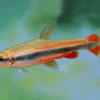
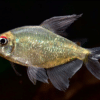
Welcome the Piaractus Brachypomus, or Red-Bellied Pacu, a stunning South American Tetra that brings vibrant colors to your aquarium. These peaceful companions thrive in community tanks and are perfect for aquarists seeking beautiful inhabitants. Care for them and enjoy their graceful movements.
In stock


Species Introduction
The Piaractus Brachypomus, commonly known as the Red-Bellied Pacu, is a fascinating addition to the realm of tropical fish, particularly within the South American Tetra category. This species is native to the freshwater rivers and streams of the Amazon Basin, where it thrives in a warm, nutrient-rich environment. Characterized by its striking appearance, the Red-Bellied Pacu features a deep, laterally compressed body with a vibrant red-orange belly that contrasts beautifully with its dark upper body. As a member of the Characidae family, it is closely related to the piranha, although it is primarily herbivorous. In its natural habitat, the Red-Bellied Pacu plays a vital role in the ecosystem, helping to maintain the health of aquatic vegetation by consuming fruits and seeds that fall into the water. This species can grow up to 90 cm in length in the wild, although they typically reach around 30 cm in aquarium settings. Their social nature makes them a delightful addition to community aquariums, where they can be observed swimming gracefully in schools.
Care Requirements Dashboard
✓ Care Level: Moderate
Tank Size: Minimum 200 liters (53 gallons)
Water Temperature: 24-28°C (75-82°F)
pH Level: 6.0-7.5
Water Hardness: 5-20 dGH
Natural Behavior & Temperament
The Red-Bellied Pacu is known for its friendly and social demeanor, making it an excellent choice for community aquariums. In their natural habitat, they are often found in large schools, which helps them feel secure and reduces stress. When housed in a suitable environment with compatible tank mates, these fish exhibit playful swimming patterns and can often be seen foraging for food together. Their peaceful nature allows them to coexist with a variety of other tropical fish, provided that the tank is spacious enough to accommodate their social structure. However, it is essential to avoid housing them with overly aggressive species, as this can lead to stress and potential health issues. Observing their natural behavior can be a rewarding experience, as they display a range of social interactions, from playful chasing to gentle nipping during feeding times.
Tank Setup Guide
Creating an ideal environment for your Red-Bellied Pacu involves replicating their natural habitat as closely as possible. Start by selecting a spacious aquarium with plenty of swimming room, as these fish are active swimmers. The substrate should consist of fine gravel or sand to mimic the riverbeds of their native waters. Incorporating natural decorations such as driftwood, rocks, and aquatic plants will not only enhance the aesthetic appeal of the tank but also provide hiding spots and territories for the fish. Live plants like Amazon swords and Java ferns are excellent choices, as they can thrive in the conditions favored by the Red-Bellied Pacu. Additionally, ensure that there is adequate filtration to maintain water quality, as these fish produce a significant amount of waste. Proper lighting is also essential; a moderate light level will promote plant growth while allowing the fish to feel secure.
Water Quality Management
Maintaining optimal water quality is crucial for the health and well-being of your Red-Bellied Pacu. Regular testing of water parameters, including pH, temperature, and hardness, will help ensure that the conditions remain stable. The ideal pH level for these fish ranges from 6.0 to 7.5, with a temperature between 24-28°C. It is essential to perform regular water changes, ideally 25-30% weekly, to remove toxins and replenish essential minerals. Additionally, using a high-quality filtration system will help maintain clarity and cleanliness in the aquarium. Be mindful of ammonia and nitrite levels, as these can be harmful to your fish. Utilizing a water conditioner during water changes will also help remove chlorine and chloramines, ensuring a safe environment for your aquatic companions.
Feeding & Nutrition
The diet of the Red-Bellied Pacu primarily consists of plant matter, making them herbivorous fish. In captivity, it is essential to provide a balanced diet that includes high-quality pellets, flakes, and a variety of fresh vegetables such as zucchini, spinach, and peas. Offering a mix of both dry and fresh foods will ensure that they receive the necessary nutrients for optimal health. Feeding should occur once or twice a day, with only as much food as the fish can consume within a few minutes to prevent overfeeding and maintain water quality. It is also beneficial to supplement their diet with occasional treats such as frozen or live foods, including brine shrimp or bloodworms, to enhance their color and vitality. Always monitor their feeding habits, as a lack of appetite can indicate stress or health issues.
Compatibility Guide
When considering tank mates for your Red-Bellied Pacu, it is essential to choose species that share similar water requirements and temperaments. These fish are generally peaceful and can coexist with a variety of community fish, including tetras, barbs, and other small to medium-sized species. However, it is crucial to avoid housing them with aggressive or territorial fish, as this can lead to stress and potential injury. Ideal tank mates include species like the Neon Tetra, Rummy Nose Tetra, and other South American Tetras, which thrive in similar conditions. It is also advisable to keep them in groups of at least three to five individuals to promote social behavior and reduce stress. Regular observation of interactions between species will help ensure a harmonious community tank.
Health & Wellness
Maintaining the health and wellness of your Red-Bellied Pacu involves regular monitoring and preventive care. Common health issues include ich, fin rot, and swim bladder disease, which can arise from poor water quality or stress. To prevent these issues, ensure that water parameters are stable and that the tank is adequately filtered. Regularly inspect your fish for any signs of illness, such as changes in behavior, appetite, or physical appearance. If you notice any abnormalities, it is essential to act quickly and consult with an aquatic veterinarian if necessary. Quarantine new arrivals before introducing them to the main tank to prevent the spread of disease. Additionally, providing a varied diet and maintaining a stress-free environment will contribute to the overall health and longevity of your aquatic companions.
Breeding Information
Breeding Red-Bellied Pacu in captivity can be a rewarding experience, although it requires specific conditions to encourage spawning. These fish are known to be egg scatterers, and breeding typically occurs in groups. To initiate breeding, it is essential to provide a separate breeding tank with optimal water conditions, including slightly acidic pH and a temperature of around 26-28°C. The breeding tank should be well-planted to offer hiding spots for the eggs. Once the female lays her eggs, which can number in the hundreds, the parents should be removed to prevent them from eating the eggs. The eggs will hatch within 24-48 hours, and the fry can be fed infusoria or finely crushed flakes until they are large enough to consume larger foods. Careful monitoring of the fry’s growth and health during this stage is crucial for successful development.
Acclimation Process
Introducing your new Red-Bellied Pacu to its new home requires a careful acclimation process to minimize stress and ensure a smooth transition. Begin by floating the sealed bag containing the fish in the aquarium for about 15-20 minutes to equalize the temperature. After this, gradually introduce small amounts of aquarium water into the bag every 5-10 minutes for about an hour. This process allows the fish to adjust to the water chemistry of the new environment. Once acclimated, gently release the fish into the aquarium using a net to avoid introducing any transport water. Avoid overcrowding the tank during this process, as it can lead to increased stress levels. After introduction, monitor the fish closely for any signs of stress or illness, and provide a calm environment for them to adjust.
Long-term Care
Caring for your Red-Bellied Pacu over the long term involves understanding their growth expectations and providing a stable environment. These fish can live for several years, with proper care extending their lifespan significantly. As they grow, it is essential to monitor their size and adjust tank conditions accordingly. Regular water changes, appropriate feeding practices, and maintaining a harmonious community tank will contribute to their overall health and well-being. Additionally, keeping a close eye on their behavior and interactions with tank mates will help ensure a peaceful environment. As they mature, you may need to upgrade their tank size to accommodate their growth, ensuring they have adequate space to thrive.
Natural Habitat Recreation
Recreating the natural habitat of the Red-Bellied Pacu in your aquarium can enhance their well-being and promote natural behaviors. In the wild, these fish inhabit slow-moving rivers and floodplains, surrounded by lush vegetation. To replicate this environment, incorporate a variety of live plants, such as floating plants and dense vegetation, to provide cover and foraging opportunities. Using driftwood and rocks can create hiding spots and territories, mimicking the structure of their natural habitat. Additionally, maintaining a gentle water flow will help replicate the conditions of their native waters. This biotope setup not only benefits the fish but also creates an aesthetically pleasing aquarium that reflects the beauty of South American ecosystems.
Seasonal Care Adjustments
As seasons change, it is essential to adjust the care routine for your Red-Bellied Pacu to ensure their continued health and happiness. During warmer months, monitor water temperature closely, as fluctuations can stress the fish. Consider using a heater to maintain stable temperatures during cooler months, as these fish thrive in warmer waters. Additionally, adjusting lighting duration can mimic natural day/night cycles, promoting healthy growth and activity levels. Seasonal changes may also affect feeding habits; as the water temperature rises, fish may become more active and require slightly more food. Regularly observe their behavior and adjust feeding practices accordingly to meet their needs throughout the year.
Expert Tips
For those seeking to provide the best care for their Red-Bellied Pacu, consider implementing some expert tips to enhance their living conditions. First, ensure that the aquarium is well-cycled before introducing any fish, as this will help establish beneficial bacteria that aid in breaking down waste. Additionally, consider using a high-quality water conditioner to remove harmful chemicals from tap water. Regularly monitor water parameters and invest in a reliable testing kit to ensure that conditions remain stable. Lastly, engage with your fish by observing their behavior and interactions; this not only enhances your experience but also allows you to detect any potential issues early on. Providing a stimulating environment with plenty of hiding spots and live plants will encourage natural behaviors and promote overall health.
Troubleshooting
In the event of common issues arising with your Red-Bellied Pacu, it is essential to have a troubleshooting plan in place. If you notice signs of stress, such as hiding or erratic swimming, check for potential triggers such as water quality issues or aggressive tank mates. Conduct a water test to ensure parameters are within the recommended ranges, and perform a partial water change if necessary. If your fish exhibits signs of illness, such as white spots or frayed fins, consider isolating the affected fish in a quarantine tank and consulting with an aquatic veterinarian for appropriate treatment options. Regular maintenance and observation will help prevent many common problems, ensuring a healthy and thriving aquarium.
Scientific Background
The scientific classification of the Red-Bellied Pacu is as follows: Kingdom Animalia, Phylum Chordata, Class Actinopterygii, Order Characiformes, Family Characidae, and Genus Piaractus. This species is a fascinating example of evolutionary adaptation, showcasing a diet that primarily consists of plant matter, which is quite different from its carnivorous relatives, such as piranhas. Research indicates that the Red-Bellied Pacu plays a crucial role in its ecosystem by aiding in seed dispersal and maintaining the health of aquatic plants. Conservation efforts are important for this species, as habitat destruction and overfishing pose significant threats to their populations in the wild. Understanding their scientific background not only enhances our appreciation for these fish but also emphasizes the importance of responsible care and conservation practices.
Advanced Care Techniques
For experienced aquarists looking to provide advanced care for their Red-Bellied Pacu, consider implementing techniques that enhance their environment and health. One effective method is to introduce live plants that can improve water quality and provide natural food sources. Additionally, consider using a CO2 injection system to promote plant growth, which can create a more balanced ecosystem. Regularly rotating tank decorations can stimulate their curiosity and encourage natural behaviors. Implementing a more varied diet, including high-quality pellets, fresh vegetables, and occasional protein sources, will ensure that they receive all necessary nutrients. Lastly, engaging in regular monitoring and record-keeping of water parameters can help identify trends and potential issues before they escalate, ensuring a thriving environment for your aquatic companions.
Water Quality Parameters
Optimal Range
24-27°C
6.5-7.5
0 ppm
Caution Zone
22-24°C or 27-29°C
6.0-6.5 or 7.5-8.0
0.25-0.5 ppm
Danger Zone
<22°C or >29°C
<6.0 or >8.0
>0.5 ppm
Monitoring Tip: Test water parameters weekly and perform regular water changes to maintain optimal conditions for your aquatic friends!
Frequently Asked Questions
Q: What tank size is required for the Red-Bellied Pacu?
The Red-Bellied Pacu is a relatively large fish, requiring a spacious environment to thrive. A minimum tank size of 200 litres is recommended for a single fish, with larger tanks being necessary for multiple specimens. This allows for adequate swimming space and helps maintain water quality. As they can grow up to 35 cm in length, planning for their adult size is essential. Additionally, incorporating hiding spots and open swimming areas will create a more comfortable habitat for these social fish.
✓ Expert Tip
Consider a larger tank if you plan to keep them alongside other species, as their social nature may lead to territorial behaviour in cramped quarters.
Q: What water parameters do Red-Bellied Pacu require?
Red-Bellied Pacu thrive in water with specific parameters to ensure their health. The ideal temperature range is between 24°C to 28°C, with a pH level between 6.5 and 7.5. They prefer soft to moderately hard water, with hardness levels around 5-15 dGH. Regular water changes are critical to maintain these conditions and prevent the buildup of harmful toxins. Monitoring ammonia and nitrite levels should also be a priority, as these fish are sensitive to poor water quality.
✓ Expert Tip
Invest in a reliable water testing kit to regularly check parameters and ensure a healthy environment for your fish friends.
Q: How often should I feed my Red-Bellied Pacu?
Feeding frequency for Red-Bellied Pacu should be approached with care. These fish should be fed once or twice a day, with the amount they can consume in a few minutes. A varied diet is essential for their health; include high-quality pellets, fresh fruits, and vegetables. They are known to enjoy foods like spinach, peas, and slices of banana. Overfeeding can lead to health issues, so it’s vital to monitor their consumption and adjust accordingly.
✓ Expert Tip
Introduce new foods gradually to avoid digestive issues and to ensure they accept a diverse diet.
Q: What are the best tank mates for Red-Bellied Pacu?
When selecting tank mates for Red-Bellied Pacu, it is crucial to choose species that are similarly sized and possess non-aggressive behaviour. Suitable companions include larger tetras, barbs, and certain catfish species. Avoid keeping them with small fish, as they may see them as food. It’s also advisable to ensure that the tank is spacious enough to prevent territorial disputes, particularly as the Pacu matures. Regular observation of interactions will help ensure harmony within your aquarium.
✓ Expert Tip
Consider the social dynamics of your aquarium and introduce new fish gradually to minimise stress and aggression.
Q: How do I properly acclimatise a Red-Bellied Pacu to my aquarium?
Acclimatisation is vital for the successful introduction of a Red-Bellied Pacu into your aquarium. Start by floating the sealed bag in the tank for about 15-20 minutes to equalise the temperature. Then, gradually introduce tank water into the bag over the next hour. This can be done by adding small amounts of tank water every 10 minutes. Once the process is complete, gently release the fish into the aquarium without adding the bag water. This method helps reduce stress and allows the fish to adapt to their new environment.
✓ Expert Tip
Avoid sudden changes in water parameters during acclimatisation to prevent shock.
Q: What are the signs of a healthy Red-Bellied Pacu?
Healthy Red-Bellied Pacu exhibit vibrant colours and clear eyes, with active and inquisitive behaviour in the tank. They should swim freely and display no signs of distress or lethargy. Additionally, their fins should be intact without any tears or fraying. Regular feeding habits and a healthy appetite are also indicators of wellbeing. If you notice any abnormal behaviour, such as hiding excessively or not eating, it may signal underlying health issues that require attention.
✓ Expert Tip
Regularly observe your fish to spot any changes in behaviour that may indicate health concerns.
Q: How do I successfully breed Red-Bellied Pacu?
Breeding Red-Bellied Pacu can be challenging, as they require specific conditions. To encourage breeding, maintain a separate breeding tank with slightly warmer water (around 28°C) and provide plenty of floating plants for spawning. Males will chase females, and once ready, the female will lay eggs, which the male fertilises. After spawning, remove the adults to prevent them from eating the eggs. The eggs typically hatch within 24-48 hours. Fry should be fed infusoria or finely crushed flakes until they are large enough to consume regular food.
✓ Expert Tip
Ensure the breeding environment is stable and free from stress to improve the likelihood of successful spawning.
Q: What temperature should I maintain for Red-Bellied Pacu?
Maintaining an appropriate temperature is crucial for the health of Red-Bellied Pacu. The ideal range is between 24°C and 28°C. Sudden fluctuations in temperature can lead to stress and health issues. A reliable heater and thermometer are essential for monitoring and maintaining consistent temperatures. Additionally, avoid placing the tank in direct sunlight or near heaters, as this can cause temperature spikes. Regular checks will help ensure a stable environment for your aquatic companions.
✓ Expert Tip
Consider using a thermometer with an alarm feature to alert you of any significant temperature changes.
Q: How long do Red-Bellied Pacu typically live in captivity?
In captivity, with proper care, Red-Bellied Pacu can live for 15 to 20 years. Their longevity is heavily influenced by water quality, diet, and overall tank conditions. Providing a spacious environment with stable parameters and a varied diet will contribute to their health and lifespan. Regular veterinary check-ups can also help detect any potential health issues early on, ensuring they remain vibrant and active throughout their lives.
✓ Expert Tip
Keep a log of their growth and health changes to identify any patterns or issues that may arise over time.
Q: What type of substrate is most suitable for Red-Bellied Pacu?
Red-Bellied Pacu prefer a substrate that mimics their natural habitat. A sandy or fine gravel substrate is ideal, as it allows them to sift through the bottom without injury. Avoid sharp-edged substrates, as these can harm their delicate bodies. Additionally, including plants and decorations can enhance their environment, providing hiding spots and enriching their habitat. A well-organised tank layout will contribute to their overall wellbeing.
✓ Expert Tip
Consider adding plants that can thrive in a sandy substrate, as this will enhance the aesthetics and provide natural cover.
Q: What behavioural patterns should I expect from Red-Bellied Pacu?
Red-Bellied Pacu are generally social and curious fish, often engaging in playful behaviour. They enjoy swimming in schools, so it is advisable to keep them in groups of at least three or four. They can also exhibit some territorial behaviour as they mature, especially if the tank is not spacious enough. Regular interaction with their environment, including exploring plants and decorations, is a common behaviour. Observing their interactions can provide insight into their wellbeing.
✓ Expert Tip
Provide ample space and hiding spots to allow them to exhibit natural behaviours and reduce stress.
Q: How can I prevent common diseases in Red-Bellied Pacu?
Preventing diseases in Red-Bellied Pacu primarily involves maintaining optimal water quality and a stress-free environment. Regular water changes and monitoring parameters are crucial. Quarantine new fish before introducing them to your tank to prevent the spread of pathogens. Additionally, maintaining a varied and nutritious diet will strengthen their immune system. Observe them regularly for signs of illness, such as changes in appetite or behaviour, and address any issues promptly to ensure their health.
✓ Expert Tip
Consider consulting a veterinarian specialised in aquatic animals for regular health check-ups.
Q: What lighting conditions do Red-Bellied Pacu prefer?
Red-Bellied Pacu thrive in moderate lighting conditions that mimic their natural habitat. They prefer subdued lighting, as bright lights can cause stress. Using a combination of ambient light and shaded areas created by plants or decorations will create a comfortable environment. It is also beneficial to provide a consistent photoperiod, ideally around 10-12 hours of light daily, to promote a natural day-night cycle. This will enhance their overall wellbeing and encourage natural behaviours.
✓ Expert Tip
Consider using LED lights with a dimming feature to easily adjust brightness according to your fish’s needs.
Q: How do I recognise stress in Red-Bellied Pacu?
Recognising stress in Red-Bellied Pacu is vital for their health. Signs of stress may include erratic swimming patterns, hiding excessively, or remaining at the surface or bottom of the tank. Changes in appetite, such as refusing food, can also indicate distress. Additionally, observe for any physical signs, such as clamped fins or colour fading. If you observe these behaviours, it may be necessary to assess water quality and tank conditions to identify and address the source of stress.
✓ Expert Tip
Create a tranquil environment with plenty of hiding spaces to help reduce stress levels.
Q: What natural habitat conditions should I replicate for Red-Bellied Pacu?
To create an optimal environment for Red-Bellied Pacu, it is important to replicate their natural habitat found in the rivers and floodplains of South America. This includes maintaining warm, soft, and slightly acidic water, along with a sandy or fine gravel substrate. Incorporate plenty of plants and driftwood to provide hiding spots and mimic their natural surroundings. Additionally, ensure good water flow, as they are accustomed to swimming in currents. This setup will promote their health and wellbeing.
✓ Expert Tip
Utilise natural materials and plants to create a biotope that reflects their wild habitat for a more enriching environment.
1 review for Piaractus Brachypomus – Red-Bellied Pacu – South American Tetras
Add a review
Related products


Emily Carter (verified owner) –
I recently added a group of Piaractus Brachypomus, also known as Red-Bellied Pacus, to my aquarium, and I couldn’t be happier! After just two weeks, they’ve acclimated beautifully and their colors are absolutely stunning. The bright red bellies against the sleek bodies create a mesmerizing display in my tank. Unlike the neon tetras I used to have, these pacus bring a unique personality to my aquarium. They are so lively and curious, often swimming around in a playful manner, making it a joy to observe them. One thing to keep in mind is that they do require a bit more space compared to smaller tetras, so make sure your tank is large enough. I have a 75-gallon setup, and it’s perfect for their active nature. I really appreciate that they seem to thrive on a varied diet; I’ve been feeding them a mix of high-quality pellets and fresh greens. It’s heartwarming to see them flourish! I would recommend these fish for anyone looking to add some vibrancy and activity to their aquarium, especially experienced hobbyists who can cater to their space and dietary needs. Overall, I’m thrilled with this purchase, and I’d definitely buy from here again!