

Albino Senegal Bichir – Polypterus Senegalus Albino

Original price was: £17.99.£15.00Current price is: £15.00.
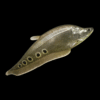
Welcome the stunning Polypterus Senegalus «Albino», a breathtaking addition to your aquarium. This beautiful albino Senegal Bichir thrives in well-maintained conditions, showcasing its unique coloration and graceful movements. Perfect for aquarists seeking peaceful companions for their tanks.
In stock


Species Introduction
The Polypterus Senegalus «Albino», commonly known as the Albino Senegal Bichir or Albino Cuvier’s Bichir, is a captivating species of freshwater fish that hails from the rivers and lakes of Africa. This unique fish is a variant of the Polypterus Senegalus, distinguished by its striking pale coloration and red eyes, which are a result of a genetic mutation. The albino form of this species is not only visually stunning but also offers an intriguing glimpse into the diversity of aquatic life. Bichirs are ancient fish, often referred to as ‘living fossils’, as they have existed for millions of years, showcasing a remarkable evolutionary history. In their natural habitat, they inhabit slow-moving waters, swamps, and floodplains, where they can often be found hiding among submerged vegetation and debris. This species is known for its ability to breathe air, which allows it to thrive in oxygen-poor environments. As a result, they possess a modified swim bladder that functions similarly to lungs, enabling them to gulp air at the water’s surface. This adaptation makes the Albino Senegal Bichir a fascinating addition to any freshwater aquarium, as it brings a piece of Africa’s rich aquatic heritage into your home.
Care Requirements Dashboard
✓ Care Level: Moderate
Tank Size: Minimum 75 gallons
Water Temperature: 75°F to 82°F (24°C to 28°C)
pH Level: 6.5 to 7.5
Hardness: 5 to 20 dGH
Caring for the Albino Senegal Bichir requires attention to several key factors to ensure a healthy and thriving environment. A minimum tank size of 75 gallons is recommended to provide ample space for swimming and exploration. This species can grow quite large, reaching lengths of up to 24 inches, so planning for their growth is essential. The water temperature should be maintained between 75°F to 82°F, with a pH level ranging from 6.5 to 7.5 to mimic their natural habitat. Additionally, the hardness of the water should fall between 5 to 20 dGH, ensuring optimal health and comfort for your bichir. Regular water changes and quality monitoring are crucial for maintaining a stable environment, as bichirs are sensitive to fluctuations in water chemistry.
Natural Behavior & Temperament
The Albino Senegal Bichir exhibits a range of natural behaviors that make it a captivating species to observe. These fish are primarily nocturnal, preferring to explore their environment during the night when they feel most secure. During the day, they often seek refuge in hiding spots such as caves, driftwood, or dense vegetation, which mimic their natural habitat. This behavior not only provides them with a sense of security but also allows them to establish territories within the aquarium. The bichir is known for its unique swimming style, characterized by a combination of undulating movements and the use of its pectoral fins for stabilization. This distinct swimming pattern is not only visually appealing but also reflects the fish’s adaptability to various aquatic environments. In terms of temperament, the Albino Senegal Bichir is generally peaceful but can exhibit territorial behavior, especially as they mature. It is essential to provide them with sufficient space and hiding spots to minimize stress and potential aggression towards tank mates.
Tank Setup Guide
Creating an ideal environment for your Albino Senegal Bichir involves careful consideration of tank setup and decor. Start with a spacious aquarium of at least 75 gallons, as these fish require ample swimming space. The substrate should be soft and smooth, such as fine sand or small gravel, to prevent injury to their delicate bodies. Incorporating natural decorations like driftwood, rocks, and live plants will not only enhance the aesthetic appeal of the tank but also provide hiding spots and territories for your bichir. When arranging decorations, ensure that there are plenty of shaded areas and caves where the bichir can retreat during the day. Additionally, consider using floating plants to create a more natural environment and to help diffuse lighting. Bichirs are known to be curious and exploratory, so providing a variety of structures will encourage natural behaviors and reduce stress. It’s important to maintain a gentle water flow in the tank, as bichirs prefer calm waters. A quality filtration system will help keep the water clean while ensuring that the current is not too strong, allowing your fish friends to thrive.
Water Quality Management
⚠ Water Parameter Notice
Regular monitoring of water parameters is crucial for the health of your Albino Senegal Bichir.
Maintaining optimal water quality is essential for the well-being of your Albino Senegal Bichir. Regular testing of water parameters such as pH, ammonia, nitrite, and nitrate levels is vital to ensure a stable environment. The pH should be maintained between 6.5 and 7.5, as fluctuations can lead to stress and health issues. Ammonia and nitrite levels should always be at 0 ppm, while nitrate levels should be kept below 20 ppm to prevent toxicity. Weekly water changes of 20-30% are recommended to maintain water quality and remove accumulated waste. Additionally, using a high-quality water conditioner will help neutralize harmful chemicals and chlorine present in tap water. It’s also advisable to use a reliable aquarium heater to maintain the water temperature within the ideal range of 75°F to 82°F. Monitoring the temperature regularly will help prevent sudden fluctuations that can stress your fish. By prioritizing water quality management, you can create a thriving environment for your Albino Senegal Bichir.
Feeding & Nutrition
Feeding your Albino Senegal Bichir a balanced and nutritious diet is crucial for their growth and overall health. These fish are carnivorous by nature and thrive on a diet rich in protein. High-quality pellets specifically formulated for carnivorous fish are an excellent staple food option. Additionally, offering a variety of frozen or live foods such as bloodworms, brine shrimp, and earthworms will enhance their diet and encourage natural hunting behaviors. It’s important to feed your bichir small portions that they can consume within a few minutes, as overfeeding can lead to water quality issues and health problems. A feeding schedule of 2-3 times a week is recommended, allowing for a day or two of fasting in between to promote proper digestion. Observing your fish during feeding time can also provide insight into their health; any changes in appetite or behavior may indicate underlying issues that require attention. By providing a well-rounded diet, you can ensure that your Albino Senegal Bichir remains healthy, vibrant, and active.
Compatibility Guide
When considering tank mates for your Albino Senegal Bichir, it’s essential to choose species that are compatible with their temperament and environmental needs. While bichirs are generally peaceful, they can exhibit territorial behavior, especially as they mature. Suitable tank mates include larger, non-aggressive species such as cichlids, larger tetras, and peaceful catfish. Avoid keeping them with small or aggressive fish, as the bichir may see them as prey or may be bullied. Additionally, it’s advisable to house them with species that prefer similar water parameters to ensure a harmonious community tank. Providing plenty of hiding spots and territories will help reduce stress and aggression among tank mates. When introducing new fish to the aquarium, it’s important to acclimate them properly to minimize stress and ensure compatibility. Monitoring interactions closely after adding new tank mates will help you assess their compatibility and make adjustments as needed.
Health & Wellness
✓ Common Health Issues
Monitor for signs of stress or illness, such as changes in appetite or behavior.
Maintaining the health and wellness of your Albino Senegal Bichir involves regular monitoring and proactive care. Common health issues include ich, fin rot, and skin parasites, often exacerbated by poor water quality or stress. Signs of illness may include lethargy, loss of appetite, abnormal swimming patterns, or visible lesions on the body. To prevent these issues, ensure that water quality is consistently monitored and maintained. Quarantining new fish before introducing them to the main tank can also help prevent the spread of disease. If you notice any signs of illness, it’s crucial to address the issue promptly. Treatment options may include medicated foods, salt baths, or specific medications designed for the affected condition. Regular health checks and maintaining a stress-free environment will contribute significantly to the overall well-being of your bichir, allowing them to thrive in your aquarium.
Breeding Information
Breeding Albino Senegal Bichirs in captivity can be a rewarding experience for aquarium enthusiasts, although it requires specific conditions to encourage spawning. These fish are known to be mouthbrooders, with females laying eggs that are fertilized by males and then carried in their mouths until they hatch. To initiate breeding, it’s essential to provide a separate breeding tank with optimal conditions, including stable water parameters and plenty of hiding spots. A temperature range of 78°F to 82°F is ideal for breeding, along with slightly acidic to neutral pH levels. Once the female lays her eggs, she will protect them in her mouth until they hatch, which typically takes around 3-5 days. After hatching, the fry can be fed infusoria or finely crushed flakes until they grow large enough to consume larger foods. Breeding bichirs can be challenging, but with proper care and attention, it is possible to successfully raise fry and contribute to the conservation of this fascinating species.
Acclimation Process
Proper acclimation is vital for the health of your Albino Senegal Bichir when introducing them to a new aquarium. To minimize stress, it’s essential to follow a gradual acclimation process. Start by floating the sealed bag containing your bichir in the aquarium for about 15-20 minutes to equalize the temperature. After this, gradually introduce small amounts of tank water into the bag every 5-10 minutes, allowing the fish to adjust to the new water parameters. This process should take approximately 1-2 hours. Once acclimated, gently release the fish into the tank using a net to avoid adding any transport water that may contain harmful substances. Monitoring the bichir closely during the first few days in their new environment is crucial, as this will help you identify any signs of stress or health issues. By taking the time to acclimate your Albino Senegal Bichir properly, you can ensure a smooth transition and set the foundation for a healthy and thriving life in your aquarium.
Long-term Care
Long-term care for your Albino Senegal Bichir involves understanding their lifecycle and growth expectations. These fish can live for 10-15 years or more with proper care, making them a long-term commitment for aquarium enthusiasts. As they grow, bichirs will require larger tanks and more space to accommodate their size and territorial nature. Regular monitoring of their growth and health is essential, as changes in appetite or behavior may indicate underlying issues. Additionally, maintaining stable water parameters and providing a balanced diet will contribute to their longevity. It’s also important to be aware of their social dynamics within the tank, as bichirs can become more territorial as they mature. By providing a suitable environment and attentive care, you can enjoy many years of companionship with your Albino Senegal Bichir.
Natural Habitat Recreation
Recreating the natural habitat of the Albino Senegal Bichir in your aquarium is essential for their well-being and comfort. These fish thrive in environments that mimic their native African rivers and swamps. To achieve this, focus on incorporating natural elements such as driftwood, rocks, and live plants into your tank setup. The substrate should consist of fine sand or smooth gravel, allowing the bichir to root around and explore. Adding floating plants can help diffuse lighting and provide shaded areas, which are crucial for the bichir’s sense of security. It’s also beneficial to create varying water depths and flow patterns within the tank to simulate the diverse environments they encounter in the wild. By prioritizing natural habitat recreation, you can enhance the quality of life for your Albino Senegal Bichir and create a visually appealing aquarium that reflects the beauty of their native ecosystem.
Seasonal Care Adjustments
Seasonal care adjustments are important for maintaining the health and comfort of your Albino Senegal Bichir throughout the year. As temperatures fluctuate with the changing seasons, it’s essential to monitor and adjust the water temperature in your aquarium accordingly. During the summer months, ensure that the water temperature remains within the ideal range of 75°F to 82°F, as higher temperatures can stress your fish and lead to health issues. Conversely, in the winter, using a reliable aquarium heater will help maintain stable temperatures, preventing sudden drops that could negatively impact your bichir. Additionally, adjusting the lighting schedule to mimic natural daylight cycles can help regulate their behavior and promote a healthy environment. Regular water changes and quality monitoring are crucial year-round, but may require more frequent attention during warmer months when evaporation rates increase. By being proactive and attentive to seasonal changes, you can ensure a comfortable and thriving environment for your Albino Senegal Bichir.
Expert Tips
For those looking to provide the best care for their Albino Senegal Bichir, here are some expert tips to enhance their living conditions and overall well-being. First, consider investing in a high-quality filtration system that can handle the bioload of your tank, as bichirs can produce significant waste. Regular maintenance of the filter will ensure optimal water quality and clarity. Additionally, providing a varied diet that includes high-quality pellets, frozen, and live foods will promote health and vitality. It’s also beneficial to observe your bichir’s behavior regularly, as any changes may indicate underlying health issues that require attention. Creating a peaceful environment with compatible tank mates and plenty of hiding spots will help reduce stress and aggression. Lastly, consider joining an aquarium community or forum where you can share experiences and gain insights from other bichir enthusiasts. By following these expert tips, you can create a thriving environment for your Albino Senegal Bichir and enjoy the beauty of this remarkable species for years to come.
Troubleshooting
Despite your best efforts, you may encounter challenges while caring for your Albino Senegal Bichir. Common issues include stress, aggression, and health problems. If you notice your bichir hiding excessively or displaying signs of aggression towards tank mates, it may indicate that they require more hiding spots or a larger space. Additionally, if your fish exhibits changes in appetite or abnormal swimming patterns, it could signify underlying health issues. Regular water testing and monitoring will help you identify potential problems early on. If you suspect illness, consider isolating the affected fish in a quarantine tank to prevent the spread of disease. Treatment options may vary depending on the specific issue, so it’s essential to research and consult with a knowledgeable aquarium professional when necessary. By being proactive and attentive, you can effectively troubleshoot common problems and ensure the well-being of your Albino Senegal Bichir.
Scientific Background
The Albino Senegal Bichir, scientifically known as Polypterus Senegalus «Albino», belongs to the family Polypteridae, which consists of ancient fish species that have existed for millions of years. This family is characterized by their unique body structure, which includes ganoid scales and a modified swim bladder that allows them to breathe air. The Polypterus genus is known for its evolutionary significance, as these fish are often referred to as ‘living fossils’ due to their resemblance to prehistoric species. The albino variant of Senegal Bichir is a result of a genetic mutation affecting pigmentation, resulting in their distinctive white body and red eyes. This variant is not only visually striking but also highlights the diversity within the Polypterus genus. Conservation efforts are important for these species, as habitat destruction and overfishing pose threats to their populations in the wild. By caring for and breeding these fish in captivity, aquarium enthusiasts can contribute to the preservation of this remarkable species and its genetic diversity.
Advanced Care Techniques
For experienced aquarium enthusiasts looking to elevate their care for the Albino Senegal Bichir, advanced techniques can enhance their living conditions and overall health. Consider implementing a more complex filtration system that includes both mechanical and biological filtration to maintain optimal water quality. Additionally, utilizing a UV sterilizer can help control algae growth and reduce the risk of disease. Regularly changing the tank layout can stimulate your bichir’s natural curiosity and prevent boredom, while also allowing for the establishment of new territories. Experimenting with different feeding techniques, such as target feeding or using feeding rings, can encourage natural hunting behaviors and promote mental stimulation. Furthermore, keeping a detailed log of water parameters, feeding schedules, and behavioral observations can help you identify patterns and make informed adjustments to their care. By incorporating these advanced care techniques, you can create an enriching environment that supports the health and happiness of your Albino Senegal Bichir.
Frequently Asked Questions
Q: What tank size is required for the Albino Senegal Bichir?
The Albino Senegal Bichir requires a minimum tank size of 75 litres (approximately 20 gallons) to thrive. As these fish can grow up to 30 cm (12 inches) in length, a larger tank is recommended to provide ample swimming space and to accommodate their natural behaviour. A tank size of 150 litres (40 gallons) or more is ideal for a single fish, allowing for proper filtration and water quality maintenance. Additionally, ensure the tank is well-secured, as these fish are adept at escaping and may jump out if not properly contained.
✓ Expert Tip
Consider adding a secure lid to your tank to prevent any escape attempts from your Bichir.
Q: What water parameters do Albino Senegal Bichirs require?
Albino Senegal Bichirs thrive in water with a pH level between 6.5 and 7.5, and temperatures ranging from 24°C to 28°C (75°F to 82°F). It is crucial to maintain stable water conditions, as fluctuations can stress these fish. Regular water changes of 20-30% weekly will help maintain water quality and clarity. Additionally, ensure that the ammonia and nitrite levels remain at zero, with nitrates kept below 20 ppm for optimal health. Investing in a reliable water testing kit will assist in monitoring these parameters effectively.
✓ Expert Tip
Utilising a quality filtration system will greatly aid in maintaining water quality for your Bichir.
Q: How often should I feed my Albino Senegal Bichir?
Feeding your Albino Senegal Bichir should occur 2-3 times a week, with portions that they can consume within 5-10 minutes. They are carnivorous and enjoy a varied diet that includes high-quality pellets, frozen or live foods such as bloodworms, brine shrimp, and small fish. It’s essential to avoid overfeeding, as this can lead to health complications and deteriorate water quality. Observing their behaviour during feeding can help you gauge their appetite and adjust feeding frequency accordingly.
✓ Expert Tip
Consider incorporating occasional fasting days to help maintain digestive health.
Q: What are the best tank mates for Albino Senegal Bichirs?
Albino Senegal Bichirs are generally peaceful fish but can exhibit predatory behaviour towards smaller tank mates. Suitable companions include larger cichlids, catfish, and other robust species that can coexist without being seen as prey. Avoid keeping them with very small or delicate fish, as these may become targets. It is also advisable to ensure that all tank mates have ample space to establish their territories, reducing potential conflicts. Observing interactions during the initial introductions can help determine compatibility.
✓ Expert Tip
Introduce new fish gradually to minimise stress and aggression within the tank.
Q: How do I properly acclimatise my Albino Senegal Bichir to my aquarium?
Acclimatising your Albino Senegal Bichir is crucial for their health. Begin by floating the sealed bag containing the fish in your aquarium for about 15-20 minutes. This allows them to gradually adjust to the water temperature. After this, open the bag and slowly introduce small amounts of aquarium water into the bag every 5-10 minutes for about an hour. This process helps them adjust to the water chemistry. Finally, gently net the fish into the aquarium, avoiding adding the bag water to the tank to prevent contamination.
✓ Expert Tip
Patience is key; take your time during the acclimatisation process to ensure a smooth transition.
Q: What are the signs of a healthy Albino Senegal Bichir?
A healthy Albino Senegal Bichir will exhibit vibrant colouration, clear eyes, and active behaviour, swimming around the tank with curiosity. They should have a well-rounded body without any visible signs of bloating or lesions. Additionally, observe their appetite; a healthy Bichir will readily accept food. Regular monitoring of their fins and gills for any signs of damage or discoloration is also essential, as these can indicate stress or illness. Maintaining a stable environment will contribute to their overall well-being.
✓ Expert Tip
Keep a close eye on their behaviour; any unusual lethargy or hiding may indicate health issues.
Q: How do I successfully breed Albino Senegal Bichirs?
Breeding Albino Senegal Bichirs can be challenging but rewarding. To encourage breeding, provide a separate breeding tank with slightly warmer water (around 28°C or 82°F) and plenty of hiding spots. Ensure that both male and female fish are healthy and well-fed, as this can influence breeding success. The female will lay eggs on flat surfaces, and the male will fertilise them. After spawning, it is advisable to remove the parents to prevent them from eating the eggs. The eggs typically hatch within 3-4 days, and the fry can be fed infusoria or finely crushed flakes.
✓ Expert Tip
Breeding can be stimulated by mimicking seasonal changes in water conditions.
Q: What temperature should I maintain for my Albino Senegal Bichir?
The ideal temperature range for Albino Senegal Bichirs is between 24°C and 28°C (75°F to 82°F). Maintaining a consistent temperature within this range is crucial for their health and well-being. Sudden fluctuations can lead to stress and potentially serious health issues. It is advisable to use a reliable aquarium heater, along with a thermometer, to monitor the water temperature accurately. Regular checks will ensure that the environment remains stable, which is essential for the overall health of your Bichir.
✓ Expert Tip
Avoid placing the heater in a location where it may be easily disturbed by the fish.
Q: How long do Albino Senegal Bichirs typically live in captivity?
With proper care, Albino Senegal Bichirs can live for 10 to 15 years in captivity. Their lifespan is significantly influenced by their living conditions, including water quality, diet, and stress levels. Maintaining stable water parameters, providing a balanced diet, and ensuring a spacious and secure environment will enhance their longevity. Regular health checks and prompt attention to any signs of illness will also contribute to a longer, healthier life for your fish friend.
✓ Expert Tip
Establishing a routine for tank maintenance will help ensure a healthy environment for your Bichir.
Q: What type of substrate is most suitable for Albino Senegal Bichirs?
For Albino Senegal Bichirs, a soft substrate such as fine sand or smooth gravel is ideal. This substrate type allows them to exhibit their natural behaviour, such as digging and foraging. Avoid sharp or rough substrates, as these can injure their delicate bodies. Additionally, incorporating hiding spots created from rocks or driftwood will provide a sense of security for your Bichir, reducing stress. Regular cleaning of the substrate is essential to maintain water quality and prevent the buildup of waste.
✓ Expert Tip
Consider using a gravel vacuum during water changes to keep the substrate clean.
Q: What behavioural patterns should I expect from Albino Senegal Bichirs?
Albino Senegal Bichirs are generally nocturnal and tend to be more active during the evening hours. During the day, they may hide amongst decorations or substrate, which is a natural behaviour. They are curious and will explore their environment, often using their pectoral fins to navigate. Bichirs are solitary by nature; however, they can coexist peacefully with appropriately sized tank mates. Observing their behaviour can provide insights into their comfort levels and health, as any significant changes may indicate stress or illness.
✓ Expert Tip
Providing ample hiding spots will encourage natural behaviours and reduce stress levels.
Q: How can I prevent common diseases in Albino Senegal Bichirs?
Preventing diseases in Albino Senegal Bichirs involves maintaining excellent water quality and a stable environment. Regular water changes, testing parameters, and ensuring proper filtration are essential. Avoid overstocking the tank, as overcrowding can lead to stress and increased disease risk. Quarantine any new fish before introducing them to the main tank to prevent the spread of pathogens. Additionally, providing a balanced diet and observing your fish for any signs of illness will help in early detection and treatment, should any health issues arise.
✓ Expert Tip
Maintain a stress-free environment to bolster your Bichir’s immune system.
Q: What lighting conditions do Albino Senegal Bichirs prefer?
Albino Senegal Bichirs thrive in low to moderate lighting conditions, mimicking their natural habitat. Bright lights can cause stress, so it is advisable to use subdued lighting or provide shaded areas within the tank using plants or decorations. A lighting schedule of around 10-12 hours daily will help maintain a natural day-night cycle. Observing your Bichir’s behaviour can provide insights; if they appear more active with dimmer lighting, consider adjusting your setup accordingly.
✓ Expert Tip
Use a dimmer switch or adjustable LED lights to tailor the lighting to your Bichir’s needs.
Q: How do I recognise stress in my Albino Senegal Bichir?
Recognising stress in Albino Senegal Bichirs can be crucial for their health. Signs of stress may include excessive hiding, lethargy, or erratic swimming patterns. They may also exhibit loss of appetite or display abnormal behaviours, such as rubbing against objects in the tank. Changes in colouration, such as fading, can also indicate stress. Monitoring your fish regularly and ensuring that their environment remains stable will help in minimising stress and promoting a healthy, active lifestyle.
✓ Expert Tip
If you notice signs of stress, assess the water quality and overall tank conditions immediately.
Q: What natural habitat conditions should I replicate for Albino Senegal Bichirs?
To create a suitable environment for your Albino Senegal Bichir, replicate their natural habitat, which consists of slow-moving waters with plenty of hiding spots and vegetation. Incorporating driftwood, rocks, and plants will provide security and mimic their natural surroundings. The substrate should be soft, allowing for natural digging behaviours. Maintaining a slightly acidic to neutral pH and ensuring stable water temperature are also essential for their well-being. This approach helps reduce stress and promotes a healthy, thriving fish.
✓ Expert Tip
Regularly rearranging decorations can stimulate your Bichir’s curiosity and keep them active.





Emily Carter (verified owner) –
I recently welcomed an Albino Senegal Bichir into my aquarium, and I couldn’t be more thrilled! This unique fish adds a stunning visual element with its bright coloration and intriguing patterns. After about two months of having him, he has settled in beautifully and has become quite the little personality in my tank.
I love watching him explore his environment, and he really enjoys the hiding spots I’ve created with driftwood and caves. Compared to other tropical fish, the Bichir is definitely more active and curious, which keeps things exciting.
One thing to keep in mind is that they can be somewhat shy at first, so patience is key. I waited about a week before he felt comfortable enough to come out often, but it was worth it! Plus, they do require a bit of space, so I recommend a tank of at least 75 gallons if you’re considering one of these beauties.
Overall, I highly recommend the Albino Senegal Bichir for anyone looking to enhance their freshwater fish collection. It’s a fantastic choice for both beginners and experienced aquarists alike, and I’m so glad I took the plunge!