

Laprade’s Bichir – Polypterus Bichir Lapradei – West Africa
Original price was: £26.49.£22.26Current price is: £22.26.
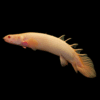
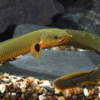
Welcome the stunning Polypterus Bichir Lapradei, a captivating freshwater fish from West Africa. Known for their unique air-breathing ability and prehistoric charm, these tropical fish thrive in well-maintained aquariums, creating a beautiful aquatic environment for your home.
In stock


Species Introduction
Key Features – Polypterus Bichir Lapradei – Laprade’S Bichir – West Africa
| Specification | Details |
|---|---|
| Benefits | Enhances your aquarium ecosystem |
| Quality | Premium aquarium-grade materials |
| Ease of Use | Simple setup and maintenance |
The Polypterus Bichir Lapradei, commonly known as Laprade’s Bichir, is a fascinating species of freshwater fish native to the rivers and lakes of West Africa. This species is part of the Bichir family, which is known for its unique appearance and interesting behavior. The Laprade’s Bichir is characterized by its elongated body, armored scales, and the ability to breathe air, making it a remarkable addition to any aquarium setup. Found in slow-moving waters, swamps, and floodplains, these fish thrive in environments rich in vegetation and organic debris, which provide both shelter and food sources. Their natural habitat is crucial for understanding their care requirements and ensuring they receive the best possible living conditions in captivity.
Care Requirements Dashboard
✓ Care Level: Moderate
To provide a suitable home for your Laprade’s Bichir, it is essential to maintain specific care requirements. A minimum tank size of 75 gallons is recommended, as these fish can grow quite large, reaching lengths of up to 24 inches. The water parameters should be kept stable, with a temperature range of 75-82°F (24-28°C), a pH level between 6.5 and 7.5, and moderate hardness of 5-15 dGH. Regular water changes of 20-30% weekly will help maintain water quality and prevent the buildup of harmful toxins. Additionally, providing plenty of hiding spots using rocks, driftwood, and aquatic plants is vital for their well-being, as it mimics their natural habitat and reduces stress.
Natural Behavior & Temperament
Laprade’s Bichir exhibits a range of natural behaviors that aquarium enthusiasts find captivating. These fish are primarily nocturnal, preferring to explore their surroundings during the night. They are known for their unique swimming patterns, often using their pectoral fins to navigate through the water while their bodies remain relatively still. This species is generally peaceful but can exhibit territorial behavior, especially during breeding periods. It is essential to monitor their interactions with other fish, as they may become aggressive towards smaller or more timid species. Providing ample space and hiding spots will help mitigate potential conflicts and allow these aquatic companions to thrive.
Tank Setup Guide
When setting up a tank for your Laprade’s Bichir, consider creating an environment that closely resembles their natural habitat. Start with a substrate of fine gravel or sand, which allows for easy burrowing. Incorporate plenty of hiding spots using driftwood, rocks, and live or artificial plants. The layout should provide open swimming areas while also offering secluded spaces for the fish to retreat. Ensure that any decorations are smooth and free of sharp edges to prevent injury. Additionally, a secure lid is necessary, as these fish are known to jump. A well-maintained filtration system is crucial to keep the water clean and well-oxygenated, as bichirs require good water quality to thrive.
Water Quality Management
Maintaining optimal water quality is vital for the health and longevity of your Laprade’s Bichir. Regular testing of water parameters is essential to ensure that the tank conditions remain stable. The ideal pH range for these fish is between 6.5 and 7.5, with a temperature of 75-82°F (24-28°C). The hardness should be kept between 5-15 dGH. It is recommended to use a quality water conditioner to remove harmful chemicals from tap water before adding it to the tank. Regular water changes of 20-30% weekly will help maintain water quality and prevent the buildup of harmful toxins. Monitoring ammonia, nitrite, and nitrate levels is crucial, as elevated levels can lead to stress and health issues.
Feeding & Nutrition
✓ Diet: Carnivorous
Laprade’s Bichir is primarily carnivorous, requiring a diet rich in protein to thrive. High-quality pellets specifically formulated for carnivorous fish can be offered, along with live or frozen foods such as bloodworms, brine shrimp, and earthworms. It is essential to feed these fish a varied diet to ensure they receive all necessary nutrients. A feeding schedule of 2-3 times a week is recommended, with portions that they can consume within 5-10 minutes. Overfeeding should be avoided, as it can lead to health issues and deteriorate water quality. Always monitor their eating habits and adjust the diet accordingly to maintain optimal health.
Compatibility Guide
When considering tank mates for your Laprade’s Bichir, it is crucial to choose species that can coexist peacefully. Ideal companions include larger, robust fish that can handle the bichir’s occasional territorial behavior. Suitable tank mates include larger cichlids, catfish, and other slow-moving fish. However, it is essential to avoid smaller fish, as they may be viewed as prey. Monitoring interactions among tank mates is vital, especially during the initial introduction phase. Providing ample space and hiding spots will help reduce stress and aggression, ensuring a harmonious community tank.
Health & Wellness
Maintaining the health and wellness of your Laprade’s Bichir involves regular monitoring and preventive care. Common health issues include ich, fin rot, and swim bladder disorders. To prevent these conditions, ensure that water quality is consistently monitored and maintained. Regular water changes and a balanced diet are essential for keeping your fish healthy. Observing your bichir for any signs of distress, such as abnormal swimming patterns or changes in appetite, is crucial. If any health issues arise, prompt action should be taken to address them, including consulting with an aquatic veterinarian if necessary.
Breeding Information
Breeding Laprade’s Bichir in captivity can be a rewarding experience for dedicated aquarists. These fish are egg layers, and breeding typically occurs during the rainy season in their natural habitat. To encourage breeding, it is essential to mimic these conditions by slightly increasing the water temperature and performing regular water changes to simulate rainfall. A separate breeding tank with a spawning substrate, such as spawning mops or fine-leaved plants, can be set up to facilitate breeding. After spawning, the parents should be removed, as they may eat the eggs. The eggs will hatch in about 3-5 days, and the fry will require infusoria or finely crushed flakes until they are large enough to consume larger foods.
Acclimation Process
Introducing your Laprade’s Bichir to a new tank requires a careful acclimation process to minimize stress. Begin by floating the sealed bag containing the fish in the tank for about 15-20 minutes to equalize the temperature. After this, gradually introduce small amounts of tank water into the bag every 5 minutes for about an hour. This process helps the fish adjust to the water parameters of its new environment. Once acclimated, gently release the bichir into the tank without pouring the bag water into the aquarium. This method ensures a smoother transition and reduces the risk of shock.
Long-term Care
Caring for your Laprade’s Bichir over the long term involves understanding their growth expectations and lifespan. These fish can live for 10-15 years or more with proper care, making them a long-term commitment for any aquarium enthusiast. Regular monitoring of water quality, diet, and social interactions will help ensure a healthy and thriving bichir. As they grow, it may be necessary to upgrade their tank size to accommodate their increasing space needs. Additionally, maintaining a consistent routine for feeding and tank maintenance will contribute to their overall well-being.
Natural Habitat Recreation
To create an environment that closely resembles the natural habitat of Laprade’s Bichir, consider incorporating elements such as floating plants, submerged logs, and dense vegetation. These features not only provide hiding spots but also create a sense of security for the fish. Using a dark substrate can mimic the riverbeds of their native habitats and enhance the overall aesthetic of the aquarium. Additionally, providing areas of varying light levels can replicate the dappled sunlight found in their natural environment, promoting more natural behavior and reducing stress.
Seasonal Care Adjustments
As seasons change, so too should your care routine for Laprade’s Bichir. In warmer months, ensure that the tank temperature does not exceed the upper limit of their preferred range, as high temperatures can lead to stress and health issues. Conversely, during colder months, consider using a heater to maintain a stable temperature. Adjusting the lighting schedule to mimic natural day and night cycles can also benefit the fish. Be vigilant about monitoring water quality, as fluctuations can occur with temperature changes, and be prepared to make necessary adjustments to maintain a healthy environment.
Expert Tips
For those looking to enhance their experience with Laprade’s Bichir, consider implementing some expert tips into your care routine. Regularly observe your fish to become familiar with their behavior, as this will help you identify any changes that may indicate stress or health issues. Experiment with different feeding techniques, such as using feeding tongs to present food directly, which can stimulate natural hunting behaviors. Additionally, consider creating a biotope aquarium that reflects their natural environment, incorporating native plants and decorations to enrich their habitat and enhance your enjoyment of these beautiful creatures.
Troubleshooting
Despite your best efforts, you may encounter challenges while caring for your Laprade’s Bichir. Common issues include stress from aggressive tank mates or poor water quality. If you notice signs of distress, such as erratic swimming or loss of appetite, assess the tank environment immediately. Ensure that water parameters are within the recommended ranges and consider separating aggressive tank mates. If health issues arise, consult with an aquatic veterinarian to determine the best course of action. Keeping a detailed log of water parameters and fish behavior can help identify patterns and potential problems before they escalate.
Scientific Background
The Polypterus Bichir Lapradei belongs to the family Polypteridae, which is known for its unique evolutionary adaptations. These fish are often referred to as “living fossils” due to their primitive characteristics, which have remained largely unchanged for millions of years. The Laprade’s Bichir is particularly notable for its ability to breathe air, thanks to a modified swim bladder that functions similarly to lungs. This adaptation allows them to thrive in oxygen-poor waters, making them resilient in their natural habitats. Understanding the scientific background of this species can enhance your appreciation and care for these remarkable fish.
Advanced Care Techniques
For experienced aquarists, advanced care techniques can elevate the experience of keeping Laprade’s Bichir. Consider implementing a more complex filtration system to ensure optimal water quality, as these fish are sensitive to changes in their environment. Additionally, experimenting with different feeding methods, such as live food or specialized pellets, can promote natural behaviors and enhance their health. Regularly rotating decorations and plants can also stimulate their environment, encouraging exploration and reducing stress. Engaging with your fish through observation and interaction can deepen your bond and enhance your overall enjoyment of these captivating aquatic companions.
Frequently Asked Questions
Q: What tank size is required for the Polypterus Bichir Lapradei?
The Polypterus Bichir Lapradei, commonly known as Laprade’s Bichir, requires a spacious aquarium due to its potential size, reaching lengths of up to 30 inches. A minimum tank size of 150 litres is recommended, although larger tanks are preferable to provide ample swimming space. This species is a bottom-dweller, so a wider tank will also facilitate their natural behaviour. Moreover, ensure that the tank is well-established with suitable hiding spots, such as caves or dense plantings, to mimic their natural habitat and reduce stress.
✓ Expert Tip
Consider using a sandy substrate to replicate their natural environment and prevent damage to their delicate barbels.
Q: What water parameters do Laprade’s Bichir require?
Laprade’s Bichir thrive in slightly acidic to neutral water conditions, ideally with a pH between 6.5 and 7.5. They prefer a temperature range of 24 to 28 degrees Celsius. Regular water changes are essential to maintain high water quality, as they are sensitive to pollutants. Additionally, keep ammonia and nitrite levels at zero, with nitrates below 20 ppm. Utilising a high-quality filtration system will assist in maintaining these parameters, ensuring a healthy environment for your aquatic companions.
✓ Expert Tip
Invest in a water testing kit to regularly monitor these parameters and adjust as necessary.
Q: How often should I feed Laprade’s Bichir?
Feeding Laprade’s Bichir should be done 2-3 times a week, providing varied and nutritious food options. They are carnivorous and enjoy a diet consisting of high-quality pellets, frozen or live foods such as bloodworms, brine shrimp, and earthworms. Portion sizes should be small enough for them to consume within a few minutes to prevent overfeeding, which can lead to water quality issues. Observing their feeding habits will help you adjust the quantity and frequency accordingly.
✓ Expert Tip
Introduce a variety of foods to ensure a balanced diet and promote vibrant colours in your fish.
Q: What are the best tank mates for Laprade’s Bichir?
Laprade’s Bichir are generally peaceful but can be territorial, particularly as they mature. Ideal tank mates include larger, non-aggressive species such as African cichlids, larger tetras, or peaceful catfish. It is advisable to avoid smaller fish that may be seen as prey. Ensure that all tank mates can thrive within similar water parameters to prevent stress. Monitoring interactions is crucial, especially during the initial introduction phase, to ensure compatibility.
✓ Expert Tip
Introduce new tank mates gradually to minimise stress and aggression.
Q: How do I properly acclimatise Laprade’s Bichir to my aquarium?
Acclimatisation is crucial for the health of your Laprade’s Bichir. Begin by floating the sealed bag in the aquarium for about 15-20 minutes to equalise the temperature. After this, gradually introduce small amounts of aquarium water into the bag every 10-15 minutes for about an hour. This process helps the fish adjust to the water parameters. Finally, gently release the fish into the tank, avoiding the water from the bag to prevent contamination. Proper acclimatisation can significantly reduce stress and improve survival rates.
✓ Expert Tip
Always keep the aquarium lights dimmed during the acclimatisation process to minimise stress.
Q: What are the signs of healthy Laprade’s Bichir?
Healthy Laprade’s Bichir exhibit clear, vibrant colours and are active swimmers. They should have a well-rounded, firm body without any signs of swelling or lesions. Their fins should be intact and free from tears or fraying. Additionally, observe their behaviour; they should be curious and explore their surroundings rather than hiding excessively. Regular monitoring of their feeding habits is also essential; a healthy fish will readily consume food offered. Any sudden changes in appearance or behaviour could indicate health issues.
✓ Expert Tip
Maintain a regular health check routine to catch any potential issues early.
Q: How do I successfully breed Laprade’s Bichir?
Breeding Laprade’s Bichir can be challenging in captivity but is achievable with the right conditions. Firstly, ensure that your breeding pair is well-fed and healthy. A separate breeding tank may be beneficial, with a substrate of fine sand and plenty of hiding spots. Introduce a slight increase in temperature to simulate breeding conditions, alongside a slight decrease in water level. The female will lay eggs, which should be left in the tank to hatch. After hatching, the fry should be fed infusoria until they are large enough for finely crushed flakes.
✓ Expert Tip
Consider using a separate breeding tank to avoid predation on the fry by the parents.
Q: What temperature should I maintain for Laprade’s Bichir?
Laprade’s Bichir thrive in a temperature range of 24 to 28 degrees Celsius. Maintaining a stable temperature is crucial for their health and well-being. Sudden fluctuations can lead to stress and susceptibility to disease. It is advisable to invest in a reliable aquarium heater and thermometer to ensure consistency. Regular monitoring of the water temperature will help you adjust as necessary, especially during seasonal changes.
✓ Expert Tip
Place the heater near the filter outlet to ensure even distribution of warmth throughout the tank.
Q: How long do Laprade’s Bichir typically live in captivity?
With proper care, Laprade’s Bichir can live for 15 years or more in captivity. Their lifespan can be influenced by several factors, including water quality, diet, and tank conditions. Regular maintenance and a balanced diet are essential to ensure they lead a long and healthy life. Additionally, providing a spacious, well-maintained environment will significantly contribute to their longevity.
✓ Expert Tip
Consider regular health check-ups to catch any potential issues early in their life.
Q: What type of substrate is most suitable for Laprade’s Bichir?
Laprade’s Bichir favour a soft substrate, such as fine sand, which allows them to exhibit their natural behaviour of burrowing and foraging. Avoid sharp substrates, as these can injure their delicate barbels and fins. A sandy base also enhances the aesthetics of the aquarium and provides a comfortable environment for your fish. Layering with rocks and hiding spots will further enrich their habitat, allowing them to feel secure.
✓ Expert Tip
Regularly vacuum the substrate to remove uneaten food and waste, ensuring a clean environment.
Q: What behavioural patterns should I expect from Laprade’s Bichir?
Laprade’s Bichir are generally nocturnal and tend to be more active during the evening and night. They exhibit curious behaviour, often exploring the tank and investigating their surroundings. These fish are known for their unique ability to breathe air, so you may observe them surfacing periodically. While they can be territorial, particularly during breeding, they are typically peaceful towards larger, non-aggressive tank mates. Providing plenty of hiding spots will help them feel secure and reduce stress.
✓ Expert Tip
Observe your fish regularly to become familiar with their typical behaviour patterns, making it easier to spot any changes that may indicate stress or health issues.
Q: How can I prevent common diseases in Laprade’s Bichir?
Preventing diseases in Laprade’s Bichir involves maintaining optimal water quality, a balanced diet, and a stress-free environment. Regular water testing and changes are essential to keep ammonia and nitrite levels at zero. Quarantine new fish before introducing them to the main tank to prevent the spread of diseases. Additionally, observe your fish for any signs of illness, such as changes in behaviour or appearance, and address any issues promptly. Good hygiene practices, including regular tank cleaning, will also help mitigate disease risks.
✓ Expert Tip
Consider adding aquarium salt to the water as a preventive measure against stress and certain diseases.
Q: What lighting conditions do Laprade’s Bichir prefer?
Laprade’s Bichir prefer subdued lighting that mimics their natural habitat. Bright lights can cause stress and discomfort, so it is advisable to use low-intensity LED lights or fluorescent tubes. Additionally, incorporating floating plants or surface cover can help diffuse the light and create shaded areas in the tank. This not only provides a comfortable environment for your fish but also enhances the overall aesthetics of the aquarium.
✓ Expert Tip
Use a timer to maintain a consistent light cycle, providing 10-12 hours of light daily.
Q: How do I recognise stress in Laprade’s Bichir?
Recognising stress in Laprade’s Bichir can be crucial for their well-being. Signs of stress may include excessive hiding, loss of appetite, and erratic swimming patterns. Additionally, observe for changes in colouration, as stressed fish may appear dull or faded. Frequent gill movement or surface gasping can indicate respiratory stress. If you notice these signs, it is essential to assess the water quality, tank setup, and compatibility with tank mates to identify and resolve the underlying issues.
✓ Expert Tip
Create a peaceful environment with plenty of hiding spots to help reduce stress levels in your fish.
Q: What natural habitat conditions should I replicate for Laprade’s Bichir?
To provide the best environment for your Laprade’s Bichir, replicate their natural habitat found in the slow-moving rivers and swamps of West Africa. This includes maintaining slightly acidic to neutral water, with a pH of 6.5 to 7.5 and a temperature range of 24 to 28 degrees Celsius. Incorporate fine sand substrates, plenty of hiding spots using rocks and driftwood, and floating plants to create a shaded area. This setup will not only make your fish feel secure but will also promote natural behaviours.
✓ Expert Tip
Regularly monitor water parameters to ensure they remain stable and conducive to your fish’s health.
1 review for Laprade’s Bichir – Polypterus Bichir Lapradei – West Africa
Add a review
Related products




Emily Carter (verified owner) –
I recently added the Polypterus Bichir Lapradei to my aquarium, and I couldn’t be happier! As a caring fish parent, I always strive to ensure my aquatic friends thrive in a healthy environment, and this bichir has exceeded my expectations. After about two months in my 75-gallon tank, he’s grown to about 10 inches and is a true showstopper with his unique appearance and playful behavior. He loves to explore the substrate and hide among the plants, which keeps him stimulated and happy. Compared to other tropical fish I’ve kept, the Lapradei is incredibly hardy and adaptable, making it a perfect fit for my slightly brackish setup. One minor concern is that they can be a bit territorial, so I recommend carefully selecting tank mates. Overall, this bichir fish is perfect for intermediate aquarists looking to enhance their freshwater tank. Shipped quickly and arrived healthy, which is always a plus! I’ll definitely recommend this product to my fellow aquarium enthusiasts!