
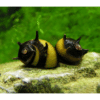
Ring Nerite Snail – Neritina Sp. Ring – Freshwater Gastropod

Original price was: £6.99.£5.81Current price is: £5.81.
Welcome these beautiful Ring Nerite Snails, stunning aquatic gastropods that enhance your aquarium’s aesthetics. Known for their unique ring-patterned shells, they are exceptional algae eaters, making them essential for maintaining a thriving freshwater tank. Perfect for peaceful community environments.
In stock


Species Introduction
Key Features – Ring Nerite Snail – Neritina Sp. Ring
| Specification | Details |
|---|---|
| Benefits | Enhances your aquarium ecosystem |
| Quality | Premium aquarium-grade materials |
| Ease of Use | Simple setup and maintenance |
The Ring Nerite Snail, scientifically known as Neritina sp. Ring, is a captivating aquatic gastropod that originates from the brackish waters of the Indo-Pacific region. These snails are renowned for their striking appearance, characterized by their unique shell patterns that resemble rings or bands, hence the name. They thrive in freshwater environments, making them a popular choice for aquarium enthusiasts seeking to enhance the aesthetics of their tanks while also maintaining a clean habitat. In their natural habitat, Ring Nerite Snails inhabit sandy substrates and rocky crevices, where they graze on algae and detritus, contributing to the overall health of their ecosystem. Their peaceful nature and compatibility with various fish species make them ideal companions in community tanks, where they can coexist harmoniously with other aquatic creatures. As you welcome these beautiful creatures into your aquarium, you will not only enjoy their beauty but also benefit from their algae-eating capabilities, which help in maintaining a balanced aquatic environment.
Care Requirements Dashboard
✓ Care Level: Easy
To ensure the well-being of your Ring Nerite Snails, it is essential to provide them with a suitable environment. A minimum tank size of 10 gallons is recommended, allowing ample space for these snails to roam and explore. The ideal water parameters include a temperature range of 72°F to 78°F (22°C to 26°C), a pH level between 7.0 and 8.0, and a hardness of 6-12 dGH. These snails are sensitive to drastic changes in water conditions, so regular monitoring and maintenance are crucial. Additionally, incorporating a well-filtered tank with moderate water flow will help maintain water quality and provide a comfortable habitat for your aquatic companions. Regular water changes of 10-20% weekly will further enhance their living conditions, ensuring a thriving environment for both the snails and any tank mates.
Natural Behavior & Temperament
Ring Nerite Snails exhibit fascinating natural behaviors that make them a joy to observe in your aquarium. These snails are primarily nocturnal, often becoming more active during the evening hours when they venture out to graze on algae and biofilm. Their methodical and deliberate movement allows them to cover various surfaces, including rocks, substrate, and aquarium plants. In terms of temperament, Ring Nerite Snails are known for their peaceful nature, making them excellent additions to community tanks. They do not exhibit aggressive behaviors and are unlikely to disturb other tank inhabitants. Instead, they often engage in social interactions with their fellow aquatic companions, contributing to a harmonious tank environment. Their presence can also encourage natural behaviors in fish, as the snails’ grazing activities can stimulate curiosity and exploration among the fish friends in the tank.
Tank Setup Guide
When setting up a tank for your Ring Nerite Snails, it is important to create an environment that mimics their natural habitat. Start with a substrate that is soft and sandy, as this allows the snails to burrow and feel secure. Incorporating smooth rocks and driftwood can provide hiding spots and enhance the aesthetic appeal of the tank. Additionally, adding live plants not only beautifies the aquarium but also offers grazing opportunities for the snails. Plants such as Java Fern, Anubias, and Hornwort are excellent choices as they can withstand the snails’ grazing habits. Ensure that the tank is equipped with a quality filtration system to maintain water clarity and quality. Lighting should be moderate, as excessive brightness can lead to algae blooms, which may overwhelm the snails. Regularly rearranging decorations and plants can also provide stimulation and prevent boredom, allowing your snails to explore their surroundings continuously.
Water Quality Management
Maintaining optimal water quality is crucial for the health and longevity of your Ring Nerite Snails. Regular testing of water parameters is essential to ensure that the conditions remain stable. The ideal pH level for these snails ranges from 7.0 to 8.0, which closely resembles their natural habitat. A temperature range of 72°F to 78°F (22°C to 26°C) is optimal, as it promotes healthy metabolic activity. Additionally, the hardness of the water should be maintained between 6-12 dGH to provide essential minerals that support shell health. It is important to avoid sudden fluctuations in water parameters, as this can stress the snails and lead to health issues. Regular water changes of 10-20% weekly will help remove toxins and replenish essential minerals. Utilizing a high-quality water conditioner can also assist in maintaining a healthy aquatic environment. Monitoring ammonia, nitrite, and nitrate levels is crucial, as elevated levels can be harmful to your snails and other tank inhabitants.
Feeding & Nutrition
Feeding your Ring Nerite Snails is a straightforward process, as they are primarily herbivorous and thrive on a diet rich in algae and plant matter. In a well-established aquarium, they will naturally graze on algae and biofilm that develop on surfaces. However, to ensure they receive a balanced diet, it is advisable to supplement their feeding with high-quality algae wafers, blanched vegetables such as zucchini or spinach, and spirulina flakes. A feeding schedule of 2-3 times per week is recommended, providing only as much food as they can consume within a few hours to prevent water quality issues. It is essential to remove any uneaten food promptly to maintain a clean tank environment. Observing your snails during feeding can also provide insight into their health; active grazing and consistent shell growth indicate a well-nourished snail. Remember that overfeeding can lead to excess waste, which can compromise water quality, so moderation is key.
Compatibility Guide
When considering tank mates for your Ring Nerite Snails, it is essential to choose peaceful species that will not pose a threat to their well-being. Ideal companions include small to medium-sized fish such as tetras, guppies, and rasboras, as they share similar water parameter requirements and exhibit non-aggressive behavior. Avoid housing them with larger or aggressive fish that may see the snails as a food source or may harm them. Additionally, other peaceful invertebrates, such as shrimp, can coexist with Ring Nerite Snails, provided that the tank conditions are suitable for both species. It is crucial to monitor interactions among tank mates, especially during feeding times, to ensure that the snails are not being bullied or outcompeted for food. By creating a harmonious community tank, you can enjoy the beauty and functionality of your Ring Nerite Snails alongside other aquatic companions.
Health & Wellness
Maintaining the health and wellness of your Ring Nerite Snails is essential for their longevity and quality of life. Regular observation of their behavior and physical condition is crucial; healthy snails should have firm, intact shells and exhibit active grazing behavior. Common health issues include shell erosion, which can result from poor water quality or insufficient calcium in their diet. To prevent this, ensure that the water hardness is maintained within the recommended range and provide calcium-rich foods. Signs of stress, such as retraction into their shells or inactivity, may indicate poor water conditions or unsuitable tank mates. If you notice any concerning symptoms, conduct a water test to check for ammonia, nitrite, and nitrate levels, and take corrective action as needed. Additionally, quarantining new arrivals before introducing them to the main tank can help prevent the spread of diseases and parasites. By providing a stable and nurturing environment, you can promote the health and well-being of your Ring Nerite Snails.
Breeding Information
Breeding Ring Nerite Snails in a freshwater aquarium can be challenging, as they typically require brackish water conditions for their eggs to hatch. While these snails are capable of reproducing in freshwater, the eggs will not develop properly in such an environment. If you are interested in breeding, consider setting up a separate brackish tank with appropriate salinity levels for the eggs. The female Ring Nerite Snail will lay small, jelly-like clusters of eggs on hard surfaces within the aquarium. These eggs will initially appear as small white or clear dots. After a few weeks, if conditions are favorable, the eggs will hatch into tiny larval snails that will require brackish water to survive. It is important to note that the larvae will not resemble adult snails and will need specific care during this stage. If you wish to raise the young snails, be prepared to provide them with a suitable environment that mimics their natural habitat.
Acclimation Process
Acclimating your Ring Nerite Snails to their new environment is a critical step to ensure their health and well-being. When introducing new snails to your aquarium, it is essential to avoid sudden changes in water parameters, as this can cause stress or shock. Begin by floating the sealed bag containing the snails in the aquarium for about 15-20 minutes to equalize the temperature. After this, gradually introduce small amounts of aquarium water into the bag over the course of an hour, allowing the snails to adjust to the new water chemistry. Once the acclimation process is complete, gently release the snails into the tank, avoiding any old water from the bag. It is advisable to monitor their behavior closely for the first few days to ensure they are adjusting well to their new environment. Providing a stable and nurturing atmosphere will help your Ring Nerite Snails thrive in their new home.
Long-term Care
Caring for your Ring Nerite Snails over the long term requires consistent attention to their environment and dietary needs. These snails can live for several years with proper care, so establishing a routine for maintenance is vital. Regular water changes, as mentioned earlier, are essential for maintaining water quality and ensuring the health of your snails. Additionally, monitor their diet to ensure they are receiving adequate nutrition, adjusting feeding amounts based on their activity levels and the presence of algae in the tank. As your snails grow, their shells may require additional calcium to maintain strength; consider supplementing their diet with calcium-rich foods or cuttlebone. Regularly check for signs of health issues, such as shell erosion or inactivity, and take corrective action as needed. By providing a stable and nurturing environment, you can enjoy the beauty and functionality of your Ring Nerite Snails for years to come.
Natural Habitat Recreation
Recreating the natural habitat of Ring Nerite Snails in your aquarium can enhance their well-being and provide a more enriching environment. These snails thrive in environments with plenty of hiding spots and grazing surfaces. When designing your aquarium, consider incorporating natural elements such as smooth rocks, driftwood, and live plants to mimic their native habitat. A sandy substrate allows them to burrow and feel secure, while the addition of aquatic plants provides grazing opportunities and enhances the overall aesthetic of the tank. Creating a biotope that resembles their natural environment can also encourage natural behaviors, such as foraging and exploring. Additionally, maintaining stable water parameters that reflect their natural habitat will promote their health and longevity. By thoughtfully designing your aquarium, you can create a thriving ecosystem that benefits both your Ring Nerite Snails and their aquatic companions.
Seasonal Care Adjustments
As seasons change, it is important to make necessary adjustments to the care of your Ring Nerite Snails to ensure their continued health and well-being. During warmer months, monitor the water temperature closely, as higher temperatures can stress the snails. If necessary, consider using a fan or aquarium chiller to maintain a stable temperature within the ideal range of 72°F to 78°F (22°C to 26°C). In colder months, ensure that the water temperature remains consistent, as fluctuations can negatively impact the snails. Additionally, adjust lighting schedules to mimic natural daylight cycles, which can influence the growth of algae and the snails’ grazing habits. Regularly check water parameters to ensure they remain stable throughout the seasons, and be prepared to adjust feeding routines based on the activity levels of your snails. By being attentive to seasonal changes, you can provide optimal care for your Ring Nerite Snails year-round.
Expert Tips
To ensure the best care for your Ring Nerite Snails, consider implementing the following expert tips. First, regularly monitor water parameters and conduct routine maintenance to prevent any issues that may arise from poor water quality. Using a high-quality water conditioner can help maintain optimal conditions. Second, provide a varied diet that includes both algae-based foods and fresh vegetables to promote overall health. Third, consider keeping a small group of snails together, as they can exhibit social behaviors that enhance their well-being. Lastly, always be cautious when introducing new tank mates, ensuring they are compatible and will not harm the snails. By following these expert tips, you can create a thriving environment for your Ring Nerite Snails and enjoy their beauty and functionality in your aquarium.
Troubleshooting
If you encounter any issues with your Ring Nerite Snails, it is important to address them promptly to ensure their health and well-being. Common problems include shell erosion, which can result from poor water quality or inadequate calcium in their diet. To resolve this, conduct a water test to check for ammonia, nitrite, and nitrate levels, and make necessary adjustments. Additionally, ensure that their diet includes calcium-rich foods to support shell health. If you notice signs of stress, such as inactivity or retraction into their shells, check for compatibility issues with tank mates and adjust accordingly. Regular monitoring and prompt action can prevent minor issues from escalating into serious problems, ensuring the longevity and health of your Ring Nerite Snails.
Scientific Background
The Ring Nerite Snail belongs to the family Neritidae, which encompasses a diverse group of aquatic gastropods known for their unique shell patterns and algae-eating habits. This family is characterized by their coiled shells, which often feature intricate designs and colors. Ring Nerite Snails are particularly valued in the aquarium trade for their ability to control algae growth while adding visual interest to tanks. Research into the ecological roles of nerite snails highlights their importance in maintaining water quality and promoting biodiversity in aquatic ecosystems. As a result, they are not only appreciated for their beauty but also for their contributions to the health of freshwater environments. Understanding the scientific background of these snails can enhance your appreciation for their role in the aquarium and the natural world.
Advanced Care Techniques
For those looking to take their care of Ring Nerite Snails to the next level, consider implementing advanced techniques that promote optimal health and well-being. One effective method is to establish a dedicated snail tank, where you can control environmental variables and provide a tailored habitat for your snails. Incorporating a variety of substrates, such as sand and gravel, can create a more dynamic environment that encourages natural behaviors. Additionally, experimenting with different types of algae growth can provide a natural food source and enhance the snails’ grazing experience. Regularly rotating tank decorations and plants can also stimulate exploration and prevent boredom. Finally, consider keeping a journal to track water parameters, feeding schedules, and any observations regarding the snails’ behavior. This practice can help you identify patterns and make informed decisions regarding their care, ensuring a thriving environment for your Ring Nerite Snails.
Frequently Asked Questions
Q: What tank size is required for the Ring Nerite Snail?
Ring Nerite Snails thrive in a minimum tank size of 20 litres. This ensures ample space for them to roam and graze on algae, which is their primary food source. Smaller tanks may lead to overcrowding, which can stress these snails and compromise their health. Additionally, a larger tank offers better stability in water parameters, which is crucial for their well-being. It’s advisable to maintain a group of at least three to four snails, as they are social creatures and prefer to be in a community setting. This not only promotes their natural behaviour but also enhances the overall aesthetic of your aquarium.
✓ Expert Tip
Consider adding a lid to your aquarium, as these snails can occasionally climb out.
Q: What water parameters do Ring Nerite Snails require?
For optimal health, Ring Nerite Snails prefer slightly alkaline water with a pH range of 7.0 to 8.5. The water hardness should ideally be between 6-12 dGH, as these snails require calcium for their shell development. Temperature should be maintained between 22°C to 28°C. Regular water testing is crucial to ensure these parameters remain stable. Sudden changes can lead to stress or even death. To promote a healthy environment, perform regular water changes of about 10-20% weekly, which helps to maintain water quality and remove harmful toxins.
✓ Expert Tip
Use a high-quality water conditioner to remove chlorine and heavy metals before adding new water.
Q: How often should I feed Ring Nerite Snails?
Ring Nerite Snails primarily feed on algae, which they graze on throughout the day. In a well-established tank with plenty of algae, they may not require additional feeding. However, to ensure their nutritional needs are met, you may supplement their diet with algae wafers or blanched vegetables such as zucchini or spinach, two to three times a week. Monitor their consumption to avoid overfeeding, which can lead to water quality issues. It’s essential to remove any uneaten food promptly to prevent decay and maintain a healthy environment.
✓ Expert Tip
Introduce a variety of foods to encourage healthy growth and colour.
Q: Are Ring Nerite Snails compatible with other fish?
Yes, Ring Nerite Snails are generally peaceful and make excellent companions in community tanks. They coexist well with a variety of fish species, including tetras, guppies, and calm corydoras. However, it’s wise to avoid aggressive fish that may harass or eat the snails. Additionally, ensure that the tank is adequately planted or decorated to provide hiding spots, which can help the snails feel secure. Observing the behaviour of both the snails and tank mates is crucial, as any signs of stress or aggression should prompt immediate action.
✓ Expert Tip
Introduce snails gradually to allow fish to adjust to their presence.
Q: How do I properly acclimatise Ring Nerite Snails to my aquarium?
Acclimatising your Ring Nerite Snails is crucial to ensure their health and reduce stress. Begin by floating the sealed bag in your aquarium for around 15-20 minutes to equalise the temperature. Following this, gradually mix small amounts of tank water into the bag every 5-10 minutes for about an hour. This process helps the snails adjust to the water parameters of their new environment. Finally, gently place them into the tank without adding the water from the bag, as it may contain harmful substances. This method will help promote a smooth transition and minimise shock.
✓ Expert Tip
Use a drip acclimation method for more sensitive species.
Q: What are the signs of a healthy Ring Nerite Snail?
Healthy Ring Nerite Snails exhibit a few distinct characteristics. Their shells should be intact, free of cracks, and exhibit vibrant colours. Active movement is a strong indicator of health; they should be crawling around the tank and grazing on algae. Additionally, their bodies should appear smooth and moist, without any signs of excessive mucus or dryness. If a snail retracts into its shell for prolonged periods, it may be a sign of stress or ill health. Regular observation is key to ensuring their wellbeing, allowing you to act promptly if any issues arise.
✓ Expert Tip
Maintain stable water parameters to keep your snails thriving.
Q: What is the lifespan of Ring Nerite Snails in captivity?
In captivity, Ring Nerite Snails typically live for 1-3 years, depending on their diet, water quality, and overall care. Providing a stable environment with optimal water parameters and a balanced diet can significantly enhance their lifespan. Regular monitoring and maintenance of the aquarium will help prevent diseases that could shorten their life. It’s also important to note that these snails do not breed in freshwater tanks, which can be beneficial for aquarists looking to maintain a controlled population.
✓ Expert Tip
Regular water changes and a varied diet can help extend their lifespan.
Q: What type of substrate is most suitable for Ring Nerite Snails?
Ring Nerite Snails prefer a smooth substrate, such as fine sand or small pebbles, which allows them to move freely without risk of shell damage. Avoid sharp or coarse substrates that could scratch their delicate shells. Additionally, a substrate that supports beneficial bacteria can help maintain water quality, which is vital for their health. If you intend to incorporate live plants, ensure the substrate is compatible, as this will provide a natural environment for the snails and promote a balanced ecosystem.
✓ Expert Tip
Consider using a substrate that contains calcium to support shell health.
Q: How can I prevent common diseases in Ring Nerite Snails?
Preventing diseases in Ring Nerite Snails primarily revolves around maintaining a clean and stable environment. Regular water changes, proper filtration, and avoiding overfeeding are key practices. Monitor water parameters closely, as fluctuations can stress the snails, making them more susceptible to illness. Quarantining new snails before introducing them to your main tank can also prevent the spread of potential diseases. Lastly, providing a varied diet rich in calcium and other nutrients supports their immune system and overall health.
✓ Expert Tip
Regularly check for signs of distress or illness to address issues promptly.
Q: What behavioural patterns should I expect from Ring Nerite Snails?
Ring Nerite Snails exhibit fascinating behaviours that can be enjoyable to observe. They are primarily nocturnal, often being most active during the evening and night. Their grazing behaviour involves slowly moving across surfaces, using their radula to scrape algae and biofilm. You may also notice them climbing on decorations or plants, which is perfectly normal. Occasionally, they may retract into their shells when startled or during the day to rest. This behaviour is a natural defence mechanism and should not be a cause for concern.
✓ Expert Tip
Provide plenty of hiding spots to encourage natural behaviour.
Q: What temperature should I maintain for Ring Nerite Snails?
Ring Nerite Snails thrive in temperatures ranging from 22°C to 28°C. Maintaining a consistent temperature within this range is crucial for their metabolism and overall health. Fluctuations outside this range can lead to stress and potential health issues. Using a reliable aquarium heater and thermometer can help maintain stable conditions. It is also advisable to avoid placing your aquarium in direct sunlight or near heating vents, as this can cause temperature spikes that are harmful to your aquatic companions.
✓ Expert Tip
Utilise a heater with a thermostat to maintain stable aquatic temperatures.
Q: Do Ring Nerite Snails breed in freshwater aquariums?
Ring Nerite Snails do not breed in freshwater aquariums, which can be advantageous for aquarium keepers who wish to maintain a controlled population. They require brackish water conditions for successful reproduction, which involves a specific salinity level that is not typically achievable in freshwater tanks. Therefore, you can enjoy the beauty and algae-cleaning benefits of these snails without the worry of overpopulation. If you observe eggs in your aquarium, these will not hatch in freshwater, allowing you to manage your tank easily.
✓ Expert Tip
Regularly check for any eggs, as they can be a sign of environmental stress.
Q: How do I recognise stress in Ring Nerite Snails?
Signs of stress in Ring Nerite Snails can include prolonged retraction into their shells, reduced activity, or a refusal to eat. If you notice these behaviours, it may indicate issues with water quality, temperature fluctuations, or incompatible tank mates. Additionally, excessive mucus production can also be a sign of stress or illness. Regular monitoring of their environment and behaviour is essential for early detection of potential problems, allowing you to take corrective measures to ensure their wellbeing.
✓ Expert Tip
Maintain a stress-free environment with stable conditions for your snails.
2 reviews for Ring Nerite Snail – Neritina Sp. Ring – Freshwater Gastropod
Add a review
Related products


Emily Carter (verified owner) –
I recently added a couple of Ring Nerite Snails to my 20-gallon freshwater tank, and I couldn’t be happier! These little guys are not only adorable with their unique striped shells, but they’ve also done wonders for keeping my tank clean. After just one week, I noticed a significant reduction in algae on my aquarium glass and decorations. Unlike some other snails I’ve had, which can be quite destructive, these Nerite snails are peaceful and don’t disturb my fish at all.
I appreciate how they contribute to the overall health of the tank without adding any stress to my fish. Plus, they’re fascinating to watch as they glide along the substrate. The only minor concern is that they can be a bit tricky to breed in captivity, but that’s not an issue for me!
If you’re looking for effective freshwater snails that will complement your aquatic ecosystem, I highly recommend these Ring Nerite Snails. They’re perfect for both beginners and seasoned aquarists. My tank feels healthier and more balanced, and I will definitely be purchasing more in the future!
Emily Carter (verified owner) –
I recently added some Ring Nerite Snails to my freshwater aquarium, and I couldn’t be happier! After about two months of having them, I’ve noticed a significant decrease in algae, and they are such delightful little creatures to watch. Their unique shell patterns are beautiful, and they get along wonderfully with my community fish! I previously tried other algae-eating snails, but these nerites are by far the best. They’re efficient, peaceful, and surprisingly entertaining as they climb the tank walls. One thing to keep in mind is that they need a bit of calcium in their diet for healthy shell growth, so I make sure to supplement that. Overall, I highly recommend Ring Nerite Snails for anyone looking to enhance their fish tank while helping maintain water quality. They are a fantastic addition for both new and seasoned aquarium keepers. If you’re looking for a reliable algae eater that adds a touch of beauty to your setup, these snails are the way to go!