

Saulosi Dwarf Mbuna Cichlid – Chindongo Saulosi – Lake Malawi Cichlid
Original price was: £11.49.£9.68Current price is: £9.68.
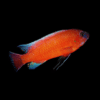
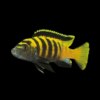
Welcome the stunning Saulosi Dwarf Mbuna Cichlid, a vibrant Lake Malawi Cichlid perfect for your aquarium. Their elegant colors and peaceful nature make them ideal community members. Ensure your aquatic environment thrives with proper filtration and care. Create a beautiful habitat today!
In stock


Species Introduction
The Saulosi Dwarf Mbuna Cichlid, scientifically known as Chindongo Saulosi, is a vibrant and captivating freshwater aquarium fish originating from the rocky shores of Lake Malawi in East Africa. This species is part of the Mbuna family, which is renowned for its stunning colors and unique behaviors. The Saulosi Dwarf Mbuna Cichlid is particularly appreciated for its striking blue and yellow coloration, which adds a lively touch to any aquarium. These fish thrive in rocky environments that mimic their natural habitat, characterized by caves and crevices where they can hide and establish territories. As a peaceful cichlid, they are suitable for community aquariums, provided that their tank mates are compatible. Understanding their natural habitat and behaviors is crucial for creating an environment that promotes their health and well-being.
Essential Care Guide for Your Saulosi Dwarf Mbuna Cichlid
To ensure the health and longevity of your Saulosi Dwarf Mbuna Cichlid, maintaining optimal water conditions is essential. These fish prefer a well-established aquarium with stable water parameters. Regular water changes and the use of high-quality filtration systems can help maintain water clarity and quality. Additionally, monitoring the water temperature and pH levels is crucial, as fluctuations can lead to stress and health issues. A minimum tank size of 30 gallons is recommended to provide ample swimming space and territories for these territorial fish. By understanding their care requirements, you can create a thriving environment for your aquatic companions.
Natural Behavior & Temperament
Saulosi Dwarf Mbuna Cichlids exhibit fascinating natural behaviors that contribute to their appeal as aquarium fish. In their native habitat, they are known for their territorial nature, often establishing and defending specific areas within the rocky substrate. This behavior is essential for their social structure and breeding practices. They are generally peaceful towards other species but can display aggression towards their own kind, especially males, if space is limited. Observing their interactions can be quite entertaining, as they engage in displays of color and fin extensions to assert dominance. Providing plenty of hiding spots and territories within the aquarium will help reduce aggression and stress, allowing these vibrant fish to thrive in a community setting. Their social behavior makes them a joy to watch, as they interact with each other and their environment.
Tank Setup Guide
Creating an ideal environment for your Saulosi Dwarf Mbuna Cichlid involves replicating their natural habitat as closely as possible. Start with a tank size of at least 30 gallons, which provides ample space for swimming and territorial establishment. The substrate should consist of fine gravel or sand, allowing them to dig and forage naturally. Incorporate plenty of rocks, caves, and hiding spots to create territories and reduce aggression. Aquatic plants can also be added, but be cautious as these fish may uproot them while exploring their environment. Ensure that the tank is well-filtered and that water flow is adequate, as these fish thrive in well-oxygenated waters. Lighting should be moderate, as bright lights can stress them out. With the right setup, your aquarium will not only be visually appealing but will also promote the health and happiness of your Saulosi Dwarf Mbuna Cichlid.
Water Quality Management
Maintaining optimal water quality is crucial for the health of your Saulosi Dwarf Mbuna Cichlid. These fish thrive in water with a pH level between 7.5 and 8.5, mimicking the alkaline conditions of Lake Malawi. Regular testing of water parameters is essential, as fluctuations can lead to stress and health issues. The ideal water temperature for these fish ranges from 75°F to 82°F (24°C to 28°C), and it is important to keep the temperature stable. Water hardness should be maintained between 10 to 20 dGH to ensure their well-being. Performing regular water changes, approximately 20-30% weekly, will help maintain water clarity and quality. Additionally, using a high-quality filtration system will aid in removing waste and toxins, providing a clean and healthy environment for your aquatic friends. By prioritizing water quality management, you can ensure that your Saulosi Dwarf Mbuna Cichlid thrives in its new home.
Feeding & Nutrition
✓ Diet: Omnivorous
Feeding Schedule: 2-3 times a day
Food Types: High-quality pellets, flakes, and live foods
The dietary needs of the Saulosi Dwarf Mbuna Cichlid are essential for their growth, health, and vibrant coloration. These fish are omnivorous, meaning they thrive on a varied diet that includes high-quality pellets, flakes, and occasional live or frozen foods such as brine shrimp or daphnia. A balanced diet will help enhance their colors and promote overall health. It is recommended to feed them 2-3 times a day, offering only what they can consume in a few minutes to prevent overfeeding and maintain water quality. Additionally, incorporating vegetable-based foods, such as spirulina, can provide essential nutrients and aid in digestion. Monitoring their feeding habits and adjusting their diet based on their activity level and health is crucial for their long-term well-being.
Compatibility Guide
When considering tank mates for your Saulosi Dwarf Mbuna Cichlid, it is important to choose species that are compatible with their temperament and environmental needs. These fish are generally peaceful towards other species but can exhibit territorial behavior towards their own kind, especially males. Suitable tank mates include other Mbuna cichlids, as well as peaceful species such as tetras, rasboras, and certain catfish. Avoid aggressive or overly large fish that may intimidate or harm the Saulosi. It is advisable to keep them in groups of at least six to reduce aggression and establish social hierarchies. Monitoring interactions among tank mates is essential to ensure a harmonious community aquarium. By selecting compatible species, you can create a thriving aquatic environment that benefits all inhabitants.
Health & Wellness
⚠ Important Health Note
Regular monitoring for signs of disease is essential.
The health and wellness of your Saulosi Dwarf Mbuna Cichlid are paramount for their longevity and vibrancy. Regular monitoring for signs of common fish diseases, such as ich or fin rot, is essential. Symptoms may include abnormal swimming patterns, loss of appetite, or visible lesions on the skin. Maintaining optimal water quality, providing a balanced diet, and ensuring a stress-free environment are key factors in disease prevention. Quarantine new fish before introducing them to the main tank to avoid potential disease transmission. If any health issues arise, prompt treatment is necessary, and consulting with an aquatic veterinarian can provide additional guidance. By prioritizing health and wellness, you can ensure that your Saulosi Dwarf Mbuna Cichlid remains a vibrant and active member of your aquarium.
Breeding Information
Breeding Saulosi Dwarf Mbuna Cichlids can be a rewarding experience for aquarists. These fish are mouthbrooders, meaning the female carries the fertilized eggs in her mouth until they hatch. To encourage breeding, provide a breeding environment with plenty of hiding spots and flat surfaces for the female to lay her eggs. The male will court the female by displaying his vibrant colors and performing elaborate swimming patterns. Once the female lays her eggs, she will collect them in her mouth for protection. It is crucial to provide a separate breeding tank or ensure that the main tank has ample space for the fry to grow without competition from adult fish. After about three weeks, the fry will be ready to swim freely. Feeding them finely crushed flakes or specialized fry food will support their growth during this critical stage. By understanding their breeding behavior, you can successfully propagate your Saulosi Dwarf Mbuna Cichlid.
Acclimation Process
✓ Acclimation Method: Drip acclimation recommended
Introducing your Saulosi Dwarf Mbuna Cichlid to its new environment requires careful acclimation to minimize stress and ensure a smooth transition. The drip acclimation method is highly recommended for this process. Begin by floating the sealed bag containing the fish in the aquarium for about 15-20 minutes to equalize the temperature. After that, gradually introduce small amounts of tank water into the bag every 10-15 minutes for about an hour. This method allows the fish to adjust to the water parameters of their new home slowly. Once acclimated, gently release the fish into the aquarium, avoiding adding bag water to prevent introducing contaminants. Proper acclimation is crucial for the health and well-being of your new aquatic companions.
Long-term Care
The long-term care of your Saulosi Dwarf Mbuna Cichlid involves monitoring their growth and adapting their environment as needed. These fish can grow up to 3 inches in length, and it is essential to provide adequate space and resources as they mature. Regular water changes, consistent feeding schedules, and routine health checks will contribute to their overall well-being. Additionally, maintaining a stable environment with appropriate water parameters is vital for their long-term health. As they age, you may need to adjust their diet to accommodate their changing nutritional needs. By providing attentive care and monitoring their development, you can ensure that your Saulosi Dwarf Mbuna Cichlid remains a vibrant and healthy part of your aquarium for years to come.
Natural Habitat Recreation
Recreating the natural habitat of the Saulosi Dwarf Mbuna Cichlid is essential for their health and well-being. In the wild, these fish inhabit rocky environments with plenty of hiding spots and territories. To mimic this setting in your aquarium, incorporate a variety of rocks, caves, and crevices that provide shelter and breeding sites. Using natural materials, such as slate or lava rock, will help create a more authentic environment. Additionally, consider adding aquatic plants that can thrive in the conditions suitable for cichlids. This not only enhances the aesthetic appeal of your aquarium but also provides enrichment for your fish friends. By recreating their natural habitat, you can promote natural behaviors and improve the overall quality of life for your Saulosi Dwarf Mbuna Cichlid.
Seasonal Care Adjustments
Seasonal changes can affect the care of your Saulosi Dwarf Mbuna Cichlid, and it is important to adjust their environment accordingly. During the warmer months, ensure that the water temperature remains stable, as higher temperatures can lead to stress and health issues. Using fans or chillers may be necessary to prevent overheating. In contrast, during colder months, maintaining a consistent temperature is crucial, and heaters should be used to keep the water warm. Additionally, consider adjusting the lighting schedule to mimic natural day and night cycles, which can influence breeding behaviors and overall health. By being attentive to seasonal changes, you can provide optimal care for your aquatic companions throughout the year.
Expert Tips
✓ Professional Advice: Monitor water parameters regularly
For aquarists looking to provide the best care for their Saulosi Dwarf Mbuna Cichlid, here are some expert tips to enhance their experience. Regularly monitor water parameters, including pH, temperature, and hardness, to ensure a stable environment. Implement a consistent feeding schedule, offering a variety of foods to promote health and coloration. Additionally, observe their behavior closely to identify any signs of stress or illness early on. Creating a well-structured environment with plenty of hiding spots will help reduce aggression and promote natural behaviors. Lastly, engage with your fish friends by observing their interactions and behaviors, which can be both entertaining and educational. By following these expert tips, you can create a thriving community for your Saulosi Dwarf Mbuna Cichlid.
Troubleshooting
Common issues that may arise with Saulosi Dwarf Mbuna Cichlids can often be resolved with careful observation and prompt action. If you notice signs of stress, such as hiding excessively or changes in appetite, it may indicate water quality issues or aggression from tank mates. Conducting regular water tests and ensuring optimal conditions can help prevent these problems. In cases of illness, such as white spots or frayed fins, immediate treatment is crucial. Quarantining affected fish and consulting with an aquatic veterinarian can provide guidance on appropriate treatments. By being proactive and attentive to your fish’s needs, you can effectively troubleshoot common issues and maintain a healthy aquarium environment.
Scientific Background
The Saulosi Dwarf Mbuna Cichlid, or Chindongo Saulosi, is part of the rich biodiversity found in Lake Malawi, which is home to hundreds of unique cichlid species. This species is a testament to the evolutionary adaptations that have occurred in isolated aquatic environments. The cichlids of Lake Malawi are known for their diverse colors, shapes, and behaviors, making them a subject of interest for both aquarists and researchers. Understanding the scientific background of these fish can enhance your appreciation for their beauty and complexity. Conservation efforts are vital to protect their natural habitats from environmental threats. By learning about their scientific classification and ecological significance, you can contribute to their preservation and ensure that future generations can enjoy these remarkable fish.
Advanced Care Techniques
For experienced aquarists looking to elevate their care for Saulosi Dwarf Mbuna Cichlids, implementing advanced care techniques can significantly enhance their quality of life. Consider utilizing a well-planned aquascape that mimics their natural habitat, incorporating various substrates and plant species to create a dynamic environment. Additionally, employing a breeding setup with dedicated tanks can facilitate successful reproduction and fry care. Monitoring water parameters with precision and utilizing advanced filtration systems can further improve water quality. Engaging in regular research and staying updated on the latest cichlid care practices can also provide valuable insights into their needs. By applying these advanced techniques, you can ensure that your Saulosi Dwarf Mbuna Cichlid thrives in a well-maintained and enriching environment.
Frequently Asked Questions
Q: What tank size is required for the Saulosi Dwarf Mbuna Cichlid?
For the Saulosi Dwarf Mbuna Cichlid, a minimum tank size of 75 litres (20 gallons) is recommended. This size allows for adequate swimming space and territorial behaviour, which is particularly important for cichlids. As these fish can exhibit aggression, especially during breeding periods, providing ample space can help reduce conflicts. Additionally, consider adding plenty of hiding spots using rocks and caves to create territories. If you plan to keep multiple males, a larger tank of at least 150 litres (40 gallons) is advisable to mitigate aggression further and provide a more stable environment. Always ensure your aquarium is well-filtered and maintained for optimal health.
✓ Expert Tip
Consider a ratio of one male to several females to promote harmony within the tank.
Q: What water parameters do Saulosi Dwarf Mbuna Cichlids require?
Saulosi Dwarf Mbuna Cichlids thrive in specific water parameters, which are crucial for their health. The ideal pH level ranges from 7.8 to 8.6, mimicking their natural habitat in Lake Malawi. Water hardness should be between 10-20 dGH, providing the necessary minerals for their wellbeing. A temperature range of 24°C to 28°C (75°F to 82°F) is optimal. Regular testing of these parameters is essential, as fluctuations can lead to stress and illness. Additionally, maintaining high water quality through regular water changes—about 20-25% weekly—is vital to ensure a stable environment. Utilising a reliable filtration system will help maintain these conditions.
✓ Expert Tip
Invest in a quality water testing kit to monitor your aquarium parameters regularly.
Q: How often should I feed Saulosi Dwarf Mbuna Cichlids?
Feeding your Saulosi Dwarf Mbuna Cichlids properly is essential for their growth and health. It is recommended to feed them twice daily, offering small portions that they can consume within a few minutes. A high-quality cichlid pellet or flake food should form the basis of their diet, supplemented with occasional treats such as spirulina flakes, frozen or live foods like brine shrimp or daphnia. Be cautious not to overfeed, as uneaten food can deteriorate water quality. Monitor their body condition; if they appear too thin or overweight, adjust feeding amounts accordingly.
✓ Expert Tip
Vary their diet to ensure they receive all necessary nutrients for optimal health.
Q: What are the best tank mates for Saulosi Dwarf Mbuna Cichlids?
When selecting tank mates for Saulosi Dwarf Mbuna Cichlids, it is crucial to consider their semi-aggressive nature. Ideal companions include other African cichlids such as other Mbuna species, as well as certain species of Tetra and Barbs that can tolerate similar water conditions. Avoid peaceful species or slow-moving fish, as they may become targets for aggression. Additionally, keep in mind the size of potential tank mates; smaller fish may be seen as prey. A good rule of thumb is to maintain a ratio of one male to several females to create a more harmonious environment.
✓ Expert Tip
Introduce new fish gradually to reduce territorial disputes.
Q: How do I properly acclimatise Saulosi Dwarf Mbuna Cichlids to my aquarium?
Acclimatising your Saulosi Dwarf Mbuna Cichlids is essential to ensure their successful transition into your aquarium. Begin by floating the sealed bag containing the fish in your aquarium for about 15-20 minutes to equalise the temperature. After this, gradually introduce aquarium water into the bag over a period of 30-60 minutes. This can be done by adding small amounts of your aquarium water to the bag every 10 minutes. Once acclimatised, gently net the fish into the aquarium and discard the bag water to prevent introducing contaminants. Avoid pouring the bag water into your tank.
✓ Expert Tip
Always acclimatise fish slowly to minimise stress and health risks.
Q: What are the signs of healthy Saulosi Dwarf Mbuna Cichlids?
Healthy Saulosi Dwarf Mbuna Cichlids exhibit several key indicators. Look for vibrant colouration, clear eyes, and active swimming behaviour. They should display a keen interest in their surroundings and readily accept food. Additionally, their fins should be intact and free from tears or signs of fraying. Healthy fish also maintain a proper body shape without any signs of bloating or emaciation. Regular observation is crucial; any sudden changes in behaviour, such as lethargy, hiding, or loss of appetite, may indicate health issues that require prompt attention.
✓ Expert Tip
Maintain a routine to monitor fish health and catch any issues early.
Q: How do I successfully breed Saulosi Dwarf Mbuna Cichlids?
Breeding Saulosi Dwarf Mbuna Cichlids requires specific conditions and understanding of their behaviour. To initiate breeding, maintain stable water parameters and provide hiding spots for the female. Males are typically more colourful and will display courtship behaviour to attract females. Once the female lays eggs, she will mouthbrood them, carrying them in her mouth until they hatch, which usually takes about three weeks. During this period, ensure a stress-free environment and provide high-quality food to support the female’s health. After the fry are free-swimming, transfer them to a separate rearing tank to prevent predation.
✓ Expert Tip
Breeding can be enhanced by providing varied diets rich in protein.
Q: What temperature should I maintain for Saulosi Dwarf Mbuna Cichlids?
The ideal temperature range for Saulosi Dwarf Mbuna Cichlids is between 24°C and 28°C (75°F to 82°F). Maintaining a stable temperature within this range is crucial for their metabolic processes and overall health. Sudden fluctuations in temperature can lead to stress and increase susceptibility to diseases. It is advisable to use a reliable aquarium heater with a thermostat to ensure consistent temperature. Regularly monitor the water temperature with a digital thermometer for accuracy. During colder months, be particularly vigilant to adjust heating as necessary.
✓ Expert Tip
Avoid placing heaters near strong water currents to ensure even temperature distribution.
Q: How long do Saulosi Dwarf Mbuna Cichlids typically live in captivity?
In captivity, Saulosi Dwarf Mbuna Cichlids can live for approximately 5 to 10 years, depending on the care they receive. Factors such as water quality, diet, and overall tank conditions play a significant role in their lifespan. Regular maintenance, including water changes and monitoring for diseases, contributes to their longevity. Providing a stress-free environment with appropriate tank mates and adequate space can also enhance their wellbeing and lifespan. It is essential to remain vigilant for any health issues and address them promptly to ensure a long and healthy life for your fish friends.
✓ Expert Tip
Keep a consistent care routine to maximise their potential lifespan.
Q: What type of substrate is most suitable for Saulosi Dwarf Mbuna Cichlids?
For Saulosi Dwarf Mbuna Cichlids, a substrate that mimics their natural habitat is ideal. A mix of sand and gravel is often recommended, as it allows for natural foraging behaviour while providing stability for rock formations. The substrate should be fine enough to prevent injury to their delicate fins but coarse enough to maintain structure. Additionally, this type of substrate helps to maintain water quality by promoting beneficial bacteria growth. Regular cleaning and vacuuming of the substrate during water changes will also aid in maintaining a healthy environment.
✓ Expert Tip
Ensure substrate depth is sufficient to anchor decorations securely and prevent shifting.
Q: What behavioural patterns should I expect from Saulosi Dwarf Mbuna Cichlids?
Saulosi Dwarf Mbuna Cichlids exhibit fascinating behaviour, characterised by their territorial nature. Males are often seen displaying vibrant colours and engaging in courtship rituals, especially during breeding season. They may establish and defend territories within the tank, which is important for their social structure. These fish are generally active swimmers and enjoy exploring their environment, particularly if it includes caves and crevices. However, they can also exhibit aggressive behaviour, especially towards similar-looking males or during spawning. Observing their interactions can provide insight into the hierarchy and dynamics within your aquarium.
✓ Expert Tip
Provide ample hiding spots to allow for natural behaviours and reduce stress.
Q: How can I prevent common diseases in Saulosi Dwarf Mbuna Cichlids?
Preventing diseases in Saulosi Dwarf Mbuna Cichlids involves maintaining optimal water quality and a stable environment. Regular water changes (20-25% weekly) and proper filtration are essential to reduce stress and prevent disease outbreaks. Quarantine new fish before introducing them to your main tank to avoid introducing pathogens. Additionally, observe your fish for any signs of illness, such as changes in behaviour, appetite, or physical appearance. Providing a varied diet rich in nutrients can also strengthen their immune system, making them less susceptible to diseases. In case of any health issues, prompt treatment is crucial.
✓ Expert Tip
Maintain a stress-free environment to bolster fish health and resilience.
Q: What lighting conditions do Saulosi Dwarf Mbuna Cichlids prefer?
Saulosi Dwarf Mbuna Cichlids prefer moderate lighting conditions that mimic their natural habitat. Bright light can cause stress, so it is advisable to provide a combination of natural and artificial light sources. Using subdued lighting, such as LED lights with adjustable brightness, can create a comfortable environment. Additionally, incorporating plants and decorations can help diffuse light and provide shaded areas for the fish to retreat to when needed. A consistent light cycle of 10-12 hours a day will help regulate their natural behaviour and promote a healthy environment.
✓ Expert Tip
Consider using a timer for consistent lighting schedules.
Q: How do I recognise stress in Saulosi Dwarf Mbuna Cichlids?
Recognising stress in Saulosi Dwarf Mbuna Cichlids is crucial for their wellbeing. Signs of stress can include excessive hiding, lack of appetite, and abnormal swimming behaviour, such as darting or rubbing against tank surfaces. Additionally, changes in colouration, such as fading or darkening, can indicate stress. It is also essential to monitor their interactions with tank mates; increased aggression or bullying can signal that a fish is feeling threatened. If you observe any of these signs, assess the tank environment, including water quality, tank mates, and hiding spots, to identify and rectify the source of stress promptly.
✓ Expert Tip
Address stressors immediately to ensure a healthy and harmonious aquarium.
Q: What natural habitat conditions should I replicate for Saulosi Dwarf Mbuna Cichlids?
To replicate the natural habitat of Saulosi Dwarf Mbuna Cichlids, aim to create a rocky environment resembling Lake Malawi. This includes using a substrate of sand and gravel, along with various rocks and caves for shelter and territory establishment. Maintaining a stable pH level of 7.8 to 8.6, along with adequate water hardness, will help mimic their natural conditions. Additionally, ensure the tank has moderate water flow to simulate their natural habitat’s currents. Providing areas of shade and hiding spots will also help reduce stress and allow for natural behaviour.
✓ Expert Tip
Incorporate live plants carefully, as they can enhance the tank’s aesthetics and provide additional shelter.
1 review for Saulosi Dwarf Mbuna Cichlid – Chindongo Saulosi – Lake Malawi Cichlid
Add a review
Related products


Lisa Montgomery (verified owner) –
I recently added the Saulosi Dwarf Mbuna Cichlid (Chindongo Saulosi) to my 55-gallon tank, and I couldn’t be more delighted! After just two weeks, these vibrant little guys have already brought so much life to my aquarium. Their striking blue and yellow colors are absolutely stunning, and they swim around playfully, which is a joy to watch. I’ve compared them to other cichlid fish I’ve had, and the Saulosi are by far more sociable and less aggressive—perfect for a community setup with other peaceful tropical fish.
I’ve noticed that they thrive in their environment, actively grazing on algae and interacting with each other, which reassures me that they’re happy and healthy. I did have a minor concern about aggression at first, but with plenty of hiding spots and a larger tank, they settled in beautifully. If you’re looking for an engaging species to enrich your aquarium, I highly recommend these charming cichlids. They’ve been a fantastic addition to my home and I can’t wait to see them grow. Plus, they arrived in perfect condition and the shipping was super fast!