
Spotted Nerite Snail (1.5cm) – Neritina Semiconica – Algae Eater
Original price was: £2.49.£1.94Current price is: £1.94.
Discover the benefits of the Spotted Nerite Snail, a 1.5cm algae eater designed for optimal aquarium care. Perfect for beginners, these snails enhance your tank’s ecosystem while effortlessly clearing algae. Ideal for freshwater and brackish setups, they are a must for any aquarium enthusiast.
In stock


Species Introduction
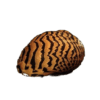
The Spotted Nerite Snail, scientifically known as Neritina semiconica, is a fascinating aquatic companion that originates from the brackish waters of Africa and Southeast Asia. This species is renowned for its unique appearance, characterized by a beautifully patterned shell adorned with spots that can vary in color from dark brown to yellow. These snails are not only visually appealing but also play a crucial role in maintaining the health of your aquarium by consuming algae and detritus. Their natural habitat consists of slow-moving rivers and estuaries, where they thrive in environments rich in aquatic plants and organic matter. By recreating these conditions in your aquarium, you can ensure that your Spotted Nerite Snail feels at home and contributes effectively to your tank’s ecosystem.
Key Features – Spotted Nerite Snail Neritina Semiconica Spotty Snail 1.5cm Algae Eater
| Specification | Details |
|---|---|
| Benefits | Enhances your aquarium ecosystem |
| Quality | Premium aquarium-grade materials |
| Ease of Use | Simple setup and maintenance |
Care Requirements Dashboard
✓ Care Level: Easy
Tank Size: Minimum 10 gallons
Water Temperature: 22-28°C (72-82°F)
pH Level: 7.0-8.5
Hardness: 5-15 dGH
The Spotted Nerite Snail is an excellent choice for both beginners and experienced aquarists due to its thriving nature and low maintenance requirements. A minimum tank size of 10 gallons is recommended to provide ample space for these snails to roam and graze on algae. The ideal water temperature ranges from 22 to 28 degrees Celsius (72 to 82 degrees Fahrenheit), with a pH level between 7.0 and 8.5. Keeping the water hardness within the range of 5 to 15 dGH ensures that your snails can thrive and maintain their health. Regular water changes and monitoring of these parameters will help create a stable environment for your aquatic friends.
Natural Behavior & Temperament
Spotted Nerite Snails exhibit a calm and peaceful demeanor, making them ideal inhabitants for community tanks. They are primarily nocturnal, often becoming active during the night when they venture out to graze on algae and detritus. During the day, they tend to hide in crevices or among plants, which provides them with a sense of security. These snails are known for their unique behavior of climbing on surfaces, including aquarium glass and decorations, which allows them to access algae in various locations. Their gentle nature means they pose no threat to other tank inhabitants, making them compatible with a wide range of fish and invertebrates. Observing their movements can be quite entertaining, as they navigate their environment with curiosity and grace.
Tank Setup Guide
Creating an ideal environment for your Spotted Nerite Snail involves careful consideration of tank setup. Begin with a substrate that is soft and smooth, as rough surfaces can harm their delicate bodies. A fine gravel or sand substrate is recommended to mimic their natural habitat. Incorporating live plants not only enhances the aesthetic appeal of your aquarium but also provides hiding spots and grazing opportunities for your snails. Java moss, Anubias, and other hardy aquatic plants are excellent choices. Additionally, adding driftwood and rocks can create a more complex environment, encouraging exploration and natural behavior. Ensure that your tank has adequate filtration to maintain water quality, but avoid strong currents that may stress your snails. Proper lighting is essential for plant growth, but be mindful of algae blooms that can occur in overly bright conditions.
Water Quality Management
⚠ Important Water Parameters
pH: 7.0-8.5
Temperature: 22-28°C (72-82°F)
Hardness: 5-15 dGH
Maintaining optimal water quality is crucial for the health and well-being of your Spotted Nerite Snail. Regular testing of pH, temperature, and hardness levels is essential to ensure that they remain within the recommended ranges. A stable pH of 7.0 to 8.5 is ideal, as fluctuations can stress your snails and lead to health issues. The water temperature should be kept between 22 to 28 degrees Celsius (72 to 82 degrees Fahrenheit) to promote optimal activity and feeding. Additionally, maintaining water hardness between 5 to 15 dGH ensures that your snails can thrive. Regular water changes of 10-20% weekly will help remove waste and replenish essential minerals, contributing to a healthy aquatic environment.
Feeding & Nutrition
Spotted Nerite Snails are primarily herbivorous, feeding on algae and plant matter within the aquarium. They are particularly effective at controlling algae growth, making them a valuable addition to any tank. In addition to their natural diet, providing high-quality algae wafers and blanched vegetables such as zucchini, spinach, and cucumber can enhance their nutrition. It is important to monitor their feeding habits, as overfeeding can lead to water quality issues. A feeding schedule of 2-3 times per week is generally sufficient, ensuring that any uneaten food is promptly removed to prevent decay. By providing a balanced diet, you can support the health and longevity of your snails.
Compatibility Guide
✓ Peaceful Aquarium Inhabitant
Compatible Tank Mates: Guppies, Tetras, Corydoras, Betta (with caution)
When considering tank mates for your Spotted Nerite Snail, it is essential to choose peaceful species that will not pose a threat to them. Ideal companions include small community fish such as guppies, tetras, and corydoras, which share similar water parameter requirements. However, caution should be exercised when housing them with aggressive fish like bettas, as they may become territorial and harass the snails. Avoid keeping them with larger predatory fish that may view them as a snack. By carefully selecting compatible tank mates, you can create a harmonious aquarium environment where all inhabitants thrive.
Health & Wellness
Monitoring the health of your Spotted Nerite Snail is crucial for ensuring their well-being. Common issues include shell damage, which can occur due to rough surfaces or poor water quality. Signs of distress may include a retracted body or lack of movement. To prevent health problems, maintain stable water parameters, provide a balanced diet, and ensure that your tank is free from harmful chemicals. Regularly inspect your snails for any signs of illness or injury, and address any issues promptly. If you notice any unusual behavior or physical changes, consider consulting with an aquatic veterinarian for further guidance.
Breeding Information
Breeding Spotted Nerite Snails in captivity can be challenging, as they require brackish water conditions to reproduce successfully. While they can lay eggs in freshwater, the eggs will not hatch unless they are in brackish water. If you wish to attempt breeding, it is essential to create a separate breeding tank with the appropriate salinity levels. The female snail will lay clusters of eggs on surfaces within the tank, which will appear as small, white or clear jelly-like masses. Once the eggs are laid, they will require time to develop, and the young snails will need to be kept in brackish water until they mature. Providing proper care for the fry is essential, as they will require specialized food and conditions to thrive.
Acclimation Process
Introducing your Spotted Nerite Snail to a new aquarium requires a gradual acclimation process to minimize stress. Begin by floating the sealed bag containing the snail in the aquarium for about 15 minutes to equalize the temperature. After that, slowly add small amounts of tank water to the bag over the course of an hour. This gradual introduction allows the snail to adjust to the new water parameters. Once acclimated, gently place the snail into the aquarium, avoiding any sudden movements that could startle it. Monitoring the snail for the first few days after introduction will help ensure it adapts well to its new environment.
Long-term Care
Caring for your Spotted Nerite Snail over the long term involves regular maintenance and monitoring of the aquarium environment. Ensure that the tank is kept clean through routine water changes and substrate vacuuming to remove waste and uneaten food. Providing a varied diet will support the snail’s health and vitality, while regular inspections for any signs of illness or distress will help catch potential issues early. As these snails can live for several years with proper care, creating a stable and enriching environment will allow them to thrive and contribute to the overall health of your aquarium.
Natural Habitat Recreation
To recreate the natural habitat of the Spotted Nerite Snail, consider incorporating elements that mimic their brackish water environment. Utilizing a combination of freshwater and marine elements can create a unique biotope that supports their needs. Incorporating driftwood, smooth stones, and live plants will enhance the aesthetic appeal while providing hiding spots and grazing surfaces. Additionally, maintaining a slightly higher salinity level in the water can help replicate their natural conditions. By creating a habitat that closely resembles their native environment, you can ensure that your snails feel comfortable and thrive in your aquarium.
Seasonal Care Adjustments
Seasonal changes can impact the care requirements for your Spotted Nerite Snail, particularly regarding temperature and lighting. During warmer months, ensure that the tank is not exposed to direct sunlight, which can raise the water temperature excessively. Conversely, during cooler months, consider using a heater to maintain a stable temperature within the recommended range. Adjusting the lighting schedule can also help control algae growth, as excessive light can lead to algal blooms that may overwhelm your snail’s grazing capacity. By being mindful of seasonal changes, you can provide optimal care for your aquatic companions throughout the year.
Expert Tips
For those looking to enhance their care for Spotted Nerite Snails, consider investing in a quality water testing kit to monitor parameters accurately. Regularly checking for ammonia, nitrite, and nitrate levels will help maintain a healthy environment. Additionally, providing a varied diet that includes both algae-based foods and fresh vegetables will support their nutritional needs and promote longevity. Observing their behavior can provide insights into their health; active and curious snails are typically happy and healthy. Lastly, consider joining online forums or local aquarist groups to share experiences and gain knowledge from other enthusiasts.
Troubleshooting
If you encounter issues with your Spotted Nerite Snail, it is essential to identify the root cause promptly. Common problems include shell damage, which may indicate rough tank decorations or poor water quality. If your snail appears inactive or retracted, check the water parameters and ensure they are within the appropriate ranges. If you notice any unusual behavior, such as excessive climbing or hiding, consider evaluating the tank environment for stressors such as aggressive tank mates or inadequate hiding spots. Addressing these concerns quickly will help ensure the health and well-being of your aquatic companions.
Scientific Background
The Spotted Nerite Snail belongs to the family Neritidae, which encompasses a diverse group of freshwater and brackish water snails. This family is known for its unique shell morphology and ecological significance in controlling algae populations in aquatic environments. Research has shown that Nerite snails play a vital role in maintaining the balance of aquatic ecosystems by grazing on algae and detritus. Their presence in an aquarium not only enhances the aesthetic appeal but also contributes to the overall health of the tank. Understanding the scientific background of these snails can deepen your appreciation for their role in the aquatic community.
Advanced Care Techniques
For experienced aquarists looking to provide the best care for their Spotted Nerite Snails, consider implementing advanced techniques such as creating a dedicated breeding setup. This involves establishing a separate tank with brackish water conditions to facilitate reproduction. Additionally, experimenting with different food types, including homemade algae wafers and blanched vegetables, can enhance their diet and promote health. Monitoring the tank environment closely and making adjustments as needed will ensure that your snails thrive. Engaging with the aquarist community can also provide valuable insights and tips for advanced care techniques.
Frequently Asked Questions
Q: What tank size is required for the Spotted Nerite Snail?
Spotted Nerite Snails, or Neritina semiconica, thrive in a tank size of at least 20 litres (5 gallons). This size allows for adequate space for them to roam and feed on algae without overcrowding. Moreover, these snails are known for their algae-eating abilities, which can significantly benefit the tank’s ecosystem. Providing a larger tank can also help maintain stable water quality, which is crucial for their well-being. It’s essential to ensure that the tank is well-filtered and has a secure lid, as these snails can occasionally escape. Regular monitoring of water conditions is vital to create a suitable environment for these delightful creatures.
✓ Expert Tip
Consider adding a few plants and decorations to provide hiding spots and enrichment for your snails.
Q: What water parameters do Spotted Nerite Snails require?
Spotted Nerite Snails prefer slightly alkaline water, ideally with a pH between 7.0 and 8.0. They thrive in water temperatures ranging from 24 to 28 degrees Celsius (75 to 82 degrees Fahrenheit). Regular water changes are essential to maintain these parameters, alongside a stable ammonia and nitrite level of 0 ppm. Additionally, ensure that nitrates remain below 20 ppm, as high levels can be harmful. Using a dechlorinator is advisable if tap water is used, as chlorine can adversely affect their health. Testing kits can help monitor these parameters effectively, ensuring a healthy environment for your aquatic companions.
✓ Expert Tip
Incorporate calcium supplements to support their shell health, especially if the water is soft.
Q: How often should I feed Spotted Nerite Snails?
Spotted Nerite Snails are primarily herbivorous and rely on algae as their main food source. In a well-established aquarium, they can often find sufficient algae to sustain themselves. However, if algae levels are low, it is advisable to supplement their diet with high-quality algae wafers or blanched vegetables such as zucchini or spinach. Feeding should occur every few days, ensuring that they consume the food within 24 hours to prevent water quality issues. Overfeeding can lead to excess waste, so monitor their intake closely. A balanced diet will support their health and enhance their algae-eating capabilities.
✓ Expert Tip
Introduce a variety of foods to ensure they receive a well-rounded diet and to stimulate their natural foraging behaviour.
Q: What are the best tank mates for Spotted Nerite Snails?
Spotted Nerite Snails are generally peaceful and can coexist with a variety of fish species. Ideal tank mates include small to medium-sized fish such as tetras, guppies, and rasboras. Avoid keeping them with aggressive fish or those that may nip at their delicate bodies, such as cichlids or larger, boisterous species. Additionally, ensure that any tank mates do not consume snails, as some fish may view them as snacks. When introducing new species, monitor interactions closely to ensure a harmonious environment. A well-planned community tank enhances the beauty of your aquarium while providing a safe habitat for your snails.
✓ Expert Tip
Consider adding shrimp as companions; they are generally compatible and can help with algae control.
Q: How do I properly acclimatise Spotted Nerite Snails to my aquarium?
Acclimatisation is crucial for the health of your Spotted Nerite Snails. Start by floating the sealed bag containing the snails in your aquarium for about 15 minutes. This allows the temperature to equalise. Following this, gradually introduce water from your tank into the bag, about a quarter cup every 5-10 minutes. Repeat this process for approximately an hour. Once acclimatised, gently release the snails into the tank using a net, avoiding adding bag water to your aquarium to prevent potential contamination. Proper acclimatisation reduces stress and increases their chances of thriving in their new environment.
✓ Expert Tip
Perform acclimatisation in a quiet area to minimise stress for your snails during this process.
Q: What are the signs of healthy Spotted Nerite Snails?
Healthy Spotted Nerite Snails exhibit a firm, well-formed shell without any visible cracks or holes. They should be active, moving around the tank and foraging for algae. A healthy snail will also show a vibrant colouration, and their operculum (the trapdoor that closes the shell) should be intact and functioning. If you observe your snails remaining withdrawn or inactive for prolonged periods, it may indicate stress or poor water quality. Regular monitoring of their behaviour and shell condition will help ensure they remain in optimal health. Keeping water parameters stable is key to their well-being.
✓ Expert Tip
Maintain a regular cleaning schedule to prevent algae overgrowth and ensure your snails have ample food.
Q: How can I prevent common diseases in Spotted Nerite Snails?
Preventing diseases in Spotted Nerite Snails involves maintaining optimal water quality and a stable environment. Regular water changes, ideally 10-20% weekly, help control harmful toxins. Avoid overfeeding, as decomposing food can lead to poor water quality. Ensure that the tank is cycled properly before introducing snails, as ammonia and nitrite spikes can be fatal. Additionally, avoid sudden changes in temperature or pH levels, which can stress the snails. If you notice any signs of illness, such as shell damage or lethargy, promptly address the issue by testing water parameters and consulting an aquarium professional if needed.
✓ Expert Tip
Introduce snails to a well-established tank with stable conditions to minimise disease risks.
Q: What substrate is most suitable for Spotted Nerite Snails?
Spotted Nerite Snails prefer a substrate that is soft and smooth, which prevents damage to their delicate bodies. A fine sand substrate is ideal, as it allows them to burrow and move easily without risk of injury. Avoid sharp gravel or rough substrates, as these can lead to abrasions on their shells. Additionally, incorporating live plants and decorations can provide a natural environment that encourages their natural behaviours. Regular cleaning of the substrate is also essential to prevent the buildup of waste and uneaten food, ensuring a healthy habitat for your aquatic companions.
✓ Expert Tip
Consider adding some smooth rocks or pebbles to create a more natural aesthetic while providing hiding spots.
Q: What behavioural patterns should I expect from Spotted Nerite Snails?
Spotted Nerite Snails are generally active and curious creatures. They tend to spend their time grazing on algae-covered surfaces, which makes them delightful to observe. You may notice them climbing on decorations, plants, or the glass, utilising their unique foot for movement. They are also known to exhibit a behaviour called ‘grazing’, where they scrape surfaces with their radula to feed. These snails may occasionally retract into their shells when startled or threatened, which is a normal defensive mechanism. Overall, they are peaceful and contribute positively to the aquarium’s ecosystem by controlling algae growth.
✓ Expert Tip
Provide ample surfaces for grazing to keep your snails engaged and healthy.
Q: What natural habitat conditions should I replicate for Spotted Nerite Snails?
In their natural habitat, Spotted Nerite Snails are found in freshwater environments with slow-moving waters, often in rivers or streams with abundant vegetation. To replicate these conditions, aim for a gentle water flow in your aquarium, which can be achieved using a suitable filter. Incorporate live plants and natural decorations to mimic their habitat, providing hiding spots and grazing surfaces. Maintaining stable water parameters, particularly pH and temperature, is essential for their health. Regular water changes and a varied diet will contribute to a thriving environment that resembles their natural surroundings.
✓ Expert Tip
Utilise driftwood and rocks to create a more dynamic environment that encourages natural behaviours.
Related aquarium favourites
- Shop more nerite snails.
- Also browse snail.
- Compare with Zebra Thorn Nerite Snail – Clithon Diadema – Algae Eater.
1 review for Spotted Nerite Snail (1.5cm) – Neritina Semiconica – Algae Eater
Add a review
Related products




Emily Carter (verified owner) –
I recently added the Spotted Nerite Snail (Neritina semiconica) to my freshwater aquarium, and I couldn’t be happier! These little guys are not just charming to watch as they meander across the glass; they’ve become my best tank cleaners. Within just a week, my algae problem significantly decreased! I keep a heavily planted tank, and I was concerned about snails munching on my plants, but these nerite snails have shown zero interest in anything but the algae. Their small size (about 1.5 cm) makes them perfect for my community tank, and they coexist peacefully with my fish.
I’ve previously tried other algae-eating snails, but they either overwhelmed the tank or didn’t do their job well. The Spotted Nerite Snail, however, is much more effective and gentle on my plants. I also appreciate that they don’t reproduce in freshwater, which means no unexpected snail population explosions!
If you’re looking for a reliable algae eater that’s safe for your aquarium plants and adds character to your tank, I highly recommend these snails. Just make sure to provide them with some shells or caves for hiding, as they love to feel secure. I’ll definitely be purchasing more soon!