
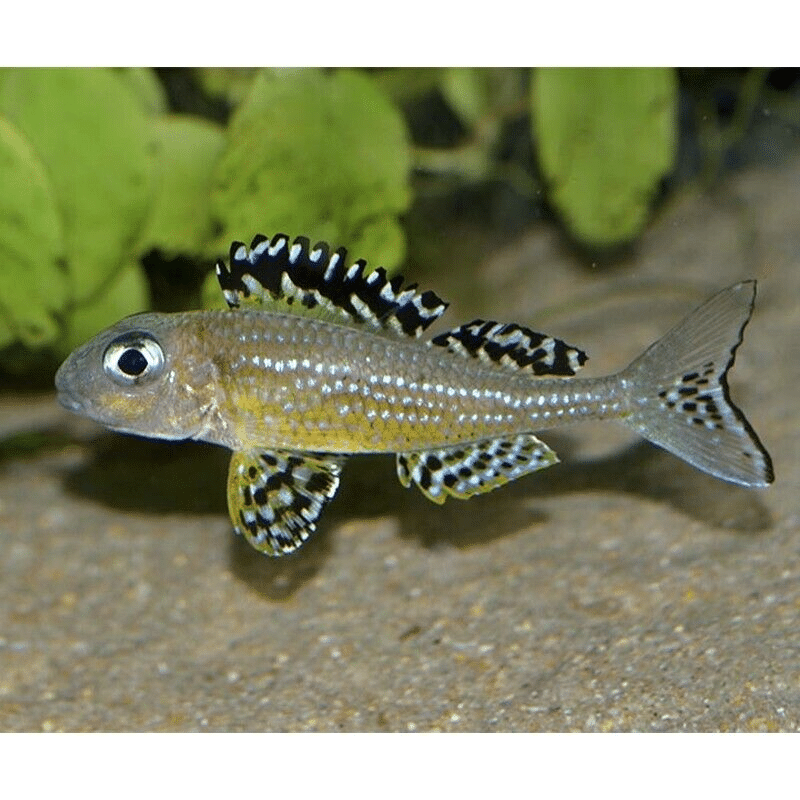
Tembwe Butterfly Cichlid – Xenotilapia Papilio «Tembwe» – L. Tanganyika Cichlid

Original price was: £296.49.£251.60Current price is: £251.60.
Welcome the Tembwe Butterfly Cichlid, a stunning Lake Tanganyika Cichlid known for its vibrant colors and graceful movements. Ideal for aquarists seeking beautiful inhabitants, this fish thrives in well-maintained aquariums. Enjoy peace of mind with our dedicated fish shipping service.
In stock
Species Introduction
The Tembwe Butterfly Cichlid, scientifically known as Xenotilapia papilio, is a captivating species native to the stunning waters of Lake Tanganyika in East Africa. These beautiful fish thrive in rocky environments, showcasing their vibrant colors and graceful swimming patterns. The Tembwe Butterfly Cichlid is renowned for its striking appearance, characterized by a blend of blues and yellows that shimmer under aquarium lighting. This species is part of the Lake Tanganyika Cichlids family, which is celebrated for its diverse and unique fish. These aquatic companions not only add beauty to your aquarium but also bring a fascinating dynamic to your fishkeeping experience.
Care Requirements Dashboard
Essential Care Guide for Your Tembwe Butterfly Cichlid
| Optimal Living Conditions | |
|---|---|
| Water Temperature | 24-26°C (75-79°F) |
| pH Level | 8.1-8.4 |
| Water Hardness | 8-12 dKH |
| Minimum Tank Size | 200L (50 gal) |
| Salinity | 1.020-1.025 SG |
| Care Level | Intermediate |
Providing optimal care for the Tembwe Butterfly Cichlid requires an understanding of their specific needs. A minimum tank size of 50 gallons is recommended to accommodate their territorial nature and ensure they have ample swimming space. Maintaining water temperature between 75-80°F (24-27°C) is essential for their health and well-being. The pH level should be kept between 8.0 and 9.0, reflecting their natural habitat, while water hardness should range from 10 to 20 dGH. Regular monitoring of these parameters will help ensure a thriving environment for your aquatic friends.
Natural Behavior & Temperament
The Tembwe Butterfly Cichlid exhibits a variety of fascinating behaviors that make them a joy to observe. Known for their graceful swimming patterns, these fish often display a unique darting motion, especially when they feel secure in their environment. They are generally peaceful but can be territorial, particularly during breeding periods. This behavior is typical among cichlids, and it is essential to provide them with plenty of hiding spots and territories within the aquarium. Their social nature means they thrive in groups, but care should be taken when selecting tank mates to avoid aggression. Understanding their natural behaviors will enhance your experience as a fishkeeper and contribute to a harmonious aquarium environment.
Tank Setup Guide
Creating an ideal habitat for the Tembwe Butterfly Cichlid involves replicating their natural environment as closely as possible. Start with a spacious tank of at least 50 gallons, filled with a sandy substrate that mimics the lakebed of Lake Tanganyika. Incorporate plenty of rocks and caves to provide hiding spots and territories for your fish friends. This setup not only promotes their natural behaviors but also helps reduce stress. Additionally, live plants can be added, but be cautious as some cichlids may uproot them. Ensure that there is adequate water flow to simulate their natural habitat, as they are accustomed to currents. Proper lighting will enhance the colors of your Tembwe Butterfly Cichlid, making them a stunning focal point in your aquarium.
Water Quality Management
Maintaining optimal water quality is crucial for the health and longevity of your Tembwe Butterfly Cichlid. Regular water changes, ideally 20-30% weekly, will help keep the water parameters stable and free from harmful toxins. Monitor the pH level regularly, ensuring it stays within the recommended range of 8.0-9.0. Temperature should be consistently maintained between 75-80°F (24-27°C) using a reliable heater. Test the water hardness frequently, aiming for a range of 10-20 dGH. Utilizing a quality filtration system will aid in maintaining clean water, while also providing necessary oxygenation. Regular testing and maintenance will ensure a thriving environment for your cichlids and contribute to their overall well-being.
Feeding & Nutrition
Diet: Omnivorous
Feeding Frequency: 2-3 times a day
Food Types: Cichlid pellets, frozen foods, live foods
The Tembwe Butterfly Cichlid is an omnivorous species, requiring a balanced diet to thrive. A combination of high-quality cichlid pellets, frozen foods, and occasional live foods will ensure they receive the necessary nutrients for optimal health. Feeding should occur 2-3 times a day, with only what they can consume in a few minutes to prevent overfeeding and maintain water quality. It is important to vary their diet to promote healthy growth and vibrant coloration. Additionally, consider using specialized cichlid food that enhances their natural colors and provides essential vitamins and minerals. Proper nutrition is key to keeping your Tembwe Butterfly Cichlid healthy and vibrant.
Compatibility Guide
When selecting tank mates for your Tembwe Butterfly Cichlid, it is essential to consider their temperament and territorial nature. Ideal companions include other Lake Tanganyika cichlids, such as the Julidochromis species, which share similar water requirements and behavioral traits. Avoid pairing them with overly aggressive fish, as this can lead to stress and conflict. Additionally, smaller fish may become targets for bullying. It is advisable to introduce new tank mates gradually and monitor their interactions closely. Providing ample hiding spots and territories will help reduce aggression and promote a peaceful community tank. Understanding the dynamics of your aquarium will enhance the experience for both you and your aquatic companions.
Health & Wellness
Common Issues: Ich, fin rot
Signs of Health: Active swimming, clear eyes, vibrant colors
Monitoring the health of your Tembwe Butterfly Cichlid is vital for their longevity. Common health issues include ich and fin rot, which can be addressed through proper water quality management and treatment protocols. Signs of a healthy fish include active swimming, clear eyes, and vibrant colors. If you notice any changes in behavior, such as lethargy or loss of appetite, it may indicate an underlying health issue. Regularly check for signs of stress or disease, and be prepared to take action if necessary. Maintaining a clean and stable environment, along with a balanced diet, will significantly reduce the likelihood of health problems.
Breeding Information
Breeding the Tembwe Butterfly Cichlid can be a rewarding experience for dedicated fishkeepers. These fish are mouthbrooders, meaning the female will carry the fertilized eggs in her mouth until they hatch. To encourage breeding, provide a separate breeding tank with suitable hiding spots and stable water parameters. The female will lay eggs on flat surfaces, and the male will fertilize them. After a few days, the female will begin to carry the fry in her mouth, protecting them until they are ready to swim on their own. It is essential to provide high-quality food for the fry, such as crushed flakes or specialized fry food, to support their growth. Understanding the breeding process will enhance your knowledge and appreciation of these beautiful fish.
Acclimation Process
Acclimating your Tembwe Butterfly Cichlid to a new environment is a crucial step in ensuring their health and well-being. Begin by floating the sealed bag containing the fish in the aquarium for about 15-20 minutes to equalize the temperature. Afterward, gradually introduce small amounts of tank water into the bag over the course of an hour. This process helps the fish adjust to the new water parameters. Once acclimated, gently release the fish into the tank, avoiding any sudden movements that could stress them. Monitoring their behavior closely during the first few hours will help you ensure they are settling in well. Proper acclimation is key to reducing stress and promoting a healthy transition to their new home.
Long-term Care
The Tembwe Butterfly Cichlid can live for several years with proper care, making them a long-term commitment for any fishkeeper. Their growth rate varies, but with optimal conditions, they can reach their maximum size within a few years. Regular maintenance, including water changes and monitoring water parameters, is essential for their health. Additionally, providing a varied diet will support their growth and coloration. As they mature, be prepared to adjust their tank setup to accommodate their territorial nature. Understanding their lifecycle and growth expectations will help you provide the best possible care for your aquatic companions.
Natural Habitat Recreation
Recreating the natural habitat of the Tembwe Butterfly Cichlid is essential for their well-being. In the wild, they inhabit rocky areas with plenty of hiding spots, so your aquarium setup should reflect this environment. Utilize natural stones and caves to create territories, and consider adding a sandy substrate to mimic the lakebed. Incorporating live plants can enhance the aesthetic appeal, but ensure they are secured well to prevent uprooting. Additionally, maintaining stable water parameters that reflect their natural habitat will contribute to their health and happiness. Understanding their natural environment will help you create a thriving aquarium that showcases the beauty of these remarkable fish.
Seasonal Care Adjustments
As seasons change, so too may the needs of your Tembwe Butterfly Cichlid. During warmer months, ensure that the water temperature remains stable, as fluctuations can stress your fish. In cooler months, consider using a heater to maintain the optimal temperature range. Additionally, adjust lighting to simulate natural day/night cycles, which can influence their behavior and breeding patterns. Regular monitoring of water parameters is essential, as seasonal changes can impact water quality. Being proactive in adjusting care routines will help ensure your cichlids remain healthy and vibrant throughout the year.
Expert Tips
For those looking to deepen their knowledge of Tembwe Butterfly Cichlid care, consider joining online forums or local fishkeeping clubs. Engaging with experienced fishkeepers can provide valuable insights and tips for maintaining a healthy aquarium. Additionally, investing in quality equipment, such as a reliable filtration system and water testing kits, will enhance your ability to monitor and maintain optimal water conditions. Regularly researching best practices and advancements in fishkeeping will help you provide the best care for your aquatic companions. Remember, the more informed you are, the better you can support the health and happiness of your Tembwe Butterfly Cichlid.
Troubleshooting
If you encounter issues with your Tembwe Butterfly Cichlid, such as changes in behavior or health, it is essential to act swiftly. Common problems include stress from aggressive tank mates or poor water quality. Conduct regular water tests to ensure parameters are within the ideal range. If you notice signs of illness, such as lethargy or loss of appetite, consider isolating the affected fish to prevent the spread of disease. Consulting with a veterinarian or experienced aquarist can provide guidance on treatment options. Being proactive in addressing issues will help maintain a healthy and thriving aquarium environment.
Scientific Background
The Tembwe Butterfly Cichlid is part of the rich biodiversity found in Lake Tanganyika, one of the oldest and deepest freshwater lakes in the world. This lake is home to a unique array of cichlid species, each adapted to specific ecological niches. The study of these fish not only contributes to our understanding of aquatic ecosystems but also highlights the importance of conservation efforts in preserving their natural habitats. Engaging in research and supporting sustainable practices will help ensure that future generations can appreciate the beauty and diversity of these remarkable fish.
Advanced Care Techniques
For experienced fishkeepers looking to enhance their Tembwe Butterfly Cichlid care, consider implementing advanced techniques such as breeding programs or biotope aquariums. Breeding programs can help maintain genetic diversity and contribute to conservation efforts. Creating a biotope aquarium that closely resembles their natural habitat will not only benefit the fish but also create a stunning display. Incorporating advanced filtration systems and automated monitoring equipment can help maintain optimal water conditions with minimal effort. Continuous learning and experimentation will deepen your understanding and appreciation of these beautiful aquatic companions.
Frequently Asked Questions
Q: What tank size is required for the Tembwe Butterfly Cichlid?
The Tembwe Butterfly Cichlid, known for its vibrant colours and unique behaviour, requires a minimum tank size of 75 litres. This allows ample space for swimming and territorial establishment. It is crucial to ensure that the aquarium is well-structured with hiding spots and open swimming areas, as the Tembwe Cichlid is both an active swimmer and a territorial fish. A larger tank, ideally 150 litres or more, is recommended if you plan to keep multiple individuals. This additional space helps reduce aggression and stress levels, promoting a healthier environment for your aquatic companions.
✓ Expert Tip
Consider incorporating vertical space with decorations like driftwood and rocks, which will help create distinct territories.
Q: What water parameters do the Tembwe Butterfly Cichlid require?
Tembwe Butterfly Cichlids thrive in specific water parameters that mimic their natural habitat in Lake Tanganyika. Aim for a pH level between 7.8 and 9.0, with a hardness of 10-20 dGH. The temperature should be maintained between 24-28°C. Regular testing of these parameters is essential to ensure the health of your fish. Sudden changes in water chemistry can stress the fish, leading to health issues. Using a reliable water conditioner and performing regular water changes will help keep these parameters stable, providing a suitable environment for your aquatic companions.
✓ Expert Tip
Utilising a high-quality aquarium test kit can simplify monitoring and maintaining these water parameters.
Q: How often should I feed the Tembwe Butterfly Cichlid?
Tembwe Butterfly Cichlids should be fed once or twice daily, providing only as much food as they can consume in a few minutes. A varied diet is essential for their health, including high-quality pellets, frozen or live foods such as brine shrimp and bloodworms, and vegetable matter. This variety not only enhances their colouration but also supports their overall well-being. Overfeeding can lead to poor water quality and health issues, so it is vital to monitor their feeding habits closely. Adjust the quantity based on their activity level and size for optimal care.
✓ Expert Tip
Incorporate occasional fasting days to promote a healthy digestive system.
Q: What are the best tank mates for the Tembwe Butterfly Cichlid?
Tembwe Butterfly Cichlids are generally peaceful but can exhibit territorial behaviour, particularly during breeding. Suitable tank mates include other cichlids from Lake Tanganyika, such as the Julidochromis and Neolamprologus species, which can coexist harmoniously due to similar water requirements and behaviour. Avoid smaller fish that may be seen as prey and aggressive species that could stress your Tembwe Cichlid. Always introduce new fish gradually and monitor interactions to ensure a peaceful community tank.
✓ Expert Tip
Adding more hiding spots can help reduce territorial disputes among tank mates.
Q: How do I properly acclimatise the Tembwe Butterfly Cichlid to my aquarium?
Acclimatising your Tembwe Butterfly Cichlid is crucial for reducing stress and ensuring a successful transition to its new home. Begin by floating the sealed bag containing the fish in the aquarium for about 15-20 minutes to equalise the temperature. After this, gradually introduce small amounts of tank water into the bag every 5-10 minutes for an additional 30 minutes. This process helps the fish adapt to the water chemistry of your aquarium. Finally, gently transfer the fish into the tank using a net, discarding the bag water to prevent introducing any contaminants.
✓ Expert Tip
Avoid adding the fish directly into the tank water to minimise stress and potential health issues.
Q: What are the signs of a healthy Tembwe Butterfly Cichlid?
A healthy Tembwe Butterfly Cichlid displays vibrant colours, clear eyes, and active behaviour. Observe for signs of stress or illness, such as loss of colour, lethargy, or abnormal swimming patterns. Healthy fish will also exhibit a good appetite. Regularly check for any physical signs like white spots, frayed fins, or bloating, which could indicate health issues. Maintaining optimal water conditions and providing a varied diet will help ensure your fish remain in excellent health.
✓ Expert Tip
Keep a regular schedule for health checks and water testing to catch any issues early.
Q: How do I successfully breed Tembwe Butterfly Cichlids?
Breeding Tembwe Butterfly Cichlids can be a rewarding experience, but it requires specific conditions. A breeding pair should be established, often indicated by their courtship behaviour. Provide a breeding site, such as flat rocks or caves, where the female can lay eggs. Maintain optimal water conditions and slightly higher temperatures (around 26-28°C) to encourage spawning. After laying eggs, the female will guard them fiercely, and the male will assist in protecting the territory. Ensure to provide a separate breeding tank if you wish to raise the fry, as the adults may consume them.
✓ Expert Tip
Use a sponge filter in the breeding tank to ensure gentle water flow and maintain water quality.
Q: What temperature should I maintain for the Tembwe Butterfly Cichlid?
The ideal temperature range for Tembwe Butterfly Cichlids is between 24-28°C. Maintaining a stable temperature within this range is crucial for their health and behaviour. Sudden fluctuations can lead to stress and susceptibility to diseases. Using a reliable aquarium heater with a thermometer will help you achieve and monitor the desired temperature. It is advisable to avoid placing the aquarium in direct sunlight or near temperature fluctuations, as this can disrupt the environment.
✓ Expert Tip
Consider using a programmable heater to maintain consistent temperatures and reduce manual adjustments.
Q: How long do Tembwe Butterfly Cichlids typically live in captivity?
In captivity, Tembwe Butterfly Cichlids can live for 10-15 years, provided they are cared for properly. This longevity is influenced by factors such as water quality, diet, and overall aquarium conditions. Regular maintenance, including water changes and monitoring of parameters, plays a significant role in their lifespan. Ensuring a balanced diet and a stress-free environment will help your Tembwe Cichlids thrive and enjoy a long, healthy life.
✓ Expert Tip
Keep a record of your fish’s health and behaviour to identify any issues early.
Q: What type of substrate is most suitable for the Tembwe Butterfly Cichlid?
Tembwe Butterfly Cichlids prefer a sandy substrate that mimics their natural environment in Lake Tanganyika. A fine, soft sand substrate allows them to dig and forage, which is a natural behaviour. It is essential to avoid sharp or coarse substrates that could injure their delicate fins. Additionally, incorporating smooth rocks and caves can provide hiding spots and breeding sites, creating a more enriching environment for your fish.
✓ Expert Tip
Rinse the substrate thoroughly before adding it to the aquarium to remove any dust or contaminants.
Q: What behavioural patterns should I expect from the Tembwe Butterfly Cichlid?
Tembwe Butterfly Cichlids are known for their captivating behaviour, displaying both territoriality and social interactions. Males tend to be more aggressive, especially during breeding, while females exhibit nurturing behaviour towards their young. These cichlids are also quite curious, often exploring their environment and interacting with tank mates. It is important to provide plenty of hiding spots and territories to reduce aggression and allow your fish to express natural behaviours. Observing their interactions can be fascinating and adds to the enjoyment of fish-keeping.
✓ Expert Tip
Regularly rearranging decorations can stimulate curiosity and reduce territorial disputes.
Q: How can I prevent common diseases in the Tembwe Butterfly Cichlid?
Preventing diseases in Tembwe Butterfly Cichlids begins with maintaining optimal water quality and regular tank maintenance. Conduct weekly water changes of 10-20% and monitor water parameters to ensure a stable environment. Quarantine new fish before adding them to your main tank to prevent the introduction of pathogens. Providing a varied diet rich in nutrients will also boost their immune system. Additionally, watch for signs of stress or illness, such as changes in appetite or behaviour, and act promptly to address any issues.
✓ Expert Tip
Consider using a UV steriliser to help reduce harmful microorganisms in the water.
Q: What lighting conditions do Tembwe Butterfly Cichlids prefer?
Tembwe Butterfly Cichlids thrive under moderate lighting conditions that simulate their natural habitat. A combination of bright and shaded areas is ideal, allowing them to feel secure whilst still enjoying the light. Using LED lighting can provide a good balance, as it can be adjusted for intensity and duration. Providing plenty of hiding spots with rocks and plants will help create shaded areas where the fish can retreat if they feel threatened. Regularly adjusting the light cycle to mimic natural day and night patterns can also promote healthy behaviour.
✓ Expert Tip
Consider using a timer for your aquarium lights to ensure consistent lighting schedules.
Q: How do I recognise stress in the Tembwe Butterfly Cichlid?
Recognising stress in Tembwe Butterfly Cichlids is vital for their well-being. Signs of stress may include erratic swimming patterns, hiding excessively, loss of colour, or aggression towards tank mates. Additionally, a sudden decrease in appetite can indicate stress or illness. Environmental factors such as poor water quality, inadequate tank size, or unsuitable tank mates can contribute to stress levels. Regular observation of your fish, along with maintaining optimal conditions, will help you identify and address any issues promptly.
✓ Expert Tip
If you observe signs of stress, consider rearranging the tank or increasing hiding spots to help your fish feel more secure.
Q: What natural habitat conditions should I replicate for the Tembwe Butterfly Cichlid?
To replicate the natural habitat of the Tembwe Butterfly Cichlid, focus on creating a rocky environment with sandy substrate. In Lake Tanganyika, these fish are found amongst rocks and caves, so incorporating these elements into your aquarium is essential. Maintain stable water parameters, including pH, hardness, and temperature, to reflect their natural conditions. Additionally, providing ample hiding spots and territories will help them feel secure and reduce aggression. Regularly observe your fish to ensure they are comfortable and exhibiting natural behaviours.
✓ Expert Tip
Utilising natural decorations like driftwood can enhance the aesthetic and provide additional hiding spots.
1 review for Tembwe Butterfly Cichlid – Xenotilapia Papilio «Tembwe» – L. Tanganyika Cichlid
Add a review
Related products




Laura Greenfield (verified owner) –
I recently added the Tembwe Butterfly Cichlid to my Lake Tanganyika setup, and I couldn’t be happier! The colors are just mesmerizing; the bright yellows and deep blues really pop against the natural decor in my aquarium. After about two weeks, I noticed a significant personality development in my fish; they are bold, beautiful, and quite interactive with their environment.
I’ve had experience with several cichlid species, but the Tembwe has a unique charm. Unlike some other cichlids I’ve kept, they seem less aggressive and more social, making them ideal for a community tank as long as there’s adequate space. I feed mine a mix of high-quality cichlid food and they are thriving!
Shipping was quick, and the fish arrived healthy and acclimated well. My only minor concern was during the first few days, they were a bit shy, but they quickly adapted to their new home. If you’re looking for a stunning, lively fish that adds character to your aquarium, I highly recommend the Tembwe Butterfly Cichlid. Perfect for both novice and experienced aquarists!