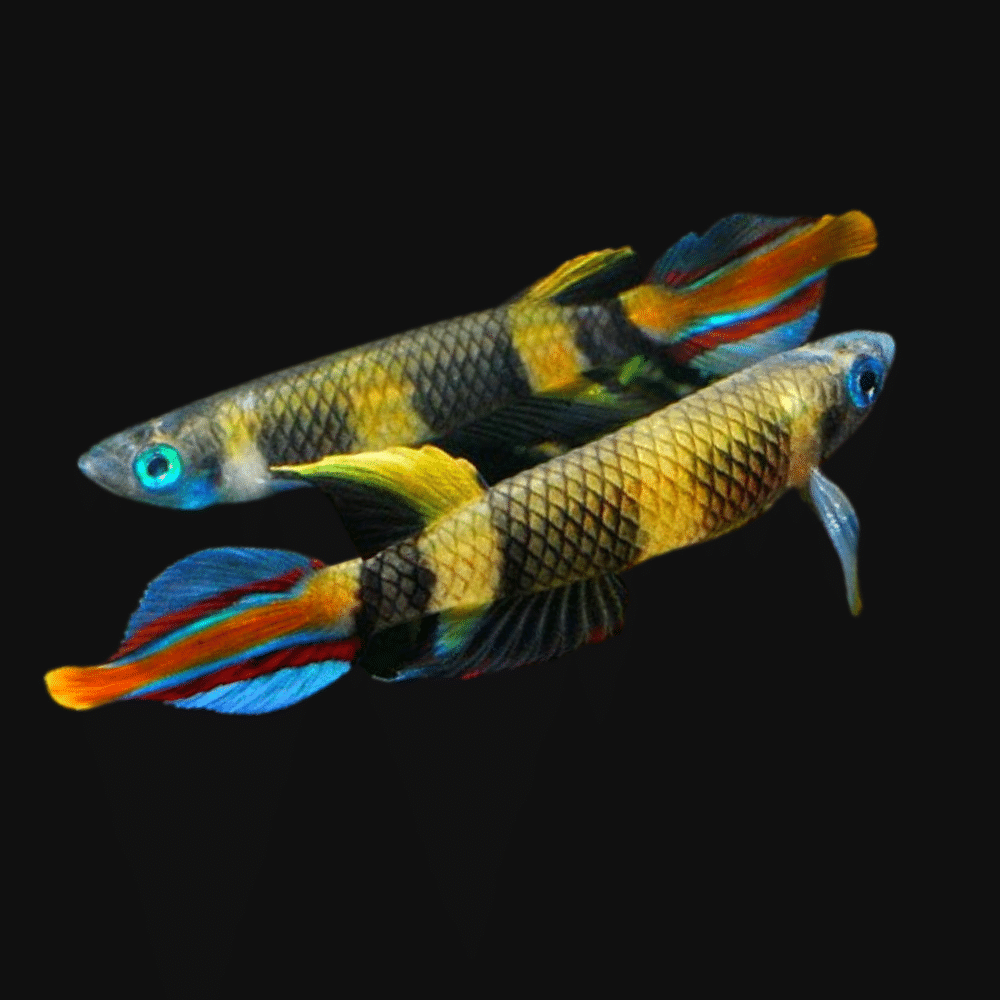
2 X Clown Killifish – Pseudepiplatys Annulatus – Killifish
Original price was: £19.49.£16.45Current price is: £16.45.
Welcome these stunning Pseudepiplatys Annulatus, also known as Clown Killifish, into your peaceful freshwater aquarium. This listing includes 2 individual fish, perfect for enhancing community tanks. Their vibrant colors and elegant movements create a beautiful aquatic display.
In stock


Species Introduction
The Pseudepiplatys annulatus, commonly known as the clown killifish, is a vibrant and captivating species that brings a splash of color and life to any peaceful freshwater aquarium. Originating from the shallow waters of West Africa, particularly in regions like Nigeria and Cameroon, these fish inhabit slow-moving streams, swamps, and ponds, often surrounded by lush vegetation. Their natural habitat is characterized by dense aquatic plants that provide cover and breeding grounds, making it essential for hobbyists to recreate similar environments in their aquariums.
Clown killifish are small, typically reaching a maximum length of about 6 cm, and are known for their striking coloration, which includes bright yellows, blues, and reds. This species is part of the family Poeciliidae, which also includes other popular freshwater fish. The clown killifish is not only a feast for the eyes but also a gentle and peaceful addition to community tanks, thriving in the company of other non-aggressive fish and live plants.
Care Requirements Dashboard
Essential Care Guide for Your Clown Killifish
| Optimal Living Conditions | |
|---|---|
| Water Temperature | 24-26°C (75-79°F) |
| pH Level | 6.5-7.5 |
| Water Hardness | 5-15 dGH |
| Minimum Tank Size | 10 gallons (38 liters) |
| Salinity | 1.020-1.025 SG |
| Care Level | Intermediate |
✓ Care Level: Intermediate
Natural Behavior & Temperament
Clown killifish are known for their lively and playful nature. They exhibit fascinating swimming patterns, often darting around the tank in small groups, showcasing their vibrant colors. These fish are generally peaceful and thrive in a community tank setting, making them ideal companions for other gentle species. Their social behavior is quite intriguing; they tend to form small schools, which not only enhances their confidence but also allows them to display their natural behaviors more freely.
In the aquarium, you may observe them establishing a hierarchy within their group, with dominant individuals often displaying more vivid colors. It’s essential to provide hiding spots and plants in their tank to mimic their natural environment and reduce stress. Clown killifish are also known for their curious nature, often exploring their surroundings and interacting with their tank mates. This behavior makes them not only a joy to watch but also a rewarding species for aquarists who appreciate active and engaging aquatic companions.
Tank Setup Guide
Creating an ideal environment for Pseudepiplatys annulatus is crucial for their well-being and happiness. When setting up a tank for clown killifish, consider a minimum size of 10 gallons, which allows for adequate swimming space and the establishment of a small school. The substrate should be soft and fine, as these fish prefer to forage and explore the bottom of the tank. Natural substrates like sand or fine gravel work best.
Incorporating live plants is essential, as clown killifish thrive in densely planted tanks that mimic their natural habitat. Plants such as Java moss, Anubias, and floating plants like duckweed can provide cover and breeding grounds. Additionally, adding driftwood and rocks can create hiding spots and enhance the aesthetic appeal of the aquarium. Ensure that the tank has a gentle filtration system to maintain water quality without creating strong currents, as clown killifish prefer calm waters. Lastly, consider using a lid on the tank, as these fish are known to jump, and a secure cover will help keep them safe.
Water Quality Management
Maintaining optimal water quality is vital for the health and longevity of clown killifish. These fish prefer slightly acidic to neutral water conditions, with a pH range of 6.5 to 7.5. Regular testing of water parameters is essential to ensure they remain within this range. The temperature should be maintained between 24 to 28°C (75 to 82°F), which is ideal for their metabolic processes.
It’s important to perform regular water changes, approximately 25% weekly, to keep nitrate levels low and maintain overall water quality. Additionally, clown killifish thrive in softer water, with a hardness level between 5 to 15 dGH. To achieve and maintain these parameters, consider using a high-quality water conditioner and a reliable test kit. Monitoring ammonia and nitrite levels is also crucial, as these compounds can be harmful to fish. A well-cycled tank will help prevent spikes in these toxic substances, ensuring a safe and healthy environment for your aquatic companions.
Feeding & Nutrition
Feeding clown killifish is relatively straightforward, as they are not particularly picky eaters. A balanced diet is essential for their health and vibrant coloration. High-quality flake food designed for tropical fish should form the basis of their diet. Additionally, supplementing their diet with live or frozen foods like daphnia, brine shrimp, and bloodworms can enhance their nutrition and stimulate natural hunting behaviors.
It’s advisable to feed clown killifish small amounts two to three times a day, ensuring that all food is consumed within a few minutes to prevent water quality issues. Overfeeding can lead to health problems and deteriorate water conditions. When introducing new foods, observe their reactions and adjust accordingly. Clown killifish are also known to appreciate some plant matter in their diet, so incorporating algae wafers or blanched vegetables occasionally can provide additional nutrients. Maintaining a varied diet will not only support their health but also promote vibrant colors and active behavior in your aquarium.
Compatibility Guide
When considering tank mates for clown killifish, it’s important to prioritize peaceful species that share similar water parameter requirements. Clown killifish are best kept in community tanks with other non-aggressive fish such as tetras, rasboras, and small barbs. Avoid larger or aggressive species that may intimidate or harm them.
Additionally, it’s advisable to keep them in groups of at least three to five individuals to reduce stress and promote natural schooling behavior. This not only enhances their confidence but also creates a more dynamic and engaging display in the aquarium. While clown killifish can coexist with various species, be cautious of fin-nippers or overly boisterous fish that may disrupt their peaceful nature. Always monitor interactions among tank mates and be prepared to separate any fish that show signs of aggression or stress. By carefully selecting compatible species, you can create a harmonious and thriving aquatic community.
Health & Wellness
Ensuring the health and wellness of clown killifish involves regular observation and proactive care. Common health issues that may affect these fish include ich, fin rot, and stress-related diseases. Signs of illness can manifest as changes in behavior, such as lethargy, loss of appetite, or unusual swimming patterns.
To prevent health problems, it’s essential to maintain stable water conditions and provide a balanced diet. Quarantining new fish before introducing them to the main tank can help prevent the spread of diseases. If you notice any signs of illness, prompt treatment is crucial. Ich can be treated with medications specifically designed for freshwater fish, while fin rot may require improved water quality and possibly antibiotic treatment. Regular water changes and maintaining a clean tank environment will significantly reduce the risk of disease outbreaks. Additionally, providing hiding spots and plants can help reduce stress, which is a common factor in many health issues among aquarium fish.
Breeding Information
Breeding clown killifish can be a rewarding experience for aquarists, but it requires careful planning and attention to detail. These fish are egg layers that prefer to spawn in densely planted areas within the tank. To encourage breeding, provide ample cover with fine-leaved plants such as Java moss or spawning mops.
The ideal breeding conditions include slightly acidic water with a temperature around 26°C (79°F). Once a pair has formed, the female will lay eggs among the plants, which will hatch in about 10 to 14 days. After hatching, the fry are very small and require infusoria or finely crushed flake food until they are large enough to consume larger foods. It’s advisable to separate the breeding pair after spawning to prevent them from eating their eggs. Monitoring the fry’s growth and ensuring they have suitable food and water conditions is essential for their development. With patience and care, breeding clown killifish can lead to a thriving population of these beautiful fish in your aquarium.
Acclimation Process
Acclimating clown killifish to their new environment is a critical step in ensuring their health and comfort. When introducing these fish to your aquarium, it’s essential to take your time and avoid sudden changes in water parameters. Begin by floating the sealed bag containing the fish in the aquarium for about 15-20 minutes to equalize the temperature.
After this initial period, gradually introduce small amounts of aquarium water into the bag every 5-10 minutes, allowing the fish to adjust to the new water chemistry. This process should take about an hour. Once acclimated, gently transfer the fish into the tank using a net to avoid adding any transport water that may contain harmful substances. Avoid placing the fish directly into the tank, as this can cause stress and shock. After acclimation, monitor the fish closely for any signs of stress or illness as they adjust to their new home. A smooth acclimation process will help ensure a successful transition and promote the overall well-being of your clown killifish.
Long-term Care
Long-term care for clown killifish involves understanding their lifecycle and providing the necessary environment and nutrition to support their health. These fish typically live for about 3 to 5 years in captivity, provided they are well cared for. As they age, it’s essential to monitor their health closely, as older fish may become more susceptible to diseases.
Regular water quality checks and maintenance routines should be established to ensure a stable environment. Additionally, maintaining a varied diet will help support their immune system and overall vitality. As clown killifish mature, they may exhibit changes in behavior, including increased territoriality, especially among males. Providing ample hiding spots and space will help mitigate any potential aggression. It’s also important to keep an eye on their coloration and activity levels, as any significant changes may indicate health issues. By prioritizing their care and well-being, you can enjoy the beauty and charm of clown killifish for many years.
Natural Habitat Recreation
Recreating the natural habitat of clown killifish in your aquarium is essential for their well-being. In the wild, these fish thrive in shallow waters with abundant vegetation, providing both shelter and breeding grounds. To mimic their natural environment, start by using a soft substrate, such as sand or fine gravel, which allows for easy foraging.
Incorporate a variety of live plants, including floating and rooted species, to create a lush and inviting environment. Java moss, Anubias, and Amazon swords are excellent choices that not only enhance the aesthetic appeal but also provide hiding spots for the fish. Adding driftwood and rocks can further enrich the habitat, creating territories and safe spaces for the fish. Ensure that the tank has a gentle filtration system to maintain water quality without creating strong currents, as clown killifish prefer calm waters. By carefully designing the aquarium to reflect their natural habitat, you will promote the health and happiness of your clown killifish.
Seasonal Care Adjustments
Seasonal changes can impact the care requirements for clown killifish, particularly regarding temperature and lighting. During warmer months, it’s crucial to monitor the water temperature closely, as clown killifish thrive in a range of 24 to 28°C (75 to 82°F). If temperatures rise above this range, consider using a fan or heater controller to maintain a stable environment. Conversely, during cooler months, ensure that the water temperature does not drop below 24°C, as cooler temperatures can stress these fish.
Adjusting the lighting schedule can also be beneficial, as clown killifish thrive in a well-lit environment that mimics natural daylight. Providing 10-12 hours of light daily will help promote plant growth and maintain the fish’s natural behaviors. Seasonal care adjustments may also include altering feeding routines, as fish metabolism can change with the temperature. By being attentive to these seasonal variations, you can ensure the continued health and happiness of your clown killifish.
Expert Tips
For aquarists looking to provide the best care for their clown killifish, consider implementing the following expert tips:
- Prioritize water quality by investing in a reliable filtration system and performing regular water changes.
- Observe the fish closely to understand their behavior and preferences; this will allow you to make necessary adjustments to their care routine.
- Consider breeding clown killifish as a rewarding endeavor; providing the right conditions for spawning can lead to a successful fry population.
- Maintain a diverse diet to support their health and coloration, incorporating both dry and live foods.
- Engage with the aquarium community to share experiences and gather insights on best practices for caring for clown killifish.
Troubleshooting
Despite the best care, you may encounter challenges while keeping clown killifish. Common issues include stress, aggression, and health problems. If you notice signs of stress, such as hiding or erratic swimming, assess the tank environment for potential stressors, such as aggressive tank mates or poor water quality.
If aggression arises, consider separating the more dominant fish or providing additional hiding spots to reduce territorial disputes. Health problems can manifest as changes in behavior, appetite, or appearance. If you suspect illness, promptly isolate the affected fish and consult a veterinarian or aquarium specialist for appropriate treatment options. Regular maintenance, including water changes and monitoring parameters, can help prevent many common issues. By being proactive and attentive to your clown killifish, you can address problems early and ensure a healthy, thriving aquarium.
Scientific Background
The scientific classification of clown killifish (Pseudepiplatys annulatus) places them in the family Poeciliidae, which includes a diverse range of freshwater fish. This family is known for its colorful and often peaceful species, making them popular choices for aquarists. The clown killifish is particularly noteworthy for its striking coloration and unique behaviors.
Research into their natural habitat has revealed insights into their reproductive habits and social structures, highlighting the importance of environmental enrichment in captivity. Conservation efforts are also crucial, as habitat destruction and pollution threaten their natural populations. Understanding the scientific background of clown killifish not only enhances our appreciation of these beautiful creatures but also emphasizes the responsibility of aquarists to provide optimal care and support conservation efforts. By fostering a deeper understanding of their biology and ecology, we can contribute to the preservation of clown killifish and their habitats.
Advanced Care Techniques
For aquarists seeking to elevate their care for clown killifish, advanced techniques can enhance their well-being and promote natural behaviors. One effective method is to implement a biotope aquarium that closely resembles their natural habitat, incorporating specific plant species and substrate types. Additionally, consider using a breeding box or separate tank for fry to ensure their safety and development.
Implementing a regular feeding schedule that includes a variety of foods can also improve their health and coloration. Utilizing a high-quality water testing kit to monitor parameters closely will help maintain a stable environment. Furthermore, engaging in regular observation of their behavior can provide insights into their preferences and needs, allowing for tailored care. By adopting these advanced techniques, you can create a thriving environment for your clown killifish, ensuring their health and happiness for years to come.
Frequently Asked Questions
Q: What tank size is required for Clown Killifish?
For a pair of Clown Killifish (Pseudepiplatys annulatus), a minimum tank size of 60 litres is recommended. This allows ample swimming space and provides room for live plants, which these fish thrive amongst. Additionally, a larger tank helps maintain stable water parameters, reducing stress on your aquatic companions. Ensure the tank is well-planted with floating vegetation, as Clown Killifish enjoy a natural, shaded environment. A well-maintained aquarium not only enhances their colour but also encourages natural behaviours. Always remember to monitor the water quality and temperature to create an optimal habitat for these lovely fish.
✓ Expert Tip
Consider adding a filtration system that mimics their natural habitat, ensuring gentle water movement.
Q: What water parameters do Clown Killifish require?
Clown Killifish prefer slightly acidic to neutral water, with a pH range of 6.5 to 7.5. The temperature should ideally be maintained between 24°C to 28°C (75°F to 82°F). Regular water changes of 10-15% weekly will keep the water quality high, which is crucial for their health. Ammonia and nitrite levels should be kept at 0, with nitrates below 20 mg/L. Using a reliable water testing kit will help monitor these parameters effectively. Providing consistent water conditions will contribute to the overall health and longevity of your Clown Killifish.
✓ Expert Tip
Consider using a sponge filter to maintain gentle water flow, which is ideal for these delicate fish.
Q: How often should I feed Clown Killifish?
Clown Killifish should be fed small amounts 2-3 times daily. A varied diet is essential for their health; provide high-quality micro-pellets, frozen or live foods such as brine shrimp and daphnia. Be cautious not to overfeed, as uneaten food can deteriorate water quality. Observe your fish during feeding to ensure they are consuming the food within a few minutes. This feeding schedule will help maintain their vibrant colours and overall health. Additionally, offering different food types will encourage natural foraging behaviour.
✓ Expert Tip
Rotating food types will help keep your Clown Killifish engaged and healthy.
Q: What are the best tank mates for Clown Killifish?
Clown Killifish are peaceful and can be kept with other gentle species. Ideal tank mates include small tetras, rasboras, and other non-aggressive fish. Avoid larger or aggressive fish that may stress or bully them. The presence of live plants will provide shelter and enhance their comfort. It’s also beneficial to introduce tank mates that occupy different levels of the aquarium, as this can reduce competition for space and food. Always monitor interactions to ensure a harmonious community.
✓ Expert Tip
Add tank mates gradually to allow everyone to acclimatise to each other.
Q: How do I properly acclimatise Clown Killifish to my aquarium?
Acclimatisation is vital for the health of your Clown Killifish. Begin by floating the sealed bag in your aquarium for about 15-20 minutes to equalise the temperature. After that, gradually introduce aquarium water into the bag over an hour, approximately 1/4 cup every 10 minutes. This process helps the fish adjust to the water chemistry. Once acclimatised, gently release the fish into the tank without adding the bag water to prevent contamination. Proper acclimatisation minimises stress and enhances their chances of thriving in their new environment.
✓ Expert Tip
Avoid adding too many fish at once; this can overwhelm the tank’s ecosystem.
Q: What are the signs of healthy Clown Killifish?
Healthy Clown Killifish exhibit vibrant colours, active swimming behaviour, and a healthy appetite. Their fins should be intact and not frayed, and they should display curiosity and engagement with their environment. Observe for signs of stress, such as hiding excessively or lethargy. Additionally, watch for any changes in their eating habits, as this can indicate health issues. Regular health checks will help you catch any potential problems early, ensuring your fish friends remain vibrant and lively.
✓ Expert Tip
Keep a close eye on their behaviour, as this is often the first indicator of health problems.
Q: How do I successfully breed Clown Killifish?
Breeding Clown Killifish is a rewarding endeavour. To encourage spawning, provide a breeding tank with soft, acidic water and plenty of fine-leaved plants for egg deposition. The ideal temperature should be around 26°C (79°F). Once the female lays eggs, remove the parents to prevent them from consuming the eggs. The eggs will typically hatch within a week. Feed the fry infusoria or finely crushed food until they grow large enough to consume small flakes. Monitoring their growth and health is crucial during this early stage.
✓ Expert Tip
Ensure the breeding tank is well-cycled to provide stable conditions for the fry.
Q: What temperature should I maintain for Clown Killifish?
Clown Killifish thrive in temperatures between 24°C to 28°C (75°F to 82°F). Maintaining a stable temperature is crucial, as fluctuations can stress these delicate fish. A reliable heater with a thermometer will help regulate the water temperature effectively. Additionally, avoid placing the aquarium in direct sunlight or near heaters or air conditioning vents, as these can cause temperature spikes. Consistency in temperature will contribute significantly to the overall health and well-being of your Clown Killifish.
✓ Expert Tip
Invest in a quality aquarium heater to ensure consistent water temperature.
Q: How long do Clown Killifish typically live in captivity?
Clown Killifish can live up to 2-4 years in captivity when provided with optimal care. Their lifespan largely depends on the quality of their environment, including water parameters, diet, and overall tank maintenance. Regular water changes, a varied diet, and a spacious, well-planted tank will greatly enhance their health and longevity. Observing your fish for signs of stress or illness and addressing any issues promptly will also contribute to a longer, healthier life for your aquatic companions.
✓ Expert Tip
Keep detailed records of water quality and fish health to track their progress.
Q: What type of substrate is most suitable for Clown Killifish?
A soft, sandy substrate is recommended for Clown Killifish, as it mimics their natural habitat and allows for natural foraging behaviours. This type of substrate is gentle on their delicate fins and provides a comfortable environment for them to explore. Additionally, fine gravel can also be suitable, provided it is smooth and does not have sharp edges. Incorporating live plants into the substrate will enhance the aesthetic and provide hiding spots, further enriching their habitat.
✓ Expert Tip
Consider adding a layer of leaf litter on top of the substrate for added natural cover.
Q: What behavioural patterns should I expect from Clown Killifish?
Clown Killifish are known for their vibrant and active behaviour. They tend to swim at mid to upper levels of the aquarium, often darting playfully amongst plants and decorations. These fish are generally peaceful but can display territorial behaviours, especially during breeding. Observing their interactions with each other and their environment is crucial; they enjoy exploring and foraging. Providing plenty of hiding spots and plants will encourage natural behaviour and reduce stress, allowing them to thrive in a community setting.
✓ Expert Tip
Introduce visual barriers like plants to reduce potential territorial disputes.
Q: How can I prevent common diseases in Clown Killifish?
Preventing diseases in Clown Killifish involves maintaining optimal water quality and a stress-free environment. Regular water changes, avoiding overfeeding, and ensuring proper tank mates are crucial. Quarantine new additions for at least two weeks before introducing them to the main tank to prevent the spread of potential diseases. Furthermore, observe your fish regularly for any signs of illness, such as changes in behaviour or appearance. Providing a balanced diet rich in vitamins will also enhance their immune system, making them less susceptible to illnesses.
✓ Expert Tip
Consider adding herbal treatments to the diet for additional immune support.
Q: What lighting conditions do Clown Killifish prefer?
Clown Killifish prefer moderate lighting conditions, which mimic their natural habitat. Bright lights can stress them, so using a dimmable LED light or placing floating plants to diffuse the light is beneficial. A 10-12 hour light cycle is ideal, helping to maintain a natural day-night rhythm. Additionally, providing shaded areas within the tank using plants or decorations will offer them a sense of security and comfort. Observing their behaviour under different lighting can help you determine what suits them best.
✓ Expert Tip
Experiment with different lighting setups to find the perfect balance for your Clown Killifish.
Q: How do I recognise stress in Clown Killifish?
Recognising stress in Clown Killifish can be crucial for their well-being. Signs include hiding excessively, lethargy, and reduced appetite. Additionally, you may observe erratic swimming patterns or clamped fins. Changes in colour intensity can also signal stress. To alleviate stress, ensure stable water parameters and a peaceful tank environment. Providing hiding spots and reducing aggressive tank mates can significantly improve their comfort. Regular monitoring will help you catch any signs of stress early, enabling prompt action.
✓ Expert Tip
Create a routine for checking on your fish; consistency will help you notice changes more easily.
Q: What natural habitat conditions should I replicate for Clown Killifish?
To replicate the natural habitat of Clown Killifish, focus on creating a densely planted tank with floating plants and hiding spots. In the wild, they inhabit slow-moving waters with abundant vegetation, so a well-planted aquarium with soft, sandy substrate will mimic these conditions. Maintain slightly acidic to neutral water with moderate lighting. Additionally, incorporating driftwood and leaf litter can enhance the biotope effect. Providing these conditions will help your Clown Killifish feel secure and thrive in your aquarium.
✓ Expert Tip
Research local habitats where Clown Killifish are found to inspire your aquascaping.
2 reviews for 2 X Clown Killifish – Pseudepiplatys Annulatus – Killifish
Add a review
Related products


Emily Carter (verified owner) –
I recently added two Pseudepiplatys Annulatus, or clown killifish, to my 20-gallon aquarium, and I couldn’t be happier! These little guys are just 1 cm, and their vibrant colors have truly transformed my tank. It’s been about two weeks since they arrived, and they’ve settled in beautifully. Watching them swim around brings me immense joy. Their playful nature makes them so entertaining to observe! I appreciate how peaceful they are, which makes them perfect for a community tank.
I’ve previously kept other killifish, but I find these clown killifish to be more active and social. One minor concern I had was their shyness in the beginning, but with some plants and hiding spots, they’ve really come out of their shells. If you’re looking to enhance your freshwater fish collection, I highly recommend these little beauties! Just ensure you provide plenty of cover and a gentle filter flow. I can’t wait to see how they continue to thrive and grow in my aquarium! Truly a delightful addition for any caring fish parent.
Emily Waterman (verified owner) –
I’ve kept freshwater fish for over five years, and I have to say, the two Clown Killifish I received have quickly become my favorites! They arrived within two days—packed with care, and they were lively right out of the box. After just a week in my 20-gallon densely planted tank, they adapted beautifully. Their vibrant colors and playful behavior add so much life to my peaceful community aquarium. I love watching them dart and flirt among the plants with my gentle companions, such as guppies and otos.
What sets these killifish apart is their calm demeanor and compatibility with other peaceful fish. I’ve tried various community fish in the past, but the Clown Killifish are just delightful. The only minor concern was that they can be a bit shy initially, so I’d recommend providing plenty of hiding spaces to help them feel secure. Overall, if you’re looking for a stunning addition to your freshwater fish collection, these guys are a must-have. I can’t wait to see how they flourish in the coming months! Highly recommend for both beginners and experienced aquarists alike.