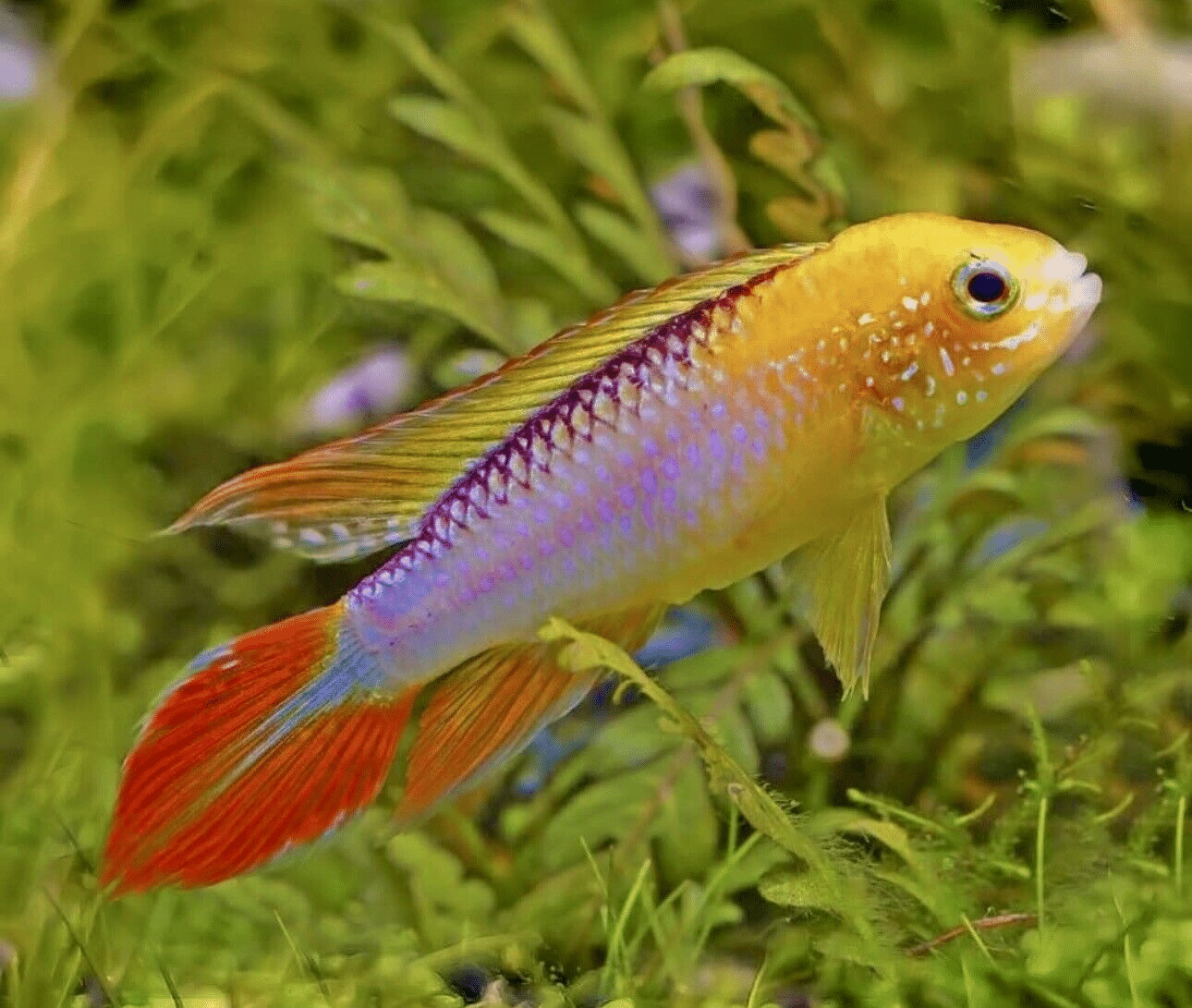
PAIR Apistogramma Fire Red Agassiz Dwarf Cichlid South American Cichlid (1 MALE & 1 FEMALE)

Original price was: £29.99.£25.16Current price is: £25.16.
Welcome these beautiful Apistogramma Fire Red Agassiz Dwarf Cichlids into your aquarium! This stunning pair includes one male and one female, showcasing vibrant red hues and unique patterns. Perfect for planted tanks, they thrive with proper care, making them ideal community companions.
In stock


Species Introduction
The Apistogramma Fire Red Agassiz Dwarf Cichlid is a stunning addition to any aquarium, renowned for its vibrant coloration and peaceful demeanor. Originating from the slow-moving waters of South America, particularly in regions like the Amazon Basin, these fish thrive in densely planted environments that mimic their natural habitat. The scientific classification of this species falls under the genus Apistogramma, which is known for its diverse and colorful dwarf cichlids. The Fire Red Agassiz is particularly noted for its striking red and orange hues, which can intensify under proper lighting conditions. These dwarf cichlids are not only visually appealing but also exhibit interesting behaviors, making them a favorite among aquarists.
Care Requirements Dashboard
Essential Care Guide for Your PAIR Apistogramma Fire Red Agassiz Dwarf Cichlid
| Optimal Living Conditions | |
|---|---|
| Water Temperature | 24-27°C (75-81°F) |
| pH Level | 6.5-7.5 |
| Water Hardness | 4-12 dKH |
| Minimum Tank Size | 80L (20 gal) |
| Salinity | Freshwater |
| Care Level | Beginner Friendly |
Natural Behavior & Temperament
The Apistogramma Fire Red Agassiz Dwarf Cichlid is known for its peaceful temperament, making it suitable for community tanks with similarly sized and temperate fish. They exhibit interesting social behaviors, often establishing territories within their environment. Males can display more aggressive behavior during breeding, but they generally coexist well with other species. Their natural swimming patterns include darting around plants and hiding spots, showcasing their playful demeanor. Observing these fish interact with their environment and each other can provide endless enjoyment for aquarists.
Tank Setup Guide
Creating an ideal habitat for the Apistogramma Fire Red Agassiz Dwarf Cichlid involves replicating their natural environment. A well-planted aquarium with plenty of hiding spots, such as caves and driftwood, is essential. A substrate of fine sand or gravel is recommended, as it allows these fish to forage naturally. The use of live plants not only enhances the aesthetic appeal but also provides necessary cover and breeding sites. When setting up the tank, ensure that the water flow is gentle, as these fish prefer calm waters. Lighting should be moderate, as overly bright conditions can stress these delicate creatures.
Water Quality Management
Important Water Parameters
Maintaining optimal water quality is crucial for the health and well-being of your Apistogramma Fire Red Agassiz Dwarf Cichlid. Regular water changes of 20-30% every week are recommended to keep nitrate levels low. The ideal pH range is between 6.0 and 7.5, with a temperature of 75-82°F (24-28°C). Additionally, ensure that the water hardness is between 5-15 dGH. Using a quality water conditioner can help eliminate harmful chemicals, while a good filtration system will aid in maintaining clarity and quality.
Feeding & Nutrition
The diet of the Apistogramma Fire Red Agassiz Dwarf Cichlid should be varied to ensure optimal health and coloration. A high-quality cichlid pellet or flake food should be the staple of their diet, supplemented with live or frozen foods such as brine shrimp, daphnia, and bloodworms. Feeding should occur once or twice a day, with only what they can consume in a few minutes to prevent overfeeding and water quality issues. It is important to observe their feeding behavior and adjust portions accordingly. A well-balanced diet will not only enhance their vibrant colors but also support their overall health.
Compatibility Guide
Suitable Tank Mates
Ideal tank mates for the Apistogramma Fire Red Agassiz Dwarf Cichlid include small, peaceful species like tetras, rasboras, and other dwarf cichlids. Avoid larger, aggressive fish that may intimidate or harm them. It is also important to consider the temperament of potential tank mates, as some fish can be more territorial than others. Providing ample space and hiding spots will help reduce aggression and promote a harmonious community tank environment.
Health & Wellness
Monitoring the health of your Apistogramma Fire Red Agassiz Dwarf Cichlid is essential for their long-term well-being. Common health issues include ich, fin rot, and other parasitic infections. Signs of illness may include lethargy, loss of appetite, or abnormal swimming patterns. To prevent disease, maintain proper water quality and a stress-free environment. Quarantine new fish before introducing them to the main tank to prevent the spread of illness. Regular observation and prompt action can help ensure a healthy and thriving aquatic community.
Breeding Information
Breeding Conditions
Breeding Apistogramma Fire Red Agassiz Dwarf Cichlids can be a rewarding experience for aquarists. To encourage breeding, provide a separate breeding tank with a soft substrate and hiding spots. The female will lay eggs on flat surfaces, and the male will guard the territory. After hatching, the fry should be fed infusoria or finely crushed flakes. It is important to monitor the parents, as they may exhibit aggressive behavior towards the fry. Successful breeding requires patience and careful observation.
Acclimation Process
When introducing your new Apistogramma Fire Red Agassiz Dwarf Cichlid to your aquarium, it is crucial to acclimate them properly to minimize stress. Begin by floating the sealed bag in the aquarium for about 15-20 minutes to equalize the temperature. After this, gradually add small amounts of tank water to the bag every 5 minutes for about an hour. This process helps the fish adjust to the water parameters of their new home. Once acclimated, gently release them into the tank, avoiding the introduction of bag water to prevent contamination.
Long-term Care
Long-term care of the Apistogramma Fire Red Agassiz Dwarf Cichlid involves regular maintenance of their environment and monitoring their health. These fish can live for several years with proper care, so it is important to provide a stable and enriching habitat. Regular water changes, a balanced diet, and maintaining optimal water parameters are essential for their longevity. Observing their behavior and interactions with tank mates will also help ensure a harmonious environment.
Natural Habitat Recreation
Biotope Setup
To recreate the natural habitat of the Apistogramma Fire Red Agassiz Dwarf Cichlid, focus on a densely planted aquarium with driftwood and rocks that mimic the riverbeds of their native environment. Use soft, dark substrates and incorporate a variety of plants, such as Java fern and Anubias, which provide cover and breeding grounds. This biotope setup not only enhances the beauty of your aquarium but also promotes the natural behaviors of these fish, allowing them to thrive.
Seasonal Care Adjustments
As seasons change, it is important to adjust the care of your Apistogramma Fire Red Agassiz Dwarf Cichlid accordingly. During warmer months, ensure that the water temperature remains stable, as fluctuations can stress the fish. In winter, consider using a heater to maintain optimal temperatures. Additionally, monitor the water quality more frequently, as changes in temperature can affect the biological filtration in your tank. Providing a consistent environment will help your fish remain healthy and stress-free.
Expert Tips
Professional Advice
For optimal results, consider keeping a small group of these cichlids rather than just a pair, as this can reduce territorial disputes and promote natural social behavior. Additionally, ensure that the tank is well-planted and includes plenty of hiding spots to help alleviate stress. Regularly observing your fish will help you identify any changes in behavior or health, allowing for prompt intervention if needed. Remember that patience and attention to detail are key in successfully caring for these beautiful aquatic companions.
Troubleshooting
If you encounter issues with your Apistogramma Fire Red Agassiz Dwarf Cichlid, such as aggression or health problems, it is important to address them promptly. If aggression occurs, consider adding more hiding spots or rearranging the tank to break up territories. For health issues, check water parameters and perform regular maintenance. If signs of disease appear, such as white spots or frayed fins, consult a veterinarian or aquatic specialist for advice on treatment options. Being proactive in your care routine can prevent many common problems.
Scientific Background
Taxonomy and Conservation
The Apistogramma genus is part of the Cichlidae family, which is known for its diverse range of species. These fish play an important role in their ecosystems, contributing to the biodiversity of their habitats. Conservation efforts are essential to protect their natural environments, as habitat destruction and pollution threaten their populations. By caring for these fish in a home aquarium, aquarists can contribute to the awareness and appreciation of these remarkable species.
Advanced Care Techniques
For experienced aquarists, advanced care techniques can enhance the experience of keeping Apistogramma Fire Red Agassiz Dwarf Cichlids. Consider implementing a breeding setup to encourage natural spawning behaviors. Utilizing a separate breeding tank with optimal conditions can lead to successful fry rearing. Additionally, experimenting with different food types, such as live foods, can enhance coloration and vitality. Regularly updating the aquascape can also stimulate natural behaviors and create a dynamic environment for your fish friends.
Optimal Feeding Schedule
8:00 AM
Main portion of daily nutrition
6:00 PM
Smaller portion to maintain energy
Feeding Tips
- Feed only what fish can consume in 2-3 minutes
- Remove uneaten food to maintain water quality
- Adjust quantity based on fish activity and temperature
- Fast fish one day per week for digestive health
Frequently Asked Questions
Q: What tank size is required for Apistogramma Fire Red Agassiz Dwarf Cichlids?
For a pair of Apistogramma Fire Red Agassiz Dwarf Cichlids, a tank size of at least 60 litres (15 gallons) is recommended. This provides ample space for swimming, hiding, and establishing territories. Dwarf cichlids are naturally territorial, especially during breeding, so it is crucial to ensure they have sufficient space to feel secure. Additionally, a well-planted tank with caves and hiding spots will help reduce stress and aggression. Aim for a tank layout that mimics their natural habitat, which is often densely vegetated and includes various structures.
✓ Expert Tip
Consider adding floating plants to diffuse light, as these fish prefer slightly shaded areas.
Q: What water parameters do Apistogramma Fire Red Agassiz Dwarf Cichlids require?
These beautiful dwarf cichlids thrive in soft, slightly acidic to neutral water conditions. Aim for a pH between 6.0 and 7.5, with a hardness of 5-15 dGH. Temperature should be maintained between 24°C to 28°C (75°F to 82°F). Regular testing of water parameters is essential to ensure a stable environment, as fluctuations can lead to stress and health issues. A well-maintained aquarium with frequent water changes will help keep these parameters stable, promoting the overall health and vitality of your aquatic companions.
✓ Expert Tip
Use a quality water conditioner to remove harmful chemicals from tap water before adding it to the tank.
Q: How often should I feed Apistogramma Fire Red Agassiz Dwarf Cichlids?
Feeding your Apistogramma Fire Red Agassiz Dwarf Cichlids should occur 1-2 times daily. Offer small amounts of high-quality cichlid pellets, flakes, or frozen foods like brine shrimp and bloodworms. It is crucial to avoid overfeeding, as uneaten food can pollute the water and lead to health issues. Monitor their feeding behaviour and adjust quantities accordingly; they should finish their meals within a few minutes. Providing a varied diet will enhance their colouration and overall health.
✓ Expert Tip
Consider using a feeding ring to prevent food from floating away and ensure your fish can easily access their meals.
Q: What are the best tank mates for Apistogramma Fire Red Agassiz Dwarf Cichlids?
When selecting tank mates for Apistogramma Fire Red Agassiz Dwarf Cichlids, opt for peaceful species that thrive in similar water conditions. Suitable companions include small tetras, rasboras, and other dwarf cichlids. Avoid larger or aggressive fish, as they may stress your cichlids or compete for territory. Additionally, ensure that the tank is spacious enough to accommodate various species without overcrowding, which can lead to aggression and territorial disputes. Always monitor interactions, especially during spawning periods.
✓ Expert Tip
Introduce new tank mates gradually to minimise stress and aggression.
Q: How do I properly acclimatise Apistogramma Fire Red Agassiz Dwarf Cichlids to my aquarium?
Acclimatising your Apistogramma Fire Red Agassiz Dwarf Cichlids is essential for their health. Begin by floating the sealed bag in the tank for 15-20 minutes to equalise the temperature. Following this, gradually introduce small amounts of tank water into the bag every 5-10 minutes over the next hour. This process helps them adjust to differences in water chemistry. After acclimatisation, gently net the fish into the tank, avoiding adding bag water, which may contain harmful substances.
✓ Expert Tip
Keep the lights dimmed during the acclimatisation process to reduce stress.
Q: What are the signs of healthy Apistogramma Fire Red Agassiz Dwarf Cichlids?
Healthy Apistogramma Fire Red Agassiz Dwarf Cichlids exhibit vibrant colours, active swimming, and a good appetite. Their fins should be fully extended and free from tears or fraying. Observe their behaviour; they should explore their environment and interact with tank mates without signs of stress, such as hiding excessively or displaying aggressive behaviour. Regular monitoring of their health can help catch any potential issues early, ensuring a long and happy life for your aquatic companions.
✓ Expert Tip
Keep an eye out for changes in behaviour or appearance, as these can indicate stress or illness.
Q: How do I successfully breed Apistogramma Fire Red Agassiz Dwarf Cichlids?
Breeding Apistogramma Fire Red Agassiz Dwarf Cichlids can be a rewarding experience. To encourage breeding, provide a breeding cave or flat surface in a well-planted tank. Maintain optimal water conditions, with slightly lower pH and temperature to stimulate spawning. Once the female lays eggs, she will guard them fiercely. The male may also assist but is generally less involved. After hatching, the fry should be fed infusoria or finely crushed flakes until they are large enough for baby brine shrimp. Remove any other fish to prevent predation on the fry.
✓ Expert Tip
Consider separating the breeding pair into a dedicated breeding tank to enhance fry survival rates.
Q: What temperature should I maintain for Apistogramma Fire Red Agassiz Dwarf Cichlids?
The ideal temperature range for Apistogramma Fire Red Agassiz Dwarf Cichlids is between 24°C to 28°C (75°F to 82°F). Maintaining a stable temperature within this range is crucial for their health and breeding success. Sudden temperature fluctuations can lead to stress and weaken their immune systems, making them more susceptible to disease. Use a reliable aquarium heater and thermometer to monitor water temperature consistently, and make gradual adjustments if necessary.
✓ Expert Tip
Consider using a heater with a built-in thermostat for precise temperature control.
Q: How long do Apistogramma Fire Red Agassiz Dwarf Cichlids typically live in captivity?
In captivity, Apistogramma Fire Red Agassiz Dwarf Cichlids typically live between 5 to 10 years, provided they are cared for in optimal conditions. Factors such as water quality, diet, and tank mates play significant roles in their longevity. Regular maintenance, including partial water changes and monitoring water parameters, will greatly enhance their chances of a long and healthy life. Additionally, a stress-free environment with suitable hiding spots will contribute to their overall well-being.
✓ Expert Tip
Consider keeping a log of water parameters and health observations to spot trends that may affect their lifespan.
Q: What type of substrate is most suitable for Apistogramma Fire Red Agassiz Dwarf Cichlids?
Apistogramma Fire Red Agassiz Dwarf Cichlids prefer a soft substrate, such as fine sand or small gravel. A sandy substrate allows these fish to dig and forage naturally, mimicking their natural habitat. It is essential to avoid sharp-edged substrates, as these can injure their delicate bodies. Additionally, the substrate should be deep enough to allow for burrowing behaviour, which is common among cichlids. Incorporating plants into the substrate will also enhance their environment and provide hiding spots.
✓ Expert Tip
Consider adding leaf litter to the substrate to create a more natural environment and improve water quality.
Q: What behavioural patterns should I expect from Apistogramma Fire Red Agassiz Dwarf Cichlids?
Apistogramma Fire Red Agassiz Dwarf Cichlids exhibit interesting and engaging behaviours. They are generally peaceful but can become territorial, especially during breeding. Males may display vibrant colours and perform courtship dances to attract females. They often explore their environment, foraging among plants and substrate. These cichlids may also establish hiding spots and patrol their territory. Observing their behaviours can provide insight into their health and well-being; any sudden changes may indicate stress or illness.
✓ Expert Tip
Provide plenty of hiding spaces and plants to reduce stress and encourage natural behaviours.
Q: How can I prevent common diseases in Apistogramma Fire Red Agassiz Dwarf Cichlids?
Preventing diseases in your Apistogramma Fire Red Agassiz Dwarf Cichlids starts with maintaining excellent water quality. Regular water changes and proper filtration are crucial. Additionally, avoid overfeeding and ensure a balanced diet to strengthen their immune systems. Quarantine new fish before introducing them to your tank to prevent the spread of diseases. Keep an eye on their behaviour and appearance; any signs of stress, such as lethargy or unusual swimming patterns, should prompt immediate action.
✓ Expert Tip
Consider using a high-quality probiotic supplement to enhance their gut health and overall resilience.
Q: What lighting conditions do Apistogramma Fire Red Agassiz Dwarf Cichlids prefer?
Apistogramma Fire Red Agassiz Dwarf Cichlids prefer dim lighting that mimics their natural habitat. Bright lighting can cause stress and encourage algae growth, which can affect water quality. Using a combination of floating plants and taller plants can help diffuse the light and create shaded areas for these fish. A light cycle of around 10-12 hours per day is ideal. Regularly monitor the tank for any signs of excessive algae growth, which can be managed with appropriate cleaning methods.
✓ Expert Tip
Consider using a timer for your aquarium lights to maintain a consistent light cycle.
Q: How do I recognise stress in Apistogramma Fire Red Agassiz Dwarf Cichlids?
Recognising stress in your Apistogramma Fire Red Agassiz Dwarf Cichlids is crucial for their well-being. Signs of stress may include hiding excessively, erratic swimming patterns, loss of colour, or aggression towards tank mates. Additionally, they may exhibit rapid gill movement or show signs of illness, such as white spots or fin rot. If you observe these behaviours, consider evaluating water parameters, tank mates, and overall environmental conditions to identify and rectify the issue promptly.
✓ Expert Tip
Maintain a stress-free environment by providing plenty of hiding spots and reducing sudden changes in the tank.
Q: What natural habitat conditions should I replicate for Apistogramma Fire Red Agassiz Dwarf Cichlids?
To ensure your Apistogramma Fire Red Agassiz Dwarf Cichlids thrive, replicate their natural habitat as closely as possible. These fish are native to slow-moving rivers and streams with rich vegetation. Incorporate plenty of plants, such as Java ferns and Anubias, along with driftwood and rocks to create hiding spots. Maintain slightly acidic water with a soft substrate, as they often forage for food in the substrate. A well-planted tank with gentle filtration will provide an ideal environment for them.
✓ Expert Tip
Consider adding leaf litter to mimic their natural environment and improve water quality.
2 reviews for PAIR Apistogramma Fire Red Agassiz Dwarf Cichlid South American Cichlid (1 MALE & 1 FEMALE)
Add a review
Related products




Emily Carter (verified owner) –
I recently purchased a pair of Apistogramma Fire Red Agassiz Dwarf Cichlids for my 20-gallon planted tank, and I couldn’t be happier! These little guys have been such a joy to watch. After just one week, they’ve already established their territory and are exploring the lush aquarium plants I added. Their colors are absolutely stunning—especially during feeding time when they display their vibrant reds and yellows. I’ve been feeding them high-quality cichlid food, and they devour it like little champions!
What I appreciate most is how these dwarf cichlids have a charming personality that adds life to the tank. Compared to other cichlids I’ve kept, they are much more peaceful and adaptable in a community setup, making them perfect for both beginners and experienced aquarists alike.
My only minor concern is that they can be a bit shy initially, so providing plenty of hiding spots is crucial. But honestly, watching them come out of their shells has been so rewarding. I highly recommend this pair to anyone looking to enhance their aquarium experience with beautiful, engaging fish!
Emily Parker (verified owner) –
I recently added a pair of Apistogramma Fire Red Agassiz Dwarf Cichlids to my 20-gallon tank, and I couldn’t be happier with my decision! These colorful fish bring such vibrancy to my aquarium and have settled in beautifully among the plants. After about two weeks, I noticed their personalities starting to shine—especially the male, who has been strutting around his territory with pride. The female is just as captivating, often exploring the plants and hiding spots I provided.
What I love most is how these dwarf cichlids thrive in a planted environment—my Java ferns and Anubias create the perfect little haven for them, and I can tell they enjoy their space. I feed them high-quality cichlid pellets, and they devour it enthusiastically! Compared to other dwarf cichlids I’ve kept, this pair has proven to be quite interactive and less shy, making them a joy to observe.
The only minor concern I had was that the male can be a bit territorial during feeding, but a few strategically placed feeding spots have helped mitigate that. I wholeheartedly recommend this pair to anyone looking to add some excitement to their aquarium—especially for those who appreciate colorful fish that interact with their environment. They truly enhance the beauty of any setup and are perfect for both beginners and seasoned hobbyists alike!