
Pair of Gold Angelfish Male & Female (2-4cm) – Pterophyllum Scalare

Original price was: £12.99.£11.00Current price is: £11.00.
Welcome these beautiful gold angelfish into your aquarium! This listing includes one male and one female, ideal for creating a vibrant community. These elegant tropical fish are perfect for freshwater tanks, enhancing your aquatic habitat with their graceful movements and stunning coloration.
Species Introduction
Essential Care Guide for Your Pair of Gold Angelfish (2 Fish Mix Male and Female) 2-4 cm
| Optimal Living Conditions | |
|---|---|
| Water Temperature | 24-27°C (75-81°F) |
| pH Level | 6.5-7.5 |
| Water Hardness | 4-12 dKH |
| Minimum Tank Size | 80L (20 gal) |
| Salinity | Freshwater |
| Care Level | Beginner Friendly |
The Gold Angelfish, scientifically known as Pterophyllum scalare, belongs to the family Cichlidae and is one of the most popular freshwater fish in the aquarium trade. Native to the slow-moving waters of the Amazon Basin, these beautiful creatures are a vibrant addition to any aquarium. Their striking golden coloration, along with their graceful swimming patterns, makes them a favorite among aquarists. Gold Angelfish can reach a maximum length of about 15 cm, making them suitable for various tank sizes. They thrive in well-planted aquariums with plenty of hiding spots, which mimic their natural habitat. Understanding their origin and natural environment is crucial for providing optimal care and ensuring their well-being in your home aquarium.
Care Requirements Dashboard
✓ Care Level: Easy
Tank Size: Minimum 75 liters
Water Temperature: 24-28°C
pH Level: 6.5-7.5
Water Hardness: 5-15 dGH
Natural Behavior & Temperament
Gold Angelfish exhibit a peaceful temperament, making them ideal for community tanks. They are known for their graceful swimming and can often be seen gliding through the water with elegance. While generally peaceful, they can become territorial, especially during breeding. It is essential to provide ample space and hiding spots to reduce aggression among tank mates. Their social behavior is fascinating to observe, as they often engage in interactions with other fish and explore their environment. Understanding their natural behavior helps in creating a harmonious aquarium setup where these beautiful fish can thrive.
Tank Setup Guide
Creating an ideal environment for your Gold Angelfish is crucial for their health and happiness. A minimum tank size of 75 liters is recommended, as this allows them ample swimming space. The substrate should be soft and fine, as sharp substrates can injure their delicate fins. Incorporating live plants, driftwood, and rocks not only enhances the aesthetic appeal of the aquarium but also provides hiding spots and territories for the fish. Ensure that the plants are hardy and can withstand the occasional nibbling from the Angelfish. A well-planted aquarium mimics their natural habitat, promoting their well-being and reducing stress.
Water Quality Management
Maintaining optimal water quality is essential for the health of Gold Angelfish. The ideal water temperature should range between 24-28°C, with a pH level of 6.5-7.5. Regular water changes of 25-30% every two weeks help maintain water quality and remove harmful toxins. It is also important to monitor the hardness of the water, keeping it between 5-15 dGH. Using a reliable water testing kit will ensure that you can keep track of these parameters effectively. Additionally, consider using a high-quality filtration system to maintain clear water and provide adequate oxygenation, which is vital for the overall health of your aquatic companions.
Feeding & Nutrition
Gold Angelfish are omnivorous and thrive on a varied diet. A balanced diet should include high-quality flakes, pellets, and occasional treats such as frozen or live foods like brine shrimp and bloodworms. Feeding them 2-3 times a day in small amounts ensures they receive adequate nutrition without overfeeding, which can lead to water quality issues. It’s essential to observe their feeding behavior and adjust the diet accordingly. Providing a diverse diet not only enhances their coloration but also promotes their overall health and vitality. Remember to remove any uneaten food after feeding to maintain water quality.
Compatibility Guide
✓ Ideal Tank Mates: Tetras, Corydoras, Gouramis
Gold Angelfish are generally peaceful but can be territorial, especially during breeding. Suitable tank mates include small to medium-sized fish that are not overly aggressive. Tetras and Corydoras are excellent companions, as they occupy different areas of the tank and help create a balanced community. Avoid keeping them with overly aggressive species or fish that might nip at their fins, as this can lead to stress and health issues. Always monitor interactions between tank mates to ensure a harmonious environment.
Health & Wellness
Maintaining the health of your Gold Angelfish involves regular monitoring for signs of illness. Common issues include ich, fin rot, and swim bladder disease. Providing a stress-free environment, maintaining water quality, and ensuring a balanced diet are key factors in preventing health problems. Regularly check for any changes in behavior, such as lethargy or loss of appetite, as these can be early signs of health issues. If you notice any abnormalities, it is essential to act quickly and consult with a qualified aquarist or veterinarian to address the problem effectively.
Breeding Information
Breeding Gold Angelfish can be a rewarding experience for aquarists. They are egg layers and prefer to spawn on flat surfaces such as leaves or rocks. To encourage breeding, it is recommended to provide a separate breeding tank with optimal water conditions. The female will lay eggs, which the male will fertilize. After spawning, both parents may guard the eggs, which typically hatch within 24-48 hours. Once the fry are free-swimming, they can be fed with infusoria or finely crushed flakes. It is crucial to monitor the parents, as they may become aggressive towards the fry as they grow.
Acclimation Process
Introducing Gold Angelfish to a new tank requires a careful acclimation process to minimize stress. Begin by floating the sealed bag in the aquarium for about 15-20 minutes to equalize the temperature. After that, gradually introduce small amounts of tank water into the bag over the next hour. This method allows the fish to adjust to the water parameters of their new environment. Once acclimated, gently release the fish into the tank using a net to avoid adding any transport water. This process is crucial for ensuring a smooth transition and promoting the health of your new aquatic companions.
Long-term Care
Gold Angelfish can live for several years with proper care. They typically reach maturity at around 6 months of age, and their growth can be influenced by tank conditions and diet. Regular maintenance, including water changes and monitoring water quality, is essential for their long-term health. As they grow, you may need to reassess tank size and compatibility with other fish. Providing a stable environment with consistent water parameters will help ensure that your Gold Angelfish thrive throughout their lifespan.
Natural Habitat Recreation
To create a biotope that resembles the natural habitat of Gold Angelfish, consider incorporating elements such as floating plants, driftwood, and soft substrate. These features mimic the slow-moving waters of the Amazon, providing a comfortable environment for your fish friends. Additionally, using a dark substrate can enhance the color of the Gold Angelfish, making them stand out beautifully in the aquarium. Aim for a well-planted setup that provides ample hiding spots and open swimming areas, allowing your Angelfish to exhibit their natural behaviors.
Seasonal Care Adjustments
As seasons change, so do the needs of your Gold Angelfish. During warmer months, ensure that the water temperature does not exceed 28°C, as high temperatures can stress the fish and lead to health issues. In cooler months, consider using a heater to maintain a stable temperature. Additionally, monitor lighting conditions, as natural daylight may vary throughout the year. Adjusting the duration and intensity of artificial lighting can help simulate seasonal changes, promoting a healthy environment for your aquatic companions.
Expert Tips
For those looking to enhance their care for Gold Angelfish, consider implementing advanced techniques such as establishing a routine for water testing and maintenance. Regularly checking for ammonia, nitrite, and nitrate levels can help catch potential issues before they become serious. Additionally, consider using a high-quality water conditioner to remove harmful chemicals and chlorine from tap water. Engaging in regular observation of your fish can also provide insights into their health and behavior, allowing you to respond quickly to any changes.
Troubleshooting
Common issues with Gold Angelfish may include signs of stress or illness. If you notice any unusual behavior, such as hiding or rapid gill movement, it may indicate poor water quality or disease. Regular water changes and monitoring of parameters can help prevent these issues. If a fish appears to be sick, isolate it in a hospital tank to prevent the spread of disease. Consult with an experienced aquarist or veterinarian for advice on treatment options. Being proactive in monitoring and maintaining your aquarium will help ensure the health and happiness of your Gold Angelfish.
Scientific Background
The Gold Angelfish is part of the Cichlidae family, which includes many popular aquarium species. Their unique shape and behavior have been subjects of various studies in aquatic biology. Understanding their taxonomy and ecological role in their native habitat can provide insights into their care requirements. Conservation efforts are also crucial in ensuring that these beautiful fish remain available for future generations. By supporting sustainable practices and responsible breeding, aquarists can contribute to the preservation of Gold Angelfish and their natural habitats.
Advanced Care Techniques
For experienced aquarists, implementing advanced care techniques can significantly enhance the quality of life for Gold Angelfish. Consider establishing a breeding program to help maintain genetic diversity and improve the health of your fish. Additionally, using specialized foods designed for cichlids can promote optimal growth and coloration. Regularly participating in online forums or local fish clubs can also provide valuable insights and tips from fellow enthusiasts. By continuously learning and adapting your care techniques, you can ensure that your Gold Angelfish thrive in your aquarium.
Water Quality Parameters
Optimal Range
24-27°C
6.5-7.5
0 ppm
Caution Zone
22-24°C or 27-29°C
6.0-6.5 or 7.5-8.0
0.25-0.5 ppm
Danger Zone
<22°C or >29°C
<6.0 or >8.0
>0.5 ppm
Monitoring Tip: Test water parameters weekly and perform regular water changes to maintain optimal conditions for your aquatic friends!
Frequently Asked Questions
Q: What tank size is required for Gold Angelfish?
Gold Angelfish thrive in a minimum tank size of 75 litres (20 gallons). This provides adequate space for swimming and territory establishment, which is essential for their well-being. As these fish can grow up to 15 cm in length, ample swimming space helps reduce stress and aggression. It is advisable to establish a well-planted aquarium with hiding spots, as this mimics their natural habitat and allows them to feel secure. A larger tank can also accommodate more fish, promoting a community environment, which is beneficial for their social behaviour.
✓ Expert Tip
Consider a tank with a height of at least 60 cm, as Gold Angelfish enjoy vertical swimming space.
Q: What water parameters do Gold Angelfish require?
Maintaining optimal water parameters is crucial for Gold Angelfish. They prefer a temperature range of 24-28°C (75-82°F), with a pH between 6.5 and 7.5. The water hardness should be between 3-8 dGH. Regular testing of these parameters is essential, as fluctuations can lead to stress and health issues. Weekly water changes of 10-20% help maintain water quality and remove toxins. Additionally, ensure good filtration to keep the water clean, as Angelfish are sensitive to poor water conditions.
✓ Expert Tip
Use a heater with a reliable thermostat to maintain stable temperatures, vital for their health.
Q: How often should I feed Gold Angelfish?
Gold Angelfish should be fed 2-3 times a day, offering only as much food as they can consume within 2-3 minutes. A varied diet is essential, including high-quality flakes, pellets, and occasional treats like frozen or live food (e.g., brine shrimp or bloodworms) to enhance their diet. Overfeeding can lead to poor water quality and health issues, so it is crucial to monitor their intake. Additionally, providing a balanced diet will support their colouration and overall vitality.
✓ Expert Tip
Consider soaking dry food in water before feeding to reduce buoyancy and prevent surface feeding.
Q: What are the best tank mates for Gold Angelfish?
Gold Angelfish are generally peaceful but can be territorial, particularly during breeding. Suitable tank mates include larger tetras, danios, and peaceful corydoras. Avoid small or fin-nipping species, such as guppies or bettas, as they may become targets for aggression. It is wise to introduce new fish gradually and monitor interactions closely to ensure compatibility. A well-planted tank with plenty of hiding spots can help reduce territorial disputes and create a harmonious community.
✓ Expert Tip
Introduce fish in groups rather than singles to distribute aggression and promote a balanced environment.
Q: How do I properly acclimatise Gold Angelfish to my aquarium?
Acclimatisation is vital to ensure the health of your Gold Angelfish. Start by floating the sealed bag in your aquarium for 15-20 minutes to equalise the temperature. Then, gradually add small amounts of aquarium water to the bag every 5 minutes for about an hour. This helps them adjust to the water parameters in your tank. Finally, gently release the fish into the aquarium using a net to avoid transferring any excess bag water, which may contain harmful substances.
✓ Expert Tip
Perform a water change a few days before introducing new fish to ensure optimal conditions.
Q: What are the signs of a healthy Gold Angelfish?
Healthy Gold Angelfish exhibit bright colours, clear eyes, and smooth fins without fraying or lesions. They should be active swimmers, exploring their environment, and readily accepting food. Signs of distress include lethargy, loss of appetite, or abnormal swimming behaviour. Regular observation is essential; any changes in appearance or behaviour could indicate health issues. Maintaining good water quality and a balanced diet is crucial for their overall health.
✓ Expert Tip
Keep a health diary to track any changes in behaviour or appearance over time.
Q: How do I successfully breed Gold Angelfish?
Breeding Gold Angelfish requires specific conditions. Provide a breeding tank with a flat surface (such as a broad leaf) where the female can lay eggs. Maintain a temperature of 26-28°C (79-82°F) and ensure excellent water quality. The male will fertilise the eggs shortly after they are laid. Remove any uneaten eggs after a few days to prevent fungus. The fry will hatch in about 2-3 days and can be fed infusoria or finely crushed flakes until they are large enough for larger foods.
✓ Expert Tip
Consider using a separate breeding tank to prevent other fish from eating the eggs or fry.
Q: What temperature should I maintain for Gold Angelfish?
The ideal temperature range for Gold Angelfish is between 24-28°C (75-82°F). Maintaining a consistent temperature within this range is essential for their health and overall well-being. Sudden fluctuations can lead to stress, making them more susceptible to diseases. Using a reliable aquarium heater with a thermometer will help maintain the desired temperature. Regular monitoring is crucial, especially during seasonal changes, to ensure they remain comfortable and healthy.
✓ Expert Tip
Position the heater near water flow to ensure even temperature distribution throughout the tank.
Q: How long do Gold Angelfish typically live in captivity?
Gold Angelfish can live for approximately 10-15 years in a well-maintained aquarium. Providing optimal living conditions, such as stable water parameters, a balanced diet, and a clean environment, significantly contributes to their longevity. Regular health checks and prompt attention to any signs of illness can also help extend their lifespan. Ensuring they are kept in suitable tank mates and avoiding overstocking can further enhance their quality of life.
✓ Expert Tip
Keep a clean tank and perform regular water changes to promote a healthy environment.
Q: What type of substrate is most suitable for Gold Angelfish?
Gold Angelfish prefer a substrate that mimics their natural habitat. A fine, dark gravel or sand substrate is ideal, as it allows them to forage and feel secure. Dark substrates also enhance their vibrant colours, making them stand out beautifully in the aquarium. Avoid sharp or rough substrates, which can injure their delicate fins. Additionally, incorporating live plants can further enhance the natural feel of the tank and provide hiding spots.
✓ Expert Tip
Layering a substrate with larger gravel or pebbles on top can help with drainage and prevent compaction.
Q: What behavioural patterns should I expect from Gold Angelfish?
Gold Angelfish exhibit a range of behaviours, including territorial displays, particularly during breeding. They are generally peaceful but may become aggressive towards smaller fish or those that invade their territory. These fish are social and often enjoy interacting with their tank mates. Observing their behaviour can provide insights into their health; lethargy or hiding may indicate stress or illness. Regularly engaging with them can help build trust, making them more comfortable in their environment.
✓ Expert Tip
Provide adequate hiding spots to reduce stress, especially during breeding periods.
Q: How can I prevent common diseases in Gold Angelfish?
Preventing diseases in Gold Angelfish starts with maintaining excellent water quality. Regular water changes and using a reliable filtration system can significantly reduce the risk of infections. Quarantining new fish before introducing them to the main tank is also crucial. Additionally, monitoring their diet and ensuring they receive a balanced nutrition helps boost their immune system. Watch for signs of stress, such as erratic swimming or hiding, and address any issues promptly to prevent disease outbreaks.
✓ Expert Tip
Consider using a UV steriliser to help reduce the spread of pathogens in your aquarium.
Q: What lighting conditions do Gold Angelfish prefer?
Gold Angelfish thrive in moderate lighting conditions. Bright light can cause stress, so it is advisable to provide a mix of natural and subdued lighting. Using LED lights with a timer can help simulate day and night cycles, promoting a natural environment. Plants in the aquarium can also shade the fish, creating areas of low light where they can retreat if they feel exposed. Adjusting lighting intensity can help maintain the aesthetic appeal of the aquarium while ensuring fish comfort.
✓ Expert Tip
Use floating plants to diffuse light and provide shaded areas for your Gold Angelfish.
Q: How do I recognise stress in Gold Angelfish?
Signs of stress in Gold Angelfish can include erratic swimming patterns, excessive hiding, or clamped fins. They may also exhibit a loss of appetite or aggression towards other fish. Changes in colouration, such as dulling of their vibrant gold hue, can also indicate stress. It is essential to monitor their environment closely and make adjustments as needed, such as improving water quality or providing more hiding spots. Regular interaction can help build their confidence and reduce stress levels.
✓ Expert Tip
Keep the tank environment stable and avoid sudden changes to minimise stress for your fish friends.
Q: What natural habitat conditions should I replicate for Gold Angelfish?
Gold Angelfish are native to the Amazon River basin, where they inhabit warm, slow-moving waters filled with vegetation. To replicate their natural habitat, aim for a well-planted aquarium with plenty of hiding spots and subdued lighting. Incorporating driftwood and leaf litter can also enhance the environment. Maintaining a slightly acidic to neutral pH and warm temperatures will help mimic their natural conditions, ensuring they feel secure and thrive in your care.
✓ Expert Tip
Use natural decorations to create a biotope that reflects their wild habitat, fostering a sense of security.
2 reviews for Pair of Gold Angelfish Male & Female (2-4cm) – Pterophyllum Scalare
Add a review
Related products


Emily Carter (verified owner) –
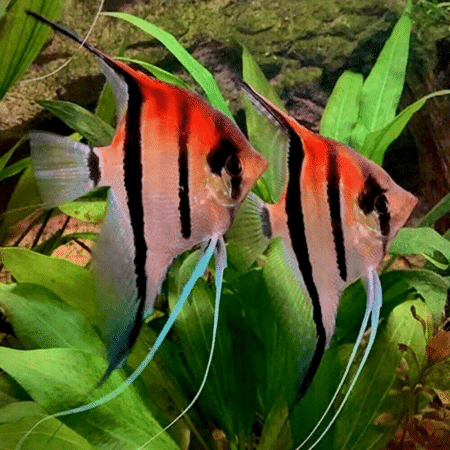
I recently added a pair of Gold Angelfish to my 75-gallon aquarium, and I couldn’t be happier! These two little beauties, each about 3 cm, have settled in wonderfully after just a week. Their vibrant gold coloration really lights up the tank and contrasts beautifully with my lush plants. I’ve kept fish for over five years, and I can honestly say these angelfish are among the healthiest I’ve received. They were shipped promptly and arrived in excellent condition with no signs of stress, which is crucial for their well-being. I’ve noticed them exploring their new home, and they even seem to be pairing up nicely, which is a delight to witness! I highly recommend this pair for hobbyists looking to add lively personalities to their aquarium. Just a note: they do appreciate some space and hiding spots, so be sure to have some decorations in place. Overall, this purchase has been a joy, and I would absolutely buy from this vendor again!
Emily Carter (verified owner) –
I recently added a pair of Gold Angelfish to my aquarium, and I couldn’t be happier! These vibrant fish are not only beautiful but also quite easy to care for, making them perfect for both novice and experienced aquarists. After about two months in my 55-gallon tank, they have really settled in and have been thriving. I love watching them swim around, showcasing their stunning colors, which enhance my freshwater habitat beautifully.
Comparing them to other species I’ve kept, I find these angels to be much more interactive and social. They often come to the front of the tank to greet me, which adds an emotional connection that I cherish. I did initially worry about their compatibility with my other fish, but they’ve fit in nicely with my community tank.
If you’re considering adding some life to your fish tank, I highly recommend this pair! They’ve brought so much joy, and I can already see them growing. Just ensure you provide plenty of swimming space and good water conditions. The only minor concern is that they can get a bit territorial during breeding, but that’s typical behavior for angelfish. Overall, they’re a fantastic addition to any aquarium!