
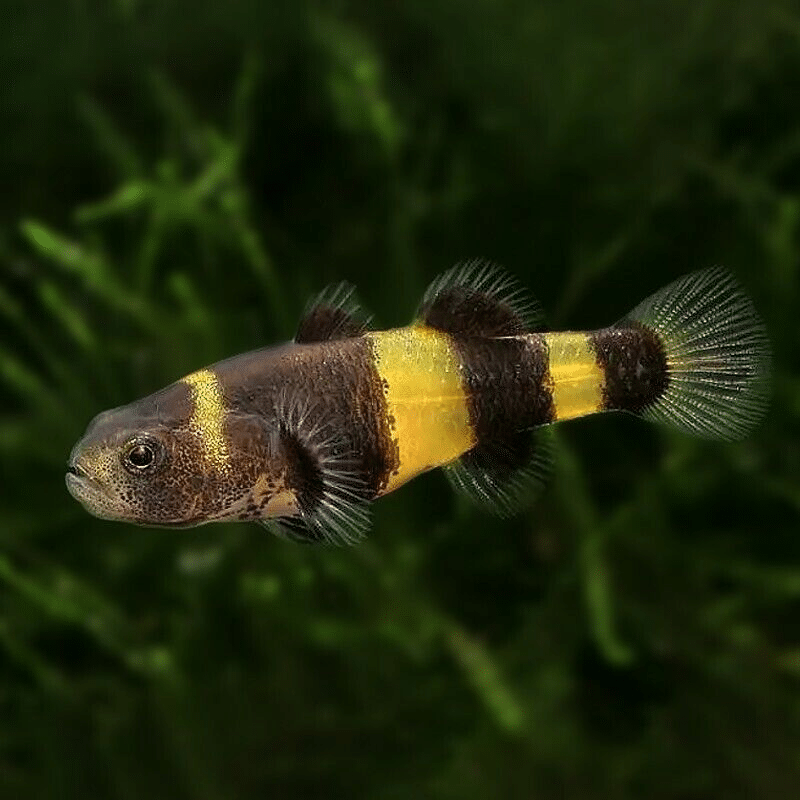
Bumblebee Goby – Brachygobius Doriae – Oxudercidae, Stunning Brackish Water Fish for Beginners, Perfect for Community Tanks and Peaceful Aquatic Environments

Original price was: £5.99.£4.84Current price is: £4.84.
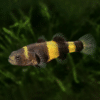
Welcome the stunning Bumblebee Goby (Brachygobius Doriae) into your aquarium! With its vibrant yellow and black stripes, this small, peaceful fish is perfect for community tanks. Care for these beautiful inhabitants and enjoy their graceful movements in a well-maintained brackish environment.
In stock
Species Introduction
The Bumblebee Goby, scientifically known as Brachygobius doriae, is a captivating species belonging to the Oxudercidae family. This small fish is native to the brackish waters of Southeast Asia, particularly in regions such as the coastal areas of Indonesia and Malaysia. Its unique appearance, characterized by its striking yellow and black stripes, resembles that of a bumblebee, hence its name. In the wild, these fish inhabit shallow waters, mangroves, and estuaries where they can find ample hiding spots among rocks and vegetation. As a tropical fish, they thrive in warm environments, making them a popular choice among fish enthusiasts looking to create a vibrant aquarium display.
Key Features – Bumblebee Goby – Brachygobius Doriae – Oxudercidae
| Specification | Details |
|---|---|
| Benefits | Enhances your aquarium ecosystem |
| Quality | Premium aquarium-grade materials |
| Ease of Use | Simple setup and maintenance |
Care Requirements Dashboard
✓ Care Level: Moderate
Tank Size: Minimum 20 gallons
Water Parameters: pH 7.0-8.0, Temperature 24-28°C (75-82°F), Hardness 10-20 dGH
Natural Behavior & Temperament
Bumblebee Gobies are known for their fascinating behaviors and social interactions. These fish are generally peaceful and can be welcomed as community members in tanks with other non-aggressive species. They exhibit a unique swimming pattern, often darting between rocks and plants, which mimics their natural habitat. Their social behavior is intriguing; they often form small groups and establish territories, making them an engaging addition to any aquarium. Observing their interactions can provide insights into their social structure, as they communicate through body language and subtle movements. However, it is essential to ensure that their tank mates are compatible to avoid stress and aggression.
Tank Setup Guide
Creating an ideal environment for your Bumblebee Goby involves replicating their natural habitat as closely as possible. A minimum tank size of 20 gallons is recommended to provide ample swimming space and hiding spots. Substrate should be soft and sandy, allowing these fish to burrow and feel secure. Incorporating decorations such as driftwood, rocks, and live plants will not only enhance the aesthetic appeal but also provide necessary shelter. It is crucial to maintain calm water flow, as these fish prefer gentle currents. Lighting should be moderate, allowing for shaded areas where they can retreat when feeling threatened. Regular maintenance and water changes will help maintain optimal water quality, ensuring a healthy environment for your aquatic companions.
Water Quality Management
Maintaining water quality is paramount for the health of your Bumblebee Goby. The ideal pH range for these fish is between 7.0 and 8.0, with a temperature range of 24-28°C (75-82°F). Regular testing of water parameters is essential to ensure stability. Ammonia and nitrite levels should always be at 0 ppm, while nitrate levels should be kept below 20 ppm. Weekly water changes of 10-15% will help maintain water clarity and quality. Additionally, using a high-quality filtration system will aid in keeping the water clean and well-oxygenated. It is also advisable to include live plants in the aquarium, as they can help absorb excess nutrients and improve overall water quality.
Feeding & Nutrition
✓ Diet: Omnivorous
Feeding Schedule: 2-3 times daily
Food Types: High-quality pellets, frozen or live foods
Bumblebee Gobies are omnivorous, requiring a varied diet to thrive. High-quality pellets should be the staple of their diet, supplemented with frozen or live foods such as brine shrimp, daphnia, and bloodworms. Feeding should occur 2-3 times daily, with only as much food as they can consume within a few minutes to prevent water quality issues. It is essential to monitor their feeding habits, as overfeeding can lead to health problems. Providing a diverse diet will not only enhance their coloration but also support their overall health and vitality.
Compatibility Guide
When selecting tank mates for your Bumblebee Goby, it is crucial to choose species that share similar water parameter requirements and temperaments. Ideal companions include other peaceful fish such as small tetras, rasboras, and other Goby species. Avoid aggressive or larger fish that may intimidate or harm your Bumblebee Goby. Additionally, it is advisable to keep them in groups of at least three to promote natural behavior and reduce stress. Observing the dynamics within the tank will help ensure a harmonious environment for all aquatic friends.
Health & Wellness
✓ Common Issues: Ich, fin rot
Prevention: Regular water changes, good diet
Maintaining the health of your Bumblebee Goby involves regular monitoring for signs of illness. Common issues include ich and fin rot, often caused by poor water quality or stress. To prevent these conditions, ensure regular water changes and maintain a stable environment. A balanced diet rich in nutrients will also enhance their immune system. If signs of illness appear, such as white spots or frayed fins, it is essential to act quickly. Quarantining affected fish and treating with appropriate medications can help prevent the spread of disease within the tank.
Breeding Information
Breeding Bumblebee Gobies can be a rewarding experience for dedicated hobbyists. These fish are mouthbrooders, meaning the female will carry the fertilized eggs in her mouth until they hatch. To encourage breeding, provide a separate breeding tank with optimal conditions: a slightly lower water level, plenty of hiding spots, and stable water parameters. The male will court the female by displaying vibrant colors and performing a dance. After spawning, the female will carry the eggs for about two weeks before releasing the fry. It is crucial to provide suitable food for the fry, such as infusoria or finely crushed flakes, to ensure their healthy growth.
Acclimation Process
✓ Acclimation Method: Drip acclimation
Duration: 1-2 hours
Introducing your Bumblebee Goby to a new environment requires careful acclimation to minimize stress. The drip acclimation method is recommended for this species. Begin by floating the sealed bag in the aquarium for about 15 minutes to equalize the temperature. Then, open the bag and slowly add small amounts of tank water to the bag every 10-15 minutes for 1-2 hours. This gradual process allows the fish to adjust to the new water parameters, reducing the risk of shock. Once acclimated, gently release the fish into the aquarium, avoiding the introduction of bag water to maintain water quality.
Long-term Care
Caring for your Bumblebee Goby over the long term involves consistent attention to their environment and health. These fish can live up to 5 years or more with proper care. Regular monitoring of water parameters, maintaining a stable environment, and providing a varied diet are essential for their longevity. It is also important to observe their behavior and interactions with tank mates, as any signs of stress or aggression should be addressed promptly. Regular maintenance, including cleaning the tank and performing water changes, will help ensure a healthy and thriving aquarium ecosystem.
Natural Habitat Recreation
✓ Biotope Setup: Brackish water with vegetation
Plants: Java moss, Anubias, floating plants
To create a biotope that mimics the Bumblebee Goby’s natural habitat, focus on incorporating brackish water conditions with a variety of aquatic plants. Java moss and Anubias are excellent choices, providing hiding spots and surfaces for the fish to explore. Floating plants can help diffuse light and create shaded areas, which are essential for their comfort. Additionally, including driftwood and rocks will enhance the natural look of the aquarium while providing territories for the fish. This setup not only benefits the Bumblebee Goby but also creates a visually stunning display for any aquarium enthusiast.
Seasonal Care Adjustments
As seasons change, so too can the conditions within your aquarium. During warmer months, it may be necessary to monitor the water temperature closely, ensuring it remains within the optimal range for your Bumblebee Goby. Using fans or chillers can help maintain cooler temperatures if needed. In contrast, during colder months, maintaining a stable temperature through heaters is crucial. Additionally, adjusting lighting duration to mimic natural daylight cycles can enhance the well-being of your fish and plants. Seasonal adjustments to feeding routines may also be beneficial, as fish metabolism can vary with temperature changes.
Expert Tips
✓ Professional Advice: Monitor water parameters regularly
Tip: Use a high-quality water conditioner
For those looking to provide the best care for their Bumblebee Goby, regular monitoring of water parameters is essential. Invest in a reliable water testing kit to keep track of pH, ammonia, nitrite, and nitrate levels. Additionally, using a high-quality water conditioner can help neutralize harmful substances in tap water, ensuring a safe environment for your fish. Creating a routine for tank maintenance and observing your fish’s behavior can also provide valuable insights into their health and happiness. Engaging with fellow fish enthusiasts through forums or local clubs can also enhance your knowledge and experience.
Troubleshooting
Even with the best care, issues may arise in the aquarium. Common problems include algae overgrowth, which can be managed through regular cleaning and maintaining proper lighting. If your Bumblebee Goby exhibits unusual behavior, such as hiding excessively or not eating, it may indicate stress or illness. Assessing water quality and tank conditions promptly can help identify the issue. If aggression occurs among tank mates, consider rearranging the tank layout to disrupt established territories. Keeping a close eye on your fish will allow for timely interventions and a healthier aquarium environment.
Scientific Background
✓ Taxonomy: Family Oxudercidae
Conservation Status: Least Concern
The Bumblebee Goby belongs to the family Oxudercidae, which includes various species of gobies adapted to brackish environments. This family is known for its unique adaptations, allowing these fish to thrive in fluctuating salinity levels. The conservation status of the Bumblebee Goby is currently listed as Least Concern, indicating a stable population in the wild. However, habitat destruction and pollution pose threats to their natural environments. Understanding the scientific background of these fish helps aquarium enthusiasts appreciate their unique characteristics and the importance of preserving their habitats.
Advanced Care Techniques
For experienced aquarists, implementing advanced care techniques can enhance the well-being of Bumblebee Gobies. Consider establishing a breeding program to contribute to the conservation of this species. Experimenting with different food types and observing their effects on coloration and health can also be rewarding. Additionally, creating a more complex aquascape with varied water flow can stimulate natural behaviors and encourage exploration. Engaging in research on the latest findings in fish care and husbandry can provide new insights and techniques, ensuring your aquarium remains a thriving ecosystem.
Frequently Asked Questions
Q: What tank size is required for Bumblebee Gobies?
Bumblebee Gobies are small fish, typically growing to about 4 cm in length. A minimum tank size of 60 litres is recommended for a small group, as they thrive in social settings. A larger tank will provide ample swimming space and help maintain stable water parameters. Ensure that the tank is well-planted with hiding spots, as these fish enjoy exploring their environment. Regular water changes and a good filtration system are crucial to keep their habitat clean and healthy.
✓ Expert Tip
Consider using a sandy substrate to mimic their natural habitat, which encourages natural foraging behaviour.
Q: What water parameters do Bumblebee Gobies require?
Bumblebee Gobies prefer slightly brackish water, with a salinity of around 1.005-1.010. The ideal temperature range is between 24-28°C, and pH levels should be maintained between 7.0 and 8.0. Regular testing of water parameters is essential to ensure their health. In addition, maintaining low nitrate and ammonia levels through regular water changes is vital. These fish are sensitive to poor water quality, which can lead to stress and disease.
✓ Expert Tip
Utilise a quality aquarium test kit to monitor water conditions regularly, ensuring a stable environment.
Q: How often should I feed Bumblebee Gobies?
Bumblebee Gobies should be fed a varied diet to ensure they receive all necessary nutrients. A feeding schedule of 2-3 times per day is ideal, offering small amounts that can be consumed in a few minutes. High-quality flake food, pellets, and frozen or live foods such as brine shrimp or bloodworms are excellent options. Avoid overfeeding, as uneaten food can deteriorate water quality.
✓ Expert Tip
Introduce new foods gradually to prevent digestive issues and encourage dietary diversity.
Q: What are the best tank mates for Bumblebee Gobies?
Bumblebee Gobies are generally peaceful and can coexist with various other species. Ideal tank mates include small, non-aggressive fish such as tetras, rasboras, and small catfish. Avoid larger, predatory fish that may see them as prey. It is best to keep them in groups to promote natural behaviours and reduce stress. Ensure that all tank mates are compatible in terms of water parameters and temperament.
✓ Expert Tip
Introduce new fish gradually to allow all species to acclimatise and establish territory without stress.
Q: How do I properly acclimatise Bumblebee Gobies to my aquarium?
Acclimatising Bumblebee Gobies is crucial for their health. Begin by floating the sealed bag in the aquarium for about 15-20 minutes to equalise the temperature. After this, gradually introduce small amounts of aquarium water into the bag every 5-10 minutes for about an hour. This process helps them adjust to the water parameters of your tank. Finally, gently place them in the aquarium using a net to avoid adding any transport water.
✓ Expert Tip
Avoid adding too many fish at once to prevent stress and ensure stable water conditions.
Q: What are the signs of healthy Bumblebee Gobies?
Healthy Bumblebee Gobies exhibit vibrant colours, clear eyes, and active behaviour. They should swim freely and display natural foraging behaviour. Look for signs such as good appetite and social interaction with tank mates. Any lethargy, loss of appetite, or abnormal swimming patterns may indicate stress or illness. Regular observation will help you spot any issues early, allowing for timely intervention.
✓ Expert Tip
Maintain a stress-free environment by keeping noise levels low and ensuring proper tank conditions.
Q: How do I successfully breed Bumblebee Gobies?
Breeding Bumblebee Gobies can be challenging but rewarding. To encourage breeding, provide a separate breeding tank with gentle water flow and plenty of hiding spots. Maintain slightly brackish water conditions, with a temperature of around 26-28°C. After successful spawning, the female will lay eggs on flat surfaces. Remove the adults after fertilisation to prevent them from eating the eggs. The eggs typically hatch in about 3-4 days.
✓ Expert Tip
Feed the fry finely crushed flake food or infusoria until they grow large enough for small brine shrimp.
Q: What temperature should I maintain for Bumblebee Gobies?
Bumblebee Gobies thrive in a temperature range of 24-28°C. Maintaining a stable temperature is critical, as fluctuations can lead to stress and health issues. Use a reliable aquarium heater and thermometer to monitor the temperature consistently. Regular checks will help ensure your fish friends remain comfortable and healthy, contributing to their long-term well-being.
✓ Expert Tip
Avoid placing the tank in direct sunlight or near heating vents to maintain consistent temperatures.
Q: How long do Bumblebee Gobies typically live in captivity?
With proper care, Bumblebee Gobies can live for 5-7 years in captivity. Providing a stable environment, appropriate tank mates, and a balanced diet are critical factors in extending their lifespan. Regular health checks and maintaining optimal water quality will contribute to their longevity. Observing their behaviour and health regularly will help you detect any issues early, ensuring they remain vibrant and healthy.
✓ Expert Tip
Consider keeping a journal to track water parameters and health observations for better management of your aquatic companions.
Q: What type of substrate is most suitable for Bumblebee Gobies?
Bumblebee Gobies prefer a fine, sandy substrate that mimics their natural habitat. This type of substrate allows them to forage and burrow, promoting natural behaviours. Avoid sharp or coarse substrates as they can injure their delicate bodies. Additionally, adding smooth rocks or driftwood can create hiding spots, enhancing their comfort and security in the tank.
✓ Expert Tip
Layering the substrate with gravel can help with filtration, but ensure it is fine enough for your gobies to navigate safely.
Q: What behavioural patterns should I expect from Bumblebee Gobies?
Bumblebee Gobies are generally peaceful and sociable fish, often seen foraging along the substrate and interacting with each other. They tend to establish territories, especially during breeding periods. Watch for their unique behaviour of darting around the tank, which is normal. They may also exhibit a habit of hiding among plants and decorations, providing them with a sense of security. Regular observation will help you appreciate their charming antics.
✓ Expert Tip
Create a varied environment with plants and decorations to encourage natural behaviours and reduce stress.
Q: How can I prevent common diseases in Bumblebee Gobies?
Preventing diseases in Bumblebee Gobies involves maintaining optimal water quality and a stress-free environment. Regular water changes are essential to avoid the buildup of harmful toxins. Quarantine new fish before introducing them to the main tank to prevent the spread of diseases. Additionally, observe your fish regularly for any signs of distress, such as changes in behaviour or appearance, allowing for timely intervention if required.
✓ Expert Tip
Consider using aquarium salt in moderation to assist in the treatment of minor ailments and to boost gill function.
Q: What lighting conditions do Bumblebee Gobies prefer?
Bumblebee Gobies thrive in moderate lighting conditions. Too bright lighting can cause stress, so providing shaded areas with plants or decorations is beneficial. Consider using LED lights with a dimming option to create a natural day-night cycle, simulating their natural environment. This approach not only enhances their comfort but also promotes a healthy aquatic ecosystem.
✓ Expert Tip
Use floating plants to diffuse light and provide additional hiding spots, enhancing their habitat.
Q: How do I recognise stress in Bumblebee Gobies?
Signs of stress in Bumblebee Gobies include erratic swimming, hiding excessively, and loss of appetite. If they are frequently darting away or displaying faded colours, it may indicate stress. Maintaining stable water conditions, ensuring proper tank mates, and providing hiding spots can significantly reduce stress levels. Regular monitoring and prompt attention to any changes in behaviour will help keep your fish friends healthy.
✓ Expert Tip
Create a calm environment by limiting disturbances and maintaining consistent tank parameters.
Q: What natural habitat conditions should I replicate for Bumblebee Gobies?
In their natural habitat, Bumblebee Gobies inhabit brackish waters with sandy substrates and plenty of hiding spots. To replicate these conditions, use a sandy substrate and incorporate rocks, driftwood, and live plants to create a comfortable environment. Maintaining slightly brackish water with proper salinity and temperature will closely resemble their native habitat, promoting their health and well-being.
✓ Expert Tip
Research the specific geographical area where your fish are from to tailor their environment more accurately.
1 review for Bumblebee Goby – Brachygobius Doriae – Oxudercidae, Stunning Brackish Water Fish for Beginners, Perfect for Community Tanks and Peaceful Aquatic Environments
Add a review
Related products





Emma Williams (verified owner) –
I recently added two Bumblebee Gobies to my aquarium, and I couldn’t be more thrilled! These charming little goby fish have been a joy to watch since I introduced them about a month ago. Their vibrant yellow and black stripes are not only eye-catching but also bring so much life to my tank. I love how they scuttle around the substrate, foraging for food and interacting with each other. It’s like having tiny aquatic puppies! I made sure to create a sandy bottom habitat with plenty of hiding spots, and they seem so happy in their environment. Compared to other fish I’ve had, the Bumblebee Goby is far more interactive and engaging, which makes them stand out in my collection. They are ideal for smaller community tanks and are perfect for any hobbyist looking to add something unique. Just a tip: they thrive in brackish water, so be mindful of your water salinity. Shipping was quick, and they arrived healthy and active, which is always a major plus for me. I highly recommend these delightful gobies to anyone looking to enhance their aquarium experience!