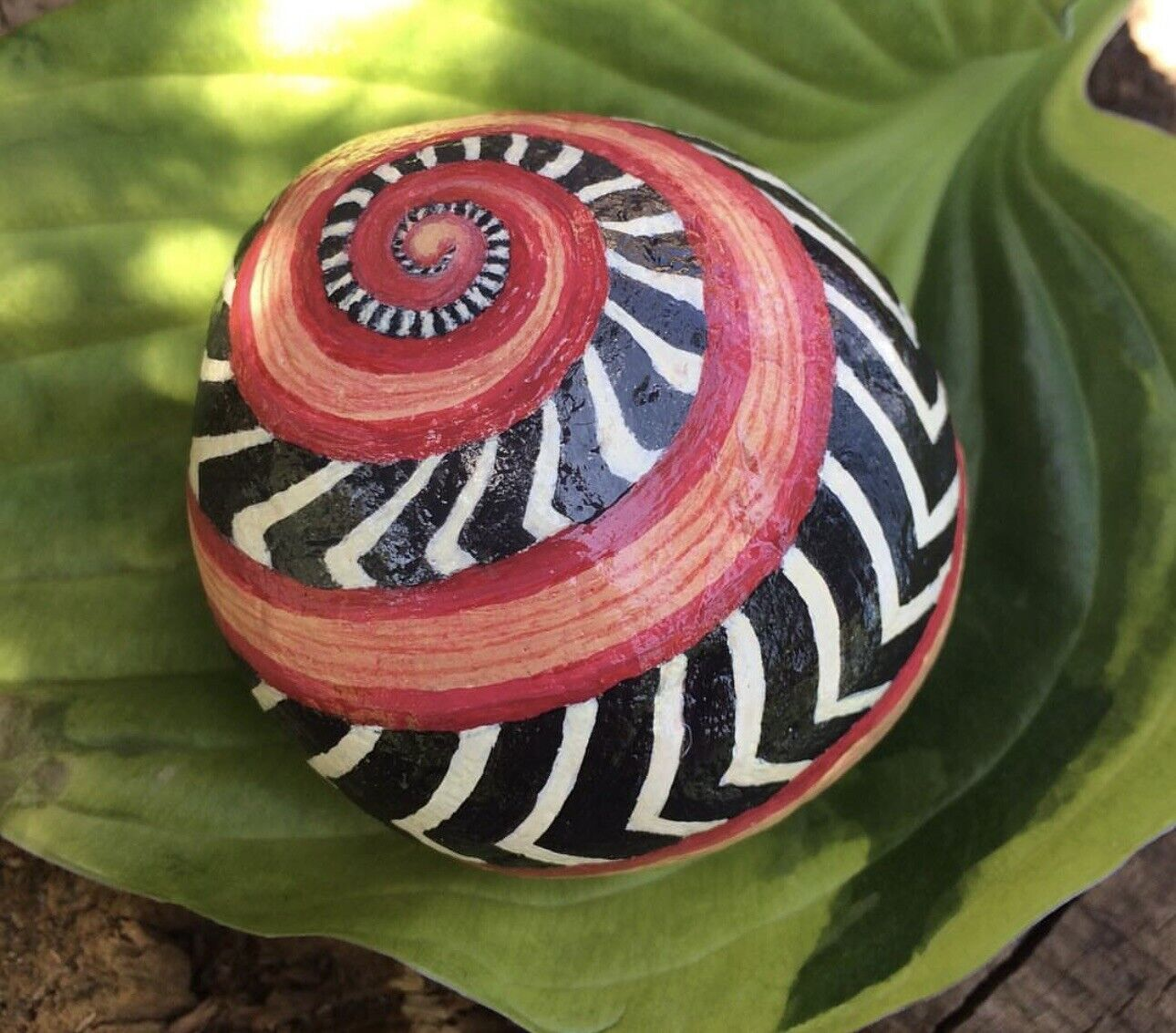
5 X Mix Nerite Snail (2cm) – Neritina Sp. – Algae Eater

Original price was: £12.99.£10.65Current price is: £10.65.
Welcome these beautiful 5 X Mix Nerite Live Aquarium Snails into your freshwater tank! Known for their stunning shell patterns, these peaceful algae eaters thrive in community setups, helping maintain aquarium plants and ensuring a clean, healthy environment for all inhabitants.
In stock


Species Introduction
The 5 X Mix Nerite Live Aquarium Snail, scientifically known as Neritina, is a fascinating addition to freshwater aquariums. These snails are native to various regions, primarily found in brackish waters of Africa, Asia, and the Americas. Their natural habitat includes rivers, estuaries, and mangroves where they thrive among aquatic plants and substrates. Nerite snails are renowned for their algae-eating capabilities, making them one of the best aquarium pets for maintaining a clean tank. With their unique patterns and colors, they not only serve a functional purpose but also add aesthetic value to your aquarium. These aquatic companions are peaceful and compatible with a variety of fish species, making them ideal for community tanks.
Key Features – 5 X Mix Nerite Live Aquarium Snail Algae Eater 2Cm Neritina Fresh Water
| Specification | Details |
|---|---|
| Benefits | Enhances your aquarium ecosystem |
| Quality | Premium aquarium-grade materials |
| Ease of Use | Simple setup and maintenance |
Care Requirements Dashboard
✓ Care Level: Easy
| Parameter | Requirement |
|---|---|
| Tank Size | Minimum 10 gallons |
| Water Temperature | 22-28 °C (72-82 °F) |
| pH Level | 6.5-8.5 |
| Water Hardness | 5-15 dGH |
Maintaining these parameters is crucial for the health and longevity of your Nerite snails. Regular water changes and monitoring of water quality will ensure a thriving environment for these beautiful creatures.
Natural Behavior & Temperament
Nerite snails exhibit a calm and serene temperament, making them peaceful inhabitants of your aquarium. They are primarily nocturnal, often becoming more active during the evening hours. These snails have a unique way of moving across surfaces, using their muscular foot to glide along rocks, plants, and glass. Their natural behavior includes grazing on algae, which they do with great diligence, helping to keep your tank clean. In a community tank, they coexist harmoniously with fish and other invertebrates, as they do not exhibit aggressive behaviors. It is important to provide them with plenty of surfaces to explore and graze upon, as this mimics their natural habitat and promotes their well-being.
Tank Setup Guide
Creating an ideal environment for your Nerite snails involves careful planning and consideration of various factors. Start with a tank that is at least 10 gallons to provide ample space for these snails to roam. The substrate should be soft and smooth, as rough surfaces can harm their delicate bodies. Sand or fine gravel is recommended. Incorporate a variety of decorations such as rocks, driftwood, and live plants to create hiding spots and grazing areas. Live plants not only enhance the aesthetic appeal of your aquarium but also provide essential nutrients and oxygen for your aquatic companions. Ensure that the tank is equipped with a good filtration system to maintain water quality, as snails are sensitive to poor conditions. Additionally, consider adding a gentle water flow to mimic their natural habitat.
Water Quality Management
Maintaining optimal water quality is essential for the health of your Nerite snails. Regular testing of pH, temperature, and hardness levels will help you ensure a stable environment. Aim for a pH level between 6.5 and 8.5, as this range is ideal for their well-being. The water temperature should be kept between 22-28 °C (72-82 °F), as fluctuations can stress the snails. Regular water changes of 10-20% weekly will help remove waste and replenish essential minerals. It is important to use dechlorinated water when performing water changes, as chlorine can be harmful to snails. Additionally, monitor ammonia and nitrite levels, as these should always be at 0 ppm to prevent toxicity. By maintaining these water quality parameters, you will create a safe and healthy environment for your Nerite snails.
Feeding & Nutrition
Nerite snails are primarily herbivorous, feeding on algae and biofilm that develop in your aquarium. They are excellent algae eaters, helping to control unwanted algae growth. In addition to algae, you can supplement their diet with high-quality sinking pellets, blanched vegetables like zucchini or spinach, and calcium-rich foods to support their shell health. It is important to provide a varied diet to ensure they receive all necessary nutrients. Feed your Nerite snails once or twice a week, only offering as much food as they can consume within a few hours to prevent overfeeding and water quality issues. Observing their feeding habits will help you gauge their dietary needs and adjust accordingly. Proper nutrition is crucial for their growth and overall health.
Compatibility Guide
Nerite snails are known for their peaceful nature, making them compatible with a wide range of fish and other aquatic species. They can coexist with community fish such as tetras, guppies, and rasboras without any issues. However, it is crucial to avoid housing them with aggressive or overly boisterous species that may disturb them. Additionally, avoid keeping them with larger fish that may see them as a snack. Nerite snails can also thrive with other invertebrates like shrimp, provided the shrimp are not large enough to pose a threat. When introducing new tank mates, monitor their interactions closely to ensure a harmonious environment. By carefully selecting compatible species, you can create a thriving community tank that showcases the beauty of your Nerite snails.
Health & Wellness
Maintaining the health and wellness of your Nerite snails involves regular monitoring and care. Common issues that may arise include shell erosion, which can occur due to poor water quality or insufficient calcium in their diet. To prevent this, ensure that the water parameters are stable and provide calcium-rich foods. Additionally, watch for signs of stress, such as retraction into their shells or lack of movement. If you notice any abnormalities, it may indicate an underlying issue that needs to be addressed. Regular water changes and maintaining a clean tank environment will help prevent health problems. If you suspect a health issue, consult with an aquatic veterinarian or a knowledgeable aquarist for guidance on treatment options.
Breeding Information
Breeding Nerite snails in captivity can be challenging, as they require brackish water conditions to reproduce successfully. In a freshwater environment, they may not lay eggs, but if you provide a brackish setup, you may witness their fascinating breeding behavior. The female lays eggs on surfaces within the tank, which appear as small, white, jelly-like clusters. After a few weeks, the eggs will hatch into tiny snails. It is important to provide suitable conditions for the fry, including adequate food sources and a safe environment. If you intend to breed Nerite snails, research the specific requirements for their breeding process to ensure success. Breeding can be a rewarding experience, allowing you to witness the life cycle of these beautiful creatures.
Acclimation Process
When introducing your Nerite snails to a new aquarium, it is essential to acclimate them properly to minimize stress and ensure a smooth transition. Begin by floating the sealed bag containing the snails in the tank for about 15-20 minutes to equalize the temperature. After that, gradually mix small amounts of tank water into the bag over the course of an hour. This process allows the snails to adjust to the new water chemistry. Once acclimated, gently place the snails in the tank using a net to avoid introducing any transport water. Avoid placing them directly into the tank to prevent shock. Proper acclimation is crucial for the health and well-being of your Nerite snails.
Long-term Care
Caring for your Nerite snails over the long term involves maintaining stable water conditions and providing a balanced diet. Monitor their growth and behavior regularly to ensure they are thriving. As they mature, you may notice changes in their activity levels and feeding habits. It is important to continue providing a varied diet and to keep the tank environment clean. Regular water changes and substrate cleaning will help prevent the buildup of waste and maintain water quality. Additionally, observe for any signs of stress or health issues, and address them promptly. With proper care and attention, your Nerite snails can live for several years, enriching your aquarium experience.
Natural Habitat Recreation
Recreating the natural habitat of Nerite snails in your aquarium enhances their well-being and promotes natural behaviors. Start by incorporating soft substrates, such as sand or fine gravel, to mimic the riverbeds they inhabit. Adding live plants will provide hiding spots and grazing areas, while rocks and driftwood can create a more dynamic environment. Ensure that the tank is well-lit to encourage plant growth, as this will benefit both the snails and the overall ecosystem of the aquarium. By creating a biotope that reflects their natural habitat, you will not only enhance the aesthetic appeal of your tank but also provide a healthier environment for your Nerite snails.
Seasonal Care Adjustments
As seasons change, it is important to adjust your care routine for Nerite snails to ensure their continued health and happiness. During warmer months, monitor the water temperature closely, as it can rise significantly. Ensure that the tank is not exposed to direct sunlight, which can lead to overheating. In colder months, consider using a heater to maintain a stable temperature within the recommended range. Additionally, adjust feeding schedules based on their activity levels, as they may eat more during warmer months when they are more active. By being attentive to seasonal changes, you can provide optimal care for your Nerite snails throughout the year.
Expert Tips
For those looking to provide the best care for their Nerite snails, here are some expert tips to enhance their living conditions. First, ensure that your aquarium is well-planted, as this not only provides food sources but also helps maintain water quality. Second, consider adding a calcium supplement to their diet, as this promotes strong shell growth and prevents erosion. Third, regularly inspect the snails for any signs of health issues, and address them promptly. Lastly, keep a close eye on water parameters, as even minor fluctuations can impact their health. By implementing these expert tips, you can create a thriving environment for your Nerite snails.
Troubleshooting
If you encounter issues with your Nerite snails, it is essential to identify the problem quickly to prevent further complications. Common issues include shell erosion, lack of movement, or discoloration. Shell erosion can often be addressed by improving water quality and ensuring a calcium-rich diet. If your snails are not moving, check the water parameters for any abnormalities, as stress can cause them to retract into their shells. Discoloration may indicate health issues or poor water conditions. Regularly testing water parameters and maintaining a clean environment will help prevent many common problems. If issues persist, consult with an aquatic veterinarian or a knowledgeable aquarist for further assistance.
Scientific Background
The Nerite snail belongs to the family Neritidae, which includes various species adapted to both freshwater and brackish environments. Their unique ability to thrive in different salinity levels makes them versatile inhabitants in aquariums. The scientific classification of Nerite snails places them within the class Gastropoda, which encompasses a wide range of mollusks. Research into their ecological role highlights their importance in controlling algae populations, contributing to the overall health of aquatic ecosystems. Conservation efforts are essential to protect their natural habitats, as many species face threats from habitat destruction and pollution. By understanding the scientific background of Nerite snails, aquarists can appreciate their ecological significance and the importance of responsible care.
Advanced Care Techniques
For experienced aquarists looking to take their care of Nerite snails to the next level, consider implementing advanced techniques to enhance their living conditions. One effective method is to create a multi-layered aquascape that allows for different grazing areas and hiding spots. Incorporating a variety of plant species can also promote biodiversity and improve water quality. Additionally, consider using a calcium reactor or supplement to ensure that your snails receive adequate calcium for shell growth. Regularly rotating the tank decorations can provide mental stimulation and encourage natural behaviors. By employing these advanced care techniques, you can create an enriched environment that supports the health and well-being of your Nerite snails.
Frequently Asked Questions
Q: What tank size is required for Nerite snails?
Nerite snails thrive in aquariums of at least 20 litres (5 gallons) or more. This size ensures that they have ample space to roam and graze on algae. A larger tank also helps maintain stable water parameters, which is crucial for their health. These snails prefer a well-maintained environment, so having a suitable tank size can also facilitate better filtration and water quality management. If you plan to keep multiple snails, it is advisable to increase the tank size accordingly to prevent overcrowding.
✓ Expert Tip
Ensure that your aquarium has a secure lid, as Nerite snails are known to climb and may escape if given the chance.
Q: What water parameters do Nerite snails require?
Nerite snails prefer slightly acidic to neutral water conditions, ideally with a pH range of 6.5 to 7.5. The water temperature should be maintained between 20-26°C (68-79°F). Regular water changes are crucial to ensure optimal water quality, as they are sensitive to ammonia and nitrite levels. Conducting weekly tests for these parameters will help you monitor the health of your aquatic companions. Additionally, ensure that the water hardness is within the range of 6-12 dGH, as this supports their shell health and overall well-being.
✓ Expert Tip
Utilise a water conditioner to remove harmful chemicals from tap water before adding it to your aquarium.
Q: How often should I feed Nerite snails?
Nerite snails are primarily herbivores and feed on algae, which they graze on throughout the day. In addition to algae, it is advisable to supplement their diet with high-quality algae wafers or blanched vegetables such as zucchini or spinach. A feeding frequency of 2-3 times a week is sufficient, as overfeeding can lead to poor water quality. Monitor their eating habits; if you notice leftover food after a couple of days, reduce the quantity. This will help maintain a clean environment for your aquatic companions.
✓ Expert Tip
Always remove any uneaten food after 24 hours to prevent water contamination.
Q: What are the best tank mates for Nerite snails?
Nerite snails are generally peaceful and make great tank mates for a variety of freshwater fish. Ideal companions include small to medium-sized fish such as guppies, tetras, and rasboras, which are less likely to disturb them. Avoid aggressive or larger fish species that may see them as food or harass them. Additionally, ensure that any other invertebrates are compatible, as some species may prey on snails. A balanced community tank with plenty of hiding spots will create a harmonious environment for your aquatic companions.
✓ Expert Tip
Monitor the behaviour of all tank mates to ensure a stress-free environment for your Nerite snails.
Q: How do I properly acclimatise Nerite snails to my aquarium?
Acclimatising Nerite snails is essential to prevent stress and ensure their health. Begin by floating the sealed bag containing the snails in your aquarium for about 15-20 minutes to equalise the temperature. Next, gradually introduce aquarium water into the bag, a small amount at a time, over the course of an hour. This process helps them adjust to the new water parameters. Once acclimatised, gently release the snails into the aquarium, avoiding adding the bag water to your tank to prevent introducing any potential contaminants.
✓ Expert Tip
Ensure your aquarium is fully cycled before introducing any new aquatic companions.
Q: What are the signs of healthy Nerite snails?
Healthy Nerite snails exhibit a vibrant shell colour, firm texture, and active behaviour. They should be seen grazing on surfaces, indicating they are feeding well. Additionally, their operculum (the trapdoor on the shell) should be tightly closed when they are inside their shell. If you notice any signs of lethargy, lack of appetite, or an empty shell, these may indicate stress or health issues. Regular observation will help you spot these signs early and take necessary action to maintain their well-being.
✓ Expert Tip
Maintain stable water parameters to prevent stress and promote overall health.
Q: How do I successfully breed Nerite snails?
Breeding Nerite snails can be quite challenging, as they require brackish water conditions to reproduce successfully. In a freshwater aquarium, they will lay eggs, but these typically do not hatch. If you wish to breed them, you would need to transfer the eggs to a brackish environment. The ideal salinity for breeding is around 1.005-1.010 SG. If you manage to create the right conditions, you may see baby snails emerge after a few weeks. However, it is crucial to ensure that the fry are kept in suitable conditions to thrive.
✓ Expert Tip
Consider using a separate breeding tank to maintain optimal conditions without affecting your main aquarium.
Q: What temperature should I maintain for Nerite snails?
Nerite snails thrive in temperatures ranging from 20-26°C (68-79°F). Maintaining a consistent temperature within this range is vital for their health and activity levels. Sudden fluctuations can stress them, leading to health issues. It is advisable to invest in a reliable aquarium heater and thermometer to monitor the temperature accurately. This will help create a stable environment that mimics their natural habitat, ensuring your aquatic companions remain happy and healthy.
✓ Expert Tip
Consider placing your aquarium away from direct sunlight to prevent temperature fluctuations.
Q: How long do Nerite snails typically live in captivity?
In captivity, Nerite snails can live for approximately 1-3 years, depending on their care and environmental conditions. Factors such as water quality, diet, and tank mates play a significant role in their lifespan. Providing a stable environment with optimal water parameters will enhance their longevity. Regular maintenance, including water changes and monitoring for diseases, will also contribute to a longer, healthier life for your aquatic companions.
✓ Expert Tip
Ensure a varied diet to support their health and potentially extend their lifespan.
Q: What type of substrate is most suitable for Nerite snails?
Nerite snails are adaptable and can thrive in various substrates, but a fine sand or smooth gravel substrate is recommended. These types provide a comfortable environment for them to move around without risking damage to their delicate bodies. Avoid sharp or rough substrates, as they may harm the snails. A well-planted tank with hiding spots is also beneficial, as it mimics their natural habitat and provides a sense of security for your aquatic companions.
✓ Expert Tip
Regularly clean the substrate to prevent waste accumulation that could affect water quality.
Q: What behavioural patterns should I expect from Nerite snails?
Nerite snails are generally peaceful and exhibit interesting behaviours, such as grazing on surfaces to feed on algae. They are primarily nocturnal, becoming more active during the evening and night. During the day, they may retreat into their shells or find hiding spots. Their slow-moving nature allows them to explore their environment thoroughly, and they may even climb on plants and decorations. Observing these behaviours can provide insight into their health and well-being.
✓ Expert Tip
Creating a varied environment with plants and decorations can encourage natural behaviours.
Q: How can I prevent common diseases in Nerite snails?
Preventing diseases in Nerite snails primarily revolves around maintaining optimal water quality and stable conditions. Regular water changes, testing for ammonia and nitrite levels, and ensuring proper filtration will help create a healthy environment. Avoid overcrowding your tank and ensure that any new additions are quarantined before introduction. Additionally, providing a balanced diet rich in calcium will support shell health and strengthen their immune system, reducing the risk of disease.
✓ Expert Tip
Monitor for any unusual behaviour or physical changes, as early detection is key to preventing illness.
Q: What lighting conditions do Nerite snails prefer?
Nerite snails do not have specific lighting preferences, but moderate lighting is beneficial as it encourages algae growth, which serves as their primary food source. Avoid intense lighting, as this can lead to excessive algae growth and may stress your aquatic companions. A natural day/night cycle with approximately 10-12 hours of light per day is ideal. This mimics their natural habitat and helps maintain a balanced environment for both the snails and other tank inhabitants.
✓ Expert Tip
Consider using a timer for your aquarium lights to ensure consistent lighting conditions.
Q: How do I recognise stress in Nerite snails?
Signs of stress in Nerite snails include excessive hiding, withdrawal into their shells, and a lack of grazing behaviour. If you notice them remaining retracted for prolonged periods or failing to respond to food, these may indicate stress due to poor water quality or unsuitable tank mates. Regular monitoring of their behaviour and environment will help you identify these issues early. Adjusting water parameters or tank conditions can often alleviate stress and restore your snails to a healthy state.
✓ Expert Tip
Ensure that your tank is well-planted and has hiding spots to help reduce stress levels.
Q: What natural habitat conditions should I replicate for Nerite snails?
Nerite snails are native to various freshwater habitats, including rivers and streams. To replicate their natural conditions, ensure your aquarium has good water movement and quality, as they thrive in well-oxygenated environments. Incorporate smooth rocks, driftwood, and live plants to mimic their habitat, providing both food sources and hiding spots. This not only enhances their quality of life but also promotes their natural behaviours, leading to healthier and happier snails.
✓ Expert Tip
Maintain a clean and well-maintained environment to prevent stress and promote well-being.
Related aquarium favourites
- Shop more nerite snails.
- Also browse snail.
- Compare with Zebra Thorn Nerite Snail – Clithon Diadema – Algae Eater.
1 review for 5 X Mix Nerite Snail (2cm) – Neritina Sp. – Algae Eater
Add a review
Related products



Emily Carter (verified owner) –
I recently added the 5 X Mix Nerite Live Aquarium Snails to my freshwater tank, and I couldn’t be happier! These little guys are fantastic algae eaters, and within just one week, I noticed a significant reduction in algae on my aquarium plants. I love how they glide around, gently munching on the algae without disturbing the rest of my aquarium’s ecosystem. Each snail is about 2 cm, making them a perfect size for my 20-gallon tank.
I’ve tried other algae-eating snails before, but these Nerite snails have a unique charm and personality that I find so endearing. Plus, they don’t breed in freshwater, which means I avoid the potential overpopulation issue. One thing to note is that they do prefer slightly higher pH levels, but that’s easily manageable with my setup.
I highly recommend these snails for both beginner and experienced fish parents looking to keep their aquascapes clean while adding a bit of character to the tank. They’ve made my aquarium not just cleaner, but also more vibrant and lively. Shipping was prompt, and they arrived healthy and ready to work. I’d definitely buy them again!