
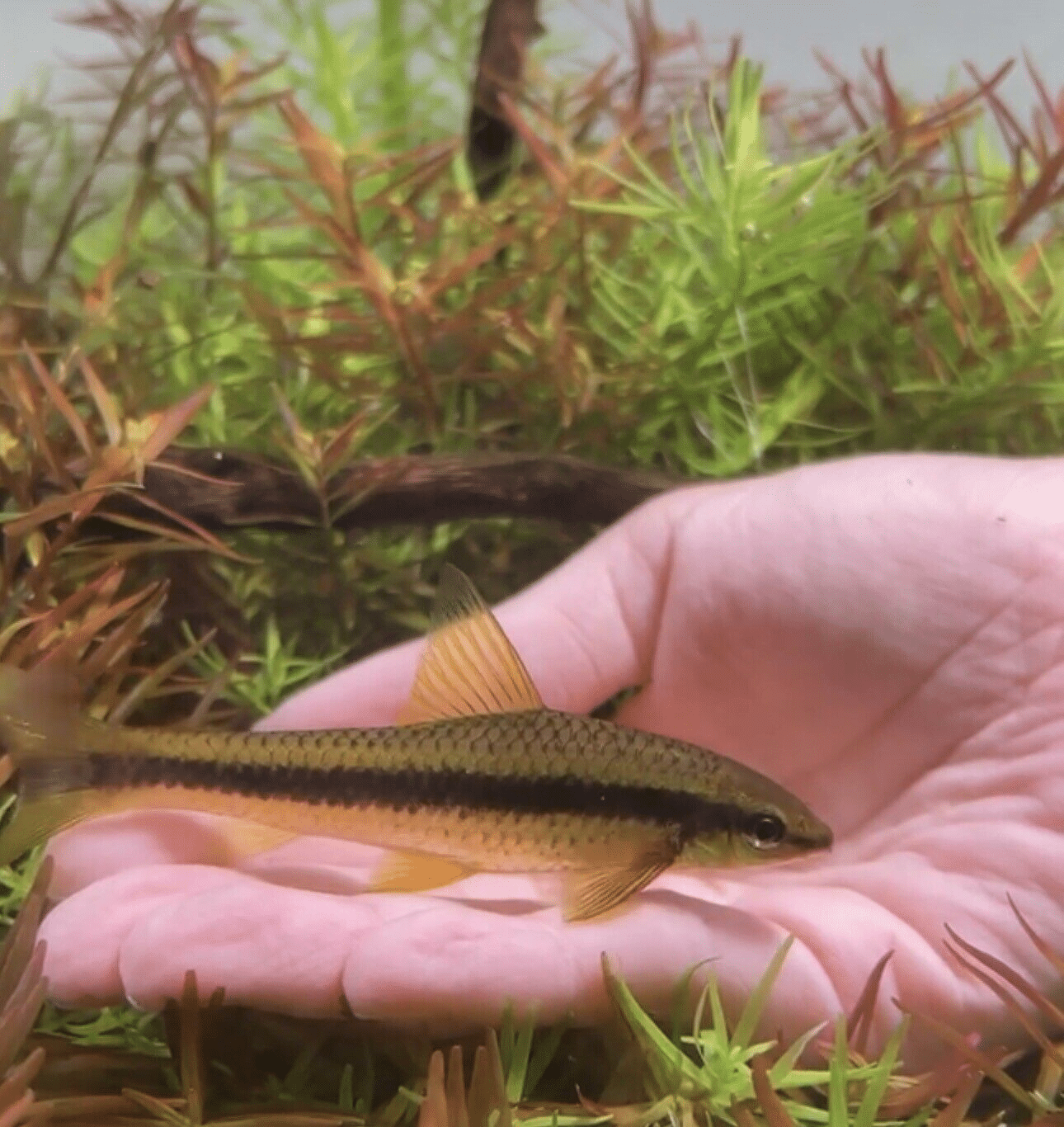
Siamese Algae Eater – Crossocheilus Oblongus – Shrimp Friendly

Original price was: £5.49.£4.59Current price is: £4.59.
Welcome these graceful Siamese Algae Eater tropical fish into your aquarium. Known for their stunning appearance and algae-cleaning prowess, they thrive in community tanks, making them ideal for aquarists seeking peaceful companions. Enhance your aquarium plants’ health with these beautiful inhabitants.
In stock
Species Introduction
The Siamese Algae Eater, scientifically known as Epalzeorhynchos kalopterus, is a fascinating freshwater fish that originates from the rivers of Southeast Asia. These beautiful inhabitants are not only known for their algae-clearing abilities but also for their striking appearance, featuring a slender body with a distinctive black stripe running from the snout to the tail. They thrive in a variety of freshwater habitats, including streams and rivers, where they play a vital role in maintaining the ecological balance by consuming algae and detritus.
Essential Care Guide for Your Siamese Algae Eater Tropical Fish
| Optimal Living Conditions | |
|---|---|
| Water Temperature | 24-27°C (75-81°F) |
| pH Level | 6.5-7.5 |
| Water Hardness | 4-12 dKH |
| Minimum Tank Size | 80L (20 gal) |
| Salinity | Freshwater |
| Care Level | Beginner Friendly |
Tank Mate Compatibility Guide
Great Tank Mates
- Tetras
- Barbs
- Danios
Avoid These Tank Mates
- Aggressive cichlids
- Betta fish
Compatibility Note: Always research specific species requirements and observe fish behavior when introducing new tank mates. Individual fish personalities can vary!
Natural Behavior & Temperament
The Siamese Algae Eater is known for its peaceful and social nature, making it an excellent addition to community tanks. They are active swimmers that enjoy exploring their environment, often seen darting around the tank in search of algae and food. These fish thrive in groups and exhibit schooling behavior, which enhances their confidence and contributes to their overall well-being.
Tank Setup Guide
Creating an ideal environment for your Siamese Algae Eater involves replicating their natural habitat as closely as possible. A well-planted tank with plenty of hiding spots, such as caves, driftwood, and rocks, will provide security and enrichment for these fish. A sandy or fine gravel substrate is recommended, as it allows for easy foraging and mimics their natural riverbed environment.
Water Quality Management
Good Water Quality
Maintaining optimal water quality is crucial for the health and longevity of your Siamese Algae Eater. Regular water changes of 20-30% weekly will help to keep nitrate levels low and ensure a stable environment. Monitor the pH, temperature, and hardness regularly using reliable test kits.
Feeding & Nutrition
The Siamese Algae Eater is primarily herbivorous, thriving on a diet rich in plant matter. They are particularly fond of algae, which they will graze on throughout the day. To ensure a balanced diet, supplement their algae intake with high-quality fish flakes, pellets, and blanched vegetables such as zucchini, spinach, and peas.
Health & Wellness
The Siamese Algae Eater is generally a thriving fish, but like all aquatic companions, they can be susceptible to certain health issues. Regular monitoring of water quality and maintaining a stable environment can prevent many of these issues.
Breeding Information
Breeding Siamese Algae Eaters in captivity can be challenging, as they are not commonly bred in home aquariums. However, with the right conditions, it is possible.
Acclimation Process
Introducing your Siamese Algae Eater to a new tank requires a careful acclimation process to reduce stress and ensure a smooth transition.
Long-term Care
The lifespan of a Siamese Algae Eater can range from 5 to 10 years, depending on the care provided. To ensure they thrive throughout their life, maintain consistent water quality, provide a varied diet, and monitor their health regularly.
Natural Habitat Recreation
To recreate the natural habitat of the Siamese Algae Eater, consider setting up a biotope that mimics the freshwater rivers and streams of Southeast Asia.
Expert Tips
Professional Advice
For optimal care of your Siamese Algae Eater, consider the following expert tips: 1) Regularly check water parameters and perform water changes. 2) Provide a varied diet. 3) Observe their behavior for signs of stress or illness.
Troubleshooting
If you encounter issues with your Siamese Algae Eater, it is essential to identify the root cause quickly. Common problems include poor water quality, which can lead to stress and health issues.
Scientific Background
The Siamese Algae Eater belongs to the family Cyprinidae and is closely related to other popular freshwater species.
Advanced Care Techniques
For aquarists looking to take their care of Siamese Algae Eaters to the next level, consider implementing advanced techniques such as creating a biotope aquarium that closely resembles their natural habitat.
Frequently Asked Questions
Q: What tank size is required for the Siamese Algae Eater?
The Siamese Algae Eater thrives best in a minimum tank size of 75 litres (20 gallons). This size allows ample space for swimming and foraging, which are essential for their health and well-being. A larger tank is preferable, especially if you plan to keep multiple individuals, as they can become territorial. Additionally, providing hiding spots and plants will help reduce stress levels. Remember, the more space you provide, the more natural their behaviour will be, which is crucial for their overall happiness.
✓ Expert Tip
Consider setting up a tank with smooth rocks and plants to mimic their natural habitat, enhancing their comfort and encouraging natural foraging behaviours.
Q: What water parameters do Siamese Algae Eaters require?
Siamese Algae Eaters prefer slightly acidic to neutral water, with a pH range of 6.5 to 7.5. They thrive in temperatures between 24°C and 28°C (75°F to 82°F). It is crucial to maintain stable water conditions, as fluctuations can lead to stress and health issues. Regular water changes of 10-15% weekly will help in keeping the water quality high. Monitoring ammonia and nitrite levels should be a priority, as these should remain at 0 ppm. Nitrate levels should be kept below 20 ppm for optimal health.
✓ Expert Tip
Utilise a reliable water testing kit to regularly check parameters, ensuring a healthy environment for your fish friends.
Q: How often should I feed my Siamese Algae Eater?
Siamese Algae Eaters are primarily herbivorous, with a diet consisting mainly of algae. You should feed them 2-3 times a week, providing algae wafers, blanched vegetables such as zucchini or spinach, and high-quality flake food. It is essential to ensure that food is consumed within a few hours to maintain water quality. Overfeeding can lead to poor water conditions and health issues. Observe your fish and adjust feeding amounts based on their consumption and activity levels.
✓ Expert Tip
Incorporate a variety of foods to ensure a balanced diet, which can enhance their colour and overall health.
Q: What are the best tank mates for Siamese Algae Eaters?
Siamese Algae Eaters are generally peaceful and can coexist with a variety of tank mates. Ideal companions include tetras, rasboras, and other peaceful community fish. Avoid aggressive species, as they may harass your Siamese Algae Eaters. It is advisable to keep them in groups of 3 or more to reduce territorial behaviour and stress. Ensure that the tank is large enough to accommodate the different species comfortably, allowing each fish to establish its own space.
✓ Expert Tip
Regularly observe interactions among tank mates to ensure a harmonious environment, and be prepared to separate any overly aggressive individuals.
Q: How do I properly acclimatise my Siamese Algae Eater to my aquarium?
Acclimatisation is crucial for the health of your Siamese Algae Eater. Begin by floating the sealed bag in your aquarium for about 15-20 minutes to equalise the temperature. After that, gradually introduce aquarium water into the bag over the next hour. Open the bag and gently pour out half of the water, replacing it with aquarium water. Repeat this process a couple of times. Finally, use a net to transfer your fish into the tank, avoiding the water from the bag to prevent introducing any contaminants.
✓ Expert Tip
Be patient during the acclimatisation process, as rushing can lead to stress and health issues for your new fish friend.
Q: What are the signs of a healthy Siamese Algae Eater?
A healthy Siamese Algae Eater displays vibrant colours and clear, unclouded eyes. They should be active, swimming freely and foraging for food. Look for signs of a healthy appetite, as they should readily consume algae and other foods provided. Additionally, their fins should be intact and undamaged, and they should not exhibit any unusual behaviour, such as hiding excessively or gasping at the surface. Regular monitoring of your fish friends will help you catch any potential health issues early.
✓ Expert Tip
Keep a close eye on your fish’s behaviour and appearance, as early detection of issues can lead to more effective treatments.
Q: How do I successfully breed Siamese Algae Eaters?
Breeding Siamese Algae Eaters can be challenging, as they do not form pairs easily. It is best to set up a separate breeding tank with ample hiding places and plants. Maintain slightly warmer water temperatures (around 28°C or 82°F) and ensure excellent water quality. Introduce a group of 4-6 individuals, as this increases the chances of finding a compatible pair. Once spawning occurs, the female will lay eggs on flat surfaces. After fertilisation, remove the adults, as they may eat the eggs. The fry will hatch in about 24-48 hours and can be fed infusoria until they are large enough for finely crushed flakes.
✓ Expert Tip
Patience is key in breeding, as it may take several attempts before achieving successful spawning.
Q: What temperature should I maintain for my Siamese Algae Eater?
The optimal temperature for Siamese Algae Eaters is between 24°C and 28°C (75°F to 82°F). It is essential to maintain a stable temperature within this range, as fluctuations can cause stress and health issues. Utilising a reliable aquarium heater is advisable, particularly in cooler climates. Regular monitoring with an aquarium thermometer will help ensure that the temperature remains consistent. Consistency in temperature is crucial for the overall health and well-being of your fish friends.
✓ Expert Tip
Avoid placing your aquarium in direct sunlight or near heat sources, as this can lead to temperature fluctuations.
Q: How long do Siamese Algae Eaters typically live in captivity?
In captivity, Siamese Algae Eaters can live for approximately 5 to 10 years, provided they are cared for in optimal conditions. Their lifespan can be influenced by factors such as water quality, diet, and tank mates. Regular maintenance, including water changes and monitoring of water parameters, will contribute to their longevity. Additionally, providing a varied diet and a stress-free environment will have a positive impact on their overall health and lifespan.
✓ Expert Tip
Invest time in learning about their specific needs, as this knowledge will greatly enhance their life span and quality of life.
Q: What type of substrate is most suitable for Siamese Algae Eaters?
Siamese Algae Eaters prefer a sandy substrate or fine gravel, as this mimics their natural habitat and allows them to forage naturally. A smooth substrate is important to prevent injury to their delicate bodies. Additionally, incorporating plants and decorations will provide hiding spots and enhance their environment. Ensure that any substrate used does not leach harmful chemicals into the water, which could adversely affect fish health. Regular cleaning of the substrate will also help maintain water quality.
✓ Expert Tip
Opt for a substrate that is easy to clean, as this will help maintain good water quality and a healthy environment for your fish friends.
Q: What behavioural patterns should I expect from Siamese Algae Eaters?
Siamese Algae Eaters are generally active and social fish. They are often seen swimming around the tank, foraging for algae and food. They exhibit a curious nature and enjoy exploring their environment. However, as they mature, they may display territorial behaviours, especially in smaller tanks. Observing their interactions with tank mates is essential, as they can become more assertive. Providing them with ample space and hiding spots will help mitigate any aggressive tendencies, ensuring a more harmonious community tank.
✓ Expert Tip
Regularly observe your fish for changes in behaviour, as this can indicate stress or health issues that may require attention.
Q: How can I prevent common diseases in Siamese Algae Eaters?
Preventing diseases in Siamese Algae Eaters involves maintaining excellent water quality and a stable environment. Regular water changes, proper filtration, and monitoring water parameters are essential. Quarantining new fish before introducing them to the main tank can help prevent the spread of diseases. Additionally, ensuring a varied diet will strengthen their immune system. Be vigilant for signs of stress, such as rapid gill movement or hiding, which can indicate underlying health issues. Should you notice any abnormalities, prompt action is vital.
✓ Expert Tip
Regularly check for signs of disease and consult with an aquarium professional if you have concerns about your fish’s health.
Q: What lighting conditions do Siamese Algae Eaters prefer?
Siamese Algae Eaters thrive in moderate lighting conditions. While they do not require intense lighting, adequate light levels are essential for promoting algae growth, which forms a significant part of their diet. Aim for a lighting schedule of 10-12 hours per day, mimicking natural day and night cycles. Additionally, incorporating plants and shaded areas in the tank will provide a comfortable environment for your fish friends, allowing them to choose their preferred light levels.
✓ Expert Tip
Utilise a timer for your aquarium lights to ensure consistent lighting schedules, which can greatly benefit the overall health of your tank.
Q: How do I recognise stress in my Siamese Algae Eater?
Recognising stress in Siamese Algae Eaters can be crucial for their well-being. Common signs include hiding excessively, rapid gill movement, and erratic swimming patterns. Additionally, they may display a lack of appetite or become less active. Changes in colour or the appearance of clamped fins can also indicate stress. If you observe these behaviours, assess water parameters, tank mates, and overall environment to identify potential stressors. Prompt action is essential to mitigate stress and restore a peaceful habitat.
✓ Expert Tip
Create a calm, stable environment by minimising disturbances and providing plenty of hiding spots to help reduce stress levels.
Q: What natural habitat conditions should I replicate for Siamese Algae Eaters?
To replicate their natural habitat, create a tank environment that mimics their native Southeast Asian waters. This includes a soft substrate, plenty of plants, and hiding spots. Incorporate driftwood and rocks to provide shelter and areas for foraging. Maintain slightly acidic to neutral water conditions (pH 6.5-7.5) and a temperature range of 24°C to 28°C (75°F to 82°F). Regular water changes and good filtration will help maintain water quality, ensuring a healthy and thriving environment for your Siamese Algae Eaters.
✓ Expert Tip
Research the natural habitats of your fish friends to better understand their needs and replicate those conditions in your aquarium.
1 review for Siamese Algae Eater – Crossocheilus Oblongus – Shrimp Friendly
Add a review
Related products




Emily Carter (verified owner) –
As an experienced hobbyist, I can’t recommend the Siamese Algae Eater enough! After adding this little guy to my 55-gallon tank about two months ago, I’ve noticed a dramatic reduction in algae growth. He’s a diligent cleaner, tirelessly working on both the glass and my aquarium plants without causing any damage. Unlike other algae-eating fish I’ve tried, the Siamese Algae Eater is peaceful and shrimp-friendly—my little Cherry Shrimp thrive alongside him!
One aspect I love is his personality; he’s active and always on the move, which adds life to the tank. However, I did notice he can get a bit territorial as he matures, so I recommend keeping him with plenty of hiding spots. I’ve also found that he seems to prefer a well-planted aquarium, which helps reduce any aggressive behavior.
If you’re battling algae in a freshwater setup, this fish is a fantastic choice! He brings both utility and charm to my aquarium, and I would absolutely buy him again. Trust me, your tank will thank you!