
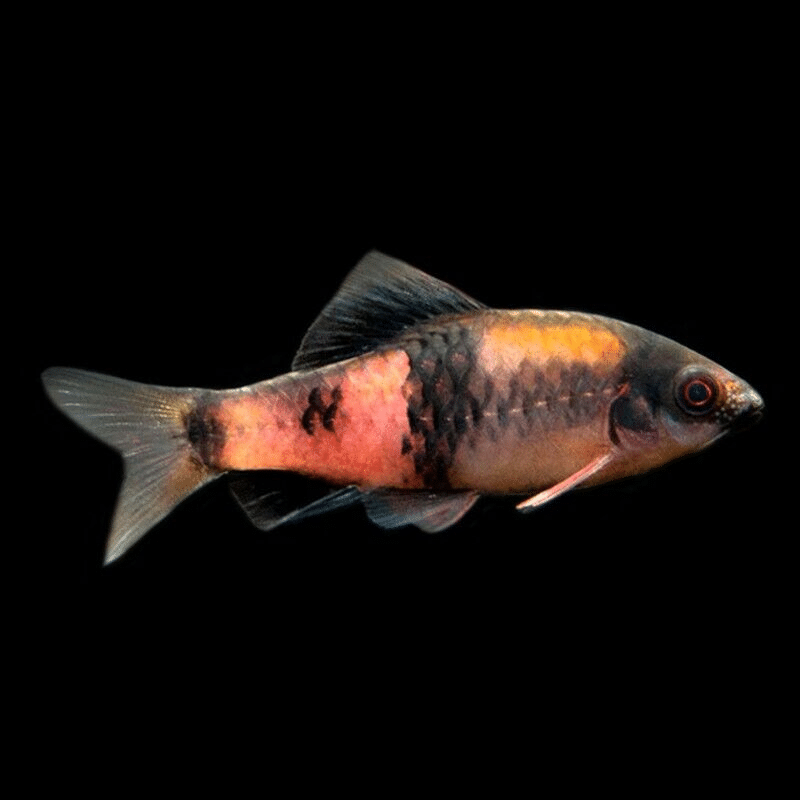
6 X Melon Barb – Haludaria Pradhani – Cyprinid Fish

Original price was: £34.49.£29.03Current price is: £29.03.
Welcome these beautiful 6 X Melon Barbs, also known as Haludaria Pradhani or Barbus Panda, into your community tank. These vibrant cyprinid fish thrive in well-maintained aquariums, adding color and grace. Perfect for aquarists seeking peaceful companions for their aquatic ecosystem.
In stock
Species Introduction
The Melon Barb, scientifically known as Puntius titteya, is a captivating species belonging to the Cyprinidae family. Originating from the lush freshwater rivers and streams of Southeast Asia, particularly in Sri Lanka, these fish are a stunning addition to any aquarium. With their vibrant colors and lively behavior, they are often sought after by aquarists looking to create a dynamic community tank. Melon Barbs are known for their peaceful nature, making them suitable for community tanks where they can thrive alongside other compatible species. Their maximum length reaches about 5 cm, allowing them to fit comfortably in a variety of tank sizes, provided the environment is well-maintained and enriched with aquatic plants.
Essential Care Guide for Your 6 X Melon Barbs – Haludaria Pradhani – Barbus Panda – Cyprinid Fish
| Optimal Living Conditions | |
|---|---|
| Water Temperature | 24-27°C (75-81°F) |
| pH Level | 6.5-7.5 |
| Water Hardness | 4-12 dKH |
| Minimum Tank Size | 80L (20 gal) |
| Salinity | Freshwater |
| Care Level | Beginner Friendly |
✓ Care Level: Easy
| Parameter | Ideal Range |
|---|---|
| Tank Size | Minimum 20 gallons |
| pH Level | 6.0 – 7.5 |
| Temperature | 22°C – 28°C (72°F – 82°F) |
| Hardness | 5 – 15 dGH |
Natural Behavior & Temperament
Melon Barbs are known for their active and social nature. They exhibit schooling behavior, which means they thrive in groups of six or more individuals. This schooling instinct not only helps them feel secure but also enhances their natural beauty as they swim gracefully through the water. In a community tank, they interact well with other peaceful species, making them excellent companions for various freshwater fish. However, it is crucial to avoid pairing them with overly aggressive species, as this can lead to stress and potential harm. Their playful antics and vibrant colors make them a joy to observe, providing endless entertainment for aquarists.
Tank Setup Guide
Creating an ideal environment for Melon Barbs involves careful consideration of tank setup. A minimum tank size of 20 gallons is recommended to provide ample swimming space. The substrate should be soft and sandy, allowing for natural behavior such as digging and foraging. Incorporating live plants is essential, as they not only enhance aesthetics but also provide hiding spots and reduce stress levels for these fish. Floating plants can create shaded areas, mimicking their natural habitat. Additionally, using driftwood and rocks can create territories and enhance the overall biotope. Ensure that the tank is well-cycled before introducing these fish to maintain stable water parameters.
Water Quality Management
Maintaining optimal water quality is crucial for the health of Melon Barbs. The ideal pH range is between 6.0 and 7.5, with a temperature of 22°C to 28°C (72°F to 82°F). Regular water testing is essential to monitor these parameters, along with hardness levels between 5 to 15 dGH. Performing weekly water changes of 20-30% will help maintain water quality and remove harmful toxins. Additionally, using a quality filtration system will ensure that the water remains clean and well-oxygenated. It is vital to avoid sudden fluctuations in temperature or pH, as these can stress the fish and lead to health issues.
Feeding & Nutrition
Melon Barbs are omnivorous and thrive on a varied diet. A balanced feeding regimen should include high-quality flake food, pellets, and occasional live or frozen foods such as brine shrimp, daphnia, and bloodworms. It is advisable to feed them small amounts two to three times a day, ensuring that they consume the food within a few minutes to prevent water quality issues. Providing a diverse diet not only promotes optimal health but also enhances their coloration and vitality. Remember to adjust feeding quantities based on the number of fish in the tank and their activity levels.
Compatibility Guide
✓ Ideal Tank Mates
| Fish Species | Compatibility |
|---|---|
| Neon Tetras | Excellent |
| Corydoras Catfish | Good |
| Guppies | Good |
| Rasboras | Excellent |
| Swordtails | Good |
⚠ Important Notice
Avoid keeping Melon Barbs with aggressive species such as Cichlids or larger Barbs, as they may become stressed or injured.
Health & Wellness
Monitoring the health of your Melon Barbs is essential for their longevity. Common health issues include fin rot, ich, and swim bladder disease. Regular observation can help identify early signs of distress such as changes in swimming behavior, loss of appetite, or visible lesions. Maintaining good water quality and a balanced diet is crucial for disease prevention. In case of illness, quarantine affected fish and consult a veterinarian or an experienced aquarist for treatment options. Preventative measures, including regular tank maintenance and proper feeding practices, can significantly reduce the risk of disease.
Breeding Information
Breeding Melon Barbs can be a rewarding experience, although it requires specific conditions. They are egg scatterers, meaning they lay eggs in the substrate or among aquatic plants. To encourage breeding, provide a separate breeding tank with dense vegetation and a spawning mop. The water should be slightly acidic with a temperature of around 26°C (79°F). After spawning, it is advisable to remove the adult fish to prevent them from eating the eggs. The eggs typically hatch within 24 to 48 hours, and the fry should be fed infusoria or finely crushed flakes until they are large enough to consume regular food. Careful monitoring of the fry’s growth and health is essential during this delicate stage.
Acclimation Process
Proper acclimation is vital when introducing new Melon Barbs to your aquarium. Begin by floating the sealed bag in the tank for about 15-20 minutes to equalize the temperature. After that, gradually introduce tank water into the bag every 5 minutes, allowing the fish to adjust to the new water parameters. This process should take about an hour. Once acclimated, gently net the fish and place them into the main tank, avoiding adding the bag water to prevent contamination. Monitoring the fish for signs of stress or illness post-introduction is essential to ensure a smooth transition into their new home.
Long-term Care
Caring for Melon Barbs involves understanding their lifecycle and growth expectations. These fish typically live for 5 to 7 years when provided with optimal conditions. Regular monitoring of their health, water quality, and diet will contribute to their longevity. As they grow, ensure that the tank remains spacious and well-planted to accommodate their active swimming behavior. Regular water changes and tank maintenance will help keep the environment stable and healthy. Engaging with your fish through feeding and observation will enhance your connection and understanding of their needs.
Natural Habitat Recreation
To create a biotope that reflects the natural habitat of Melon Barbs, consider replicating the conditions found in their native streams and rivers. This includes soft, sandy substrates, plenty of aquatic vegetation, and hiding spots created by rocks and driftwood. The use of natural materials will not only enhance the aesthetic appeal of the aquarium but also provide the fish with a sense of security. Incorporating a gentle water flow will mimic their natural environment, promoting healthy swimming patterns. Regularly pruning and maintaining the plants will ensure a thriving ecosystem for your Melon Barbs.
Seasonal Care Adjustments
As seasons change, adjustments to the care of Melon Barbs may be necessary. In warmer months, ensure that the tank temperature does not exceed 28°C (82°F) by utilizing fans or air conditioning if needed. Conversely, during colder months, consider using a heater to maintain a stable temperature. Additionally, the lighting schedule may require adjustments to mimic natural day length, promoting healthy growth and behavior. Regularly check water parameters, as fluctuations can occur with seasonal changes, and be prepared to make necessary adjustments to maintain optimal conditions.
Expert Tips
For those looking to enhance their experience with Melon Barbs, consider integrating advanced techniques such as live food cultures to enrich their diet. Live foods can stimulate natural hunting behaviors and improve coloration. Additionally, experimenting with aquascaping can create dynamic environments that encourage exploration and social interaction among your fish friends. Regularly interacting with your fish through feeding and observation will deepen your understanding of their behavior and needs, ultimately leading to a more rewarding aquarium experience.
Troubleshooting
Common issues faced by aquarists with Melon Barbs include stress from aggressive tank mates, poor water quality, and inadequate diet. If you notice signs of stress, such as hiding or erratic swimming, reassess the tank environment and compatibility of tank mates. Ensuring that water parameters remain stable is crucial; use a reliable testing kit to monitor pH, hardness, and ammonia levels. If dietary deficiencies are suspected, consider diversifying their diet to include high-quality flakes, pellets, and occasional live or frozen foods. Addressing these issues promptly will help maintain the health and happiness of your Melon Barbs.
Scientific Background
The Melon Barb is classified under the scientific name Puntius titteya and belongs to the Cyprinidae family, which is known for its diverse range of freshwater fish. Research indicates that these fish play a significant role in their ecosystems, contributing to the balance of aquatic life. Conservation efforts are essential to ensure the survival of their natural habitats, as pollution and habitat destruction pose significant threats. Understanding the scientific background of Melon Barbs can enhance the appreciation of these beautiful creatures and the importance of responsible aquarium practices.
Advanced Care Techniques
For experienced aquarists, advanced care techniques can further enhance the well-being of Melon Barbs. Implementing a planted tank with CO2 injection can promote lush growth, providing natural cover and foraging opportunities. Additionally, utilizing a sponge filter can help maintain gentle water flow while providing biological filtration. Regularly monitoring and adjusting lighting can also impact plant growth and fish behavior. Engaging in these advanced techniques not only improves the environment for your fish friends but also elevates the overall aquarium experience.
Frequently Asked Questions
Q: What tank size is required for Melon Barbs?
Melon Barbs, specifically Haludaria pradhani, thrive in a well-maintained aquarium of at least 100 litres. This size allows ample swimming space and encourages natural behaviour. They prefer a longer tank rather than a tall one, as they are active swimmers. A larger tank also helps maintain stable water parameters, reducing stress and ensuring a healthy environment. When establishing their habitat, consider adding plants and hiding spots to mimic their natural surroundings, which will enhance their comfort and reduce aggression. Therefore, if you are keen on welcoming these lovely creatures, a spacious tank is essential for their well-being.
✓ Expert Tip
Consider a tank with a gentle filter to maintain water quality without creating strong currents, which can stress Melon Barbs.
Q: What water parameters do Melon Barbs require?
Melon Barbs thrive in slightly acidic to neutral water, with a pH range of 6.5 to 7.5. The ideal temperature for their habitat is between 24°C to 28°C. Regular monitoring of water hardness is also crucial, aiming for a range of 5 to 15 dGH. Maintaining these parameters is essential for their health and behaviour. Stability is key; sudden fluctuations can lead to stress and illness. Regular water changes, about 10-15% weekly, will help keep these parameters in check. Additionally, employing a reliable water testing kit can aid in ensuring that your aquatic friends enjoy a comfortable environment.
✓ Expert Tip
Utilise a heater and a thermometer to maintain a consistent temperature, as fluctuations can be detrimental.
Q: How often should I feed Melon Barbs?
Feeding Melon Barbs should be done 2-3 times a day with small amounts that they can consume within a few minutes. A varied diet is essential, including high-quality flake food, pellets, and occasional live or frozen foods such as brine shrimp or daphnia. This variety not only keeps them stimulated but also ensures they receive a balanced diet rich in nutrients. Be mindful not to overfeed, as uneaten food can deteriorate water quality. Observing their feeding habits will help you adjust portions as necessary, ensuring your fish friends remain healthy and vibrant.
✓ Expert Tip
Consider using a feeding ring to prevent food from floating away and ensure all fish have access to it.
Q: What are the best tank mates for Melon Barbs?
Melon Barbs are generally peaceful and can coexist with various community fish. Suitable tank mates include Tetras, Rasboras, and Platies. Avoid aggressive species that may stress them, such as Cichlids. Ideally, keeping them in groups of at least six will help display their natural schooling behaviour and reduce stress. When introducing new tank mates, ensure they have similar water requirements and temperament. Observing interactions during the initial introduction is vital to ensure compatibility and a harmonious living environment.
✓ Expert Tip
Create hiding spots with plants or decorations to provide refuge for smaller or more timid fish.
Q: How do I properly acclimatise Melon Barbs to my aquarium?
Acclimatising Melon Barbs is crucial for their successful introduction into a new environment. Begin by floating the sealed bag in the aquarium for about 15-20 minutes to equalise the temperature. After this, gradually introduce small amounts of aquarium water into the bag over the next hour. This step helps them adjust to the water parameters. Once acclimatised, gently net the fish into the aquarium, discarding the bag water to avoid introducing contaminants. This process minimises stress and promotes a smooth transition into their new home.
✓ Expert Tip
Consider performing this acclimatisation process in dim lighting to further reduce stress on the fish.
Q: What are the signs of healthy Melon Barbs?
Healthy Melon Barbs exhibit vibrant colours, active swimming patterns, and clear eyes. They should not display any signs of stress, such as hiding excessively or remaining lethargic. Healthy barbs will also engage with their tank mates and exhibit natural behaviours. Regularly observing their feeding habits can also provide insights into their health; a lack of appetite may indicate an issue. Additionally, check for any physical signs such as lesions, fin rot, or cloudy eyes, which could signify health concerns that need addressing.
✓ Expert Tip
Keep a regular schedule for health checks and water quality testing to maintain optimal conditions.
Q: How do I successfully breed Melon Barbs?
Breeding Melon Barbs can be a fascinating endeavour. To encourage breeding, ensure a well-planted tank with fine-leaved plants where eggs can be laid. A separate breeding tank with softer, slightly acidic water can improve success rates. The temperature should be raised slightly to stimulate spawning. Once the eggs are laid, remove the parents to prevent them from eating the eggs. The fry will hatch within 24-48 hours and require infusoria or finely crushed flake food until they grow larger. Consistent water quality and a well-balanced diet are essential for the health of both parents and fry.
✓ Expert Tip
Observe the behaviour of your fish; males will often display vibrant colours and chase females during the breeding season.
Q: What temperature should I maintain for Melon Barbs?
For optimal health, Melon Barbs thrive at a temperature range of 24°C to 28°C. This range mimics their natural habitat and supports their metabolic functions. It is essential to maintain a stable temperature, as fluctuations can lead to stress and health issues. To achieve this, use a quality aquarium heater and a reliable thermometer. Regularly check the temperature, particularly during seasonal changes or if you notice unusual behaviour in your fish. Keeping the water temperature within this range will help your Melon Barbs flourish and exhibit their vibrant colours.
✓ Expert Tip
Utilise a programmable heater to maintain consistent temperatures, particularly in fluctuating environments.
Q: How long do Melon Barbs typically live in captivity?
With proper care, Melon Barbs can live for 5 to 7 years in captivity. Their lifespan is influenced by various factors, including water quality, diet, and tank conditions. Providing a stable environment with appropriate water parameters and a balanced diet will contribute significantly to their longevity. Regular health checks and prompt attention to any issues will also enhance their life span. By ensuring that they are well cared for, you can enjoy the company of these beautiful creatures for many years.
✓ Expert Tip
Maintain a good routine of water changes and tank maintenance to promote health and longevity.
Q: What type of substrate is most suitable for Melon Barbs?
Melon Barbs prefer a substrate that mimics their natural habitat, such as fine gravel or sand. This type of substrate allows them to forage naturally without injuring their delicate barbels. A darker substrate can also help enhance their vibrant colours. It is essential to ensure the substrate is clean and free from sharp edges to prevent injury. Additionally, incorporating live plants can provide hiding spots and contribute to a more natural environment, which will benefit the fish’s overall well-being.
✓ Expert Tip
Regularly vacuum the substrate during water changes to maintain cleanliness and prevent the buildup of harmful substances.
Q: What behavioural patterns should I expect from Melon Barbs?
Melon Barbs are known for their active and social behaviour. They thrive in groups and will often be seen swimming together in a school. Their behaviour can include playful interactions, chasing one another, and exploring their environment. They are generally peaceful and rarely show aggression towards their tank mates. However, males may display territorial behaviour during breeding. Observing their social dynamics can provide insights into their health and happiness, making it essential for aquarium keepers to ensure they are housed in compatible groups.
✓ Expert Tip
Provide ample swimming space and hiding spots to encourage natural behaviour and reduce stress.
Q: How can I prevent common diseases in Melon Barbs?
Preventing diseases in Melon Barbs requires a proactive approach. Maintaining excellent water quality is paramount; regular water changes and testing for parameters will help. Quarantining new fish before introducing them to the main tank can prevent the spread of pathogens. Additionally, providing a varied diet rich in nutrients will bolster their immune systems. Observing your fish regularly for any signs of illness, such as changes in behaviour or appearance, allows for early intervention. Keeping the tank clean and ensuring a stress-free environment will significantly reduce the risk of diseases.
✓ Expert Tip
Consider adding aquarium salt in moderation, as it can help in preventing certain diseases and promote healing.
Q: What lighting conditions do Melon Barbs prefer?
Melon Barbs thrive in moderate lighting conditions. They do not require intense lighting, which can stress them and encourage algae growth. A standard aquarium light that mimics natural daylight is sufficient. It is beneficial to provide a light cycle of 10-12 hours daily, which aids in their natural behaviours and promotes plant growth if live plants are present. If you notice signs of stress, such as excessive hiding, consider adjusting the lighting intensity or duration. Incorporating shaded areas using plants or decorations can also provide refuge if needed.
✓ Expert Tip
Use a timer to automate the light cycle, ensuring consistency in your aquarium environment.
Q: How do I recognise stress in Melon Barbs?
Recognising stress in Melon Barbs is essential for maintaining their well-being. Signs of stress may include excessive hiding, lethargy, or erratic swimming patterns. They may also display faded colours or show signs of aggression towards their tank mates. Additionally, if they are gasping at the surface or clustering in one corner, it may indicate poor water quality or low oxygen levels. Regular monitoring of their behaviour and environment will help you identify and address any stressors promptly, ensuring a healthier and more vibrant community of fish.
✓ Expert Tip
Maintain a peaceful tank environment and avoid sudden changes to help reduce stress levels in your fish.
Q: What natural habitat conditions should I replicate for Melon Barbs?
Melon Barbs originate from freshwater rivers and streams in Southeast Asia, characterised by soft, slightly acidic water. To replicate their natural habitat, aim for a well-planted aquarium with plenty of swimming space and hiding spots. Incorporating driftwood and rocks can create a more natural environment. Additionally, maintaining stable water parameters, such as temperature and pH, is essential. Regular water changes and using a quality filter will help keep the environment clean and healthy. Mimicking these natural conditions will significantly contribute to the overall well-being of your Melon Barbs.
✓ Expert Tip
Consider adding Indian almond leaves to the tank, as they can help replicate their natural environment and provide beneficial tannins.





Emily Carter (verified owner) –
I can’t express how delighted I am with my purchase of 6 Melon Barbs! These little beauties quickly became the star of my aquarium. After just a couple of weeks of having them, they’ve settled in beautifully, showcasing their stunning colors against my lush aquarium plants. I initially worried about their compatibility with my other fish, but they’ve proven to be peaceful schooling fish, bringing such liveliness to the tank. Their playful nature is a joy to watch! Compared to other barbs I’ve had, these are definitely more vibrant and engaging. Just a minor note – they do appreciate a bit of space to swim around, so ensure your setup allows for their energetic swimming style. If you’re looking for fish that not only enhance the beauty of your aquarium but also promote a lively community, I highly recommend Melon Barbs. Perfect for both seasoned aquarists and newcomers alike! Overall, I’m thrilled with the quality and health of these fish, and will certainly be purchasing more in the future!