

Yellow Pigeon Discus – Symphysodon Aequifasciatus

£50.49
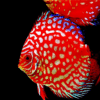
Welcome the stunning Discus Yellow Pigeon Symphysodon Aequifasciatus to your tropical aquarium. This elegant fish boasts vibrant yellow hues and unique patterns, making it a captivating addition. Ideal for peaceful community tanks, they thrive with proper care and love.
In stock
Species Introduction
The Discus Yellow Pigeon, scientifically known as Symphysodon aequifasciatus, is a captivating member of the Cichlidae family, renowned for its vibrant colors and elegant shape. Originating from the Amazon River basin in South America, these freshwater fish thrive in the warm, slow-moving waters filled with aquatic plants and submerged structures. Their natural habitat is characterized by soft, acidic water, which plays a crucial role in their overall health and well-being. Discus fish are often referred to as the ‘king of the aquarium’ due to their striking appearance and unique behaviors. They exhibit a range of colors, including the stunning yellow and blue hues of the Yellow Pigeon variant, making them a popular choice among aquarists seeking to enhance the beauty of their tropical aquarium. With proper care, these fish can live up to 10 years or more, showcasing their long lifespan and resilience when provided with optimal living conditions.
Care Requirements Dashboard
Essential Care Guide for Your Discus Yellow Pigeon Symphysodon Aequifasciatus
| Optimal Living Conditions | |
|---|---|
| Water Temperature | 24-27°C (75-81°F) |
| pH Level | 6.5-7.5 |
| Water Hardness | 4-12 dKH |
| Minimum Tank Size | 80L (20 gal) |
| Salinity | Freshwater |
| Care Level | Beginner Friendly |
✓ Care Level: Moderate
Tank Size: Minimum 200 liters (53 gallons)
Water Temperature: 26-30°C (79-86°F)
pH Level: 6.0-7.5
Water Hardness: 1-10 dGH
To provide a suitable environment for your Discus Yellow Pigeon, it is essential to maintain a well-established aquarium with stable water parameters. These fish prefer a spacious tank with plenty of swimming space and hiding spots. A minimum tank size of 200 liters is recommended to accommodate their social nature, as they thrive in groups. Regular water changes and the use of a high-quality filtration system will help maintain water quality and clarity, ensuring a healthy habitat for your aquatic companions.
Natural Behavior & Temperament
Discus fish are known for their calm and peaceful demeanor, making them excellent additions to community tanks. They exhibit social behavior, often forming tight-knit groups within the aquarium. In their natural habitat, they are seen swimming gracefully among plants and driftwood, which provides them with both food and shelter. When kept in a well-planted tank, these fish display their natural behaviors, including foraging for food and establishing territories. It is important to note that while they are generally peaceful, they can become territorial during breeding periods. Therefore, it is crucial to monitor their interactions with other fish species to prevent any aggressive behavior. Discus are also sensitive to changes in their environment, so maintaining consistent water parameters and minimizing stress is vital for their well-being.
Tank Setup Guide
Creating an ideal environment for your Discus Yellow Pigeon involves careful consideration of tank setup and decoration. Start with a spacious aquarium of at least 200 liters to provide ample swimming space. Use a fine substrate such as sand or small gravel to mimic their natural habitat. Incorporating live plants, such as Amazon swords and Java ferns, will not only enhance the aesthetic appeal of your aquarium but also provide hiding spots and help maintain water quality. Additionally, adding driftwood and rocks can create natural structures for your fish to explore. Ensure that the tank has gentle water flow and adequate filtration to keep the water clean and clear. Lighting should be moderate, as excessive brightness can stress these fish. Aim for a well-lit tank during the day and dimmer conditions in the evening to replicate their natural environment.
Water Quality Management
⚠ Important Water Parameter Notice
Discus fish require stable water conditions to thrive. Regular testing of pH, temperature, and hardness is essential.
Maintaining optimal water quality is crucial for the health of your Discus Yellow Pigeon. The ideal temperature range is between 26-30°C (79-86°F), with a pH level between 6.0 and 7.5. Soft, slightly acidic water is preferred, so consider using a reverse osmosis (RO) system or water conditioners to achieve the desired parameters. Regular water changes of 25-30% per week will help remove toxins and replenish essential minerals. Additionally, monitoring ammonia, nitrite, and nitrate levels is vital to prevent stress and disease. A reliable water testing kit will assist in maintaining these parameters, ensuring a stable and healthy environment for your aquatic companions.
Feeding & Nutrition
Discus fish are omnivorous and require a varied diet to thrive. In the wild, they consume a mix of plant matter, small invertebrates, and other organic materials. In your aquarium, offer high-quality fish food specifically formulated for discus fish, such as pellets, flakes, and frozen or live foods. A balanced diet should include a combination of protein-rich foods like bloodworms, brine shrimp, and daphnia, along with vegetable-based options like spirulina and blanched spinach. It is recommended to feed your Discus Yellow Pigeon 2-3 times a day, providing only what they can consume in a few minutes to prevent overfeeding and water quality issues. Regularly varying their diet will enhance their coloration and overall health.
Compatibility Guide
✓ Suitable Tank Mates: Tetras, Corydoras, and other peaceful fish
⚠ Avoid aggressive species such as Cichlids and larger predatory fish.
When considering tank mates for your Discus Yellow Pigeon, it is essential to choose peaceful species that will not stress or bully them. Suitable companions include small to medium-sized tetras, such as Neon Tetras and Rummy Nose Tetras, as well as peaceful bottom dwellers like Corydoras catfish. Avoid aggressive fish species, particularly larger Cichlids and predatory fish, as they can pose a threat to your Discus. Keeping them in a community tank with compatible species will promote a harmonious environment, allowing your aquatic friends to thrive together. It is also advisable to keep them in groups of at least four to six individuals, as they are social fish that feel more secure in numbers.
Health & Wellness
Maintaining the health of your Discus Yellow Pigeon requires regular monitoring and proactive care. Common health issues include ich, fin rot, and stress-related diseases. To prevent these problems, ensure that water quality is consistently high and that the tank is not overcrowded. Regularly inspect your fish for any signs of illness, such as changes in behavior, loss of appetite, or physical abnormalities. In the event of illness, prompt treatment is essential. Quarantine any new fish before introducing them to your main tank to avoid the spread of disease. Additionally, providing a balanced diet and minimizing stress through stable environmental conditions will contribute to the overall health and longevity of your Discus fish.
Breeding Information
Breeding Discus Yellow Pigeon can be a rewarding experience for aquarists. These fish reach sexual maturity at around 12-18 months of age. To encourage breeding, maintain optimal water conditions with slightly acidic pH and elevated temperatures. Provide flat surfaces for spawning, such as broad leaves or spawning cones. Once a pair has formed, they will engage in courtship behaviors, which include cleaning the spawning site and displaying to each other. After spawning, the female will lay eggs, and both parents will take turns guarding and caring for the fry. The fry will hatch within 48 hours and can be fed infusoria or specially formulated fry food until they are large enough to consume regular fish food. Breeding Discus requires patience and dedication, but the joy of raising healthy fry can be immensely fulfilling.
Acclimation Process
Introducing your new Discus Yellow Pigeon to its new home requires a careful acclimation process to minimize stress and ensure a smooth transition. Begin by floating the sealed bag containing your fish in the aquarium for about 15-20 minutes to equalize the temperature. After this, gradually mix small amounts of aquarium water into the bag every 5-10 minutes for about an hour. This process helps the fish adjust to the water parameters of their new environment. Once acclimated, gently release the fish into the tank without adding the water from the bag. This method reduces the risk of introducing contaminants. Monitor your new fish closely for the first few days to ensure they are adjusting well and showing signs of healthy behavior.
Long-term Care
Caring for your Discus Yellow Pigeon involves ongoing attention to their needs throughout their lifespan. These fish can live for over a decade with proper care. Regular water changes, consistent feeding schedules, and monitoring of water parameters are essential for their long-term health. As they grow, ensure that the tank remains spacious enough to accommodate their size, as adult Discus can reach up to 20 cm (8 inches) in length. Additionally, consider their social needs; keeping them in groups will help reduce stress and promote natural behaviors. Regularly assess their health and behavior, and be prepared to adapt their care as needed to ensure a thriving environment for your aquatic companions.
Natural Habitat Recreation
Recreating the natural habitat of the Discus Yellow Pigeon in your aquarium is crucial for their well-being. Mimic the soft, acidic waters of the Amazon River basin by using natural substrates and incorporating live plants that resemble their native environment. Utilize driftwood and rocks to create hiding spots and territories, allowing your fish to feel secure. The addition of floating plants can provide shade and help diffuse light, creating a comfortable atmosphere. Consider using a soft filter to maintain water clarity while minimizing water flow, as Discus prefer calm waters. By replicating their natural habitat, you will enhance their overall health and happiness, allowing them to thrive in your care.
Seasonal Care Adjustments
As seasons change, so too may the needs of your Discus Yellow Pigeon. During warmer months, ensure that the water temperature remains stable and does not exceed their preferred range. Use fans or chillers if necessary to prevent overheating. In cooler months, maintain a consistent temperature and consider using a heater to provide warmth. Additionally, monitor the water quality more frequently during seasonal transitions, as changes in temperature can affect the stability of water parameters. Adjust feeding schedules as needed, as fish may have different appetites based on seasonal changes. By staying attentive to these seasonal adjustments, you can provide optimal care for your aquatic companions year-round.
Expert Tips
For those looking to enhance their experience with Discus Yellow Pigeon, consider implementing some expert tips into your care routine. First, invest in a high-quality filtration system that can maintain clear and clean water. Regularly check and replace filter media as needed to ensure optimal performance. Additionally, consider using a water conditioner to remove harmful substances and improve water quality. To promote vibrant colors, provide a varied diet rich in high-quality nutrients. Lastly, engage with your fish by observing their behaviors and interactions, as this will deepen your understanding of their needs and enhance your overall enjoyment of keeping these beautiful creatures.
Troubleshooting
Despite the best care, you may encounter challenges while keeping Discus Yellow Pigeon. Common issues include signs of stress, such as hiding, loss of appetite, or unusual swimming patterns. If you notice these behaviors, first check water parameters to ensure they are within the appropriate range. If problems persist, consider potential tank mates that may be causing stress or illness. In the case of disease, prompt treatment is crucial. Quarantine any affected fish and seek advice from a knowledgeable aquarist or veterinarian. By being proactive and attentive, you can troubleshoot issues effectively and ensure the continued health of your aquatic companions.
Scientific Background
The Discus Yellow Pigeon, Symphysodon aequifasciatus, belongs to the Cichlidae family, which encompasses a diverse range of freshwater fish. This species is characterized by its unique body shape and vibrant coloration, making it a favorite among aquarists. Research has shown that discus fish exhibit complex social behaviors and communication methods, including body language and color changes. Conservation efforts are underway to protect their natural habitats, as pollution and habitat destruction pose significant threats to their populations in the wild. Understanding the scientific background of your fish can enhance your appreciation for their beauty and complexity, motivating you to provide the best care possible.
Advanced Care Techniques
For experienced aquarists looking to elevate their care for Discus Yellow Pigeon, consider implementing advanced techniques such as specialized breeding programs or biotope setups. Breeding discus requires a deep understanding of their reproductive behaviors and environmental needs. Creating a biotope aquarium that closely resembles their natural habitat can enhance their well-being and encourage natural behaviors. Additionally, consider using advanced filtration systems that mimic the gentle flow of their native waters. Regularly researching and staying updated on the latest advancements in aquarium care will help you become a more knowledgeable and responsible aquarist, ensuring the health and happiness of your aquatic friends.
Frequently Asked Questions
Q: What tank size is required for a Discus Yellow Pigeon?
Discus fish require ample swimming space due to their size and behaviour. A minimum tank size of 200 litres is recommended for a small group of 4-6 Discus to ensure they have enough room to thrive. Larger tanks, such as 300 litres or more, are preferable as they provide better stability in water parameters and allow for a more natural social structure. It is essential to avoid overcrowding, as this can lead to stress and aggression among the fish. Moreover, a larger volume of water helps maintain stable conditions, crucial for the sensitive nature of Discus. Proper filtration and regular maintenance are vital to keep the environment healthy.
✓ Expert Tip
Consider using a tank with a gentle filtration system to avoid strong currents, as Discus prefer calmer waters.
Q: What water parameters do Discus Yellow Pigeon require?
Discus Yellow Pigeon thrive in specific water conditions that mimic their natural habitat. The ideal temperature range is between 28 to 30 degrees Celsius, with a pH level of 6.0 to 7.0. Soft water with a hardness of 1-10 dGH is preferred, as they originate from the Amazon River basin, where the water is typically soft and slightly acidic. Regular testing of these parameters is crucial, as Discus are sensitive to fluctuations. Using a high-quality water conditioner can help maintain optimal conditions. Additionally, performing partial water changes of 20-30% weekly can aid in keeping the water clean and stable.
✓ Expert Tip
Consider using RO (reverse osmosis) water to achieve the desired softness and purity.
Q: How often should I feed Discus Yellow Pigeon?
Feeding Discus Yellow Pigeon requires attention to both quantity and frequency. It is advisable to feed them 2-3 times a day, providing only as much food as they can consume within 5-10 minutes. High-quality pellets or flakes designed specifically for Discus, along with frozen or live foods such as bloodworms and brine shrimp, can enhance their diet. This varied diet not only promotes vibrant colours but also supports their overall health. Be cautious not to overfeed, as uneaten food can lead to water quality issues, stressing the fish. Regularly adjusting feeding amounts based on their growth and appetite is also recommended.
✓ Expert Tip
Consider soaking dry food in water before feeding to prevent buoyancy issues, making it easier for them to eat.
Q: What are the best tank mates for Discus Yellow Pigeon?
When selecting tank mates for Discus Yellow Pigeon, it is crucial to choose species that share similar water requirements and temperaments. Ideal companions include peaceful fish such as tetras, corydoras, and certain types of catfish. Avoid aggressive species, as they can stress the Discus, leading to health issues. Additionally, larger fish that may view Discus as food should be avoided. A well-planned community tank with ample hiding spots and open swimming areas will provide a harmonious environment. Introducing new fish slowly and monitoring their interactions can help ensure compatibility and reduce stress.
✓ Expert Tip
Consider adding plants and decorations to provide hiding spots, which can help reduce stress among tank mates.
Q: How do I properly acclimatise Discus Yellow Pigeon to my aquarium?
Acclimatisation is a vital process for introducing Discus Yellow Pigeon to a new aquarium. Begin by floating the sealed bag containing the fish in the tank for about 15-20 minutes to equalise the temperature. After this, gradually introduce tank water into the bag over the next hour, using a method such as the drip acclimatisation technique. This involves slowly adding tank water to the bag at a rate of around 1-2 cups every 10-15 minutes. Once acclimatised, gently net the fish and transfer them to the tank, avoiding adding bag water to the aquarium. This process helps reduce stress and ensures a smoother transition.
✓ Expert Tip
Keep the lights dimmed during the first few hours after introducing them to help reduce stress.
Q: What are the signs of healthy Discus Yellow Pigeon?
Healthy Discus Yellow Pigeon exhibit vibrant colours, active swimming behaviour, and a keen interest in food. Their fins should be fully extended and free from tears or fraying. A healthy fish will also have clear, bright eyes and exhibit no signs of distress, such as hiding excessively or erratic swimming. Additionally, their appetite should be consistent; if they refuse food for more than a day, it may indicate an underlying health issue. Regular observation and maintaining optimal tank conditions are crucial in ensuring their well-being. Any changes in behaviour or physical appearance should be addressed promptly.
✓ Expert Tip
Keep a close eye on your fish during feeding times; their eagerness can be a good indicator of health.
Q: How do I successfully breed Discus Yellow Pigeon?
Breeding Discus Yellow Pigeon can be a rewarding endeavour, requiring specific conditions. To encourage breeding, maintain a breeding pair in a separate tank with soft, acidic water and a temperature of around 29-30 degrees Celsius. Providing flat surfaces, such as slate or broad-leaved plants, will facilitate egg-laying. Once the eggs are laid, the parents will often protect and care for the fry. It is crucial to ensure the water quality remains high during this period to support the health of the young. After a few days, the fry will become free-swimming and can be fed infusoria or specially formulated fry food until they grow larger.
✓ Expert Tip
Monitor the parents closely; if they show signs of distress or aggression, it may be wise to separate them from the fry.
Q: What temperature should I maintain for Discus Yellow Pigeon?
Discus Yellow Pigeon thrive in warmer waters, with an optimal temperature range of 28 to 30 degrees Celsius. Maintaining this temperature is crucial for their metabolism and overall health. Sudden fluctuations can lead to stress and health issues, so it is advisable to invest in a reliable heater and thermometer to monitor the conditions accurately. Regular checks and adjustments may be necessary, especially during seasonal changes. Additionally, ensure that the heater is appropriate for the size of your tank, providing consistent heating without overheating the water.
✓ Expert Tip
Consider using a heater with a built-in thermostat for added convenience and safety.
Q: How long do Discus Yellow Pigeon typically live in captivity?
With proper care, Discus Yellow Pigeon can live up to 10-15 years in captivity. Their lifespan is heavily influenced by water quality, diet, and overall tank conditions. Regular maintenance, including water changes and monitoring parameters, plays a vital role in their longevity. A well-balanced diet rich in nutrients will also contribute to their health and lifespan. Observing their behaviours and maintaining a stress-free environment can significantly enhance their quality of life. It is essential to remember that a well-cared-for fish will likely thrive longer than one kept in suboptimal conditions.
✓ Expert Tip
Keep a detailed log of water parameters and health observations to track changes over time, aiding in long-term care.
Q: What type of substrate is most suitable for Discus Yellow Pigeon?
Discus Yellow Pigeon prefer a soft substrate, such as fine gravel or sand, which mimics their natural habitat in the wild. A softer substrate is gentle on their delicate bodies, particularly when they are resting or foraging. Additionally, a sandy base allows for easy cleaning and maintenance while promoting beneficial bacteria growth. It is advisable to avoid sharp or coarse substrates, as these can cause injuries. Incorporating live plants and decorations can further enhance their environment, providing hiding spots and a more natural setting.
✓ Expert Tip
Consider layering substrates, with a base of larger gravel beneath the fine layer, to ensure stability and reduce compaction.
Q: What behavioural patterns should I expect from Discus Yellow Pigeon?
Discus Yellow Pigeon are known for their gentle and social behaviour. They often display a preference for swimming in groups, which helps reduce stress and encourages natural behaviours. You may observe them establishing a hierarchy within their group, with dominant individuals displaying more assertive behaviours. Discus are also known to be curious and will often investigate their surroundings. During feeding, they may exhibit excitement, swimming vigorously to the surface. However, it is essential to monitor for signs of stress, such as hiding or aggressive interactions, which can indicate that the environment is not suitable.
✓ Expert Tip
Providing plenty of hiding spots and open swimming space can help facilitate natural behaviours and reduce stress.
Q: How can I prevent common diseases in Discus Yellow Pigeon?
Preventing diseases in Discus Yellow Pigeon revolves around maintaining optimal water quality and a stress-free environment. Regular water changes, testing parameters, and ensuring proper filtration are crucial. Quarantining new fish before introducing them to the main tank can help prevent disease transmission. Additionally, providing a balanced diet boosts their immune system, making them more resilient to illnesses. Observing your fish for any unusual behaviour or physical symptoms, such as spots or clamped fins, is essential. Early detection allows for prompt treatment, which can significantly improve outcomes.
✓ Expert Tip
Consider adding aquarium salt in moderation to help reduce stress and improve gill function.
Q: What lighting conditions do Discus Yellow Pigeon prefer?
Discus Yellow Pigeon thrive best under subdued lighting, which mimics their natural habitat in the wild. Bright lights can cause stress and lead to hiding behaviours. Therefore, utilising LED lighting with adjustable intensity or using floating plants to diffuse light can create a more comfortable environment. A photoperiod of around 10-12 hours a day is generally recommended to simulate natural day and night cycles. Additionally, ensuring that there are shaded areas within the tank can help provide refuge from bright spots, promoting a sense of security for your fish.
✓ Expert Tip
Regularly clean the lighting fixtures to ensure optimal light penetration and reduce algae growth.
Q: How do I recognise stress in Discus Yellow Pigeon?
Recognising stress in Discus Yellow Pigeon is crucial for their health. Signs of stress may include excessive hiding, erratic swimming patterns, or clamped fins. Additionally, they may refuse food or appear lethargic. Changes in colour, such as fading or darkening, can also indicate distress. Monitoring their behaviour closely, especially after introducing new tank mates or changes in the environment, is essential. Providing a well-structured habitat with hiding spots and maintaining stable water conditions can significantly reduce stress levels. If stress persists, addressing potential triggers and improving their environment is vital.
✓ Expert Tip
Consider using stress-reducing supplements or natural remedies to help calm your fish during stressful situations.
Q: What natural habitat conditions should I replicate for Discus Yellow Pigeon?
To provide the best care for your Discus Yellow Pigeon, it is vital to replicate their natural habitat conditions. They originate from the Amazon River basin, which features slow-moving water, lots of vegetation, and soft, acidic substrate. Mimicking these conditions involves maintaining a warm water temperature of 28-30 degrees Celsius, a pH level between 6.0-7.0, and soft water hardness. Incorporating live plants, driftwood, and rocks can create a more natural environment, offering hiding spots and breeding areas. Regular water changes and careful monitoring of water parameters will help maintain the stability they require.
✓ Expert Tip
Consider using natural filtration methods, such as plants and beneficial bacteria, to help maintain water quality.
1 review for Yellow Pigeon Discus – Symphysodon Aequifasciatus
Add a review
Related products




Emily Carter (verified owner) –
I recently purchased the Discus Yellow Pigeon Symphysodon Aequifasciatus, and I couldn’t be happier! These stunning tropical fish arrived just over a week ago, and they’ve settled in beautifully. Their brilliant colors and graceful movements have truly transformed my aquarium into a vibrant underwater paradise.
From the moment I unboxed them, I could see they were healthy and well-cared for, which is so important when it comes to fish welfare. They were shipped quickly and packaged with care, ensuring they arrived in great condition. Compared to other discus fish I’ve kept in the past from different suppliers, this particular strain seems more vibrant and active, which I attribute to their excellent breeding conditions.
It’s essential to maintain a stable environment for these freshwater fish, so I’ve made sure to keep the water temperature around 82°F and provide plenty of hiding places with plants. After just a week, they’re already showing signs of becoming more social and curious about their surroundings!
If you’re looking to add some stunning discus fish to your collection, I highly recommend these. They would be perfect for experienced aquarists who appreciate the beauty and welfare of their pets, just like I do. Happy fishkeeping!