

Blue-Brown Julie – Julidochromis Dickfeldi – Lake Tanganyika Cichlid
Original price was: £9.49.£7.74Current price is: £7.74.
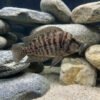
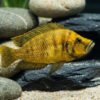
Welcome the stunning Blue-Brown Julie – Julidochromis Dickfeldi, a vibrant Lake Tanganyika Cichlid perfect for aquarists seeking beautiful inhabitants. With their elegant movements and peaceful nature, they thrive in rocky environments, making them ideal for community tanks. Provide a loving home for these captivating fish!
In stock
Species Introduction
The Blue-Brown Julie, scientifically known as Julidochromis Dickfeldi, is a captivating member of the Lake Tanganyika cichlid family. Originating from the rocky shorelines of Lake Tanganyika in East Africa, this species is renowned for its stunning coloration and unique behavior. The natural habitat of the Blue-Brown Julie consists of rocky crevices and caves, providing ample hiding spots and territories. These fish are known for their peaceful demeanor, making them suitable for community tanks with other compatible species. Their vibrant hues of blue and brown not only enhance the aesthetic appeal of your aquarium but also reflect their natural environment, where they thrive among the rocks and plants. Understanding their origins and habitat is crucial for recreating a suitable environment in your aquarium, ensuring that these beautiful creatures live a healthy and fulfilling life.
Care Requirements Dashboard
Essential Care Guide for Your Blue-Brown Julie – Julidochromis Dickfeldi – Lake Tanganyika Cichlid
| Optimal Living Conditions | |
|---|---|
| Water Temperature | 24-26°C (75-79°F) |
| pH Level | 8.1-8.4 |
| Water Hardness | 8-12 dKH |
| Minimum Tank Size | 200L (50 gal) |
| Salinity | 1.020-1.025 SG |
| Care Level | Intermediate |
.care-requirements-dashboard {
background: linear-gradient(135deg, #e3f2fd 0%, #f1f8e9 100%);
padding: 20px;
border-radius: 12px;
margin: 20px 0;
box-shadow: 0 4px 6px rgba(0,0,0,0.1);
}
.aquarium-info-table {
width: 100%;
border-collapse: collapse;
background: white;
border-radius: 8px;
overflow: hidden;
margin-top: 15px;
}
.table-header-primary {
background: linear-gradient(135deg, #2196F3, #1976D2);
color: white;
font-weight: bold;
padding: 15px;
text-align: center;
}
.table-row-even {
background-color: #f8f9fa;
}
.table-row-odd {
background-color: white;
}
aquarium-info-table td {
padding: 12px 15px;
border-bottom: 1px solid #e0e0e0;
}
.highlight-important {
font-weight: bold;
color: #1976D2;
}
.care-level-indicator.beginner {
background: #4CAF50;
color: white;
padding: 4px 12px;
border-radius: 16px;
font-size: 0.9em;
}
The care requirements for the Blue-Brown Julie are essential for maintaining their health and well-being. A minimum tank size of 30 gallons is recommended to provide ample swimming space and territories. The water temperature should be maintained between 75-82°F (24-28°C), with a pH level of 7.5-9.0 to mimic their natural habitat. Additionally, the water hardness should range between 10-20 dGH. Regular water changes and monitoring of water parameters are crucial for these freshwater fish to thrive. Providing a well-maintained environment will not only enhance their vibrant colors but also promote healthy behavior and longevity.
Natural Behavior & Temperament
The Blue-Brown Julie is known for its intriguing natural behavior and social interactions. These fish exhibit a peaceful temperament, making them ideal for community tanks. They are generally non-aggressive and can coexist with other peaceful species, such as Chalinochromis brichardi. In the wild, they are often found in pairs or small groups, which can be replicated in the aquarium setting. Observing their swimming patterns is a delight, as they often dart in and out of rocky crevices, showcasing their agility and curiosity. It is essential to provide plenty of hiding spots and territories to reduce stress and encourage natural behaviors. This species is also known to establish breeding pairs, displaying courtship behaviors that can be fascinating to watch. Understanding their social dynamics will help you create a harmonious environment in your aquarium.
Tank Setup Guide
Setting up an aquarium for the Blue-Brown Julie requires careful consideration of their natural habitat. The ideal environment should mimic the rocky shores of Lake Tanganyika, with plenty of hiding spots and territories. Use a substrate of fine gravel or sand to replicate the lake’s bottom. Incorporate rocks and caves to create a natural landscape that allows these fish to explore and establish territories. Live plants can also be included, but ensure they are hardy enough to withstand the fish’s activity. Lighting should be moderate, as too much brightness can stress these fish. It is essential to maintain good water circulation while ensuring there are calm areas for resting. By creating an environment that reflects their natural habitat, you will encourage the Blue-Brown Julie to thrive and display their natural behaviors.
Water Quality Management
Water Parameter Notice
pH Level: 7.5-9.0
Temperature: 75-82°F (24-28°C)
Hardness: 10-20 dGH
Maintaining optimal water quality is paramount for the health of the Blue-Brown Julie. Regular testing of pH, temperature, and hardness levels is essential. The pH should be kept between 7.5 and 9.0, reflecting the alkaline nature of Lake Tanganyika. The temperature should be consistently maintained between 75-82°F (24-28°C) to promote healthy metabolism and activity levels. Water hardness should range from 10 to 20 dGH, providing the necessary minerals for their well-being. Regular water changes of 20-30% every two weeks will help keep the water clean and free from harmful toxins. Utilizing a quality filtration system will also aid in maintaining water clarity and quality, ensuring a healthy environment for your aquatic companions.
Feeding & Nutrition
The Blue-Brown Julie thrives on a varied diet that mimics their natural feeding habits. In the wild, they primarily consume small invertebrates and algae, which can be replicated in captivity with high-quality fish food. A balanced diet should include high-quality pellets specifically formulated for cichlids, supplemented with frozen or live foods such as brine shrimp, daphnia, and bloodworms. It is essential to provide a varied diet to ensure they receive all necessary nutrients for optimal growth and health. Feeding should occur 2-3 times a day, with only as much food as they can consume within a few minutes to prevent overfeeding and maintain water quality. Observing their feeding behavior can provide insights into their health, as a healthy fish will exhibit enthusiasm during feeding times.
Compatibility Guide
Ideal Tank Mates
Chalinochromis brichardi, other peaceful cichlids, tetras, and catfish.
The Blue-Brown Julie is generally peaceful and can coexist with various tank mates, provided they are also non-aggressive. Suitable companions include Chalinochromis brichardi, other peaceful cichlids, tetras, and certain catfish species. It is important to avoid pairing them with overly aggressive fish, as this can lead to stress and territorial disputes. When introducing new fish, ensure that the tank is spacious enough to accommodate everyone and provide plenty of hiding spots to reduce aggression. Observing the interactions between species will help you gauge compatibility and ensure a harmonious community tank.
Health & Wellness
Maintaining the health and wellness of the Blue-Brown Julie involves regular monitoring for signs of stress or illness. Common health issues in cichlids include ich, fin rot, and bloat, which can be prevented through proper care and water quality management. Signs of illness may include lethargy, loss of appetite, or abnormal swimming patterns. Regular water changes, a balanced diet, and maintaining stable water parameters are crucial for preventing health issues. In the event of illness, prompt treatment is essential to ensure the well-being of your fish friends. Quarantine any new arrivals before introducing them to your main tank to prevent the spread of diseases.
Breeding Information
Breeding the Blue-Brown Julie can be a rewarding experience for aquarists. These fish are mouthbrooders, meaning the female will carry the fertilized eggs in her mouth until they hatch. To encourage breeding, provide a separate breeding tank with similar water parameters and plenty of hiding spots. The male will court the female by displaying and performing elaborate swimming patterns. Once the female is ready to spawn, she will lay eggs on a flat surface, which the male will fertilize. After a few days, the eggs will hatch, and the female will protect the fry in her mouth until they are ready to swim freely. It is essential to provide appropriate food for the fry, such as finely crushed flakes or infusoria, to ensure their healthy growth.
Acclimation Process
Acclimating the Blue-Brown Julie to a new aquarium is crucial for their health and well-being. Begin by floating the sealed bag containing the fish in the aquarium for about 15-20 minutes to equalize the temperature. After this, gradually introduce small amounts of tank water into the bag over the next hour. This process helps the fish adjust to the new water parameters. Once acclimated, gently release the fish into the tank, avoiding the introduction of bag water to prevent contamination. Monitoring the fish for signs of stress during the first few days in their new environment is essential, as this will help ensure a smooth transition and promote their overall health.
Long-term Care
Long-term care of the Blue-Brown Julie involves understanding their lifecycle and growth expectations. These fish can live for several years with proper care, and their growth rate can vary based on environmental conditions and diet. Regular monitoring of their health, water quality, and social dynamics will help ensure a thriving community. As they mature, it is essential to provide ample space and territories to accommodate their natural behaviors. Regularly updating the aquarium setup and introducing new elements can also keep the environment stimulating and enjoyable for your aquatic companions.
Natural Habitat Recreation
Recreating the natural habitat of the Blue-Brown Julie is vital for their well-being. This involves mimicking the rocky shores of Lake Tanganyika, where they thrive among rocks and plants. Incorporating natural elements such as driftwood, rocks, and caves will provide hiding spots and territories for these fish. Additionally, using live plants can enhance the aesthetic appeal of the aquarium while providing shelter and foraging opportunities. Maintaining stable water parameters that reflect their natural environment will also contribute to their overall health and happiness. By creating a biotope that resembles their natural habitat, you will foster a thriving community and allow these beautiful creatures to display their natural behaviors.
Seasonal Care Adjustments
Seasonal changes can impact the care of the Blue-Brown Julie, particularly in terms of temperature and lighting. During warmer months, ensure that the water temperature remains stable and does not exceed their preferred range. In contrast, during cooler months, additional heating may be necessary to maintain optimal temperatures. Adjusting the lighting schedule can also mimic natural day-night cycles, promoting healthy behaviors and growth. Regular monitoring of water parameters during seasonal transitions is essential to ensure a stable environment for your aquatic companions.
Expert Tips
For those experienced in keeping cichlids, here are some expert tips for caring for the Blue-Brown Julie. First, consider establishing a breeding pair in a separate tank to encourage spawning behaviors without the stress of a community environment. Additionally, regularly observe their interactions to ensure a peaceful community. Providing a varied diet that includes both high-quality pellets and live foods will enhance their coloration and vitality. Lastly, maintaining stable water parameters and performing regular maintenance will contribute to the long-term health of your fish friends.
Troubleshooting
Common problems faced by aquarists with the Blue-Brown Julie include stress from aggressive tank mates, poor water quality, and inadequate hiding spots. If you notice signs of stress, such as hiding excessively or aggressive behavior, consider re-evaluating tank mates and providing more hiding spots. Regular water testing is essential to identify any issues with pH, temperature, or hardness. If health issues arise, promptly isolate affected fish and seek appropriate treatment to prevent spreading within the tank. By being proactive and attentive to their needs, you can ensure a thriving environment for your aquatic companions.
Scientific Background
The Blue-Brown Julie, or Julidochromis Dickfeldi, belongs to the cichlid family, which is known for its diverse species and complex behaviors. This species is part of the rich biodiversity found in Lake Tanganyika, one of the oldest and deepest lakes in the world. The unique evolutionary history of cichlids in this lake has led to the development of various adaptations and behaviors, making them fascinating subjects for study. Conservation efforts are crucial for maintaining the delicate ecosystems of Lake Tanganyika, as habitat destruction and overfishing pose significant threats to these beautiful fish. Understanding their scientific background not only enriches the experience of keeping them but also highlights the importance of preserving their natural habitats.
Advanced Care Techniques
For experienced aquarists looking to elevate their care for the Blue-Brown Julie, consider implementing advanced techniques such as selective breeding to enhance desirable traits. Maintaining a detailed log of water parameters, feeding schedules, and behavioral observations can provide valuable insights into their health and well-being. Additionally, experimenting with different aquascaping styles can create a stimulating environment that encourages natural behaviors. Regularly engaging with the fish and observing their interactions will deepen your understanding of their needs and preferences, ultimately leading to a more fulfilling aquaristic experience.
Frequently Asked Questions
Q: What tank size is required for the Blue-Brown Julie?
The Blue-Brown Julie, or Julidochromis Dickfeldi, requires a minimum tank size of 75 litres (20 gallons). This size allows ample swimming space and the opportunity to establish territories, which is essential for their well-being. A longer tank is preferable, as these cichlids are known to be territorial and enjoy exploring their surroundings. Additionally, providing hiding spots using rocks and caves will help reduce stress and aggression among males, especially during breeding. When establishing the tank, ensure that the environment mimics their natural habitat from Lake Tanganyika, which includes rocky areas and sufficient cover.
✓ Expert Tip
Consider using a substrate that mimics their natural environment, such as fine gravel or sand, to enhance their comfort and behaviour.
Q: What water parameters do Blue-Brown Julies require?
Blue-Brown Julies thrive in water that is slightly alkaline to hard, with a pH range of 7.8 to 9.0. They prefer a water temperature between 24°C to 28°C (75°F to 82°F). Regular monitoring of these parameters is crucial, as fluctuations can lead to stress and health issues. Using a quality aquarium test kit will help you maintain consistent water quality. Additionally, performing regular water changes—about 10-15% weekly—will help keep nitrate levels low and provide a healthier environment for your fish companions.
✓ Expert Tip
Consider using driftwood and rocks to help buffer the pH naturally, as these elements can release minerals beneficial for your fish.
Q: How often should I feed my Blue-Brown Julie?
Feeding your Blue-Brown Julie should occur once or twice daily, providing only as much food as they can consume within a few minutes. A varied diet is essential for their health, including high-quality cichlid pellets, frozen or live foods like brine shrimp and bloodworms, as well as vegetable matter. This variety not only enhances their colouration but also supports their overall health. Be cautious not to overfeed, as uneaten food can degrade water quality, leading to health complications for your fish.
✓ Expert Tip
Incorporating a spirulina-based food can help enhance their colour and ensure they receive essential nutrients.
Q: What are the best tank mates for Blue-Brown Julies?
Blue-Brown Julies are generally peaceful but can be territorial, especially during breeding. Suitable tank mates include other Lake Tanganyika cichlids like shell dwellers (Neolamprologus spp.) and smaller species such as the Cyprichromis. It is advised to avoid larger and more aggressive fish, as they may stress your Julies. Ensure that the tank is spacious enough to establish territories and that there are plenty of hiding spots to reduce aggression among tank mates. Observing interactions and adjusting tank mates as necessary will create a harmonious environment.
✓ Expert Tip
Consider keeping a ratio of one male to several females to minimise aggression during breeding seasons.
Q: How do I properly acclimatise Blue-Brown Julies to my aquarium?
Acclimatising your Blue-Brown Julies is crucial to their health. Start by floating the sealed bag in your aquarium for about 15-20 minutes to equalise the temperature. Then, gradually introduce aquarium water into the bag over another 20-30 minutes, about 1 cup of water every 5 minutes. This process allows them to adjust to the water chemistry. Once acclimatised, gently net the fish into the tank, discarding the bag water to prevent introducing any contaminants. This gradual acclimatisation helps reduce stress and potential shock.
✓ Expert Tip
Always acclimatise fish during low-light conditions to help reduce stress and encourage exploration of their new environment.
Q: What are the signs of healthy Blue-Brown Julies?
Healthy Blue-Brown Julies exhibit vibrant colours, clear eyes, and active swimming behaviour. Their fins should be fully extended and free of tears, while their bodies should be free from lesions or signs of distress. Additionally, they should show interest in food and interact with their environment. Regular observation is key; if you notice any changes in behaviour, such as lethargy or hiding, it may indicate stress or illness. Maintaining clean water and a stable environment is essential for their health.
✓ Expert Tip
Regular water testing and maintenance can help prevent many health issues before they arise.
Q: How do I successfully breed Blue-Brown Julies?
Breeding Blue-Brown Julies can be rewarding. To encourage breeding, provide ample hiding spots and caves for the female to lay eggs. The ideal conditions include stable water parameters and a diet rich in protein. After spawning, the female will guard the eggs, which typically hatch in about 3-5 days. It’s essential to remove the male after spawning to prevent aggression. The fry can be fed infusoria or finely crushed flakes until they are large enough to consume regular food. Monitoring the tank closely during this period is crucial to ensure a successful breeding cycle.
✓ Expert Tip
Consider separating the fry into a separate tank once they are free-swimming to ensure optimal growth and reduce competition.
Q: What temperature should I maintain for Blue-Brown Julies?
The ideal temperature range for Blue-Brown Julies is between 24°C to 28°C (75°F to 82°F). Maintaining a stable temperature within this range is crucial for their health and well-being. Sudden fluctuations can lead to stress and susceptibility to diseases. A reliable aquarium heater, along with a thermometer to monitor the temperature, is recommended. Regular checks will help ensure that your fish friends are comfortable and thriving in their environment.
✓ Expert Tip
Position the heater near water flow to ensure even heat distribution throughout the aquarium.
Q: How long do Blue-Brown Julies typically live in captivity?
In captivity, Blue-Brown Julies can live for 8 to 12 years, provided they are given the right care and environment. Factors such as water quality, diet, and stress levels play a significant role in their lifespan. Regular maintenance, including water changes and proper feeding, is essential to promote longevity. Additionally, observing their behaviour and health can prevent potential issues that may shorten their life span. Creating a stable and enriching environment will ensure your aquatic companions thrive for years to come.
✓ Expert Tip
Consider keeping a journal of your fish’s health and behaviour to track any changes over time.
Q: What type of substrate is most suitable for Blue-Brown Julies?
For Blue-Brown Julies, a substrate that mimics their natural environment is ideal. Fine gravel or sand is recommended, as it allows for easy burrowing and is gentle on their delicate fins. Avoid sharp substrates, as they can injure your fish. Layering the substrate with larger stones and rocks can also create hiding places, which are vital for their comfort and security. This setup not only enhances their environment but also encourages natural behaviours, making for a more enriching experience.
✓ Expert Tip
Consider creating a slope in the substrate to facilitate better water flow and filtration.
Q: What behavioural patterns should I expect from Blue-Brown Julies?
Blue-Brown Julies are known for their interesting behaviour, often displaying territoriality, especially when breeding. They tend to establish specific areas within the tank and will guard these territories fiercely. You can expect them to be active swimmers, darting in and out of hiding spots. They are also social fish, often seen interacting with their tank mates. Providing plenty of structures for them to explore will enhance their natural behaviour, making your aquarium more dynamic and lively.
✓ Expert Tip
Observe their interactions closely; any signs of aggression may indicate the need for additional hiding spots or a reconfiguration of tank mates.
Q: How can I prevent common diseases in Blue-Brown Julies?
Preventing diseases in Blue-Brown Julies largely revolves around maintaining high water quality and a stable environment. Regular water changes, proper filtration, and monitoring water parameters are essential practices. Additionally, avoid overcrowding the tank, as this can lead to stress and disease outbreaks. Quarantining new fish before introducing them to the main tank can also prevent the spread of pathogens. Observing your fish regularly for any signs of illness, such as changes in behaviour or appearance, will allow for early intervention.
✓ Expert Tip
Consider adding aquarium salt in moderation, as it can help reduce stress and improve gill function.
Q: What lighting conditions do Blue-Brown Julies prefer?
Blue-Brown Julies thrive in moderate lighting that mimics their natural habitat. Bright lighting can stress them, so consider using a combination of LED lights and shaded areas created by plants or decorations. This setup not only enhances their colours but also provides a comfortable environment for them to explore. Additionally, lighting should be on a consistent schedule, typically around 10-12 hours a day, to simulate natural day and night cycles, promoting healthy behaviours and reducing stress.
✓ Expert Tip
Utilising a timer for your lighting system can help maintain a consistent light cycle, essential for the health of your fish.
Q: How do I recognise stress in Blue-Brown Julies?
Signs of stress in Blue-Brown Julies can manifest in various ways, including hiding excessively, loss of appetite, or erratic swimming behaviour. They may also display faded colours or clamped fins. Monitoring their behaviour closely is essential; if you notice any of these signs, it may indicate that their environment needs adjustment. Ensuring water quality is optimal, providing adequate hiding spots, and avoiding aggressive tank mates can significantly reduce stress levels in your fish.
✓ Expert Tip
Immediate adjustments to their environment can often help alleviate stress; consider rearranging decorations or increasing hiding spots.
Q: What natural habitat conditions should I replicate for Blue-Brown Julies?
To replicate the natural habitat of Blue-Brown Julies, focus on creating a rocky environment that mimics Lake Tanganyika. This includes using a substrate of fine gravel or sand, along with plenty of rocks and caves for hiding and breeding. The water should be slightly alkaline and well-filtered to maintain clarity and quality. Additionally, maintaining a temperature range of 24°C to 28°C (75°F to 82°F) will closely resemble their natural conditions, promoting overall health and comfort.
✓ Expert Tip
Incorporating driftwood can also help create a more natural feel while providing additional hiding spots for your fish.
1 review for Blue-Brown Julie – Julidochromis Dickfeldi – Lake Tanganyika Cichlid
Add a review
Related products


Emily Carter (verified owner) –
I’ve been keeping freshwater fish for over five years, and my new Blue-Brown Julie (Julidochromis Dickfeldi) is a true gem! I purchased this stunning Lake Tanganyika cichlid about two months ago, and I couldn’t be happier with my decision. This little beauty has such a vibrant personality and the blue-brown coloration is absolutely mesmerizing.
I noticed almost immediately how well it acclimated to my 55-gallon community tank. It’s been incredibly active and seems to thrive among my other cichlids. I’ve also observed that it exhibits fascinating behavior, often creating little territories in the rocks I provided, which is a delight to watch. It’s perfect for anyone looking to add a lively and unique freshwater fish to their aquarium!
One thing to keep in mind is that they do appreciate hiding spots, so I recommend adding some caves or dense plants to ensure they feel secure. Shipping was prompt, and it arrived healthy and ready to swim. If you’re an enthusiast or just starting out, I wholeheartedly recommend the Blue-Brown Julie – it’s a beautiful fish that will bring life to your tank while also being relatively easy to care for. You won’t regret this purchase!