
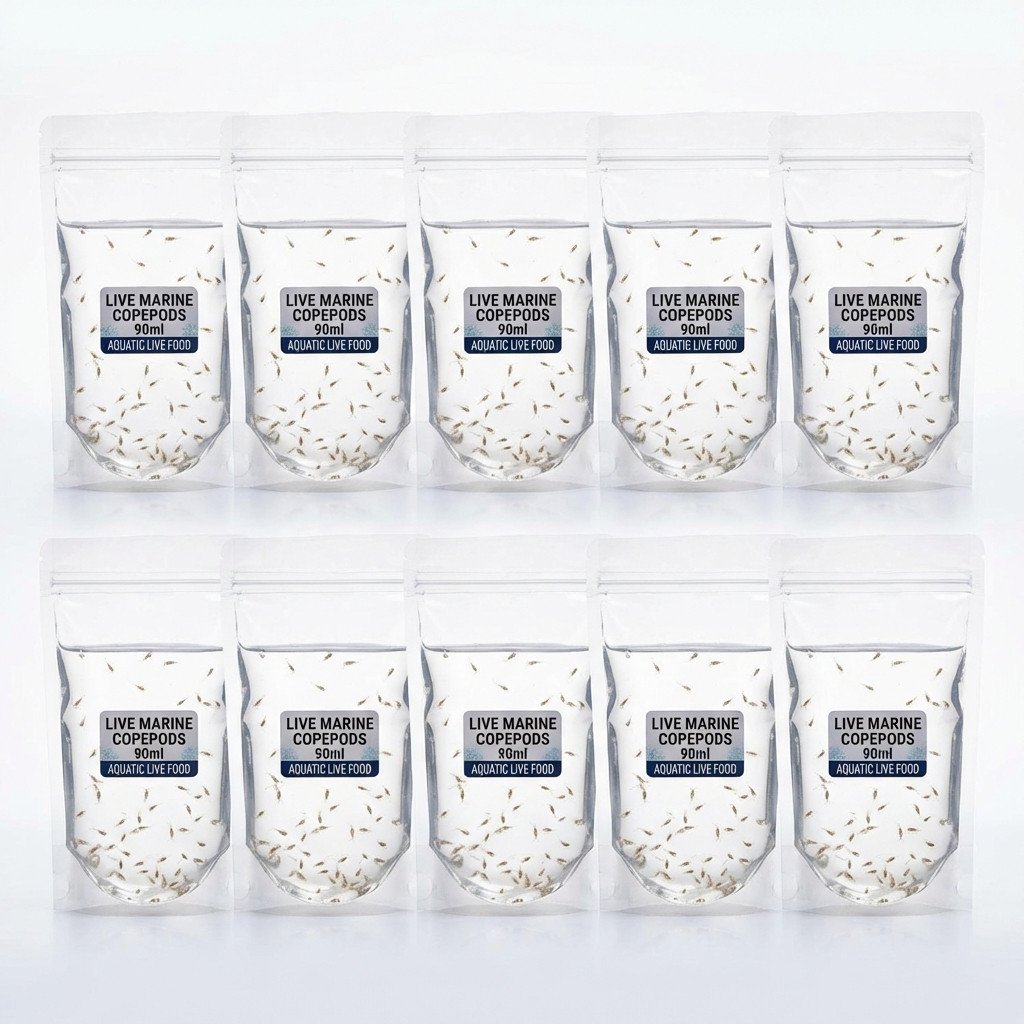
10 X 90Ml Bags (900Ml) Live Marine Copepods in Water Aquatic Food

Original price was: £20.49.£17.42Current price is: £17.42.
Welcome these beautiful Lake Tanganyika Cichlids into your aquarium with our 10 X 90Ml Bags (900Ml) of Live Marine Copepods. This nutrient-rich aquatic food enhances their vitality and supports their graceful movement, perfect for aquarists seeking thriving community members.
In stock
Species Introduction
The 10 X 90Ml Bags (900Ml) Live Marine Copepods in Water Aquatic Food is an essential dietary supplement for various freshwater fish, particularly for Lake Tanganyika cichlids. Copepods are tiny crustaceans that serve as a natural food source in the aquatic ecosystem. They are rich in essential fatty acids, proteins, and vitamins that promote the overall health and vitality of your aquatic companions. Found in the waters of Lake Tanganyika, these copepods thrive in a variety of environments, making them an ideal food source for cichlids such as Chalinochromis brichardi and other colorful aquarium fish. Their natural habitat consists of rocky substrates and vegetation, providing shelter and breeding grounds that mimic the conditions of a well-maintained aquarium.
Nutritional Analysis – 10 X 90Ml Bags (900Ml) Live Marine Copepods in Water Aquatic Food
| Nutrient | Content | Benefit |
|---|---|---|
| Protein | High Quality | Growth & muscle development |
| Vitamins | Enriched Formula | Immune system support |
| Color Enhancers | Natural Carotenoids | Vibrant coloration |
| Probiotics | Digestive Support | Healthy gut flora |
Care Requirements Dashboard
✓ Care Level: Easy
| Parameter | Ideal Range |
|---|---|
| Tank Size | Minimum 20 gallons |
| pH Level | 7.8 – 9.0 |
| Temperature | 75°F – 82°F |
| Hardness | 10 – 20 dGH |
Maintaining these parameters is crucial for the health of your Lake Tanganyika cichlids and the copepods. Regular water changes and monitoring of water quality will ensure a thriving environment for your fish friends.
Natural Behavior & Temperament
Lake Tanganyika cichlids are known for their vibrant colors and dynamic behaviors. These fish exhibit a range of social interactions, from peaceful to territorial, depending on the species. The Chalinochromis brichardi, for example, is a peaceful cichlid that thrives in community settings. They display fascinating swimming patterns, often darting between rocks and plants, which mimics their natural habitat. Understanding the natural behavior of these fish is essential for creating a suitable environment that encourages their well-being. Observing their interactions can provide insights into their social structure and help you identify compatible tank mates.
Tank Setup Guide
Creating an ideal environment for your Lake Tanganyika cichlids involves careful consideration of tank setup. Begin with a spacious aquarium of at least 20 gallons to accommodate their swimming needs. Incorporate a sandy substrate, which mimics the lake’s bottom and allows for natural foraging behavior. Adding rocks and caves will provide hiding spots and territories, essential for their comfort and security. Live plants can enhance the aesthetic appeal and offer additional shelter, but ensure they are hardy species that can withstand the cichlids’ activity. Regularly rearranging decorations can also stimulate their curiosity and reduce territorial aggression.
Water Quality Management
Maintaining optimal water quality is paramount for the health of your cichlids and copepods. Regular testing of pH, temperature, and hardness is essential. Aim for a pH level between 7.8 and 9.0, with a temperature range of 75°F to 82°F. The hardness should be maintained between 10 to 20 dGH to replicate the conditions of Lake Tanganyika. Frequent water changes, ideally 10-15% weekly, will help remove toxins and replenish essential minerals. Utilizing a high-quality filtration system will also aid in maintaining clear, oxygen-rich water, which is vital for the well-being of both your fish and copepods.
Feeding & Nutrition
Feeding your Lake Tanganyika cichlids with Live Marine Copepods provides essential nutrients that promote growth and vitality. Copepods are rich in omega-3 fatty acids and proteins, crucial for their development and health. A varied diet is recommended, including high-quality pellets, flakes, and frozen foods. Copepods should be offered as a primary food source, ideally 2-3 times a week, depending on the age and size of your fish. Younger cichlids may require more frequent feedings, while adults can thrive on less. Observe your fish’s feeding behavior to adjust portion sizes and ensure they are receiving adequate nutrition.
Compatibility Guide
When selecting tank mates for your Lake Tanganyika cichlids, it is crucial to consider their temperament and social dynamics. Peaceful species such as the Chalinochromis brichardi can coexist with other non-aggressive cichlids and community fish. However, avoid pairing them with overly aggressive species that may stress or harm them. Ideal tank mates include other Lake Tanganyika cichlids, such as Neolamprologus or Julidochromis, as well as peaceful freshwater fish like tetras or rasboras. Always monitor interactions closely during the introduction phase to ensure compatibility and prevent territorial disputes.
Health & Wellness
Maintaining the health of your aquatic companions requires vigilance and care. Common health issues in Lake Tanganyika cichlids include ich, fin rot, and swim bladder disease. Regularly observe your fish for signs of distress, such as changes in behavior, appetite, or physical appearance. Preventative measures include maintaining optimal water quality, providing a balanced diet, and minimizing stress through proper tank setup. Quarantine new fish before introducing them to the main tank to prevent the spread of diseases. In the event of illness, prompt treatment is essential, and consulting with an aquatic veterinarian may be necessary.
Breeding Information
Breeding Lake Tanganyika cichlids can be a rewarding experience. These fish are mouthbrooders, meaning females carry fertilized eggs in their mouths until they hatch. To encourage breeding, provide suitable hiding spots and a stable environment. The female will lay eggs on a flat surface, which the male fertilizes. After a few days, the female will begin to carry the fry in her mouth, offering protection until they are ready to swim independently. During this period, it is essential to provide high-quality food, such as crushed copepods or specialized fry food, to support their growth. Monitor the tank closely to ensure the safety of the fry from potential predators.
Acclimation Process
Introducing new fish to your aquarium should be done with care to ensure a smooth acclimation process. Begin by floating the sealed bag containing the new fish in the aquarium for about 15-20 minutes to equalize the temperature. After this, gradually mix small amounts of tank water into the bag over the next hour. This step helps the fish adjust to the water chemistry of their new environment. Finally, gently release the fish into the tank, avoiding adding the bag water to prevent introducing contaminants. Monitor the new arrivals closely for signs of stress or aggression during the initial days.
Long-term Care
Lake Tanganyika cichlids can live for several years with proper care, making them a long-term commitment. As they grow, their dietary needs may change, requiring adjustments in feeding schedules and types of food. Regular tank maintenance, including water changes and substrate cleaning, is essential to prevent the buildup of harmful toxins. Additionally, monitor the growth and health of your fish, adjusting tank mates and environment as needed to ensure a harmonious community. Keeping a journal of your fish’s growth and behavior can also help you track their development and make informed care decisions.
Natural Habitat Recreation
Recreating the natural habitat of Lake Tanganyika in your aquarium enhances the well-being of your cichlids. Focus on mimicking the lake’s rocky substrate and incorporating live plants that are native to the region. Use a combination of smooth rocks and caves to create hiding spots and territories, which are essential for their comfort. Additionally, consider adding driftwood or natural decorations that resemble the lake’s environment. This setup not only provides a safe space for your fish but also enriches their lives by allowing them to exhibit natural behaviors.
Seasonal Care Adjustments
As seasons change, so do the needs of your aquarium. During warmer months, ensure that the tank temperature remains stable, as fluctuations can stress your fish. Consider using fans or chillers if necessary. In colder months, maintain a consistent temperature by using heaters, and monitor for any signs of stress. Additionally, adjust lighting schedules to mimic natural daylight cycles, promoting healthy growth and activity levels. Seasonal changes may also affect feeding habits, so observe your fish closely and adjust their diet accordingly.
Expert Tips
For those looking to deepen their understanding of Lake Tanganyika cichlids, consider joining local aquarium clubs or online forums. Engaging with fellow enthusiasts can provide valuable insights and tips for successful care. Additionally, investing in high-quality water testing kits and maintaining a consistent maintenance schedule will greatly enhance your aquarium’s health. Regularly researching the specific needs of your fish friends will also help you stay informed about best practices and advancements in fish care.
Troubleshooting
Common issues in aquariums can often be resolved with prompt attention. If you notice signs of stress, such as rapid gill movement or hiding behavior, first check water parameters to ensure they are within the ideal range. If aggression is observed among tank mates, consider rearranging the tank layout to disrupt established territories. In case of illness, quarantine affected fish and consult with a veterinarian for appropriate treatment options. Keeping a detailed log of your tank’s conditions and fish behavior can help identify patterns and prevent future issues.
Scientific Background
Understanding the scientific background of Lake Tanganyika cichlids can enhance your care practices. These fish belong to the family Cichlidae, which is known for its diverse behaviors and adaptations. The unique evolutionary history of cichlids in Lake Tanganyika has led to a wide variety of species, each with distinct characteristics. Research into their natural behaviors, breeding habits, and dietary needs continues to evolve, providing aquarists with new insights into optimal care practices. Staying informed about ongoing studies can help you provide the best possible environment for your fish.
Advanced Care Techniques
For experienced aquarists, implementing advanced care techniques can lead to a thriving aquarium. Consider establishing a breeding program for your Lake Tanganyika cichlids to observe their natural reproductive behaviors. Additionally, integrating live plants can enhance water quality and provide natural food sources for fry. Utilizing advanced filtration systems and monitoring equipment can also help maintain optimal water conditions. Engaging in regular research and networking with other aquarists can provide insights into innovative care techniques that promote the health and vitality of your aquatic companions.
Optimal Feeding Schedule
8:00 AM
Main portion of daily nutrition
6:00 PM
Smaller portion to maintain energy
Feeding Tips
- Feed only what fish can consume in 2-3 minutes
- Remove uneaten food to maintain water quality
- Adjust quantity based on fish activity and temperature
- Fast fish one day per week for digestive health
Frequently Asked Questions
Q: What tank size is required for marine copepods?
Marine copepods thrive in various tank sizes, but a minimum of 10 gallons is recommended for optimal growth and reproduction. Larger tanks allow for better water quality management and provide ample space for copepods to reproduce and establish their populations. Ensure that the tank has a well-established environment with live rock or substrate for copepods to inhabit. It is also crucial to monitor water parameters regularly to maintain a stable environment for these beneficial organisms.
✓ Expert Tip
Consider using a refugium to cultivate copepods, as it provides a safe space away from predators in the main tank.
Q: What water parameters do copepods require?
Copepods prefer stable water parameters to thrive. Aim for a salinity of 1.020-1.025 specific gravity, a temperature range of 20-25°C, and a pH level between 7.8 and 8.5. Regular water changes are essential to maintain these parameters and prevent the build-up of harmful substances. Additionally, ensure that the water is well-oxygenated and free from pollutants. Testing kits can help you monitor these conditions effectively.
✓ Expert Tip
Using a protein skimmer can help maintain water quality by removing organic waste and enhancing oxygen levels.
Q: How often should I feed copepods?
Feeding copepods can vary based on their population and the tank’s ecosystem. Generally, it is advisable to feed them every 2-3 days with microalgae or specially formulated copepod food. Overfeeding can lead to water quality issues, so it is crucial to observe their population and adjust feeding accordingly. If copepods are not being consumed within a few hours, reduce the quantity during the next feeding session.
✓ Expert Tip
Consider using a feeding ring to ensure that food remains concentrated in one area, making it easier for copepods to feed.
Q: Are copepods compatible with all fish species?
Copepods are generally compatible with a wide variety of marine fish, especially those that are small and feed on zooplankton. They serve as an excellent live food source for juvenile fish and reef-dwelling species. However, larger fish or aggressive species may consume copepods quickly, affecting their population in the tank. It is advisable to research the specific dietary needs of your fish friends to ensure compatibility.
✓ Expert Tip
Introduce copepods to a tank with peaceful species to allow them to establish before adding more aggressive fish.
Q: How do I properly acclimatise copepods to my aquarium?
Acclimatising copepods is crucial for their survival. Begin by floating the bag in your aquarium for about 15-20 minutes to equalise the temperature. Next, open the bag and gradually add small amounts of aquarium water to the bag over the next 30 minutes. This process helps them adjust to the water parameters of your tank. Finally, gently pour the copepods into the aquarium, avoiding the water from the bag to minimise contamination.
✓ Expert Tip
Use a fine mesh net to transfer copepods to prevent any potential shock from rapid changes in water conditions.
Q: What are the signs of healthy copepods?
Healthy copepods exhibit active swimming behaviour, often darting around the tank. They should appear clear and vibrant, without any visible signs of damage or disease. A thriving population will reproduce consistently, contributing to a balanced ecosystem in your aquarium. Additionally, if you notice an increase in fish activity and feeding behaviour, it’s a good indicator that your copepods are healthy and serving as a valuable food source.
✓ Expert Tip
Regularly check for copepod population density to ensure a stable food supply for your aquatic companions.
Q: How do I prevent common diseases in copepods?
Preventing diseases in copepods involves maintaining optimal water quality, including stable temperature and salinity levels. Regular water changes and avoiding overfeeding can significantly reduce the risk of disease outbreaks. Additionally, ensure that your tank is free of pollutants and contaminants. Introducing copepods to a well-established aquarium with a balanced ecosystem will also help them thrive and resist potential diseases.
✓ Expert Tip
Consider using a quarantine tank for new copepod introductions to prevent the spread of disease to your existing population.
Q: What temperature should I maintain for copepods?
Copepods thrive best at temperatures between 20-25°C. It is essential to maintain a stable temperature within this range, as fluctuations can stress copepods and affect their reproduction rates. Using a reliable aquarium heater and thermometer can help you monitor and control the temperature effectively. Regular checks will ensure that the environment remains conducive for these beneficial organisms.
✓ Expert Tip
Utilise a heater with a thermostat to maintain consistent temperatures and prevent overheating.
Q: How long do copepods typically live in captivity?
In a suitable environment, copepods can live for several weeks to a few months. Their lifespan largely depends on factors such as water quality, temperature, and availability of food. Providing a stable environment with optimal conditions will promote their longevity. Regular monitoring and maintenance of water parameters will help you sustain a healthy copepod population.
✓ Expert Tip
Document your copepod population and health to identify trends and adapt care practices accordingly.
Q: What type of substrate is most suitable for copepods?
Copepods do well in a substrate that mimics their natural habitat, such as fine sand or mud. A substrate that allows for some detritus accumulation provides an excellent source of food and a breeding ground for copepods. Ensure that the substrate is not overly coarse, as this can hinder their movement and feeding. Regular cleaning of the substrate while avoiding disruption will help maintain a healthy environment for copepods.
✓ Expert Tip
Incorporate live rock or macroalgae to enhance habitat complexity and provide additional food sources.
Q: What behavioural patterns should I expect from copepods?
Copepods exhibit active swimming behaviour, often darting around the aquarium, particularly in search of food. They display distinct patterns of movement, such as quick bursts of speed followed by periods of stillness. This behaviour is a natural response to their environment and indicates a healthy population. Observing their activity can provide insights into the overall health of your aquarium ecosystem.
✓ Expert Tip
Create a habitat with hiding spots to encourage natural behaviour and reduce stress among copepod populations.
Q: How can I maintain water quality for copepods?
Maintaining water quality for copepods involves regular monitoring and management of parameters such as ammonia, nitrite, nitrate, and pH levels. Conducting routine water changes, typically 10-20% weekly, helps to keep toxins at bay. Additionally, using high-quality filtration and aeration will assist in maintaining optimal conditions. Regular testing will ensure that the water remains suitable for copepod health and reproduction.
✓ Expert Tip
Consider using a UV steriliser to help eliminate pathogens while maintaining a healthy copepod population.
1 review for 10 X 90Ml Bags (900Ml) Live Marine Copepods in Water Aquatic Food
Add a review
Related products




Emily Carter (verified owner) –
As a passionate fish parent, I can’t express how much my Lake Tanganyika cichlids love the Live Marine Copepods! I’ve been using these 10 x 90ml bags for about two weeks now, and the difference in my fish is remarkable. They are more active and vibrant than ever. The copepods are fresh, and the quality is a notch above other products I’ve tried. Unlike generic flakes, these live foods mimic their natural diet, which I believe is crucial for their health. My cichlids are thriving, and the shimmering colors are just stunning!
I did notice a slight cloudiness in the water right after feeding, but it cleared up quickly, which is a small trade-off for such a nutritious food source. I also appreciate the variety available—having multiple bags means I can rotate their diet without worrying about spoilage.
I highly recommend these copepods for anyone with freshwater fish, especially tropical varieties like my cichlids. Investing in their diet pays off in their overall happiness and well-being. I would definitely buy again and encourage fellow aquarists to give these a try!