
-
×
 Spotted Blue-Eye Rainbowfish - Pseudomugil Gertrudae 1 × £11.61
 -
×
Redline Rasbora Trigonopoma pauciperforatum 1 × £45.99
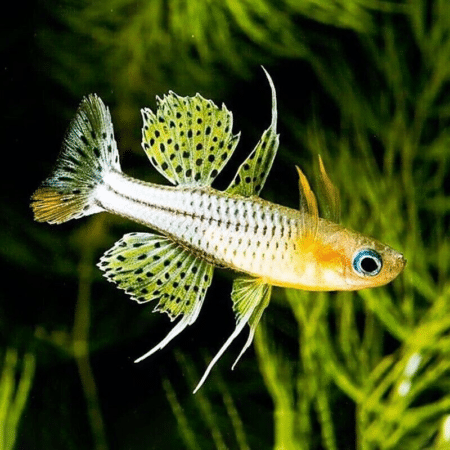 Spotted Blue-Eye Rainbowfish - Pseudomugil Gertrudae
 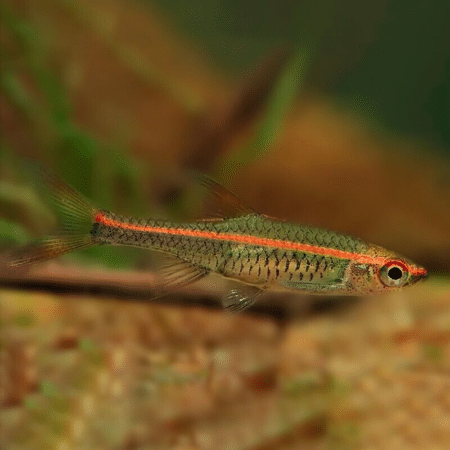 Redline Rasbora Trigonopoma pauciperforatum
 Sale!
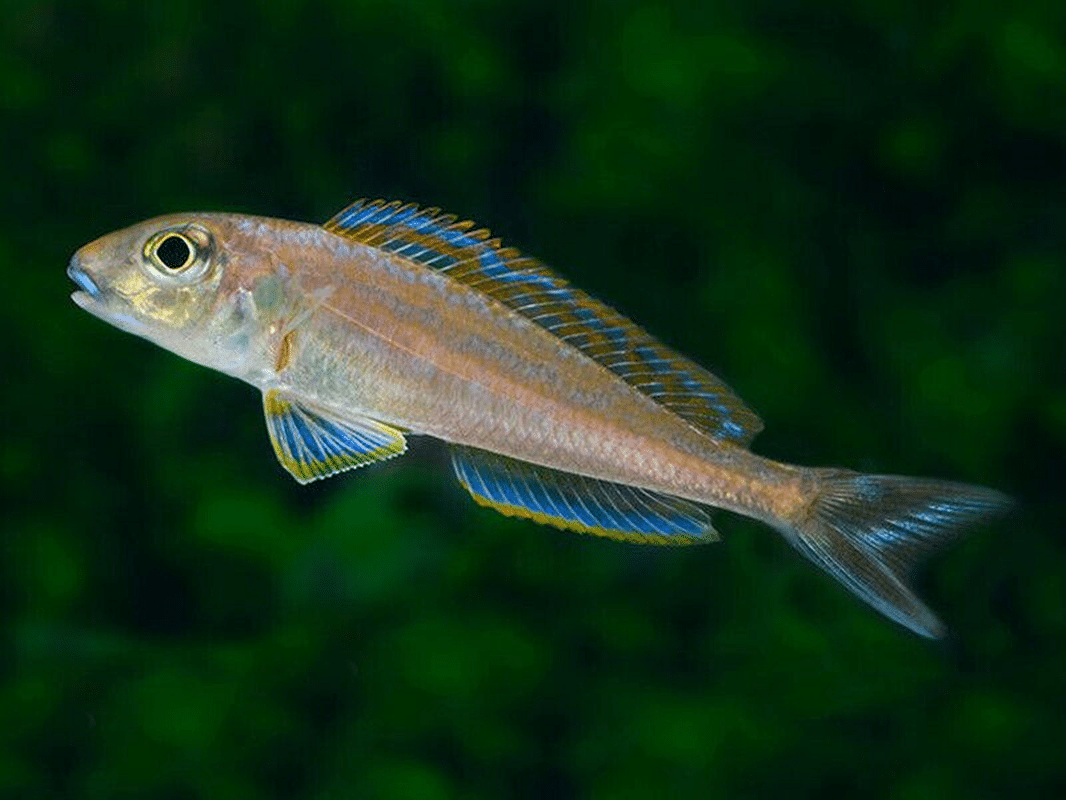
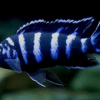
Blue Burundi Cichlid – Xenotilapia Bathyphilus – Lake Tanganyika Cichlid
Original price was: £48.99.£41.61Current price is: £41.61.
Welcome these stunning Blue Burundi Cichlids, beautiful inhabitants from Lake Tanganyika. Known for their vibrant colors and graceful movements, these peaceful companions thrive in well-maintained aquariums. Ideal for aquarists seeking tropical fish that enhance any aquatic environment.
In stock
Species Introduction
The Blue Burundi Cichlid, scientifically known as Xenotilapia bathyphilus, is a stunning member of the Lake Tanganyika Cichlids family. Originating from the clear, rocky shores of Lake Tanganyika in East Africa, this vibrant fish species is renowned for its striking blue coloration and unique body shape. The Blue Burundi Cichlid thrives in rocky habitats, where it can find ample hiding spots among the stones. This natural environment not only provides security but also mimics the conditions that these fish require in captivity. Understanding their natural habitat is crucial for providing optimal care and ensuring their well-being in an aquarium setting.
Care Requirements Dashboard
| Optimal Living Conditions | |
|---|---|
| Water Temperature | 24-26°C (75-79°F) |
| pH Level | 8.1-8.4 |
| Water Hardness | 8-12 dKH |
| Minimum Tank Size | 200L (50 gal) |
| Salinity | 1.020-1.025 SG |
| Care Level | Intermediate |
Natural Behavior & Temperament
The Blue Burundi Cichlid exhibits a fascinating array of behaviors that reflect its natural habitat. In the wild, these fish are known for their active swimming patterns and territorial nature. They often establish territories among the rocks and will display aggressive behaviors towards intruders, especially during breeding periods. Socially, the Blue Burundi Cichlid is relatively peaceful with its own kind, but it is essential to provide ample space and hiding spots to reduce territorial disputes. Observing their social interactions and swimming patterns can be a rewarding experience for aquarists, as these fish exhibit a range of behaviors from playful chasing to cautious exploration of their environment.
Tank Setup Guide
Creating an ideal environment for your Blue Burundi Cichlid involves replicating the rocky biotope of Lake Tanganyika. Start with a spacious aquarium of at least 75 gallons to accommodate their swimming needs and territorial behaviors. Use a sandy substrate to mimic their natural habitat, allowing them to dig and explore. Incorporate plenty of rocks and caves to provide hiding spots and territories. This not only enhances their comfort but also encourages natural behaviors. Plants can be added, but it is recommended to use hardy species that can withstand the cichlid’s digging habits. Ensure that the tank is well-aerated and has a filtration system capable of maintaining high water quality, as these fish are sensitive to poor conditions.
Water Quality Management
Important Water Parameter Notice
Maintaining optimal water quality is vital for the health of your Blue Burundi Cichlid. Regular testing of pH, temperature, and hardness is essential. Aim for a pH level between 7.8 and 9.0, with a water temperature maintained between 75-82°F (24-28°C). The hardness should be kept between 10-20 dGH. Regular water changes of 20-30% every two weeks will help maintain water quality and remove toxins. Additionally, invest in a high-quality filtration system to ensure clean and clear water, which is crucial for the overall health and well-being of your fish.
Feeding & Nutrition
Feeding your Blue Burundi Cichlid a balanced diet is essential for their growth and health. In the wild, these fish primarily consume small invertebrates and algae. In captivity, a high-quality cichlid pellet or flake food should form the basis of their diet. Supplement this with frozen or live foods such as brine shrimp, bloodworms, and daphnia to provide variety and enhance their coloration. It is recommended to feed them twice a day, offering only as much food as they can consume in a few minutes to prevent overfeeding and maintain water quality. Additionally, incorporating vegetable matter, such as spirulina flakes, can provide essential nutrients and promote overall health.
Compatibility Guide
Compatible Tank Mates
The Blue Burundi Cichlid can coexist with other Lake Tanganyika cichlids such as Cyprichromis zonatus and other peaceful species. It is important to avoid aggressive or overly territorial fish that may stress your cichlid. Suitable tank mates include other medium-sized cichlids, catfish, and peaceful community fish. Always monitor interactions closely, as individual personalities can vary, and ensure that there is enough space and hiding spots to minimize aggression.
Health & Wellness
Maintaining the health of your Blue Burundi Cichlid involves regular monitoring for signs of illness and stress. Common issues include ich, fin rot, and other parasitic infections. To prevent these diseases, ensure that water quality is consistently high and that the fish are not stressed by overcrowding or aggressive tank mates. Quarantine any new fish before introducing them to the main tank to reduce the risk of disease transmission. Regularly observe your fish for changes in behavior, appetite, or appearance, as early detection of health issues can lead to more effective treatment.
Breeding Information
Breeding Blue Burundi Cichlids can be a rewarding experience for aquarists. These fish are mouthbrooders, meaning that the female will carry the fertilized eggs in her mouth until they hatch. To encourage breeding, provide a separate breeding tank with ample hiding spots and stable water parameters. The male will court the female by displaying his vibrant colors and performing a dance. After spawning, the female will collect the eggs and incubate them for about three weeks before releasing the fry. During this time, it is essential to provide a separate food source for the fry, such as finely crushed flakes or specialized fry food, to ensure their growth and survival.
Acclimation Process
When introducing your Blue Burundi Cichlid to a new aquarium, it is crucial to acclimate them properly to minimize stress. Begin by floating the sealed bag containing the fish in the aquarium for about 15-20 minutes to equalize the temperature. After this, gradually introduce small amounts of aquarium water into the bag every 5-10 minutes for about an hour. This process helps the fish adjust to the new water conditions. Once acclimated, gently release the fish into the tank without adding the water from the bag, as it may contain harmful substances. Monitor the fish closely for signs of stress or aggression during the initial days in their new home.
Long-term Care
The Blue Burundi Cichlid has a lifespan of approximately 8-10 years when provided with proper care. It is essential to maintain stable water conditions and a balanced diet throughout their life to promote healthy growth. Regular water changes and tank maintenance will help prevent the buildup of toxins and keep your fish friends thriving. As they grow, monitor their size and adjust tank mates and space accordingly to accommodate their territorial nature. Engaging with your cichlid by observing their behaviors and interactions can enhance your experience as an aquarist and foster a deeper appreciation for these beautiful creatures.
Natural Habitat Recreation
To recreate the natural habitat of the Blue Burundi Cichlid, focus on creating a biotope that reflects the rocky shores of Lake Tanganyika. Use a combination of rocks and caves to mimic their natural environment, allowing them to establish territories and feel secure. Incorporate sandy substrates to facilitate their natural digging behaviors. Additionally, consider the use of driftwood and natural plants that are native to the region, as this can enhance the aesthetic appeal of the aquarium while providing shelter and foraging opportunities for your fish. By replicating their natural habitat, you can promote their health and well-being, allowing them to thrive in your care.
Seasonal Care Adjustments
As seasons change, it is important to adjust the care routine for your Blue Burundi Cichlid. During warmer months, ensure that the water temperature does not exceed 82°F (28°C) by using fans or air conditioning if necessary. Conversely, during cooler months, maintain a stable temperature using heaters. Additionally, consider the lighting schedule, as longer daylight hours may encourage more active behaviors. Monitor the water parameters closely during seasonal transitions, as fluctuations can stress your fish and lead to health issues. By being proactive and attentive to seasonal changes, you can ensure the continued health and happiness of your aquatic companions.
Expert Tips
For those looking to provide the best care for their Blue Burundi Cichlid, consider the following expert tips: First, invest in a high-quality water testing kit to monitor parameters regularly. Second, provide a varied diet to ensure balanced nutrition and vibrant coloration. Third, observe their behavior closely to identify any signs of stress or illness early. Fourth, consider keeping a group of cichlids to promote natural social behaviors, but ensure adequate space to prevent aggression. Lastly, engage in regular maintenance and cleaning of the aquarium to keep the environment healthy and inviting for your fish friends. By following these tips, you can create a thriving ecosystem that showcases the beauty of the Blue Burundi Cichlid.
Troubleshooting
If you encounter issues with your Blue Burundi Cichlid, it is important to troubleshoot effectively. Common problems include aggression, poor water quality, and signs of illness. If aggression arises, consider rearranging the tank to disrupt established territories or adding more hiding spots. For poor water quality, test the parameters and perform water changes as needed. If signs of illness, such as lethargy or loss of appetite, appear, isolate the affected fish and consult a veterinarian or aquatic specialist for treatment options. Being proactive and knowledgeable about potential issues will help you maintain a healthy and harmonious aquarium environment.
Scientific Background
The Blue Burundi Cichlid belongs to the family Cichlidae, which is known for its diverse and colorful species found in Africa’s freshwater lakes. Lake Tanganyika is home to over 250 species of cichlids, each exhibiting unique adaptations to their environments. Research into the taxonomy and conservation of these fish is ongoing, with a focus on preserving their natural habitats and understanding their ecological roles. By supporting sustainable practices and responsible aquarist behavior, you can contribute to the conservation of these beautiful fish and their ecosystems.
Advanced Care Techniques
For experienced aquarists, advanced care techniques can enhance the well-being of Blue Burundi Cichlids. Consider implementing a breeding program to contribute to the conservation of this species. Utilize selective breeding to enhance desirable traits while maintaining genetic diversity. Additionally, explore the use of natural filtration systems, such as planted tanks or biofilters, to create a more balanced ecosystem. Regularly participate in forums or groups focused on cichlid care to share knowledge and learn from others’ experiences. By embracing advanced techniques and community engagement, you can elevate your aquarist journey and foster a deeper connection with your aquatic companions.
Frequently Asked Questions
Q: What tank size is required for Blue Burundi Cichlids?
Blue Burundi Cichlids, being relatively active and territorial fish, thrive best in a tank of at least 75 litres (20 gallons). A larger tank is preferred as it allows them ample space to establish territories and engage in natural behaviours. It’s advisable to provide a spacious environment with hiding places, such as rocks or caves, to reduce stress and aggression. If you plan to keep multiple Blue Burundi Cichlids, consider a tank size of 150 litres (40 gallons) or more to accommodate their social structure and reduce territorial disputes. Regular water changes and maintenance are vital in a larger setup to maintain optimal water quality.
✓ Expert Tip
Consider using a tank divider if introducing new cichlids to prevent aggression during acclimatisation.
Q: What water parameters do Blue Burundi Cichlids require?
Blue Burundi Cichlids thrive in slightly alkaline water with a pH range of 7.8 to 8.6. The hardness should be around 10-20 dGH, mimicking their natural habitat in Lake Tanganyika. It’s crucial to maintain stable water conditions, as fluctuations can stress these fish. The ideal temperature for Blue Burundi Cichlids is between 24°C to 28°C (75°F to 82°F). Regular monitoring of these parameters using a reliable test kit is essential for their health. Maintaining good filtration and performing regular water changes will help keep these parameters stable and conducive for your fish friends.
✓ Expert Tip
Use a high-quality water conditioner to remove harmful chemicals and chlorine during water changes.
Q: How often should I feed Blue Burundi Cichlids?
Feeding Blue Burundi Cichlids should be done twice a day, offering them a varied diet to meet their nutritional needs. A high-quality cichlid pellet or flake food should form the base of their diet, supplemented with frozen or live foods such as brine shrimp or daphnia. This variety not only enhances their colouration but also promotes overall health. Ensure to feed only what they can consume within a few minutes to prevent overfeeding, which can lead to water quality issues. Regularly adjusting their diet based on their activity level and growth stage will also aid in their development.
✓ Expert Tip
Consider using a feeding ring to keep food in one area, making it easier for your fish to find and consume their meals.
Q: What are the best tank mates for Blue Burundi Cichlids?
When selecting tank mates for Blue Burundi Cichlids, opt for species that share similar water parameters and temperament. Suitable companions include other Lake Tanganyika cichlids like the Neolamprologus species or peaceful schooling fish such as Tetras or Rainbowfish. Avoid aggressive species, as Blue Burundi Cichlids can be territorial, particularly during breeding. A well-planned community tank can include rock formations and hiding spots to allow all fish to establish their territories. Always introduce new fish gradually to minimise stress and aggression.
✓ Expert Tip
Monitor interactions closely during the introduction phase, and be prepared to separate any overly aggressive individuals.
Q: How do I properly acclimatise Blue Burundi Cichlids to my aquarium?
Acclimatising Blue Burundi Cichlids is a crucial step to ensure their health and reduce stress. Begin by floating the sealed bag in your aquarium for about 15 minutes to equalise the temperature. Next, gradually introduce small amounts of your aquarium water into the bag every 5-10 minutes, over a period of approximately one hour. This process helps them adjust to the water parameters of their new environment. Once acclimatised, gently release the fish into the tank without adding the bag water, as it may contain harmful substances. This method promotes a smoother transition and helps your aquatic companions settle in comfortably.
✓ Expert Tip
Consider using a drip acclimatisation method for a more gradual transition, especially for sensitive species.
Q: What are the signs of healthy Blue Burundi Cichlids?
Healthy Blue Burundi Cichlids exhibit vibrant colours, clear eyes, and active behaviour. They should swim freely and exhibit a natural curiosity towards their environment. Watch for signs of stress or illness, such as lethargy, loss of appetite, or abnormal swimming patterns. Healthy fish will have a streamlined body without any visible lesions or signs of disease. Maintaining good water quality and a stable environment are essential to ensure their well-being. Regular observation of their behaviour and physical condition will help you identify any potential issues early.
✓ Expert Tip
Keep a journal of your fish’s behaviour and health to spot trends and potential issues over time.
Q: How do I successfully breed Blue Burundi Cichlids?
Breeding Blue Burundi Cichlids can be a rewarding endeavour. To encourage breeding, provide a breeding environment that includes flat surfaces or caves where females can lay eggs. A separate breeding tank with stable water parameters and minimal disturbances is often beneficial. Males will display dominant behaviours, and females will lay eggs on clean surfaces. Once the eggs are laid, the female will typically guard them until they hatch. After hatching, ensure to provide suitable food for the fry, such as infusoria or finely crushed flake food. Monitor the parents’ behaviour, as they may become aggressive towards the fry.
✓ Expert Tip
Consider using a separate breeding box to protect the fry from aggressive parents until they are large enough to fend for themselves.
Q: What temperature should I maintain for Blue Burundi Cichlids?
The ideal temperature range for Blue Burundi Cichlids is between 24°C to 28°C (75°F to 82°F). Maintaining a stable temperature within this range is crucial for their health and well-being. Sudden fluctuations can lead to stress and susceptibility to diseases. A reliable aquarium heater and thermometer are essential for monitoring and controlling the temperature. Regular checks, especially during seasonal changes, will ensure that your aquatic companions remain comfortable. Additionally, consider using a heater guard to prevent accidental contact with the heater.
✓ Expert Tip
Employ a temperature controller to automate the heating process, ensuring consistent conditions.
Q: How long do Blue Burundi Cichlids typically live in captivity?
In a well-maintained aquarium, Blue Burundi Cichlids can live for 10 to 15 years. Their lifespan can be influenced by factors such as water quality, diet, and overall care. Providing a stable environment with optimal water parameters, regular feeding schedules, and a proper diet will significantly contribute to their longevity. Regular health checks and prompt treatment of any diseases will also help ensure they thrive throughout their lifespan. By creating a stress-free habitat, you can enhance their quality of life and increase their chances of reaching the upper range of their lifespan.
✓ Expert Tip
Keep a detailed record of their health and any treatments administered to monitor their condition over time.
Q: What type of substrate is most suitable for Blue Burundi Cichlids?
Blue Burundi Cichlids prefer a sandy substrate that mimics their natural habitat in Lake Tanganyika. The sandy substrate allows them to exhibit natural digging and foraging behaviours, which are important for their well-being. Avoid sharp-edged substrates, as these can harm their delicate bodies. A depth of 2-5 cm of sand is ideal, providing enough material for them to burrow. Additionally, incorporating smooth rocks and caves will enhance their environment and create hiding places, which help reduce stress and aggression among tank mates.
✓ Expert Tip
Consider rinsing the substrate thoroughly before adding it to your tank to remove any dust or impurities.
Q: What behavioural patterns should I expect from Blue Burundi Cichlids?
Blue Burundi Cichlids are known for their inquisitive and social nature. They often establish territories and display behaviours such as digging and hiding amongst rocks. Males can be particularly aggressive during breeding periods, defending their territory from intruders. They are generally peaceful but may exhibit territorial behaviour if they feel threatened or during mating. Observing their interactions with tank mates can provide insight into their social hierarchy. Providing ample hiding spots and visual barriers will help reduce aggression and promote a harmonious environment.
✓ Expert Tip
Regularly rearranging decorations can alleviate territorial disputes and stimulate their curiosity.
Q: How can I prevent common diseases in Blue Burundi Cichlids?
Preventing diseases in Blue Burundi Cichlids requires maintaining excellent water quality and a stress-free environment. Regular water changes of 10-20% per week will help maintain optimal water parameters. Quarantine any new arrivals for at least two weeks before introducing them to your main tank to prevent the spread of disease. Additionally, ensure a balanced diet rich in vitamins and minerals to boost their immune system. Observing your fish regularly for any signs of illness, such as changes in behaviour or appearance, will allow for early intervention if needed.
✓ Expert Tip
Consider adding aquarium salt to the water, as it can help reduce stress and improve gill function, aiding in disease prevention.
Q: What lighting conditions do Blue Burundi Cichlids prefer?
Blue Burundi Cichlids thrive under moderate lighting conditions. A combination of ambient and focused lighting will enhance their colours while mimicking their natural habitat. Avoid excessively bright lights, as they can cause stress. Providing shaded areas using rocks or plants can help them feel secure. A light cycle of around 10-12 hours daily mimics natural conditions and promotes a healthy day-night rhythm. Regularly cleaning the lighting fixtures will ensure optimal performance and prevent algae growth.
✓ Expert Tip
Consider using a timer for the lights to automate the light cycle, ensuring consistency.
Q: How do I recognise stress in Blue Burundi Cichlids?
Signs of stress in Blue Burundi Cichlids may include erratic swimming patterns, hiding excessively, or displaying faded colours. They may also become less responsive to feeding or exhibit aggressive behaviour towards tank mates. Stress can be caused by poor water quality, overcrowding, or inadequate hiding spots. Regular monitoring of their behaviour and environment will help you identify stressors quickly. Implementing changes, such as improving water conditions or rearranging the tank layout, can alleviate stress and promote a healthier habitat.
✓ Expert Tip
Maintain a calm environment and avoid sudden movements near the tank to reduce stress levels.
Q: What natural habitat conditions should I replicate for Blue Burundi Cichlids?
To replicate the natural habitat of Blue Burundi Cichlids, aim for a sandy substrate with ample rocky structures. Their native environment in Lake Tanganyika features rocky shorelines and caves, which provide shelter and breeding sites. Incorporating smooth rocks and caves into your aquarium will mimic these conditions. Additionally, maintaining slightly alkaline water with stable temperatures and good filtration will help recreate their natural habitat. Regularly monitoring and adjusting these conditions will promote the health and well-being of your aquatic companions.
✓ Expert Tip
Research the specific environmental conditions of Lake Tanganyika to further tailor your aquarium setup.
1 review for Blue Burundi Cichlid – Xenotilapia Bathyphilus – Lake Tanganyika Cichlid
Add a review
Related products

Price range: £5.06 through £11.39
This product has multiple variants. The options may be chosen on the product page 

Price range: £16.45 through £49.34
This product has multiple variants. The options may be chosen on the product page 

Out of stock


Out of stock

Mike Thompson (verified owner) –
I recently added Blue Burundi Cichlids (Xenotilapia Bathyphilus) to my aquarium, and I couldn’t be happier! After about two weeks of watching them settle in, their vibrant colors and unique behaviors have truly transformed my tank into a living masterpiece. These tropical fish are not only stunning; they are also surprisingly friendly, often coming up to the glass to greet me.
I’ve noticed that they thrive on a varied diet, so I make sure to provide high-quality fish nutrition with both pellets and occasional frozen foods. Their appetite is robust, and I’ve seen a noticeable improvement in their overall health. Compared to other cichlids I’ve kept, the Blue Burundi are more active and social, which adds so much life to my aquarium.
One minor concern was that they can be a little shy initially, so I recommend providing plenty of hiding spots to help them feel secure. If you’re an aquarium enthusiast looking for a captivating focal point, I highly recommend these beautiful fish. They’re perfect for a community tank with similar-sized cichlids. I can’t wait to see how they continue to grow and thrive in my care! Overall, a fantastic purchase and worth every penny.