
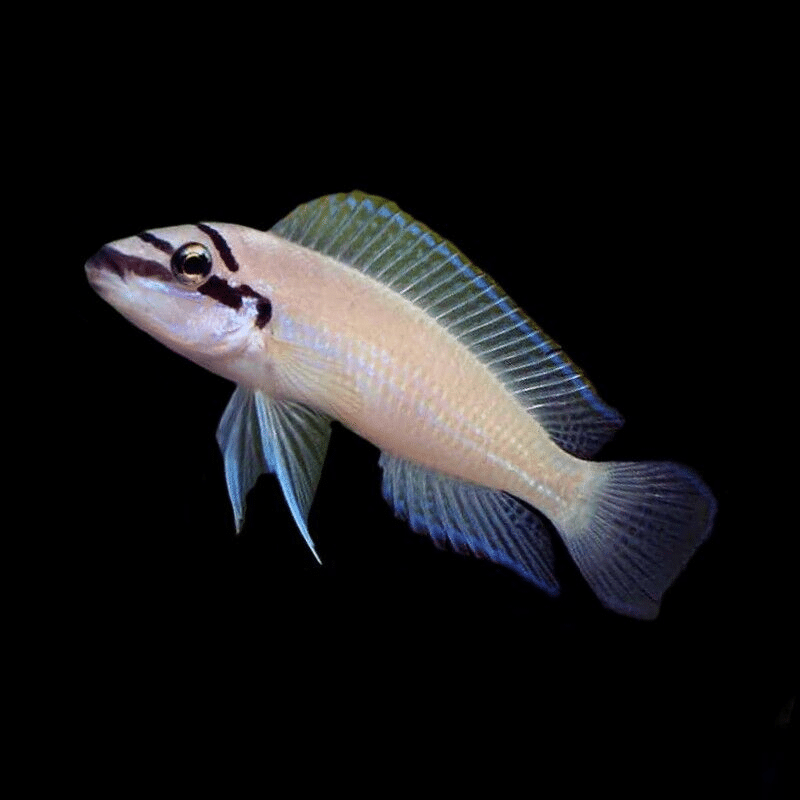
Brichard’S Chalinochromis – Chalinochromis Brichardi – Lake Tanganyika Cichlid

Original price was: £14.99.£12.58Current price is: £12.58.
Welcome these beautiful Chalinochromis brichardi, a stunning Lake Tanganyika Cichlid, known for their vibrant colors and graceful movements. Ideal for aquarists seeking peaceful companions, they thrive in well-maintained aquariums. Create a captivating underwater habitat with these elegant fish.


Species Introduction
Welcome these beautiful creatures, scientifically known as Chalinochromis brichardi, a captivating species of cichlid native to the stunning waters of Lake Tanganyika in East Africa. This freshwater fish thrives in the unique ecosystem of this ancient lake, characterized by its rocky substrates and diverse aquatic flora. The natural habitat of Brichard’s Chalinochromis consists of rocky crevices and caves, which provide essential shelter and breeding grounds. As a peaceful cichlid, it is known for its vibrant colors and engaging behaviors, making it a popular choice among aquarium enthusiasts. These fish can reach a maximum length of about 10 cm (4 inches), and they exhibit a beautiful array of colors that can vary based on their environment and diet. Their striking appearance and gentle demeanor make them a delightful addition to any freshwater aquarium, especially for those who appreciate the beauty of Lake Tanganyika cichlids.
Care Requirements Dashboard
Essential Care Guide for Your Brichard’S Chalinochromis
| Optimal Living Conditions | |
|---|---|
| Water Temperature | 24-26°C (75-79°F) |
| pH Level | 8.1-8.4 |
| Water Hardness | 8-12 dKH |
| Minimum Tank Size | 200L (50 gal) |
| Salinity | 1.020-1.025 SG |
| Care Level | Intermediate |
✓ Care Level: Moderate
To provide a loving home for Brichard’s Chalinochromis, it is essential to maintain optimal tank conditions. A minimum tank size of 75 gallons is recommended to accommodate their swimming needs and territorial behaviors. The ideal water parameters include a pH range of 7.8 to 9.0, a temperature between 24°C to 28°C (75°F to 82°F), and a hardness level of 10 to 20 dGH. Regular water changes of 20% every two weeks will help maintain water quality and ensure the health of your aquatic companions. Additionally, providing plenty of hiding spots and open swimming areas will promote natural behaviors and reduce stress among your fish friends.
Natural Behavior & Temperament
Brichard’s Chalinochromis exhibits fascinating natural behaviors that make them a joy to observe. These cichlids are known for their social nature, often forming small groups or pairs in the aquarium. They display a peaceful temperament, making them suitable for community tanks with other compatible species. Their swimming patterns are graceful, often seen darting in and out of rocky structures, which mimic their natural habitat. It is important to note that while they are generally peaceful, they can become territorial, especially during breeding. Providing ample space and hiding spots will help mitigate any potential aggression. Observing their interactions with tank mates can be a rewarding experience, as they often engage in playful behaviors and establish hierarchies within their social groups.
Tank Setup Guide
Creating an ideal environment for Brichard’s Chalinochromis involves replicating the natural conditions of Lake Tanganyika. Start with a spacious aquarium of at least 75 gallons, filled with a sandy or fine gravel substrate that mimics the lake bed. Incorporate plenty of rocks, caves, and driftwood to provide hiding spots and territories for your fish. Aquatic plants can also be added, but it is essential to choose hardy species that can withstand the cichlids’ digging behaviors. Consider using plants like Anubias or Java Fern, which can thrive in the tank while also providing cover. Ensure that the tank is well-aerated and equipped with a high-quality filtration system to maintain excellent water quality, as cichlids are sensitive to poor conditions. Lighting should be moderate to highlight the colors of your fish without causing stress.
Water Quality Management
Maintaining optimal water quality is crucial for the health and well-being of Brichard’s Chalinochromis. These fish thrive in stable conditions, so regular monitoring of water parameters is essential. The recommended pH level for their tank is between 7.8 and 9.0, which mimics the alkaline waters of Lake Tanganyika. Temperature should be kept between 24°C to 28°C (75°F to 82°F) to promote healthy metabolism and activity levels. Additionally, a hardness level of 10 to 20 dGH is ideal for their overall health. Implementing a reliable filtration system will help maintain clarity and quality in the water, while regular water changes of 20% every two weeks will remove toxins and replenish essential minerals. Test kits for pH, ammonia, nitrite, and nitrate levels should be used weekly to ensure a safe environment for your aquatic companions.
Feeding & Nutrition
Feeding Brichard’s Chalinochromis a balanced diet is essential for their health, coloration, and overall vitality. These cichlids are omnivorous and benefit from a varied diet that includes high-quality cichlid pellets, frozen or live foods such as brine shrimp, daphnia, and bloodworms. It is recommended to feed them small amounts 2-3 times a day, ensuring that all food is consumed within a few minutes to prevent water quality issues. Additionally, incorporating vegetable matter into their diet, such as spirulina flakes or blanched zucchini, will promote digestive health and enhance their vibrant colors. Monitoring their feeding habits and adjusting portion sizes based on their growth and activity levels will help keep your fish friends healthy and thriving.
Compatibility Guide
When selecting tank mates for Brichard’s Chalinochromis, it is important to choose species that share similar water parameter requirements and temperament. They are generally peaceful but can exhibit territorial behavior, especially during breeding. Suitable tank mates include other Lake Tanganyika cichlids, such as Neolamprologus and Julidochromis species, as well as peaceful community fish like tetras and rasboras. Avoid aggressive or overly large species that may intimidate or harm your cichlids. It is advisable to introduce new fish gradually and monitor interactions to ensure a harmonious community. Providing ample hiding spots and territories will help reduce stress and aggression among your aquatic companions.
Health & Wellness
Maintaining the health and wellness of Brichard’s Chalinochromis requires regular observation and proactive care. Common health issues include ich, fin rot, and swim bladder disease, often resulting from poor water quality or stress. Signs of illness may include lethargy, loss of appetite, or abnormal swimming patterns. To prevent these issues, ensure stable water parameters and provide a stress-free environment. Quarantine new fish before introducing them to the main tank to prevent the spread of diseases. Regularly inspect your cichlids for any signs of distress or illness, and consult with an aquarium professional if you notice any concerning symptoms. A balanced diet and optimal living conditions will significantly contribute to their overall health and longevity.
Breeding Information
Breeding Brichard’s Chalinochromis can be a rewarding experience for aquarists. These cichlids are mouthbrooders, meaning that the female will incubate the eggs in her mouth until they are ready to swim on their own. To encourage breeding, provide a separate breeding tank with optimal conditions, including stable water parameters and plenty of hiding spots. The female will lay eggs on flat surfaces, such as rocks or slate, and the male will fertilize them. After a few days, the eggs will hatch, and the female will carry the fry in her mouth for several weeks until they are ready to be released. During this time, it is crucial to provide a high-quality diet for the breeding pair to ensure the health of the fry. Once the fry are released, they can be fed infusoria or finely crushed flakes until they are large enough to consume larger foods.
Acclimation Process
Acclimating Brichard’s Chalinochromis to their new environment is a critical step in ensuring their health and reducing stress. When introducing new fish to your aquarium, it is essential to acclimate them slowly to prevent shock. Start by floating the sealed bag containing the fish in the aquarium for about 15-20 minutes to equalize the temperature. Afterward, gradually introduce small amounts of tank water into the bag every 5-10 minutes for about an hour. This process allows the fish to adjust to the water parameters of their new home. Once acclimated, gently release the fish into the tank using a net to avoid adding any transport water. Monitor their behavior closely for the first few days to ensure they are settling in well.
Long-term Care
Long-term care for Brichard’s Chalinochromis involves providing consistent attention to their environment and health. These fish can live for several years with proper care, so establishing a routine for tank maintenance is crucial. Regular water changes, monitoring of water parameters, and maintaining a clean tank will contribute to their longevity. Additionally, observing their behavior and health will help you identify any potential issues early on. As they grow, you may need to adjust their diet and tank setup to accommodate their changing needs. Providing a varied diet and ensuring a stress-free environment will promote healthy growth and vibrant colors in your fish friends.
Natural Habitat Recreation
Recreating the natural habitat of Brichard’s Chalinochromis in your aquarium can enhance their well-being and behavior. Mimicking the rocky environment of Lake Tanganyika involves using natural materials such as rocks, caves, and driftwood to create hiding spots and territories. Arrange the decorations to allow open swimming areas while providing ample cover for your fish. Incorporating live plants can also add to the aesthetic and provide additional shelter. Choose hardy species that can withstand the cichlids’ digging behaviors, and ensure that the setup allows for easy maintenance and cleaning. By creating a biotope that reflects their natural habitat, you will not only promote their health but also create a visually stunning aquarium.
Seasonal Care Adjustments
As seasons change, it is important to adjust your care routine for Brichard’s Chalinochromis to ensure their continued health and happiness. During warmer months, monitor the water temperature closely, as higher temperatures can affect oxygen levels and fish metabolism. Consider using a heater with a thermostat to maintain a stable environment. In colder months, ensure that the aquarium is adequately heated to prevent temperature fluctuations. Additionally, adjust lighting schedules to mimic natural daylight cycles, which can influence breeding behaviors and overall activity levels. Regularly check for any changes in water quality and adjust your maintenance routine accordingly to keep your aquatic companions thriving throughout the year.
Expert Tips
For aquarists looking to enhance their experience with Brichard’s Chalinochromis, consider implementing expert tips to optimize their care. First, invest in a high-quality filtration system to maintain excellent water quality, as cichlids are sensitive to changes in their environment. Additionally, regularly rotate decorations and plants to provide stimulation and prevent boredom. Observing their behavior can provide insights into their preferences and needs. Keeping a journal of water parameters, feeding schedules, and health observations can also help track their development and identify any potential issues early on. Engaging with online communities or local aquarium clubs can provide valuable resources and support for your journey in caring for these beautiful fish.
Troubleshooting
Despite your best efforts, you may encounter challenges while caring for Brichard’s Chalinochromis. Common issues include stress-related behaviors, such as hiding or aggression, which can arise from inadequate tank size or insufficient hiding spots. If you notice signs of illness, such as lethargy or abnormal swimming, immediately check water parameters and perform a partial water change. If necessary, quarantine affected fish to prevent the spread of disease. Additionally, consider consulting with an aquarium professional for guidance on treatment options. Regularly reviewing your care routine and making adjustments as needed will help ensure a thriving environment for your aquatic companions.
Scientific Background
Understanding the scientific background of Brichard’s Chalinochromis can enhance your appreciation for these remarkable fish. As part of the cichlid family, they exhibit a diverse range of adaptations that allow them to thrive in the unique conditions of Lake Tanganyika. Their evolutionary history is intertwined with the lake’s geological formation, resulting in a rich biodiversity. Research into their behavior, breeding habits, and ecological roles continues to provide insights into the complexities of their natural environment. By fostering a deeper understanding of these fish, aquarists can create more enriching habitats that reflect their natural behaviors and needs.
Advanced Care Techniques
For experienced aquarists seeking to elevate their care for Brichard’s Chalinochromis, consider implementing advanced techniques. Establishing a breeding program can be a rewarding challenge, requiring careful selection of breeding pairs and monitoring of fry development. Additionally, experimenting with different diets can enhance coloration and health, incorporating natural foods and supplements to promote vitality. Engaging in biotope aquascaping can also create a more authentic environment, providing opportunities for your fish to exhibit natural behaviors. Continuous learning and adaptation of techniques will not only benefit your fish friends but also enrich your experience as an aquarist.
Frequently Asked Questions
Q: What tank size is required for Brichard’s Chalinochromis?
Brichard’s Chalinochromis, also known as Chalinochromis brichardi, thrive in spacious environments. A minimum tank size of 100 litres (approximately 26 gallons) is highly recommended. This allows for adequate swimming space, which is essential as these fish are active swimmers. Additionally, providing ample hiding spots and territories will help reduce stress and aggression. When establishing your tank, consider the number of fish; a larger tank will better accommodate a small group, which is vital for their social behaviour. A well-planned aquarium will ensure a harmonious environment for these stunning cichlids.
✓ Expert Tip
Consider adding sandy substrate and plenty of rocks or caves to mimic their natural habitat.
Q: What water parameters do Brichard’s Chalinochromis require?
Maintaining optimal water parameters is crucial for the well-being of Brichard’s Chalinochromis. They prefer slightly alkaline water, with a pH range of 7.8 to 9.0. The water hardness should ideally be between 10-20 dGH, mimicking their natural Lake Tanganyika habitat. Temperature is also important; aim for 24-28°C (75-82°F). Regular testing of these parameters will help prevent stress and diseases. It’s advisable to perform partial water changes weekly, ensuring the water is treated and dechlorinated. Stability in water conditions is key to fostering a healthy aquarium.
✓ Expert Tip
Invest in a reliable water testing kit to monitor parameters regularly.
Q: How often should I feed Brichard’s Chalinochromis?
Feeding Brichard’s Chalinochromis should be done with care to ensure their health and vitality. A balanced diet consisting of high-quality pellets, flakes, and frozen or live foods is ideal. Feed them once or twice daily, providing only what they can consume within a few minutes to avoid overfeeding and water quality issues. Additionally, consider incorporating vegetable matter, such as spirulina flakes, to support their nutritional needs. Regular dietary variety not only enhances their colouration but also promotes overall health.
✓ Expert Tip
Introduce new foods gradually to avoid digestive issues.
Q: What are the best tank mates for Brichard’s Chalinochromis?
Choosing compatible tank mates for Brichard’s Chalinochromis is essential for a peaceful aquarium environment. They are generally peaceful but can exhibit territorial behaviour, especially during breeding. Suitable companions include other Lake Tanganyika cichlids, such as Julidochromis and Neolamprologus species, which share similar water requirements. Avoid overly aggressive or large fish that may intimidate them. It’s advisable to introduce new fish gradually and observe their interactions closely. Providing ample hiding spots and territories will help mitigate aggression and ensure a harmonious community.
✓ Expert Tip
Consider keeping them in groups to reduce stress and promote natural behaviours.
Q: How do I properly acclimatise Brichard’s Chalinochromis to my aquarium?
Acclimatisation is a crucial step in introducing Brichard’s Chalinochromis to your aquarium. Begin by floating the sealed bag in the tank for about 15-20 minutes to equalise the temperature. After this, gradually mix a small amount of tank water into the bag every 5 minutes for about an hour. This process helps them adjust to the water parameters in your aquarium. Once acclimatised, gently net the fish and place them in the tank, avoiding adding bag water. Monitor their behaviour closely for the first few hours to ensure they settle in well.
✓ Expert Tip
Avoid sudden changes in water temperature or parameters during acclimatisation.
Q: What are the signs of healthy Brichard’s Chalinochromis?
Healthy Brichard’s Chalinochromis exhibit vibrant colours, active swimming behaviour, and clear, bright eyes. Their fins should be fully extended and free of tears or fraying. Additionally, a healthy fish will be inquisitive, exploring its environment without signs of stress. Watch for signs of lethargy, loss of colour, or abnormal swimming patterns, which may indicate underlying health issues. Regular water testing and maintaining optimal conditions will help ensure your fish remain healthy and vibrant.
✓ Expert Tip
Perform routine health checks and maintain a clean tank to prevent diseases.
Q: How do I successfully breed Brichard’s Chalinochromis?
Breeding Brichard’s Chalinochromis can be a rewarding experience for aquarium keepers. To encourage breeding, maintain a stable environment with optimal water parameters and provide plenty of hiding spots and flat surfaces for spawning. The female typically lays eggs on these surfaces, which the male will fertilise. After spawning, the female will guard the eggs and the male will protect the territory. It is advisable to separate the breeding pair from the main tank to reduce stress and protect the fry once they hatch, usually within 3 to 5 days. Ensure to provide suitable food for the fry as they grow.
✓ Expert Tip
Consider using a breeding box to protect the eggs and fry from other fish.
Q: What temperature should I maintain for Brichard’s Chalinochromis?
Brichard’s Chalinochromis thrive in warm waters, and maintaining the right temperature is essential for their health. The ideal temperature range is between 24-28°C (75-82°F). A stable temperature is crucial; fluctuations can lead to stress and susceptibility to diseases. Use a reliable aquarium heater to maintain consistent warmth and monitor the temperature with a thermometer. Regular checks will help ensure that the temperature remains within the desired range, promoting a healthy and active lifestyle for your fish.
✓ Expert Tip
Position the heater near the filter for even heat distribution.
Q: How long do Brichard’s Chalinochromis typically live in captivity?
In a well-maintained aquarium, Brichard’s Chalinochromis can live for approximately 8-10 years. Their lifespan largely depends on the quality of care, including appropriate tank conditions, diet, and regular health monitoring. Ensuring a clean and stable environment will help reduce stress and the risk of diseases, which can adversely affect their longevity. Regular water changes and maintaining optimal water parameters will significantly contribute to their overall health and lifespan.
✓ Expert Tip
Keep a log of water parameters and any changes to track their health over time.
Q: What type of substrate is most suitable for Brichard’s Chalinochromis?
For Brichard’s Chalinochromis, a sandy substrate is the most suitable choice. This mimics their natural habitat in Lake Tanganyika, providing a comfortable environment for foraging and digging, which is typical behaviour for these cichlids. Sand allows them to exhibit natural behaviours without the risk of injury to their delicate fins, which can occur with sharp substrates. Additionally, the sandy substrate facilitates beneficial bacteria growth, contributing to overall water quality. Ensure that the substrate is thoroughly rinsed before adding it to the tank to remove any dust or contaminants.
✓ Expert Tip
Consider layering the sand with small rocks to create a naturalistic environment.
Q: What behavioural patterns should I expect from Brichard’s Chalinochromis?
Brichard’s Chalinochromis display fascinating behavioural patterns that can be quite engaging for aquarium keepers. They are generally peaceful but can become territorial, especially during breeding. Expect to see them establish territories within the tank, often claiming caves or flat surfaces. They are social fish and thrive in groups, exhibiting playful interactions. Additionally, they may display courtship behaviours when breeding, such as fin displays and swimming together. Regular observation will help you appreciate their unique personalities and social dynamics.
✓ Expert Tip
Ensure to provide plenty of hiding spots to reduce stress and territorial disputes.
Q: How can I prevent common diseases in Brichard’s Chalinochromis?
Preventing diseases in Brichard’s Chalinochromis involves maintaining optimal water quality and a stress-free environment. Regular water changes, appropriate filtration, and monitoring water parameters are essential. Quarantine new fish before introducing them to the main tank to prevent the spread of pathogens. Additionally, observe your fish closely for any signs of illness, such as abnormal swimming, loss of appetite, or visible lesions. A varied diet rich in nutrients will also bolster their immune system. If you notice signs of disease, prompt action is crucial to prevent further spread.
✓ Expert Tip
Maintain a stress-free environment by avoiding overcrowding and providing adequate hiding places.
Q: What lighting conditions do Brichard’s Chalinochromis prefer?
Brichard’s Chalinochromis benefit from moderate lighting conditions, as overly bright lights can cause stress. A lighting setup that mimics their natural habitat is ideal, using a combination of ambient and focused lighting. Consider using LED lights with a timer to create a natural day-night cycle, which can help regulate their behaviour. Additionally, providing shaded areas using plants or decorations can offer refuge and reduce stress. Observing how your fish respond to different lighting will help you adjust accordingly for their comfort.
✓ Expert Tip
Experiment with different lighting intensities to find the best fit for your fish.
Q: How do I recognise stress in Brichard’s Chalinochromis?
Recognising stress in Brichard’s Chalinochromis is vital for their health. Signs of stress may include rapid gill movement, hiding excessively, or erratic swimming behaviour. Additionally, you may observe a loss of colour or a decrease in appetite. It’s essential to monitor their environment closely; stress can be caused by poor water quality, inadequate tank mates, or sudden changes in conditions. If you observe these signs, take immediate action to rectify the situation, such as improving water quality or adjusting tank conditions to create a more comfortable habitat.
✓ Expert Tip
Create a calming environment with plenty of hiding spots to help reduce stress.
Q: What natural habitat conditions should I replicate for Brichard’s Chalinochromis?
To provide the best care for Brichard’s Chalinochromis, it’s essential to replicate their natural habitat found in Lake Tanganyika. They thrive in rocky environments with sandy substrates, so incorporating fine sand and various rocks will create a familiar setting. Additionally, ensure the water is clean, well-filtered, and slightly alkaline, as this mimics their natural conditions. The inclusion of plants can provide shelter and improve water quality. Regular maintenance of these elements will help create a balanced ecosystem, promoting the health and happiness of your beautiful fish friends.
✓ Expert Tip
Research the natural habitat of Brichard’s Chalinochromis to enhance your aquarium design.
1 review for Brichard’S Chalinochromis – Chalinochromis Brichardi – Lake Tanganyika Cichlid
Add a review
Related products


Emily Carter (verified owner) –
I recently added the Brichard’s Chalinochromis to my aquarium, and I must say, they are a delightful addition! After about two months of having these beautiful Lake Tanganyika cichlids, I can confidently say they’re thriving in my 75-gallon tank. Their vibrant colors and playful nature make my setup feel lively and engaging. I appreciate how they interact with their environment, often exploring the nooks and crannies of my rock work.
I chose these fish over some of the more common options because of their unique behavior and social structure. Watching them pair up and establish territories has been fascinating! They’re perfect for my semi-aggressive community tank, and I’ve had no issues with compatibility. Just a tip: ensure you provide plenty of hiding spots, as they appreciate a bit of privacy.
Shipping was fast, and they arrived healthy and active. The only minor concern is their sensitivity to water quality, so regular monitoring is a must. Overall, I would highly recommend Brichardi for both experienced aquarists and beginners looking for stunning freshwater fish that are full of personality!