
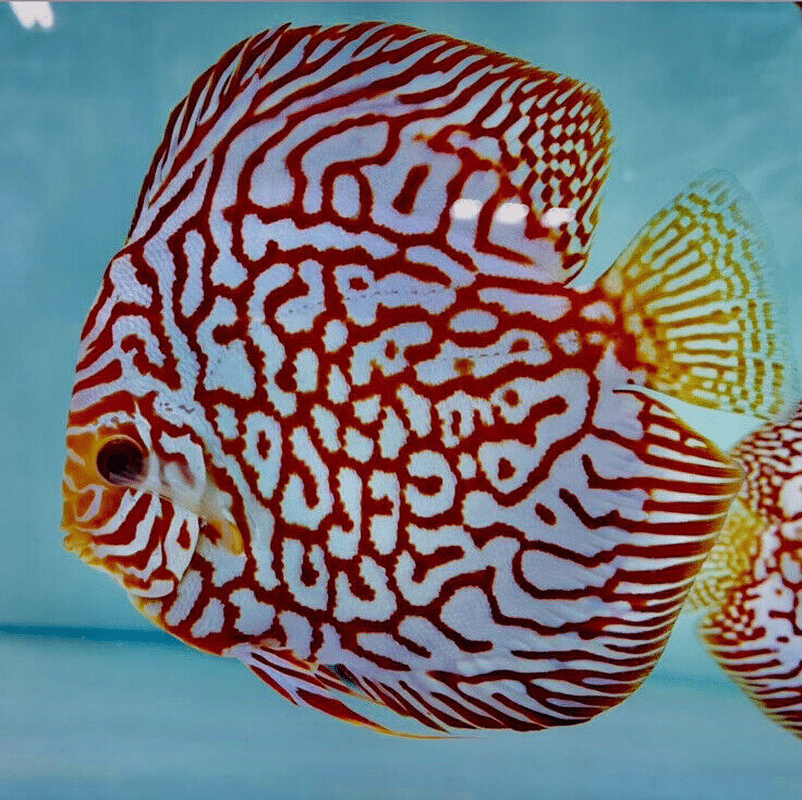
Red Pearl Discus (4cm) – Symphysodon Aequifasciatus

Original price was: £67.49.£57.10Current price is: £57.10.
Welcome the stunning Discus Red Pearl, a captivating South American Cichlid known for its vibrant red pearl pattern. Ideal for tropical aquariums, these elegant fish thrive in peaceful communities, making them perfect for aquarists seeking beautiful inhabitants. Care for them to enjoy their graceful swimming.
In stock
Species Introduction
The Discus Red Pearl, scientifically known as Symphysodon aequifasciatus, is a captivating member of the Cichlidae family, originating from the tranquil waters of the Amazon River basin in South America. Renowned for their vibrant coloration and unique body shape, these elegant fish are often considered the crown jewels of freshwater aquariums. With their maximum length reaching up to 20 cm, they embody both grace and beauty, making them a popular choice among aquarium enthusiasts. Their natural habitat consists of slow-moving waters, rich in aquatic vegetation, where they thrive in warm, soft, and slightly acidic conditions. As you welcome these beautiful creatures into your aquarium, you will not only enhance the aesthetic appeal of your aquatic environment but also contribute to the preservation of their species by providing them with a suitable home.
Care Requirements Dashboard
Essential Care Guide for Your Discus Red Pearl – Symphysodon Aequifasciatus – South American Cichlid- 4Cm-
| Optimal Living Conditions | |
|---|---|
| Water Temperature | 24-27°C (75-81°F) |
| pH Level | 6.5-7.5 |
| Water Hardness | 4-12 dKH |
| Minimum Tank Size | 80L (20 gal) |
| Salinity | Freshwater |
| Care Level | Beginner Friendly |
When caring for Discus Red Pearl, it is essential to maintain stable water conditions, as these fish are sensitive to fluctuations. A well-maintained aquarium with a minimum capacity of 200 liters is recommended to provide ample swimming space and territorial boundaries. The water temperature should be kept between 26 to 30 degrees Celsius, mimicking their natural habitat. A pH level between 6.0 to 7.5 is ideal, along with soft water hardness ranging from 1 to 10 dGH. Regular water changes and monitoring of water parameters are crucial for their health and well-being.
Natural Behavior & Temperament
Discus Red Pearl fish are known for their gentle and peaceful temperament, making them suitable for community tanks with compatible species. They exhibit a unique swimming pattern characterized by graceful movements and a preference for mid to upper water levels. In their natural environment, they often form small groups, showcasing their social behavior. These fish thrive in environments where they can establish territories and interact with their companions. While they may display some territoriality during breeding, they are generally non-aggressive and can coexist harmoniously with other peaceful fish. Understanding their natural behavior is crucial for creating a thriving aquarium environment that promotes their well-being.
Tank Setup Guide
Creating an ideal environment for your Discus Red Pearl involves careful consideration of tank setup and decorations. A well-planted aquarium with lush vegetation not only enhances the aesthetic appeal but also provides hiding spots and territories for these fish. Substrate should be soft and sandy to mimic their natural habitat, allowing them to forage comfortably. Incorporating driftwood, rocks, and live plants will create a natural biotope that promotes their well-being. Additionally, ensure that the tank is equipped with a reliable filtration system to maintain water quality and circulation. Proper lighting is essential to highlight the vibrant colors of your Discus while also supporting plant growth. Regular maintenance, including cleaning and rearranging decorations, will keep the environment stimulating and healthy for your aquatic companions.
Water Quality Management
Maintaining optimal water quality is paramount for the health of your Discus Red Pearl. Regular testing of water parameters, including pH, temperature, and hardness, is essential to ensure a stable environment. The ideal pH level for these fish ranges from 6.0 to 7.5, while the water temperature should be maintained between 26 to 30 degrees Celsius. Soft water with a hardness level of 1 to 10 dGH is preferred. Implementing a robust filtration system will help remove toxins and maintain clarity, while regular water changes (approximately 25% weekly) will replenish essential minerals and nutrients. Monitoring ammonia, nitrite, and nitrate levels is crucial, as elevated levels can lead to stress and health issues. By prioritizing water quality management, you can create a thriving habitat for your Discus Red Pearl.
Feeding & Nutrition
Diet: High-quality pellets, frozen or live foods
Feeding Schedule: 2-3 times daily
Food Types: Spirulina, bloodworms, brine shrimp
Discus Red Pearl thrives on a varied diet that includes high-quality pellets, frozen foods, and live options. Their diet should be rich in protein and essential nutrients to support their growth and coloration. A feeding schedule of 2-3 times daily is recommended, ensuring that they receive sufficient nutrition without overfeeding. Incorporating a mix of spirulina, bloodworms, and brine shrimp will enhance their diet and promote vibrant colors. It is crucial to monitor their feeding habits and adjust portion sizes accordingly to prevent waste and maintain water quality. By providing a balanced diet, you will ensure the health and vitality of your Discus Red Pearl.
Compatibility Guide
When selecting tank mates for your Discus Red Pearl, it is essential to choose peaceful species that can coexist harmoniously. Ideal companions include other tropical fish such as tetras, rasboras, and peaceful cichlids. Avoid aggressive or fin-nipping species that may stress your Discus. Additionally, maintaining a proper ratio of fish in the tank will help reduce territorial disputes and promote a peaceful community. As social fish, Discus thrive in groups, so consider keeping them in pairs or small schools to enhance their comfort and reduce stress. Understanding the dynamics of your aquarium community will contribute to the overall health and happiness of your aquatic companions.
Health & Wellness
Common Issues: Ich, fin rot, stress
Prevention: Regular water changes, quarantine new fish
Maintaining the health and wellness of your Discus Red Pearl is crucial for their longevity and quality of life. Common health issues include ich, fin rot, and stress-related conditions. To prevent these problems, it is vital to maintain stable water parameters and perform regular water changes. Quarantining new fish before introducing them to the main tank can help prevent the spread of diseases. Observing your fish for any signs of distress, such as changes in behavior or appearance, will allow for early intervention and treatment. By prioritizing their health, you can ensure a thriving environment for your Discus Red Pearl.
Breeding Information
Breeding Discus Red Pearl can be a rewarding experience for dedicated aquarists. To encourage spawning, it is essential to provide a suitable environment with optimal water conditions, including a slightly acidic pH and warm temperatures. Breeding pairs often select flat surfaces, such as leaves or smooth stones, to lay their eggs. After spawning, both parents take turns guarding and caring for the eggs, which typically hatch within 48 hours. Fry care involves providing a suitable diet of infusoria or finely crushed flakes until they are large enough to consume larger foods. Patience and attention to detail are key when breeding Discus, as they require specific conditions to thrive during this delicate process.
Acclimation Process
Introducing your Discus Red Pearl to a new tank requires a careful acclimation process to minimize stress and ensure a smooth transition. Begin by floating the sealed bag containing the fish in the aquarium for approximately 15-20 minutes to equalize the temperature. Afterward, gradually introduce small amounts of tank water into the bag over the course of an hour. This slow acclimation will help the fish adjust to the new water parameters. Once acclimated, gently release the fish into the aquarium, avoiding the introduction of bag water. Monitoring their behavior during the first few days in their new home is essential to ensure they are settling in comfortably.
Long-term Care
Discus Red Pearl can live for several years with proper care, often reaching a lifespan of 10-15 years in a well-maintained aquarium. As they grow, it is important to monitor their growth and adjust tank conditions accordingly. Regular water testing and maintenance will help ensure a stable environment as they mature. Providing a varied diet and maintaining a harmonious community will contribute to their overall health and longevity. As these fish reach maturity, they may display unique behaviors and characteristics, making long-term care an enriching experience for any aquarist.
Natural Habitat Recreation
Recreating the natural habitat of the Discus Red Pearl in your aquarium is essential for their well-being. This involves mimicking the soft, acidic waters of the Amazon River basin, complete with lush vegetation and hiding spots. Incorporating live plants, driftwood, and rocks will create a biotope that reflects their natural environment. Utilizing a substrate that allows for natural foraging behavior will enhance their comfort. Additionally, providing areas of varying light and shade will create a dynamic environment that encourages natural behaviors. By focusing on habitat recreation, you will promote the health and happiness of your Discus Red Pearl.
Seasonal Care Adjustments
As seasons change, so do the environmental conditions in your aquarium. It is essential to make seasonal care adjustments for your Discus Red Pearl to ensure their comfort and health. During warmer months, monitor water temperature closely, as higher temperatures can stress these fish. Implementing a cooling system or adjusting the aquarium’s location may be necessary. In winter, ensure that the water temperature remains stable and consider using a heater if needed. Additionally, adjusting lighting schedules to mimic natural day/night cycles will support their biological rhythms. By being proactive in seasonal care, you can create a stable environment for your aquatic companions.
Expert Tips
For those looking to enhance their care for Discus Red Pearl, consider implementing expert tips that can elevate your aquarium experience. Maintaining a consistent feeding schedule and providing high-quality foods will promote vibrant coloration and health. Regularly observing your fish for signs of stress or illness will allow for early intervention. Additionally, creating a diverse environment with plenty of hiding spots and open swimming areas will encourage natural behaviors. Engaging with fellow aquarists and sharing experiences can also provide valuable insights into the care and breeding of these beautiful fish. By following expert advice, you can ensure a thriving habitat for your Discus Red Pearl.
Troubleshooting
Despite your best efforts, you may encounter challenges while caring for your Discus Red Pearl. Common issues include stress, aggression from tank mates, and health problems. If your fish display signs of stress, such as hiding or erratic swimming, assess water quality and tank conditions immediately. If aggression occurs, consider rearranging tank decorations to disrupt established territories. For health issues, monitor for symptoms such as discoloration or loss of appetite, and consult resources or professionals for treatment options. By being proactive and addressing issues promptly, you can maintain a healthy and harmonious environment for your aquatic friends.
Scientific Background
The scientific classification of the Discus Red Pearl, Symphysodon aequifasciatus, places it within the Cichlidae family, known for their complex behaviors and diverse species. Research into their natural habitats reveals the importance of environmental stability for their health and reproduction. Conservation efforts are critical, as habitat destruction threatens their populations in the wild. By understanding their scientific background and the ecological challenges they face, aquarists can contribute to the preservation of these magnificent fish. Engaging in responsible fishkeeping practices and advocating for conservation will help ensure the future of Discus Red Pearl in both home aquariums and their natural habitats.
Advanced Care Techniques
For experienced aquarists looking to take their care for Discus Red Pearl to the next level, consider implementing advanced techniques that promote optimal health and breeding success. Utilizing a breeding tank with specific conditions can enhance spawning rates and fry survival. Experimenting with different diets, including live foods and specialized pellets, can improve coloration and vitality. Additionally, employing a planted tank with a focus on aquascaping can create a visually stunning environment that mimics their natural habitat. By continuously educating yourself and adapting your care techniques, you can ensure a thriving and vibrant aquarium for your Discus Red Pearl.
Frequently Asked Questions
Q: What tank size is required for the Discus Red Pearl?
Discus Red Pearl, being a larger cichlid, requires a minimum tank size of 200 litres to thrive. This is crucial as they are social fish that prefer to be in groups of at least six. A larger tank not only provides adequate swimming space but also helps maintain stable water parameters, which is essential for their health. Additionally, a well-planted aquarium with hiding spots is beneficial, as it mimics their natural habitat and reduces stress. Regular water changes and proper filtration are necessary to ensure optimal water quality, which is vital for their well-being.
✓ Expert Tip
Consider using a soft substrate, such as sand or fine gravel, to mimic their natural environment.
Q: What water parameters do Discus Red Pearls require?
Discus Red Pearls thrive in soft, acidic water, with a pH range between 6.0 to 7.5. The water hardness should ideally be between 1-10 dGH. Maintaining stable water temperature is crucial; they prefer warm water, ideally between 26°C to 30°C. Regular testing of water parameters using a reliable kit is highly recommended. Sudden fluctuations can stress the fish and lead to health issues. Furthermore, ensure that ammonia and nitrite levels are at 0 ppm for a healthy environment.
✓ Expert Tip
Utilising a reverse osmosis system can help achieve the desired water parameters.
Q: How often should I feed my Discus Red Pearl?
Feeding Discus Red Pearls should be done two to three times daily. It is crucial to provide a varied diet that includes high-quality pellets, frozen or live foods such as bloodworms, and brine shrimp. Overfeeding can lead to poor water quality and health issues. A good rule of thumb is to offer only what they can consume within a few minutes. Regular feeding routines help maintain their vibrant colours and overall health, as Discus are known for their finicky eating habits.
✓ Expert Tip
Consider using a feeding ring to prevent food from dispersing too quickly in the tank.
Q: What are the best tank mates for Discus Red Pearls?
When selecting tank mates for Discus Red Pearls, it is essential to choose peaceful species that thrive in similar conditions. Suitable companions include larger tetras, such as the Rummy Nose Tetra, and peaceful catfish like the Corydoras. Avoid aggressive or overly active fish that may stress the Discus. It is advisable to maintain a ratio that allows the Discus to feel secure, hence keeping them in groups of six or more is recommended to reduce stress and establish natural social behaviour.
✓ Expert Tip
Research potential tank mates thoroughly before adding them to ensure compatibility.
Q: How do I properly acclimatise my Discus Red Pearl to my aquarium?
Acclimatisation is critical for the health of your Discus Red Pearl. Start by floating the sealed bag in your aquarium for about 15-20 minutes to equalise the temperature. Then, gradually introduce aquarium water into the bag, allowing it to mix with the water inside. This process should take approximately 30 minutes, during which you should add small amounts of water every few minutes. After this, gently place the fish into the tank using a net, avoiding the transfer of bag water, which may contain harmful substances.
✓ Expert Tip
Perform acclimatisation during low-light hours to reduce stress on your new fish.
Q: What are the signs of healthy Discus Red Pearls?
Healthy Discus Red Pearls exhibit vibrant colours, clear eyes, and active swimming behaviour. They should show no signs of distress or lethargy and should eat readily. Observing their fins is also important; they should be fully extended and not clamped against their bodies. Regular monitoring of their behaviour and physical condition will help in early detection of potential health issues, allowing for timely interventions.
✓ Expert Tip
Keep a close eye on their eating habits, as a sudden loss of appetite may indicate stress or illness.
Q: How do I successfully breed Discus Red Pearls?
Breeding Discus Red Pearls requires specific conditions. They prefer a breeding tank of about 100 litres, with stable water parameters similar to their natural habitat. Provide flat surfaces for spawning, such as broad leaves or breeding cones. Maintaining a temperature of around 28°C and regular water changes will encourage breeding. Once the eggs are laid, the parents will guard them closely. It is advisable to remove any other fish from the breeding tank to prevent stress and ensure the safety of the fry.
✓ Expert Tip
Consider using a separate breeding tank to minimise stress and maximise breeding success.
Q: What temperature should I maintain for my Discus Red Pearl?
Discus Red Pearls thrive in warmer water, with an ideal temperature range of 26°C to 30°C. Maintaining a stable temperature is crucial, as fluctuations can lead to stress and health issues. It is advisable to use a reliable aquarium heater with a thermostat to ensure consistent temperatures. Regular monitoring with a thermometer will help you keep track of the water temperature, ensuring your Discus remain comfortable and healthy.
✓ Expert Tip
Position the heater near the filter for optimal water circulation and temperature distribution.
Q: How long do Discus Red Pearls typically live in captivity?
In captivity, Discus Red Pearls can live for 10 to 15 years, provided they are given proper care. Their lifespan can be influenced by factors such as water quality, diet, and tank conditions. Regular maintenance, including water changes and monitoring water parameters, plays a significant role in their overall health and longevity. Providing a stress-free environment with suitable tank mates will also contribute to their well-being and life expectancy.
✓ Expert Tip
Keep a consistent feeding schedule and maintain water quality for optimal health and longevity.
Q: What type of substrate is most suitable for Discus Red Pearls?
For Discus Red Pearls, a soft substrate such as sand or fine gravel is recommended. This mimics their natural habitat and ensures their comfort. A softer substrate is not only easier on their delicate bodies but also aids in maintaining water quality. It is also advisable to include live plants, as they help improve water quality and provide hiding spots, which can reduce stress in these sensitive fish. Avoid sharp or coarse substrates that could potentially injure them.
✓ Expert Tip
Consider layering the substrate to create a more natural environment and facilitate plant growth.
Q: What behavioural patterns should I expect from Discus Red Pearls?
Discus Red Pearls are known for their peaceful and social behaviour. They tend to form strong social bonds with their tank mates and often display a schooling behaviour. They are relatively shy and will benefit from a well-planted tank with hiding spots. During feeding times, they can become quite active and exhibit interesting behaviours as they compete for food. Observing their interactions can provide insights into their health and well-being.
✓ Expert Tip
Provide adequate space for swimming and hiding to promote healthy social interactions.
Q: How can I prevent common diseases in Discus Red Pearls?
Preventing diseases in Discus Red Pearls involves maintaining optimal water quality and providing a balanced diet. Regular water changes and testing are essential to keep ammonia, nitrite, and nitrate levels in check. Quarantining new fish before introducing them to the main tank can help prevent the spread of diseases. Additionally, observing your fish for any signs of stress or illness, such as changes in behaviour or appetite, will allow for timely intervention.
✓ Expert Tip
Consider implementing a routine of preventative treatments to maintain fish health.
Q: What lighting conditions do Discus Red Pearls prefer?
Discus Red Pearls prefer moderate lighting, as bright light can cause stress. It is advisable to use adjustable lighting that allows for dimming. Providing shaded areas with aquatic plants can help create a comfortable environment. Additionally, lighting should be on a consistent schedule of around 10-12 hours daily to simulate natural conditions, which can contribute to their health and encourage natural behaviours.
✓ Expert Tip
Use LED lights to reduce heat output and energy consumption.
Q: How do I recognise stress in my Discus Red Pearl?
Recognising stress in your Discus Red Pearl involves observing their behaviour closely. Signs of stress may include hiding, rapid gill movement, failure to eat, or clamped fins. Additionally, if they are frequently darting or displaying erratic swimming patterns, this could indicate discomfort. Maintaining stable water parameters and providing a well-structured environment can help reduce stress levels and promote a healthier lifestyle for your fish.
✓ Expert Tip
Avoid sudden changes in the tank environment to minimise stress.
Q: What natural habitat conditions should I replicate for my Discus Red Pearl?
Discus Red Pearls are native to the Amazon River basin, where they inhabit slow-moving waters filled with dense vegetation. To replicate their habitat, it is important to provide a well-planted aquarium with plenty of hiding spots. Use driftwood and rocks to create natural structures, and maintain soft, warm, and slightly acidic water. Mimicking these conditions can greatly enhance their comfort and overall well-being in captivity.
✓ Expert Tip
Incorporate live plants to improve water quality and provide a natural feel to the tank.
1 review for Red Pearl Discus (4cm) – Symphysodon Aequifasciatus
Add a review
Related products




Linda Edwards (verified owner) –
I am absolutely thrilled with my recent purchase of the Discus Red Pearl! As an experienced hobbyist, I’ve kept various tropical fish over the years, but this little guy has truly captured my heart. Arriving just a week ago at 4cm, he adapted to my established freshwater tank almost immediately. I made sure to introduce him gently, and he quickly found his favorite spot among the plants.
What I love most is his stunning coloration—those vibrant reds and pearlescent patterns are mesmerizing and have really livened up my aquarium! Compared to the other discus I’ve owned, this one is surprisingly social and seems to thrive among the tank mates, which include some tetras and a couple of angelfish. I’ve noticed he’s already starting to show signs of personality after just a few days, swimming around confidently and even interacting with me during feeding time.
One minor concern is that he can be a little shy when the lights are first turned on, but he warms up soon after. I recommend this discus fish to anyone looking to add a splash of beauty to their tank—especially if you already have a well-established setup. Overall, I couldn’t be happier with my new aquatic friend!