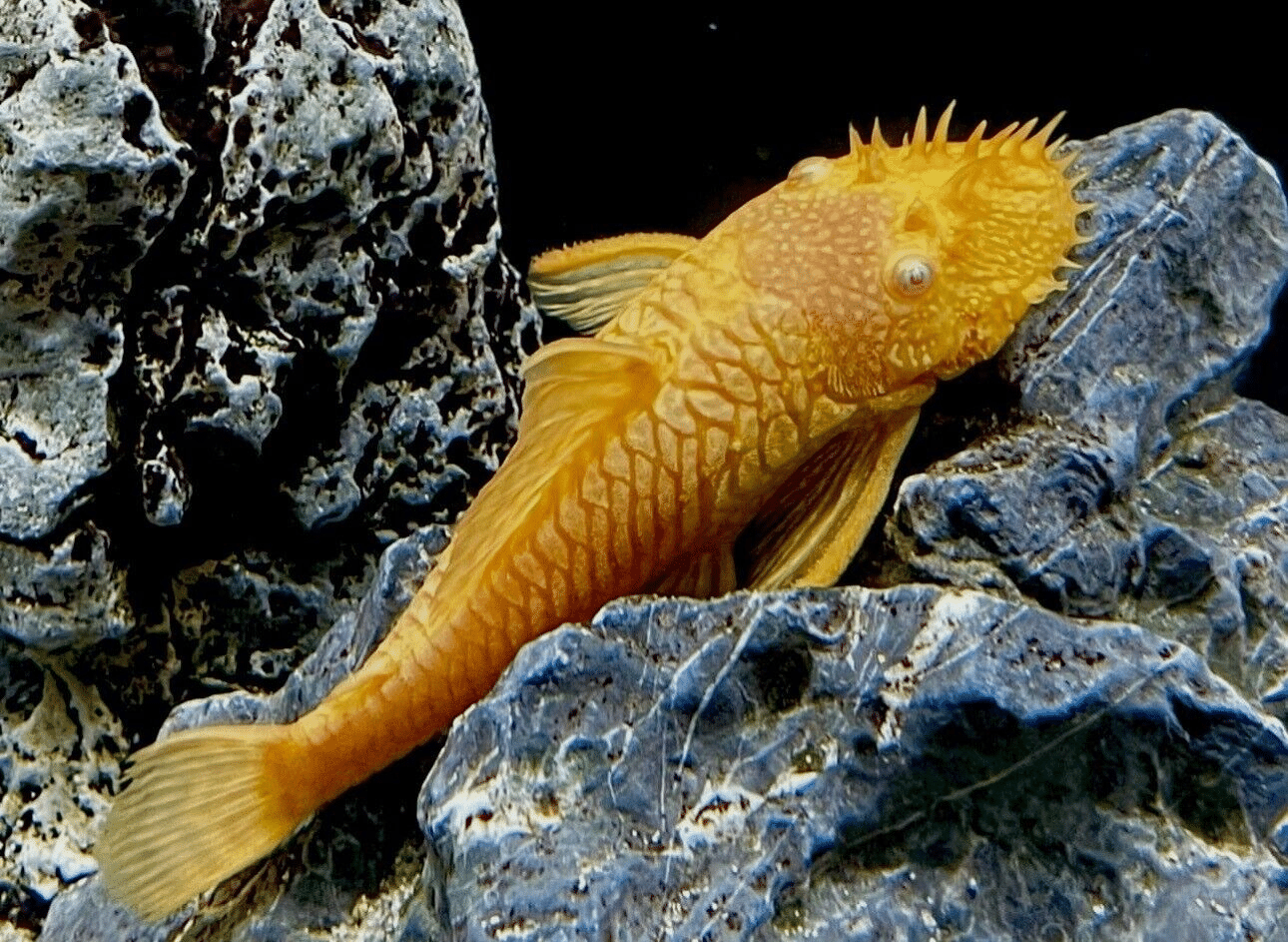
Golden Bristlenose Pleco (3cm) – Ancistrus Sp. – Algae Eater

Original price was: £5.49.£4.50Current price is: £4.50.
Welcome the stunning Golden Bristlenose Pleco, a vibrant South American algae eater that enhances your aquarium’s beauty. This peaceful companion thrives while keeping algae at bay, making it a fantastic choice for community tanks. Ideal for aquarists seeking easy-care fish.
In stock


Species Introduction
The Golden Bristlenose Pleco, scientifically known as Hypostomus plecostomus, is a captivating species belonging to the Loricariidae family. Native to the freshwater rivers and streams of South America, particularly in the Amazon Basin, these fish thrive in environments rich in vegetation and organic matter. They are known for their unique bristle-like structures that develop on the males as they mature, which serve as a distinguishing feature and play a role in their breeding behavior. As algae eaters, they play a crucial role in maintaining the ecological balance within their habitats, consuming excess algae and detritus, thus promoting a healthier aquatic environment. Their vibrant coloration and unique morphology make them a popular choice among aquarists looking to add both beauty and functionality to their tanks.
Care Requirements Dashboard
| Optimal Living Conditions | |
|---|---|
| Water Temperature | 22-28°C (72-82°F) |
| pH Level | 6.0-7.5 |
| Water Hardness | 2-15 dKH |
| Minimum Tank Size | 120L (30 gal) |
| Salinity | Freshwater |
| Care Level | Beginner to Intermediate |
✓ Care Level: Easy
Tank Size: Minimum 75 liters (20 gallons)
Water Temperature: 22-28°C (72-82°F)
pH Level: 6.5-7.5
Water Hardness: 5-15 dGH
Natural Behavior & Temperament
Golden Bristlenose Plecos are generally peaceful and social creatures, making them ideal for community tanks. They exhibit a nocturnal behavior pattern, often becoming more active during the evening hours. During the day, they prefer to hide among rocks, driftwood, and dense aquatic plants, which provide them with a sense of security. As algae eaters, they are diligent in their foraging, often seen suctioning onto surfaces to graze on algae. Their social nature allows them to coexist harmoniously with a variety of other fish species, although it’s essential to avoid overly aggressive tank mates that may stress them. Understanding their natural behaviors can enhance the overall aquarium experience, as these fish contribute to the tank’s ecosystem while displaying their unique personalities.
Tank Setup Guide
Creating an ideal environment for your Golden Bristlenose Pleco involves replicating their natural habitat as closely as possible. A well-planted tank with plenty of hiding spots is essential for their comfort and well-being. Use a substrate that mimics the riverbed, such as fine gravel or sand, which allows them to sift through it while foraging. Incorporate driftwood and rocks to provide additional hiding spaces and surfaces for algae growth. Live plants, such as Java Fern and Anubias, not only enhance the aesthetic appeal of the aquarium but also contribute to the water quality by absorbing excess nutrients. Ensure that the tank is equipped with a reliable filtration system to maintain clean water, as these fish are sensitive to poor water quality. A gentle water flow is preferable, as it mimics their natural riverine environment.
Water Quality Management
Maintaining optimal water quality is crucial for the health of your Golden Bristlenose Pleco. Regular water changes of 20-30% weekly are recommended to keep nitrate levels low and ensure a stable environment. Monitor the pH levels, aiming for a range of 6.5 to 7.5, as fluctuations can stress the fish. The temperature should be kept between 22-28°C (72-82°F), with a stable environment being more beneficial than drastic changes. The hardness of the water should ideally be between 5-15 dGH, which is suitable for most freshwater species. Utilizing a high-quality water conditioner can help remove harmful chemicals and chloramines from tap water. Regular testing of ammonia, nitrites, and nitrates will help you maintain a healthy aquatic environment, ensuring your fish thrive.
Feeding & Nutrition
Golden Bristlenose Plecos are primarily herbivorous, thriving on a diet rich in plant matter. They benefit from high-quality algae wafers, sinking pellets, and blanched vegetables such as zucchini, cucumber, and spinach. Feeding should be done once or twice a day, offering only as much food as they can consume in a few hours to prevent overfeeding and water quality issues. Supplementing their diet with occasional protein sources, such as spirulina flakes or freeze-dried foods, can enhance their nutrition and promote healthy growth. It’s essential to observe their eating habits, as a lack of appetite may indicate stress or health issues. Providing a varied diet will not only keep them healthy but also encourage natural foraging behaviors.
Compatibility Guide
✓ Community Tank Friendly
Golden Bristlenose Plecos are known for their peaceful nature and can coexist with a variety of fish species. Ideal tank mates include:
- Neon Tetras
- Guppies
- Rasboras
- Corydoras Catfish
- Other peaceful community fish
However, avoid keeping them with aggressive species such as:
- Cichlids
- Barbs
- Fish that may nip at their fins
Health & Wellness
Monitoring the health of your Golden Bristlenose Pleco is vital for their longevity and well-being. Common health issues include ich, fin rot, and swim bladder disease. Regularly inspect your fish for any signs of distress, such as changes in swimming behavior, loss of appetite, or visible lesions. Maintaining stable water parameters and ensuring a balanced diet can help prevent many health issues. In the event of illness, prompt action is crucial. Quarantine affected fish to prevent the spread of disease and consult with a veterinarian specializing in aquatic animals for appropriate treatment options. Regular maintenance of the aquarium, including cleaning and water changes, is essential to prevent the buildup of harmful substances that can compromise fish health.
Breeding Information
Breeding Golden Bristlenose Plecos can be a rewarding experience for aquarists. Males typically develop bristles on their snouts, which are used to attract females during the breeding process. To encourage breeding, provide a separate breeding tank with optimal conditions: a temperature of 24-28°C (75-82°F), a pH of 6.5-7.5, and plenty of hiding spots. The female will lay eggs on flat surfaces, such as rocks or leaves, and the male will guard and aerate the eggs until they hatch, which usually takes 4-10 days. Once the fry are free-swimming, they can be fed crushed flakes or specialized fry food. It’s essential to maintain excellent water quality during this period to ensure the fry’s health and growth.
Acclimation Process
Introducing your Golden Bristlenose Pleco to a new environment requires careful acclimation to minimize stress. Begin by floating the sealed bag containing the fish in the aquarium for about 15-20 minutes to equalize the temperature. After this, gradually introduce small amounts of tank water into the bag every 5 minutes for about an hour. This process helps the fish adjust to the new water parameters. Once acclimated, gently release the fish into the tank without adding the water from the bag. This method ensures a smooth transition, reducing the risk of shock and increasing the likelihood of a successful introduction to their new home.
Long-term Care
Golden Bristlenose Plecos can live for several years with proper care, often reaching an age of 5-10 years in captivity. As they grow, they may require larger tanks to accommodate their size and territorial needs. Regular monitoring of their health, water quality, and diet is essential for their long-term well-being. Keep an eye on their growth rate and adjust their feeding and tank conditions accordingly. As they mature, they may exhibit more pronounced territorial behaviors, especially during breeding seasons. Providing ample hiding spots and maintaining a peaceful community will help ensure a harmonious environment for your fish friends.
Natural Habitat Recreation
To create a biotope that resembles the natural habitat of the Golden Bristlenose Pleco, focus on incorporating elements typical of their South American origins. Use dark substrates to mimic riverbeds, and add driftwood to provide hiding spots and surfaces for algae growth. Live plants such as Java Moss and Amazon Sword can enhance the aesthetic while offering additional shelter. Maintaining a slightly dimmed lighting setup can help replicate the shaded environments found in their natural habitat. Additionally, consider adding natural filtration systems that mimic river currents, promoting a healthy and dynamic ecosystem for your fish companions.
Seasonal Care Adjustments
As seasons change, so do the conditions in your aquarium. During warmer months, monitor the water temperature closely, ensuring it remains within the ideal range of 22-28°C (72-82°F). If necessary, use fans or chillers to prevent overheating. In colder months, ensure that the aquarium heater is functioning correctly to maintain consistent temperatures. Adjust the lighting duration to mimic natural daylight cycles, promoting healthy growth for both fish and plants. Regularly assess the water parameters to ensure they remain stable throughout the year, adjusting your maintenance routine as needed to accommodate seasonal variations.
Expert Tips
For those looking to enhance their care for Golden Bristlenose Plecos, consider these expert tips. First, ensure a varied diet that includes both plant-based and protein-rich foods to promote optimal health. Regularly rotate their diet to prevent boredom and encourage natural foraging behaviors. Second, invest in a quality filtration system that provides both mechanical and biological filtration, ensuring clean water and stable parameters. Third, observe their behavior closely; any changes can indicate stress or health issues. Lastly, consider joining online forums or local aquarist groups to share experiences and gain insights from other fish keepers. This community support can be invaluable in enhancing your knowledge and care techniques.
Troubleshooting
Common problems with Golden Bristlenose Plecos include poor water quality, aggression from tank mates, and dietary deficiencies. If you notice signs of stress, such as hiding excessively or changes in appetite, check the water parameters immediately. Ensure that ammonia and nitrite levels are at zero, and nitrates are kept below 20 ppm. If aggression is observed, consider rearranging the tank to break established territories or adding more hiding spots. For dietary issues, ensure a balanced diet that includes high-quality algae wafers and fresh vegetables. Regular monitoring and proactive adjustments can help prevent many common issues.
Scientific Background
The Golden Bristlenose Pleco belongs to the family Loricariidae, which encompasses a diverse group of catfish known for their armored bodies and specialized feeding apparatus. This species is particularly interesting due to its adaptations for grazing on algae, which is a crucial part of its diet. Research into their natural habitats reveals that they thrive in slow-moving waters with abundant plant life, which provides both food and shelter. Conservation efforts are essential to protect their natural environments, as habitat destruction poses a significant threat to their populations. Understanding the scientific background of this species helps aquarists appreciate their role in the ecosystem and the importance of responsible fishkeeping practices.
Advanced Care Techniques
For experienced aquarists looking to take their care for Golden Bristlenose Plecos to the next level, consider implementing advanced techniques such as creating a breeding setup that mimics their natural spawning conditions. This involves providing optimal water parameters, a variety of spawning surfaces, and ensuring a stress-free environment. Additionally, explore the use of supplements that promote health and vitality, such as vitamin-enriched foods or specialized algae growth products. Regularly assess the health of your fish through visual inspections and behavioral observations, and be proactive in addressing any potential issues before they escalate. Engaging in ongoing education about the latest research and techniques in aquaristics will enhance your ability to provide the best care for these remarkable fish.
Water Quality Parameters
Optimal Range
24-27°C
6.5-7.5
0 ppm
Caution Zone
22-24°C or 27-29°C
6.0-6.5 or 7.5-8.0
0.25-0.5 ppm
Danger Zone
<22°C or >29°C
<6.0 or >8.0
>0.5 ppm
Monitoring Tip: Test water parameters weekly and perform regular water changes to maintain optimal conditions for your aquatic friends!
Frequently Asked Questions
Q: What tank size is required for the Golden Bristlenose Pleco?
The Golden Bristlenose Pleco thrives in a tank of at least 75 litres (20 gallons). This size allows for adequate swimming space and helps maintain stable water parameters. A larger tank is preferable as it provides more room for the fish to explore, which is essential for their well-being. Additionally, a larger volume of water can help buffer against fluctuations in water quality. Remember to include hiding spots, such as caves or driftwood, as these fish appreciate secure areas to retreat to. Proper filtration is also crucial, as these fish can produce a fair amount of waste.
✓ Expert Tip
Consider a tank with a lid, as Plecos are known to jump when startled.
Q: What water parameters do Golden Bristlenose Plecos require?
Golden Bristlenose Plecos prefer slightly acidic to neutral water conditions, ideally with a pH range of 6.5 to 7.5. The water temperature should be maintained between 23°C to 28°C (73°F to 82°F). Regular water changes are essential to keep the nitrate levels low and ensure a healthy environment. Aim for a 25% water change weekly, and always use a water conditioner to remove harmful chemicals. It is also advisable to monitor ammonia and nitrite levels regularly, as even trace amounts can be harmful to these fish.
✓ Expert Tip
Use a reliable water testing kit to keep track of water parameters.
Q: How often should I feed my Golden Bristlenose Pleco?
Feeding your Golden Bristlenose Pleco should be done 2-3 times a week, focusing on a varied diet. These fish are primarily herbivorous, so include high-quality algae wafers, blanched vegetables such as zucchini and cucumber, and occasional protein sources like sinking pellets or frozen foods. Overfeeding can lead to water quality issues, so ensure that all food is consumed within a few hours. It’s also beneficial to provide a varied diet to meet their nutritional needs and promote optimal health.
✓ Expert Tip
Introduce new foods gradually to avoid digestive upset.
Q: What are the best tank mates for the Golden Bristlenose Pleco?
Golden Bristlenose Plecos are generally peaceful and can coexist with a variety of community fish. Good tank mates include tetras, rasboras, and other small to medium-sized fish that do not exhibit aggressive behaviour. Avoid pairing them with larger or aggressive species, as they may stress the Pleco. Ideally, ensure that all fish share similar water parameter preferences to create a harmonious environment. Furthermore, providing ample hiding places can help reduce stress and territorial disputes.
✓ Expert Tip
Introduce new fish gradually to minimise stress for all tank inhabitants.
Q: How do I properly acclimatise my Golden Bristlenose Pleco to my aquarium?
Acclimatising your Golden Bristlenose Pleco is crucial for their health. Start by floating the sealed bag in the aquarium for about 15-20 minutes to equalise the temperature. After that, gradually introduce aquarium water into the bag over the next hour, allowing the fish to adjust to the new water parameters. This can be done by adding small amounts of tank water every 10-15 minutes. Once acclimatised, gently release the fish into the tank without adding the water from the bag, as it may contain harmful substances.
✓ Expert Tip
Avoid sudden temperature changes, as they can be detrimental to your fish.
Q: What are the signs of a healthy Golden Bristlenose Pleco?
A healthy Golden Bristlenose Pleco will exhibit vibrant colours and a well-defined body shape without any signs of bloating or sunken bellies. Their fins should be intact and free from tears or discoloration. Active behaviour, such as swimming and grazing on surfaces, is also a positive indicator. Additionally, healthy Plecos will readily accept food and actively forage. Regularly monitoring your fish for any changes in behaviour or appearance can help detect potential health issues early.
✓ Expert Tip
Regular water quality checks are essential for maintaining fish health.
Q: How do I successfully breed Golden Bristlenose Plecos?
Breeding Golden Bristlenose Plecos can be a rewarding experience. To encourage breeding, provide a separate breeding tank with a temperature of around 26°C (79°F) and a pH of 6.5 to 7.0. Introduce a cave or flat surface for the female to lay her eggs, as they prefer such areas. The male will guard the eggs once laid, which can number from 20 to 200. After about 4-10 days, the fry will hatch. Ensure the fry have access to infusoria or finely crushed flakes until they are large enough to eat standard Pleco food.
✓ Expert Tip
Ensure the breeding environment is clean and free of stressors for the best results.
Q: What temperature should I maintain for Golden Bristlenose Plecos?
Golden Bristlenose Plecos thrive in a temperature range of 23°C to 28°C (73°F to 82°F). Maintaining this temperature range is crucial for their overall health and activity levels. Use a reliable aquarium heater to ensure stable temperatures, and regularly check with a thermometer. Sudden fluctuations can stress fish, leading to health issues. It is advisable to keep the aquarium in a stable environment, away from direct sunlight or drafts, to help maintain the desired temperature.
✓ Expert Tip
Consider using a heater with a built-in thermostat for optimal temperature control.
Q: How long do Golden Bristlenose Plecos typically live in captivity?
Golden Bristlenose Plecos can live for 5 to 10 years in captivity, provided they are cared for properly. Factors such as water quality, diet, and tank conditions play a significant role in their lifespan. Regular water changes and a varied diet can help promote longevity. It is also important to monitor their health closely, as early intervention for any signs of illness can extend their life. Creating a stable, stress-free environment is vital to ensuring your Pleco thrives.
✓ Expert Tip
Keep records of water parameters and health observations to track their well-being.
Q: What type of substrate is most suitable for Golden Bristlenose Plecos?
Golden Bristlenose Plecos prefer a soft substrate, such as sand or fine gravel, as this mimics their natural habitat and allows them to forage comfortably. A softer substrate is gentle on their delicate bodies and helps reduce the risk of injury. Additionally, incorporating some larger rocks or driftwood can create hiding spots and grazing areas. Avoid sharp or coarse substrates that could harm their fins or skin. Regular cleaning is essential to prevent waste accumulation and maintain water quality.
✓ Expert Tip
Rinse the substrate thoroughly before adding it to the tank to remove dust and debris.
Q: What behavioural patterns should I expect from Golden Bristlenose Plecos?
Golden Bristlenose Plecos are generally nocturnal and tend to be most active during the evening and night. During the day, they often hide in caves or amongst decorations. They are known for their algae-eating behaviour, which helps keep the tank clean. Expect them to graze on surfaces, including rocks and plants. They can be social with their own kind but may exhibit territorial behaviour, especially during breeding. Observing their behaviour can provide insight into their health and happiness.
✓ Expert Tip
Provide plenty of hiding spots to reduce stress and promote natural behaviour.
Q: How can I prevent common diseases in Golden Bristlenose Plecos?
Preventing diseases in Golden Bristlenose Plecos involves maintaining high water quality and a stable environment. Regular water changes and monitoring parameters are essential. Ensure that the tank is not overcrowded, as this can lead to stress and disease spread. A varied and balanced diet will also enhance their immune system. Additionally, be cautious when introducing new fish or plants, as they may carry diseases. Quarantine new arrivals for at least two weeks before adding them to the main tank.
✓ Expert Tip
Regularly inspect your fish for any signs of illness, such as changes in behaviour or appearance.
Q: What lighting conditions do Golden Bristlenose Plecos prefer?
Golden Bristlenose Plecos prefer subdued lighting, as they are naturally found in shaded environments like dense vegetation and caves. Strong lighting can cause stress and encourage algae growth, which can be detrimental to their health. It is advisable to use LED lights with a dimming feature or place floating plants to diffuse the light. A balanced lighting schedule of 8 to 10 hours a day can help maintain a stable environment and support plant growth, enhancing the overall aesthetics of the aquarium.
✓ Expert Tip
Consider using a timer for consistent light cycles to support your fish and plants.
Q: How do I recognise stress in my Golden Bristlenose Pleco?
Recognising stress in your Golden Bristlenose Pleco can be crucial for their health. Signs of stress may include hiding excessively, loss of appetite, and rapid gill movement. They may also display erratic swimming patterns or remain motionless. If you notice any of these behaviours, it’s essential to assess water quality and tank conditions. Stress can be caused by poor water parameters, aggressive tank mates, or sudden changes in the environment. Addressing these issues promptly can help restore your fish’s health and well-being.
✓ Expert Tip
Maintain a stable environment to minimise stress and ensure your fish thrive.
Q: What natural habitat conditions should I replicate for Golden Bristlenose Plecos?
To replicate the natural habitat of Golden Bristlenose Plecos, aim to create a soft, sandy substrate with plenty of hiding spots using driftwood, caves, and plants. They are typically found in slow-moving waters with ample vegetation, so incorporating live plants can improve their environment. Additionally, maintaining slightly acidic to neutral water conditions, along with stable temperatures, will help mimic their natural habitat. This setup will not only promote their health but also encourage natural behaviours, such as grazing and hiding.
✓ Expert Tip
Consider using natural materials to enhance the aesthetic and biological balance of the aquarium.
1 review for Golden Bristlenose Pleco (3cm) – Ancistrus Sp. – Algae Eater
Add a review
Related products




Emily Carter (verified owner) –
I recently added the Golden Bristlenose Pleco to my aquarium, and I couldn’t be happier! After just two weeks, I’ve noticed a significant reduction in algae on my plants and tank walls. This little guy is not only efficient but also absolutely adorable with its bristly nose! What I appreciate most is how gentle it is on my delicate aquarium plants, unlike some other algae eaters I’ve tried in the past. It’s been a joy to watch him navigate around the tank, and he’s surprisingly active during the day.
I originally considered getting a Flying Fox, but I’m so glad I went for this species instead. The Bristlenose is much more suited for my 40-gallon setup and doesn’t have the aggressive tendencies that some other algae eaters do. My only minor concern is that it can be a bit shy at times, so I recommend having plenty of hiding spots for them to feel secure. Overall, if you’re looking for a friendly, hardworking algae eater that doesn’t disrupt your tank’s harmony, I highly recommend the Golden Bristlenose Pleco! It’s perfect for both beginners and seasoned aquarists. I’m already planning to get a few more to keep my tank in tip-top shape!