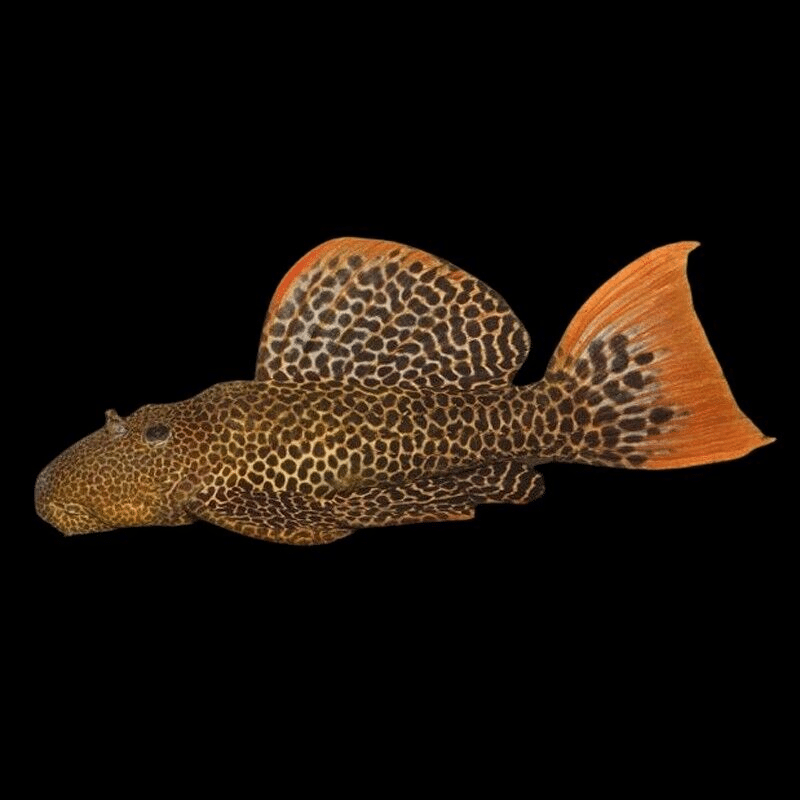
L114 Pseudacanthicus sp. – Leopard Cactus Pleco

Original price was: £97.99.£83.22Current price is: £83.22.
Welcome these beautiful L114 Leopard Cactus Plecos to your aquarium! Their striking leopard-like patterns add elegance and charm. Ideal for aquarists seeking peaceful companions, these catfish thrive in well-maintained tanks, enhancing your aquatic environment effortlessly.
In stock


Species Introduction
The L114 Leopard Cactus Pleco, scientifically known as Pseudacanthicus leopardus, is a captivating species of catfish that originates from the river systems of South America, particularly in the Amazon Basin. This stunning tropical fish is renowned for its striking appearance, characterized by a unique pattern of spots that resemble a leopard’s coat. The Leopard Cactus Pleco is not only visually appealing but also plays a vital role in maintaining a healthy aquarium ecosystem.
In their natural habitat, these fish inhabit rocky riverbeds and submerged logs, where they find shelter and forage for food. Their natural behavior and habitat preferences make them a fascinating addition to any aquarium setup.
Care Requirements Dashboard
Essential Care Guide for Your L114 Leopard Cactus Pleco
| Optimal Living Conditions | |
|---|---|
| Water Temperature | 22-28°C (72-82°F) |
| pH Level | 6.0-7.5 |
| Water Hardness | 2-15 dKH |
| Minimum Tank Size | 120L (30 gal) |
| Salinity | Freshwater |
| Care Level | Beginner to Intermediate |
Natural Behavior & Temperament
The L114 Leopard Cactus Pleco exhibits a range of interesting behaviors that make them a joy to observe. These fish are primarily nocturnal, becoming more active during the evening when they venture out to graze on algae and detritus. Their natural swimming patterns include gliding along surfaces and exploring crevices, which mimics their behavior in the wild. Socially, they tend to be semi-aggressive, especially towards their own kind, so it is essential to provide ample hiding spots and territories within the aquarium. When housed with compatible tank mates, they can exhibit peaceful behaviors, making them suitable for community tanks with larger, non-aggressive fish.
Tank Setup Guide
Creating an ideal environment for your L114 Leopard Cactus Pleco is essential for their well-being. A minimum tank size of 75 gallons is recommended to provide sufficient space for swimming and hiding. The substrate should consist of smooth gravel or sand to prevent injury to their delicate bodies. Incorporate various decorations such as driftwood, rocks, and caves to create hiding spots that mimic their natural habitat. Live plants can also enhance the aesthetics of the aquarium while providing additional cover. Ensure that the tank is well-filtered and has good water circulation, as these fish thrive in clean environments.
Water Quality Management
✓ Good Water Quality
Maintaining optimal water conditions is crucial for the health of your Leopard Cactus Pleco. The pH level should be kept between 6.5 and 7.5, with a temperature range of 75-82°F (24-28°C). Regular water changes of 20-30% weekly are recommended to keep nitrate levels low and ensure a clean environment. Additionally, monitor the water hardness, which should be between 5-15 dGH. Using a quality water conditioner can help eliminate harmful chemicals and improve overall water quality.
Feeding & Nutrition
The L114 Leopard Cactus Pleco is primarily herbivorous, but they will also consume protein-rich foods. A well-balanced diet should include high-quality sinking pellets, algae wafers, and fresh vegetables such as zucchini and cucumber. It is essential to provide a varied diet to ensure they receive all necessary nutrients. Feed your pleco once or twice a day, offering only as much food as they can consume within a few hours to prevent overfeeding and maintain water quality. Regularly monitor their health and adjust their diet as needed.
Compatibility Guide
✓ Compatible Tank Mates
Ideal tank mates for the L114 Leopard Cactus Pleco include larger, peaceful fish such as tetras, barbs, and angelfish. Avoid housing them with overly aggressive species or smaller fish that may be seen as food. A compatibility chart can help you select suitable companions:
| Fish Species | Compatibility |
|---|---|
| Tetras | Good |
| Barbs | Good |
| Cichlids | Not Recommended |
| Angelfish | Good |
Health & Wellness
Monitoring the health of your L114 Leopard Cactus Pleco is essential for their longevity. Common health issues include ich, fin rot, and bacterial infections. Signs of illness may include lethargy, loss of appetite, or visible lesions. To prevent health problems, maintain stable water parameters and provide a balanced diet. Regularly observe your fish for any changes in behavior or appearance. If health issues arise, consider isolating the affected fish and treating them in a separate tank to prevent the spread of disease.
Breeding Information
✓ Breeding Tips
Breeding the L114 Leopard Cactus Pleco can be challenging, as they require specific conditions to spawn. A separate breeding tank with a sandy substrate and ample hiding spots is recommended. Increase the water temperature to around 82°F (28°C) and maintain excellent water quality to encourage spawning. Males will display territorial behavior during breeding, and once the female lays eggs, they should be guarded by the male. After hatching, fry should be fed infusoria or finely crushed flakes until they are large enough to consume sinking pellets.
Acclimation Process
When introducing your L114 Leopard Cactus Pleco to a new aquarium, proper acclimation is crucial to minimize stress. Begin by floating the sealed bag in the tank for about 15-20 minutes to equalize the temperature. After this, gradually introduce tank water into the bag over the course of an hour. This slow acclimation process helps your pleco adjust to the new water conditions. Once acclimated, gently release the fish into the tank, avoiding any sudden movements that may frighten them. Monitor their behavior closely for the first few days to ensure they are settling in well.
Long-term Care
The L114 Leopard Cactus Pleco can live for over a decade with proper care, making them a long-term commitment for any aquarium enthusiast. As they grow, they can reach sizes of up to 12 inches, so it’s essential to provide ample space for swimming and hiding. Regular maintenance, including water changes and monitoring of water parameters, will help ensure a healthy environment. Keep an eye on their diet, adjusting as necessary to accommodate their growth and health needs. By providing a stable and nurturing environment, you can enjoy the beauty and companionship of your pleco for many years.
Natural Habitat Recreation
✓ Biotope Setup
To recreate the natural habitat of the L114 Leopard Cactus Pleco, consider incorporating elements that mimic their native environment. Use driftwood and rocks to create caves and hiding spots, and include plants that thrive in similar conditions. A sandy substrate will provide a comfortable bottom for them to forage. Additionally, consider adding a gentle water flow to simulate the river currents they are accustomed to. This biotope setup not only enhances the aesthetic appeal of your aquarium but also promotes the health and well-being of your fish.
Seasonal Care Adjustments
As seasons change, it is essential to adjust the care routine for your L114 Leopard Cactus Pleco. During warmer months, ensure that the water temperature remains stable and does not exceed 82°F (28°C). In colder months, consider using a heater to maintain the appropriate temperature range. Additionally, monitor the water parameters more frequently during seasonal changes, as fluctuations can occur. Adjust the lighting duration to mimic natural day and night cycles, which can positively impact the behavior and health of your pleco.
Expert Tips
✓ Professional Advice
To ensure the health and happiness of your L114 Leopard Cactus Pleco, consider the following expert tips: 1. Regularly check water parameters and perform routine maintenance to keep the environment clean. 2. Provide a varied diet to promote optimal health and coloration. 3. Monitor for signs of aggression, especially during breeding season, and provide additional hiding spots if necessary. 4. Keep an eye on their growth rate and be prepared to upgrade to a larger tank as they mature.
Troubleshooting
If you encounter issues with your L114 Leopard Cactus Pleco, it’s essential to address them promptly. Common problems include poor water quality, which can lead to stress and illness. If your pleco is hiding excessively or showing signs of lethargy, check the water parameters immediately. Additionally, if they are not eating, consider adjusting their diet or ensuring that the food is sinking properly. If health issues persist, consult with an aquarium professional for further guidance.
Scientific Background
✓ Taxonomy & Conservation
The L114 Leopard Cactus Pleco belongs to the family Loricariidae, which includes a diverse range of catfish species known for their armored bodies and specialized feeding habits. As a species native to South America, they play a crucial role in their ecosystem by helping to control algae growth and contributing to the overall health of their aquatic environment. Conservation efforts are essential to protect their natural habitats from pollution and habitat destruction. By supporting sustainable aquarium practices, you can help ensure the survival of this beautiful species.
Advanced Care Techniques
For experienced aquarists looking to enhance the care of their L114 Leopard Cactus Pleco, consider implementing advanced techniques such as using a refugium to cultivate beneficial microorganisms that can serve as a food source. Additionally, utilizing a high-quality protein skimmer can help maintain water quality by removing organic waste before it breaks down. Regularly rotating hiding spots and decorations can also stimulate their natural behaviors and reduce stress. By adopting these advanced care techniques, you can create an optimal environment for your pleco, ensuring they thrive in your aquarium.
Frequently Asked Questions
Q: What tank size is required for the L114 Leopard Cactus Pleco?
The L114 Leopard Cactus Pleco requires a minimum tank size of 75 litres (20 gallons) to thrive. This species can grow up to 15 cm (6 inches) in length, and providing ample swimming space is crucial for their health and well-being. A larger tank not only allows for better water quality stability but also offers room for appropriate hiding spots, which are essential for their comfort. Ensure that your aquarium is well-filtered, as these fish prefer clean water conditions. Additionally, a well-planted tank with rocks and driftwood will mimic their natural habitat, promoting a more fulfilling environment.
✓ Expert Tip
Consider adding a powerful filter to maintain water quality, as plecos can contribute to increased waste.
Q: What water parameters do L114 Leopard Cactus Plecos require?
L114 Leopard Cactus Plecos thrive in water with a pH between 6.5 and 7.5, a temperature range of 24-28°C (75-82°F), and a hardness of 2-15 dGH. Maintaining these parameters is essential for their health and well-being. Regular water changes, at least 10-15% weekly, will help in stabilising these conditions. Additionally, using a water conditioner to remove harmful chemicals and heavy metals from tap water is advisable. Monitoring the water parameters regularly with a quality test kit will ensure a stable environment for your aquatic companions.
✓ Expert Tip
Invest in a reliable heater and thermometer to maintain a consistent temperature for optimal growth.
Q: How often should I feed my L114 Leopard Cactus Pleco?
Feed your L114 Leopard Cactus Pleco 2-3 times a week. A varied diet consisting of high-quality sinking pellets, algae wafers, and fresh vegetables like zucchini or cucumber will ensure they receive the necessary nutrients. It is important to avoid overfeeding, as this can lead to poor water quality and health issues. Monitor their eating habits and remove any uneaten food after a few hours to maintain a clean tank. Additionally, supplementing their diet with blanched vegetables can help enhance their colouration and overall health.
✓ Expert Tip
Introduce new foods gradually to avoid digestive issues and to encourage them to explore a varied diet.
Q: What are the best tank mates for the L114 Leopard Cactus Pleco?
The L114 Leopard Cactus Pleco is generally peaceful and can coexist with various community fish. Suitable tank mates include tetras, rasboras, and peaceful cichlids. Avoid aggressive or overly territorial species, as this may stress your pleco. It is also wise to keep them with fish that occupy different levels of the tank, allowing for a harmonious environment. Always introduce new tank mates gradually and monitor their interactions to ensure compatibility and reduce the risk of stress or aggression.
✓ Expert Tip
Ensure plenty of hiding spots are available to help reduce stress and provide security for your pleco.
Q: How do I properly acclimatise my L114 Leopard Cactus Pleco to my aquarium?
Acclimatising your L114 Leopard Cactus Pleco is crucial for its health. Start by floating the sealed bag in your aquarium for about 15-20 minutes to equalise the temperature. Then, gradually introduce aquarium water into the bag over the next hour, using a process called drip acclimatisation. This method helps the fish adjust to the new water chemistry. After the acclimatisation period, gently release the pleco into the tank without adding bag water, which may contain harmful substances. This careful approach reduces stress and promotes a successful transition.
✓ Expert Tip
Keep the tank lights dim during the acclimatisation process to help reduce stress for your new aquatic friend.
Q: What are the signs of a healthy L114 Leopard Cactus Pleco?
A healthy L114 Leopard Cactus Pleco will display vibrant colouration, clear eyes, and active behaviour. Observe their feeding habits; they should readily consume food and explore their environment. Additionally, check for smooth skin without lesions or signs of distress. Regular swimming and hiding in their chosen spots indicate they are comfortable in their habitat. If you notice lethargy, a change in eating habits, or unusual behaviour, it may signal a health issue that requires immediate attention.
✓ Expert Tip
Regularly monitor your pleco’s behaviour and environment to catch any potential health issues early.
Q: What temperature should I maintain for my L114 Leopard Cactus Pleco?
The ideal temperature range for the L114 Leopard Cactus Pleco is between 24-28°C (75-82°F). Maintaining this temperature is essential as it influences their metabolism, behaviour, and overall health. A stable environment is crucial; therefore, avoid drastic fluctuations in temperature. Using a reliable aquarium heater and thermometer will help ensure the water remains within the desired range. Regular monitoring is vital, particularly during seasonal changes, to prevent any potential stress or health issues for your aquatic companion.
✓ Expert Tip
Consider using a heater with an adjustable thermostat for precise temperature control.
Q: How long do L114 Leopard Cactus Plecos typically live in captivity?
In captivity, L114 Leopard Cactus Plecos can live for 10 to 15 years with proper care. Their longevity largely depends on the quality of the environment, diet, and overall health management. Providing a stable habitat with appropriate water parameters, regular feeding, and routine maintenance will contribute to a longer, healthier life. Regular health checks and prompt attention to any issues can also enhance their lifespan, allowing you to enjoy their beauty for many years.
✓ Expert Tip
Keep a log of your pleco’s health and tank conditions to observe any changes over time.
Q: What type of substrate is most suitable for the L114 Leopard Cactus Pleco?
L114 Leopard Cactus Plecos prefer a substrate that mimics their natural environment, such as fine gravel or sand. These substrates are gentle on their sensitive bodies and allow for natural behaviour, including foraging and burrowing. Avoid sharp or rough substrates, as they can cause injury. Additionally, incorporating hiding spots and decorations made from smooth materials will enhance their habitat. Providing a substrate that promotes natural behaviour is essential for their overall well-being and comfort.
✓ Expert Tip
Consider creating a layered substrate with gravel and sand for added texture and habitat complexity.
Q: What behavioural patterns should I expect from the L114 Leopard Cactus Pleco?
L114 Leopard Cactus Plecos are generally nocturnal, displaying most of their activity during the night. They are known for their peaceful nature and often spend time foraging on surfaces, searching for algae and detritus. You may observe them resting on driftwood or hiding in caves during the day, which is perfectly normal behaviour. Providing various hiding spots will help them feel secure and reduce stress. Their curious nature encourages exploration, making them delightful companions in a well-maintained aquarium.
✓ Expert Tip
Observe your pleco during feeding times to appreciate their unique foraging behaviours.
Q: How can I prevent common diseases in my L114 Leopard Cactus Pleco?
Preventing diseases in your L114 Leopard Cactus Pleco involves maintaining optimal water quality, providing a balanced diet, and ensuring a stress-free environment. Regular water changes, monitoring parameters, and avoiding overstocking are essential steps. Additionally, quarantine new fish before introducing them to the main tank to prevent the spread of diseases. Keeping a close eye on your pleco’s behaviour and appearance will help identify any issues early. If signs of illness appear, consult a specialist for appropriate treatment options.
✓ Expert Tip
Consider adding aquarium salt and natural remedies to support overall health and immunity.
Q: What lighting conditions do L114 Leopard Cactus Plecos prefer?
L114 Leopard Cactus Plecos prefer subdued lighting, which mimics their natural habitat. Bright lighting can cause stress, so consider using low-intensity LED lights or providing shaded areas with plants and decorations. This not only benefits the pleco but also creates a more comfortable environment for other tank inhabitants. Dimming the lights during the day can encourage your pleco to feel secure and venture out more often. Additionally, providing a day-night cycle with consistent lighting will help regulate their natural behaviours.
✓ Expert Tip
Use plants to create shaded areas, enhancing the overall aesthetics of your aquarium while benefiting your pleco.
Q: How do I recognise stress in my L114 Leopard Cactus Pleco?
Recognising stress in your L114 Leopard Cactus Pleco involves observing changes in behaviour and physical appearance. Signs of stress may include hiding excessively, a lack of appetite, rapid gill movement, or unusual swimming patterns. If your pleco is frequently darting or rubbing against objects, this could indicate discomfort or irritation. Additionally, monitor water parameters, as poor quality can lead to stress. Addressing the source of stress promptly, whether it’s water quality or tank mates, is essential for your pleco’s well-being.
✓ Expert Tip
Maintain a peaceful tank environment and ensure proper hiding spots to reduce stress for your pleco.
Q: What natural habitat conditions should I replicate for my L114 Leopard Cactus Pleco?
To replicate the natural habitat of the L114 Leopard Cactus Pleco, aim for a densely planted aquarium with plenty of hiding spots, such as driftwood and caves. These fish originate from the fast-flowing rivers of South America, so incorporating smooth rocks and a good filtration system is beneficial. Maintaining a slightly acidic to neutral pH, along with stable water temperatures, will help create a comfortable environment. Additionally, providing a varied diet that mimics their natural foraging behaviour will contribute to their overall health and happiness.
✓ Expert Tip
Research the natural habitats of these plecos to further enhance your aquarium’s design for their comfort.
2 reviews for L114 Pseudacanthicus sp. – Leopard Cactus Pleco
Add a review
Related products



Emily Carter (verified owner) –
I’ve had my L114 Leopard Cactus Pleco for about two months now, and I couldn’t be happier with this stunning aquarium fish. From the moment he arrived, he settled in beautifully, exploring every nook and cranny of my tank. His unique leopard-like patterns are not just visually striking; they also add a special touch to my tropical fish community. I love that he’s a natural algae eater, helping keep my tank clean while also thriving on quality sinking pellets.
Compared to other plecos I’ve kept, the L114 is a bit more active and social, making him a joy to watch. He’s gentle with my other fish, which speaks volumes about his temperament. One thing to note is he does appreciate some hiding spots, so I provided him with driftwood and caves for comfort.
For fellow enthusiasts, this catfish is perfect for medium to large-sized tanks, and I highly recommend it for anyone looking to add a friendly and hardworking fish to their setup. Remember, ensuring proper water conditions and tank mates will help him flourish. Overall, I’m thrilled with my purchase and can’t wait to see how he grows! Definitely a 5-star addition to my aquarium!
Emily Carter (verified owner) –
I recently added the L114 Leopard Cactus Pleco to my aquarium, and I couldn’t be happier! After just two weeks, this stunning tropical fish has not only enhanced the aesthetics of my tank but has also become quite the little algae-eating machine. Watching him explore the caves and driftwood I’ve set up is a joy, and his unique leopard-like pattern adds a beautiful contrast against the green plants.
In comparison to other plecos I’ve kept, I find this one to be far more active and visually engaging. He’s a great tank mate for my community setup and seems to thrive alongside my other peaceful tropical fish. As a caring fish parent, it’s essential to me that my fish feel happy and healthy, and this pleco seems to have settled in very well.
One minor observation is that he can be shy during the day but becomes more social as the evening approaches, which is quite charming! I highly recommend the L114 Leopard Cactus Pleco for anyone looking to add a vibrant character to their aquarium. He’s perfect for both beginners and experienced aquarists. You won’t regret this choice!