
Subtotal: £5.81
Sale!
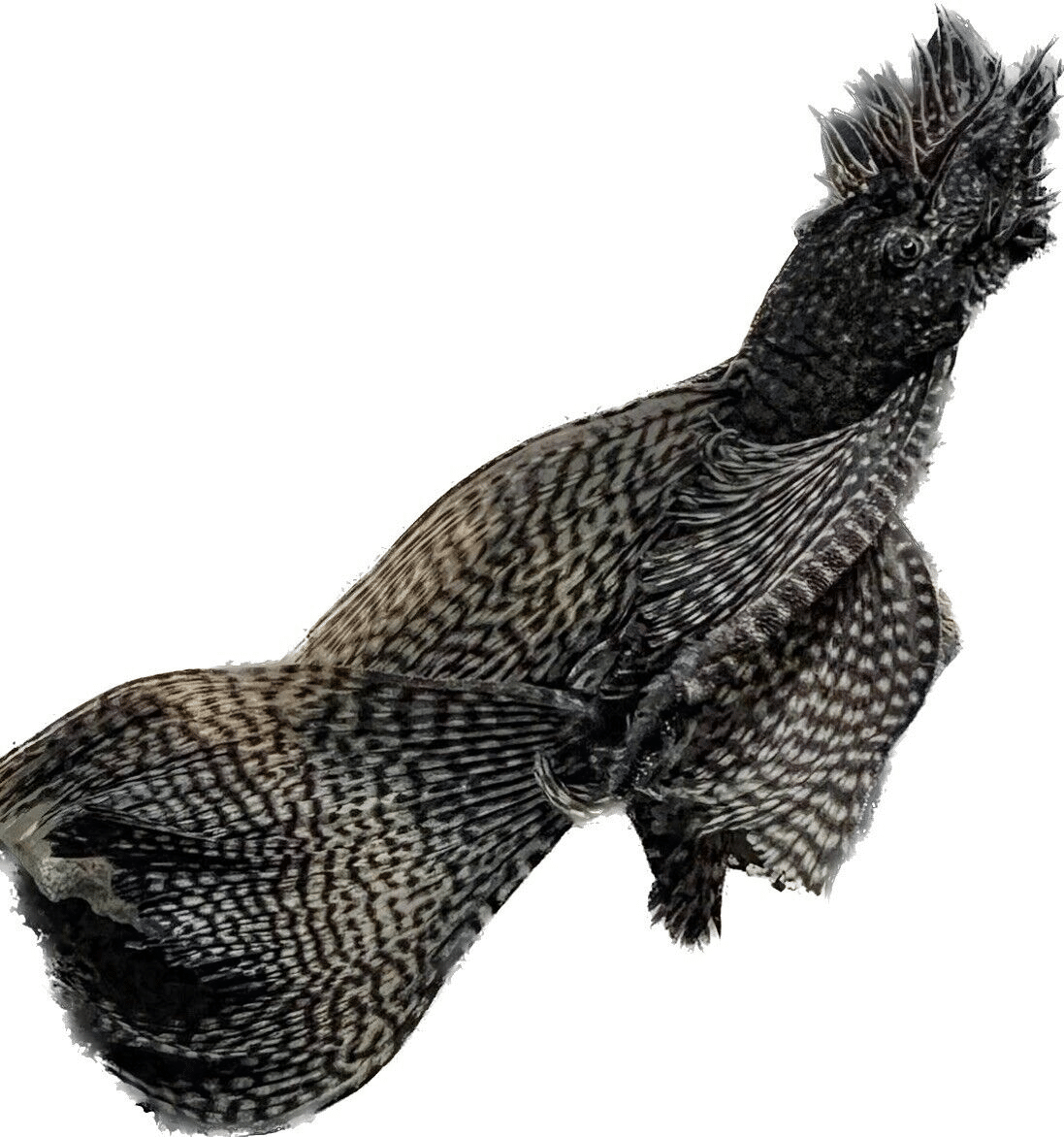
Long Fin Bristlenose Pleco – Ancistrus sp.

Original price was: £9.49.£7.74Current price is: £7.74.
Welcome these stunning Long Fin Bristlenose Plecos, beautiful South American catfish that enhance your aquarium’s aesthetics. Known for their graceful fins and peaceful nature, these algae-eating fish thrive in community tanks, making them perfect companions for any aquarist seeking vibrant freshwater fish.
In stock


Species Introduction
The Long Fin Bristlenose Pleco, scientifically known as Ancistrus cirrhosus, is a captivating species of freshwater catfish native to the rivers and streams of South America. This remarkable fish is not only an aesthetic addition to your aquarium but also plays a vital role in maintaining a healthy aquatic environment through its algae-eating habits. With its stunning long fins and unique bristled appearance, the Long Fin Bristlenose Pleco has become a favorite among aquarium enthusiasts. These fish thrive in a variety of freshwater habitats, including slow-moving waters with plenty of hiding spots such as rocks and driftwood. Their natural environment is characterized by a warm temperature range, soft to moderately hard water, and a slightly acidic to neutral pH. Understanding their natural habitat is crucial for recreating a suitable environment in your home aquarium.
Care Requirements Dashboard
Essential Care Guide for Your Long Fin Bristlenose Pleco
| Optimal Living Conditions | |
|---|---|
| Water Temperature | 22-28°C (72-82°F) |
| pH Level | 6.0-7.5 |
| Water Hardness | 2-15 dKH |
| Minimum Tank Size | 120L (30 gal) |
| Salinity | Freshwater |
| Care Level | Beginner to Intermediate |
✓ Care Level: Easy
To ensure the well-being of your Long Fin Bristlenose Pleco, it is essential to provide a suitable tank environment. A minimum tank size of 20 gallons is recommended, as these fish appreciate having ample space to explore and establish their territories. The water parameters should ideally be maintained at a temperature of 72°F to 78°F (22°C to 26°C), a pH level between 6.5 and 7.5, and a hardness range of 5 to 15 dGH. Regular water changes of 20-30% every two weeks will help maintain optimal water quality, which is vital for the health of your Pleco. Additionally, these fish thrive in well-filtered tanks with moderate water flow, as it mimics their natural habitat.
Natural Behavior & Temperament
The Long Fin Bristlenose Pleco is known for its peaceful demeanor and sociable nature, making it an excellent choice for community tanks. These fish are primarily nocturnal, displaying most of their activity during the night when they forage for algae and other food sources. During the day, they prefer to hide among rocks, driftwood, and plants, providing them with a sense of security. Their natural behavior includes grazing on surfaces, which helps keep your aquarium clean and free from excessive algae growth. While they are generally peaceful, it is important to monitor their interactions with other fish, as they can sometimes exhibit territorial behavior, especially during breeding periods.
Tank Setup Guide
Creating an ideal environment for your Long Fin Bristlenose Pleco involves careful consideration of tank setup. Start with a spacious aquarium of at least 20 gallons, ensuring it is well-cycled before introducing your fish. Use a substrate of fine gravel or sand, as this will allow the Pleco to sift through the substrate while foraging. Incorporate plenty of hiding spots using driftwood, caves, and rocks, as these will provide shelter and mimic their natural habitat. Live plants can also enhance the aesthetic appeal of your aquarium while offering additional hiding spaces. Plants such as Anubias, Java Fern, and Amazon Sword are excellent choices that can coexist with your Pleco. Ensure that the tank is equipped with a reliable filtration system to maintain water quality, and consider using a heater to keep the water temperature stable.
Water Quality Management
Maintaining optimal water quality is crucial for the health and longevity of your Long Fin Bristlenose Pleco. Regularly test the water parameters using a reliable aquarium test kit to ensure the pH remains between 6.5 and 7.5, with a temperature range of 72°F to 78°F. The hardness of the water should be kept between 5 and 15 dGH. Ammonia and nitrite levels must be kept at 0 ppm, while nitrate levels should not exceed 20 ppm. Regular water changes of 20-30% every two weeks are essential to remove accumulated waste and maintain water clarity. Additionally, ensure that your filtration system is functioning effectively, as this will help to keep the water clean and oxygenated. Consider using a sponge filter or a gentle power filter to avoid strong currents that may stress your Pleco.
Feeding & Nutrition
Important Feeding Note
Long Fin Bristlenose Plecos are primarily herbivorous, requiring a diet rich in plant matter. A balanced diet should include high-quality algae wafers, sinking pellets, and fresh vegetables such as zucchini, cucumber, and spinach. Feed your Pleco once or twice daily, providing only what they can consume within a few hours to prevent overfeeding and water quality issues. It is also beneficial to supplement their diet with occasional protein sources like bloodworms or brine shrimp to ensure they receive all necessary nutrients. Monitoring their feeding habits will help you adjust their diet as needed, ensuring they remain healthy and active.
Establishing a consistent feeding schedule is important to their overall health. Young Plecos may require more frequent feedings, while adults can thrive on a less frequent schedule. Always ensure that any uneaten food is removed from the tank to maintain water quality. Additionally, incorporating natural algae growth in the tank will provide a supplemental food source for your Pleco, allowing them to graze as they would in their natural environment.
Compatibility Guide
The Long Fin Bristlenose Pleco is known for its peaceful temperament, making it an ideal addition to community tanks. They can coexist with a variety of freshwater fish species, including tetras, guppies, danios, and other small to medium-sized fish. However, it is essential to avoid housing them with aggressive or territorial species, as this can lead to stress and potential harm. When selecting tank mates, consider the size and behavior of the other fish to ensure a harmonious environment. Additionally, providing ample hiding spots will help reduce any potential territorial disputes among species. Monitoring interactions among tank mates is crucial, especially during feeding times, to ensure that all fish are receiving adequate nutrition.
Health & Wellness
Maintaining the health and wellness of your Long Fin Bristlenose Pleco involves regular monitoring and preventive care. Common health issues include ich, fin rot, and fungal infections, often resulting from poor water quality or stress. Signs of illness may include abnormal swimming patterns, loss of appetite, or visible lesions on the body. Regular water testing and maintenance are crucial in preventing these issues. If you notice any signs of illness, it is essential to isolate the affected fish and treat them promptly. Quarantine new fish before introducing them to your main tank to prevent the spread of diseases. Additionally, providing a varied diet and maintaining stable water parameters will help strengthen their immune system, reducing the likelihood of health problems.
Breeding Information
Breeding Long Fin Bristlenose Plecos can be a rewarding experience for aquarists. These fish are known to be cave spawners, and providing suitable breeding conditions is essential for successful reproduction. To encourage breeding, maintain a slightly higher water temperature (around 78°F) and ensure excellent water quality. Introduce a breeding cave made from PVC pipe or natural materials, as the female will lay her eggs inside. The male will then fertilize the eggs and guard them until they hatch, which typically occurs within 4 to 7 days. After hatching, the fry will remain in the cave for a few days before venturing out to explore. It is crucial to provide finely crushed flakes or specialized fry food to support their growth during this early stage. Monitoring the fry closely will ensure their health and successful development into adult fish.
Acclimation Process
When introducing your Long Fin Bristlenose Pleco to its new home, proper acclimation is vital to reduce stress and ensure a smooth transition. Begin by floating the sealed bag in the aquarium for about 15-20 minutes to equalize the temperature. After this, gradually introduce small amounts of aquarium water into the bag every 5 minutes for about an hour. This process allows the fish to acclimate to the water parameters of the new tank. Once acclimated, gently release the Pleco into the aquarium without adding the bag water to prevent introducing any contaminants. It is essential to monitor the fish closely for the first few days to ensure it adjusts well to its new environment.
Long-term Care
The Long Fin Bristlenose Pleco can live for 10 years or more with proper care, making them a long-term commitment in your aquarium. As they grow, it is essential to monitor their size and adjust tank conditions accordingly. Adult Bristlenose Plecos can reach up to 5-6 inches in length, so providing adequate space and hiding spots is crucial. Regular maintenance, including water changes and substrate cleaning, will help maintain a healthy environment. Additionally, continue to monitor their diet and ensure they are receiving a balanced nutrition to support their growth and overall health. Engaging with your Pleco and observing their behavior can enhance your experience as an aquarist, allowing you to appreciate their unique characteristics and beauty.
Natural Habitat Recreation
Recreating the natural habitat of the Long Fin Bristlenose Pleco in your aquarium can significantly enhance their well-being. Start by incorporating natural elements such as driftwood, rocks, and live plants to mimic the riverbeds of South America. The addition of plants not only provides hiding spots but also contributes to water quality by absorbing excess nutrients. Choose plants that are compatible with the Pleco’s grazing habits, ensuring they are hardy enough to withstand occasional nibbling. Additionally, consider adding a gentle water flow to simulate their natural environment, as this will encourage natural behaviors and promote overall health. By focusing on creating a biotope that reflects their native habitat, you will foster a thriving environment for your Pleco.
Seasonal Care Adjustments
As seasons change, so do the conditions within your aquarium. During warmer months, it is essential to monitor the water temperature closely, as higher temperatures can lead to stress for your Long Fin Bristlenose Pleco. Ensure that the tank is not placed in direct sunlight, which can cause temperature spikes. Conversely, in colder months, consider using a heater to maintain a stable temperature within the recommended range. Additionally, adjust your feeding schedule based on the activity levels of your Pleco, as they may become less active during temperature fluctuations. Regularly check water parameters to ensure they remain stable throughout the year, making any necessary adjustments to maintain optimal conditions for your fish.
Expert Tips
For those looking to enhance their experience with Long Fin Bristlenose Plecos, consider implementing some expert tips. Regularly observe your fish to understand their behavior and preferences, as this can help you tailor their environment to better suit their needs. Incorporating a variety of food sources will not only keep your Pleco healthy but also encourage natural foraging behaviors. Additionally, maintaining a well-planted tank will provide both aesthetic appeal and functional hiding spots. If you notice any signs of aggression or stress, be proactive in adjusting tank mates or environmental conditions to promote a peaceful atmosphere. Lastly, engaging with fellow aquarists through forums or local clubs can provide valuable insights and support as you care for your Pleco.
Troubleshooting
If you encounter any issues with your Long Fin Bristlenose Pleco, it is important to address them promptly. Common problems include poor water quality, which can lead to stress and illness. Regular testing of water parameters will help you identify any issues early on. If your Pleco is exhibiting unusual behavior, such as lethargy or loss of appetite, investigate potential causes such as water quality, tank mates, or diet. In cases of disease, consider isolating the affected fish and consulting with a veterinarian or experienced aquarist for treatment options. By being proactive and attentive to your Pleco’s needs, you can ensure a healthy and thriving environment for your aquatic companion.
Scientific Background
The Long Fin Bristlenose Pleco belongs to the family Loricariidae, which is known for its diverse range of catfish species. These fish are characterized by their flattened bodies and specialized mouthparts, which are adapted for scraping algae off surfaces. The scientific classification of the Long Fin Bristlenose Pleco places it within the order Siluriformes, which encompasses all catfish species. Research into the behavior and ecology of Bristlenose Plecos has revealed their importance in maintaining the balance of freshwater ecosystems, as their grazing habits help control algae growth. Conservation efforts are essential to protect their natural habitats, as pollution and habitat destruction pose significant threats to their populations in the wild.
Advanced Care Techniques
For experienced aquarists looking to take their care of Long Fin Bristlenose Plecos to the next level, consider implementing advanced techniques. Regularly monitor and adjust water parameters to create an optimal environment tailored to your fish’s needs. Experiment with different food sources to discover what your Pleco prefers, and consider incorporating live foods to enhance their diet. Additionally, maintaining a diverse tank environment with various plants and decorations will promote natural behaviors and reduce stress. Engaging in breeding efforts can also provide valuable insights into the reproductive habits of these fish, further enriching your experience as an aquarist. By continuously expanding your knowledge and skills, you can ensure the well-being of your Long Fin Bristlenose Pleco and foster a thriving aquatic community.
Water Quality Parameters
Optimal Range
Temperature:
24-27°C
24-27°C
pH:
6.5-7.5
6.5-7.5
Ammonia:
0 ppm
0 ppm
Caution Zone
Temperature:
22-24°C or 27-29°C
22-24°C or 27-29°C
pH:
6.0-6.5 or 7.5-8.0
6.0-6.5 or 7.5-8.0
Ammonia:
0.25-0.5 ppm
0.25-0.5 ppm
Danger Zone
Temperature:
<22°C or >29°C
<22°C or >29°C
pH:
<6.0 or >8.0
<6.0 or >8.0
Ammonia:
>0.5 ppm
>0.5 ppm
Monitoring Tip: Test water parameters weekly and perform regular water changes to maintain optimal conditions for your aquatic friends!
Frequently Asked Questions
Q: What tank size is required for the Long Fin Bristlenose Pleco?
The Long Fin Bristlenose Pleco thrives in a minimum tank size of 75 litres. This size allows for adequate swimming space and helps maintain stable water parameters. A larger tank is preferable as it provides more room for natural behaviour and reduces stress. Additionally, a well-planted aquarium with hiding spots, such as caves or driftwood, will enhance their well-being. Remember, proper filtration and regular maintenance are crucial to creating a healthy environment for these algae-eating fish.
✓ Expert Tip
Consider providing a larger tank if you plan to keep multiple plecos or other fish species.
Q: What water parameters do Long Fin Bristlenose Plecos require?
Long Fin Bristlenose Plecos prefer slightly acidic to neutral water conditions, ideally between 6.5 to 7.5 pH. The water temperature should be maintained between 22°C to 28°C. Regular water changes, approximately 25% weekly, will help maintain optimal water quality, reducing ammonia and nitrate levels. It is essential to monitor these parameters using a reliable aquarium test kit to ensure a healthy environment for your plecos.
✓ Expert Tip
Consider using a sponge filter to maintain water quality while providing gentle water movement.
Q: How often should I feed my Long Fin Bristlenose Pleco?
Bristlenose Plecos are primarily herbivorous, so feeding them a diet rich in vegetables is essential. It is advisable to provide food once a day, ensuring that the portions are small enough for them to consume within a few hours. High-quality algae wafers, blanched zucchini, and spinach can be excellent options. Additionally, supplementing their diet with occasional protein-rich foods, such as sinking pellets or frozen foods, will ensure balanced nutrition.
✓ Expert Tip
Introduce new food gradually to avoid digestive issues and observe their eating habits.
Q: What are the best tank mates for Long Fin Bristlenose Plecos?
Long Fin Bristlenose Plecos are generally peaceful and can cohabitate well with various community fish. Suitable tank mates include tetras, rasboras, and other small to medium-sized fish. However, it is essential to avoid aggressive or overly territorial species that might stress them. Additionally, ensure that all fish are similar in size to prevent bullying. Providing ample hiding spots will help all species feel secure in the aquarium.
✓ Expert Tip
Monitor interactions closely, especially during the initial introductions to ensure harmony.
Q: How do I properly acclimatise my Long Fin Bristlenose Pleco to my aquarium?
Acclimatising your Long Fin Bristlenose Pleco is crucial for their health. Start by floating the sealed bag containing the fish in the aquarium for about 15-20 minutes to equalise the temperature. After this, gradually introduce small amounts of aquarium water into the bag over the next hour. This slow mixing helps them adjust to the water parameters. Once acclimatised, gently net the pleco into the tank, avoiding adding bag water, which may contain harmful substances.
✓ Expert Tip
Keep the aquarium lights dim during acclimatisation to reduce stress levels.
Q: What are the signs of a healthy Long Fin Bristlenose Pleco?
Healthy Long Fin Bristlenose Plecos exhibit vibrant colouration, active swimming behaviour, and a good appetite. Their bodies should be free from lesions, sores, or unusual growths, and their fins should be intact without signs of fraying. Additionally, observe their activity level; a lethargic pleco may indicate health issues. Regular monitoring of water parameters and ensuring a balanced diet will help maintain their health.
✓ Expert Tip
Perform routine health checks and keep an eye on their behaviour for early disease detection.
Q: How do I successfully breed Long Fin Bristlenose Plecos?
Breeding Long Fin Bristlenose Plecos requires specific conditions. First, ensure you have a compatible male and female; males will have bristles on their snouts, while females are more rounded. Provide a breeding cave, as they prefer to lay eggs in secluded areas. A slightly higher water temperature (around 26°C) and good water quality will encourage breeding behaviour. After eggs are laid, the male will guard them until they hatch, typically within 4-7 days.
✓ Expert Tip
Feed the parents high-quality food during breeding to ensure they remain healthy.
Q: What temperature should I maintain for Long Fin Bristlenose Plecos?
Long Fin Bristlenose Plecos thrive in a temperature range of 22°C to 28°C. Maintaining a consistent temperature within this range is crucial for their health and well-being. Sudden temperature fluctuations can cause stress, making them more susceptible to diseases. Using an aquarium heater with an accurate thermometer will help ensure a stable environment. Regular monitoring of temperature is essential, especially in fluctuating room conditions.
✓ Expert Tip
Place the heater near the filter to ensure even heat distribution throughout the tank.
Q: How long do Long Fin Bristlenose Plecos typically live in captivity?
With proper care, Long Fin Bristlenose Plecos can live up to 10-15 years in captivity. Their lifespan can be significantly influenced by water quality, diet, and overall tank conditions. Regular maintenance, including water changes and tank cleanings, will help prevent diseases and promote longevity. Additionally, a varied and nutritious diet is essential for their health and vitality throughout their lives.
✓ Expert Tip
Document their growth and health over the years to ensure they receive the best care possible.
Q: What type of substrate is most suitable for Long Fin Bristlenose Plecos?
Long Fin Bristlenose Plecos prefer a soft substrate, such as fine gravel or sand, as it allows them to forage comfortably for food. Avoid sharp substrates that could injure their delicate bodies. Additionally, incorporating natural elements like driftwood and rocks can create a more stimulating environment, encouraging natural behaviour. A well-planned substrate will also support beneficial bacteria, contributing to overall water quality.
✓ Expert Tip
Regularly clean the substrate to prevent waste accumulation, which can affect water quality.
Q: What behavioural patterns should I expect from Long Fin Bristlenose Plecos?
Long Fin Bristlenose Plecos are generally nocturnal and are most active during the evening and night. During the day, they often seek refuge in hiding spots, such as caves or amongst plants. They exhibit interesting behaviours, including algae grazing and exploring their surroundings. It is normal for them to occasionally display territorial behaviour, particularly males during breeding. Observing their natural behaviours can be quite rewarding for aquarium keepers.
✓ Expert Tip
Provide ample hiding spots to reduce stress and encourage natural behaviours.
Q: How can I prevent common diseases in Long Fin Bristlenose Plecos?
Preventing diseases in Long Fin Bristlenose Plecos revolves around maintaining optimal water quality and a stress-free environment. Regular water changes, proper filtration, and avoiding overstocking will help keep the tank clean. Additionally, feeding a varied and nutritious diet supports their immune system. Quarantining new fish before introducing them to the main tank can prevent disease transmission. Regular observation of their health and behaviour will also help catch potential issues early.
✓ Expert Tip
Keep a log of water parameters and fish health to track changes and identify potential problems.
Q: What lighting conditions do Long Fin Bristlenose Plecos prefer?
Long Fin Bristlenose Plecos thrive in subdued lighting, which mimics their natural habitat. Bright lights can cause stress and make them less active. Using floating plants or providing shaded areas with decorations can help create a comfortable environment. If using fluorescent lights, consider a timer to maintain a consistent day/night cycle, promoting their natural behaviour and health. Additionally, ensure that any plants in the tank also receive adequate light for growth.
✓ Expert Tip
Adjust lighting duration seasonally to mimic natural light cycles.
Q: How do I recognise stress in Long Fin Bristlenose Plecos?
Signs of stress in Long Fin Bristlenose Plecos may include hiding excessively, loss of appetite, and changes in colouration. They may also exhibit rapid gill movement or erratic swimming patterns. If you notice these behaviours, it is essential to assess the tank conditions, including water parameters and tank mates. Reducing stressors, such as aggressive tank mates or loud noises, can help restore their well-being. Creating a calm environment is crucial for their health.
✓ Expert Tip
Regular observation and maintaining a routine can help identify stressors more easily.
Q: What natural habitat conditions should I replicate for Long Fin Bristlenose Plecos?
To create an ideal environment for Long Fin Bristlenose Plecos, replicate their natural habitat found in slow-moving rivers and streams. Incorporate soft substrate, driftwood, and plenty of hiding spots. They thrive in slightly acidic to neutral water with moderate plant cover. Aim for a well-filtered tank that mimics their natural water conditions, with stable temperatures and minimal current. Adding live plants not only enhances aesthetics but also contributes to water quality.
✓ Expert Tip
Consider using natural decor to create a biotope that reflects their wild environment.
2 reviews for Long Fin Bristlenose Pleco – Ancistrus sp.
Add a review
Related products

Out of stock

Price range: £16.45 through £49.34
This product has multiple variants. The options may be chosen on the product page


Price range: £16.45 through £49.34
This product has multiple variants. The options may be chosen on the product page
Emily Carter (verified owner) –
I recently added the Long Fin Bristlenose Pleco to my aquarium, and I couldn’t be happier! After a month of watching him thrive, I can confidently say this catfish is a fantastic choice for both beginners and experienced aquarists alike. His long fins are stunning, adding a real touch of elegance to my tank. Plus, he’s a natural algae eater, which has drastically reduced the amount of tank maintenance I need to do.
I also love how gentle he is with my other fish. Unlike some other plecos I’ve had in the past, he’s not aggressive at all. He happily shares space with my tetras and guppies without any signs of stress. One minor thing to note is that he does enjoy hiding, so providing a few good caves or hiding spots is essential. I made my own using driftwood, and he seems to love it!
If you’re looking to enhance your aquarium with an active, interesting fish, I highly recommend the Long Fin Bristlenose Pleco. He’s suitable for a community tank and will surely bring joy to any fish lover’s home. I’ve enjoyed every moment of watching him explore and interact with his environment. This fish has truly captured my heart!
Emily Carter (verified owner) –
I couldn’t be more thrilled with my Long Fin Bristlenose Pleco! As a caring fish parent, I focus heavily on the well-being of my aquatic friends, and this algae-eating catfish has been a fantastic choice for my community tank. After just a week, I noticed a significant drop in algae, and my other fish seem to love the peaceful vibe he brings. His long, flowing fins are not only beautiful but also make him a star attraction in my aquarium. Compared to other algae eaters I’ve tried, this little guy is much more sociable and doesn’t hog all the food. He fits right in with my other freshwater fish and is a low-maintenance addition. One thing to note is that he does need hiding spots, so be sure to have some driftwood or caves available for him to feel secure. Overall, I highly recommend the Long Fin Bristlenose Pleco for anyone looking to enhance their aquarium while promoting a clean and healthy environment for their fish. Definitely a worthy investment!