
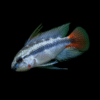
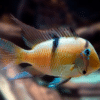
PAIR Apistogramma Borellii «Opal» – Opal Umbrella Cichlid – Dwarf American Cichlid (1 MALE & 1 FEMALE)
Original price was: £29.99.£25.16Current price is: £25.16.
Welcome these beautiful Apistogramma Borellii «Opal» to your community aquarium! This stunning pair includes one male and one female, showcasing vibrant colors and graceful movements. Perfect for peaceful setups, they thrive in well-maintained environments, enhancing your aquatic beauty.
In stock


Species Introduction
The Apistogramma Borellii, commonly known as the Opal Umbrella Cichlid, is a stunning species of dwarf cichlid that originates from the tranquil waters of South America. Found primarily in the Amazon River Basin, this beautiful tropical fish thrives in slow-moving waters rich in vegetation. The Opal variant is particularly prized for its vibrant coloration, which can range from soft blues to striking yellows, making it a captivating addition to any peaceful community aquarium. These fish are known for their unique body shape and intricate patterns, which not only add aesthetic value but also reflect their natural habitat. As a member of the cichlid family, they exhibit fascinating behaviors and social structures, making them a joy to observe in a well-maintained aquarium environment.
Essential Care Guide for Your PAIR Apistogramma Borellii «Opal»
| Optimal Living Conditions | |
|---|---|
| Water Temperature | 24-27°C (75-81°F) |
| pH Level | 6.5-7.5 |
| Water Hardness | 4-12 dKH |
| Minimum Tank Size | 80L (20 gal) |
| Salinity | Freshwater |
| Care Level | Beginner Friendly |
✓ Care Level: Easy
Tank Size: Minimum 20 gallons
Water Parameters: pH 6.0-7.5, Temperature 75-82°F, Hardness 5-15 dGH
To provide optimal care for your Apistogramma Borellii, it is essential to ensure that the aquarium is adequately sized and that the water parameters are closely monitored. These fish prefer a well-planted tank with plenty of hiding spots, which not only mimics their natural habitat but also reduces stress. Regular water changes and the use of a quality filtration system will help maintain the health and vitality of your aquatic companions. Additionally, keeping the tank clean and free from debris will promote a thriving environment for these beautiful dwarf cichlids.
Natural Behavior & Temperament
The Apistogramma Borellii is known for its peaceful nature, making it an excellent choice for community aquariums. These fish exhibit interesting social behaviors, often establishing territories within the tank. Males can be quite territorial, especially during breeding, and may display vibrant colors and fin extensions to attract females. Observing their interactions can provide insight into their complex social structures, which include hierarchies and mating rituals. They are generally shy and prefer to hide among plants and decorations, so providing ample cover is crucial for their comfort. When kept in a peaceful community setting, they will coexist harmoniously with other non-aggressive species, contributing to a lively and dynamic aquarium environment.
Tank Setup Guide
Creating an ideal environment for your Apistogramma Borellii involves careful consideration of tank setup. A minimum tank size of 20 gallons is recommended to provide sufficient space for swimming and establishing territories. The substrate should be soft and sandy, allowing these fish to dig and explore their surroundings. Incorporating live plants, driftwood, and rocks will not only enhance the aesthetic appeal of the aquarium but also provide hiding spots and breeding sites. It is advisable to create a varied landscape with open swimming areas and sheltered spots, as this will encourage natural behaviors and reduce stress levels. Additionally, maintaining stable water conditions with a gentle filtration system will help replicate their natural habitat, ensuring the health and well-being of your aquatic friends.
Water Quality Management
⚠ Important Water Parameter Notice
pH: 6.0-7.5, Temperature: 75-82°F, Hardness: 5-15 dGH
Maintaining optimal water quality is crucial for the health of your Apistogramma Borellii. Regular testing of pH, temperature, and hardness levels is recommended to ensure they remain within the ideal ranges. A stable temperature between 75-82°F is essential, as fluctuations can lead to stress and health issues. Additionally, keeping the pH between 6.0 and 7.5 will help create a comfortable environment for these fish. Performing regular water changes of 10-15% weekly will help maintain water clarity and reduce harmful toxins. It is also advisable to use a high-quality water conditioner to remove chlorine and chloramines from tap water before adding it to the aquarium.
Feeding & Nutrition
✓ Feeding Schedule: 2-3 times daily
Diet: High-quality flakes, pellets, and live or frozen foods
Feeding your Apistogramma Borellii a varied diet is essential for their health and vitality. A combination of high-quality flakes, pellets, and live or frozen foods such as brine shrimp, daphnia, and bloodworms will ensure they receive the necessary nutrients. It is recommended to feed them 2-3 times daily, providing only what they can consume within a few minutes to prevent overfeeding and maintain water quality. Observing their feeding behavior can also provide insights into their health; any changes in appetite may indicate underlying issues that require attention. Additionally, ensuring that food particles do not settle on the substrate will help keep the tank clean and reduce the risk of water quality issues.
Compatibility Guide
The Apistogramma Borellii is known for its peaceful temperament, making it an excellent choice for community aquariums. Ideal tank mates include other small, non-aggressive fish such as tetras, rasboras, and other dwarf cichlids. It is important to avoid larger or more aggressive species, as they may stress the Opal Umbrella Cichlid or compete for resources. When introducing new tank mates, it is advisable to monitor their interactions closely to ensure compatibility. Providing ample hiding spots and territories will help reduce aggression and allow each species to establish its own space. Additionally, keeping a balanced ratio of males to females can help minimize territorial disputes and promote a harmonious community environment.
Tank Mate Compatibility Guide
Great Tank Mates
- Tetras
- Rasboras
- Other Dwarf Cichlids
Avoid These Tank Mates
- Larger Cichlids
- Aggressive Species
Compatibility Note: Always research specific species requirements and observe fish behavior when introducing new tank mates. Individual fish personalities can vary!
Health & Wellness
Maintaining the health and wellness of your Apistogramma Borellii involves regular monitoring for signs of illness and stress. Common issues include fin rot, ich, and other parasitic infections, which can be prevented through proper water quality management and a balanced diet. Regular observation of their behavior is crucial; signs of stress may include hiding excessively, loss of appetite, or unusual swimming patterns. If any health issues arise, it is essential to act quickly, isolating affected fish if necessary and treating the aquarium with appropriate medications. Additionally, ensuring that the tank is free from sharp objects and providing a stress-free environment will contribute to the overall well-being of your aquatic companions.
Breeding Information
Breeding Apistogramma Borellii can be a rewarding experience for aquarists. These fish are mouthbrooders, meaning that the female will carry the fertilized eggs in her mouth until they hatch. To encourage breeding, it is advisable to provide a separate breeding tank with fine substrate and suitable hiding spots. The female will lay eggs on flat surfaces, such as leaves or rocks, and the male will guard the territory. After a few days, the eggs will hatch, and the fry will remain with the female for several weeks before becoming independent. During this time, it is crucial to provide appropriate food for the fry, such as finely crushed flakes or specialized fry food. Monitoring the breeding pair closely will help ensure the successful rearing of the young fish.
Acclimation Process
Acclimating your new Apistogramma Borellii to their new environment is a critical step in ensuring their health and well-being. When introducing these beautiful fish to your aquarium, it is essential to allow them to adjust gradually to the water conditions. Begin by floating the sealed bag containing the fish in the aquarium for about 15-20 minutes to equalize the temperature. After this, gradually add small amounts of tank water to the bag over the course of an hour, allowing the fish to acclimate to the new water parameters. Finally, gently transfer the fish into the aquarium using a net, avoiding adding the bag water to the tank. This careful acclimation process will help minimize stress and promote a smooth transition into their new home.
Long-term Care
Caring for your Apistogramma Borellii over the long term requires commitment and attention to detail. These fish typically have a lifespan of 5-10 years when provided with optimal care. Regular maintenance of the aquarium, including water changes, substrate cleaning, and monitoring water parameters, is essential for their health. Additionally, observing their behavior and interactions with other fish will help identify any potential issues early on. As they grow, it is important to ensure that their environment remains suitable, adjusting tank size and decorations as necessary. By providing a stable and nurturing environment, you will be rewarded with the beauty and charm of these remarkable aquatic companions for many years to come.
Natural Habitat Recreation
Recreating the natural habitat of the Apistogramma Borellii in your aquarium can greatly enhance their well-being and behavior. These fish thrive in environments that mimic their native waters, characterized by slow-moving streams with plenty of vegetation. To achieve this, consider using a sandy substrate, which allows for natural digging behaviors. Incorporating live plants, such as Anubias and Java Fern, along with driftwood and rocks, will create hiding spots and territories, promoting a sense of security. Additionally, maintaining slightly acidic to neutral pH levels and soft water will help replicate their natural conditions. By focusing on biotope setup, you will not only create a beautiful aquarium but also provide a healthy environment for your aquatic friends.
Seasonal Care Adjustments
As seasons change, so too may the needs of your Apistogramma Borellii. During warmer months, it is important to monitor water temperature closely, as rising temperatures can lead to stress and health issues. Consider using a heater with a thermostat to maintain a stable temperature within the ideal range. In colder months, ensure that the aquarium is adequately heated and that drafts from windows or doors do not affect the water temperature. Additionally, adjusting lighting duration to mimic natural day/night cycles can promote healthy behaviors and breeding readiness. By being attentive to seasonal changes, you can provide the best possible care for your aquatic companions.
Expert Tips
For those looking to enhance their experience with Apistogramma Borellii, consider these expert tips. First, always quarantine new fish before introducing them to your main tank to prevent the spread of disease. Additionally, regular water testing and maintenance will help ensure a stable environment, reducing the risk of stress-related issues. Providing a varied diet will not only enhance their coloration but also promote overall health. Lastly, be patient and observant; understanding their behavior and needs will lead to a more fulfilling experience as you provide a loving home for these beautiful creatures.
Troubleshooting
In the event of any issues arising with your Apistogramma Borellii, it is essential to act quickly and effectively. Common problems may include stress, aggression, or health issues such as fin rot or ich. If you notice signs of stress, such as excessive hiding or changes in appetite, assess the water quality and tank conditions immediately. If aggression occurs, consider rearranging the tank layout to disrupt established territories. For health concerns, consult with a knowledgeable aquarist or veterinarian for appropriate treatment options. By being proactive and informed, you can ensure a healthy and thriving environment for your aquatic companions.
Scientific Background
The Apistogramma Borellii belongs to the cichlid family, a diverse group of freshwater fish known for their complex behaviors and social structures. As a species, they are part of the larger Apistogramma genus, which encompasses various dwarf cichlids found primarily in South America. Research into their behavior and ecology has provided insights into their reproductive strategies, social interactions, and habitat preferences. Understanding these aspects can enhance the care and appreciation of these remarkable fish, allowing aquarists to create environments that closely resemble their natural habitats.
Advanced Care Techniques
For those looking to take their care of Apistogramma Borellii to the next level, consider implementing advanced techniques such as breeding programs or biotope aquascaping. Establishing a breeding pair can be a rewarding endeavor, requiring careful selection and conditioning of the fish. Additionally, creating a biotope that accurately reflects their natural habitat will not only enhance their well-being but also provide a stunning visual display. Utilizing natural materials and plants will help create an authentic environment, allowing for a deeper appreciation of these beautiful aquatic companions. By continually educating yourself and adapting your techniques, you can ensure a thriving and vibrant aquarium.
Frequently Asked Questions
Q: What tank size is required for Apistogramma Borellii «Opal»?
Apistogramma Borellii «Opal», being a dwarf cichlid, thrives in a well-maintained aquarium of at least 60 litres. This size allows for ample swimming space and territory establishment. A larger tank is preferable, especially if you plan to include tank mates. Providing hiding spots with caves or dense planting can help reduce stress, as these fish appreciate a secure environment. Remember to ensure that your tank is properly cycled before introducing any fish, as this will create a stable environment for your aquatic companions.
✓ Expert Tip
Consider a 75-litre tank if you want to keep multiple pairs or a small community, as this will provide sufficient space for territorial behaviours.
Q: What water parameters do Apistogramma Borellii require?
Apistogramma Borellii prefer slightly acidic to neutral water conditions, ideally with a pH of 6.0 to 7.5. The water hardness should be kept between 5 to 15 dGH. Maintaining a stable temperature range of 24°C to 28°C is crucial for their health. Regular water changes, approximately 20% weekly, will help keep the water quality high and parameters stable. It is advisable to use a reliable test kit to monitor these parameters consistently, ensuring a healthy environment for your aquatic companions.
✓ Expert Tip
Consider using driftwood and leaf litter to help maintain the natural acidity in the tank, mimicking their natural habitat.
Q: How often should I feed Apistogramma Borellii?
Feeding Apistogramma Borellii should occur twice daily, with small amounts of high-quality pellets or flakes specifically formulated for cichlids. Incorporating live or frozen foods such as brine shrimp, daphnia, and bloodworms can enhance their diet and promote vibrant colours. It is essential to avoid overfeeding; a rule of thumb is to provide only as much food as they can consume within a few minutes. Regularly monitor their weight and adjust the feeding quantities accordingly to maintain their health.
✓ Expert Tip
Consider using a feeding ring to prevent food from scattering, ensuring that all fish can access their share.
Q: What are the best tank mates for Apistogramma Borellii?
When selecting tank mates for Apistogramma Borellii, opt for peaceful species that share similar water parameter preferences. Suitable companions include small tetras, rasboras, and other dwarf cichlids. Avoid larger or aggressive fish that may bully or outcompete them for food. Providing ample hiding spots and territories is essential for maintaining harmony within the tank. If introducing new fish, it is wise to do so gradually to minimise stress and aggression.
✓ Expert Tip
Consider keeping them in a species-specific tank or in pairs to reduce territorial disputes, especially during breeding.
Q: How do I properly acclimatise Apistogramma Borellii to my aquarium?
Acclimatisation is crucial for the well-being of your Apistogramma Borellii. Start by floating the sealed bag in the aquarium for about 15-20 minutes to equalise the temperature. Then, gradually mix tank water into the bag over the next hour, introducing approximately 10-15% tank water every 15 minutes. Finally, gently transfer the fish into the tank using a net, avoiding adding the bag water to your aquarium to prevent introducing any contaminants. This method reduces stress and helps them adjust more smoothly to their new environment.
✓ Expert Tip
Keep the aquarium lights dim during the acclimatisation process to reduce stress on your new aquatic companions.
Q: What are the signs of healthy Apistogramma Borellii?
Healthy Apistogramma Borellii display vibrant colours, active swimming behaviour, and a keen interest in their surroundings. Their fins should be fully extended, and they should demonstrate normal feeding behaviour. Observe their body for any signs of stress or disease, such as clamped fins, discoloration, or lethargy. Regularly monitoring their behaviour and appearance will enable you to catch any health issues early, ensuring a long and healthy life for your aquatic companions.
✓ Expert Tip
Keep an eye on their interaction with tank mates; aggressive behaviour can indicate stress or health issues.
Q: How do I successfully breed Apistogramma Borellii?
Breeding Apistogramma Borellii requires suitable conditions that mimic their natural habitat. Provide a separate breeding tank with a substrate of fine sand and plenty of hiding spots. A temperature of around 26°C and slightly acidic water will encourage breeding behaviours. Once the female lays eggs, she will guard them fiercely. It is advisable to remove the male after fertilisation to prevent aggression. After hatching, the fry will require infusoria or finely crushed flakes until they are large enough to eat small brine shrimp or specially formulated fry food.
✓ Expert Tip
Ensure the breeding tank is well-filtered but avoid strong currents, as fry are sensitive to water movement during their early stages.
Q: What temperature should I maintain for Apistogramma Borellii?
Apistogramma Borellii thrive in a temperature range of 24°C to 28°C. It is advisable to maintain a stable temperature, as fluctuations can stress the fish and compromise their immune systems. Using a reliable heater with a built-in thermostat can help achieve this consistency. Regularly monitor the water temperature with an aquarium thermometer to ensure it remains within the ideal range for the well-being of your aquatic companions.
✓ Expert Tip
Position the heater near the filter outlet to promote even water circulation and temperature distribution throughout the tank.
Q: How long do Apistogramma Borellii typically live in captivity?
In a well-maintained aquarium, Apistogramma Borellii can live up to 5-7 years, sometimes longer with optimal care. Factors influencing their lifespan include water quality, diet, and stress levels. Regular water changes, a balanced diet, and a stress-free environment will significantly contribute to their longevity. Observing their health and behaviour will also help you identify any issues early, allowing you to provide the best care possible for your aquatic companions.
✓ Expert Tip
Consider keeping a proper log of water parameters and feeding schedules to better understand their needs and health over time.
Q: What type of substrate is most suitable for Apistogramma Borellii?
Apistogramma Borellii prefer a fine substrate, such as sand or small gravel, which allows them to exhibit their natural digging behaviour. A fine substrate also helps maintain water quality by preventing detritus buildup. It is advisable to create a layered environment with areas for hiding and foraging, incorporating smooth rocks and driftwood to enhance their habitat. This setup mimics their natural habitat and promotes their overall well-being.
✓ Expert Tip
Consider using a substrate heater to promote beneficial bacteria growth, aiding in maintaining water quality.
Q: What behavioural patterns should I expect from Apistogramma Borellii?
Apistogramma Borellii are generally peaceful yet can exhibit territorial behaviour, especially during breeding. Males may display vibrant colours and engage in courtship rituals, including fin displays and chasing. They enjoy foraging on the substrate, digging and exploring their environment. Providing plenty of hiding spots will help reduce any aggressive tendencies. Observing their behaviour can be quite rewarding, as they often showcase unique personalities and interactions with both tank mates and their surroundings.
✓ Expert Tip
Consider keeping a pair in a dedicated tank to observe their natural behaviours without territorial disputes from other species.
Q: How can I prevent common diseases in Apistogramma Borellii?
Preventing diseases in Apistogramma Borellii involves maintaining optimal water quality, a balanced diet, and a stress-free environment. Regular water changes, monitoring for ammonia and nitrite levels, and ensuring proper filtration are essential. Quarantining new arrivals before introducing them to the main tank can prevent the spread of pathogens. Additionally, observing your fish for any signs of distress or illness, such as changes in behaviour or appearance, will allow for early intervention and treatment.
✓ Expert Tip
Consider adding aquarium salt in moderation to help improve gill function and provide a barrier against certain diseases.
Q: What lighting conditions do Apistogramma Borellii prefer?
Apistogramma Borellii prefer subdued lighting that mimics their natural habitat, which is often shaded by plants and driftwood. Using LED lights with a dimming feature can create a suitable environment. Incorporating floating plants or thick vegetation can help diffuse the light further, providing shelter and comfort for your aquatic companions. It is essential to avoid overly bright lights, as this can stress them and lead to undesirable behaviours.
✓ Expert Tip
Consider a lighting cycle of 10-12 hours per day to simulate natural day-night cycles, which will benefit their overall health.
Q: How do I recognise stress in Apistogramma Borellii?
Recognising stress in Apistogramma Borellii requires observing their behaviour and physical condition. Signs of stress include hiding excessively, clamped fins, loss of colour, and erratic swimming patterns. Additionally, they may show aggression towards tank mates or become lethargic. Ensuring a well-structured environment with adequate hiding spots and maintaining stable water conditions will help alleviate stress. If stress signs persist, investigate potential causes, such as overcrowding or unsuitable tank mates, to restore harmony.
✓ Expert Tip
Consider using aquarium plants to create a more natural environment, which can help reduce stress levels amongst your aquatic companions.
Q: What natural habitat conditions should I replicate for Apistogramma Borellii?
To replicate the natural habitat of Apistogramma Borellii, aim for a soft, sandy substrate, and include plenty of hiding spots created by driftwood, rocks, and live plants. The water should be slightly acidic with low to moderate hardness. Mimicking their natural environment will not only promote their health but also encourage natural behaviours. Regular maintenance, including water changes and substrate cleaning, will ensure that the habitat remains suitable for your aquatic companions.
✓ Expert Tip
Incorporate leaf litter, which can provide a food source and promote beneficial bacteria growth, enhancing the habitat further.
2 reviews for PAIR Apistogramma Borellii «Opal» – Opal Umbrella Cichlid – Dwarf American Cichlid (1 MALE & 1 FEMALE)
Add a review
Related products


Liam Carter (verified owner) –
As an experienced hobbyist, I couldn’t be happier with my pair of Apistogramma Borellii «Opal». After introducing them to my 20-gallon planted tank about two months ago, they quickly became the stars of my aquarium! Their vibrant colors and unique personalities really bring life to my setup. I initially worried about compatibility since I’ve had mixed results with other dwarf cichlids, but these two settled in beautifully and even started to spawn within a few weeks! Their gentle nature makes them perfect for a community tank, and they seem to thrive with good water quality and regular aquarium maintenance.
If you’re considering adding dwarf cichlids to your collection, I highly recommend this pair! Just keep an eye on aggression during breeding, as the male can become a bit territorial. Overall, I appreciate how hardy and interactive they are—definitely worth the investment.
I also noticed they love hiding among the plants and driftwood, so providing plenty of cover is essential for their happiness. Shipping was prompt, and they arrived in excellent health, which speaks volumes about their care during transport. This pair is a joy to watch, and I can’t recommend them enough!
Emma Rodriguez (verified owner) –
I recently added a pair of Apistogramma Borellii ‘Opal’ to my community aquarium, and I couldn’t be happier! After just two weeks, they’ve beautifully settled into their new home. The male’s vibrant turquoise and yellow colors are simply stunning, and the female complements him perfectly with her more subtle yet equally enchanting hues. They’ve been quite peaceful, which is ideal for my community setup that includes tetras and rasboras.
What impresses me the most is their personality; they are curious and interact with their surroundings in such an engaging way. I’ve noticed them exploring their caves and swimming together, which brings a lively dynamic to my tank. If you’re considering dwarf cichlids, I can confidently say these are better than the others I’ve tried due to their manageable size and peaceful temperament. The only minor concern is that they do appreciate some hiding spots, so I recommend adding plenty of plants and decorations for them to feel secure.
Overall, if you’re looking for tropical fish that are both beautiful and have a gentle nature, this pair is perfect for beginners and experienced aquarists alike. They’ve truly brightened up my aquarium, and I would definitely purchase them again!