Species Introduction
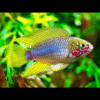
The Apistogramma Erythrura, commonly known as the Red Tail Río Mamoré Dwarf Cichlid, hails from the lush freshwater ecosystems of Bolivia. This stunning species is a true gem among freshwater aquarium fish, characterized by its vibrant coloration and peaceful demeanor. In their natural habitat, these cichlids thrive in slow-moving waters, where they inhabit densely planted areas that provide ample hiding spots and breeding grounds. The male typically displays a striking red-orange tail, which is a hallmark of its beauty, while females are adorned with more subdued yet equally captivating colors. Understanding their natural habitat is crucial for recreating a suitable environment in your aquarium, ensuring that these beautiful creatures flourish in your care.
Care Requirements Dashboard
| Optimal Living Conditions | |
|---|---|
| Water Temperature | 24-27°C (75-81°F) |
| pH Level | 6.5-7.5 |
| Water Hardness | 4-12 dKH |
| Minimum Tank Size | 80L (20 gal) |
| Salinity | Freshwater |
| Care Level | Beginner Friendly |
Natural Behavior & Temperament
The Apistogramma Erythrura exhibits a fascinating range of behaviors that make them a joy to observe. These dwarf cichlids are known for their territorial nature, especially during breeding seasons. Males will often display their vibrant colors and engage in elaborate courtship rituals to attract females. In a community tank, they can coexist peacefully with other species, provided that tank mates are chosen wisely. Their social behavior is generally non-aggressive, making them suitable for peaceful aquariums. However, it is essential to provide ample hiding spots and territories to reduce stress and aggression among fish friends. Observing their interactions can provide insights into their social dynamics, enriching your aquarium experience.
Tank Setup Guide
Creating an ideal environment for your Apistogramma Erythrura involves careful consideration of tank setup. A minimum tank size of 20 gallons is recommended to provide adequate swimming space and territories. Incorporate a soft substrate, such as sand or fine gravel, to mimic their natural habitat. Adding plenty of live plants, driftwood, and rocks will create hiding spots and breeding areas, essential for their comfort and well-being. When arranging decorations, consider creating distinct territories to minimize aggression. Lighting should be moderate, as these fish prefer slightly dimmer conditions that mimic the shaded waters of their natural environment. By replicating these conditions, you will encourage natural behaviors and enhance the overall health of your aquatic companions.
Water Quality Management
Maintaining optimal water quality is crucial for the health of your Apistogramma Erythrura. Regular water changes of 20-30% weekly will help maintain stable parameters and reduce toxins. The ideal temperature range is between 75°F and 82°F, with a pH level between 6.0 and 7.5. Monitoring water hardness is also important, as these fish thrive in soft to moderately hard water (5 – 15 dGH). Utilize a reliable water testing kit to keep track of these parameters and adjust as necessary. Additionally, ensure that your filtration system is efficient but not too strong, as these fish prefer gentle water movement. By prioritizing water quality, you will create a thriving environment for your dwarf cichlid pair.
Feeding & Nutrition
Feeding your Apistogramma Erythrura a balanced diet is essential for their health and vibrant coloration. They are omnivorous and thrive on a varied diet consisting of high-quality pellets, flakes, and frozen or live foods. Offer a mix of protein-rich foods such as brine shrimp, daphnia, and bloodworms, along with vegetable matter like spirulina and blanched zucchini. A feeding schedule of 2-3 small meals per day is recommended to ensure they receive adequate nutrition without overfeeding. Be mindful of their feeding habits, as these fish can be shy and may require time to adjust to new foods. Providing a diverse diet will enhance their health and coloration, making your aquarium a stunning display of life.
Compatibility Guide
When selecting tank mates for your Apistogramma Erythrura, it is crucial to choose species that share similar temperaments and environmental needs. Ideal companions include peaceful fish such as tetras, rasboras, and other small cichlids. Avoid aggressive species that may stress or harm your dwarf cichlids. The key to a harmonious community tank lies in providing ample space and hiding spots for each species. Monitor interactions closely, especially during breeding seasons, as males can become territorial. By carefully selecting compatible tank mates, you will create a thriving community that showcases the beauty and diversity of aquatic life.
Health & Wellness
Regular health checks are vital for the well-being of your Apistogramma Erythrura. Common health issues include ich, fin rot, and stress-related conditions. To prevent these problems, maintain stable water parameters and provide a stress-free environment. Observe your fish for signs of illness, such as lethargy, loss of appetite, or abnormal swimming patterns. Early detection is key to effective treatment, so be prepared to isolate sick fish and consult a veterinarian if necessary. Additionally, ensure that your feeding practices are balanced and that your tank is free from overcrowding, as these factors contribute to overall health and vitality.
Breeding Information
Breeding Apistogramma Erythrura can be a rewarding experience for aquarists. To encourage spawning, provide a separate breeding tank with suitable conditions, including soft water and plenty of hiding spots. The female will lay eggs on flat surfaces, such as leaves or rocks, and the male will guard the territory. After hatching, fry should be fed infusoria or finely crushed flakes until they are large enough to consume larger foods. Care for the fry requires attention to water quality and feeding frequency, ensuring they grow strong and healthy. Breeding these dwarf cichlids not only contributes to their conservation but also enhances your understanding of their fascinating life cycle.
Acclimation Process
Introducing your new Apistogramma Erythrura to their new home requires a careful acclimation process to minimize stress. Begin by floating the sealed bag in the aquarium for about 15-20 minutes to equalize the temperature. Next, gradually mix small amounts of tank water into the bag every 5 minutes for an hour. After this period, gently transfer the fish into the tank using a net, discarding the bag water to prevent introducing any contaminants. Monitor their behavior closely during the first few days, as they may hide initially. Providing a calm and stable environment will ensure a smooth transition and promote their well-being.
Long-term Care
Caring for your Apistogramma Erythrura over the long term involves regular maintenance and monitoring. These fish can live for several years with proper care, so establishing a routine is essential. Regular water changes, consistent feeding schedules, and monitoring water quality will contribute to their longevity. Additionally, observe their growth and behavior, adjusting tank conditions as necessary. As they mature, their colors may intensify, adding beauty to your aquarium. By committing to their long-term care, you will enjoy the companionship of these stunning cichlids for years to come.
Natural Habitat Recreation
Recreating the natural habitat of the Apistogramma Erythrura in your aquarium is essential for their health and happiness. Focus on replicating the slow-moving waters of Bolivia, incorporating soft substrates, dense vegetation, and natural decorations. Use driftwood and rocks to create hiding spots and territories, allowing these fish to exhibit their natural behaviors. Additionally, consider the water parameters that mimic their native environment, such as soft, slightly acidic water. By creating a biotope that reflects their natural habitat, you will enhance their quality of life and encourage natural behaviors.
Seasonal Care Adjustments
As seasons change, so too may the needs of your Apistogramma Erythrura. During warmer months, ensure that the water temperature remains stable, as fluctuations can stress these fish. Conversely, in cooler months, consider using a heater to maintain optimal temperatures. Adjust lighting duration to mimic natural day/night cycles, promoting healthy behaviors. Regularly check water parameters, as changes in temperature can affect pH and hardness levels. By being proactive in seasonal care adjustments, you will ensure a stable and healthy environment for your aquatic companions.
Expert Tips
For those looking to provide the best care for their Apistogramma Erythrura, consider these expert tips. First, invest in a high-quality water testing kit to monitor parameters regularly. Second, avoid overfeeding, as this can lead to water quality issues and health problems. Third, create a well-planted tank that mimics their natural habitat, offering plenty of hiding spots and territories. Lastly, engage with your fish friends by observing their behaviors and interactions, which can provide valuable insights into their needs and preferences. By implementing these expert tips, you will foster a thriving community of aquatic life.
Troubleshooting
Despite your best efforts, challenges may arise in maintaining a healthy environment for your Apistogramma Erythrura. Common issues include water quality fluctuations, aggression among tank mates, and signs of illness. To troubleshoot, regularly test water parameters and adjust as needed. If aggression occurs, consider rearranging the tank to disrupt established territories. For signs of illness, isolate affected fish and consult a veterinarian for appropriate treatment. By being proactive and attentive, you can address issues before they escalate, ensuring the well-being of your cichlid pair.
Scientific Background
The Apistogramma Erythrura belongs to a diverse family of dwarf cichlids, known for their stunning colors and unique behaviors. While specific scientific classification details may be limited, this species is recognized for its adaptability and peaceful nature, making it a favorite among aquarists. Research into their natural habitats and behaviors continues to enhance our understanding of their needs and conservation. By supporting responsible breeding and care practices, aquarists can contribute to the preservation of this beautiful species and its ecosystem.
Advanced Care Techniques
For experienced aquarists looking to elevate their care for Apistogramma Erythrura, consider advanced techniques such as selective breeding to enhance desirable traits. Additionally, implementing a natural filtration system using live plants can improve water quality and create a more stable environment. Regularly participating in online forums or local aquarist groups can provide valuable insights and support for advanced care practices. By continuously learning and adapting your methods, you can ensure a thriving environment for your dwarf cichlid pair.
Frequently Asked Questions
Q: What tank size is required for the Apistogramma Erythrura?
For a pair of Apistogramma Erythrura, a minimum tank size of 60 litres is recommended. This allows ample space for swimming and establishing territories, as these dwarf cichlids can be territorial, particularly during breeding. A larger tank will also help maintain stable water parameters, which is crucial for their health. Adding hiding spots and visual barriers using rocks and plants will provide security and reduce stress. Ensure that the tank is well-maintained to promote a healthy environment for these beautiful fish.
✓ Expert Tip
Consider a tank with a sandy substrate, mimicking their natural habitat, which enhances their comfort and encourages natural behaviour.
Q: What water parameters do Apistogramma Erythrura require?
Apistogramma Erythrura thrive in slightly acidic to neutral water, with a pH range of 6.0 to 7.5. The temperature should be maintained between 24°C and 28°C. Regular water changes are essential to keep nitrate levels low and overall water quality high. Monitoring hardness is also important; a range of 5 to 15 dGH is ideal. Using a quality water conditioner can help in maintaining these parameters, especially in tap water. Regular testing with a reliable kit will help ensure optimal conditions for your aquatic companions.
✓ Expert Tip
Introduce driftwood and leaf litter, as they can help to slightly lower pH and provide a more natural environment.
Q: How often should I feed Apistogramma Erythrura?
Feeding Apistogramma Erythrura should be done 1-2 times a day, providing small amounts that can be consumed within a few minutes. A varied diet is crucial for their health; consider high-quality pellets, frozen or live foods such as brine shrimp and daphnia, and vegetable matter. Overfeeding can lead to water quality issues, so it’s important to observe their eating habits and adjust the portions accordingly. Regularly changing their diet can also enhance their colouration and overall health.
✓ Expert Tip
Include some blanched vegetables like spinach or zucchini occasionally for added nutrition and variety.
Q: What are the best tank mates for Apistogramma Erythrura?
When selecting tank mates for Apistogramma Erythrura, it is essential to choose peaceful species that occupy different levels of the aquarium. Suitable companions include smaller tetras, rasboras, and peaceful loaches. Avoid larger or aggressive fish that may outcompete them for food or cause stress. Additionally, ensure that the tank is not overcrowded, as this can lead to territorial disputes. Providing plenty of hiding spots will help to create a harmonious environment.
✓ Expert Tip
Consider introducing tank mates gradually to reduce stress and allow for adjustment to their new environment.
Q: How do I properly acclimatise Apistogramma Erythrura to my aquarium?
Acclimatising Apistogramma Erythrura is crucial to prevent shock. Begin by floating the sealed bag in your aquarium for about 15-20 minutes to equalise temperature. Then, gradually introduce small amounts of aquarium water into the bag every 5-10 minutes for approximately 1-2 hours. This process allows the fish to adjust to the water parameters of their new environment. Finally, gently transfer them into the tank using a net to avoid adding bag water, which may contain harmful substances.
✓ Expert Tip
Perform this process in low light to reduce stress and allow your new fish friends to acclimatise comfortably.
Q: What are the signs of healthy Apistogramma Erythrura?
Healthy Apistogramma Erythrura exhibit vibrant colours, clear eyes, and active behaviour. They should swim freely without signs of distress or hiding excessively. Additionally, observe their eating habits; a healthy fish will readily accept food. Look for smooth scales and intact fins, as damaged fins or dull colours may indicate stress or illness. Regular monitoring of these indicators will help ensure your aquatic companions remain in optimal health.
✓ Expert Tip
Keep a journal of your fish’s behaviour and health to easily identify any changes that may require attention.
Q: How do I successfully breed Apistogramma Erythrura?
Breeding Apistogramma Erythrura requires a well-maintained environment with specific conditions. A breeding pair should be established in a separate tank with soft, slightly acidic water and a temperature of around 26°C. Provide caves or flat surfaces for spawning; they prefer to lay eggs in secluded spots. After spawning, the female will tend to the eggs and fry, while the male will guard the territory. Remove other tank mates to reduce stress and ensure the safety of the fry.
✓ Expert Tip
Feed the breeding pair high-quality protein-rich foods to enhance their breeding readiness.
Q: What temperature should I maintain for Apistogramma Erythrura?
The ideal temperature range for Apistogramma Erythrura is between 24°C and 28°C. Maintaining a stable temperature is crucial, as fluctuations can stress the fish and make them susceptible to diseases. Use a reliable aquarium heater to ensure consistent temperatures, and regularly check with a thermometer to monitor changes. It is advisable to avoid placing the aquarium in direct sunlight or near heating vents, as this can lead to rapid temperature changes.
✓ Expert Tip
Consider using a heater with a built-in thermostat for optimal temperature control.
Q: How long do Apistogramma Erythrura typically live in captivity?
In a well-maintained aquarium, Apistogramma Erythrura can live for 5 to 10 years. Providing optimal water conditions, a balanced diet, and a stress-free environment significantly influences their lifespan. Regular water changes and monitoring for signs of illness or stress are essential practices. Additionally, ensuring they are kept with compatible tank mates will help minimise stress and promote a longer, healthier life.
✓ Expert Tip
Keep an eye on their behaviour and health to catch any issues early, enhancing their quality of life.
Q: What type of substrate is most suitable for Apistogramma Erythrura?
Apistogramma Erythrura thrive in a substrate that mimics their natural environment. A fine sandy substrate is ideal, as it allows for natural digging behaviour and helps maintain a slightly acidic pH. Avoid sharp or coarse substrates that could injure their delicate fins. You can also incorporate leaf litter and pebbles to create hiding spots. This setup not only enhances their comfort but also promotes natural behaviours, making for a more enriching environment.
✓ Expert Tip
Consider adding live plants to your aquarium, as they provide both shelter and improve water quality.
Q: What behavioural patterns should I expect from Apistogramma Erythrura?
Apistogramma Erythrura are known for their engaging behaviour, particularly during breeding. Males can display vibrant colours and engage in territorial displays, especially during spawning. They are generally peaceful but may exhibit aggression when establishing territory. These fish enjoy exploring their environment, often sifting through substrate for food. Providing plenty of hiding spots will allow them to feel secure. Observing their behaviour can be a rewarding experience, as they exhibit unique personalities and interactions.
✓ Expert Tip
Spend time watching them to appreciate their unique behaviours and interactions, which can enhance your experience as an aquarium keeper.
Q: How can I prevent common diseases in Apistogramma Erythrura?
Preventing diseases in Apistogramma Erythrura involves maintaining excellent water quality and a stable environment. Regular water changes, proper filtration, and avoiding overcrowding are essential. Quarantine new fish before introducing them to your main tank to prevent the spread of disease. Monitor for signs of stress, such as hiding or loss of appetite, which can indicate health issues. Additionally, provide a varied diet to strengthen their immune system and enhance overall health.
✓ Expert Tip
Keep a close eye on water parameters and perform regular tests to catch any fluctuations early.
Q: What lighting conditions do Apistogramma Erythrura prefer?
Apistogramma Erythrura prefer subdued lighting, as they are naturally found in shaded areas of their habitat. Using a combination of ambient lighting and floating plants can help to create a comfortable environment. Avoid bright, direct lighting that can stress these fish. If using a planted tank, consider using LED lights with a dimming feature to replicate the natural light conditions they thrive in. Proper lighting not only supports their health but also enhances their vibrant colours.
✓ Expert Tip
Consider using a timer to maintain a consistent light cycle, mimicking natural day and night conditions.
Q: How do I recognise stress in Apistogramma Erythrura?
Signs of stress in Apistogramma Erythrura include hiding excessively, loss of colour, and erratic swimming patterns. They may also stop eating or display aggressive behaviour towards tank mates. Monitoring their behaviour regularly will help you identify any changes that could indicate stress. Additionally, fluctuations in water parameters can contribute to stress, so maintaining stable conditions is crucial. If you observe any signs of distress, investigate potential causes and take immediate corrective action.
✓ Expert Tip
Ensure your tank is well-planted and has plenty of hiding spots to help reduce stress levels.
Q: What natural habitat conditions should I replicate for Apistogramma Erythrura?
To replicate the natural habitat of Apistogramma Erythrura, aim for a densely planted aquarium with plenty of hiding spots, such as caves and driftwood. The substrate should be fine sand, allowing them to dig and forage comfortably. Water conditions should mimic their natural environment, with slightly acidic pH and soft hardness. Incorporating leaf litter and natural decor will also enhance their environment, promoting natural behaviours and reducing stress. This setup will help your fish thrive and exhibit their vibrant colours.
✓ Expert Tip
Research the specific biotope of their native habitat to create a more authentic environment.
Emily Carter (verified owner) –
I recently purchased a pair of Apistogramma Erythrura ‘Red Tail’ for my 20-gallon tank, and I couldn’t be happier! From the moment I introduced them, the male’s vibrant red tail and beautiful markings caught my eye. They were shipped quickly and arrived healthy and stress-free, which is so important for fish welfare. After about a week of acclimation, they began to explore their environment, and I love watching them interact with each other—especially during feeding time!
I’ve kept a few different dwarf cichlids before, but this pair truly stands out for their unique color and behavior. Unlike other cichlids I’ve had, they are less aggressive, making them perfect for a community tank with smaller fish. The female has already started to show signs of breeding behavior, which is exciting!
I would highly recommend this pair to anyone looking to add vibrant life to their aquarium. They are perfect for beginners and experienced aquarists alike, as they’re relatively easy to care for and bring so much joy. Just make sure to provide plenty of hiding spots in your tank!
Overall, I’m thrilled with my purchase and would definitely buy again. Here’s to happy fish and a thriving aquarium!
Emily Carter (verified owner) –
I am absolutely thrilled with my recent purchase of the Apistogramma Erythrura pair! I’ve had them for about two months now, and they have transformed my peaceful community aquarium. This pair is not only visually stunning with their vibrant colors, but their personalities are just as captivating. I was a bit concerned about how they would adapt to my tank, but they settled in within just a week. I feed them a high-quality tropical fish food, which they eagerly devour.
I’ve kept other dwarf cichlids before, but the Red Tail Río Mamoré variety really stands out. They are quite social and have even started to establish their little territory without being aggressive towards my other fish. I love watching them interact, especially during feeding times.
One minor concern was that the male can sometimes be a bit territorial, especially if they’re in breeding mode, but that’s typical behavior for cichlids. Overall, I believe these fish are perfect for anyone looking to add a splash of color and vibrancy to their tank. Highly recommend them for both beginner and experienced aquarists alike!