
PAIR Apistogramma Elizabethae – Elizabeth’S Dwarf Cichlid – South American Cichlid(2 FISH MAIL & FEMAILE)
Original price was: £56.99.£48.38Current price is: £48.38.
Welcome these beautiful Apistogramma Elizabethae, also known as Elizabeth’s Dwarf Cichlid, to your aquarium. This stunning pair includes one male and one female, perfect for adding elegance to your community fish setup. Ideal for beginners, they thrive in peaceful environments with vibrant aquarium plants.
In stock


Species Introduction
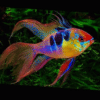
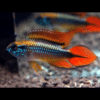
The Apistogramma Elizabethae, commonly known as Elizabeth’s Dwarf Cichlid, is a stunning member of the cichlid family that originates from the Amazon Basin in South America. These captivating fish thrive in the slow-moving waters of rivers and streams, where they can be found among dense aquatic vegetation. This species is characterized by its vibrant coloration, with males displaying striking blue and yellow hues, while females are more subdued yet equally beautiful. As peaceful companions, Elizabeth’s Dwarf Cichlid makes an excellent choice for both novice and experienced aquarists alike. Their small size and tranquil nature allow them to coexist harmoniously with a variety of other fish species, making them ideal for community tanks filled with lush aquarium plants.
Care Requirements Dashboard
✓ Care Level: Easy
✓ Minimum Tank Size: 20 gallons
✓ Water Temperature: 75°F – 82°F
✓ pH Level: 6.0 – 7.5
✓ Hardness: 5 – 15 dGH
Natural Behavior & Temperament
Elizabeth’s Dwarf Cichlid exhibits a fascinating range of behaviors that reflect their natural habitat. In the wild, these fish are known to establish territories, especially during breeding seasons. Males are often more aggressive than females, particularly when defending their nesting sites. However, they are generally peaceful and can coexist with other community fish when provided with ample space and hiding spots. Their social behavior includes displaying to potential mates and engaging in playful interactions with tank mates. Observing their interactions can be a delightful experience, as they exhibit a level of intelligence and curiosity that is both engaging and rewarding for aquarists.
Tank Setup Guide
Creating an ideal environment for your Apistogramma Elizabethae is crucial for their health and well-being. A tank size of at least 20 gallons is recommended, as it provides enough space for swimming and territory establishment. The substrate should be soft and sandy, mimicking their natural habitat, allowing them to dig and explore. Incorporating a variety of aquarium plants, such as Anubias and Java Fern, will not only enhance the aesthetic appeal but also provide hiding spots and breeding areas. Additionally, using driftwood and rocks can create natural caves and shelters, which are essential for their comfort. Ensure that the tank has a gentle filtration system to maintain water quality without creating strong currents, as these fish prefer calm waters.
Water Quality Management
Maintaining optimal water quality is essential for the health of your Elizabeth’s Dwarf Cichlids. The ideal water temperature should range between 75°F to 82°F, with a pH level between 6.0 and 7.5. Regular testing of these parameters is crucial, as fluctuations can lead to stress and health issues. The hardness of the water should be maintained between 5 to 15 dGH, as this mimics their natural environment. Implementing a reliable filtration system will help keep the water clean and clear, while regular partial water changes (about 25% weekly) will help remove toxins and replenish essential minerals. Additionally, consider using a water conditioner to eliminate harmful chemicals from tap water before introducing it into the aquarium.
Feeding & Nutrition
Feeding your Apistogramma Elizabethae a balanced diet is essential for their growth and overall health. These fish are omnivorous and thrive on a varied diet that includes high-quality pellets, flakes, and frozen or live foods. A combination of protein-rich foods such as brine shrimp, daphnia, and bloodworms will enhance their coloration and vitality. It is recommended to feed them small amounts 2-3 times a day, ensuring that all food is consumed within a few minutes to prevent water quality issues. Additionally, incorporating some vegetable matter, like blanched spinach or spirulina, can provide essential nutrients and promote digestive health.
Compatibility Guide
When considering tank mates for your Elizabeth’s Dwarf Cichlid, it is important to choose species that share similar water parameters and temperaments. Ideal companions include peaceful community fish such as tetras, rasboras, and small catfish. Avoid larger or aggressive species, as they may stress or harm your cichlids. A well-planned community tank will allow for a harmonious environment where all fish can thrive. It is advisable to introduce new tank mates gradually and monitor their interactions closely, especially during the initial acclimation period. Providing plenty of hiding spots and territories will help reduce aggression and establish a peaceful community dynamic.
Health & Wellness
Maintaining the health of your Apistogramma Elizabethae requires regular monitoring and care. Common health issues include ich, fin rot, and stress-related diseases. Signs of illness may include changes in behavior, such as lethargy, loss of appetite, or unusual swimming patterns. To prevent these issues, ensure that water quality is consistently maintained and that the tank is not overcrowded. Quarantining new fish before introducing them to the main tank can also help prevent the spread of diseases. In case of health issues, prompt treatment is essential. Many aquarists utilize medications specifically designed for cichlids, but it is crucial to follow the recommended dosages and treatment protocols.
Breeding Information
Breeding Apistogramma Elizabethae can be a rewarding experience for aquarists. These fish are known to form strong pair bonds, and breeding typically occurs in a well-planted tank with ample hiding spots. To encourage breeding, it is advisable to provide a separate breeding tank with slightly warmer water and lower light levels. The female will lay eggs on flat surfaces, such as rocks or leaves, and the male will guard the territory. After hatching, the fry will remain close to their parents for protection. It is essential to provide appropriate food for the fry, such as infusoria or finely crushed flakes, to ensure their growth and survival.
Acclimation Process
Introducing new Apistogramma Elizabethae to your aquarium requires a careful acclimation process to minimize stress and ensure a smooth transition. Begin by floating the sealed bag containing the fish in the aquarium for about 15-20 minutes to equalize the temperature. Afterward, gradually mix small amounts of aquarium water into the bag every 5 minutes for about an hour. This process allows the fish to adjust to the water parameters of their new environment. Once acclimated, gently release the fish into the aquarium without adding the bag water, as it may contain harmful substances. Monitor their behavior closely for the first few days, ensuring they are adjusting well to their new home.
Long-term Care
The long-term care of your Apistogramma Elizabethae involves consistent attention to their environment and health. These fish can live for several years in a well-maintained aquarium, so establishing a routine for water changes, feeding, and tank monitoring is essential. Regularly check water parameters and make adjustments as necessary. It is also important to keep an eye on their behavior and physical appearance for any signs of stress or illness. Providing a varied diet will contribute to their overall health and vibrancy.
Natural Habitat Recreation
Recreating the natural habitat of the Apistogramma Elizabethae in your aquarium is vital for their well-being. These fish thrive in environments that mimic their native Amazon Basin, characterized by slow-moving waters, abundant vegetation, and plenty of hiding spots. Incorporating a sandy substrate, driftwood, and a variety of live plants will create a suitable environment for them to explore and feel secure. Aim for a dimly lit tank, as this mimics the dappled sunlight found in their natural habitat.
Seasonal Care Adjustments
As seasons change, it is important to adjust the care routine for your Apistogramma Elizabethae to ensure their continued health and comfort. During warmer months, monitor the water temperature closely, as it can rise significantly. If temperatures exceed the ideal range, consider using a fan or aquarium chiller to maintain a stable environment. In cooler months, ensure that the aquarium heater is functioning properly to keep the water within the preferred temperature range.
Expert Tips
For those looking to provide the best care for their Apistogramma Elizabethae, consider these expert tips. First, invest in a high-quality water testing kit to monitor parameters accurately. This will help you catch any issues before they escalate. Second, ensure that your tank is well-planted and provides plenty of hiding spots, as this will reduce stress and promote natural behaviors. Third, avoid overfeeding, as this can lead to poor water quality and health issues. Lastly, engage with your fish friends regularly; observing their behavior can provide insights into their health and happiness.
Troubleshooting
In the event of issues arising in your aquarium, having a troubleshooting strategy can be invaluable. If you notice signs of illness, such as lethargy or loss of appetite, first check the water parameters to ensure they are within the ideal range. If the parameters are off, perform a partial water change to rectify the situation. For behavioral issues, consider rearranging the tank decor to create new territories and hiding spots.
Scientific Background
The Apistogramma Elizabethae belongs to the cichlid family, which is known for its diverse range of species and behaviors. This family is characterized by their complex social structures and breeding behaviors. Understanding the scientific background of these fish can enhance the care provided and foster a deeper appreciation for their unique characteristics.
Advanced Care Techniques
For those looking to take their care of Apistogramma Elizabethae to the next level, consider implementing advanced techniques such as breeding conditioning and specialized feeding regimens. Conditioning pairs for breeding involves providing a high-protein diet and ensuring optimal water conditions to encourage spawning behaviors.
Frequently Asked Questions
Q: What tank size is required for Apistogramma Elizabethae?
Apistogramma Elizabethae, also known as Elizabeth’s Dwarf Cichlid, thrives in a tank of at least 60 litres (15 gallons). This provides ample space for swimming and establishing territories. A larger tank is preferable if you intend to keep multiple pairs or tank mates. It is crucial to ensure that the aquarium is well-structured with hiding spots, such as caves and plants, to reduce stress and allow for natural behaviours. The layout should mimic their natural habitat, which consists of slow-moving waters rich in vegetation. Regular water changes and maintenance will also be essential to maintain optimal water quality.
✓ Expert Tip
Consider using a soft substrate, such as sand, as it mimics their natural environment and allows for digging behaviour.
Q: What water parameters do Apistogramma Elizabethae require?
Apistogramma Elizabethae prefers slightly acidic to neutral water conditions, with a pH between 6.0 and 7.5. The temperature should be maintained between 24°C to 28°C (75°F to 82°F). It is advisable to keep the water soft, ideally with a hardness of around 2-12 dGH. Regular testing of water parameters is essential to ensure a stable environment, as fluctuations can stress these fish. Implementing a good filtration system and performing regular water changes will help maintain these parameters.
✓ Expert Tip
Utilise a quality water conditioner to remove harmful chemicals and maintain a safe environment for your fish friends.
Q: How often should I feed Apistogramma Elizabethae?
Feeding Apistogramma Elizabethae should be done 1-2 times daily, providing only as much food as they can consume within a few minutes. A varied diet is crucial, including high-quality pellets, frozen or live foods like brine shrimp and daphnia, as well as vegetable matter. This not only ensures they receive a balanced diet but also supports vibrant colours and overall health. It is important to avoid overfeeding, as uneaten food can deteriorate water quality.
✓ Expert Tip
Consider using a feeding schedule to ensure consistency, which can help in monitoring their health and growth.
Q: What are the best tank mates for Apistogramma Elizabethae?
When selecting tank mates for Apistogramma Elizabethae, it is best to choose peaceful species that occupy different areas of the tank. Suitable companions include small tetras, rasboras, and other dwarf cichlids. Avoid aggressive or large fish that may intimidate or outcompete them for food. Each species should have ample space and hiding spots to establish territories and reduce stress. Observing their interactions regularly will help ensure a harmonious environment.
✓ Expert Tip
Introduce new fish gradually and monitor their behaviour to prevent territorial disputes.
Q: How do I properly acclimatise Apistogramma Elizabethae to my aquarium?
Acclimatising Apistogramma Elizabethae is crucial to reduce stress and ensure a smooth transition. Begin by floating the sealed bag in the aquarium for about 15 minutes to equalise the temperature. After this, gradually introduce small amounts of aquarium water into the bag every 5-10 minutes for approximately an hour. This allows the fish to adjust to differences in water chemistry. Finally, gently net the fish into the tank, avoiding adding bag water to your aquarium.
✓ Expert Tip
Minimise movement and noise during acclimatisation to create a calm environment for your new fish friends.
Q: What are the signs of healthy Apistogramma Elizabethae?
Healthy Apistogramma Elizabethae exhibit bright colours, active swimming behaviour, and a healthy appetite. Their fins should be intact without any signs of fraying or lesions. Observe for normal behaviour patterns, such as exploring their environment and interacting with tank mates. Any signs of lethargy, loss of appetite, or abnormal swimming may indicate stress or illness, and prompt action should be taken to assess water quality and health conditions.
✓ Expert Tip
Regularly monitor your fish’s behaviour and health to catch any issues early.
Q: How do I successfully breed Apistogramma Elizabethae?
Breeding Apistogramma Elizabethae can be a rewarding experience. To encourage breeding, provide a separate breeding tank with soft, acidic water and plenty of hiding spots. The female typically lays eggs in a sheltered area, and the male will assist in guarding the fry. It is vital to ensure a nutritious diet during this period to support the health of both parents and fry. After hatching, the fry can be fed infusoria or finely crushed flake food until they are large enough to accept larger foods.
✓ Expert Tip
Ensure to separate the fry from the parents once they are free-swimming to prevent them from being eaten.
Q: What temperature should I maintain for Apistogramma Elizabethae?
Apistogramma Elizabethae thrives in warmer waters, with a temperature range of 24°C to 28°C (75°F to 82°F). Maintaining a stable temperature within this range is essential for their health and well-being. Sudden fluctuations can cause stress and make them susceptible to diseases. Utilise a reliable aquarium heater and thermometer to monitor the water temperature consistently. It is also advisable to avoid placing the aquarium in direct sunlight or near heating vents, as these can cause temperature variations.
✓ Expert Tip
Regularly check the heater’s performance to ensure it is functioning correctly and maintaining the desired temperature.
Q: How long do Apistogramma Elizabethae typically live in captivity?
In captivity, Apistogramma Elizabethae can live for around 4 to 6 years when provided with proper care. Factors such as water quality, diet, and tank conditions significantly impact their lifespan. Ensuring a stable environment with appropriate parameters and regular maintenance will help maximise their longevity. It is also essential to observe them regularly for any signs of illness and to act promptly if any issues arise.
✓ Expert Tip
Keep a journal of water parameters and fish behaviour to help identify trends over time.
Q: What type of substrate is most suitable for Apistogramma Elizabethae?
For Apistogramma Elizabethae, a soft substrate is ideal, such as fine sand or small gravel. This allows them to exhibit their natural behaviour of digging and foraging without injuring their delicate fins. Additionally, it supports the plants and decorations you may wish to include in the aquarium. It is also beneficial to include leaf litter or Indian almond leaves, as these provide hiding spots and can help maintain water quality by releasing tannins.
✓ Expert Tip
Consider layering the substrate to create different depths, which can enhance the aesthetic and provide more foraging opportunities.
Q: What behavioural patterns should I expect from Apistogramma Elizabethae?
Apistogramma Elizabethae typically exhibit territorial behaviour, especially during breeding periods. The males are known to be more aggressive, particularly towards other males. They enjoy exploring their environment, often hiding in caves or amongst plants. Regular swimming patterns can also be observed, as they patrol their territory. It is essential to provide adequate hiding spots to reduce stress and allow them to feel secure in their environment. Observing their behaviour can be quite rewarding as they interact with their surroundings and display their vibrant colours.
✓ Expert Tip
Consider using plants and decorations that allow for vertical swimming space, which can encourage natural behaviours.
Q: How can I prevent common diseases in Apistogramma Elizabethae?
Preventing diseases in Apistogramma Elizabethae involves maintaining excellent water quality and providing a balanced diet. Regular water changes, adequate filtration, and monitoring of water parameters are crucial to prevent stress-related illnesses. Quarantine new fish before introducing them to your aquarium to avoid introducing pathogens. Additionally, keeping the tank clean and ensuring that all equipment is functioning properly will contribute to a healthy environment. If you observe any signs of illness, such as lesions or abnormal behaviour, promptly address the issue by consulting a specialist or treating the tank appropriately.
✓ Expert Tip
Consider adding aquarium salt in moderation to help prevent certain ailments, but ensure it is safe for all tank mates.
Q: What lighting conditions do Apistogramma Elizabethae prefer?
Apistogramma Elizabethae prefers subdued lighting that mimics their natural habitat. Bright lights can cause stress, so it is advisable to use low to moderate lighting levels. Consider using floating plants or shading elements to diffuse the light in the aquarium. This not only creates a more comfortable environment for your fish friends but also promotes plant growth if you have live plants in the tank. A lighting schedule of around 8-10 hours a day is optimal to prevent excessive algae growth while providing a natural day/night cycle.
✓ Expert Tip
Use a timer for your aquarium lights to maintain a consistent lighting schedule.
Q: How do I recognise stress in Apistogramma Elizabethae?
Signs of stress in Apistogramma Elizabethae can include excessive hiding, loss of appetite, and abnormal swimming patterns, such as darting or floating at the surface. They may also display faded colours or clamped fins. Stress can arise from poor water quality, unsuitable tank mates, or sudden changes in their environment. Regular observation is key; if you notice these signs, assess their surroundings and make the necessary adjustments to improve their conditions.
✓ Expert Tip
Maintain a stable environment and avoid rapid changes to keep your fish happy and healthy.
Q: What natural habitat conditions should I replicate for Apistogramma Elizabethae?
To replicate the natural habitat of Apistogramma Elizabethae, aim for a well-planted aquarium with plenty of hiding spots. Incorporate driftwood, caves, and leaf litter to mimic their natural environment found in slow-moving waters of South America. Soft, slightly acidic water with a dark substrate will also help create a comfortable setting. Additionally, consider adding natural decor elements that provide shelter and security, which reduces stress and encourages natural behaviours.
✓ Expert Tip
Utilising natural materials can enhance both the aesthetic appeal and the well-being of your fish friends.
2 reviews for PAIR Apistogramma Elizabethae – Elizabeth’S Dwarf Cichlid – South American Cichlid(2 FISH MAIL & FEMAILE)
Add a review
Related products



Emily Carter (verified owner) –
I recently added a pair of Apistogramma Elizabethae to my aquarium, and I couldn’t be happier! These little cichlids have such vibrant colors and unique behaviors that add so much life to my tank. I have them in a well-planted 20-gallon setup with plenty of hiding spots, and they’ve settled in beautifully within about a week. They are incredibly social and have even started pairing off, which is delightful to watch.
I’ve tried keeping other dwarf cichlids in the past, but none have matched the charm of these beauties. Their dietary needs are quite manageable—I’ve been feeding them high-quality cichlid food that ensures their health, and I can see their colors getting more vivid every day!
One minor concern is that they can be territorial, especially during breeding, so I recommend a spacious tank with plenty of plants. I’ve found that they thrive in a peaceful environment, so they might be best suited for hobbyists who understand their needs. Overall, I highly recommend the Apistogramma Elizabethae to anyone looking to add a charming personality to their aquarium. You won’t regret it!
Jessica Thompson (verified owner) –
I recently added a pair of Apistogramma Elizabethae to my community tank, and I couldn’t be happier! These little guys have brought such elegance to my setup. They arrived promptly and in excellent health. After a week, they settled in beautifully, exploring their surroundings among the aquarium plants I carefully placed. Their colors are vibrant, and I love watching their interactions. It’s clear they have distinct personalities, making them a joy to observe and care for.
What I appreciate most is their peaceful nature, which makes them ideal for a community tank. I’ve had experience with other dwarf cichlids, but the Elizabethae are by far my favorite. They handle the tank conditions well, and I’ve noticed they are less aggressive than some other species, making them perfect for beginners.
If you’re looking for community fish that are easy to care for and bring a touch of sophistication to your aquarium, I highly recommend this pair! Just remember to provide some hiding spots and plants, as they thrive in well-planted environments. Overall, I’m thrilled with my purchase and would definitely buy again!