
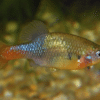
Redtail Goodeid – Xenotoca Eiseni – Orangetail Splitfin – Livebearer

Original price was: £6.99.£5.81Current price is: £5.81.
Welcome the stunning Redtail Goodeid – Xenotoca Eiseni – Orangetail Goodeid to your aquarium. These vibrant freshwater fish are perfect for community tanks, offering peace and beauty. With a lifespan of 3-5 years, they thrive in well-maintained environments, making them ideal for beginner aquarists.
In stock


Species Introduction
The Redtail Goodeid, scientifically known as Xenotoca eiseni, is a captivating freshwater fish species that hails from the vibrant waters of Mexico. This species is part of the Goodeidae family, which is renowned for its unique reproductive strategies and peaceful demeanor. The Redtail Goodeid is particularly distinguished by its striking coloration, featuring a vivid orange tail that contrasts beautifully with its sleek body. These fish thrive in slow-moving streams and rivers, where they inhabit areas with ample vegetation, providing them with both shelter and foraging opportunities. The natural habitat of the Redtail Goodeid is characterized by warm temperatures, moderate water flow, and a diverse array of plant life, making it essential to recreate these conditions in an aquarium setting to ensure their health and happiness.
Care Requirements Dashboard
✓ Care level: Easy
Tank Size: Minimum 20 gallons
Water Temperature: 72°F to 78°F
pH Level: 7.0 to 8.0
Hardness: 5 to 15 dGH
The Redtail Goodeid is an excellent choice for both novice and experienced aquarists due to its thriving nature and adaptability. A minimum tank size of 20 gallons is recommended to provide ample swimming space and to maintain stable water parameters. These fish prefer a temperature range of 72°F to 78°F, with a pH level between 7.0 and 8.0, and a hardness of 5 to 15 dGH. Regular water changes and monitoring are essential to keep their environment clean and healthy.
Natural Behavior & Temperament
The Redtail Goodeid is known for its peaceful and sociable nature, making it an ideal candidate for community tanks. These fish are active swimmers, often seen darting around the aquarium, exploring their surroundings. They exhibit interesting behaviors, such as forming small schools, which can enhance their confidence and reduce stress. In a well-planted aquarium, they will often utilize vegetation for cover and foraging, mimicking their natural habitat. Their friendly disposition allows them to coexist harmoniously with other peaceful species, making them a delightful addition to any freshwater aquarium.
Tank Setup Guide
✓ Ideal Environment
Substrate: Fine gravel or sand
Decorations: Plants, rocks, driftwood
Lighting: Moderate to bright
Creating an ideal environment for the Redtail Goodeid involves replicating their natural habitat as closely as possible. A substrate of fine gravel or sand is recommended to allow for natural foraging behaviors. Incorporating live plants not only enhances the aesthetic appeal of the aquarium but also provides essential hiding spots and breeding grounds. Rocks and driftwood can be added to create a more dynamic environment, offering additional shelter and territories for the fish. Moderate to bright lighting will promote healthy plant growth while also allowing the vibrant colors of the Redtail Goodeid to shine.
Water Quality Management
✓ Good Water Quality
pH: 7.0 to 8.0
Temperature: 72°F to 78°F
Hardness: 5 to 15 dGH
Maintaining optimal water quality is crucial for the health and well-being of the Redtail Goodeid. Regular testing of pH, temperature, and hardness is essential to ensure that the parameters remain within the recommended ranges. It is advisable to perform partial water changes weekly to remove waste and toxins while replenishing essential minerals. Additionally, a good filtration system will help maintain clean and clear water, promoting a healthy environment for your fish friends.
Feeding & Nutrition
✓ Healthy Fish Diet
Diet: Omnivorous
Feeding Schedule: 2-3 times daily
Food Types: Flake, pellets, live foods
The Redtail Goodeid is an omnivorous fish, requiring a balanced diet to thrive. A combination of high-quality flake and pellet foods should form the basis of their diet, supplemented with live foods such as brine shrimp and daphnia to enhance their nutritional intake and stimulate natural hunting behaviors. It is recommended to feed them 2-3 times daily, providing only what they can consume within a few minutes to prevent overfeeding and maintain water quality. A varied diet will ensure that your Redtail Goodeids remain vibrant and healthy.
Compatibility Guide
✓ Peaceful Aquarium Fish
Compatible Tank Mates: Tetras, Rasboras, Corydoras
Avoid: Aggressive species, large cichlids
In terms of compatibility, the Redtail Goodeid is a peaceful species that can coexist with a variety of other community fish. Ideal tank mates include small schooling fish such as tetras and rasboras, as well as bottom-dwelling species like Corydoras. It is important to avoid housing them with aggressive species or larger cichlids that may harass or prey on them. Ensuring a harmonious community tank will enhance the overall health and well-being of your aquatic companions.
Health & Wellness
✓ Signs of Health
Common Issues: Ich, fin rot
Prevention: Regular water changes, good diet
Monitoring the health of your Redtail Goodeids is essential to ensure their longevity and vitality. Common health issues include ich, a parasitic infection that can cause white spots on the body, and fin rot, which may result from poor water quality. Regular water changes and maintaining a clean environment are key preventive measures. Additionally, providing a balanced diet will strengthen their immune system. Observing your fish for signs of stress, such as lethargy or abnormal swimming patterns, will enable you to address any potential health concerns promptly.
Breeding Information
✓ Spawning Behavior
Breeding Type: Livebearer
Fry Care: Provide fine food, hiding spots
The Redtail Goodeid is a livebearer, meaning that they give birth to free-swimming fry rather than laying eggs. To encourage breeding, it is beneficial to maintain a healthy and stress-free environment, with plenty of hiding spots for the females to give birth. After spawning, it is crucial to provide fine food such as powdered flakes or infusoria for the fry, as they are very small and require specialized nutrition. Ensuring that the fry have access to cover will help them evade potential predation from adult fish.
Acclimation Process
When introducing your Redtail Goodeids to a new aquarium, it is essential to acclimate them properly to minimize stress. Begin by floating the sealed bag containing the fish in the aquarium for about 15-20 minutes to equalize the temperature. After this, gradually introduce small amounts of aquarium water into the bag over the next hour. This process helps the fish adjust to the new water chemistry. Once acclimated, gently release the fish into the tank without adding the bag water. This careful introduction will help ensure a smooth transition for your new aquatic companions.
Long-term Care
The Redtail Goodeid can live for several years with proper care, typically ranging from 3 to 5 years. Regular monitoring of their environment, including water quality and tank conditions, will contribute to their longevity. As they grow, it is important to provide adequate space and resources to accommodate their needs. Keeping a close eye on their behavior and health will allow you to address any issues that may arise promptly. By providing a stable and nurturing environment, you can foster a thriving community of Redtail Goodeids that will bring joy and beauty to your aquarium.
Natural Habitat Recreation
✓ Biotope Setup
Plants: Vallisneria, Java fern
Decor: Driftwood, rocks
To create a biotope that closely resembles the natural habitat of the Redtail Goodeid, consider incorporating plants such as Vallisneria and Java fern, which are commonly found in their native waters. These plants not only provide shelter but also contribute to water quality by absorbing excess nutrients. Adding driftwood and rocks will create natural hiding spots and territories, encouraging natural behaviors and reducing stress. By carefully selecting plants and decorations that mimic their environment, you can create a thriving ecosystem that supports the health and happiness of your Redtail Goodeids.
Seasonal Care Adjustments
As temperatures fluctuate with the seasons, it is important to monitor and adjust the conditions in your aquarium accordingly. During warmer months, ensure that the water temperature does not exceed 78°F, as higher temperatures can stress the fish and lead to health issues. Conversely, in colder months, consider using a heater to maintain a stable temperature within the recommended range. Additionally, adjusting the lighting duration can help simulate seasonal changes, promoting natural behaviors and breeding readiness in your Redtail Goodeids.
Expert Tips
✓ Professional Advice
Consider adding a sponge filter for gentle water movement
Regularly trim plants to prevent overcrowding
For optimal care of your Redtail Goodeids, consider adding a sponge filter to provide gentle water movement and filtration. This type of filter is ideal for delicate fish and helps maintain a stable environment. Additionally, regularly trimming plants will prevent overcrowding and ensure that your fish have ample swimming space. Keeping the aquarium well-maintained and balanced will contribute to the overall health and well-being of your aquatic companions.
Troubleshooting
In the event of common issues such as water quality problems or signs of illness, it is important to act quickly. If you notice any unusual behavior or physical symptoms, such as discoloration or lesions, perform a water test to identify any irregularities. Addressing water quality issues promptly can prevent more serious health concerns. If necessary, consult with an aquarium professional for advice on treatment options and best practices for maintaining a healthy environment for your Redtail Goodeids.
Scientific Background
The Redtail Goodeid, Xenotoca eiseni, is part of a unique family of fish known for their livebearing reproductive strategy. This species is closely related to other Goodeids, which are primarily found in the freshwater ecosystems of Mexico. The conservation status of many Goodeid species is of concern due to habitat loss and pollution. Understanding their biology and natural behaviors is crucial for successful care and breeding in captivity. Research into their ecological roles and conservation efforts is ongoing, highlighting the importance of preserving their natural habitats.
Advanced Care Techniques
For those looking to take their care of Redtail Goodeids to the next level, consider implementing advanced techniques such as breeding programs and biotope aquascaping. Creating a breeding environment with specific parameters can encourage spawning and increase fry survival rates. Additionally, replicating the natural biotope will not only enhance the aesthetic of your aquarium but also provide a more enriching environment for your fish. Engaging in these advanced care practices will deepen your understanding of these beautiful creatures and contribute to their well-being.
Frequently Asked Questions
Q: What tank size is required for Redtail Goodeids?
Redtail Goodeids thrive best in a tank of at least 100 litres (approximately 26 gallons). This size allows ample swimming space and helps maintain stable water parameters, which is crucial for their health. A larger tank also provides better water quality management, reducing the risk of toxic build-up. When establishing the tank, consider incorporating hiding spots and plants, as these fish enjoy exploring and need secure areas to retreat. Additionally, a well-planted aquarium mimics their natural habitat, promoting their well-being. Regular water changes of 20-30% weekly will further support a healthy environment.
✓ Expert Tip
Ensure your tank is cycled properly before introducing Redtail Goodeids. This helps establish beneficial bacteria that maintain water quality.
Q: What water parameters do Redtail Goodeids require?
Redtail Goodeids prefer slightly alkaline water, with a pH range of 7.0 to 8.0. The temperature should be maintained between 22°C to 26°C (72°F to 79°F). Hardness is also essential; aim for a range of 10 to 20 dGH. Regularly testing these parameters is crucial, as they help in preventing stress and diseases. Sudden fluctuations can be detrimental, so gradual adjustments are necessary. It’s advisable to use a reliable water conditioner, especially if using tap water, to remove harmful chemicals. Regular monitoring will ensure your aquatic companions thrive.
✓ Expert Tip
Invest in a quality water testing kit to regularly monitor pH, hardness, and ammonia levels for optimal health.
Q: How often should I feed Redtail Goodeids?
Feeding Redtail Goodeids requires a balanced approach. It is recommended to feed them twice a day, offering only as much food as they can consume within 2-3 minutes. A varied diet is essential for their health, including high-quality flake food, frozen or live foods such as brine shrimp and daphnia. Overfeeding can lead to water quality issues and health problems, so portion control is key. Observe their eating habits; if there are leftovers, consider reducing the amount in future feedings. This approach will help ensure they receive the necessary nutrients without compromising water quality.
✓ Expert Tip
Incorporate occasional vegetable matter, such as blanched spinach, to enhance dietary variety and promote digestive health.
Q: What are the best tank mates for Redtail Goodeids?
Redtail Goodeids are generally peaceful and can be kept with a variety of other fish. Ideal tank mates include smaller, non-aggressive species like tetras, rasboras, and other livebearers. Avoid larger or more aggressive fish that may bully or outcompete them for food. Additionally, ensure that all species share similar water parameter needs to maintain a harmonious environment. It’s wise to introduce new tank mates gradually and observe interactions closely to prevent stress. A well-planned community tank can enhance the beauty and behaviour of your aquatic companions.
✓ Expert Tip
Consider adding plants and decorations to provide hiding spots, which can reduce stress and create a more natural environment.
Q: How do I properly acclimatise Redtail Goodeids to my aquarium?
Acclimatising Redtail Goodeids is crucial for their successful introduction to your aquarium. Begin by floating the sealed bag containing the fish in the aquarium for about 15-20 minutes. This helps equalise the temperature. After that, gradually add small amounts of aquarium water to the bag every 5-10 minutes for about an hour. This process allows the fish to adjust to the water chemistry. Once acclimatised, gently net the fish out and place them into the aquarium, avoiding adding bag water. This method reduces stress and helps ensure a smooth transition.
✓ Expert Tip
Ensure the aquarium is properly cycled and stable before introducing new fish to minimise stress and health issues.
Q: What are the signs of healthy Redtail Goodeids?
Healthy Redtail Goodeids exhibit vibrant colours, clear eyes, and active swimming behaviour. They should display a keen interest in their environment, exploring and interacting with tank mates. Additionally, their fins should be intact and free from tears or fraying. Regular eating habits and normal excretion patterns are also indicators of good health. If you notice lethargy, faded colours, or unusual swimming patterns, it may signal stress or illness. Early detection of these signs allows for timely intervention, ensuring the well-being of your aquatic companions.
✓ Expert Tip
Regular observation of your fish will help you become familiar with their normal behaviour, making it easier to spot any changes.
Q: How do I successfully breed Redtail Goodeids?
Breeding Redtail Goodeids can be a rewarding experience. To encourage breeding, ensure that your aquarium conditions are optimal, including stable water parameters and a temperature of about 24°C (75°F). Provide plenty of hiding spaces and plants for females to give birth safely. When the female is ready, she will display a rounded belly and may become more reclusive. After giving birth, it’s essential to remove the fry and provide them with fine food like powdered flakes or infusoria until they’re large enough for standard fry food. Regular monitoring and care will increase the chances of successful breeding.
✓ Expert Tip
Consider separating males and females prior to breeding to help encourage successful mating without stress.
Q: What temperature should I maintain for Redtail Goodeids?
Redtail Goodeids thrive in warm water, ideally between 22°C and 26°C (72°F to 79°F). Maintaining this temperature range is crucial for their overall health and well-being. Sudden fluctuations can cause stress and lead to health issues. A reliable aquarium heater can help maintain consistent temperatures, especially in cooler climates. It’s wise to use a thermometer to regularly check the water temperature. Additionally, ensure that the heater is appropriately sized for your aquarium to avoid overheating or underheating the tank.
✓ Expert Tip
Avoid placing the aquarium in direct sunlight, as it can cause temperature spikes and promote algae growth.
Q: How long do Redtail Goodeids typically live in captivity?
In captivity, Redtail Goodeids can live for approximately 3 to 5 years, depending on the care provided. Their lifespan can be influenced by factors such as water quality, diet, and overall stress levels. Regular maintenance of the aquarium, including water changes and monitoring of parameters, plays a significant role in their longevity. Additionally, a varied and nutritious diet contributes to their health, allowing them to thrive. By creating a stable and enriching environment, aquarium keepers can help ensure that these beautiful fish live a full and healthy life.
✓ Expert Tip
Keeping a close eye on their behaviour and health can help you catch any potential issues early, maximising their lifespan.
Q: What type of substrate is most suitable for Redtail Goodeids?
For Redtail Goodeids, a substrate that replicates their natural habitat is ideal. A fine, sandy substrate or smooth gravel is recommended, as it allows for easy digging and foraging behaviours, which they enjoy. Avoid sharp-edged substrates that could injure their delicate fins. Additionally, providing a mix of substrate types can enhance the aesthetic of the aquarium while offering various zones for exploration. Regular cleaning of the substrate is essential to prevent the build-up of waste and detritus, contributing to overall water quality.
✓ Expert Tip
Consider adding plants and decorations that complement the substrate, providing additional hiding spots and enhancing the overall environment.
Q: What behavioural patterns should I expect from Redtail Goodeids?
Redtail Goodeids are known for their lively and curious nature. They tend to be active swimmers, often exploring their environment and interacting with tank mates. Males may display territorial behaviours, particularly during breeding, but they are generally peaceful. It’s common to see them darting around the tank, especially during feeding times. Providing ample hiding spots and plants will encourage natural behaviours and reduce stress. Observing their social interactions can also be quite fascinating, as they establish hierarchies within the group.
✓ Expert Tip
Creating a stimulating environment with decorations and plants will encourage natural behaviours and enhance their well-being.
Q: How can I prevent common diseases in Redtail Goodeids?
Preventing diseases in Redtail Goodeids involves maintaining optimal water quality and a stress-free environment. Regular water changes, proper filtration, and monitoring of parameters are essential. Quarantine new fish before introducing them to the main tank to prevent the spread of diseases. Additionally, providing a balanced diet rich in nutrients will help boost their immune systems. Observing your fish regularly for any signs of illness, such as changes in behaviour or appearance, is crucial. Early detection allows for prompt treatment, minimising the impact on your aquatic companions.
✓ Expert Tip
Consider adding aquarium salt in moderation to help bolster fish health and prevent certain ailments.
Q: What natural habitat conditions should I replicate for Redtail Goodeids?
To provide the best care for Redtail Goodeids, replicating their natural habitat is important. They originate from freshwater rivers and streams in Mexico, which are typically well-planted with ample hiding spots and gentle water flow. Mimic this environment in your aquarium by including live plants, driftwood, and rocks to create shelter. Maintain a slightly alkaline pH and ensure good water quality through regular changes and filtration. Proper lighting that mimics natural daylight will also benefit plant growth and enhance the overall environment, making your aquarium a welcoming home for these beautiful fish.
✓ Expert Tip
Research the specific environmental conditions of their natural habitat to better understand their needs and preferences.




Emily Carter (verified owner) –
I recently added the Redtail Goodeid (Xenotoca Eiseni) to my aquarium, and I couldn’t be happier! These vibrant fish have such an enchanting personality, and their unique orangetail and redtail colors truly light up the tank. After about two months, I’ve noticed they’ve settled in nicely, displaying a playful demeanor that makes me smile every time I walk by.
I appreciate that they thrive in freshwater and are fairly low-maintenance compared to some other tropical fish. They’re excellent at keeping the algae in check, which is a major plus in my book! While I initially worried about their compatibility with my other fish, they’ve proven to be peaceful and sociable.
If you’re considering adding some lively and beautiful fish to your setup, I highly recommend the Redtail Goodeid. They’re perfect for both beginners and experienced aquarists alike. Just make sure to provide them with ample swimming space and some plants for them to hide in. Overall, this is a fantastic investment for any freshwater tank!