

Signatus Shelldweller – Lamprologus Signatus – Lake Tanganyika Cichlid
Original price was: £20.49.£17.42Current price is: £17.42.
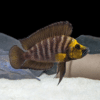
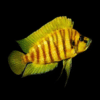
Welcome the stunning Signatus Shelldweller, a vibrant Lake Tanganyika Cichlid known for its beautiful coloration and unique behavior of dwelling in empty snail shells. Perfect for aquarists seeking peaceful companions, this cichlid thrives in well-maintained aquariums with lush plants.
In stock
Species Introduction
The Signatus Shelldweller, scientifically recognized as Lamprologus Signatus, is a captivating member of the Lake Tanganyika cichlids family. Originating from the stunning freshwater ecosystems of Lake Tanganyika, this species is renowned for its unique adaptations and vibrant personality. In their natural habitat, these fish exhibit a preference for rocky substrates and sandy bottoms, often taking refuge in snail shells. This behavior not only provides them with safety from predators but also serves as a breeding ground. The Signatus Shelldweller thrives in a stable environment, where water quality is meticulously maintained, reflecting the clarity of their native lake. With their striking appearance and engaging behavior, they are a wonderful addition to any freshwater aquarium, particularly for enthusiasts looking to create a biotope that mimics their natural habitat.
Care Requirements Dashboard
Essential Care Guide for Your Signatus Shelldweller – Lamprologus Signatus – Lake Tanganyika Cichlid
| Optimal Living Conditions | |
|---|---|
| Water Temperature | 24-26°C (75-79°F) |
| pH Level | 8.1-8.4 |
| Water Hardness | 8-12 dKH |
| Minimum Tank Size | 200L (50 gal) |
| Salinity | 1.020-1.025 SG |
| Care Level | Intermediate |
Natural Behavior & Temperament
The Signatus Shelldweller is known for its intriguing behavior, characterized by a peaceful yet territorial nature. They are generally non-aggressive, making them suitable for community tanks with other calm species. Their social structure is fascinating; males often establish dominance through displays of color and posturing, while females prefer to stay close to their chosen shells. Observing their interactions can provide insight into their social dynamics, as they communicate through body language and subtle movements. In a well-planned aquarium, these fish will exhibit their natural behaviors, such as foraging and exploring their environment. They are also known to be shy at times, often retreating to their shells when feeling threatened. Providing plenty of hiding spots and territories will help them feel secure and encourage their natural behaviors.
Tank Setup Guide
Creating an ideal environment for the Signatus Shelldweller involves replicating their natural habitat as closely as possible. Begin with a substrate of fine sand or small gravel, which allows them to dig and create their own spaces. Incorporate plenty of snail shells, as these serve as both hiding spots and breeding sites. Rocks and driftwood can also be added to create caves and territories, enhancing the aesthetic appeal of the aquarium while providing essential shelter. The arrangement should allow for open swimming areas as well as secluded spots where the fish can retreat. Lighting should be moderate, as overly bright conditions can stress these fish. Plants can be included, but should be hardy and able to withstand the cichlid’s digging behavior. Java fern and Anubias are excellent choices, as they can be securely anchored to rocks or driftwood.
Water Quality Management
Good Water Quality
pH Range: 7.8 – 9.0
Temperature: 75°F – 82°F
Hardness: 10 – 20 dGH
Maintaining optimal water quality is crucial for the health of the Signatus Shelldweller. Regular testing of pH, temperature, and hardness is essential to ensure that the conditions remain stable. A pH level between 7.8 and 9.0 is ideal, reflecting the alkaline waters of Lake Tanganyika. The temperature should be kept within the range of 75°F to 82°F, and hardness levels should be maintained between 10 and 20 dGH. Regular water changes, approximately 10-15% weekly, can help to remove waste and toxins while replenishing essential minerals. Utilizing a quality filtration system will aid in maintaining clear and clean water, which is vital for the overall well-being of these fish.
Feeding & Nutrition
Balanced Diet
Diet: High-quality pellets, frozen or live foods
Feeding Frequency: 2-3 times daily
The Signatus Shelldweller thrives on a varied diet that mimics their natural feeding habits. A balanced diet should include high-quality cichlid pellets, supplemented with frozen or live foods such as brine shrimp, daphnia, and bloodworms. This variety ensures they receive the necessary nutrients for growth and vitality. Feeding should occur 2-3 times daily, with only what they can consume in a few minutes to prevent overfeeding and maintain water quality. It is essential to observe their feeding behavior, as this can indicate their health and well-being. A well-fed Signatus Shelldweller will display vibrant colors and active behavior, while a poor diet can lead to health issues and stress.
Compatibility Guide
Peaceful Tank Mates
Compatible Species: Chalinochromis brichardi, other peaceful cichlids
When selecting tank mates for the Signatus Shelldweller, it is crucial to choose species that share similar temperaments and environmental needs. They are generally peaceful and can coexist with other calm fish, such as Chalinochromis brichardi and other non-aggressive cichlids. Avoid keeping them with overly aggressive species, as this can lead to stress and territorial disputes. It is also advisable to provide ample hiding spots and territories to minimize confrontations. Observing the interactions between species is essential, as some fish may exhibit territorial behavior, particularly during breeding periods. Creating a harmonious community tank will enhance the overall experience of caring for these beautiful creatures.
Health & Wellness
Monitoring Health
Common Issues: Ich, fin rot, stress-related diseases
Maintaining the health and wellness of the Signatus Shelldweller is paramount for their longevity and vitality. Regular monitoring of their behavior and physical condition is essential to detect any signs of illness early. Common issues include ich, fin rot, and stress-related diseases, which can arise from poor water quality or aggressive tank mates. Signs of distress may include lethargy, loss of appetite, or abnormal swimming patterns. In case of illness, prompt action is necessary, which may include adjusting water parameters, improving tank conditions, or using appropriate medications. Preventative measures, such as regular water changes and a balanced diet, play a significant role in ensuring the health of these fish.
Breeding Information
Breeding Tips
Breeding Behavior: Egg-laying, parental care
Breeding the Signatus Shelldweller can be a rewarding experience for aquarists. These fish are egg-layers and exhibit parental care, which is a fascinating aspect of their behavior. To encourage breeding, it is essential to provide a suitable environment with plenty of hiding spots and territories. The presence of snail shells is particularly beneficial, as females prefer to lay their eggs in these secure locations. Once the eggs are laid, the parents will guard them diligently, ensuring their safety from potential threats. After hatching, the fry will require special care, including finely crushed food and a stable environment to thrive. Observing the breeding process can provide valuable insights into their natural behaviors and strengthen the bond between the aquarist and these beautiful creatures.
Acclimation Process
Acclimating the Signatus Shelldweller to a new aquarium is a critical process that requires careful attention to detail. When introducing these fish to a new environment, it is essential to minimize stress and ensure a smooth transition. Begin by floating the sealed bag containing the fish in the aquarium for about 15-20 minutes, allowing the temperature to equalize. After this, gradually introduce small amounts of aquarium water into the bag over the next hour. This process helps the fish adjust to the water parameters of their new home. Once acclimated, gently release the fish into the aquarium, avoiding any sudden movements that could startle them. Providing a calm and quiet environment during this transition will enhance their comfort and help them settle into their new surroundings.
Long-term Care
Caring for the Signatus Shelldweller over the long term requires a commitment to maintaining optimal living conditions. These fish can live for several years when provided with proper care, making them a rewarding addition to any aquarium. Regular monitoring of water parameters, consistent feeding schedules, and maintaining a clean environment are essential for their health. As they grow, it is important to observe their behavior and adjust tank mates as necessary to prevent aggression or stress. Additionally, keeping a close eye on their diet and ensuring they receive a balanced nutrition will support their growth and vitality. Engaging with these fish daily will not only enhance their well-being but also deepen the connection between the aquarist and their aquatic companions.
Natural Habitat Recreation
Recreating the natural habitat of the Signatus Shelldweller is an enriching experience that enhances both the aesthetic appeal of the aquarium and the well-being of the fish. To achieve this, focus on mimicking the rocky and sandy substrates found in Lake Tanganyika. Incorporate a variety of snail shells, rocks, and driftwood to create a dynamic environment that encourages exploration and natural behaviors. The use of live plants can also enhance the biotope, providing additional hiding spaces and improving water quality. When designing the aquarium, consider the layout carefully, ensuring that there are both open swimming areas and secluded spots for the fish to retreat. This thoughtful approach to aquascaping not only benefits the Signatus Shelldweller but also creates a visually stunning display that showcases the beauty of these cichlids.
Seasonal Care Adjustments
Seasonal changes can impact the care requirements of the Signatus Shelldweller. During warmer months, it is essential to monitor the water temperature closely, ensuring it remains within the optimal range of 75°F to 82°F. If the temperature begins to rise, consider using a fan or chiller to maintain stability. In colder months, ensure that the aquarium heater is functioning correctly to prevent drastic temperature fluctuations. Additionally, lighting adjustments may be necessary to simulate natural day and night cycles, which can influence the fish’s behavior and breeding patterns. Keeping a close eye on water quality during seasonal transitions is vital, as changes in temperature and light can affect the overall health of the aquarium.
Expert Tips
For those seeking to provide the best care for their Signatus Shelldweller, consider these expert tips. First, invest in a high-quality filtration system to maintain excellent water quality, as these fish thrive in clean environments. Regularly test water parameters and perform partial water changes to keep conditions stable. Additionally, observe their behavior closely to identify any signs of stress or illness early on. Providing a varied diet will not only enhance their colors but also support their overall health. Lastly, engage with your fish daily; this interaction fosters a bond and allows you to appreciate their unique personalities. By following these guidelines, you can create a thriving environment for your Signatus Shelldweller and enjoy the beauty they bring to your aquarium.
Troubleshooting
In the event of issues arising within the aquarium, it is crucial to approach troubleshooting with a clear plan. Common problems may include aggression between tank mates, poor water quality, or signs of illness. If aggression is observed, consider rearranging the tank layout to disrupt established territories and reduce conflicts. For water quality issues, conduct immediate tests and perform necessary water changes to rectify the situation. If signs of illness appear, such as lethargy or abnormal swimming, isolate the affected fish and investigate potential causes. Quick action can often prevent more significant health issues from developing. Keeping a detailed log of water parameters and fish behavior can also aid in identifying patterns and potential problems before they escalate.
Scientific Background
The Signatus Shelldweller belongs to the cichlid family, which is known for its diverse range of species and complex behaviors. Lake Tanganyika, where this fish is native, is one of the oldest and deepest freshwater lakes in the world, housing a unique ecosystem with many endemic species. The evolutionary adaptations of the Signatus Shelldweller reflect the specific environmental pressures of their habitat, including their shell-dwelling behavior and territorial nature. Research into the cichlid family continues to reveal fascinating insights into their social structures, breeding behaviors, and ecological roles within their environment. Understanding these scientific aspects not only enhances the appreciation of the Signatus Shelldweller but also informs best practices for their care in captivity.
Advanced Care Techniques
For experienced aquarists looking to enhance their care for the Signatus Shelldweller, consider implementing advanced techniques that promote optimal health and vitality. One effective method is to create a breeding setup that mimics their natural conditions, including specific substrates and hiding spots. Additionally, utilizing a quarantine tank for new arrivals can prevent the introduction of diseases into the main aquarium. Experimenting with different food types, including live and frozen options, can also stimulate natural foraging behaviors and improve coloration. Regularly participating in community forums or local aquarist groups can provide valuable insights and tips from fellow enthusiasts, enhancing your knowledge and care practices. By adopting these advanced techniques, you can ensure a thriving environment for your Signatus Shelldweller and deepen your understanding of their needs.
Frequently Asked Questions
Q: What tank size is required for Lamprologus Signatus?
Lamprologus Signatus, commonly known as the Signatus Shelldweller, thrives in a tank that is at least 75 litres (20 gallons) in size. This allows adequate space for swimming and establishing territories. A larger tank is preferable, particularly if you plan to keep multiple individuals, as these fish are territorial and can exhibit aggressive behaviour towards one another. Providing plenty of hiding spots and shells for them to inhabit will help mitigate aggression and give them a sense of security. When setting up your aquarium, consider arranging the layout to create distinct territories, which can further promote harmony among your fish friends.
✓ Expert Tip
Consider using a sandy substrate, as it is more natural and comfortable for these cichlids.
Q: What water parameters do Lamprologus Signatus require?
For optimal health, Lamprologus Signatus requires specific water parameters. The pH should be maintained between 8.0 and 9.0, reflecting their natural alkaline habitat in Lake Tanganyika. The water hardness should be between 10-20 dGH, and the temperature should ideally range from 24°C to 28°C (75°F to 82°F). Regular monitoring of these parameters is crucial, as fluctuations can stress the fish and lead to health issues. Using a reliable aquarium test kit will help ensure that your water conditions remain stable and conducive for these beautiful cichlids.
✓ Expert Tip
Consider using reverse osmosis water mixed with mineral salts to achieve the desired hardness and pH.
Q: How often should I feed Lamprologus Signatus?
Feeding Lamprologus Signatus should be done two to three times a day with small portions that they can consume within a few minutes. A varied diet is essential for their health; consider high-quality pellets, frozen or live foods such as brine shrimp and daphnia, and vegetable matter. It is important not to overfeed, as uneaten food can pollute the water and lead to health issues. Observe their eating habits to adjust the portions accordingly, ensuring they remain active and healthy.
✓ Expert Tip
Incorporate sinking pellets to encourage natural foraging behaviour.
Q: What are the best tank mates for Lamprologus Signatus?
Lamprologus Signatus are best kept with other peaceful Lake Tanganyika species that share similar water requirements. Suitable tank mates include smaller cichlids like Neolamprologus or Cyprichromis species. Avoid larger or aggressive fish, as they can stress your Signatus and disrupt their territorial behaviour. Additionally, ensure that any tank mates have ample hiding spots to reduce competition and aggression. Proper planning of your community tank will lead to a harmonious environment for all aquatic companions.
✓ Expert Tip
Consider adding more shells than fish to reduce territorial disputes.
Q: How do I properly acclimatise Lamprologus Signatus to my aquarium?
Acclimatising your Lamprologus Signatus is vital to reduce stress and ensure a smooth transition. Start by floating the sealed bag in your aquarium for about 15-20 minutes to equalise the temperature. Then, gradually mix small amounts of aquarium water into the bag over the next hour. This process allows the fish to adjust to the water parameters. After an hour, gently release the fish into the tank using a net, discarding the water from the bag to avoid introducing any potential contaminants. Monitor them closely for signs of stress or illness in the following days.
✓ Expert Tip
Perform water changes regularly to maintain optimal conditions during acclimatisation.
Q: What are the signs of healthy Lamprologus Signatus?
Healthy Lamprologus Signatus exhibit vibrant colours, clear eyes, and active behaviour. They should swim freely and display natural foraging behaviour. Look for signs of stress, such as hiding excessively, clamped fins, or abnormal swimming patterns. Regular feeding and interaction with their environment are indicators of well-being. Additionally, observe their fins and body for any lesions or signs of disease. Regular health checks will help ensure that they remain in top condition.
✓ Expert Tip
Maintain a stable environment to promote their health and reduce stress.
Q: How do I successfully breed Lamprologus Signatus?
Breeding Lamprologus Signatus can be a rewarding endeavour if conditions are right. Provide a breeding pair with ample shells, as they prefer to lay eggs in these. Ensure the water parameters remain stable, with a temperature slightly elevated to around 28°C (82°F) to encourage spawning. After the eggs are laid, the female will guard them vigorously. It is advisable to remove the male once the fry hatch to prevent any aggression. Once hatched, feed the fry infusoria or powdered fry food until they are large enough to accept small nauplii.
✓ Expert Tip
Maintain excellent water quality to promote healthy fry development.
Q: What temperature should I maintain for Lamprologus Signatus?
The ideal temperature for Lamprologus Signatus is between 24°C and 28°C (75°F to 82°F). This range mimics their natural habitat in Lake Tanganyika, where temperatures are consistently warm. It is advisable to use a reliable aquarium heater to maintain this temperature, especially in cooler months. Regularly check the temperature with an aquarium thermometer to ensure stability, as fluctuations can lead to stress and health issues for your fish friends. Maintaining a consistent temperature is crucial for their overall well-being.
✓ Expert Tip
Consider using a heater with a thermostat for optimal temperature control.
Q: How long do Lamprologus Signatus typically live in captivity?
In a well-maintained aquarium, Lamprologus Signatus can live for approximately 8 to 10 years. Their lifespan can be influenced by water quality, diet, and overall care. Regular maintenance, including water changes and monitoring of tank parameters, contributes significantly to their longevity. Providing a stress-free environment and suitable tank mates also plays a vital role in ensuring they thrive. By adhering to proper care practices, you can enjoy the companionship of these beautiful cichlids for many years.
✓ Expert Tip
Monitor their health regularly to catch any issues early and extend their lifespan.
Q: What type of substrate is most suitable for Lamprologus Signatus?
For Lamprologus Signatus, a sandy substrate is the most suitable choice. This mimics their natural environment in Lake Tanganyika, where they thrive among sandy bottoms. Sand allows them to dig and create their own territories, which is essential for their behaviour. Avoid sharp substrates, as they can injure the fish. Additionally, a sandy substrate enhances the aesthetic appeal of the aquarium, allowing for naturalistic aquascaping. Regularly vacuuming the substrate will help maintain water quality without disturbing the sand structure.
✓ Expert Tip
Consider adding shells for hiding and spawning, as they are vital for their natural behaviour.
Q: What behavioural patterns should I expect from Lamprologus Signatus?
Lamprologus Signatus are known for their fascinating behaviour, particularly their tendency to inhabit shells. They often establish territories around these shells, displaying territorial aggression towards intruders. They are generally peaceful but can exhibit defensive behaviour during breeding. Signatus are also social fish, often seen interacting with their partners and exploring their environment. Observing their behaviour can provide insights into their health and well-being, as active and curious individuals are typically thriving in their habitat.
✓ Expert Tip
Provide varied hiding spots to encourage natural behaviours and reduce stress.
Q: How can I prevent common diseases in Lamprologus Signatus?
Preventing diseases in Lamprologus Signatus revolves around maintaining high water quality and a stable environment. Regular water changes, proper filtration, and monitoring of water parameters are essential. Quarantine any new fish before introducing them to prevent the spread of disease. Additionally, providing a well-balanced diet will bolster their immune system. Watch for signs of illness, such as lethargy, loss of appetite, or abnormal swimming behaviour, and act quickly if any issues arise. Early intervention is key to successful treatment and recovery.
✓ Expert Tip
Maintain a stress-free environment to enhance their overall health and resilience.
Q: What lighting conditions do Lamprologus Signatus prefer?
Lamprologus Signatus generally prefer moderate lighting that mimics their natural habitat. Bright lighting can cause stress, so it is advisable to provide shaded areas using rocks or plants to create a comfortable environment. LED lighting is a popular choice, as it can be adjusted for brightness and spectrum. A day-night cycle of around 10-12 hours is ideal, as it helps regulate their natural behaviours. Observing how your fish respond to different lighting can help you tailor the conditions to their preferences.
✓ Expert Tip
Consider using a timer for consistent light cycles to support their natural rhythms.
Q: How do I recognise stress in Lamprologus Signatus?
Recognising stress in Lamprologus Signatus involves observing behaviour and physical signs. Common indicators include hiding excessively, clamped fins, erratic swimming patterns, or loss of appetite. Changes in colour, such as fading or darkening, can also signify stress. If your fish are displaying these behaviours, consider evaluating the water quality, tank mates, and overall environment. Addressing stressors promptly is essential to ensure their health and well-being.
✓ Expert Tip
Provide plenty of hiding spots to help reduce stress during challenging times.
Q: What natural habitat conditions should I replicate for Lamprologus Signatus?
To replicate the natural habitat of Lamprologus Signatus, aim for a sandy substrate with plenty of shells for hiding and breeding. The aquarium should mimic the rocky shorelines of Lake Tanganyika, with moderate water movement and stable parameters. Maintain a pH of 8.0-9.0 and a temperature of 24°C to 28°C (75°F to 82°F). It is also beneficial to incorporate driftwood and rocks to enhance the environment and provide additional hiding spots. Creating a naturalistic setting will not only benefit the fish but also enhance the aesthetic appeal of your aquarium.
✓ Expert Tip
Utilise natural decor to create a visually appealing and functional habitat.
1 review for Signatus Shelldweller – Lamprologus Signatus – Lake Tanganyika Cichlid
Add a review
Related products


Emily Carter (verified owner) –
I’ve been keeping fish for over five years, and I can honestly say that my Signatus Shelldwellers are a delightful addition to my aquarium! These little guys are so full of personality and thrive in their own little shells. Watching them dart in and out of their homes is both entertaining and heartwarming. After two months in my 55-gallon Lake Tanganyika setup, they’ve settled in beautifully and even paired off!
I love how these cichlids are not only stunning with their unique coloration but also quite peaceful (for cichlids, at least!). Compared to other cichlids I’ve tried, the Signatus are way easier to maintain, and they don’t seem as aggressive as some of their relatives. They’ve also adapted well to their diet, eagerly accepting both high-quality pellets and frozen foods.
One little note: they do prefer a sandy substrate and plenty of hiding spots, so make sure to provide that. Overall, I would highly recommend the Signatus Shelldweller for anyone looking to add a charming species to their freshwater fish collection. They’re perfect for community tanks and great for both beginners and experienced aquarists alike! I can’t wait to see how they continue to thrive!