
-
×


Subtotal: £5.81
Original price was: £22.99.£19.35Current price is: £19.35.
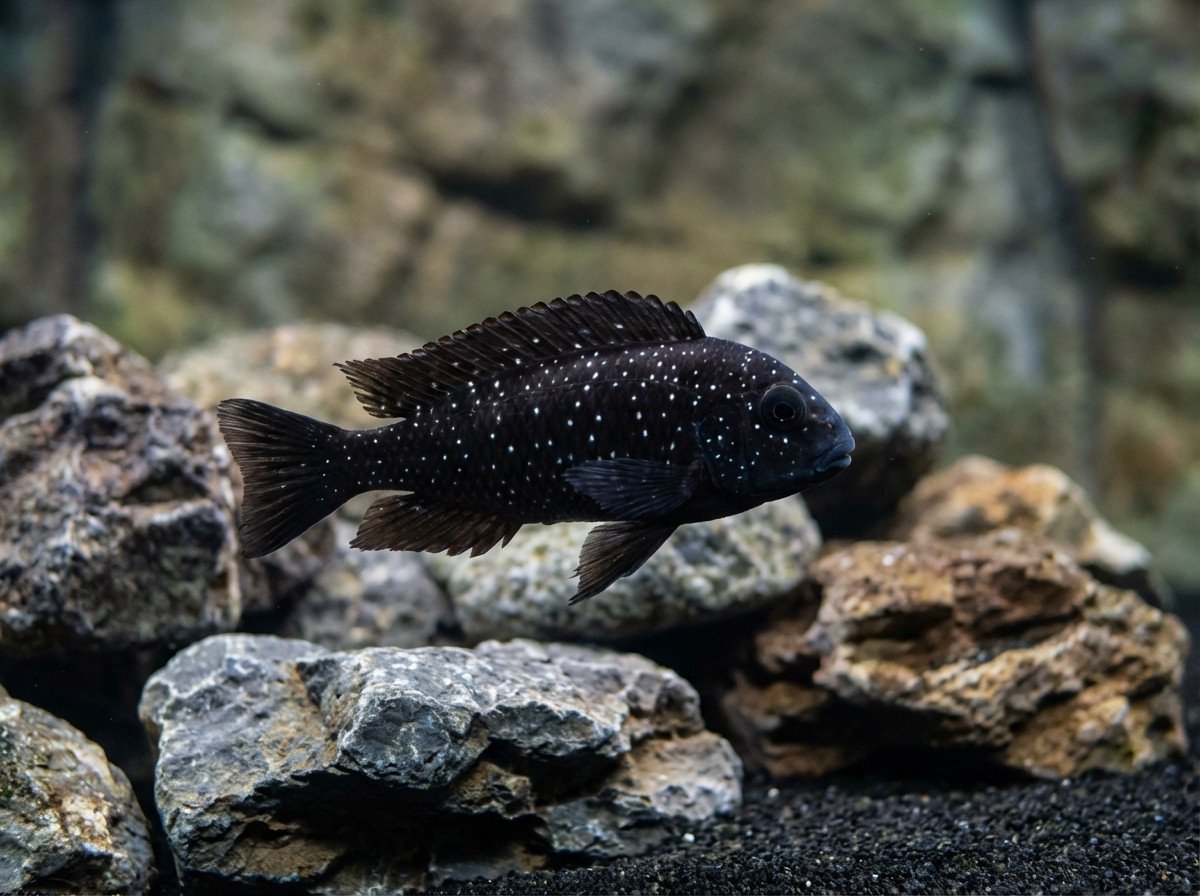
Explore the beauty of the White-Spotted Cichlid, scientifically known as Tropheus Duboisi. This fish is a top choice for beginners seeking Lake Tanganyika Cichlids. Learn about their ideal habitat, compatible tank mates, and care requirements to ensure they flourish in your aquarium.
In stock
The White-Spotted Cichlid, scientifically known as Tropheus Duboisi, is a stunning freshwater fish native to the unique ecosystem of Lake Tanganyika in East Africa. This lake, one of the oldest and deepest in the world, provides a rich habitat characterized by rocky shorelines and clear waters. The White-Spotted Cichlid is renowned for its vibrant coloration and distinctive patterns, making it a popular choice among aquarists who wish to recreate the beauty of Lake Tanganyika in their home aquariums. These fish typically exhibit a striking blue or yellow body adorned with white spots, which serve as a natural camouflage among the rocky substrates of their native habitat. Understanding their natural environment is crucial for successful care and maintenance in captivity.
| Optimal Living Conditions | |
|---|---|
| Water Temperature | 24-26°C (75-79°F) |
| pH Level | 8.1-8.4 |
| Water Hardness | 8-12 dKH |
| Minimum Tank Size | 200L (50 gal) |
| Salinity | 1.020-1.025 SG |
| Care Level | Intermediate |
The White-Spotted Cichlid thrives in a well-maintained aquarium that mimics its natural habitat. A minimum tank size of 50 gallons is recommended to provide ample swimming space and territory for these fish. The water temperature should be kept between 75°F and 82°F, with a pH level ranging from 7.8 to 9.0 to ensure optimal health. Regular monitoring of water hardness is also essential, with levels between 10 and 20 dGH being ideal. Maintaining these parameters will contribute to the overall well-being of your aquatic companions.
The White-Spotted Cichlid is known for its unique social behavior and territorial nature. In the wild, these fish are often found in small groups, displaying a range of swimming patterns that include darting and hovering near rocky structures. They are generally peaceful cichlids, but males can become territorial, especially during breeding periods. Understanding their social dynamics is essential for creating a harmonious community tank. It is recommended to keep a ratio of one male to several females to reduce aggression and promote natural behaviors. This species is also known for its curious nature, often exploring their environment and interacting with tank mates.
Creating an ideal environment for your White-Spotted Cichlid involves careful selection of substrate, decorations, and tank mates. A sandy substrate is preferred, as it mimics the natural lakebed and allows for burrowing behavior. Incorporating plenty of rocks, caves, and hiding spots is essential for providing territories and reducing stress among the fish. Live plants can also be included, but it is important to choose hardy species that can withstand the cichlid’s behavior. When setting up the tank, consider the layout to ensure there are multiple lines of sight and hiding places to promote natural behaviors. Additionally, ensure that the tank is equipped with proper filtration to maintain water quality, as cichlids are sensitive to changes in their environment.
Maintaining excellent water quality is crucial for the health of your White-Spotted Cichlid. Regular testing of water parameters such as pH, temperature, and hardness is essential to ensure a stable environment. The pH should be kept between 7.8 and 9.0, with a temperature range of 75°F to 82°F. Water hardness should be monitored to remain within the range of 10 to 20 dGH. Implementing a regular water change schedule of 20-30% every two weeks can help maintain water clarity and quality. Additionally, using a high-quality filtration system will aid in removing toxins and providing a healthy habitat for your aquatic friends.
Important Feeding Note
Provide a varied diet including high-quality cichlid pellets, spirulina flakes, and occasional live or frozen foods.
Feeding your White-Spotted Cichlid requires attention to their dietary needs to promote health and vibrant coloration. A balanced diet should consist of high-quality cichlid pellets, which are specifically formulated to meet the nutritional requirements of cichlids. Additionally, incorporating spirulina flakes can enhance their color and provide essential nutrients. Occasional treats of live or frozen foods such as brine shrimp or bloodworms can also be offered to stimulate natural hunting behaviors. Feed your fish once or twice a day, providing only what they can consume within a few minutes to prevent overfeeding and maintain water quality.
When considering tank mates for your White-Spotted Cichlid, it is essential to choose species that share similar water requirements and temperaments. Peaceful cichlids such as Chalinochromis brichardi are excellent companions, as they can coexist in a community tank without aggressive behavior. Other suitable tank mates include various species of tetras, catfish, and other Lake Tanganyika cichlids that are not overly aggressive. It is crucial to avoid keeping them with overly aggressive species, as this can lead to stress and territorial disputes. When introducing new fish, ensure that the tank is spacious enough to provide hiding spots and territories for all inhabitants.
Regular health checks are vital for ensuring the well-being of your White-Spotted Cichlid. Common health issues include ich, fin rot, and swim bladder disease. Observing your fish for any signs of distress, such as changes in behavior, loss of appetite, or visible lesions, is essential for early detection of potential problems. Maintaining optimal water quality and providing a balanced diet are critical factors in preventing health issues. In case of illness, it is advisable to quarantine affected fish and seek appropriate treatment as needed. Regular monitoring and prompt action can help maintain a healthy and thriving aquarium environment.
Breeding White-Spotted Cichlids can be a rewarding experience for aquarists. These fish are mouthbrooders, meaning that the female will carry the fertilized eggs in her mouth until they hatch. To encourage breeding, it is important to provide a suitable environment with plenty of hiding spots and stable water conditions. When a female is ready to spawn, she will display specific behaviors such as increased activity and a willingness to interact with the male. After spawning, the female will carry the eggs for approximately three weeks before releasing the fry. During this period, it is essential to provide a separate breeding tank or a designated area within the main tank to protect the fry from potential predators.
Introducing your White-Spotted Cichlid to a new aquarium environment requires a careful acclimation process to minimize stress. Begin by floating the sealed bag containing the fish in the aquarium for about 15-20 minutes to equalize the temperature. After this, gradually introduce small amounts of aquarium water into the bag over the course of an hour. This slow acclimation helps the fish adjust to the new water parameters. Once acclimated, gently release the fish into the tank, avoiding the introduction of bag water to maintain water quality. Monitoring the fish closely during the first few days in their new home will help ensure a smooth transition.
Providing long-term care for your White-Spotted Cichlid involves understanding their growth expectations and lifespan. These fish can grow to a maximum length of approximately 6 inches, depending on their environment and care. With proper care, they can live for 10 years or more in captivity. Regular monitoring of their health, water quality, and diet will contribute to their longevity. It is also important to be aware of their social dynamics and adjust tank mates as needed to maintain a peaceful community. By providing a stable environment and attentive care, you can ensure that your aquatic companions thrive for many years.
Recreating the natural habitat of the White-Spotted Cichlid in your aquarium is essential for their well-being. Incorporating rocks, caves, and sandy substrates will mimic the rocky shorelines of Lake Tanganyika, providing the fish with hiding spots and territories. Live plants can also be added, but it is crucial to select hardy species that can withstand the cichlid’s behavior. Additionally, maintaining stable water parameters similar to those found in their natural habitat will further enhance their health and activity levels. By focusing on biotope setup, you can create a thriving environment that reflects the beauty of Lake Tanganyika.
As seasons change, it is important to adjust the care provided to your White-Spotted Cichlid to accommodate varying environmental conditions. During warmer months, ensure that the water temperature remains stable and does not exceed the upper limit of their preferred range. In colder months, consider using a heater to maintain consistent temperatures. Additionally, adjusting lighting schedules to mimic natural daylight cycles can promote healthy behaviors and breeding activity. Regularly monitoring water parameters throughout the year will help ensure that your aquatic companions remain healthy and comfortable.
For those looking to enhance their care techniques for White-Spotted Cichlids, consider implementing advanced husbandry practices. Regularly rotating decorations and layouts can stimulate curiosity and reduce stress among the fish. Additionally, providing a varied diet that includes high-quality pellets, flakes, and occasional live food can promote vibrant coloration and overall health. Engaging with your fish through feeding routines and observation can also foster a deeper connection and understanding of their behaviors. By adopting these expert tips, you can create a thriving environment that supports the well-being of your aquatic friends.
Common issues faced by aquarists keeping White-Spotted Cichlids can often be addressed through careful observation and prompt action. If you notice signs of stress, such as hiding or erratic swimming, it may indicate water quality issues or inappropriate tank mates. Regularly testing water parameters can help identify potential problems before they escalate. In the case of illness, quarantine affected fish and seek appropriate treatment options. Maintaining a stable environment and being proactive in addressing concerns will contribute to a healthy and thriving aquarium.
The White-Spotted Cichlid belongs to the diverse family of cichlids, which are known for their remarkable adaptability and varied behaviors. As a species endemic to Lake Tanganyika, they play a crucial role in the lake’s ecosystem. Research on cichlid behavior and ecology has provided valuable insights into their social structures and breeding habits. Conservation efforts are essential to protect the delicate balance of Lake Tanganyika and its unique inhabitants. By understanding the scientific background of these fish, aquarists can appreciate their role in the ecosystem and the importance of responsible care.
For experienced aquarists looking to enhance their care for White-Spotted Cichlids, advanced techniques such as selective breeding can lead to unique color variations and improved health traits. Additionally, implementing a robust filtration system with biological and mechanical components can significantly improve water quality and stability. Regularly monitoring the fish’s behavior and health will allow for timely interventions and adjustments to their care routine. By adopting advanced techniques, you can contribute to the long-term well-being and vitality of your aquatic companions.
The White-Spotted Cichlid, or Tropheus Duboisi, thrives best in a spacious environment. A minimum tank size of 200 litres is recommended for a small group, as they are social fish that require ample swimming space. The tank should ideally be longer rather than taller, as these fish prefer horizontal swimming areas. Additionally, ensuring sufficient hiding spots and territories within the tank is essential to reduce aggression. A larger tank not only provides more room for movement but also helps maintain stable water parameters, which is critical for their health.
✓ Expert Tip
Consider using a tank with a footprint of at least 120 cm in length to accommodate their swimming habits.
White-Spotted Cichlids prefer stable water conditions that mimic their natural habitat in Lake Tanganyika. The ideal temperature range is between 24°C to 28°C. They thrive in slightly alkaline water with a pH of 7.8 to 9.0, and the hardness should be around 10-20 dGH. Regular water testing is crucial to maintain these parameters, as fluctuations can lead to stress and health issues. Ensure that the tank is well-filtered to keep the water clean and clear, and perform regular partial water changes to maintain optimal conditions.
✓ Expert Tip
Utilise a high-quality aquarium test kit to monitor water parameters regularly.
Feeding White-Spotted Cichlids should be done 2-3 times per day with a diet primarily consisting of high-quality spirulina flakes or pellets. These fish are herbivorous and require a diet rich in plant matter to thrive. It is important to provide only what they can consume within a few minutes to prevent overfeeding, which can lead to water quality issues. Supplementing their diet with blanched vegetables, such as courgette or spinach, can also enhance their nutrition and provide variety.
✓ Expert Tip
Introduce new foods gradually to avoid digestive upset.
When selecting tank mates for White-Spotted Cichlids, it is crucial to choose species that share similar water parameters and temperament. Suitable companions include other Tanganyikan cichlids, such as Julidochromis and Neolamprologus species, as well as certain peaceful bottom-dwellers like synodontis catfish. Avoid aggressive or overly large species that may intimidate or harass the Cichlids. It is advisable to introduce new fish gradually to minimise stress and allow for proper acclimatisation.
✓ Expert Tip
Consider keeping a larger group of White-Spotted Cichlids to promote natural social behaviour and reduce aggression.
Acclimatising your White-Spotted Cichlids is a crucial step to ensure their health and well-being. Begin by floating the sealed bag containing the fish in your aquarium for about 15-20 minutes to equalise the temperature. After this, gradually introduce aquarium water into the bag over a period of 1-2 hours, allowing the fish to adapt to the water chemistry. This method helps to minimise stress and shock. Once acclimatised, gently release the fish into the tank without adding the bag water to maintain water quality.
✓ Expert Tip
To further reduce stress, ensure that the aquarium is well-prepared with hiding places and stable conditions before introducing the fish.
Healthy White-Spotted Cichlids exhibit vibrant colouration, active swimming behaviour, and a good appetite. Their fins should be fully extended, and there should be no signs of lesions or abnormal growths on their bodies. Additionally, watch for signs of stress, such as hiding excessively or clamped fins, which may indicate poor water quality or compatibility issues. Regular observation is key; if any unusual behaviours or symptoms arise, it may be necessary to investigate further.
✓ Expert Tip
Keep a journal of your fish’s behaviour to help identify any changes over time.
Breeding White-Spotted Cichlids can be a rewarding challenge. To encourage breeding, maintain a stable environment with optimal water parameters and provide caves or flat surfaces for spawning. It is advisable to keep a ratio of one male to several females to reduce aggression. Once spawning occurs, the female will lay eggs on a flat surface, which the male will fertilise. Post-hatching, the fry should be separated from the adults to prevent predation. Feed the fry with finely crushed flake food or specialised fry food.
✓ Expert Tip
Maintain excellent water quality during breeding to maximise fry survival.
The ideal temperature for White-Spotted Cichlids ranges between 24°C and 28°C. Maintaining a consistent temperature within this range is crucial for their health and behaviour. Sudden fluctuations can lead to stress and increase susceptibility to diseases. A reliable aquarium heater should be used to ensure stable temperatures, and regular monitoring with a thermometer is recommended. During hot weather, consider using a fan or cooling system to prevent overheating.
✓ Expert Tip
Position the heater away from strong water currents to ensure even temperature distribution.
In captivity, White-Spotted Cichlids can live for approximately 10 to 15 years when provided with optimal care. Factors such as water quality, diet, and tank environment play significant roles in their longevity. Regular maintenance, including water changes and monitoring for diseases, can significantly contribute to their lifespan. Additionally, a stress-free environment with compatible tank mates can enhance their overall health and well-being.
✓ Expert Tip
Keep a consistent feeding schedule and monitor their health regularly to help ensure a long life.
White-Spotted Cichlids prefer a substrate that mimics their natural habitat. A sandy substrate is ideal, as it allows for natural digging behaviour and is gentle on their delicate fins. Avoid sharp or coarse substrates, which can injure the fish. Additionally, incorporating smooth rocks and caves can provide essential hiding spots and breeding locations, contributing to a more enriching environment. Regular substrate cleaning should also be performed to maintain water quality.
✓ Expert Tip
Consider using a layer of fine gravel beneath the sand for better filtration and stability.
White-Spotted Cichlids are known for their active and social behaviour. They often establish territories within the tank, particularly during breeding periods. Males can exhibit more aggressive behaviour towards each other, especially when vying for female attention. These fish enjoy foraging among rocks and sand, so providing ample hiding spots and structures will encourage natural behaviours. Observing their interactions can be fascinating, as they communicate through body language and subtle displays.
✓ Expert Tip
Regularly rearranging decorations can stimulate their curiosity and reduce territorial disputes.
Preventing diseases in White-Spotted Cichlids involves maintaining optimal water quality and a stable environment. Regular water changes, proper filtration, and avoiding overfeeding are crucial steps. Additionally, quarantine new fish before introducing them to your main tank to prevent the spread of pathogens. Monitoring your fish for signs of stress or illness, such as changes in behaviour or appearance, allows for early intervention. Providing a varied diet can also enhance their immune system, making them less susceptible to diseases.
✓ Expert Tip
Consider using aquarium salt in moderation to enhance gill function and overall health.
White-Spotted Cichlids thrive in moderate lighting conditions. Bright, direct light can cause stress, so it is advisable to use subdued lighting or provide shaded areas within the tank using plants or decorations. A light cycle of around 10-12 hours per day is optimal, as it mimics their natural environment and promotes healthy behaviours. Be mindful of algae growth, which can occur under excessive lighting, and consider using a quality aquarium light with adjustable settings.
✓ Expert Tip
Regularly clean your lighting fixtures to ensure optimal light penetration and reduce algae growth.
Recognising stress in White-Spotted Cichlids is vital for their well-being. Signs of stress may include hiding excessively, clamped fins, lethargy, or unusual swimming patterns. Additionally, changes in colouration, such as dulling or darkening, can indicate stress. Environmental factors such as poor water quality, aggressive tank mates, or sudden changes in temperature can contribute to stress. Regular observation and prompt action, such as improving water conditions or rearranging tank mates, can help alleviate stress.
✓ Expert Tip
Maintain a stable environment and reduce sudden changes to minimise stress levels.
To create a suitable habitat for White-Spotted Cichlids, mimic the rocky, sandy substrate and the slightly alkaline waters of Lake Tanganyika. Incorporate smooth rocks and caves that provide hiding spots, as these fish are naturally territorial and require secure areas. Maintain stable water parameters, including temperature and pH, as mentioned previously. Regular maintenance, including water changes and substrate cleaning, is essential to replicate their natural environment effectively.
✓ Expert Tip
Research other species from Lake Tanganyika to enhance your aquarium’s biodiversity and replicate the ecosystem.



Emily Carter (verified owner) –
I recently added the White-Spotted Cichlid (Tropheus Duboisi) to my aquarium, and I couldn’t be more thrilled! As an experienced hobbyist, I’ve kept various freshwater fish over the years, but this beautiful species has quickly become my favorite. The vibrant colors and distinct white spots are absolutely captivating, making my 75-gallon tank come alive!
After about two months, I’ve noticed how active and curious these cichlids are. They’ve shown a remarkable personality, interacting not only with their environment but also with the other fish. It’s heartwarming to see them thrive in a well-maintained tank. They seem to prefer a varied diet, so I make sure to include high-quality pellets and some blanched veggies.
While I did have to be cautious about their territorial nature, setting up plenty of hiding spots and territories has really helped. Compared to other cichlid species I’ve owned, the Duboisi is much less aggressive, which is a bonus for my community tank.
I highly recommend the White-Spotted Cichlid to anyone looking to add a touch of beauty and personality to their aquarium. If you’re a caring fish parent like me, you’ll appreciate how they bring life to your tank and enhance its overall health. Truly a fantastic purchase!