
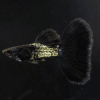
Platinum Red Tail Guppy Pair (1 Male + 1 Female) – Poecilia Reticulata

Original price was: £20.49.£17.42Current price is: £17.42.
Welcome these beautiful Guppy Poecilia Ret pairs, featuring stunning Platinum Red Tails. Ideal for beginners, they thrive in community tanks, adding vibrant colors to your aquarium. Includes one male and one female, perfect for aquarists seeking peaceful companions. Discover guppy care tips today!
In stock


Species Introduction
The Guppy, scientifically known as Poecilia reticulata, is a small freshwater fish that has captured the hearts of aquarium enthusiasts worldwide. Originating from the tropical regions of Central and South America, particularly in countries like Trinidad and Venezuela, these fish thrive in shallow waters, streams, and ponds. Guppies are known for their vibrant colors and graceful swimming patterns, making them a popular choice for both beginner and experienced aquarists. Their adaptability to various water conditions and peaceful nature makes them ideal for community tanks. With their stunning array of colors, particularly the Platinum Red Tail Guppy, they add a splash of life to any aquarium setup. These fish are not only visually appealing but also play an important role in the aquatic ecosystem, contributing to the balance of their natural habitats. As a keeper, you will find joy in caring for these beautiful creatures, providing them with the optimal conditions they need to thrive.
Care Requirements Dashboard
Essential Care Guide for Your Guppy Poecilia Ret in Pairs Platinum Red Tail Guppies (1 Male + Female)
| Optimal Living Conditions | |
|---|---|
| Water Temperature | 24-27°C (75-81°F) |
| pH Level | 6.5-7.5 |
| Water Hardness | 4-12 dKH |
| Minimum Tank Size | 80L (20 gal) |
| Salinity | Freshwater |
| Care Level | Beginner Friendly |
✓ Care Level: Easy
Feeding & Nutrition
Feeding your Guppy pairs a balanced and nutritious diet is key to their overall health and vibrant coloration. Guppies are omnivorous and thrive on a varied diet that includes high-quality flake foods, pellets, and live or frozen foods such as brine shrimp, daphnia, and bloodworms. A well-rounded diet will not only support their growth but also enhance their colors and vitality. It is recommended to feed them small amounts 2-3 times a day, ensuring that they consume all the food within a few minutes to prevent overfeeding and maintain water quality. Additionally, incorporating vegetable matter such as spirulina flakes or blanched vegetables like zucchini can provide essential nutrients and fiber. Monitor their feeding habits and adjust portion sizes accordingly to prevent obesity. Regularly varying their diet will keep them engaged and healthy, allowing them to thrive in your aquarium. Remember to remove any uneaten food after feeding to maintain water quality.
Natural Behavior & Temperament
Guppies are known for their lively and social nature, making them a delightful addition to any community tank. They are peaceful fish that generally get along well with other species, which is why they are often recommended for beginners. In their natural habitat, guppies are graceful swimmers, often found darting through vegetation and exploring their surroundings. They exhibit playful behavior, often engaging in social interactions with one another. Male guppies are particularly known for their vibrant colors and elaborate fins, which they display during courtship rituals. It is common to witness males chasing females in a dance-like manner, showcasing their beauty and vitality. This behavior not only adds to the aesthetic appeal of your aquarium but also contributes to a dynamic and engaging environment. Providing plenty of hiding spots and plants in the tank will help mimic their natural habitat and encourage natural behaviors, allowing them to feel secure and thrive.
Tank Setup Guide
Setting up a tank for your Guppy pairs involves creating an environment that replicates their natural habitat while ensuring their comfort and safety. Begin with a minimum tank size of 10 gallons to provide ample swimming space. The substrate can be fine gravel or sand, allowing for easy cleaning and natural foraging behavior. Incorporating live or artificial plants is highly recommended, as they not only enhance the aesthetic appeal of the aquarium but also provide hiding spots and breeding areas for your guppies. Floating plants can help diffuse lighting and create a more natural setting. Additionally, consider adding decorations such as caves or driftwood to create territories and encourage exploration. Ensure that the tank is equipped with a reliable filtration system to maintain water quality, as guppies are sensitive to poor water conditions. A heater may also be necessary to maintain the optimal temperature range. Lighting should be moderate, as excessive brightness can stress these fish. Regular maintenance, including water changes and substrate cleaning, will help keep the tank environment healthy and thriving for your guppy friends.
Water Quality Management
Maintaining optimal water quality is crucial for the health and longevity of your Guppy pairs. Regular testing of water parameters is essential to ensure a stable environment. The ideal pH level for guppies ranges from 6.8 to 7.8, which can be monitored using aquarium test kits. It’s important to maintain a consistent water temperature between 72-82°F (22-28°C), as fluctuations can lead to stress and health issues. Using a reliable heater and thermometer will help you achieve this. Water hardness should be kept between 5-20 dGH, which can be adjusted using various additives if necessary. Regular water changes, typically 20-30% weekly, will help dilute harmful substances and replenish essential minerals. Additionally, using a high-quality water conditioner will remove chlorine and chloramines from tap water, making it safe for your fish. Monitoring ammonia, nitrite, and nitrate levels is also vital, as elevated levels can be toxic to guppies. Keeping a close eye on these parameters will ensure a healthy and thriving environment for your aquatic companions.
Compatibility Guide
Guppies are known for their peaceful nature, making them excellent candidates for community tanks. They can coexist harmoniously with a variety of other species, including tetras, rasboras, and other small, non-aggressive fish. However, it is essential to avoid keeping them with larger or more aggressive species that may see them as prey. When selecting tank mates, consider the size and temperament of the fish to ensure a peaceful environment. Guppies thrive in groups, so it is advisable to keep them in pairs or small schools to promote social behavior. Additionally, be cautious when introducing new fish to the tank, as this can lead to territorial disputes. Quarantining new arrivals before adding them to the main tank can help prevent the spread of diseases. Regular observation of your fish will help you identify any signs of stress or aggression, allowing you to make necessary adjustments to their living arrangements.
Health & Wellness
Ensuring the health and wellness of your Guppy pairs is paramount to their longevity and vitality. Regular monitoring of water quality, diet, and behavior will help you identify potential health issues early. Common problems in guppies include fin rot, ich, and swim bladder disease. Maintaining optimal water conditions is the first line of defense against these ailments. If you notice any signs of distress, such as lethargy, loss of appetite, or unusual swimming patterns, it is crucial to investigate and address the underlying causes. Quarantine any sick fish to prevent the spread of disease to the rest of the tank. Providing a stress-free environment with plenty of hiding spots and stable conditions will contribute to their overall well-being. Regularly checking for signs of parasites or infections and consulting with an aquatic veterinarian when necessary will help you keep your guppies healthy and thriving.
Breeding Information
Breeding guppies can be a rewarding experience for aquarists looking to expand their aquatic family. Guppies are livebearers, meaning they give birth to live young rather than laying eggs. To breed guppies successfully, it’s important to maintain a separate breeding tank with optimal conditions. A tank size of at least 10 gallons is recommended, with plenty of plants and hiding spots for the fry. The ideal breeding conditions include a temperature of 78-82°F (25-28°C) and a pH level of 7.0-7.5. When a female guppy is pregnant, she will exhibit a dark spot near her abdomen, indicating that she is ready to give birth. After a gestation period of approximately 4-6 weeks, the female will give birth to 20-100 fry at a time. It’s crucial to remove the adult fish from the breeding tank after spawning to prevent them from eating the fry. The fry can be fed specialized fry food or crushed flakes until they are large enough to consume regular food. Providing a safe environment for the fry to grow will ensure their survival and growth into healthy adult guppies.
Acclimation Process
Acclimating your new Guppy pairs to their new environment is a critical step to ensure their health and comfort. When introducing them to your aquarium, it is important to do so gradually to minimize stress. Begin by floating the sealed bag containing the guppies in the tank for about 15-20 minutes. This allows the temperature inside the bag to equalize with the tank water. Afterward, gradually introduce small amounts of tank water into the bag every 5-10 minutes for about an hour. This process helps the guppies adjust to the water parameters of their new home. Once acclimated, gently release the guppies into the tank using a net to avoid adding any transport water that may contain harmful substances. Monitor their behavior closely for the first few days to ensure they are adjusting well. Providing a stress-free environment with plenty of hiding spots will help them acclimate more comfortably.
Long-term Care
Long-term care for your Guppy pairs involves regular maintenance and attention to their needs throughout their lifecycle. Guppies typically have a lifespan of 2-3 years, but with proper care, they can live longer. Regular water changes, typically 20-30% weekly, are essential to maintain water quality and prevent the buildup of harmful substances. Monitoring their diet and ensuring they receive a balanced nutrition will contribute to their overall health and vibrant coloration. Additionally, keeping an eye on their behavior and health will allow you to address any issues promptly. Regularly checking for signs of stress, disease, or aggression among tank mates is crucial. Providing a stable environment with consistent water parameters will help your guppies thrive. Remember to replace any aging equipment, such as filters and heaters, to ensure optimal performance. By dedicating time and effort to their care, you will enjoy the beauty and companionship of your guppy friends for years to come.
Natural Habitat Recreation
Recreating the natural habitat of guppies in your aquarium enhances their well-being and encourages natural behaviors. In the wild, guppies inhabit shallow waters with plenty of vegetation, which provides cover and breeding grounds. To mimic this environment, incorporate live or artificial plants, such as Java moss, Anubias, or floating plants, to create a lush underwater landscape. Using fine gravel or sand as substrate will allow for natural foraging behavior. Additionally, adding driftwood or rocks can create hiding spots and territories, promoting a sense of security for your guppies. Ensure that the tank is well-lit but not overly bright, as guppies prefer moderate lighting conditions. Regularly trimming and maintaining the plants will help keep the environment healthy and visually appealing. By providing a biotope that resembles their natural habitat, you will create a thriving ecosystem that benefits both your guppies and the overall health of your aquarium.
Seasonal Care Adjustments
Seasonal changes can impact the conditions in your aquarium, and it is important to make necessary adjustments to ensure the well-being of your Guppy pairs. During warmer months, ensure that the water temperature does not exceed 82°F (28°C), as higher temperatures can stress guppies and lead to health issues. Using fans or air conditioning can help maintain a stable environment. Conversely, in colder months, it is essential to monitor the water temperature closely, as fluctuations can be harmful. A reliable heater should be used to maintain the ideal temperature range. Additionally, adjusting the lighting schedule during winter months may be necessary to mimic natural daylight cycles and promote healthy growth. Regularly testing water parameters throughout the year will help you identify any changes that may require attention. By being proactive and responsive to seasonal changes, you can create a stable and comfortable environment for your aquatic companions.
Expert Tips
As you embark on your journey of caring for Guppy pairs, consider these expert tips to enhance your experience and ensure the well-being of your fish friends. First and foremost, invest in a quality water testing kit to regularly monitor water parameters. This will help you maintain a stable environment and prevent potential health issues. Additionally, consider keeping a journal to track water changes, feeding schedules, and any observations about your guppies’ behavior. This can provide valuable insights into their needs and preferences. When selecting tank mates, prioritize peaceful species that share similar water requirements. Avoid overcrowding the tank, as this can lead to stress and health problems. Lastly, don’t hesitate to reach out to local aquarist communities or forums for support and advice. Engaging with fellow enthusiasts can provide valuable knowledge and resources to enhance your guppy-keeping experience.
Troubleshooting
Even with the best care, issues may arise in your aquarium. Being prepared to troubleshoot common problems will help you maintain a healthy environment for your Guppy pairs. If you notice signs of stress, such as hiding or erratic swimming, check the water parameters immediately. Elevated ammonia or nitrite levels can be harmful, and taking immediate action, such as performing a water change, may be necessary. If your guppies are showing signs of disease, such as white spots or frayed fins, it is important to identify the issue promptly and take appropriate measures. Quarantine affected fish to prevent the spread of illness and consult with an aquatic veterinarian if needed. Additionally, if you observe aggressive behavior among tank mates, consider rearranging the tank layout or adding more hiding spots to reduce territorial disputes. By being vigilant and proactive, you can address issues before they escalate, ensuring a thriving environment for your aquatic companions.
Scientific Background
The Guppy, or Poecilia reticulata, belongs to the family Poeciliidae and is one of the most studied freshwater fish species in the world. They are often used in scientific research due to their rapid reproduction rates and adaptability to various environments. Guppies have been observed to exhibit sexual dimorphism, with males displaying bright colors and elaborate fins to attract females. This characteristic has made them a popular choice for aquarists and breeders alike. In their natural habitat, guppies play a vital role in the ecosystem, contributing to the control of algae and detritus. Conservation efforts are essential to protect their natural habitats, as urbanization and pollution pose significant threats to their populations. By understanding their scientific background, aquarists can appreciate the importance of providing optimal care and creating a sustainable environment for these beautiful creatures.
Advanced Care Techniques
For those looking to take their guppy care to the next level, consider implementing advanced techniques to enhance their living conditions. One approach is to establish a breeding program to selectively breed for specific traits, such as color patterns or fin shapes. This requires careful monitoring of genetics and understanding the principles of inheritance. Additionally, consider introducing a natural filtration system using live plants, which can help maintain water quality while providing additional habitat for your guppies. Regularly rotating tank decorations and plants can also stimulate their environment and encourage natural behaviors. Engaging in regular observation and documenting changes in behavior or health can provide valuable insights into their needs. By applying these advanced care techniques, you will not only enhance the quality of life for your guppy pairs but also deepen your understanding and appreciation of these remarkable aquatic companions.
Frequently Asked Questions
Q: What tank size is required for Guppy Poecilia Ret?
For Guppy Poecilia Ret, a minimum tank size of 40 litres is recommended. This size provides ample space for swimming and helps maintain stable water conditions. Guppies are social fish and thrive in groups, so a larger tank will accommodate more individuals, enhancing their vibrant behaviour and interactions. Ensure the tank is well-planted and has hiding spots to mimic their natural habitat, which promotes their well-being. Regular water changes and good filtration will also contribute to a healthy environment.
✓ Expert Tip
Consider a larger tank if you plan to breed or keep more than one pair, as this will help reduce stress and territorial disputes.
Q: What water parameters do Guppy Poecilia Ret require?
Guppy Poecilia Ret thrive in a pH range of 6.8 to 7.8, with a temperature between 24°C to 28°C. They prefer soft to moderately hard water, with a hardness of 5-20 dGH. Regular testing of water parameters is essential to ensure these conditions are maintained, as fluctuations can stress the fish. Use a reliable water conditioner to remove harmful chemicals and ensure the water is safe before introducing your guppies. Maintaining optimal water quality will contribute to their health and vibrant colours.
✓ Expert Tip
Invest in a good quality water testing kit to regularly monitor your tank’s parameters.
Q: How often should I feed Guppy Poecilia Ret?
Guppy Poecilia Ret should be fed small amounts two to three times a day. Use high-quality flakes or pellets formulated for tropical fish, complemented by live or frozen foods such as brine shrimp or daphnia to enhance their colour and health. Be cautious not to overfeed, as uneaten food can degrade water quality. After feeding, observe your fish; they should consume the food within a few minutes. Regular feeding schedules will promote growth and vitality amongst your aquatic companions.
✓ Expert Tip
Incorporate a variety of foods to ensure a balanced diet and vibrant colours.
Q: What are the best tank mates for Guppy Poecilia Ret?
Guppy Poecilia Ret are peaceful fish and can coexist with various species. Ideal tank mates include other small, non-aggressive fish such as Neon Tetras, Corydoras Catfish, and Endler’s Livebearers. Avoid larger or aggressive species that may bully or consume your guppies. Introducing fish of similar size and temperament will create a harmonious community. Always monitor interactions, especially when adding new fish, to ensure compatibility and reduce stress.
✓ Expert Tip
Consider keeping a mixed-gender group for social interaction, but be mindful of breeding.
Q: How do I properly acclimatise Guppy Poecilia Ret to my aquarium?
To acclimatise your Guppy Poecilia Ret, start by floating the sealed bag containing the fish in your aquarium for about 15 minutes. This allows the water temperature to equalise. After that, gradually introduce small amounts of aquarium water into the bag every 5 minutes for about 30 minutes. This process helps the fish adjust to the water parameters. Once acclimatised, gently release the guppies into the tank using a net to avoid adding any bag water, which may contain contaminants.
✓ Expert Tip
Always acclimatise new fish slowly to reduce stress and promote health.
Q: What are the signs of healthy Guppy Poecilia Ret?
Healthy Guppy Poecilia Ret exhibit vibrant colours, active swimming behaviour, and clear, bright eyes. They should not display signs of distress, such as erratic swimming, hiding excessively, or clamped fins. Regular feeding and social interaction are also good indicators of their well-being. It’s crucial to observe their behaviour regularly; any sudden changes may indicate stress or disease, necessitating immediate attention to water quality and tank conditions.
✓ Expert Tip
Keep a close watch on your guppies after introducing new fish to the tank.
Q: How do I successfully breed Guppy Poecilia Ret?
Breeding Guppy Poecilia Ret is relatively straightforward. Ensure you have both a male and female in your tank. Provide plenty of hiding spots with plants or decorations for the fry. The female guppy will give birth to live young, often every 28 days. Once the fry are born, remove them to a separate tank or provide ample cover to protect them from being eaten by adults. Feed the fry a diet of finely crushed flakes or specialised fry food to ensure healthy growth.
✓ Expert Tip
Consider keeping a breeding box if you wish to separate the fry from adults for better survival rates.
Q: What temperature should I maintain for Guppy Poecilia Ret?
The ideal temperature range for Guppy Poecilia Ret is between 24°C to 28°C. Maintaining this temperature is crucial for their health and breeding success. Use a reliable aquarium heater and thermometer to ensure stable conditions, as drastic temperature fluctuations can lead to stress and illness. Regularly monitor the temperature, especially during seasonal changes or power outages, to ensure your aquatic companions remain comfortable.
✓ Expert Tip
Consider using a heater with a thermostat to maintain consistent temperatures.
Q: How long do Guppy Poecilia Ret typically live in captivity?
In captivity, Guppy Poecilia Ret can live for approximately 2 to 3 years, provided they are given proper care. Factors such as water quality, tank conditions, and diet significantly influence their lifespan. Regular maintenance, including water changes and monitoring for diseases, will help extend their lives. Healthy guppies are more resilient to stress and illness, ensuring they thrive in your aquarium.
✓ Expert Tip
Keep a consistent routine for feeding and maintenance to promote their longevity.
Q: What type of substrate is most suitable for Guppy Poecilia Ret?
Guppy Poecilia Ret prefer a fine substrate, such as sand or small gravel, which mimics their natural habitat. These substrates allow for easy plant growth and provide a comfortable environment for the fish. Additionally, live plants can be beneficial, as they contribute to water quality and provide hiding spots. Avoid sharp substrates that may injure their delicate fins. Regularly clean the substrate to prevent waste accumulation and maintain a healthy tank.
✓ Expert Tip
Incorporate plants to enhance both aesthetics and the environment for your guppies.
Q: What behavioural patterns should I expect from Guppy Poecilia Ret?
Guppy Poecilia Ret are known for their lively and curious nature. They often swim in the mid to upper levels of the tank, displaying playful behaviour. Male guppies may exhibit territorial behaviour, particularly during mating displays, but generally, they are peaceful. You will notice them interacting with one another, establishing a social hierarchy. Providing plenty of plants and decorations will encourage natural behaviours and reduce stress in your aquarium.
✓ Expert Tip
Observe their behaviour regularly to ensure they are comfortable and healthy.
Q: How can I prevent common diseases in Guppy Poecilia Ret?
Preventing common diseases in Guppy Poecilia Ret involves maintaining optimal water quality and reducing stress. Regular water changes, avoiding overfeeding, and monitoring tank mates will help keep your fish healthy. Quarantine new arrivals for at least two weeks before introducing them to your main tank to prevent disease transmission. Additionally, keep an eye out for signs of illness, such as changes in behaviour or appearance, and act promptly to address any issues.
✓ Expert Tip
Consider adding aquarium salt when treating common ailments, but consult with a specialist first.
Q: What lighting conditions do Guppy Poecilia Ret prefer?
Guppy Poecilia Ret thrive in moderate lighting conditions. Bright lighting can stress them, particularly if there are no hiding spots. Use LED lights or fluorescent tubes that simulate natural daylight without being excessively bright. A light cycle of around 10-12 hours a day is ideal, promoting plant growth and keeping your fish active. Additionally, consider adding floating plants to diffuse light and create a more natural environment.
✓ Expert Tip
Adjust lighting intensity to match the time of day for a more natural habitat.
Q: How do I recognise stress in Guppy Poecilia Ret?
Recognising stress in Guppy Poecilia Ret involves observing their behaviour and physical condition. Signs of stress include hiding excessively, erratic swimming, clamped fins, and loss of colour vibrancy. Additionally, they may refuse food or display aggression towards tank mates. If you notice any of these symptoms, investigate potential causes such as poor water quality, overcrowding, or inappropriate tank mates. Addressing these issues promptly will help restore their health and well-being.
✓ Expert Tip
Create a stress-free environment with plenty of plants and hiding spots.
Q: What natural habitat conditions should I replicate for Guppy Poecilia Ret?
To replicate the natural habitat of Guppy Poecilia Ret, create a well-planted aquarium with plenty of vegetation and hiding spots. Using a substrate of fine sand or gravel will mimic their natural environment. Incorporate floating plants and decorations to provide shelter and reduce stress. Maintaining a warm temperature, stable pH, and good water quality is crucial for their health. Additionally, ensure gentle water movement to simulate their natural habitat, which includes slow-moving streams and ponds.
✓ Expert Tip
Consider using driftwood and rocks to enhance the aesthetic and provide more hiding spaces.
2 reviews for Platinum Red Tail Guppy Pair (1 Male + 1 Female) – Poecilia Reticulata
Add a review
Related products




Emily Carter (verified owner) –
I recently purchased a pair of Platinum Red Tail Guppies, and I couldn’t be more thrilled! After about two weeks in my 20-gallon tank, they have truly brightened my aquarium. The male is stunning with his vibrant red tail, and the female is a delicate contrast with her shimmering body. As a caring fish parent, I prioritize the health and happiness of my aquatic friends, and these guppies have been nothing but lively and curious.
I’ve kept guppies for years, and I can confidently say these are among the best I’ve ever had. Their colors are more striking than other varieties I’ve owned, and they acclimated quickly to my tank conditions, which I credit to the quality of this pair.
Shipping was prompt, and they arrived healthy, which is always a concern with live fish. If you’re considering starting out in the guppy world or adding to your collection, this pair is perfect for beginners and experienced aquarists alike. Just make sure to provide plenty of plants and hiding spots as they love to explore!
Only minor note—keep an eye on your water parameters, as guppies thrive with stability. Overall, I wholeheartedly recommend these cute little fish to anyone looking to enhance their tank’s beauty!
Emily Carter (verified owner) –
I recently purchased the Platinum Red Tail Guppies (1 male + 1 female), and I couldn’t be happier! As a caring fish parent, I truly appreciate the vibrant colors these guppies bring to my tank. Their bright red tails and playful nature make them a delightful addition to my aquarium. After just two weeks, I’ve observed them settling in beautifully; they swim happily and interact with each other as well as with the other residents. It’s been so rewarding to watch them thrive!
One of the best features of these guppies is their ease of care — perfect for beginners like me. Their breeding habits are fascinating, and I’ve already started to learn a lot about guppy breeding from this pair. Compared to some other beginner fish I’ve kept, these guppies are much more vibrant and active, making my tank feel alive!
If you’re looking to start your aquarium journey or just want to brighten up your current setup, I highly recommend these guppies. They are not only beautiful but also contribute to a lively, healthy aquatic environment. Just make sure to have a proper filtration system in place, as they do thrive best in clean, well-aerated water. You won’t regret adding these charming little fish to your collection!