
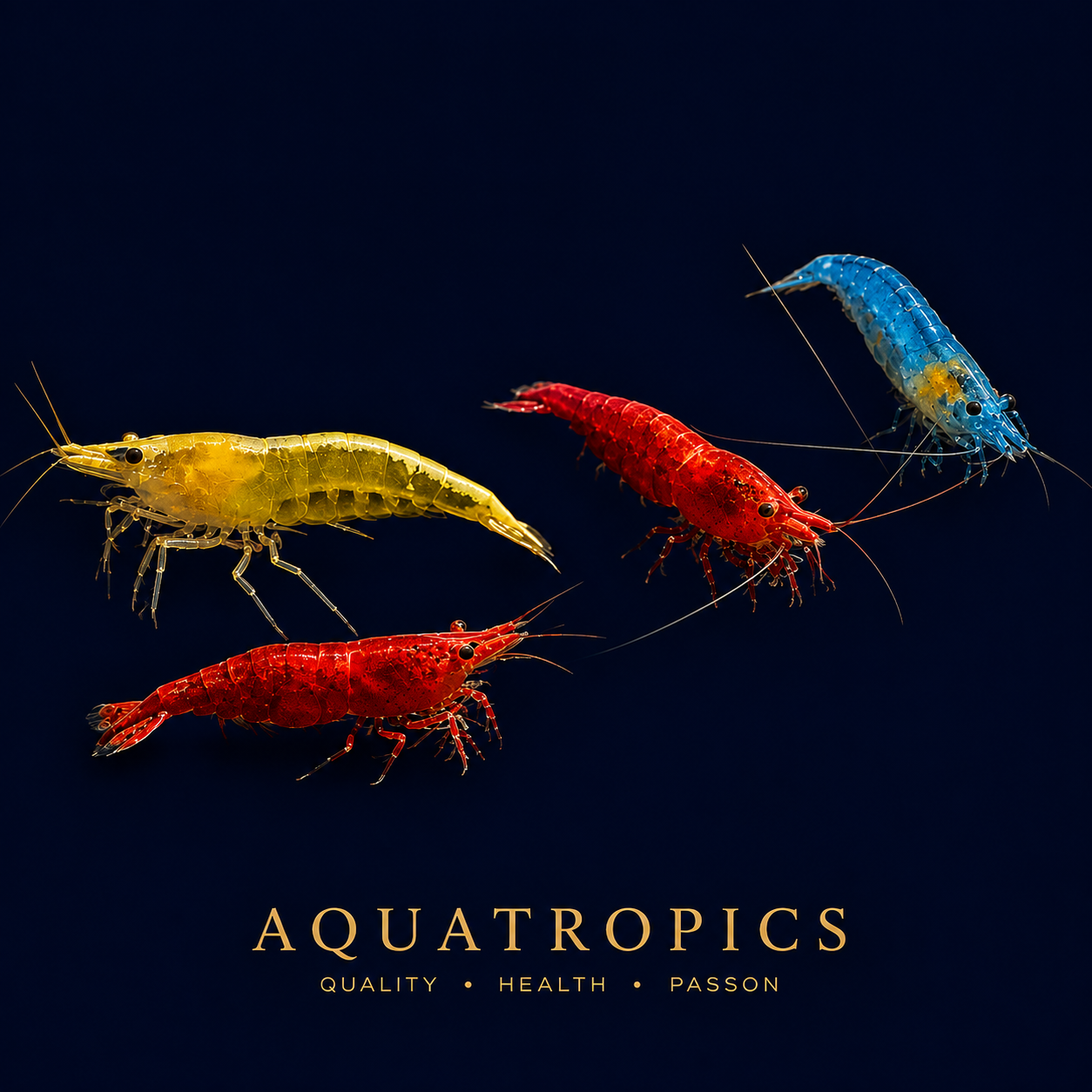
10 X Assorted Cherry Shrimp – Neocaridina Davidi – Algae Eater
Original price was: £23.99.£20.32Current price is: £20.32.
Welcome these beautiful 10 assorted Cherry Shrimps Neocaridina Davidi into your freshwater aquarium. Known for their vibrant colors and algae-eating abilities, these peaceful companions enhance your tank’s beauty while thriving in optimal conditions. Perfect for all aquarists!
In stock
Species Introduction
Welcome these beautiful creatures, the Cherry Shrimp, scientifically known as Neocaridina davidi. These vibrant and flourishing freshwater shrimp are popular among aquarium enthusiasts. Originating from the streams and rivers of Southeast Asia, particularly Taiwan, they thrive in various freshwater habitats. Their natural environment consists of densely vegetated areas with numerous hiding spots, providing shelter from predators and serving as a food source as they graze on algae and detritus.
Key Features – 10 X Assorted Cherry Shrimps Neocaridina Davidi Algae Eater Fresh Water Aquarium
| Specification | Details |
|---|---|
| Benefits | Enhances your aquarium ecosystem |
| Quality | Premium aquarium-grade materials |
| Ease of Use | Simple setup and maintenance |
Care Requirements Dashboard
✓ Care Level: Easy
Tank Size: Minimum 10 gallons
Water Temperature: 65°F – 80°F (18°C – 27°C)
pH Level: 6.5 – 8.0
Hardness: 4 – 8 dGH
Cherry Shrimps are relatively easy to care for, making them suitable for beginner fishkeepers. They thrive in a well-maintained aquarium with stable water parameters. A minimum tank size of 10 gallons is recommended to provide ample space for swimming and foraging. The ideal water temperature for Cherry Shrimps ranges between 65°F and 80°F, with a pH level of 6.5 to 8.0. Maintaining a hardness level of 4 to 8 dGH is crucial for their overall health. Regular water changes and monitoring of water quality will help ensure a thriving environment for these beautiful creatures.
Natural Behavior & Temperament
Cherry Shrimps exhibit fascinating natural behaviors that enhance the dynamics of a community tank. They are generally peaceful and social creatures, often seen grazing on algae and organic matter throughout the aquarium. Their natural behavior includes scavenging and foraging, which helps maintain a clean environment. They thrive in groups, so it is recommended to keep them in small colonies of at least 6-10 individuals. This not only promotes their natural social behavior but also reduces stress levels. Cherry Shrimps are known for their active nature, frequently exploring their surroundings and interacting with other tank inhabitants. Their vibrant colors and lively movements make them a delightful addition to any aquarium.
Tank Setup Guide
Creating an ideal environment for Cherry Shrimps involves careful consideration of tank setup. A well-planted aquarium with plenty of hiding spots is essential for their comfort and security. Use a substrate that allows for easy planting, such as fine gravel or sand, and incorporate a variety of aquatic plants like Java moss, Anubias, and Hornwort. These plants not only provide cover but also serve as a food source for the shrimps. Additionally, include decorations such as driftwood and rocks to create territories and enhance the aesthetic appeal of the aquarium. Ensure that the tank has a gentle filtration system to maintain water quality without creating strong currents, as Cherry Shrimps prefer calm waters.
Water Quality Management
Maintaining optimal water quality is crucial for the health and well-being of Cherry Shrimps. Regular testing of water parameters such as pH, temperature, and hardness is essential. The ideal pH level for Cherry Shrimps ranges from 6.5 to 8.0, with a temperature range of 65°F to 80°F. It is important to avoid sudden fluctuations in these parameters, as they can stress the shrimps and lead to health issues. Regular water changes of 10-20% weekly will help maintain water quality and remove any accumulated waste. Additionally, using a high-quality water conditioner can help eliminate harmful chemicals and chlorines from tap water, ensuring a safe environment for your aquatic companions.
Feeding & Nutrition
✓ Feeding Schedule: Daily
Diet: Algae, biofilm, commercial shrimp food, blanched vegetables.
Cherry Shrimps are omnivorous and thrive on a varied diet. In their natural habitat, they feed on algae, biofilm, and decomposing organic matter. In an aquarium setting, it is important to provide a balanced diet that includes high-quality commercial shrimp food, which is specifically formulated to meet their nutritional needs. Additionally, incorporating blanched vegetables such as zucchini, spinach, and carrots can enhance their diet and promote healthy growth. Feeding should occur once daily, ensuring that any uneaten food is removed to maintain water quality. Observing their feeding behavior can also be a delightful experience, as they actively forage and explore their food sources.
Compatibility Guide
When considering tank mates for Cherry Shrimps, it is essential to choose peaceful species that will not pose a threat to their well-being. Ideal companions include small, non-aggressive fish such as Neon Tetras, Guppies, and Corydoras Catfish. These fish generally coexist harmoniously with Cherry Shrimps and contribute to a vibrant community tank. However, it is crucial to avoid larger or aggressive fish that may see the shrimps as food. Species such as Betta fish and Cichlids should be avoided, as they can harm or consume Cherry Shrimps. By carefully selecting compatible tank mates, you can create a thriving aquatic environment that showcases the beauty of these shrimps while ensuring their safety.
Health & Wellness
Maintaining the health and wellness of your Cherry Shrimps requires regular monitoring and preventive care. Common health issues include molting problems, which can occur if water parameters are not optimal or if the shrimps are not receiving adequate nutrition. Signs of distress may include lethargy, loss of color, or failure to eat. To prevent these issues, ensure stable water conditions and provide a balanced diet. Additionally, observe for any signs of disease, such as white spots or unusual behavior. Quarantining new arrivals before introducing them to the main tank can help prevent the spread of illness. Regular water changes and maintaining a clean environment will also contribute to the overall health of your aquatic companions.
Breeding Information
Breeding Cherry Shrimps is a rewarding experience that can be achieved with proper care and conditions. These shrimp are known for their ability to breed readily in a home aquarium. To encourage breeding, ensure that the water parameters are optimal and provide plenty of hiding spots for the females to carry their eggs. The female Cherry Shrimp will carry a bright yellow or green clutch of eggs under her abdomen for approximately 30 days before they hatch. After hatching, the baby shrimps, known as ‘fry’, are independent and will begin to forage for food immediately. It is important to provide small food particles or powdered shrimp food for the fry to ensure their growth and survival. With the right conditions, you can enjoy watching the lifecycle of these fascinating creatures unfold.
Acclimation Process
Introducing Cherry Shrimps to a new aquarium requires a careful acclimation process to minimize stress and ensure a successful transition. Begin by floating the sealed bag containing the shrimps in the aquarium for about 15-20 minutes to equalize the temperature. After this, gradually introduce small amounts of aquarium water into the bag every 5-10 minutes for approximately an hour. This process helps the shrimps acclimate to the new water parameters. Once acclimated, gently release the shrimps into the aquarium using a net to avoid adding any transport water that may contain harmful substances. This method not only reduces stress but also promotes a smoother transition into their new home.
Long-term Care
Cherry Shrimps have a lifespan of 1.5 to 2 years under optimal conditions. To ensure their longevity, it is essential to maintain stable water parameters and provide a balanced diet throughout their life. Regular monitoring of water quality, along with routine maintenance, will contribute to their overall health. As they grow, monitor their molting process, as successful molts are crucial for their growth and development. Providing a well-planted tank with plenty of hiding spots will help reduce stress and promote natural behaviors. By creating a stable and nurturing environment, you can enjoy the beauty of these aquatic companions for years to come.
Natural Habitat Recreation
Recreating the natural habitat of Cherry Shrimps in your aquarium can enhance their well-being and promote natural behaviors. Consider incorporating a variety of live plants, such as Java moss and floating plants, which mimic their natural environment and provide cover and grazing areas. Use natural materials like driftwood and rocks to create hiding spots and territories. The substrate should be fine and allow for planting, which encourages the growth of beneficial algae that Cherry Shrimps love to graze on. Additionally, maintaining stable water conditions that reflect their native streams will contribute to their comfort and health. By focusing on biotope setup, you can create a thriving ecosystem that showcases the beauty of Cherry Shrimps.
Seasonal Care Adjustments
As seasons change, it is important to make necessary adjustments to the care of Cherry Shrimps. During warmer months, ensure that the water temperature does not exceed 80°F, as higher temperatures can stress the shrimps and lead to health issues. Consider using a fan or air conditioning to maintain optimal temperatures. In colder months, monitor the water temperature closely and use a heater if necessary to keep the temperature within the ideal range. Additionally, seasonal changes may affect the growth of aquatic plants, which can impact the availability of food for the shrimps. Regularly assess plant health and adjust lighting conditions to support healthy growth throughout the year.
Expert Tips
For those looking to enhance their care for Cherry Shrimps, consider these expert tips. First, provide a varied diet that includes high-quality shrimp pellets, algae wafers, and blanched vegetables to ensure optimal health and coloration. Second, regularly prune and maintain aquatic plants to promote healthy growth and provide ample grazing areas for the shrimps. Third, avoid overfeeding, as uneaten food can lead to poor water quality. Lastly, consider keeping a small group of Cherry Shrimps to observe their social behaviors and interactions, which can be a rewarding experience. By implementing these tips, you can create a thriving environment for your aquatic companions.
Troubleshooting
If you encounter issues with your Cherry Shrimps, it is important to identify and address them promptly. Common problems include molting difficulties, which can arise from poor water quality or inadequate nutrition. If you notice your shrimp struggling to molt, check water parameters and ensure they are within the recommended ranges. Additionally, if you observe signs of stress or illness, such as lethargy or discoloration, consider performing a water change and assessing tank mates for compatibility. Quarantining new arrivals can also prevent the introduction of diseases. By being proactive and attentive to your shrimps’ needs, you can ensure a healthy and thriving aquarium.
Scientific Background
The Cherry Shrimp, or Neocaridina davidi, belongs to the family Atyidae and is a popular species among aquarists for its vibrant colors and ease of care. This species has been selectively bred to enhance its coloration, resulting in various color morphs, including red, yellow, and blue. Understanding the scientific classification of Cherry Shrimps can deepen your appreciation for these aquatic companions. They are part of the larger group of freshwater shrimps that play a vital role in maintaining the health of aquatic ecosystems by grazing on algae and organic matter. Conservation efforts are important for preserving their natural habitats, as pollution and habitat destruction threaten their populations in the wild.
Advanced Care Techniques
For experienced aquarists looking to take their care of Cherry Shrimps to the next level, consider implementing advanced techniques. One approach is to create a shrimp-only tank, focusing on specific water parameters that cater to their needs. Additionally, experimenting with different plant species can enhance the aesthetic appeal of the aquarium while providing natural grazing opportunities. Utilizing a sponge filter can help maintain water quality without harming the delicate shrimps. Lastly, consider breeding different color morphs to create a unique display of Cherry Shrimps in your aquarium. By applying these advanced techniques, you can enhance the health and beauty of your aquatic companions.
Frequently Asked Questions
Q: What tank size is required for Cherry Shrimps?
Cherry Shrimps, or Neocaridina Davidi, thrive in aquariums of at least 20 litres. This size allows for adequate swimming space and the establishment of a stable environment. A larger tank can help maintain consistent water parameters, which is crucial for their health. Additionally, a well-planted aquarium with hiding spots, such as driftwood or rocks, mimics their natural habitat and promotes a sense of security. Overcrowding can lead to stress and health issues, so it is advisable to keep around 10-15 shrimps in a 20-litre tank for optimal conditions.
✓ Expert Tip
Ensure your tank is cycled before introducing shrimps to avoid ammonia spikes which can be harmful.
Q: What water parameters do Cherry Shrimps require?
Cherry Shrimps prefer soft to moderately hard water with a pH between 6.5 and 8.0. The ideal temperature range is between 20°C and 26°C. Regular water changes, approximately 10-20% weekly, help maintain optimal conditions. Monitoring parameters such as ammonia, nitrite, and nitrate levels is crucial, as high levels can lead to stress or disease. A good quality water conditioner can help eliminate harmful substances from tap water. It is also beneficial to use a sponge filter to avoid sucking in shrimps and provide gentle water movement.
✓ Expert Tip
Use a liquid test kit to regularly check your water parameters for the best results.
Q: How often should I feed Cherry Shrimps?
Feeding Cherry Shrimps should be done every 2-3 days, providing only what they can consume in a few hours. A varied diet is essential for their health; include high-quality shrimp pellets, blanched vegetables like zucchini or spinach, and algae wafers. It is important to ensure that the food does not pollute the water. Overfeeding can lead to poor water quality and health issues. Monitor their feeding habits to adjust portions accordingly, ensuring they remain active and vibrant.
✓ Expert Tip
Consider using a feeding dish to prevent food from dispersing and fouling the water.
Q: What are the best tank mates for Cherry Shrimps?
Cherry Shrimps are generally peaceful and can coexist with various fish species as long as they are not aggressive. Suitable tank mates include small tetras, rasboras, and other small community fish. Avoid large or predatory fish, as they may see shrimps as a snack. Other invertebrates, like snails, can be great companions, and some aquarists even keep them with other shrimp species. Ensure that the tank is well-planted with hiding spots to provide security for the shrimps.
✓ Expert Tip
Introduce new tank mates gradually to ensure compatibility and reduce stress.
Q: How do I properly acclimatise Cherry Shrimps to my aquarium?
Acclimatising Cherry Shrimps is essential to ensure their survival and reduce stress. Begin by floating the sealed bag in your aquarium for about 15-20 minutes to equalise the temperature. After that, gradually introduce aquarium water into the bag, approximately 1/4 cup every 10 minutes. This process should take about an hour. Once the salinity and temperature are similar, gently transfer the shrimps into the aquarium using a net, avoiding adding bag water to your tank. This method minimises shock and ensures a smoother transition.
✓ Expert Tip
Always acclimatise in low light conditions to reduce stress during the process.
Q: What are the signs of healthy Cherry Shrimps?
Healthy Cherry Shrimps exhibit vibrant colours, clear eyes, and active behaviour, often foraging and exploring their environment. They should move freely without signs of lethargy or distress. A healthy shrimp’s shell should be smooth and unblemished, indicating proper moulting and nutrition. If you notice any sudden colour fading, lack of movement, or abnormal behaviour, it may indicate stress or illness. Regular observation and maintaining stable water parameters are key to ensuring their health.
✓ Expert Tip
Regularly check for signs of moulting; healthy shrimps will moult every few weeks.
Q: How do I successfully breed Cherry Shrimps?
Breeding Cherry Shrimps is relatively straightforward under the right conditions. Ensure you have both male and female shrimps, as females are typically larger and carry eggs. Maintain stable water parameters and a well-planted tank to provide hiding spots for baby shrimps. When females are ready to breed, they will carry eggs beneath their tails for about 30 days before releasing them as free-swimming juveniles. Providing ample food and low-stress conditions will increase the chances of survival for the young shrimps.
✓ Expert Tip
Consider using a breeding box if you want to ensure the safety of the young shrimps from adult fish.
Q: What temperature should I maintain for Cherry Shrimps?
Cherry Shrimps thrive in temperatures between 20°C and 26°C. Maintaining a consistent temperature within this range is crucial for their overall health and breeding success. Sudden fluctuations can lead to stress and health issues. A reliable aquarium heater and thermometer can assist in achieving and monitoring the desired temperature. Ensure that the heater is appropriately sized for your tank to prevent overheating or underheating. Additionally, avoid placing the aquarium in direct sunlight or drafts, as these can cause temperature instability.
✓ Expert Tip
Use a heater with a thermostat for precise temperature control and energy efficiency.
Q: How long do Cherry Shrimps typically live in captivity?
In captivity, Cherry Shrimps can live for 1.5 to 2 years with proper care. Their lifespan can be influenced by water quality, diet, and tank conditions. Regular maintenance, such as water changes and monitoring of water parameters, is essential for prolonging their life. Providing a varied diet rich in nutrients will also contribute to their overall well-being. Observing their behaviour and health regularly will help you address any issues that may arise, ensuring a long and healthy life for your aquatic companions.
✓ Expert Tip
Keep a record of your shrimps’ health and any changes in behaviour to identify potential problems early.
Q: What type of substrate is most suitable for Cherry Shrimps?
Cherry Shrimps prefer a soft substrate, such as fine gravel or sand, which allows them to forage and dig without injury. A darker substrate can enhance their vibrant colours, providing a beautiful contrast. It is advisable to avoid sharp-edged gravels, as they may harm the shrimps’ delicate exoskeletons. Additionally, a substrate that promotes beneficial bacteria growth can aid in maintaining water quality. Layering with nutrient-rich substrate can also support plant growth, creating a more natural environment for your shrimps.
✓ Expert Tip
Consider adding leaf litter or Indian almond leaves to the substrate for added benefits.
Q: What behavioural patterns should I expect from Cherry Shrimps?
Cherry Shrimps are generally active and social creatures. They are often seen foraging for food and exploring their environment, which is a sign of a healthy shrimp. They engage in interesting behaviours such as cleaning their antennae and occasionally interacting with other tank mates. During breeding, females may exhibit a unique posture, holding their bodies at an angle to attract males. They also tend to hide during stressful situations, so providing ample hiding spots is essential to their well-being.
✓ Expert Tip
Observe their behaviour regularly; changes may indicate stress or health issues.
Q: How can I prevent common diseases in Cherry Shrimps?
Preventing diseases in Cherry Shrimps begins with maintaining high water quality. Regular water changes and monitoring parameters are crucial. Avoid overfeeding, as uneaten food can pollute the tank and lead to bacterial growth. Ensure that tank mates are compatible to reduce stress, which can weaken the shrimps’ immune system. Quarantining new arrivals for at least two weeks can prevent the introduction of pathogens. Additionally, providing a well-balanced diet rich in vitamins can enhance their resilience against diseases.
✓ Expert Tip
Regularly inspect your shrimps for signs of illness, such as discoloration or lethargy.
Q: What lighting conditions do Cherry Shrimps prefer?
Cherry Shrimps thrive in moderate lighting, which encourages plant growth while providing a comfortable environment for the shrimps. Bright lighting can stress them, so using a timer to simulate a day-night cycle can help maintain stability in the tank. Plants and decorations can provide shaded areas, allowing shrimps to retreat when they desire. LED lights are often preferred for their energy efficiency and low heat output, ensuring that the water temperature remains stable.
✓ Expert Tip
Adjust lighting intensity based on plant needs and shrimp behaviour to find the perfect balance.
Q: How do I recognise stress in Cherry Shrimps?
Signs of stress in Cherry Shrimps include hiding more than usual, lethargy, and a lack of appetite. Their colours may fade, and they may stop foraging or interacting with their environment. Sudden changes in behaviour, such as increased aggression from tank mates or unusual swimming patterns, can also indicate stress. To alleviate stress, ensure stable water parameters, provide hiding places, and avoid overcrowding. Regular observation will help you identify these signs early, allowing you to take corrective action.
✓ Expert Tip
If you notice signs of stress, check your water parameters immediately to identify any issues.
Q: What natural habitat conditions should I replicate for Cherry Shrimps?
To replicate the natural habitat of Cherry Shrimps, aim for a well-planted aquarium with plenty of hiding places. They thrive in slow-moving waters with ample vegetation, providing both shelter and foraging opportunities. Incorporate driftwood, rocks, and leaf litter to enhance their environment. Maintaining stable, slightly acidic to neutral water conditions mimics their natural streams and rivers. Regularly adding Indian almond leaves can also create a beneficial environment, releasing tannins that promote health and well-being.
✓ Expert Tip
Consider using a sponge filter to maintain water quality while providing gentle filtration.
Related aquarium favourites
- Shop more shrimp.
- Also browse aquarium snails.
- Compare with Amano Shrimp – Caridina Multidentata – Algae Eater.
1 review for 10 X Assorted Cherry Shrimp – Neocaridina Davidi – Algae Eater
Add a review
Related products




Emily Carter (verified owner) –
I recently purchased 10 assorted Cherry Shrimps (Neocaridina Davidi) for my 20-gallon freshwater aquarium, and I couldn’t be happier! These little guys have brought so much life to my tank. It’s been about two months now, and they’ve been thriving among my aquarium plants, happily munching on algae and keeping my tank clean. Their colors are vibrant, and watching them interact is such a joy.
Compared to other algae eaters like the Flying Fox, I find Cherry Shrimps to be more peaceful and less invasive. They have a calm demeanor, which makes them perfect for a community tank. Plus, they do a fantastic job of managing the algae without disrupting the ecosystem of my other fish.
One minor concern was that they took a few days to acclimate, so I recommend a slow introduction to avoid stress. However, once settled, they became the stars of the show!
I highly recommend these Cherry Shrimps to anyone looking to enhance their aquarium – especially beginners. They’re easy to care for and add a splash of color and personality. I would definitely buy them again!