
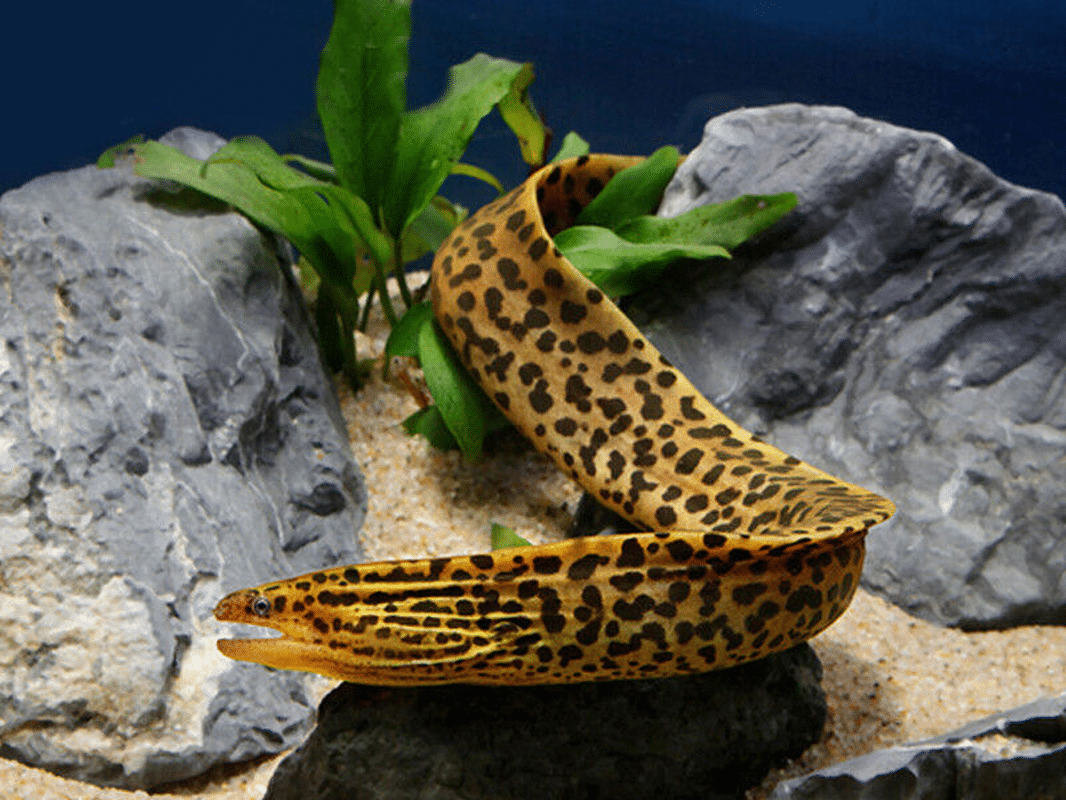
Freshwater Moray – Gymnothorax Polyuranodon – Blackspotted Moray – Tiger Moray, Exotic Freshwater Eels, Perfect Companions for Your Aquarium and Easy Care Choices for Beginners


Original price was: £134.49.£114.18Current price is: £114.18.
Welcome the stunning Freshwater Moray, known as Gymnothorax Polyuranodon, into your aquarium. This elegant eel, with its unique black spots and graceful movements, adds natural beauty to any setup. Ideal for aquarists seeking captivating freshwater fish companions.
In stock
Species Introduction
The Freshwater Moray, scientifically known as Gymnothorax Polyuranodon, is a captivating species of eel that has garnered attention among aquarium enthusiasts for its unique appearance and intriguing behavior. Originating from the freshwater rivers and lakes of Southeast Asia, particularly in regions such as Indonesia and Malaysia, this exotic fish is a remarkable addition to any aquarium. The Blackspotted Moray, often referred to as the Tiger Moray due to its striking pattern, showcases a stunning array of dark spots on a lighter background, making it a visually appealing aquatic companion.
These eels are known for their elongated bodies, which can reach lengths of up to 3 feet in the wild, although they typically grow to about 2 feet in captivity. Understanding their natural habitat is crucial for recreating an optimal environment in your aquarium, as these eels thrive in well-structured environments that mimic their native waters, complete with hiding spots and ample swimming space.
Key Features
| Specification | Details |
|---|---|
| Benefits | Enhances your aquarium ecosystem |
| Quality | Premium aquarium-grade materials |
| Ease of Use | Simple setup and maintenance |
Care Requirements Dashboard
✓ Care Level: Moderate
Tank Size: Minimum 75 gallons
Water Temperature: 75-82°F
pH Level: 6.5-7.5
Hardness: 5-15 dGH
To provide a healthy environment for your Freshwater Moray, it is essential to maintain a minimum tank size of 75 gallons, allowing ample space for swimming and exploration. The water temperature should be kept between 75°F and 82°F, with a pH level ranging from 6.5 to 7.5 to mimic their natural habitat. Regular water changes and quality monitoring are crucial to ensure the well-being of these eels, as they are sensitive to fluctuations in water quality. The ideal hardness level for their environment is between 5 to 15 dGH. By adhering to these care requirements, you can create a thriving aquarium that supports the health and happiness of your Freshwater Moray.
Natural Behavior & Temperament
The Freshwater Moray exhibits fascinating natural behaviors that reflect its adaptability and unique temperament. These eels are primarily nocturnal, preferring to explore their surroundings during the night. During the day, they often seek refuge in crevices and caves, making them somewhat elusive. This behavior not only provides them with a sense of security but also allows them to ambush prey effectively.
In terms of social behavior, the Freshwater Moray is generally considered to be semi-aggressive, particularly towards smaller fish that may be perceived as food. It is important to carefully select tank mates to ensure a harmonious community within the aquarium. While they can coexist with larger, more robust fish, caution should be exercised when introducing smaller species. Their inquisitive nature and active swimming patterns make them a captivating addition to any aquarium, and observing their interactions can provide endless entertainment.
Tank Setup Guide
Creating an ideal tank setup for your Freshwater Moray is essential to ensure its comfort and well-being. Start by selecting a spacious aquarium with a minimum capacity of 75 gallons, as these eels require ample swimming space. The substrate should consist of fine gravel or sand to mimic the riverbeds of their natural habitat, allowing them to burrow and explore. Incorporate various hiding spots using rocks, driftwood, and aquarium decorations to create a stimulating environment that encourages natural behavior. Live plants can also enhance the aesthetic appeal of the aquarium while providing additional hiding places.
Ensure that the tank has a secure lid, as these eels are known to be escape artists. Additionally, consider the placement of filtration and aeration systems to maintain optimal water quality and oxygen levels. By thoughtfully designing the tank setup, you can create a safe and inviting home for your Freshwater Moray.
Water Quality Management
⚠ Important Water Quality Notice
Regular testing and maintenance of water parameters are crucial for the health of your Freshwater Moray.
Maintaining optimal water quality is vital for the health and longevity of your Freshwater Moray. Regularly test the water for pH, ammonia, nitrite, and nitrate levels to ensure they remain within the recommended ranges. The ideal pH level for these eels is between 6.5 and 7.5, while ammonia and nitrite levels should be kept at 0 ppm. Nitrate levels should be maintained below 20 ppm to prevent stress and health issues. Implementing a reliable filtration system is essential for managing waste and maintaining clear water. Additionally, perform regular water changes of 20-30% every two weeks to refresh the water and remove toxins. Monitoring water temperature is also crucial, as fluctuations can lead to stress and illness. By prioritizing water quality management, you can create a thriving environment for your Freshwater Moray.
Feeding & Nutrition
Feeding your Freshwater Moray a balanced and nutritious diet is essential for its health and vitality. These eels are carnivorous and thrive on a diet rich in protein. Suitable food options include high-quality pellets, frozen or live foods such as shrimp, fish, and worms. It is advisable to provide a varied diet to ensure they receive all necessary nutrients. A feeding schedule of 2-3 times a week is recommended, as overfeeding can lead to health issues and poor water quality. Monitor their feeding habits and adjust portions accordingly to prevent waste buildup in the tank. Additionally, ensure that any uneaten food is promptly removed to maintain water quality. By providing a well-rounded diet, you can support the growth and overall well-being of your Freshwater Moray.
Compatibility Guide
When considering tank mates for your Freshwater Moray, it is important to choose species that can coexist peacefully within the aquarium environment. Due to their semi-aggressive nature, these eels may not be suitable for community tanks with small or timid fish. Ideal tank mates include larger, robust species such as cichlids, larger tetras, and some catfish that can withstand the Moray’s predatory instincts. Avoid housing them with smaller fish, as they may be viewed as potential prey. Additionally, be cautious when introducing new fish into the tank, as the Moray may exhibit territorial behavior. Observing the interactions between your Freshwater Moray and its tank mates is essential to ensure a harmonious community. By carefully selecting compatible species, you can create a thriving aquarium environment.
Health & Wellness
Maintaining the health and wellness of your Freshwater Moray is crucial for its longevity and quality of life. Regular monitoring for signs of illness, such as changes in behavior, appetite, or physical appearance, is essential. Common health issues that may affect these eels include skin parasites, bacterial infections, and internal parasites. To prevent these issues, ensure that your aquarium is well-maintained, with clean water and appropriate parameters. Quarantine new fish before introducing them to the main tank to prevent the spread of disease. Additionally, providing a varied diet and avoiding overfeeding can help boost their immune system. If you notice any signs of illness, consult with an aquatic veterinarian for appropriate treatment options. By prioritizing health and wellness, you can ensure that your Freshwater Moray thrives in its aquatic home.
Breeding Information
Breeding Freshwater Morays in captivity can be a challenging yet rewarding endeavor. While not commonly bred in home aquariums, understanding their reproductive behaviors can enhance your knowledge of this species. In the wild, breeding typically occurs during the rainy season when water levels rise, providing suitable conditions for spawning. The female lays eggs in sheltered areas, which are then fertilized by the male. The eggs hatch after several days, and the fry require specialized care to thrive. If you are interested in breeding your Freshwater Moray, it is essential to provide a separate breeding tank with optimal conditions, including stable water parameters and ample hiding spots. Researching breeding techniques and fry care is crucial for success. While breeding may not be feasible for all aquarists, it can be a fascinating aspect of keeping these eels.
Acclimation Process
Introducing your Freshwater Moray to its new aquarium requires careful acclimation to minimize stress and ensure a smooth transition. Begin by floating the sealed bag containing the eel in the aquarium for about 15-20 minutes to equalize the temperature. After this, gradually introduce small amounts of aquarium water into the bag over the next hour. This process helps the eel adjust to the new water parameters. Once acclimated, gently release the Freshwater Moray into the tank, avoiding the use of nets that may cause injury. It is advisable to turn off the aquarium lights during the acclimation process to reduce stress. Monitoring the eel closely during the first few days in its new environment is important to ensure it adapts well. By following a careful acclimation process, you can help your Freshwater Moray settle into its new home.
Long-term Care
Long-term care of your Freshwater Moray involves understanding its lifecycle and growth expectations. These eels can live for several years in captivity, with proper care and attention. As they grow, it is essential to monitor their size and ensure that the tank remains suitable for their needs. Regular maintenance, including water changes and monitoring water parameters, is crucial for their health. Additionally, providing a varied diet and observing their behavior can help you identify any potential issues early on. As your Freshwater Moray matures, consider upgrading to a larger tank if necessary to accommodate its growth. By committing to long-term care, you can enjoy the companionship of your Freshwater Moray for many years.
Natural Habitat Recreation
Recreating the natural habitat of the Freshwater Moray in your aquarium is essential for its well-being. These eels thrive in environments that mimic their native rivers and lakes, characterized by ample hiding spots and a variety of structures. Incorporate rocks, driftwood, and caves to provide shelter and security for your eel. Live plants can enhance the aesthetic appeal of the aquarium while also offering additional hiding places. Consider using a sandy substrate to replicate the riverbed, allowing the eel to burrow and explore. Additionally, maintaining stable water parameters that reflect their natural habitat is crucial for their health. By focusing on natural habitat recreation, you can create a comfortable and stimulating environment for your Freshwater Moray.
Seasonal Care Adjustments
Seasonal changes can impact the care requirements of your Freshwater Moray. During warmer months, it is important to monitor the water temperature closely, as higher temperatures can lead to stress and health issues. Consider using a cooling system or adjusting the lighting to maintain a stable temperature within the recommended range. In colder months, ensure that the aquarium heater is functioning properly to prevent temperature fluctuations. Additionally, adjusting the feeding schedule based on the eel’s activity levels can help maintain optimal health. By being proactive and making seasonal care adjustments, you can ensure the continued well-being of your Freshwater Moray throughout the year.
Expert Tips
For those seeking to enhance their care for Freshwater Morays, expert tips can provide valuable insights into advanced husbandry techniques. One key aspect is to regularly observe your eel’s behavior and feeding habits, as changes may indicate health issues. Additionally, consider implementing a quarantine procedure for new tank mates to prevent disease transmission. Providing a varied diet that includes both high-quality pellets and live or frozen foods can promote optimal health and coloration. Regularly clean the tank and monitor water parameters to ensure a stable environment. Lastly, joining online forums or local aquarium clubs can provide a wealth of knowledge and support from fellow enthusiasts. By applying expert tips, you can elevate your care practices and ensure the happiness of your Freshwater Moray.
Troubleshooting
Despite your best efforts, you may encounter challenges while caring for your Freshwater Moray. Common issues include stress, poor water quality, and compatibility problems with tank mates. If your eel appears lethargic or is not eating, check the water parameters and perform a water change if necessary. If aggression towards tank mates is observed, consider rearranging the tank to reduce territorial behavior. Additionally, monitor for signs of illness such as discoloration or lesions, and consult with an aquatic veterinarian if needed. By being proactive and addressing issues promptly, you can maintain a healthy and thriving aquarium environment for your Freshwater Moray.
Scientific Background
The Freshwater Moray, or Gymnothorax Polyuranodon, belongs to the family Muraenidae, which encompasses a variety of eel species known for their elongated bodies and unique adaptations. This species is particularly interesting due to its ability to thrive in freshwater environments, a rarity among eels. Scientific research has focused on their behavior, habitat preferences, and dietary needs, contributing to a greater understanding of their care in captivity. Conservation efforts are also important, as habitat destruction and pollution threaten their natural populations. By staying informed about the scientific background of your Freshwater Moray, you can enhance your appreciation for these remarkable creatures and their ecological significance.
Advanced Care Techniques
For experienced aquarists looking to take their care of Freshwater Morays to the next level, advanced techniques can enhance their quality of life. One effective method is to create a biotope aquarium that closely resembles their natural habitat, incorporating specific plants and decorations found in their native waters. Additionally, implementing a robust filtration system can improve water quality and reduce maintenance efforts. Regularly monitoring water parameters with high-quality testing kits ensures that any fluctuations are addressed promptly. Furthermore, consider using a variety of feeding techniques, such as target feeding or using feeding sticks, to encourage natural hunting behaviors. By employing advanced care techniques, you can foster a thriving environment for your Freshwater Moray.
Frequently Asked Questions
Q: What tank size is required for the Freshwater Moray?
The Freshwater Moray, or Gymnothorax polyuranodon, requires a spacious tank due to its potential size, reaching lengths of up to 1.5 metres. A minimum tank size of 200 litres is recommended to ensure ample swimming space and to maintain stable water parameters. This species thrives in well-filtered environments, so incorporating a high-quality filtration system is crucial. Moreover, the tank should be properly covered, as these eels are known to escape if given the opportunity. Providing hiding spots such as rocks and caves is essential to mimic their natural habitat, promoting a sense of security and reducing stress.
✓ Expert Tip
Consider using a sandy substrate to replicate the eel’s natural environment and allow for burrowing behaviours.
Q: What water parameters do Freshwater Morays require?
Freshwater Morays thrive in water that is slightly acidic to neutral, ideally between pH 6.5 and 7.5. They prefer a temperature range of 24°C to 28°C, which should be maintained consistently for optimal health. Ammonia and nitrite levels must remain at 0 ppm, while nitrate should be kept below 20 ppm. Regular water changes of 20-30% weekly will help maintain these parameters and ensure a clean environment. Additionally, using a high-quality water conditioner can assist in removing harmful chemicals and chlorines from tap water.
✓ Expert Tip
Invest in a reliable water testing kit to regularly monitor your aquarium’s water quality.
Q: How often should I feed my Freshwater Moray?
Feeding frequency for Freshwater Morays should be tailored to their age and size. Juveniles benefit from being fed three to four times a week, while adults can be fed once or twice a week. A balanced diet is essential; consider offering a variety of high-quality foods such as frozen or live shrimp, fish, and specially formulated eel pellets. Monitor their feeding habits closely; if they appear to be gaining excessive weight, reduce feeding amounts accordingly. Always ensure that uneaten food is promptly removed to maintain water quality.
✓ Expert Tip
Introduce a variety of foods to prevent dietary deficiencies and to keep your eel engaged.
Q: What are the best tank mates for Freshwater Morays?
When selecting tank mates for Freshwater Morays, it is essential to choose species that are compatible in terms of size and temperament. Larger, robust fish such as cichlids and certain catfish can coexist well, as they are less likely to be viewed as prey. Avoid small, timid species that may be intimidated or harmed. Additionally, ensure that tank mates do not exhibit aggressive behaviours, which could stress the moray. Always monitor interactions closely when introducing new fish to the aquarium.
✓ Expert Tip
Consider adding tank mates gradually to allow the moray to adjust to new inhabitants.
Q: How do I properly acclimatise my Freshwater Moray to the aquarium?
Acclimatisation is crucial for the health of your Freshwater Moray. Begin by floating the sealed bag containing the moray in your aquarium for about 15 minutes to equalise the temperature. Next, gradually mix small amounts of aquarium water into the bag every 5-10 minutes over the course of an hour. This process helps the fish adjust to differences in water chemistry. Finally, gently transfer the moray using a net, avoiding the introduction of bag water into the tank. This method minimises stress and promotes a successful transition to its new environment.
✓ Expert Tip
Avoid overexposure to air; keep the moray submerged as much as possible during the acclimatisation process.
Q: What are the signs of a healthy Freshwater Moray?
A healthy Freshwater Moray exhibits clear eyes, smooth skin without lesions, and vibrant colouration. It should be active, displaying natural behaviours such as exploring its environment and hiding in caves or crevices. Regular feeding and a robust appetite are also indicators of good health. Observe for any signs of distress, including rapid gill movement, excessive hiding, or refusal to eat, which may indicate health issues. Routine water quality checks and maintaining a clean habitat are essential for their wellbeing.
✓ Expert Tip
Regularly inspect your moray during feeding to monitor its health and behaviour closely.
Q: How can I prevent common diseases in Freshwater Morays?
Preventing diseases in Freshwater Morays involves maintaining optimal water quality and a stable environment. Regular water changes, proper filtration, and consistent temperature control are paramount. Quarantining new fish before introduction helps prevent the spread of diseases. Additionally, monitor for signs of stress, as this can weaken their immune system. A balanced diet rich in vitamins and minerals supports overall health. If you notice any unusual behaviours or symptoms, consult an aquatic veterinarian promptly to address potential issues before they escalate.
✓ Expert Tip
Consider adding aquarium salt to the water to help prevent certain diseases, but ensure it is suitable for your other tank mates.
Q: What is the lifespan of a Freshwater Moray in captivity?
In captivity, Freshwater Morays can live for 10 to 15 years, given proper care and optimal living conditions. Factors such as water quality, diet, and stress levels significantly influence their longevity. Providing a spacious tank with hiding spots, maintaining stable water parameters, and a balanced diet will contribute positively to their lifespan. Regular health checks and prompt attention to any signs of illness will also enhance their quality of life as they age.
✓ Expert Tip
Keep a log of your moray’s health and behaviour to track its wellbeing over the years.
Q: What type of substrate is most suitable for Freshwater Morays?
For Freshwater Morays, a soft, sandy substrate is ideal as it mimics their natural habitat, allowing them to exhibit burrowing behaviours. Sharp or coarse substrates should be avoided, as they can injure the moray’s delicate skin. Sand provides a comfortable environment for the moray to navigate and hide, promoting natural behaviours and reducing stress. Additionally, ensure that the substrate is deep enough to allow for burrowing, which is essential for their wellbeing and comfort.
✓ Expert Tip
Regularly vacuum the substrate to remove waste and prevent deterioration of water quality.
Q: What behavioural patterns should I expect from my Freshwater Moray?
Freshwater Morays are generally nocturnal, exhibiting more activity during the night. They enjoy exploring their surroundings, often using their excellent sense of smell to locate food. Expect them to spend time hiding in caves or amongst rocks, as this behaviour mimics their natural habitat. During the day, they may be less active, but it’s important to ensure they have access to their hiding spots. Observing your moray’s behaviour can provide insights into its health; any sudden changes in activity levels may indicate stress or illness.
✓ Expert Tip
Provide a variety of hiding spots to encourage natural behaviours and reduce stress.
Q: How can I recognise stress in my Freshwater Moray?
Recognising stress in Freshwater Morays is crucial for their wellbeing. Signs of stress may include excessive hiding, refusal to eat, and rapid gill movement. If the moray is frequently rubbing against objects in the tank or exhibiting erratic swimming patterns, these can also indicate stress. Maintaining consistent water parameters, providing adequate hiding spots, and ensuring compatible tank mates are essential for minimising stress. If you observe any of these behaviours, assess the tank conditions and make necessary adjustments to help your moray feel secure and healthy.
✓ Expert Tip
Regularly check for changes in behaviour or appearance to catch potential issues early.
Q: What natural habitat conditions should I replicate for Freshwater Morays?
To create a suitable environment for Freshwater Morays, replicate their natural habitat found in slow-moving rivers and lakes. Use a sandy substrate, provide ample hiding spots with rocks and caves, and ensure good water flow. The water should be slightly acidic to neutral, with stable temperatures ranging between 24°C to 28°C. Incorporating live plants can enhance the aesthetic appeal and provide additional shelter. Regularly monitor water parameters to maintain a healthy environment, promoting the overall wellbeing of your moray.
✓ Expert Tip
Consider the use of driftwood to enhance the natural feel of the aquarium.
1 review for Freshwater Moray – Gymnothorax Polyuranodon – Blackspotted Moray – Tiger Moray, Exotic Freshwater Eels, Perfect Companions for Your Aquarium and Easy Care Choices for Beginners
Add a review
Related products


Emily Carter (verified owner) –
I recently added a Freshwater Moray (Gymnothorax Polyuranodon) to my aquarium, and I couldn’t be happier! This stunning Blackspotted Moray has completely transformed my tank. After just a week, I noticed how active and curious it is, weaving through the plants and rocks like a little jungle explorer. What I love most is its unique pattern and vibrant colors; it truly is an exotic fish that stands out! Compared to other eels I’ve kept, this one is definitely more engaging, often peeking out to greet me when I approach the tank. One small concern is that I had to ensure my tank is well-secured, as they can be quite the escape artists. For anyone considering this species, I highly recommend having plenty of hiding spots and ensuring your aquarium is escape-proof. Overall, this Blackspotted Moray is perfect for anyone looking to add a bit of personality and flair to their freshwater fish collection. I’m thrilled with my purchase and can’t wait to see how it continues to grow and thrive in my care!