African Starry Night Eel – Mastacembelus Frenatus – Longtail Spiny Eel, Stunning Addition to Your Aquarium, Ideal for Freshwater Fish Enthusiasts Seeking Unique Companions

Original price was: £10.49.£8.71Current price is: £8.71.
Welcome the African Starry Night Eel, a stunning freshwater fish known for its unique star-like patterns and graceful movements. This beautiful inhabitant thrives in various water conditions, making it perfect for aquarists seeking exotic fish to enhance their aquarium’s natural beauty.
In stock


Species Introduction
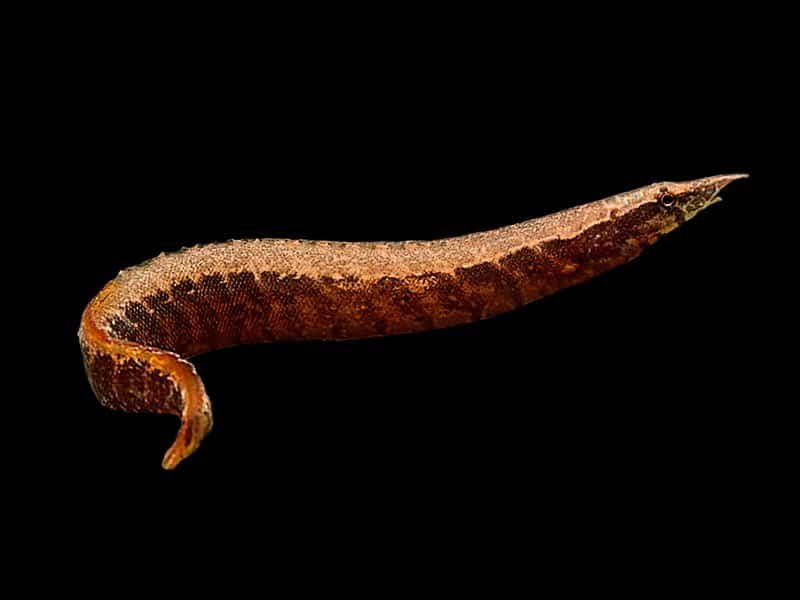
The African Starry Night Eel, scientifically known as Mastacembelus frenatus, is a captivating species that hails from the freshwater rivers and lakes of Africa. This eel is renowned for its striking appearance, characterized by a dark body adorned with a constellation of bright spots that resemble a starry night sky. These eels are not only visually stunning but also possess a unique set of behaviors that make them fascinating aquatic companions. In their natural habitat, they inhabit muddy substrates where they can burrow and hide, providing them with a sense of security. As a freshwater fish, they thrive in well-oxygenated waters with plenty of hiding spots, making them an excellent choice for aquarists looking to create a vibrant and dynamic aquarium environment.
Key Features – African Starry Night Eel – Mastacembelus Frenatus – Longtail Spiny Eel
| Specification | Details |
|---|---|
| Benefits | Enhances your aquarium ecosystem |
| Quality | Premium aquarium-grade materials |
| Ease of Use | Simple setup and maintenance |
Care Requirements Dashboard
✓ Care Level: Moderate
Tank Size: Minimum 75 gallons
Water Temperature: 75°F – 82°F (24°C – 28°C)
pH Level: 6.5 – 7.5
Hardness: 5 – 15 dGH
Natural Behavior & Temperament
The African Starry Night Eel exhibits a variety of interesting behaviors that make it a joy to observe. These eels are primarily nocturnal, meaning they are most active during the night. They enjoy burrowing into the substrate, which allows them to feel secure and hidden from potential threats. In a community tank, they may exhibit shy behavior, especially during the day, often retreating to their hiding spots when the lights are on. However, as night falls, they become more adventurous, exploring their surroundings and interacting with other fish. Their temperament is generally peaceful, but they can exhibit territorial behavior, especially when it comes to food. It’s essential to provide them with plenty of space and hiding spots to reduce stress and encourage natural behaviors.
Tank Setup Guide
Creating the ideal environment for your African Starry Night Eel involves careful consideration of various factors, including tank size, substrate, and decorations. A minimum tank size of 75 gallons is recommended to provide ample swimming space and hiding spots. A soft, sandy substrate is ideal, as it allows the eel to burrow comfortably. Incorporating driftwood, rocks, and live plants can enhance the aesthetic appeal of the aquarium while providing essential hiding spots. Ensure that the decorations are securely placed to prevent them from toppling over, which could harm the eel. Additionally, consider the water flow in the tank; a gentle current is preferable, mimicking the eel’s natural habitat. Proper lighting is also crucial; dim lighting will help your eel feel more secure and encourage its natural behaviors.
Water Quality Management
Maintaining optimal water quality is vital for the health and well-being of your African Starry Night Eel. Regular water testing is recommended to ensure that the pH levels remain between 6.5 and 7.5, with a temperature range of 75°F to 82°F (24°C to 28°C). The hardness of the water should be maintained between 5 and 15 dGH. Regular water changes of 10-20% weekly will help keep the water clean and free from harmful toxins. Additionally, a good filtration system is essential to provide adequate oxygenation and remove waste products from the water. It’s important to monitor ammonia and nitrite levels closely, as these can be detrimental to the health of your eel. By prioritizing water quality management, you can create a thriving environment for your aquatic friend.
Feeding & Nutrition
The diet of the African Starry Night Eel is varied, and it is essential to provide a balanced nutrition plan to ensure its health and vitality. These eels are carnivorous and thrive on a diet that includes high-quality pellets, live or frozen foods such as bloodworms, brine shrimp, and small fish. Feeding should occur once or twice a day, with the amount adjusted based on the eel’s size and appetite. It’s important to avoid overfeeding, as this can lead to water quality issues and health problems. Additionally, incorporating occasional plant matter into their diet can provide essential nutrients and mimic their natural feeding habits. Observing your eel during feeding times can also provide insights into its health and behavior, as a healthy eel will be active and eager to eat.
Compatibility Guide
When considering tank mates for your African Starry Night Eel, it is crucial to choose compatible species that can coexist peacefully. Generally, these eels do well in community tanks with other peaceful fish that are not small enough to be considered prey. Suitable tank mates include larger tetras, barbs, and peaceful cichlids. However, it is essential to avoid aggressive species or those that may nip at the eel’s fins, as this can lead to stress and injury. Additionally, providing plenty of hiding spots and territories can help reduce potential conflicts. Monitoring interactions between the eel and its tank mates is vital, especially during the initial introduction period, to ensure a harmonious community tank environment.
Health & Wellness
The health and wellness of your African Starry Night Eel are paramount to its longevity and quality of life. Common health issues include skin parasites, fin rot, and internal parasites. Regular monitoring of your eel’s behavior and appearance can help detect any early signs of illness. If you notice any unusual behavior, such as lethargy, loss of appetite, or visible lesions, it is essential to take immediate action. Quarantining sick fish and consulting with a veterinarian specializing in aquatic animals can provide the best course of action for treatment. Preventative measures, such as maintaining water quality and providing a balanced diet, are crucial in promoting overall health. Additionally, keeping the tank clean and free from debris can help prevent the onset of diseases.
Breeding Information
Breeding African Starry Night Eels in captivity can be quite challenging, as they require specific conditions to successfully spawn. In the wild, these eels typically breed during the rainy season when water levels rise and food is abundant. To encourage breeding in an aquarium setting, it is essential to replicate these conditions by providing a spacious tank with plenty of hiding spots and a varied diet. Spawning usually occurs in the early morning hours, and the female will lay eggs on flat surfaces or within hiding spots. After spawning, the parents should be removed to prevent them from consuming the eggs. The eggs will hatch within a few days, and the fry will require infusoria or finely crushed flakes until they are large enough to consume larger foods. Raising fry can be a rewarding experience, but it requires careful attention to water quality and nutrition.
Acclimation Process
Acclimating your African Starry Night Eel to its new environment is a critical step in ensuring its successful integration into your aquarium. Begin by floating the sealed bag containing the eel in the aquarium for about 15-20 minutes. This allows the water temperature in the bag to equalize with that of the tank. After this, gradually introduce small amounts of tank water into the bag over the course of an hour. This process helps the eel adjust to the water parameters of its new home. Once acclimated, gently release the eel into the tank, avoiding any sudden movements that could stress it. Providing plenty of hiding spots will help your new eel feel secure as it explores its new environment. Monitoring its behavior during the first few days is essential to ensure it is adapting well.
Long-term Care
The long-term care of your African Starry Night Eel involves understanding its growth expectations and providing a stable environment. These eels can grow to a significant length, often reaching up to 30 inches, depending on their care and environment. As they grow, it is essential to monitor their habitat and make necessary adjustments to accommodate their size. Regular water changes, maintaining optimal water parameters, and providing a varied diet will contribute to the eel’s longevity. Additionally, keeping a close eye on tank mates and ensuring they remain compatible is crucial for a harmonious aquarium environment. With proper care, African Starry Night Eels can live for several years, becoming a cherished part of your aquatic community.
Natural Habitat Recreation
Recreating the natural habitat of the African Starry Night Eel in your aquarium can enhance its well-being and encourage natural behaviors. To mimic their native environment, focus on creating a soft, sandy substrate that allows for burrowing. Incorporate driftwood, rocks, and live plants to provide hiding spots and territories. The use of natural materials will not only enhance the aesthetic appeal of your tank but also create a sense of security for your eel. Additionally, consider the water flow; a gentle current is preferable, as it mimics the slow-moving waters of their natural habitat. Regularly pruning plants and maintaining the cleanliness of the tank will help preserve the natural look and feel of the environment.
Seasonal Care Adjustments
As seasons change, so do the conditions in your aquarium. It is important to adjust your care routine to accommodate these changes. During warmer months, ensure that the water temperature does not exceed the recommended range, as higher temperatures can stress your African Starry Night Eel. Consider using fans or chillers to maintain a stable environment. In colder months, monitor the water temperature closely and use heaters if necessary to keep the temperature within the ideal range. Additionally, lighting adjustments may be needed to mimic natural daylight cycles, which can affect the eel’s behavior and well-being. By staying attentive to seasonal changes, you can provide a comfortable and stable environment for your aquatic friend.
Expert Tips
For those looking to provide the best care for their African Starry Night Eel, here are some expert tips to enhance your experience. First, invest in a high-quality filtration system to maintain water clarity and quality. Regularly test water parameters to ensure they remain stable and within the recommended ranges. Additionally, consider keeping a journal to track your eel’s growth, behavior, and feeding habits; this can help you identify any changes that may indicate health issues. Lastly, be patient and observant; these eels can take time to adjust to their new environment and may require some time to come out of hiding. By providing a stress-free environment and understanding their needs, you can foster a healthy and thriving aquatic companion.
Troubleshooting
If you encounter issues with your African Starry Night Eel, it is crucial to act promptly to ensure its health and well-being. Common problems include stress from aggressive tank mates, poor water quality, and inadequate hiding spots. If your eel is exhibiting signs of stress, such as hiding excessively or refusing to eat, assess the tank environment and make necessary adjustments. Check water parameters and perform partial water changes if needed. If your eel shows signs of illness, such as lethargy or discoloration, consider quarantining it and consulting with an aquatic veterinarian. Keeping a close eye on your eel’s behavior and health will enable you to address any issues quickly and effectively, ensuring a long and healthy life for your aquatic friend.
Scientific Background
The African Starry Night Eel belongs to the family Mastacembelidae, which encompasses various species of spiny eels found primarily in African freshwater habitats. These eels are characterized by their elongated bodies and unique swimming patterns, which set them apart from other fish species. While specific scientific data on the African Starry Night Eel may be limited, research into the Mastacembelus genus highlights their adaptability to various freshwater environments. Conservation efforts are essential to protect their natural habitats, as many freshwater ecosystems face threats from pollution and habitat destruction. By understanding the scientific background of this species, aquarists can better appreciate their role in the ecosystem and the importance of responsible care.
Advanced Care Techniques
For experienced aquarists looking to take their care of the African Starry Night Eel to the next level, consider implementing advanced care techniques. This may include creating a biotope aquarium that closely mimics the eel’s natural habitat, incorporating specific plants and decorations that are native to their environment. Additionally, consider experimenting with different feeding techniques, such as using feeding tongs to offer food directly to the eel, which can encourage more active behavior. Regularly rotating tank decorations can also stimulate the eel’s curiosity and encourage exploration. Lastly, engaging with other experienced aquarists through forums or local clubs can provide valuable insights and tips for enhancing the care of your aquatic companions.
Frequently Asked Questions
Q: What tank size is required for the African Starry Night Eel?
The African Starry Night Eel, also known as Mastacembelus frenatus, requires a minimum tank size of 150 litres to thrive. This ample space accommodates their active swimming behaviour and territorial nature. A larger tank is preferred, especially if you plan to keep multiple eels or other compatible species. Ensure the tank has a secure lid, as these eels are known to escape. Additionally, providing ample hiding spots with rocks, driftwood, and caves will help reduce stress and create a natural environment, mimicking their native habitats. Regular tank maintenance, including water changes and filtration, is crucial to maintain optimal living conditions for your aquatic companions.
✓ Expert Tip
Consider using a soft substrate, such as sand or fine gravel, to prevent injury to their delicate bodies.
Q: What water parameters do African Starry Night Eels require?
African Starry Night Eels thrive in water with a temperature range of 24-28°C, a pH level of 6.5-7.5, and a hardness of 5-15 dGH. Regular testing of these parameters is critical to ensure a stable environment. Utilising a reliable water testing kit will help you monitor these conditions effectively. It is also advisable to use a high-quality filtration system to maintain water clarity and quality, as these eels are sensitive to pollutants. Performing regular water changes, ideally 10-15% weekly, will assist in keeping nitrate levels low and promote a healthy habitat for your fish friends.
✓ Expert Tip
Consider using a heater with a thermostat to maintain consistent water temperature.
Q: How often should I feed my African Starry Night Eel?
Feeding African Starry Night Eels should occur 2-3 times a week, providing them with a balanced diet. They are carnivorous and enjoy a variety of foods, including high-quality pellets, frozen or live foods such as bloodworms, brine shrimp, and small fish. It is essential to avoid overfeeding, as this can lead to water quality issues and health problems. Observe their feeding habits and adjust the amount accordingly; a good rule of thumb is to provide an amount they can consume within 5-10 minutes. Regular feeding schedules help maintain their health and vitality.
✓ Expert Tip
Consider soaking dry foods in water before feeding to aid digestion.
Q: What are the best tank mates for the African Starry Night Eel?
When selecting tank mates for the African Starry Night Eel, it is crucial to choose species that are similarly sized and non-aggressive. Suitable companions include larger tetras, barbs, and peaceful cichlids. Avoid keeping them with small fish that may be viewed as prey, as well as overly aggressive species that could cause stress. Providing ample hiding spaces will allow your eel to retreat if it feels threatened. Always introduce new tank mates gradually and observe closely for any signs of aggression or stress during the acclimatisation process.
✓ Expert Tip
Consider adding tank mates that prefer similar water conditions to ensure a harmonious environment.
Q: How do I properly acclimatise the African Starry Night Eel to my aquarium?
Acclimatising your African Starry Night Eel correctly is vital for its health. Begin by floating the sealed bag containing your eel in the aquarium for about 15-20 minutes to equalise the temperature. After this, gradually mix a small amount of tank water into the bag every 5-10 minutes over the course of an hour, allowing the eel to adjust to the new water conditions. Finally, gently place the eel into the tank using a net to avoid introducing any transport water. This slow acclimatisation process reduces stress and helps your eel adapt to its new home successfully.
✓ Expert Tip
Avoid adding the eel directly into the tank without acclimatisation as this can lead to shock.
Q: What are the signs of a healthy African Starry Night Eel?
A healthy African Starry Night Eel displays vibrant colours, active swimming behaviour, and a keen interest in its surroundings. Its skin should be smooth and free from lesions or signs of parasites. Regular feeding habits and a willingness to explore the tank indicate good health. Observe for any unusual behaviour, such as hiding excessively or not eating, as these may indicate stress or illness. Regular monitoring of water quality and parameters will also contribute to maintaining your eel’s health, ensuring it remains a lively and engaging addition to your aquarium.
✓ Expert Tip
Keep a close eye on your eel’s behaviour after any new additions to the tank, as this can affect its health.
Q: How can I prevent common diseases in African Starry Night Eels?
Preventing diseases in your African Starry Night Eel involves maintaining excellent water quality and proper tank conditions. Regular water changes, appropriate filtration, and avoiding overcrowding are paramount. Quarantine any new fish before introducing them to the main tank to prevent the spread of pathogens. Observe your eel for any signs of stress or illness, such as changes in appetite or behaviour. Providing a varied diet will also boost its immune system. Regularly cleaning the tank and decorations will minimise the risk of harmful bacteria and parasites.
✓ Expert Tip
Consider adding aquarium salt to the water in moderation to support overall health.
Q: What substrate is most suitable for the African Starry Night Eel?
The African Starry Night Eel prefers soft substrates, such as fine sand or smooth gravel. These substrates are gentle on their delicate bodies, reducing the risk of injury. Additionally, they allow for natural foraging behaviour, which is essential for their wellbeing. Avoid sharp or coarse substrates, as these can cause abrasions. Incorporating a mix of substrate types can also enhance the tank’s aesthetics and provide hiding spots for your eel. Regular maintenance of the substrate, including siphoning debris during water changes, will help maintain water quality.
✓ Expert Tip
Consider adding live plants to the substrate to enhance the natural environment.
Q: What natural habitat conditions should I replicate for the African Starry Night Eel?
To create a suitable environment for the African Starry Night Eel, replicate its natural habitat by providing plenty of hiding places and a dimly lit tank. They are native to slow-moving rivers and streams with plenty of vegetation, so incorporating driftwood, rocks, and live plants is beneficial. Ensure the water flow is gentle to mimic their natural surroundings. Maintaining consistent water parameters, as well as a slightly acidic to neutral pH, will help your eel feel secure and thrive. Regular observation and adjustments will ensure a healthy and stress-free environment.
✓ Expert Tip
Use floating plants to provide shade and cover, which can help reduce stress.
1 review for African Starry Night Eel – Mastacembelus Frenatus – Longtail Spiny Eel, Stunning Addition to Your Aquarium, Ideal for Freshwater Fish Enthusiasts Seeking Unique Companions
Add a review
Related products




Emily Sanders (verified owner) –
I recently added the African Starry Night Eel to my aquarium, and I couldn’t be happier! After just two months, this little guy has become the star of my tank. He’s so fascinating to watch as he glides around and explores every nook and cranny. His unique pattern and vibrant colors really stand out against my substrate, making my freshwater fish feel more exotic.
From a care perspective, I’ve noticed he loves to burrow, so I made sure to provide soft sand and plenty of hiding spots with rocks and driftwood. He seems much happier with these features!
Compared to other eels I’ve kept in the past, like the tire track eel, the African Starry Night is much more active during the day, which is a joy for me as an aquarium hobbyist. I have to say, I did have a bit of trouble getting him to eat at first, but after a week, he happily accepted bloodworms and pellets.
I wholeheartedly recommend this eel to fellow fish enthusiasts looking to add a unique and lively character to their tanks. Just be sure to have ample hiding spots! This little guy has truly brought my aquarium to life!