

Comb Pike Cichlid – Crenicichla Lepidota – South American Cichlid
Original price was: £33.49.£28.06Current price is: £28.06.
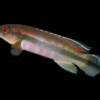
Welcome the stunning Crenicichla Lepidota, or Comb Pike Cichlid, a vibrant South American Cichlid that thrives in well-maintained aquariums. Perfect for aquarists seeking beautiful inhabitants, this fish showcases unique patterns and colors, making it a captivating centerpiece.
In stock
Species Introduction
🐠 Essential Care Guide for Your Crenicichla Lepidota – Comb Pike Cichlid – South American Cichlid
| Optimal Living Conditions | |
|---|---|
| 🌡️ Water Temperature | 24-27°C (75-81°F) |
| 🧪 pH Level | 6.5-7.5 |
| 💧 Water Hardness | 4-12 dKH |
| 🏠 Minimum Tank Size | 80L (20 gal) |
| 🧂 Salinity | Freshwater |
| ⚡ Care Level | Beginner Friendly |
.care-requirements-dashboard {
background: linear-gradient(135deg, #e3f2fd 0%, #f1f8e9 100%);
padding: 20px;
border-radius: 12px;
margin: 20px 0;
box-shadow: 0 4px 6px rgba(0,0,0,0.1);
}
.aquarium-info-table {
width: 100%;
border-collapse: collapse;
background: white;
border-radius: 8px;
overflow: hidden;
margin-top: 15px;
}
.table-header-primary {
background: linear-gradient(135deg, #2196F3, #1976D2);
color: white;
font-weight: bold;
padding: 15px;
text-align: center;
}
.table-row-even {
background-color: #f8f9fa;
}
.table-row-odd {
background-color: white;
}
.aquarium-info-table td {
padding: 12px 15px;
border-bottom: 1px solid #e0e0e0;
}
.highlight-important {
font-weight: bold;
color: #1976D2;
}
.care-level-indicator.beginner {
background: #4CAF50;
color: white;
padding: 4px 12px;
border-radius: 16px;
font-size: 0.9em;
}
The Crenicichla Lepidota, commonly known as the Comb Pike Cichlid, is a captivating species of South American cichlid that hails from the freshwater rivers and streams of the Amazon Basin. This striking fish is renowned for its elongated body and vibrant coloration, which can vary significantly among individuals. The natural habitat of the Crenicichla Lepidota is characterized by slow-moving waters with ample vegetation, providing both shelter and hunting grounds for this predatory species. As a member of the Cichlidae family, this fish exhibits many of the fascinating behaviors typical of cichlids, including territoriality and complex social interactions. Understanding the origins and natural habitat of the Crenicichla Lepidota is crucial for aquarists who wish to replicate its environment in captivity, ensuring optimal health and well-being for these beautiful aquatic companions.
Care Requirements Dashboard
✓ Care Level: Moderate
| Parameter | Requirement |
|---|---|
| Tank Size | Minimum 75 gallons |
| Water Temperature | 75°F – 82°F (24°C – 28°C) |
| pH Level | 6.0 – 7.5 |
| Hardness | Soft to moderately hard |
The care requirements for the Crenicichla Lepidota are essential for maintaining their health and vitality. A minimum tank size of 75 gallons is recommended to provide ample swimming space and territory for these fish. The water temperature should be maintained between 75°F and 82°F, creating a warm environment that mimics their natural habitat. Additionally, a pH level between 6.0 and 7.5 is ideal, as it allows for optimal physiological function. The hardness of the water should be soft to moderately hard, which can be achieved through regular water changes and the use of appropriate filtration systems. Regular monitoring of these parameters is crucial to ensure a thriving environment for your Crenicichla Lepidota.
Natural Behavior & Temperament
The Crenicichla Lepidota exhibits a fascinating array of natural behaviors that make it an engaging species for aquarists. Known for its territorial nature, this cichlid will establish a defined area within the aquarium, often defending it vigorously against perceived intruders. Their swimming patterns are characterized by swift, agile movements, allowing them to navigate through their environment with ease. In the wild, these fish are ambush predators, relying on their stealth and speed to catch smaller fish and invertebrates. Socially, the Crenicichla Lepidota can display both aggressive and peaceful behaviors depending on the presence of tank mates. While they can coexist with other species, it is crucial to choose compatible tank mates that can withstand their assertive temperament. Understanding these behavioral traits is essential for creating a harmonious aquarium environment that caters to the needs of this captivating species.
Tank Setup Guide
Creating an ideal environment for your Crenicichla Lepidota involves careful consideration of tank setup and decoration. Begin by selecting a spacious aquarium with a minimum capacity of 75 gallons, as this will provide the necessary swimming space and territory for these fish. The substrate should consist of fine gravel or sand, allowing for easy digging and burrowing, which is a natural behavior for this species. Incorporate a variety of decorations such as driftwood, rocks, and caves to create hiding spots and territories. These structures not only enhance the aesthetic appeal of the aquarium but also provide essential shelter for your fish friends. Live plants can also be included, but it is important to choose hardy species that can withstand the occasional digging and rearranging by the cichlids. The overall design should mimic their natural habitat, promoting a sense of security and comfort for the Crenicichla Lepidota.
Water Quality Management
✓ Water Quality Maintenance
| Parameter | Ideal Range |
|---|---|
| pH Level | 6.0 – 7.5 |
| Temperature | 75°F – 82°F |
| Hardness | 5 – 15 dGH |
Maintaining optimal water quality is paramount for the health and well-being of your Crenicichla Lepidota. Regular testing of water parameters such as pH, temperature, and hardness is essential to ensure a stable environment. The pH level should be kept between 6.0 and 7.5, which can be monitored using reliable test kits. Temperature fluctuations should be minimized, with a consistent range of 75°F to 82°F. Additionally, the hardness of the water should be maintained between 5 and 15 dGH to support the physiological needs of the fish. Regular water changes, typically 20-30% weekly, will help to remove waste and maintain water clarity, contributing to a healthier aquarium ecosystem.
Feeding & Nutrition
The Crenicichla Lepidota is a carnivorous species that thrives on a varied diet rich in protein. In the wild, their diet consists of smaller fish, crustaceans, and invertebrates, which provides them with the necessary nutrients for growth and health. In captivity, it is important to replicate this diet as closely as possible. High-quality cichlid pellets, frozen or live foods such as bloodworms, brine shrimp, and daphnia should be included in their feeding regimen. A feeding schedule of 2-3 times per day is recommended, with portions that can be consumed within a few minutes to prevent overfeeding and maintain water quality. It is also beneficial to provide a variety of food types to ensure a balanced diet and to enhance the coloration and vitality of your fish friends. Monitoring their eating habits is crucial, as any changes may indicate health issues that require attention.
Compatibility Guide
✓ Compatible Tank Mates
| Species | Compatibility |
|---|---|
| Tetra Species | Good |
| Plecostomus | Good |
| Other Cichlids | Varies |
When considering tank mates for your Crenicichla Lepidota, it’s essential to choose species that can coexist peacefully with their territorial nature. Tetra species, such as the Neon Tetra or Rummy Nose Tetra, can make excellent companions due to their smaller size and schooling behavior. The Plecostomus is also a compatible choice, as it occupies different levels of the tank and helps maintain algae levels. However, caution should be exercised when introducing other cichlid species, as compatibility can vary significantly based on individual temperament. It is advisable to monitor interactions closely and be prepared to separate any aggressive individuals to maintain harmony within the aquarium.
Health & Wellness
Maintaining the health and wellness of your Crenicichla Lepidota requires vigilance and proactive care. Common health issues that may affect this species include ich, fin rot, and swim bladder disorders. Ich is a parasitic infection that manifests as white spots on the skin and fins, while fin rot is often caused by poor water quality and can lead to frayed fins. Swim bladder disorders may result from overfeeding or rapid temperature changes, causing buoyancy issues. To prevent these ailments, it is crucial to maintain pristine water conditions through regular testing and water changes. Additionally, providing a varied diet and avoiding overfeeding will promote overall health. Observing your fish for any signs of distress or unusual behavior is key to early detection of health problems, allowing for timely intervention and treatment.
Breeding Information
Breeding Crenicichla Lepidota can be a rewarding experience for dedicated aquarists. This species is known to exhibit parental care, with both the male and female participating in the rearing of their fry. To encourage breeding, it is essential to provide suitable conditions, including a separate breeding tank with stable water parameters and ample hiding spots. The ideal temperature for breeding ranges from 78°F to 82°F, with a pH of around 6.5 to 7.0. Once a pair has formed, they will engage in courtship behaviors, which may include displays of color and territory defense. After spawning, the female will lay eggs on a flat surface, which the male will fertilize. The eggs will hatch within a few days, and the fry will require special care, including infusoria or finely crushed food for initial feeding. Monitoring the fry’s growth and ensuring they have adequate space to thrive is crucial during this delicate stage of development.
Acclimation Process
✓ Acclimation Steps
- Prepare a quarantine tank with similar water parameters.
- Float the sealed bag in the aquarium for 15-20 minutes.
- Gradually mix tank water into the bag over the next hour.
- Gently release the fish into the tank.
The acclimation process is a critical step in ensuring the successful introduction of your Crenicichla Lepidota to its new home. Begin by preparing a quarantine tank with water parameters that closely match those of the main aquarium. Once the tank is ready, float the sealed bag containing your new fish in the aquarium for 15-20 minutes to allow the temperature to equalize. After this initial period, gradually introduce tank water into the bag over the course of an hour. This slow acclimation process helps reduce stress and allows the fish to adjust to the new water chemistry. Finally, gently release the fish into the tank, taking care to avoid adding any of the transport water into the aquarium. This careful approach will help ensure a smooth transition and promote the well-being of your new aquatic companion.
Long-term Care
Long-term care of your Crenicichla Lepidota involves ongoing attention to their needs and well-being throughout their lifespan. These fish can live for several years with proper care, and it is essential to provide a stable environment that allows them to thrive. Regular water testing and maintenance, including water changes and substrate cleaning, are crucial for preventing health issues. Additionally, monitoring their diet and feeding schedule will ensure they receive the necessary nutrients for growth and vitality. As they mature, you may need to adjust their tank setup to accommodate their size and territorial behavior. Providing enrichment through decorations and hiding spots will help reduce stress and promote natural behaviors. By committing to long-term care, you can enjoy the beauty and personality of your Crenicichla Lepidota for many years to come.
Natural Habitat Recreation
Recreating the natural habitat of the Crenicichla Lepidota is essential for their overall health and well-being. This species thrives in environments that mimic their native Amazonian waters, characterized by slow-moving streams and dense vegetation. To achieve this, consider using a substrate of fine sand or gravel, which allows for natural digging behavior. Incorporate driftwood and rocks to create hiding spots and territories, as these structures provide security and promote natural behaviors. Additionally, including live plants can enhance the aesthetic appeal of the aquarium while also improving water quality. Hardy species such as Anubias or Java Fern are excellent choices, as they can withstand the occasional disturbance from the cichlids. By carefully designing the aquarium to reflect their natural habitat, you can create a thriving environment that supports the health and happiness of your Crenicichla Lepidota.
Seasonal Care Adjustments
Seasonal changes can impact the care requirements of your Crenicichla Lepidota, and it is essential to make necessary adjustments to ensure their continued health. During warmer months, it is crucial to monitor the water temperature closely, as higher ambient temperatures can lead to overheating. Consider using fans or chillers to maintain a stable temperature within the ideal range of 75°F to 82°F. In contrast, during colder months, ensure that the aquarium is adequately heated to prevent temperature fluctuations that could stress the fish. Additionally, lighting adjustments may be necessary to mimic natural day-night cycles, promoting healthy behaviors and growth. Regularly assessing water quality and making seasonal adjustments will help maintain a stable environment for your aquatic companions.
Expert Tips
✓ Professional Advice
- Always quarantine new fish before introducing them to your main tank.
- Provide plenty of hiding spots to reduce stress and aggression.
- Regularly monitor water parameters to prevent fluctuations.
- Consider a varied diet to promote health and coloration.
- Observe fish behavior regularly for signs of stress or illness.
Implementing expert tips can significantly enhance the care of your Crenicichla Lepidota. Quarantining new fish is crucial to prevent the introduction of diseases into your established tank. Providing ample hiding spots will help reduce stress and aggression, allowing your fish friends to feel secure in their environment. Regular monitoring of water parameters is essential for maintaining a stable habitat, while a varied diet will ensure optimal health and vibrant coloration. Additionally, observing your fish’s behavior on a daily basis will help you detect any signs of stress or illness early, allowing for prompt intervention. By following these expert recommendations, you can create a thriving environment for your Crenicichla Lepidota.
Troubleshooting
Despite best efforts, issues may arise in the care of your Crenicichla Lepidota. Common problems include aggression towards tank mates, poor water quality, and health issues such as ich or fin rot. If aggression becomes a concern, consider re-evaluating tank mates and providing more hiding spots to allow for escape routes. Maintaining water quality through regular testing and water changes is essential for preventing health problems. If signs of illness appear, such as white spots or frayed fins, immediate action should be taken by isolating affected fish and treating the aquarium accordingly. Understanding these potential challenges and having a plan in place will help ensure the long-term success of your aquarium.
Scientific Background
The Crenicichla Lepidota belongs to the diverse family of cichlids, which are known for their complex behaviors and adaptability. This species is part of a larger group of fish that exhibit a wide range of physical and behavioral traits, making them a popular choice among aquarists. Research into the taxonomy and ecology of Crenicichla Lepidota has revealed insights into their natural behaviors, reproductive strategies, and habitat preferences. Conservation efforts are also important, as many cichlid species face threats from habitat destruction and pollution. By understanding the scientific background of the Crenicichla Lepidota, aquarists can better appreciate their unique characteristics and the importance of preserving their natural environments.
Advanced Care Techniques
For experienced aquarists looking to take their care of Crenicichla Lepidota to the next level, advanced techniques can enhance their environment and health. Implementing a robust filtration system will help maintain water quality, while additional aeration can improve oxygen levels, particularly in densely planted tanks. Utilizing a breeding box can facilitate successful spawning and fry rearing, allowing for better control over the environment. Additionally, experimenting with various feeding techniques, such as target feeding or using feeding rings, can stimulate natural hunting behaviors and improve overall health. By applying these advanced care techniques, aquarists can create a thriving habitat that supports the well-being of their Crenicichla Lepidota.
Frequently Asked Questions
Q: What tank size is required for Crenicichla Lepidota?
Crenicichla Lepidota, commonly known as the Comb Pike Cichlid, requires a spacious tank of at least 200 litres. This is essential to accommodate their active swimming behaviour and territorial nature. A larger tank allows for more stable water parameters and provides ample space for the fish to establish their territories. It is also advisable to include hiding spots and visual barriers using rocks and driftwood, as this will reduce stress and aggression among tank mates. Remember, the more space you can provide, the healthier your fish will be.
✓ Expert Tip
Consider a tank with a footprint of at least 150 cm in length to ensure ample swimming space.
Q: What water parameters do Crenicichla Lepidota require?
Crenicichla Lepidota thrives in slightly acidic to neutral water, with a pH range of 6.5 to 7.5. The water hardness should ideally be between 5 to 15 dGH. Temperature is crucial; maintain it between 24°C to 28°C for optimal health and activity. Regular water changes, approximately 20% weekly, will help keep the water parameters stable and reduce the risk of disease. Always use a reliable water testing kit to monitor these parameters closely, as fluctuations can lead to stress and health issues in your fish.
✓ Expert Tip
Invest in a high-quality water conditioner to ensure the water is safe for your fish.
Q: How often should I feed Crenicichla Lepidota?
Feed your Crenicichla Lepidota a varied diet to ensure optimal health. A balanced feeding schedule includes offering high-quality pellets, frozen or live foods such as bloodworms, and brine shrimp. It is recommended to feed them once or twice a day, ensuring that the amount provided is consumed within a few minutes to prevent water quality issues. Adjust feeding amounts according to the size and number of fish in your tank. Overfeeding can lead to obesity and deteriorating water conditions, so moderation is key.
✓ Expert Tip
Incorporate occasional fasting days to help maintain digestive health.
Q: What are the best tank mates for Crenicichla Lepidota?
Crenicichla Lepidota can be territorial, especially during breeding. Suitable tank mates include larger, semi-aggressive fish that can hold their own, such as larger tetras, barbs, or other cichlids of similar size. Avoid small or timid species, as they may become targets for aggression. It is crucial to monitor behaviour and be prepared to separate fish if aggression escalates. Providing plenty of hiding spots can help reduce territorial disputes and create a more harmonious environment.
✓ Expert Tip
Introduce new tank mates gradually to minimise stress and aggression.
Q: How do I properly acclimatise Crenicichla Lepidota to my aquarium?
Acclimatising Crenicichla Lepidota is essential to ensure their health and reduce stress. Begin by floating the sealed bag in your aquarium for approximately 15-20 minutes to equalise the temperature. After this, gradually introduce small amounts of aquarium water into the bag every 5-10 minutes for about an hour. This helps the fish adjust to the water parameters. Finally, gently release the fish into the tank using a net to avoid adding bag water, which may contain harmful substances or different water parameters.
✓ Expert Tip
Avoid adding new fish during periods of high stress in the tank, such as after a recent water change.
Q: What are the signs of healthy Crenicichla Lepidota?
Healthy Crenicichla Lepidota exhibit vibrant colours, clear eyes, and active swimming behaviours. They should display a keen interest in their surroundings and readily respond to feeding. Observe for any signs of stress, such as rapid gill movement, hiding excessively, or unusual swimming patterns. Regularly check for physical signs like lesions, fin damage, or bloating, which may indicate health issues. Ensuring optimal water quality and stable conditions is fundamental to maintaining their health.
✓ Expert Tip
Regularly observe your fish during feeding times to assess their health and behaviour.
Q: How do I successfully breed Crenicichla Lepidota?
Breeding Crenicichla Lepidota can be rewarding but requires specific conditions. Start by maintaining a breeding pair in a spacious tank with stable water parameters. Provide flat surfaces for egg laying, such as smooth rocks or ceramic tiles. During breeding, the female will lay eggs, which the male will fertilise. Remove other tank mates to prevent stress and protect the eggs. After hatching, ensure to feed the fry with infusoria or finely crushed flakes until they are large enough for larger foods. Regular water changes during this period will help maintain a healthy environment for the fry.
✓ Expert Tip
Monitor the parents closely, as they can become aggressive during breeding.
Q: What temperature should I maintain for Crenicichla Lepidota?
The ideal temperature range for Crenicichla Lepidota is between 24°C to 28°C. Maintaining a stable temperature within this range is crucial for their overall health and activity levels. Sudden temperature fluctuations can lead to stress and increase susceptibility to diseases. Use a reliable aquarium heater and thermometer to monitor and adjust the temperature as necessary. It is advisable to set the heater slightly higher than the desired temperature to ensure it maintains warmth, especially during cooler seasons.
✓ Expert Tip
Consider using a temperature controller for enhanced stability.
Q: How long do Crenicichla Lepidota typically live in captivity?
Crenicichla Lepidota can live for approximately 10 to 15 years in captivity, provided they are given optimal care. Maintaining stable water conditions, a balanced diet, and a suitable environment contributes significantly to their longevity. Regular health checks and prompt attention to any signs of illness can also enhance their lifespan. Engaging with your fish and providing enrichment through tank decorations and plants can improve their quality of life, making for a more fulfilling experience for both the fish and the aquarium keeper.
✓ Expert Tip
Keep a log of your fish’s health and behaviour to track any changes over time.
Q: What type of substrate is most suitable for Crenicichla Lepidota?
A sandy substrate is most suitable for Crenicichla Lepidota, as it mimics their natural habitat. This allows them to exhibit natural behaviour, such as digging and foraging. Avoid sharp substrates that could injure their delicate fins. Additionally, a sandy substrate helps maintain water quality by allowing beneficial bacteria to thrive, which assists in breaking down waste. Layering the substrate with larger rocks or gravel can create hiding spots and enhance the aesthetic of the aquarium.
✓ Expert Tip
Rinse the substrate thoroughly before adding it to your tank to remove dust and debris.
Q: What behavioural patterns should I expect from Crenicichla Lepidota?
Crenicichla Lepidota are known for their inquisitive and active behaviours. They often patrol their territory, displaying territoriality, especially during breeding. They may also engage in hiding and foraging behaviours, which are indicative of a healthy and enriched environment. However, they can be aggressive towards smaller or weaker tank mates, so it is important to observe their interactions. Providing adequate space and hiding spots can help mitigate aggression and encourage natural behaviours.
✓ Expert Tip
Engage with your fish by varying their environment with decorations and plants.
Q: How can I prevent common diseases in Crenicichla Lepidota?
Preventing diseases in Crenicichla Lepidota involves maintaining optimal water quality and stable conditions. Regular water changes, monitoring water parameters, and avoiding overfeeding are essential practices. Quarantine new fish before introducing them to your main tank to prevent disease transmission. Providing a varied diet and ensuring a stress-free environment through hiding spots can also bolster their immune systems. Familiarise yourself with common signs of illness, such as changes in behaviour, appetite, or appearance, so you can act promptly if issues arise.
✓ Expert Tip
Consider using a UV steriliser to help manage waterborne pathogens.
Q: What lighting conditions do Crenicichla Lepidota prefer?
Crenicichla Lepidota prefers moderate to bright lighting, which mimics their natural habitat. However, it is important to provide areas of shade and hiding spots to allow them to retreat if they feel stressed. Using a combination of LED lighting and natural decorations can create a pleasing aesthetic while providing the necessary light levels. A photoperiod of around 10-12 hours of light per day is generally recommended to simulate a natural day/night cycle, which can also promote healthy behaviour and breeding.
✓ Expert Tip
Utilise a timer for consistent lighting schedules to help regulate their environment.
Q: How do I recognise stress in Crenicichla Lepidota?
Signs of stress in Crenicichla Lepidota can include excessive hiding, erratic swimming patterns, and rapid gill movement. They may also exhibit a loss of colour or reduced appetite. If you notice these behaviours, it is essential to assess their environment for any potential stressors, such as aggressive tank mates, poor water quality, or unsuitable tank conditions. Addressing these issues promptly can help alleviate stress and promote a healthier environment for your fish.
✓ Expert Tip
Regularly observe your fish during feeding times to assess their health and behaviour.
Q: What natural habitat conditions should I replicate for Crenicichla Lepidota?
To replicate the natural habitat of Crenicichla Lepidota, aim to create a tank environment that mimics the slow-moving rivers and streams of South America. Use sandy substrates with plenty of hiding spots, such as rocks and driftwood. Incorporate live plants for additional cover, but ensure they are hardy, as these fish may uproot delicate species. Maintaining slightly acidic to neutral water, along with appropriate temperature and lighting, will help create a comfortable and stimulating environment for your fish.
✓ Expert Tip
Consider using natural driftwood to create a more authentic biotope.
1 review for Comb Pike Cichlid – Crenicichla Lepidota – South American Cichlid
Add a review
Related products



Emily Carter (verified owner) –
I recently added the Crenicichla Lepidota, or Comb Pike Cichlid, to my aquarium, and I couldn’t be more thrilled! This beautiful South American cichlid has brought so much life and character to my tank. After two months of watching them thrive, I can confirm their vibrant colors are even more stunning in person. They are active swimmers and have a lovely temperament, making them a perfect showpiece for my setup. I’ve paired them with some lush aquarium plants that provide hiding spots, which they’ve thoroughly enjoyed.
I typically feed them high-quality cichlid food, and I’ve noticed they eat with gusto and maintain their striking colors. Compared to other cichlids I’ve kept, the Comb Pike is a joy to observe, thanks to their unique behaviors and adaptability. The only minor concern I had was their initial shyness, but after a week, they started coming out more frequently.
If you’re looking for an engaging and beautiful fish to add to your collection, I wholeheartedly recommend the Crenicichla Lepidota. It’s perfect for anyone who wants to elevate their aquarium experience while also prioritizing fish welfare!