-
×

-
×
Subtotal: £11.62



Subtotal: £11.62

Original price was: £55.99.£47.41Current price is: £47.41.
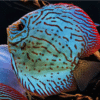
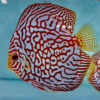
Welcome the stunning Discus Fish Snake Skin Blue into your tropical aquarium. With their vibrant colors and graceful movements, these beautiful inhabitants add elegance to any setup. Ideal for aquarists seeking peaceful companions, enhance your aquatic experience today!
In stock
The Discus Fish Snake Skin Blue, scientifically known as Symphysodon aequifasciatus, is a captivating member of the Cichlidae family, renowned for its stunning coloration and elegant appearance. Originating from the Amazon River Basin in South America, these fish thrive in warm, slow-moving waters rich in aquatic vegetation. Their natural habitat features soft, acidic waters, which play a crucial role in their overall health and well-being. The Snake Skin Blue variety is particularly admired for its unique patterning and vibrant blue hues, which can add a striking visual element to any freshwater aquarium. As a popular choice among aquarium enthusiasts, the discus fish is not only a feast for the eyes but also a fascinating species to care for, making it a worthy addition to any tropical aquarium setup.
| Optimal Living Conditions | |
|---|---|
| Water Temperature | 24-27°C (75-81°F) |
| pH Level | 6.5-7.5 |
| Water Hardness | 4-12 dKH |
| Minimum Tank Size | 80L (20 gal) |
| Salinity | Freshwater |
| Care Level | Beginner Friendly |
✓ Care Level: Moderate
Tank Size: Minimum 200 liters (53 gallons)
Water Temperature: 26-30°C (79-86°F)
pH Level: 6.0-7.5
Water Hardness: 1-10 dGH
Discus fish are known for their gentle and social nature, often forming strong bonds with their tank mates. In a well-maintained aquarium, they exhibit graceful swimming patterns, gliding through the water with a serene elegance. These fish thrive in groups, and it is recommended to keep them in schools of at least six individuals to promote their natural behavior and reduce stress. Their temperament can vary, with some individuals displaying a more dominant personality, especially during breeding periods. Observing their interactions can be a rewarding experience, as they communicate through subtle body language and color changes, reflecting their mood and health. Providing a peaceful environment with plenty of hiding spots and open swimming areas will encourage their natural behaviors and enhance their overall well-being.
Creating an ideal environment for your Discus Fish Snake Skin Blue involves careful consideration of tank setup. A spacious aquarium of at least 200 liters is essential to accommodate their size and social nature. The substrate should be soft and smooth, such as fine sand or small gravel, to prevent injury to their delicate bodies. Incorporating live plants not only enhances the aesthetic appeal but also provides hiding spots and helps maintain water quality by absorbing excess nutrients. Floating plants can offer shade and reduce light intensity, mimicking their natural habitat. Additionally, consider using driftwood and rocks to create natural structures and territories within the tank. Proper filtration is crucial to maintain clean water, and a heater is necessary to keep the temperature stable, as discus fish prefer warmer waters. Regular water changes and monitoring of water parameters will ensure a healthy and thriving environment for these beautiful aquatic companions.
Maintaining optimal water quality is paramount for the health of your Discus Fish Snake Skin Blue. These fish are sensitive to changes in their environment, making regular monitoring of water parameters essential. The ideal pH level should range between 6.0 and 7.5, with a preference for slightly acidic conditions. The water temperature should be maintained between 26-30°C (79-86°F) to promote their metabolic processes and overall well-being. Additionally, the hardness of the water should be kept between 1-10 dGH, as softer water is more conducive to their health. Regular water changes of 25-30% every week are recommended to prevent the buildup of harmful toxins and maintain stable conditions. Utilizing a high-quality filtration system will aid in keeping the water clean and clear, while also providing adequate oxygenation. Testing kits for pH, ammonia, nitrite, and nitrate levels should be used to ensure that the water remains within the desired parameters, allowing your discus fish to thrive.
Feeding your Discus Fish Snake Skin Blue a balanced and nutritious diet is vital for their health and vibrant coloration. These fish are omnivorous, requiring a varied diet that includes high-quality pellets, flakes, and frozen or live foods. A staple diet can consist of specially formulated discus pellets that are rich in protein and essential nutrients. Supplementing their diet with frozen or live foods such as bloodworms, brine shrimp, and daphnia can enhance their growth and coloration. It is important to feed them small amounts multiple times a day, rather than one large feeding, to mimic their natural foraging behavior and prevent overfeeding. A feeding schedule of 2-3 times daily is ideal, ensuring that all food is consumed within a few minutes to maintain water quality. Additionally, providing a variety of foods will not only keep them healthy but also stimulate their natural instincts and encourage active behavior in the aquarium.
When selecting tank mates for your Discus Fish Snake Skin Blue, it is essential to choose compatible species that share similar water parameter requirements and temperament. Ideal companions include peaceful fish such as tetras, rasboras, and certain species of catfish. Avoid aggressive or overly boisterous fish, as they can stress your discus and disrupt their natural behavior. Additionally, it is advisable to keep them with fish that are of similar size to prevent bullying or competition for food. A well-planned community tank can enhance the beauty of your aquarium and create a harmonious environment. Always monitor interactions between species, especially during the initial introduction phase, to ensure that all fish coexist peacefully. Creating a balanced community will not only benefit your discus fish but also provide a visually stunning display in your aquarium.
Ensuring the health and wellness of your Discus Fish Snake Skin Blue involves regular observation and proactive care. Common health issues include ich, fin rot, and other parasitic infections, which can arise from poor water quality or stress. Regular water changes, along with maintaining stable water parameters, are crucial in preventing these issues. Signs of distress may include changes in swimming behavior, loss of appetite, or discoloration. If any of these symptoms are observed, it is important to act quickly by isolating the affected fish and consulting with a professional for appropriate treatment. Additionally, providing a stress-free environment with adequate hiding spots and stable conditions will help bolster their immune system. Routine health checks and a keen eye for any changes in behavior will ensure that your discus fish remain vibrant and healthy.
Breeding Discus Fish Snake Skin Blue can be a rewarding experience for dedicated aquarists. To encourage breeding, it is essential to provide a separate breeding tank with optimal conditions, including slightly warmer water temperatures and pristine water quality. A flat surface, such as a clean rock or breeding cone, should be provided for the female to lay her eggs. The male will fertilize the eggs shortly after they are laid. After spawning, both parents will typically guard the eggs, which will hatch in about 48 hours. The fry will require specialized care, including infusoria or finely crushed food until they are large enough to consume larger foods. Maintaining stable water parameters and minimizing stress during this period is crucial for the survival and growth of the fry. With patience and proper care, breeding discus fish can lead to a successful and fulfilling endeavor.
Acclimating your Discus Fish Snake Skin Blue to their new environment is a critical step in ensuring their health and well-being. Upon bringing your new fish home, it is important to introduce them to the aquarium gradually to minimize stress. Begin by floating the sealed bag containing the fish in the tank for approximately 15-20 minutes to equalize the temperature. After this, slowly add small amounts of tank water to the bag over the course of another 30 minutes. This process helps the fish adapt to the water chemistry of their new home. Once acclimated, gently release the fish into the tank using a net to avoid adding any transport water. Monitor their behavior closely during the first few days, as they may be shy or reclusive as they adjust to their new surroundings. Providing a calm and stable environment will help them acclimate successfully.
The long-term care of your Discus Fish Snake Skin Blue requires commitment and attention to detail. These fish can live for 10 years or more with proper care, making them a long-term aquatic companion. Regular maintenance of water quality, including routine water changes and monitoring of parameters, is essential for their health. Additionally, providing a balanced diet and ensuring a stress-free environment will contribute to their longevity. As they grow, be mindful of their space requirements, as larger individuals may need more room to swim and establish territories. Regular health checks and prompt action in case of any signs of illness will ensure that your discus fish thrive throughout their lifespan. With dedication and proper care, you can enjoy the beauty and companionship of these remarkable fish for many years to come.
Recreating the natural habitat of the Discus Fish Snake Skin Blue in your aquarium can enhance their well-being and reduce stress. These fish thrive in environments that mimic their native Amazonian waters, characterized by soft, acidic conditions and abundant vegetation. Incorporating live plants such as Amazon swords, Java ferns, and floating plants can provide shelter and promote natural behaviors. The use of driftwood and rocks can create hiding spots and territories, which are essential for their comfort. Additionally, maintaining a dimly lit environment with gentle water flow will replicate their natural surroundings. Regularly pruning plants and maintaining the cleanliness of the tank will contribute to a healthy ecosystem. By creating a biotope that reflects their natural habitat, you will not only enhance the beauty of your aquarium but also promote the health and happiness of your discus fish.
As seasons change, so too should the care provided to your Discus Fish Snake Skin Blue. During warmer months, it is essential to monitor water temperature closely, as higher ambient temperatures can affect the tank environment. Ensure that the water temperature remains within the ideal range of 26-30°C (79-86°F) and consider using a cooling fan or air conditioning if necessary. In contrast, during colder months, maintaining warmth is crucial, and a reliable heater should be in place to prevent temperature fluctuations. Additionally, adjusting the lighting duration can help mimic natural seasonal changes, promoting healthy growth and behavior. Regularly check water parameters and be vigilant for any signs of stress or illness, as changes in temperature can impact fish health. By being proactive and adjusting care routines according to seasonal changes, you can ensure the continued health and happiness of your discus fish.
For those looking to provide the best care for their Discus Fish Snake Skin Blue, here are some expert tips. First, invest in a high-quality filtration system to maintain optimal water quality, as discus fish are particularly sensitive to poor conditions. Regularly test water parameters and perform routine maintenance to ensure a stable environment. Secondly, consider the use of a quarantine tank for new arrivals to prevent the introduction of diseases into your main aquarium. This practice allows you to monitor new fish for any signs of illness before introducing them to your established community. Additionally, consider the use of a varied diet, including high-quality pellets, frozen foods, and occasional live offerings to promote health and coloration. Lastly, be patient and observant; understanding the individual personalities and needs of your discus fish will enhance your experience and foster a deeper connection with these beautiful aquatic companions.
Despite best efforts, issues may arise in the care of your Discus Fish Snake Skin Blue. Common problems include stress, illness, and compatibility issues with tank mates. If your fish are displaying signs of stress, such as hiding or erratic swimming, reassess their environment for potential stressors, including aggressive tank mates or poor water quality. In cases of illness, prompt identification and treatment are crucial; consult with a professional for diagnosis and appropriate medication. Additionally, if breeding attempts are unsuccessful, ensure that conditions are optimal, including temperature, water quality, and availability of suitable spawning sites. Keeping a detailed log of water parameters and fish behavior can help identify patterns and prevent future issues. By remaining vigilant and proactive, you can address challenges effectively and ensure the continued health of your discus fish.
The Discus Fish Snake Skin Blue belongs to the family Cichlidae, which encompasses a diverse range of freshwater fish species. Symphysodon aequifasciatus is one of the most recognized species within this family, known for its distinctive shape and vibrant coloration. Taxonomically, discus fish are classified under the order Perciformes, which includes many popular aquarium fish. Research into the natural behaviors and habitats of discus fish has highlighted their need for stable environments and social structures, emphasizing the importance of community dynamics in their care. Conservation efforts are ongoing to protect their natural habitats in the Amazon, as environmental changes and habitat destruction pose significant threats to their populations. Understanding the scientific background of discus fish not only enhances our appreciation for these stunning creatures but also informs our approach to their care and conservation.
For experienced aquarists seeking to elevate their care for Discus Fish Snake Skin Blue, advanced techniques can enhance both the health and beauty of these fish. Consider implementing a biotope aquarium that closely resembles their natural habitat, incorporating specific plant species and substrate types that mimic the Amazon River environment. Additionally, explore the use of CO2 injection systems to promote lush plant growth, which can improve water quality and provide natural filtration. Regularly rotating tank decorations and rearranging plants can stimulate the fish and encourage natural behaviors. Furthermore, advanced feeding techniques, such as live food cultures or homemade food preparations, can enhance their diet and promote vibrant coloration. Monitoring and adjusting the breeding environment can also lead to successful spawning and fry rearing, providing a rewarding experience for dedicated aquarists. By employing these advanced care techniques, you can ensure that your discus fish thrive and exhibit their natural beauty.
Monitoring Tip: Test water parameters weekly and perform regular water changes to maintain optimal conditions for your aquatic friends!
The Discus Fish, particularly the Snake Skin Blue variety, thrives best in a spacious aquarium. A minimum tank size of 200 litres is recommended to provide ample swimming space and maintain stable water conditions. These fish prefer to be in groups, so consider a larger tank if you wish to keep multiple individuals. A well-planted aquarium with gentle filtration and plenty of hiding spots will also help mimic their natural habitat, promoting their overall well-being and reducing stress.
✓ Expert Tip
Using a larger tank not only benefits the fish but also helps maintain better water quality, which is crucial for the sensitive Discus.
Discus Fish prefer slightly acidic to neutral water conditions, with a pH level between 6.0 and 7.5. The water temperature should ideally be maintained between 28°C to 30°C, as they are tropical fish. Additionally, soft water with a hardness of 1-10 dGH is most suitable for their health. Regular water changes of 20-30% weekly are essential to keep the water quality high and prevent the buildup of harmful substances. Monitoring ammonia, nitrite, and nitrate levels is crucial for their wellbeing.
✓ Expert Tip
Utilising a high-quality water conditioner can help achieve the ideal parameters quickly and efficiently.
Discus Fish typically require feeding 2-3 times a day. It’s vital to provide a varied diet that includes high-quality flakes, pellets, and frozen or live foods such as bloodworms and brine shrimp. Overfeeding should be avoided, as it can lead to poor water quality and health issues. A good rule of thumb is to feed only what they can consume in a few minutes. Monitor their feeding habits, as a lack of appetite may indicate stress or health problems.
✓ Expert Tip
Consider soaking dry food in water before feeding to prevent buoyancy issues, ensuring that all fish can access their food.
When selecting tank mates for Discus Fish, it’s essential to choose peaceful species that thrive in similar water conditions. Suitable companions include Tetras, Corydoras, and certain species of Rasboras. Avoid aggressive or fin-nipping species, as they can stress the Discus. Additionally, ensure that all fish are of similar size to prevent any predatory behaviour. A well-planned community tank can enhance the beauty of your aquarium while ensuring the health and happiness of your Discus.
✓ Expert Tip
Introduce new fish gradually to allow the Discus to adjust to their presence without undue stress.
Acclimatising your Discus Fish is crucial to minimise stress and prevent shock. Begin by floating the sealed bag in your aquarium for about 15-20 minutes to equalise the temperature. After that, gradually introduce small amounts of aquarium water into the bag every 5 minutes for about an hour. This process allows the fish to adapt to the new water conditions. Once acclimatised, gently release the fish into the tank using a net, avoiding the transfer of bag water.
✓ Expert Tip
Minimising handling during this process will greatly reduce stress for your new aquatic companions.
Healthy Discus Fish exhibit vibrant colours, clear eyes, and active swimming behaviour. They should show no signs of distress, such as erratic swimming patterns or excessive hiding. Additionally, healthy fish will have a good appetite and exhibit normal social interactions with tank mates. Regular observation is key to identifying any changes in behaviour or appearance, which can indicate potential health issues.
✓ Expert Tip
Establish a routine for observing your fish; this will help you spot any potential health issues early on.
Breeding Discus Fish requires careful attention to their environment. First, ensure that you have a well-established pair, as they tend to form strong bonds. Provide a separate breeding tank with soft, slightly acidic water and a temperature of around 30°C. Use flat surfaces for spawning, such as broad leaves or smooth stones. After breeding, the parents will care for the eggs, which typically hatch within 48 hours. It is essential to maintain pristine water quality during this period to ensure the fry’s health.
✓ Expert Tip
Providing a varied diet for the parents will help ensure they are in optimal health for breeding.
Discus Fish thrive in warmer water, necessitating a stable temperature range of 28°C to 30°C. Sudden fluctuations in temperature can lead to stress and illness. An aquarium heater with a reliable thermostat is essential for maintaining these conditions. Regular monitoring using a quality thermometer will help ensure that the temperature remains consistent, which is crucial for the health and wellbeing of your fish.
✓ Expert Tip
Consider using a heater with adjustable settings to easily maintain the ideal temperature range.
In optimal conditions, Discus Fish can live up to 10-15 years in captivity. Their lifespan is significantly influenced by water quality, diet, and overall care. Providing a stable environment with regular maintenance and monitoring will enhance their longevity. Additionally, a varied and nutritious diet will support their health and vitality. It’s essential to remain vigilant for any signs of illness, as early intervention can greatly improve their quality of life.
✓ Expert Tip
Keeping a consistent routine for feeding and tank maintenance will contribute to a longer, healthier life for your Discus.
Discus Fish prefer a soft substrate, such as fine sand or smooth gravel, which allows them to forage naturally without injuring their delicate bodies. A natural substrate not only enhances the aesthetic appeal of the aquarium but also helps maintain water quality by providing beneficial bacteria. It is advisable to avoid sharp or rough materials that could harm these beautiful fish. Additionally, incorporating live plants can further improve their environment, providing hiding spots and reducing stress.
✓ Expert Tip
Consider using a substrate heater if you have a planted tank to promote healthy root growth and maintain optimal conditions.
Discus Fish are known for their peaceful and social nature. They prefer to be in groups and often exhibit schooling behaviour. While they can be shy at times, they are generally curious and will become more active as they acclimatise to their environment. Watch for their characteristic swimming patterns; they glide gracefully through the water, often engaging in gentle interactions with one another. Providing ample hiding spots and plants will help them feel secure and reduce stress.
✓ Expert Tip
Observe their interactions regularly to ensure they are healthy and stress-free, as behavioural changes can indicate potential issues.
Preventing diseases in Discus Fish begins with maintaining excellent water quality and providing a balanced diet. Regular water changes, along with testing for ammonia, nitrite, and nitrate levels, are essential. Quarantining new fish before introducing them to the main tank can help prevent the spread of illness. Additionally, maintaining a stable temperature and minimising stress through proper tank mates and environment will contribute to their overall health. Observing your fish frequently for any signs of illness will allow for early intervention.
✓ Expert Tip
Consider regular health check-ups with a knowledgeable aquarist or veterinarian to ensure your fish remain in peak condition.
Discus Fish prefer subdued lighting that mimics their natural habitat. Bright lights can cause stress and encourage hiding behaviour. Using LED lights with adjustable settings can help create a comfortable environment. Additionally, incorporating floating plants or driftwood can provide shaded areas, allowing the fish to feel more secure. A lighting schedule of 10-12 hours a day is recommended to simulate a natural day/night cycle, promoting healthy behaviour and plant growth.
✓ Expert Tip
Monitor your fish’s behaviour during different lighting conditions to find the optimal balance for their comfort.
Recognising stress in Discus Fish is crucial for their wellbeing. Signs may include erratic swimming, excessive hiding, or rapid gill movement. Additionally, stressed fish may lose their vibrant colours, becoming dull or dark. Changes in appetite or aggressive behaviour towards tank mates can also indicate stress. It is essential to address the underlying causes, such as poor water quality or unsuitable tank mates, to alleviate their discomfort and promote a healthy environment.
✓ Expert Tip
Regularly assess tank conditions and fish interactions to identify and rectify potential stressors promptly.
Discus Fish originate from the Amazon River Basin, where they inhabit slow-moving waters rich in vegetation. Replicating these conditions involves maintaining slightly acidic, soft water with a temperature between 28°C to 30°C. Incorporating plenty of plants, driftwood, and hiding spots will help mimic their natural environment, promoting comfort and reducing stress. Additionally, using a dark substrate can enhance their colours and provide a more natural feel. Regular monitoring of water quality and parameters is vital to ensure a stable habitat.
✓ Expert Tip
Utilising natural materials for aquascaping can create a stunning environment that reflects their native habitat.




Emily Carter (verified owner) –
I recently purchased the Snake Skin Blue Discus Fish, and I couldn’t be happier with my decision! After about two months in my 75-gallon freshwater tank, it has truly transformed my aquarium into a vibrant piece of art. This tropical fish is not only breathtaking with its unique pattern and vibrant colors, but it also has an amazing personality. It’s been quite active and loves to explore its surroundings, which adds life to my tank.
What really stood out to me is how healthy this discus fish arrived. It was well-packaged and shipped quickly, arriving in perfect condition. I had it acclimated and swimming comfortably within a few hours. Compared to other discus fish I’ve had in the past, this one is more social and interacts well with both my other fish and me.
One minor concern is that they require a bit more attention to water quality than some other freshwater fish, but that’s a small price to pay for such beauty. I highly recommend the Snake Skin Blue Discus Fish to anyone who is looking to enhance their aquarium—especially those who are passionate about fish welfare. It’s perfect for intermediate aquarists who are ready to invest time in their aquatic companions. I’m definitely considering adding another one to my collection!