

Subtotal: £45.48
Sale!
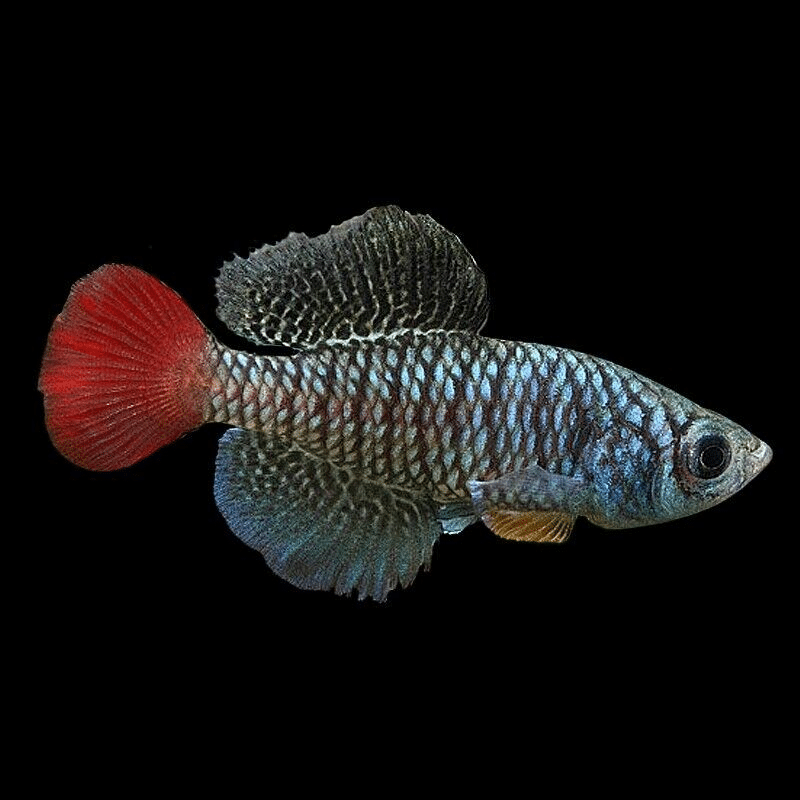
Nothobranchius Patrizii Msumarini Pair – Rare Killifish


Original price was: £22.99.£19.35Current price is: £19.35.
Welcome these stunning Nothobranchius Patrizii «Msumarini K 96-23» into your aquarium! This rare killifish features vibrant colors and elegant movements, making them beautiful inhabitants for your peaceful community tank. Includes one male and one female for your enjoyment.
In stock


Species Introduction
The Nothobranchius Patrizii, commonly referred to as the Msumarini K 96-23, is a stunning species of killifish native to the freshwater habitats of Tanzania. This rare fish species is not only visually captivating but also possesses a unique set of behaviors and care requirements that make it a fascinating addition to any aquarium. In their natural habitat, these fish thrive in shallow waters, often found in seasonal pools and swamps, where they exhibit vibrant colors and active swimming patterns. The Nothobranchius Patrizii is an omnivorous fish, meaning it has a diverse diet that can include both plant and animal matter, making it adaptable to various feeding regimens. As a peaceful community fish, it coexists harmoniously with other species, provided that their tank mates are compatible. Their striking coloration and lively nature make them a sought-after choice for aquarists looking to create a vibrant and dynamic aquarium environment.
Care Requirements Dashboard
Essential Care Guide for Your Nothobranchius Patrizii «Msumarini K 96-23»
| Optimal Living Conditions | |
|---|---|
| Water Temperature | 24-27°C (75-81°F) |
| pH Level | 6.5-7.5 |
| Water Hardness | 4-12 dKH |
| Minimum Tank Size | 80L (20 gal) |
| Salinity | Freshwater |
| Care Level | Beginner Friendly |
✓ Care Level: Moderate
Tank Size: Minimum 20 gallons
Water Parameters: pH 6.5-7.5, Temperature 24-28°C (75-82°F), Hardness 5-15 dGH
To provide optimal living conditions for Nothobranchius Patrizii, it is essential to maintain a well-cycled aquarium with stable water parameters. A minimum tank size of 20 gallons is recommended to allow these active swimmers ample space to thrive. The water should be kept slightly acidic to neutral, with a pH range of 6.5 to 7.5, and temperatures should be maintained between 24 to 28 degrees Celsius (75 to 82 degrees Fahrenheit). Regular water changes and monitoring of water quality are crucial to ensure the health and wellbeing of these beautiful aquatic companions.
Natural Behavior & Temperament
The Nothobranchius Patrizii exhibits a range of fascinating behaviors that are characteristic of killifish. These fish are known for their active swimming patterns and curious nature. They often explore their surroundings, darting in and out of plants and decorations, which mimics their natural habitat where they seek shelter and food. In terms of social behavior, Nothobranchius Patrizii are generally peaceful but can display territorial tendencies, especially during breeding. It is recommended to keep them in groups to reduce stress and establish a natural hierarchy. Observing their interactions can be quite rewarding, as they engage in playful displays and establish social bonds within their community. Their vibrant colors and dynamic movements make them a joy to watch, providing endless entertainment for aquarists.
Tank Setup Guide
Creating an ideal environment for Nothobranchius Patrizii involves careful consideration of tank setup and decoration. A well-planted aquarium with plenty of hiding spots will not only enhance the aesthetic appeal but also provide the fish with a sense of security. Use a fine substrate to mimic their natural habitat, along with live plants such as Java moss, Anubias, and floating plants to create shaded areas. These plants will help maintain water quality and provide cover for the fish. Additionally, incorporating driftwood and rocks can create natural territories and enhance the overall biotope. Ensure that the tank is equipped with a reliable filtration system to maintain water clarity and quality, as these fish thrive in clean environments. Lighting should be moderate, as excessive brightness can stress the fish and hinder plant growth.
Water Quality Management
✓ Good Water Quality is Essential
pH: 6.5-7.5
Temperature: 24-28°C (75-82°F)
Hardness: 5-15 dGH
Maintaining optimal water quality is crucial for the health of Nothobranchius Patrizii. Regular testing of water parameters is recommended to ensure that pH levels remain stable within the range of 6.5 to 7.5. Temperature fluctuations should be minimized, with a target range of 24 to 28 degrees Celsius (75 to 82 degrees Fahrenheit). Water hardness should be kept between 5 to 15 dGH, as extreme hardness can stress these fish. Implementing a regular water change schedule, ideally 20-30% weekly, will help maintain a healthy environment. Additionally, using a quality water conditioner can assist in removing harmful chemicals and chlorine from tap water before introducing it to the aquarium.
Feeding & Nutrition
✓ Omnivorous Diet
Feeding Schedule: 2-3 times daily
Food Types: High-quality flakes, frozen or live foods
Nothobranchius Patrizii is an omnivorous fish that thrives on a varied diet. A balanced feeding regimen should include high-quality flakes formulated for tropical fish, supplemented with frozen or live foods such as brine shrimp, daphnia, and bloodworms. These food types not only provide essential nutrients but also stimulate natural hunting behaviors, which is beneficial for their overall health. It is advisable to feed them 2-3 times daily, ensuring that they consume all food within a few minutes to prevent water quality issues. Additionally, incorporating plant-based foods such as spirulina can enhance their coloration and overall vitality. Monitoring their feeding habits will help in adjusting portion sizes to prevent overfeeding, which can lead to health complications.
Compatibility Guide
✓ Peaceful Community Fish
Compatible Tank Mates: Tetras, Rasboras, Corydoras
⚠ Avoid Aggressive Species: Cichlids, Larger Barbs
When considering tank mates for Nothobranchius Patrizii, it is essential to choose peaceful species that will not intimidate or harass these delicate fish. Ideal companions include small schooling fish such as tetras, rasboras, and corydoras, which share similar water parameter requirements and behavioral traits. Avoid housing them with aggressive species, such as cichlids or larger barbs, as these fish can stress the killifish and lead to health issues. A well-planned community tank will not only enhance the beauty of your aquarium but also create a harmonious environment where all species can thrive.
Health & Wellness
✓ Regular Health Monitoring
Common Issues: Ich, Fin Rot
Prevention: Maintain Water Quality, Quarantine New Arrivals
Regular health monitoring is vital for the well-being of Nothobranchius Patrizii. Common health issues include ich, a parasitic infection that can cause white spots on the fish, and fin rot, which can occur due to poor water quality. To prevent these issues, it is crucial to maintain high water quality through regular testing and water changes. Additionally, quarantining new arrivals before introducing them to the main tank can help prevent the spread of diseases. Observing your fish for any signs of distress or unusual behavior will enable you to address potential health issues promptly. Providing a stress-free environment, along with a balanced diet, will contribute to the overall health and longevity of your aquatic companions.
Breeding Information
✓ Breeding Potential
Spawning Method: Egg Scatterers
Fry Care: Provide Infusoria, Baby Brine Shrimp
Nothobranchius Patrizii are known for their breeding potential, making them a delightful choice for aquarists interested in propagation. They are egg scatterers, meaning they will lay their eggs among the substrate or in fine-leaved plants. To encourage breeding, it is beneficial to provide a separate breeding tank with soft, slightly acidic water and fine substrate. After spawning, the adults should be removed to prevent them from eating the eggs. Once the eggs hatch, which typically occurs within a week, the fry should be fed infusoria or finely crushed flakes until they are large enough to consume baby brine shrimp. Providing a stable environment and proper nutrition during the early stages of development is crucial for the successful growth of the fry.
Acclimation Process
✓ Gentle Acclimation Required
Acclimation Time: 1-2 hours
Method: Drip Method Recommended
Introducing Nothobranchius Patrizii to a new tank requires a gentle acclimation process to minimize stress. The drip method is highly recommended, where water from the tank is slowly introduced to the bag containing the fish over a period of 1-2 hours. This gradual acclimation helps the fish adjust to the new water parameters without shock. It is important to monitor the fish during this time for any signs of stress or distress. Once acclimated, the fish can be gently released into the aquarium, ensuring that they are provided with a safe and welcoming environment.
Long-term Care
✓ Lifespan: 2-3 Years
Growth Expectations: Up to 2 inches
Nothobranchius Patrizii typically has a lifespan of 2-3 years in a well-maintained aquarium. As they grow, they can reach sizes of up to 2 inches. Regular monitoring of their health and environment will contribute to their longevity. It is essential to provide consistent care, including maintaining water quality, proper nutrition, and a stress-free environment. Keeping a close eye on their behavior and health will help ensure that they thrive throughout their lifespan.
Natural Habitat Recreation
To truly appreciate the beauty of Nothobranchius Patrizii, recreating their natural habitat within your aquarium is essential. In the wild, these killifish inhabit shallow waters with plenty of vegetation and hiding spots. To mimic this environment, incorporate a variety of live plants, such as Java fern and floating plants, along with natural decorations like driftwood and rocks. This setup not only enhances the aesthetic appeal of your aquarium but also provides the fish with the necessary cover and territory they need to feel secure. Additionally, maintaining a gentle water flow will help replicate their natural habitat, allowing them to thrive and exhibit their natural behaviors.
Seasonal Care Adjustments
✓ Seasonal Changes to Monitor
Temperature Adjustments: Seasonal Variations
Lighting: Adjust for Natural Daylight Cycles
Seasonal changes can impact the care requirements for Nothobranchius Patrizii. During warmer months, ensure that the water temperature does not exceed the upper limit of their comfort zone, as high temperatures can lead to stress and health issues. Conversely, during cooler months, it may be necessary to use a heater to maintain a stable temperature. Additionally, adjusting the lighting to mimic natural daylight cycles can promote healthy plant growth and encourage natural behaviors in the fish. Monitoring these seasonal variations will help ensure that your aquatic companions remain healthy and happy throughout the year.
Expert Tips
✓ Professional Advice for Optimal Care
Monitor Water Parameters Regularly
Provide a Varied Diet for Health
For optimal care of Nothobranchius Patrizii, it is essential to monitor water parameters regularly to prevent any fluctuations that could harm your fish friends. Keeping a consistent feeding schedule with a varied diet will promote their health and enhance their vibrant colors. Additionally, providing hiding spots and territories will help reduce stress and encourage natural behaviors. Engaging with your fish and observing their interactions can also provide insights into their health and well-being, allowing you to adjust care as needed.
Troubleshooting
✓ Common Issues and Solutions
Problem: Fish Hiding Excessively
Solution: Check Water Quality and Tank Mates
If you notice that your Nothobranchius Patrizii are hiding excessively, it may be a sign of stress. This can occur due to poor water quality or incompatible tank mates. Conduct a thorough check of water parameters and ensure that they are within the recommended ranges. Additionally, observe the behavior of other tank mates to identify any potential aggression. Providing additional hiding spots and plants can help your fish feel more secure and reduce stress levels.
Scientific Background
The Nothobranchius genus is a fascinating group of killifish known for their unique reproductive strategies and diverse habitats. Research into their taxonomy and behavior has revealed much about their adaptability and resilience in varying environments. Conservation efforts are crucial for protecting these rare killifish, as habitat destruction poses a significant threat to their populations in the wild. Understanding their natural history and ecological role can enhance our appreciation for these beautiful creatures and inform responsible aquarium practices.
Advanced Care Techniques
✓ Expert-Level Techniques for Enthusiasts
Utilize Live Foods for Breeding
Experiment with Biotope Settings
For experienced aquarists looking to enhance their care for Nothobranchius Patrizii, utilizing live foods during breeding can significantly improve fry health and growth rates. Experimenting with biotope settings that closely mimic their natural habitat can also yield positive results, as it encourages natural behaviors and promotes overall well-being. Engaging in advanced care techniques not only enriches the lives of these beautiful fish but also enhances the aquarist’s experience, providing deeper insights into the complexities of aquatic life.
Water Quality Parameters
Optimal Range
Temperature:
24-27°C
24-27°C
pH:
6.5-7.5
6.5-7.5
Ammonia:
0 ppm
0 ppm
Caution Zone
Temperature:
22-24°C or 27-29°C
22-24°C or 27-29°C
pH:
6.0-6.5 or 7.5-8.0
6.0-6.5 or 7.5-8.0
Ammonia:
0.25-0.5 ppm
0.25-0.5 ppm
Danger Zone
Temperature:
<22°C or >29°C
<22°C or >29°C
pH:
<6.0 or >8.0
<6.0 or >8.0
Ammonia:
>0.5 ppm
>0.5 ppm
Monitoring Tip: Test water parameters weekly and perform regular water changes to maintain optimal conditions for your aquatic friends!
Frequently Asked Questions
Q: What tank size is required for Nothobranchius Patrizii?
Nothobranchius Patrizii, commonly known as the Msumarini Killifish, thrives in a well-maintained aquarium of at least 40 litres. This size allows for adequate swimming space and promotes a stable environment. Given their territorial nature, providing ample hiding spots and open swimming areas is crucial. A larger tank can help reduce aggression, especially when housing multiple males. It is also advisable to use a lid on the tank, as these fish are known to jump. Regular water changes and filtration are essential to maintain optimal water quality, which is vital for their health and well-being.
✓ Expert Tip
Consider aquascaping with plants and driftwood to create a natural habitat that mimics their native environment.
Q: What water parameters do Nothobranchius Patrizii require?
Nothobranchius Patrizii prefers slightly acidic to neutral water conditions, ideally with a pH between 6.5 and 7.5. The water hardness should be moderately soft to hard, around 5-15 dGH. Temperature is crucial; maintain it between 24°C and 28°C for optimal health. Regular monitoring of these parameters is essential using reliable test kits. Stability in water conditions will help prevent stress and health issues in your fish. Additionally, ensure a good filtration system is in place to remove toxins and maintain clean water.
✓ Expert Tip
Utilise a heater and thermometer to maintain consistent water temperature, as fluctuations can stress your aquatic companions.
Q: How often should I feed Nothobranchius Patrizii?
Nothobranchius Patrizii should be fed small amounts two to three times a day. A varied diet is essential for their health; consider high-quality flake food, frozen or live foods such as brine shrimp, and daphnia. Be cautious not to overfeed, as uneaten food can pollute the water and lead to health issues. Observe your fish; they should consume their food within a few minutes. Adjust feeding quantities based on their activity levels and growth. During breeding, increase the protein content to support reproductive health.
✓ Expert Tip
Consider using feeding rings to prevent food from drifting too far, ensuring all fish can access their meals.
Q: What are the best tank mates for Nothobranchius Patrizii?
When selecting tank mates for Nothobranchius Patrizii, consider peaceful species that occupy different levels of the aquarium. Suitable companions include small tetras, rasboras, and peaceful barbs. Avoid larger or aggressive fish, as they may stress or harm your Killifish. It’s also wise to avoid other killifish species that may compete for territory. Ensuring ample hiding spots and swimming areas will help reduce territorial disputes. Monitor interactions closely, especially during the initial introduction phase, to ensure compatibility.
✓ Expert Tip
Consider introducing tank mates gradually, allowing time for acclimatisation and reducing potential aggression.
Q: How do I properly acclimatise Nothobranchius Patrizii to my aquarium?
Acclimatisation is crucial for the health of your Nothobranchius Patrizii. Start by floating the sealed bag in the aquarium for about 15-20 minutes to equalise the temperature. After this, gradually introduce small amounts of aquarium water into the bag every 5 minutes for about an hour. This process helps the fish adjust to the water’s parameters. Once acclimatised, gently transfer the fish into the aquarium using a net, avoiding adding bag water to your tank. Monitor the fish closely for any signs of stress after introducing them.
✓ Expert Tip
Consider using a drip acclimatisation method for more sensitive species, allowing for a gradual adjustment.
Q: What are the signs of healthy Nothobranchius Patrizii?
Healthy Nothobranchius Patrizii display vibrant colours and a lively demeanour. They should swim actively and exhibit normal feeding behaviour. Look for clear, bright eyes and intact fins, as well as a smooth, streamlined body. Signs of distress include lethargy, loss of colour, or abnormal swimming patterns. Regular observation is key to noticing changes in behaviour that may indicate health issues. Maintaining optimal water quality and a balanced diet will help ensure your Killifish remain in peak condition.
✓ Expert Tip
Regularly check for signs of disease, such as white spots or fin rot, and act quickly if you notice any abnormalities.
Q: How do I successfully breed Nothobranchius Patrizii?
Breeding Nothobranchius Patrizii can be a rewarding experience. Start by selecting a healthy pair, ideally in a separate breeding tank with a soft substrate, such as spawning mops or a fine-grained substrate. Maintain a water temperature of around 24°C to 28°C. Provide a varied diet rich in protein to encourage breeding behaviour. Once spawning occurs, remove the adults after a few days to prevent them from eating the eggs. The eggs will hatch in about 10-14 days, and it is essential to feed the fry suitable foods, such as infusoria or finely crushed flakes.
✓ Expert Tip
Consider using a separate grow-out tank for the fry to ensure they thrive without competition from adults.
Q: What temperature should I maintain for Nothobranchius Patrizii?
The ideal temperature range for Nothobranchius Patrizii is between 24°C and 28°C. Maintaining this temperature will support their metabolic functions and overall health. Use a reliable aquarium heater and thermometer to monitor the water temperature consistently. Sudden temperature fluctuations can stress the fish, leading to health problems. It is advisable to maintain a stable environment, especially during breeding periods, as higher temperatures can enhance reproductive behaviour.
✓ Expert Tip
Consider using a heater with a thermostat for consistent temperature control, ensuring your fish remain comfortable.
Q: How long do Nothobranchius Patrizii typically live in captivity?
In captivity, Nothobranchius Patrizii generally live for about 2 to 3 years, depending on their care and environmental conditions. Factors such as water quality, diet, and tank conditions significantly influence their lifespan. Providing a stable and clean environment, along with a balanced diet, can promote longevity. Regular health monitoring and prompt treatment of any diseases will also contribute to their well-being and lifespan. Remember, proper care is essential in ensuring these beautiful fish thrive in your aquarium.
✓ Expert Tip
Keep a log of water parameters and fish behaviour to help identify any issues early on.
Q: What type of substrate is most suitable for Nothobranchius Patrizii?
Nothobranchius Patrizii prefers a soft substrate, such as fine sand or a soft, dark gravel. This type of substrate mimics their natural habitat and allows for easier digging and foraging behaviour. It is essential to avoid sharp or rough substrates that could injure their delicate bodies. Additionally, incorporating plants and hiding spots into the substrate can create a more enriching environment. Regularly clean the substrate to prevent waste accumulation, which can harm water quality.
✓ Expert Tip
Consider using a gravel vacuum during water changes to maintain substrate cleanliness without disturbing the fish.
Q: What behavioural patterns should I expect from Nothobranchius Patrizii?
Nothobranchius Patrizii are generally active and curious fish, often exploring their environment. They exhibit territorial behaviour, especially males, which may lead to displays of aggression during breeding times. You may observe them darting around the tank or engaging in playful interactions with one another. They also enjoy foraging in the substrate for food. Providing plenty of hiding spots and visual barriers can help reduce aggression and create a more harmonious environment. Regular observation will help you understand their unique personalities and social dynamics.
✓ Expert Tip
Consider maintaining a ratio of one male to several females to minimise aggression and promote a more peaceful community.
Q: How can I prevent common diseases in Nothobranchius Patrizii?
Preventing diseases in Nothobranchius Patrizii relies on maintaining optimal water quality and a stress-free environment. Regular water changes, proper filtration, and consistent temperature are vital. Quarantine new fish before introducing them to your main tank to prevent disease transmission. Monitor for signs of stress or illness, such as changes in behaviour or physical appearance. Providing a varied and nutritious diet will support their immune system. In case of disease, prompt treatment is crucial, and maintaining a clean environment will help prevent future outbreaks.
✓ Expert Tip
Consider using a reliable water conditioner and regular testing kits to ensure optimal water parameters.
Q: What lighting conditions do Nothobranchius Patrizii prefer?
Nothobranchius Patrizii thrive under moderate lighting conditions, which mimic their natural habitat. A standard aquarium light with a duration of 10-12 hours daily is usually sufficient. Providing areas of shade, such as floating plants or decorations, can help them feel secure and reduce stress. Avoid intense lighting, as it may cause discomfort or stress for your fish. Adjust the lighting based on plant needs if you incorporate live plants into the tank. Regularly clean the light fixtures to ensure optimal brightness.
✓ Expert Tip
Consider using a timer to maintain consistent lighting periods, promoting a natural day-night cycle for your fish.
Q: How do I recognise stress in Nothobranchius Patrizii?
Recognising stress in Nothobranchius Patrizii involves observing changes in their behaviour and appearance. Signs of stress may include hiding excessively, reduced activity, or erratic swimming patterns. Fish may also display faded colours or clamped fins. Aggression among tank mates can lead to stress, so monitor interactions closely. Environmental factors such as poor water quality or unsuitable tank mates can also contribute to stress. If you notice these signs, promptly assess water parameters and adjust tank conditions to improve their environment.
✓ Expert Tip
Creating a well-structured tank with plenty of hiding spots can help reduce stress and enhance their comfort.
Q: What natural habitat conditions should I replicate for Nothobranchius Patrizii?
Nothobranchius Patrizii hails from shallow, seasonal pools in Tanzania, characterised by warm water temperatures and soft, sandy substrates. To replicate their natural habitat, aim for a tank with a sandy or fine substrate, complemented by plenty of plants and hiding spots. Maintaining slightly acidic to neutral pH levels and moderate water hardness will enhance their comfort. Provide areas of shade and ensure good water circulation to mimic their natural environment. Regular water changes will help keep conditions optimal.
✓ Expert Tip
Incorporate natural decor items like driftwood or rocks to create a more authentic environment for your fish.
2 reviews for Nothobranchius Patrizii Msumarini Pair – Rare Killifish
Add a review
Related products

Price range: £16.45 through £49.34
This product has multiple variants. The options may be chosen on the product page


Out of stock

Out of stock

Price range: £16.45 through £49.34
This product has multiple variants. The options may be chosen on the product page


Emily Carter (verified owner) –
I recently added a pair of Nothobranchius Patrizii ‘Msumarini K 96-23’ killifish to my aquarium, and I couldn’t be happier! These rare killifish are not just beautiful with their striking colors, but they also have such captivating personalities. After keeping them for about two months, I’ve noticed how lively and active they are, which adds a wonderful dynamic to my tank. Their vibrant hues really pop against the planted background, making my aquarium a true visual delight.
I’ve kept several species of aquarium fish before, but this pair stands out due to their unique spawning behaviors and the joy they bring when they chase each other around. I made sure to provide a gentle filtration system and plenty of hiding spots, and they’ve thrived beautifully!
One minor concern was their initial shyness, but after a week of acclimatization, they became more confident and curious. If you’re considering adding these killifish to your setup, I recommend doing your research on their specific care needs – but trust me, they’re worth it! Perfect for anyone looking to spice up their community tank. I highly recommend these to fellow aquarists who appreciate both beauty and character in their fish!
Emily Turner (verified owner) –
I recently added the Nothobranchius Patrizii «Msumarini K 96-23» to my community aquarium, and I couldn’t be happier! These stunning killifish are not only visually captivating with their vibrant colors, but their personalities really shine through as well. After about two weeks of them settling in, I’ve noticed such a lively interaction in the tank. They swim gracefully around the plants, demonstrating their natural behavior, which delights my entire family.
I love that they’re peaceful and thrive in a well-planted environment, making them perfect for breeding tanks or community setups like mine. Compared to the other fish I’ve had, their unique behavior and charm set them apart. A minor concern is that they seem a bit picky with water quality, so I’ve been extra vigilant with my parameters, but it’s completely worth it.
I highly recommend these lovely fish to anyone looking to enhance the beauty of their aquarium. They’re ideal for both novice and seasoned aquarists, and I can’t wait to see how they do in a breeding setup! Shipping was quick, and they arrived healthy and active. Honestly, they are a fantastic addition to my collection and I wouldn’t hesitate to buy more!